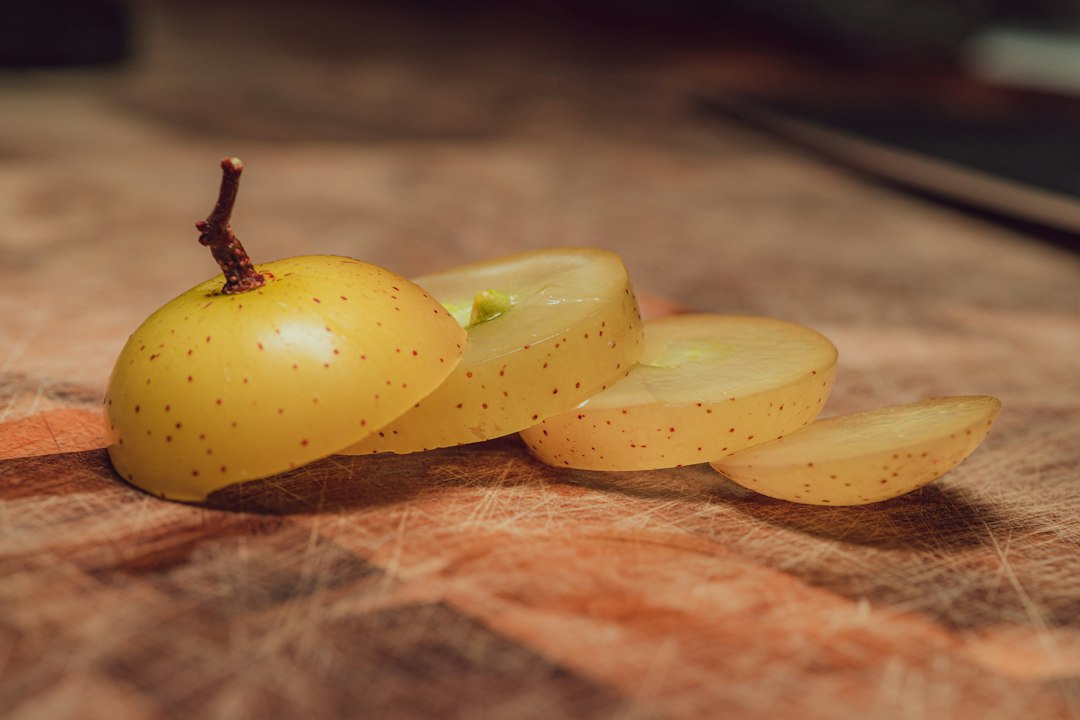
Muscadine (Vitis rotundifolia) is a sturdy, disease-resistant grape native to the warm, humid Southeast, grown for thick-skinned fruit with a musky-sweet flavor, eaten fresh, pressed for juice, or fermented into wine. It is an easy vine once established, shrugging off several diseases that trouble European grapes, and it needs little beyond full sun and a sturdy trellis. The catch for Kentucky growers: its reliable hardiness range starts at zone 7, one zone warmer than Harrison County's zone 6b. Treat muscadine as a borderline crop here, not a sure thing, and give it only your warmest, most sheltered spot.
Sowing and planting
Most gardeners start with a potted vine of a named variety rather than seed, since seedling vines vary widely and take years longer to fruit. Buy a one- or two-year-old vine from a nursery that lists the variety by name.
Choosing the site. In zone 6b, siting is the single most important decision you make. Look for the warmest, most sheltered spot you have: a south- or southwest-facing fence line, a position shielded from prevailing winter wind, or ground close to a masonry wall that holds heat overnight. A good microclimate (a small pocket of a garden that runs warmer or colder than the surrounding area) can carry an otherwise zone-7 vine through an average Kentucky winter. Give it room to run, too: a single vine eventually needs about 240 inches (600 cm) of trellis to spread into.
Trellis setup. Muscadines need permanent support from the start, since the vine becomes heavy and woody within a few years. A single-wire trellis suits one or two vines: set sturdy posts about 15 to 20 feet apart, matching the vine's eventual spread, and run a heavy-gauge wire between them at around chest height. Tie the young vine's main stem to a stake to guide it up to the wire.
Planting. In zone 6b, plant in spring once the soil has warmed and the last frost risk has passed, so the vine has a full growing season to establish roots before its first winter. Dig a hole as deep as the root ball and twice as wide, water in thoroughly, and mulch around it without piling mulch against the stem.
Growing on
Watering. Water deeply and regularly through the first two summers while roots establish, letting the top few inches of soil dry between waterings rather than keeping it constantly wet. Once established, muscadine is fairly drought-tolerant and often needs no supplemental water beyond normal rainfall, except in prolonged dry spells.
Feeding. Feed lightly in early spring as new growth starts, using a balanced fertilizer. Avoid heavy nitrogen feeding: it pushes soft, leafy growth at the expense of fruit and leaves the vine less hardy going into winter, a real risk where cold is already marginal.
Training. In the first year or two, train a single strong shoot straight up to the wire, removing side shoots as you go, to form the trunk. Once it reaches the wire, let two shoots grow out in opposite directions to form permanent horizontal arms called cordons, and tie these to the wire as they lengthen.
Pruning. Prune hard every winter while the vine is dormant, using the spur method: cut back last year's side shoots along each cordon to two or three buds. Skipping pruning turns a muscadine into a tangled thicket that fruits poorly and stays wet after rain, inviting disease. Prune in late winter, once the hardest cold has passed, since fresh cuts are more vulnerable to a late freeze.
Harvesting
Muscadines do not ripen all at once, even within a single cluster, and they do not form the tight bunches typical of European grapes. Expect loose clusters of a handful of large berries that color and sweeten gradually over several weeks in late summer into autumn.
Many varieties shatter: the ripest berries drop from the vine on their own rather than holding until picked. This is normal, not a sign of a problem. Check the vine every few days once fruit starts to color, and pick by hand any berry that comes away with a gentle tug. For varieties that shatter freely, some growers spread a tarp or sheet beneath the vine and give the trellis a light shake to bring down the ripest fruit, then sort out any that are split or overripe.
Taste a few before committing to a full picking, since color alone is not always a reliable guide to ripeness. Use the fruit promptly or refrigerate it. The thick skin keeps it longer than thin-skinned grapes, but it still softens within a week or so.
Problems and pests
Winter cold damage or dieback
In zone 6b, a hard winter can kill canes back to the ground or damage the trunk, since muscadine's reliable hardiness range starts at zone 7. Mulch the root zone heavily going into winter, skip late-season nitrogen feeding that delays hardening off (the plant's natural toughening against cold), and expect to prune out dead wood in spring. A vine killed to the ground by a severe winter may still regrow from the roots if the crown survived.
Birds and wasps on ripening fruit
Birds and wasps are drawn to muscadine's musky aroma as fruit colors up, and can strip or damage a crop quickly. Net the vine as fruit ripens, or pick frequently so less ripe fruit sits exposed at any one time.
Shriveled, mummified berries
Black rot, a fungal disease common on grapes in humid climates, turns berries brown, shrivels them, and leaves them hanging as hard black "mummies." Remove and destroy mummified fruit and fallen leaves, prune for open airflow through the canopy, and avoid overhead watering that keeps foliage wet for long periods.
Skeletonized leaves
Japanese beetles feed in groups and can strip leaves down to their veins in midsummer. Hand-pick beetles into soapy water in the early morning while they are sluggish, or set traps well away from the vine so they do not draw in more beetles than they catch.
Varieties worth growing
- 'Carlos': bronze-skinned and self-fertile (it fruits without a different variety nearby for pollination); widely regarded as one of the more cold-hardy bronze varieties, and reliable for fresh eating, juice, and wine.
- 'Noble': small, dark-skinned fruit, self-fertile, and known for good cold tolerance; a standard choice for juice and wine.
- 'Nesbitt': dark-skinned and self-fertile, with large, sweet berries; a popular choice for home gardens.
- 'Scuppernong': the original bronze muscadine, and the variety that gave the fruit its old Southern nickname; musky and sweet, best known for fresh eating.
- 'Fry': large bronze fruit with a mild, sweet flavor, popular for fresh eating; female-flowered only, so it needs a self-fertile variety planted nearby for pollination.