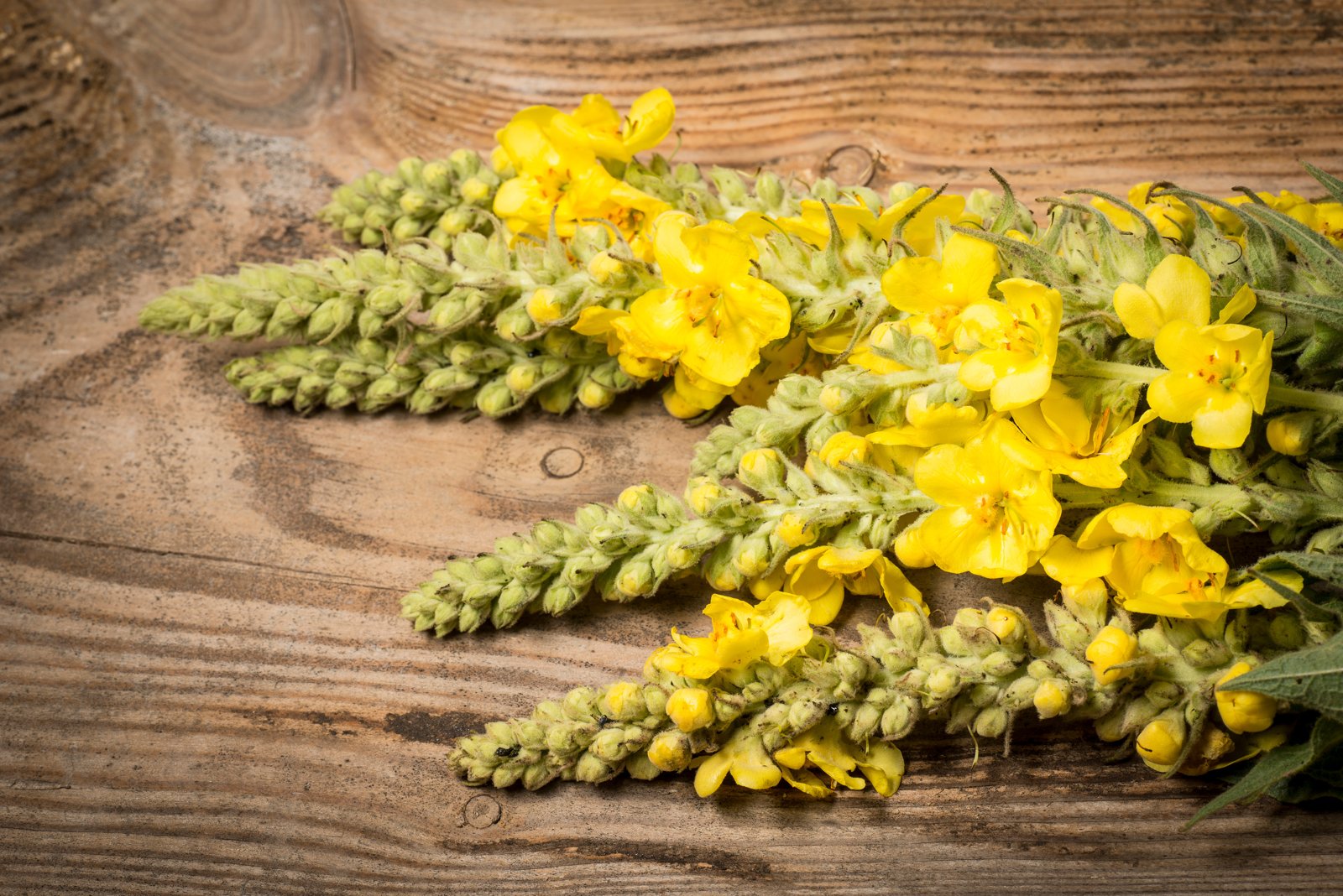
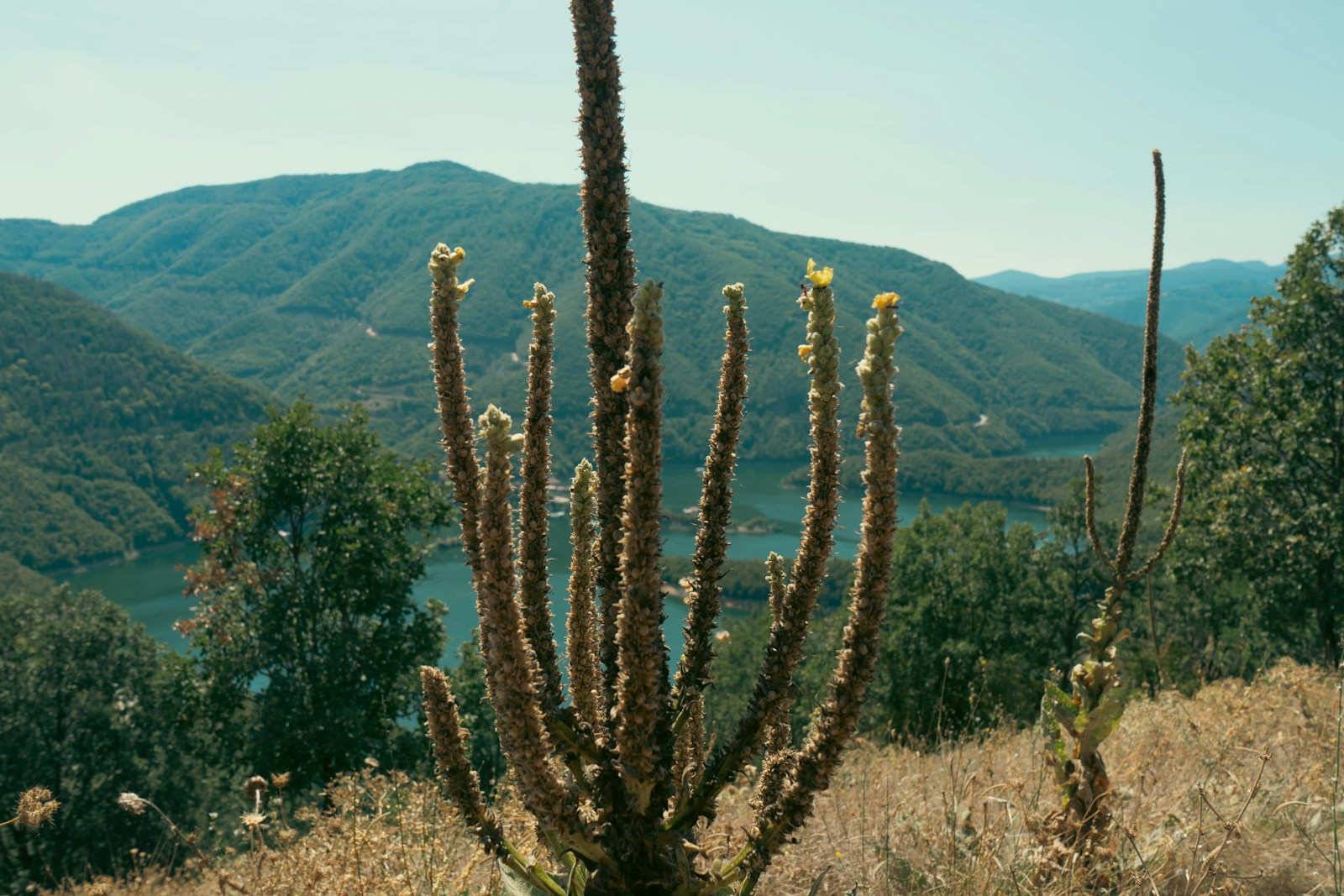
Common mullein (Verbascum thapsus) is the tall, woolly plant of roadsides and old pastures. It is a biennial, meaning it lives two years. The first year it makes a flat rosette of soft, gray-green leaves. The second year it sends up a single flower spike, sets seed and dies. Gardeners grow it for that bold shape, for the bees it feeds, and for its long history in the mountain home medicine chest. It is one of the easiest plants you can grow. The real work is stopping it from spreading.
Common mullein is not native to North America, and some US states list it as a noxious weed. Check your state and local rules before you plant it. Wherever you grow it, cut the spikes before seed ripens so it cannot escape your garden.
Sowing and planting
Mullein is grown from seed, and direct sowing works best. The plant forms a deep taproot early and resents being moved once it has any size.
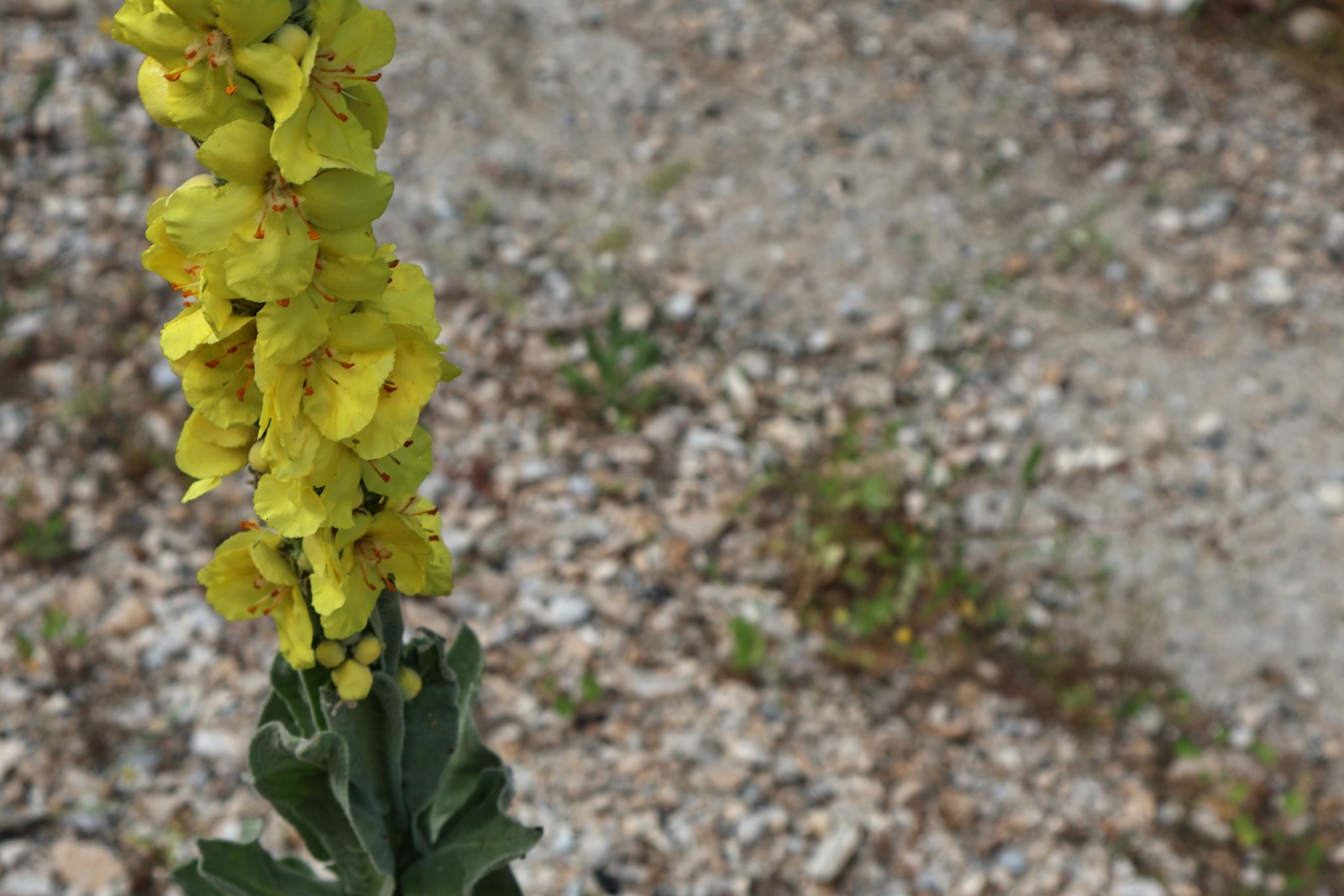
Sow in early spring around your last frost date, or in late summer to early fall. A fall sowing gives small rosettes that overwinter and grow on in spring. Pick the sunniest, driest spot you have. Lean soil is an advantage here. Rich, damp ground makes floppy plants that rot in winter.
The seed is tiny and needs light to germinate. Scatter it on raked soil and press it in. Do not cover it. Keep the surface just damp, and expect seedlings in about two weeks in mild weather. Thin them in stages until the rosettes stand 18 to 24 inches (45 to 60 cm) apart.
If you start seed indoors, use deep cells or small pots. Plant the seedlings out while they are still small, before the taproot circles the pot. A separate guide covers growing mullein from seed step by step.
Think about placement before you sow. A flowering plant is tall and narrow, so it suits the back of a border, a gravel garden or a dry bank. Keep it away from lawn edges, paths with loose gravel and neighboring wild ground, where stray seedlings are hard to control.
Growing on
Water seedlings through their first few weeks. After that, mullein looks after itself in most gardens. Water an established rosette only during a long drought. Wet soil around the crown is the most common way to lose one.
Do not feed it. Fertilizer produces soft, oversized leaves and a spike that leans or snaps. Skip thick organic mulch too, since it holds moisture against the crown. A thin layer of gravel is a better choice around the rosette.
The rosette stays green through much of the winter in zones 3 to 9. It needs no protection beyond good drainage. In the second spring the center of the rosette begins to rise. The stalk grows fast and usually stands without help. On a windy site, push in a single stake once the spike passes 4 feet (1.2 m).
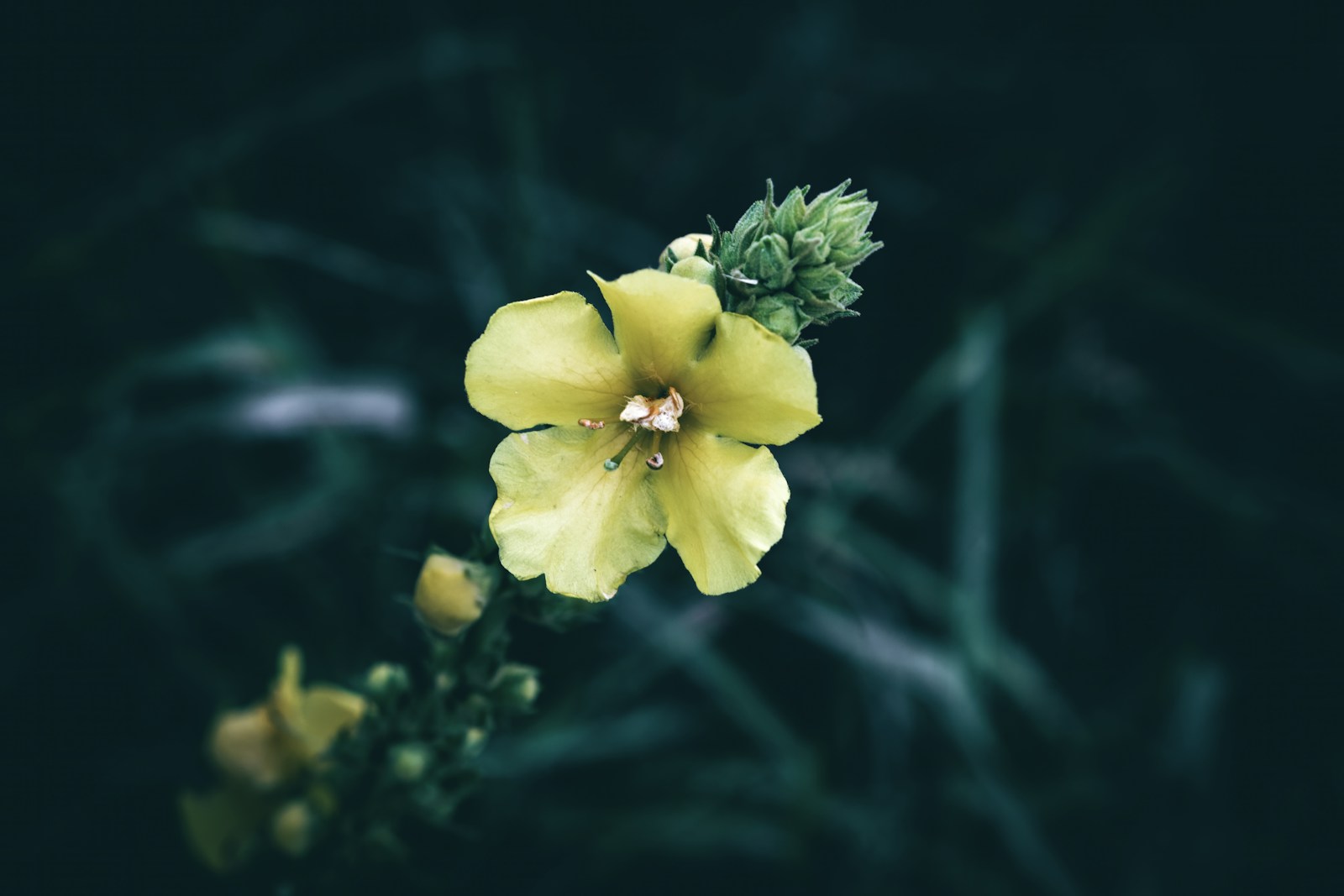
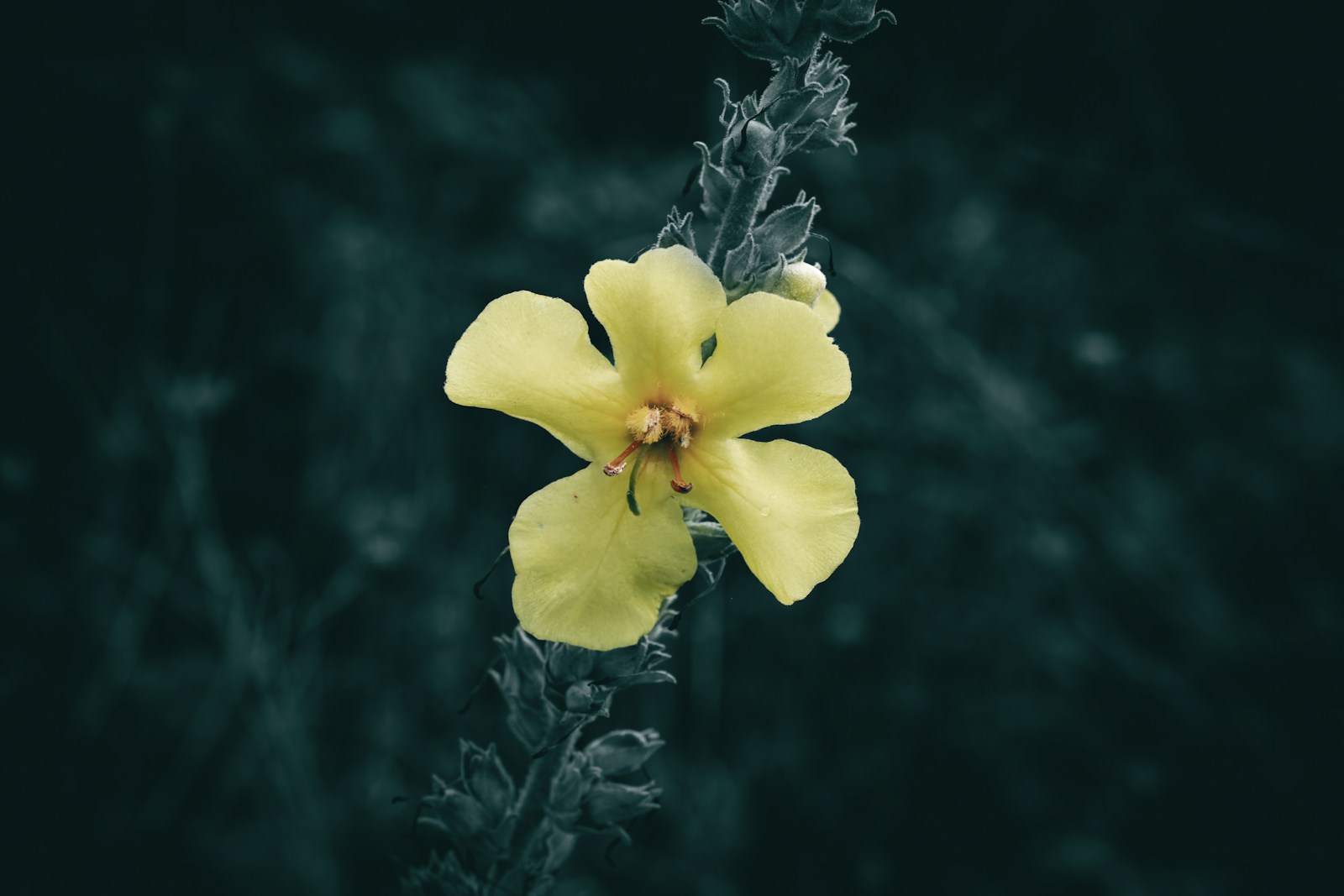
Flowers open a few at a time up the spike over many weeks in summer. Each yellow flower lasts about a day. Bees and other pollinators work them steadily.
The main pruning job is deadheading (removing spent flowers before they set seed). When the last flowers at the tip fade, cut the whole stalk at the base. Put it in the trash rather than the compost heap. One plant can ripen a huge number of seeds, and they stay alive in the soil for decades. If you want a few replacement plants, leave a short section of one spike to ripen and shake it where you want them.
Harvesting
Pick leaves from first-year rosettes or from the lower part of second-year plants before they flower. Choose clean, healthy leaves on a dry morning after the dew has gone. Take a few from each plant so the rosette keeps growing.
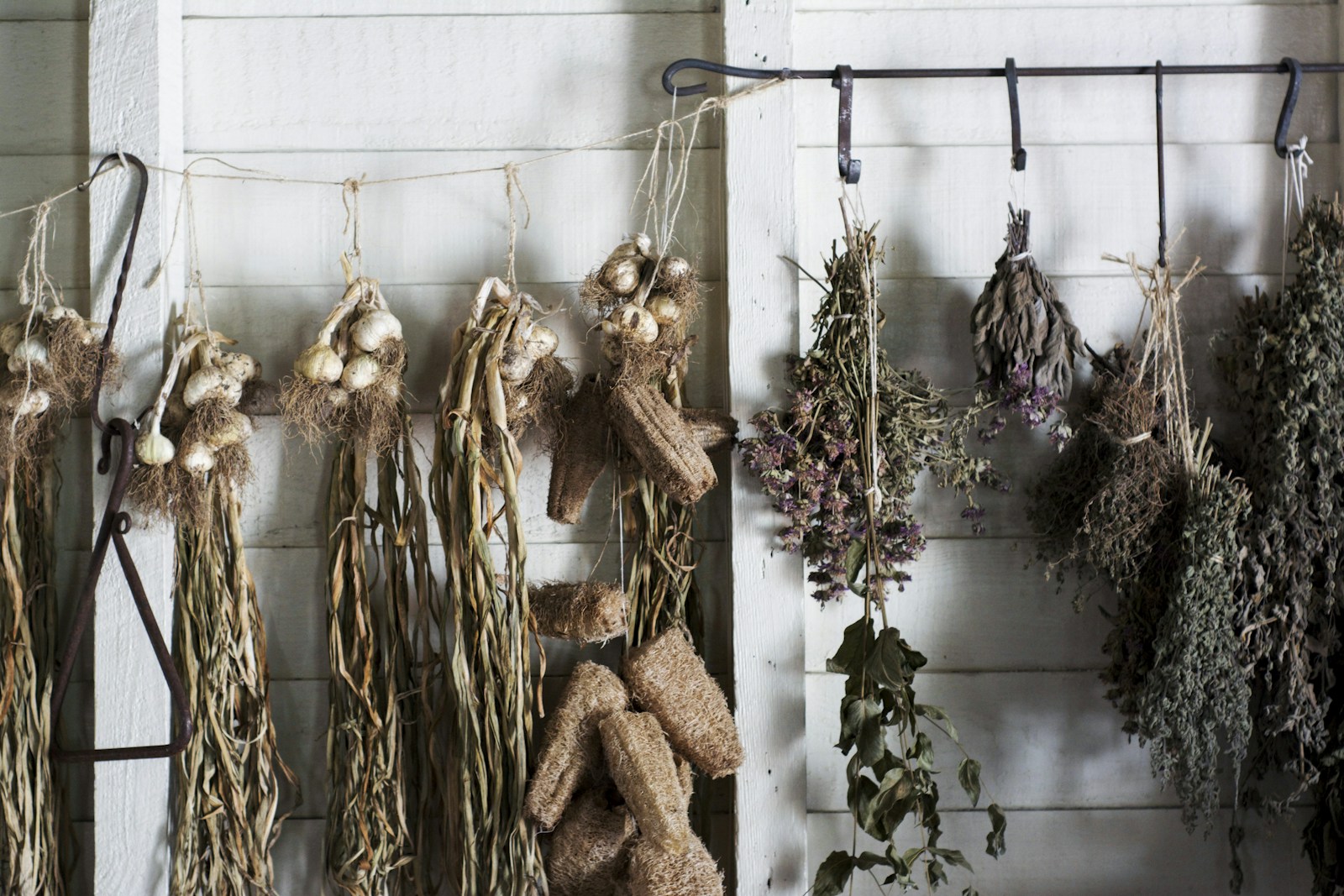
The leaves are thick and slow to dry. Lay them in a single layer on a screen in a warm, airy, shaded place. Turn them every day or two. They are ready when they crumble and the midrib snaps.
Pick flowers one by one as they open, since only a few are out on any day. Pull the yellow corolla free and leave the green base behind. Dry them quickly in a thin layer out of the sun. Store them in a sealed jar, because dried flowers pull moisture from the air and turn brown.
The fine hairs on the leaves irritate some people's skin and throat. Wear gloves and long sleeves if you are sensitive. Do not harvest from roadsides or sprayed ground.
Mullein has a long folk history in the southern mountains. Anthony Cavender's Folk Medicine in Southern Appalachia records that families brewed the leaves into tea for chest colds and coughs. They also cooked the leaves into homemade cough syrups with wild cherry bark and honey. Some people smoked the dried leaves for asthma, and others laid them on boils and piles. These are historical accounts only. This profile is not medical advice, and you should talk to a health professional before using any plant as a remedy.
Problems and pests
Seedlings everywhere
This is the usual mullein problem. Seed ripened and dropped, and it sprouts wherever soil is disturbed. Hoe off seedlings while they are small, or pull rosettes after rain when the taproot slides out. Cut every spike before the capsules turn brown.
Rosette turns soft and brown at the center
This is crown rot from wet soil, most often in winter. There is no cure for an affected plant. Remove it, and sow the next batch in a raised, gravelly or sloping spot.
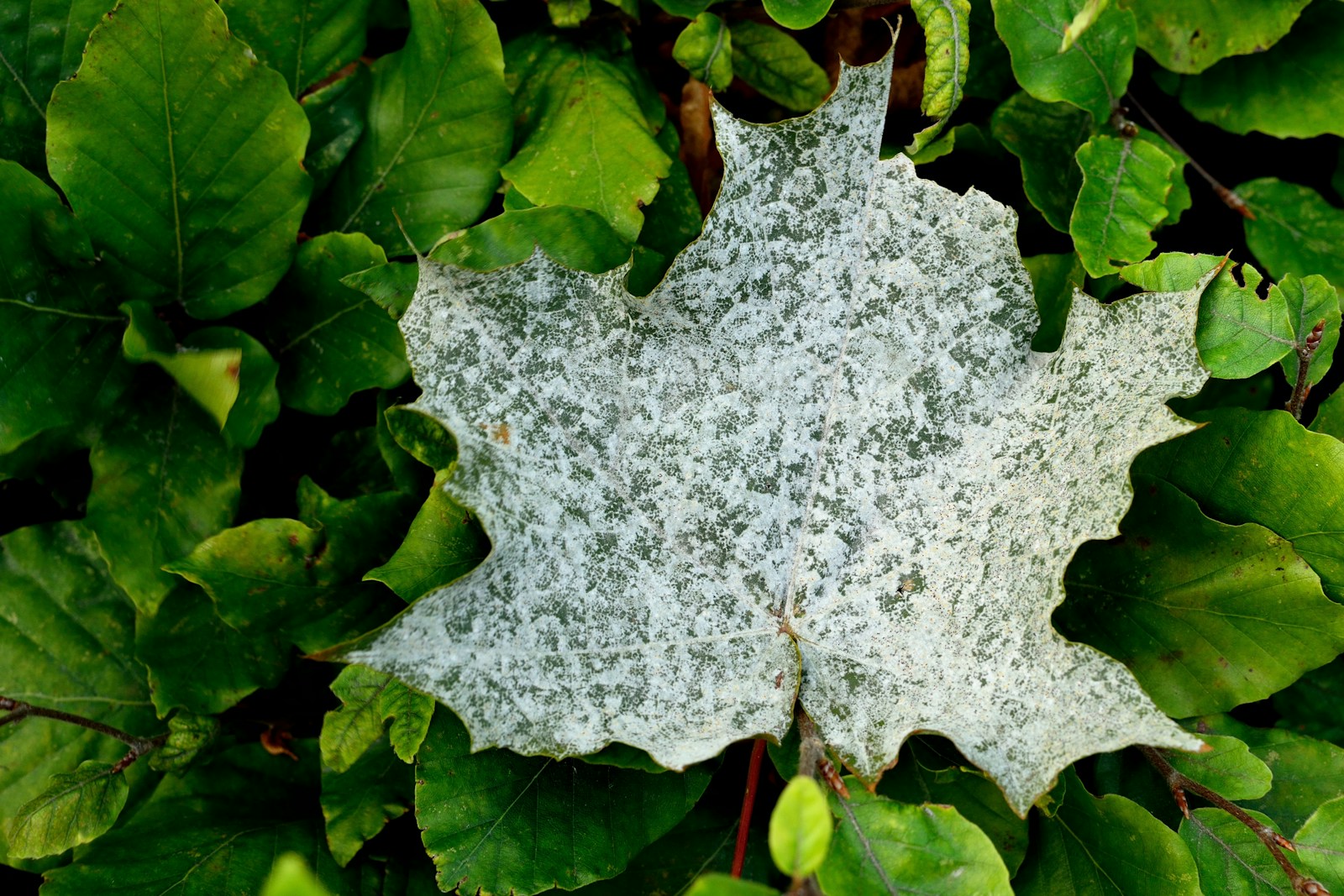
White powdery coating on the leaves
Powdery mildew, a fungal disease, shows up in humid weather and crowded plantings. It is mostly cosmetic. Give plants their full spacing and remove the worst leaves. Do not harvest mildewed leaves for drying.
Spike leans or falls over
Rich soil, shade or too much water makes a weak stalk. Stake the plant for this season. Next time, grow it leaner and in more sun.
Holes in leaves or damaged seed capsules
Caterpillars, grasshoppers and slugs chew the leaves now and then. Pick them off by hand, because damage is rarely serious. A small weevil often feeds inside the seed capsules. It eats seed, so you can ignore it.
Varieties worth growing
Common mullein has no well-known named varieties. It is sold simply as the species, as seed or sometimes as small potted rosettes. If you like the look and want more garden choice, these close relatives are widely grown. They are separate species, so do not treat them as substitutes for common mullein in any traditional use.
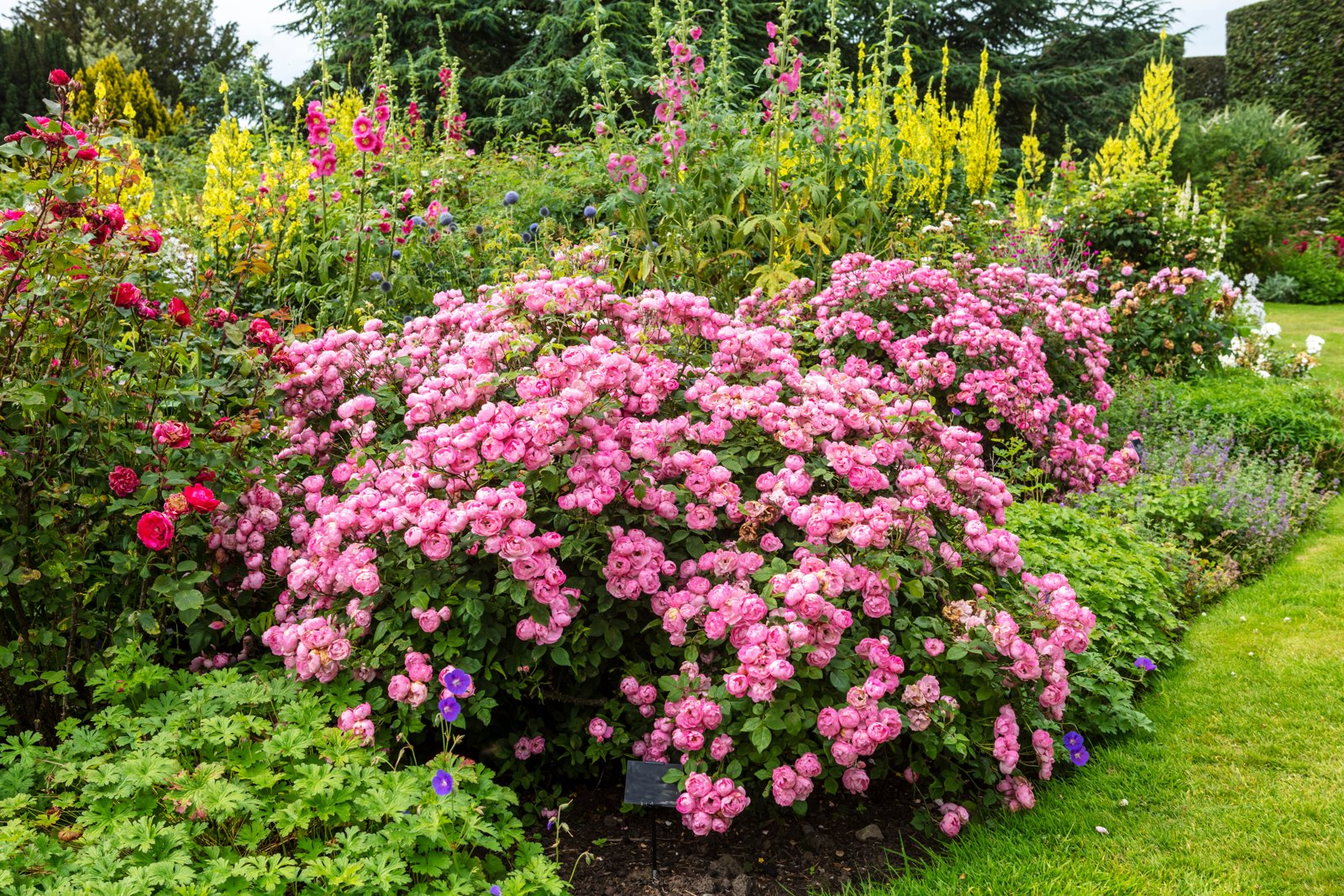
- Olympic or Greek mullein (Verbascum olympicum): a large rosette and a tall, branching candelabra of yellow flowers.
- Turkish mullein (Verbascum bombyciferum), including 'Arctic Summer': intensely silver-white, felted leaves and stems with soft yellow flowers.
- Nettle-leaved mullein (Verbascum chaixii), including 'Album': a true perennial with slim spikes of white flowers and mauve centers.
- Purple mullein (Verbascum phoeniceum): a short-lived perennial about 2 to 3 feet (60 to 90 cm) tall, with purple, pink or white flowers.
- 'Southern Charm': a compact hybrid seed strain in soft buff, rose and lavender shades, suited to smaller borders.
Several of these also self-seed, so deadhead them the same way.