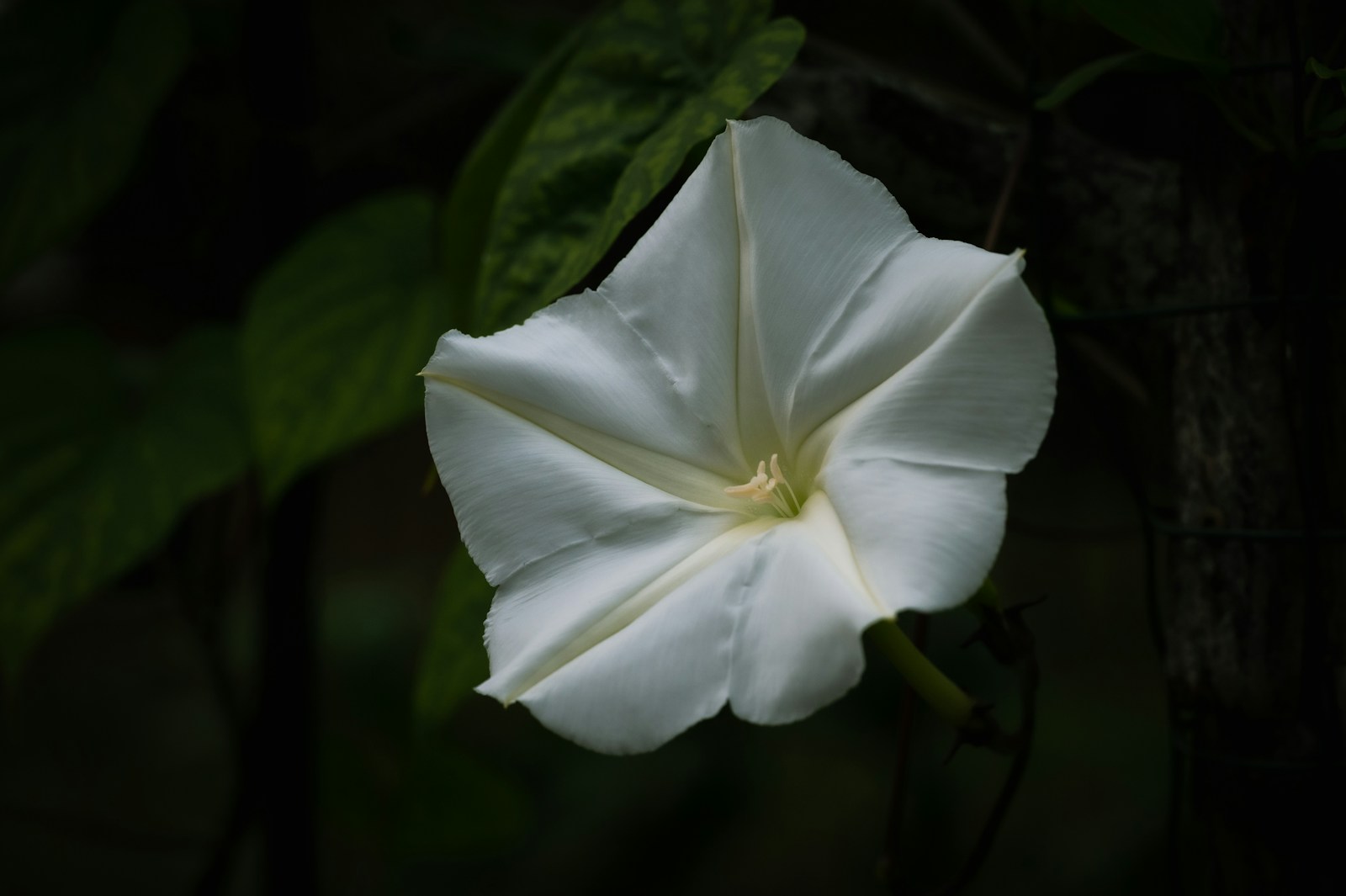
Moonflower (Ipomoea alba) is a fast climbing vine with large white flowers that unfurl at dusk and fill the evening air with scent. Each bloom lasts one night, but a healthy vine opens new ones for weeks. It is easy to grow once the hard seed is nicked and the weather is warm. Do not confuse it with Datura, a bushy plant with upright trumpet flowers that is also sold as moonflower and is highly poisonous in every part.
Sowing and planting
Moonflower seeds have a very hard coat. Water struggles to get in, so untreated seed often sits in the soil for weeks and then rots. Fix this in two steps. First, nick each seed: rub a small patch of the coat with a nail file or sandpaper until you see a paler layer beneath. Work on the rounded back, away from the small scar where the root emerges. Second, soak the nicked seeds in lukewarm water overnight. Seeds that swell are ready to sow. Wash your hands afterwards, because the seeds are toxic.
In short-season areas, start seeds indoors 4–6 weeks before your last frost. Moonflower dislikes root disturbance, so sow two seeds in each biodegradable pot and later snip off the weaker seedling. Keep the pots at 70–85°F (21–29°C). Seedlings usually appear in 5–14 days.
Where summers are long and hot, sow directly outdoors 1–2 weeks after your last frost. Wait until the soil reaches at least 65°F (18°C). Cold, wet soil is the main cause of failed sowings.
Harden off indoor seedlings before planting (get them used to outdoor sun and wind over 7–10 days). Plant them out once nights stay above 50°F (10°C). Set each one at the foot of its support, at the same depth it grew in the pot. A sunny wall, fence, arbor or porch post works well. Choose a spot near a patio or window so you catch the evening scent.
Growing on
Support. Moonflower climbs by twining its stems around anything thin. Give it strings, netting, wire or a trellis with bars under 1 inch (2.5 cm) thick. Wide posts need strings or wire wrapped around them. Guide young shoots onto the support by hand for the first week or two. After that the vine finds its own way.
Watering. Water deeply once or twice a week, more in heat and in containers. Aim for soil that stays lightly moist but never soggy. Water at the base in the morning so the leaves dry quickly.
Mulching. Spread 2–3 inches (5–8 cm) of mulch around the base once the soil has warmed. Mulch keeps moisture even and roots cool.
Feeding. Go easy. Rich soil and high-nitrogen fertiliser give you a wall of leaves and very few flowers. Dig in a little compost before planting. If growth looks pale later, use a balanced or low-nitrogen, higher-phosphorus flower feed once a month.
Pinching. Pinch out the growing tip (remove the top half-inch of the shoot) once a young plant has 4–6 leaves. This encourages side shoots and a fuller vine. Later, trim any stems that wander off the support.
Containers. A pot of at least 5 gallons (20 litres) with a trellis works well. Pots dry out fast, so check them daily in summer.
Companions. Moonflower pairs well with morning glory on the same support. The morning glory flowers by day and the moonflower by night.
Pollinators. The flowers are pollinated at night by large hawk moths, also called sphinx moths. Watching them feed at dusk is part of the pleasure.
Overwintering. In USDA zones 10–12 the vine can persist for years. Cut it back hard at the end of the season to tidy it. Elsewhere, frost kills it and you start fresh from seed each year.
Harvesting
For a flowering vine, "harvest" means enjoying the flowers and collecting seed.
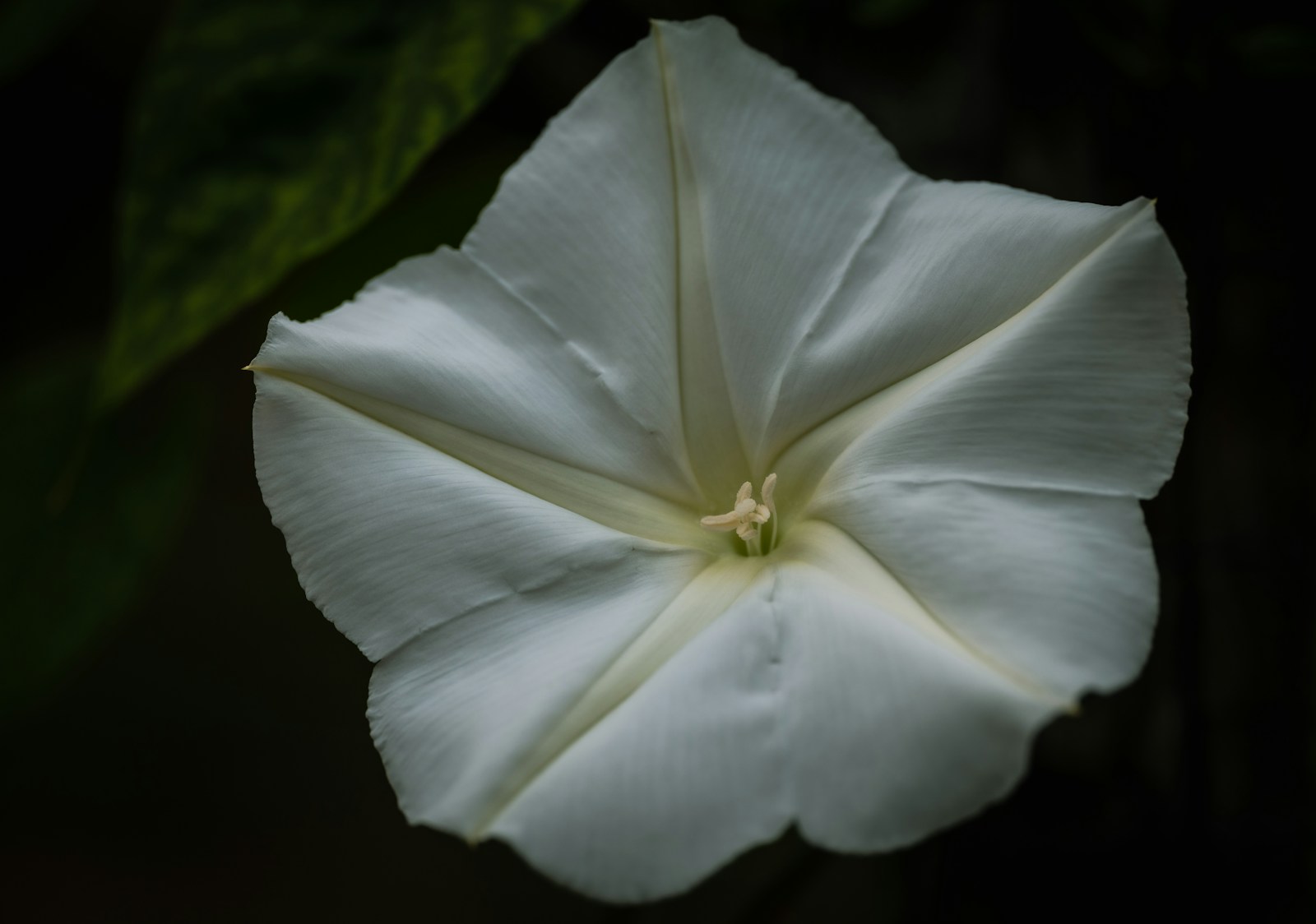
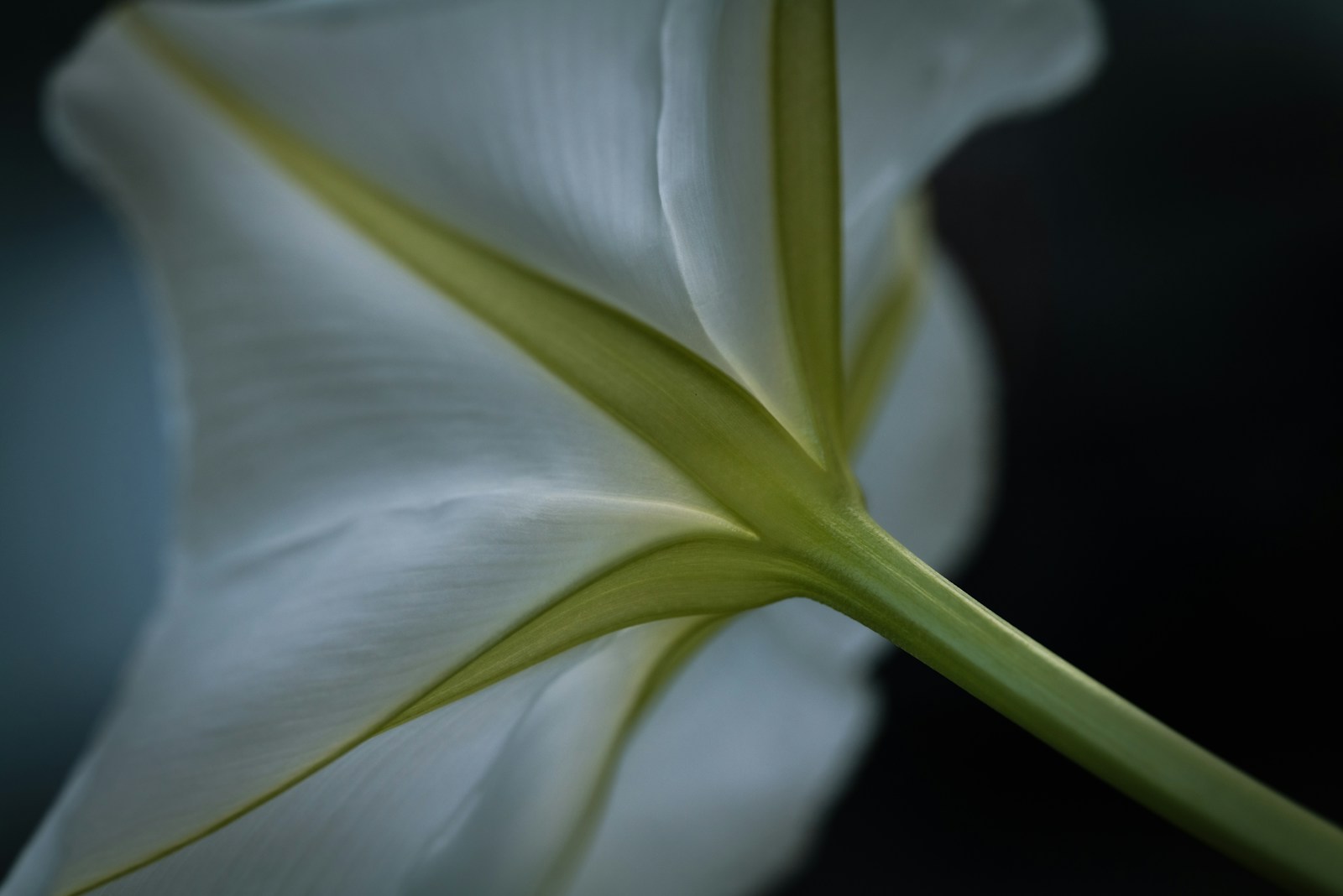
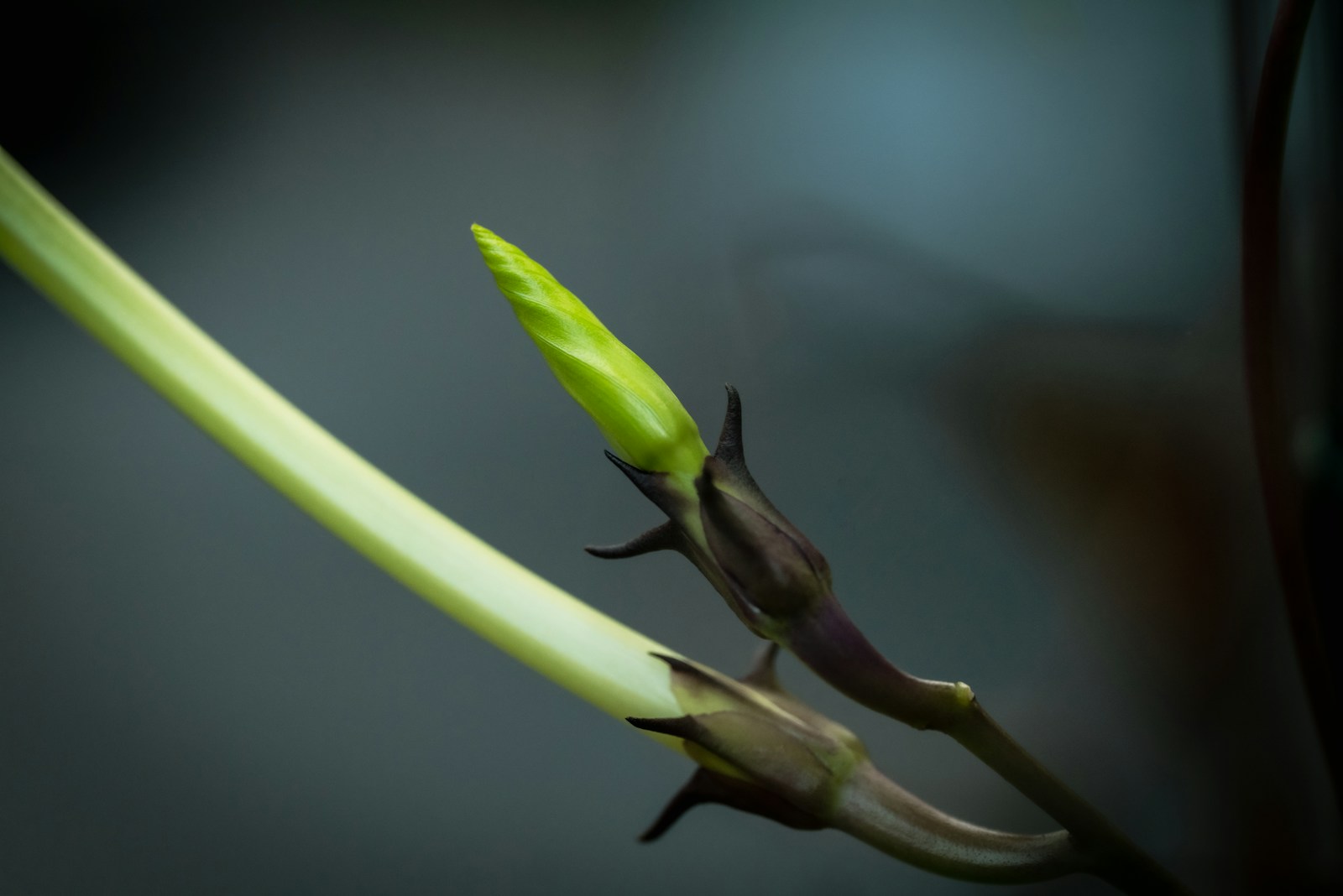
Watching the blooms. Plump, twisted buds open in the evening, often fast enough to watch. The flowers usually reach 5–6 inches (13–15 cm) across. Each one closes by the next morning, or by midday in cloudy weather.
Cutting. Moonflower makes a poor vase flower because each bloom lasts only one night. For an evening table, cut a flower just as it opens and float it in a shallow bowl of water.
Deadheading. Spent flowers drop on their own, so deadheading (removing faded flowers) is optional. Removing developing seed pods can keep the vine flowering longer late in the season.
Saving seed. Leave a few pods on the vine toward the end of summer. Pick them when they turn brown and papery and the seeds rattle inside. Dry the pods indoors for a week, then shell the large seeds. Store them in a labelled paper envelope in a cool, dry place, well out of reach of children and pets. Stored this way, seed usually keeps for several years. Seed does not ripen before frost in short-season areas, so buy fresh seed there.
Moonflower seeds are toxic if swallowed, to people and to pets. Store seed and pods out of reach of children, and wash your hands after nicking or sowing. Another plant, Datura, is also sold as moonflower and is highly poisonous in all its parts. Datura is a bushy plant with upright or angled trumpet flowers and spiny seed pods, not a twining vine. Check the botanical name Ipomoea alba on every seed packet or plant label.
Problems and pests
Seeds do not come up
The seed coat was not nicked, or the soil was too cold. Nick and soak every seed. Sow only when the soil is at least 65°F (18°C), or start seeds indoors in warmth.
Lots of leaves but no flowers
Too much nitrogen, too much shade or a short season. Stop feeding with high-nitrogen fertiliser, grow in full sun, and start seed indoors next year for an earlier start.
Clusters of small insects on shoot tips
These are aphids, small sap-sucking insects. Knock them off with a strong jet of water every few days. For heavy infestations, spray insecticidal soap in the evening, covering the undersides of leaves. Follow the label, wear gloves, and avoid spraying open flowers where pollinators feed.
Pale, speckled leaves with fine webbing
Spider mites, tiny pests that thrive in hot, dry weather. Mist or hose the undersides of the leaves regularly, and keep the plant well watered. Remove badly affected leaves.
Round holes in the leaves
Tortoise beetles, small shiny beetles that favour plants in this family, often chew neat holes. The damage usually looks worse than it is. Hand-pick the beetles and let a vigorous vine grow through it.
Varieties worth growing
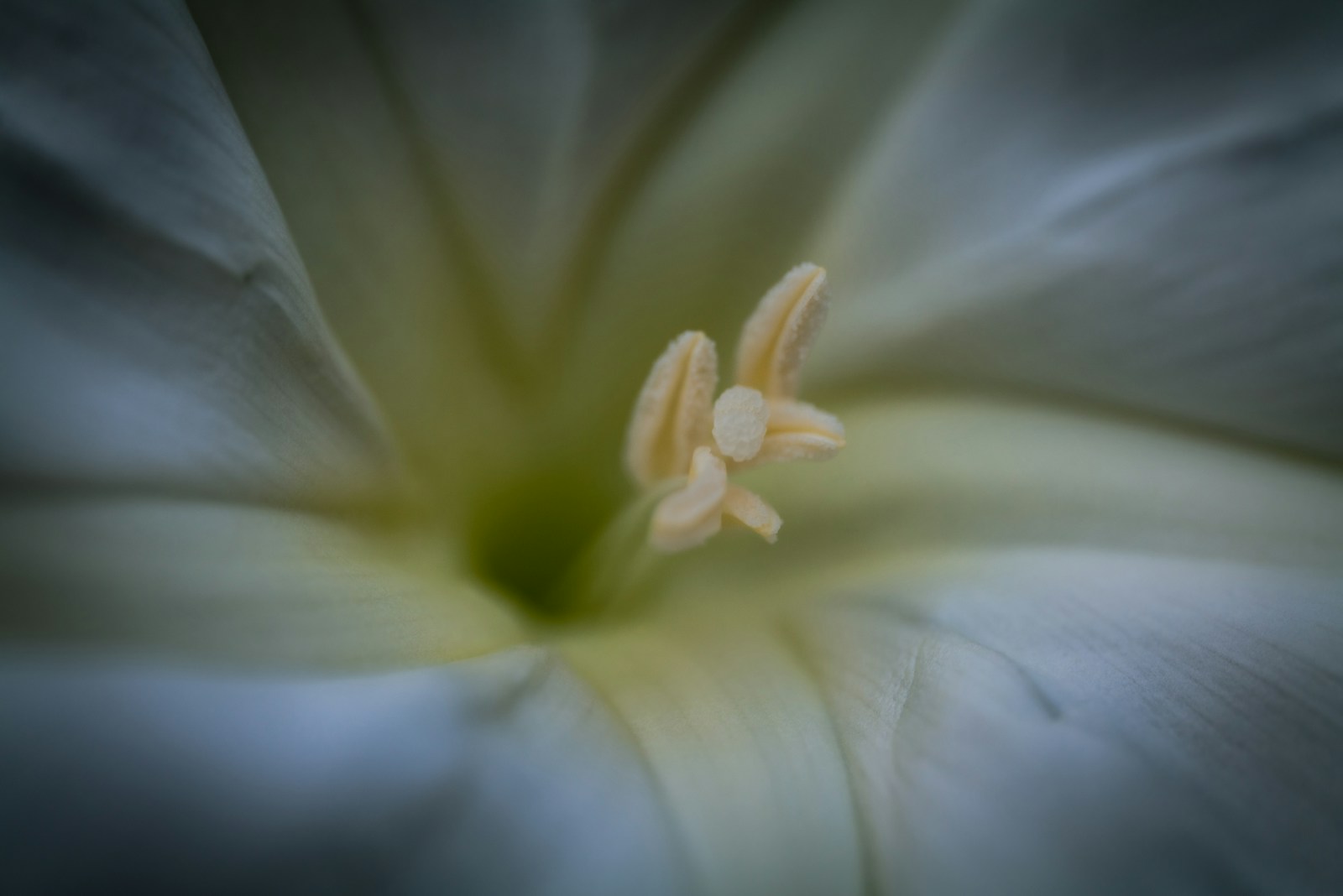
- White moonflower (Ipomoea alba): the standard species, with pure white, scented flowers that open at dusk.
- 'Giant White': a seed-catalogue selection of the same species, grown for large, fragrant flowers.
- Purple moonflower (Ipomoea muricata): a related vine with smaller lilac-pink flowers that open in the evening.
- Morning glory 'Heavenly Blue' (Ipomoea tricolor): not a moonflower, but a classic partner for day-and-night flowers on one trellis.