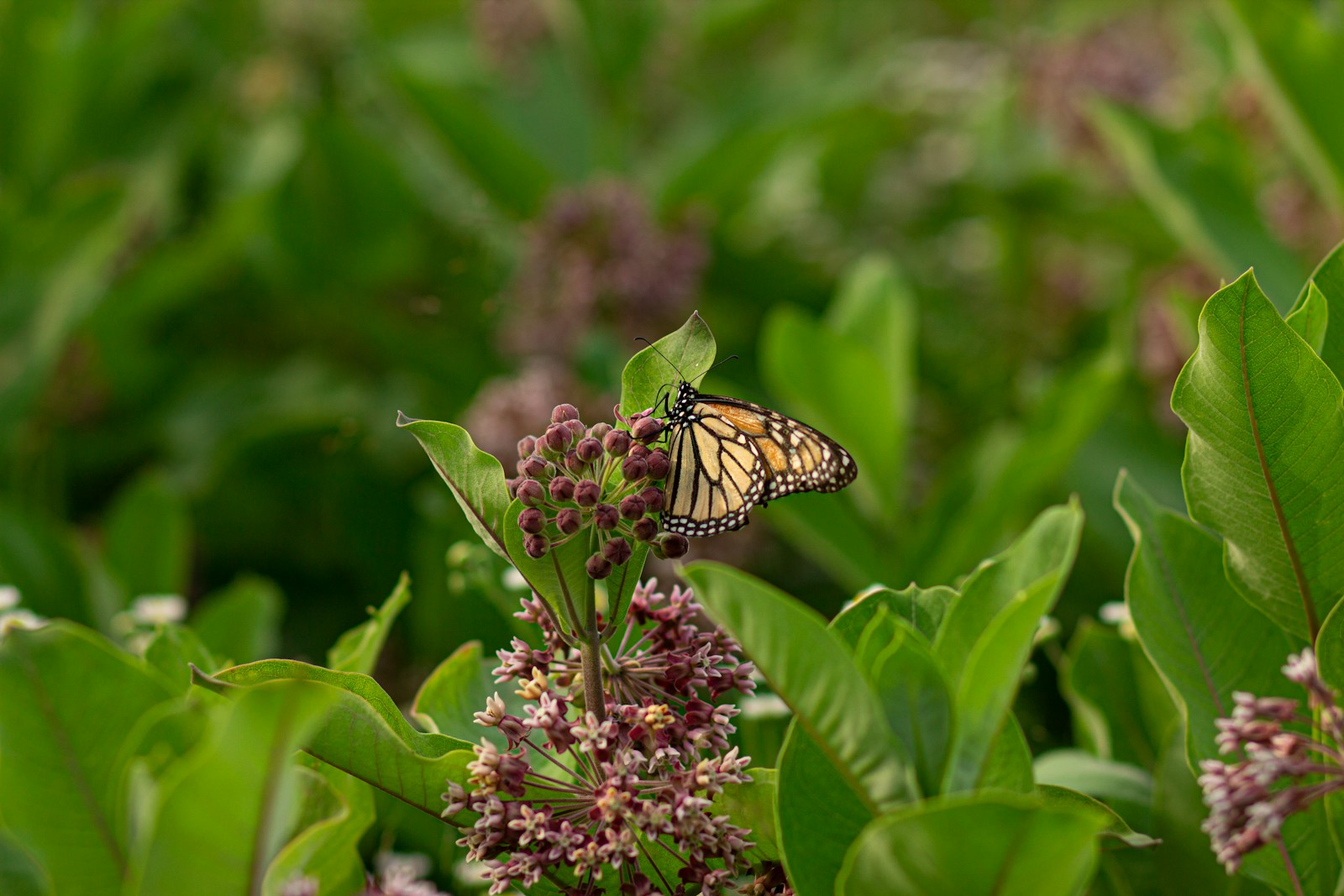
Milkweeds (Asclepias) are tough North American perennials with clusters of starry, nectar-rich flowers. They are the only food plants for monarch butterfly caterpillars, and bees, wasps and other butterflies crowd the flowers too. Once established they need little care. Seed needs a cold spell before it sprouts, and the milky sap needs careful handling.
Sowing and planting
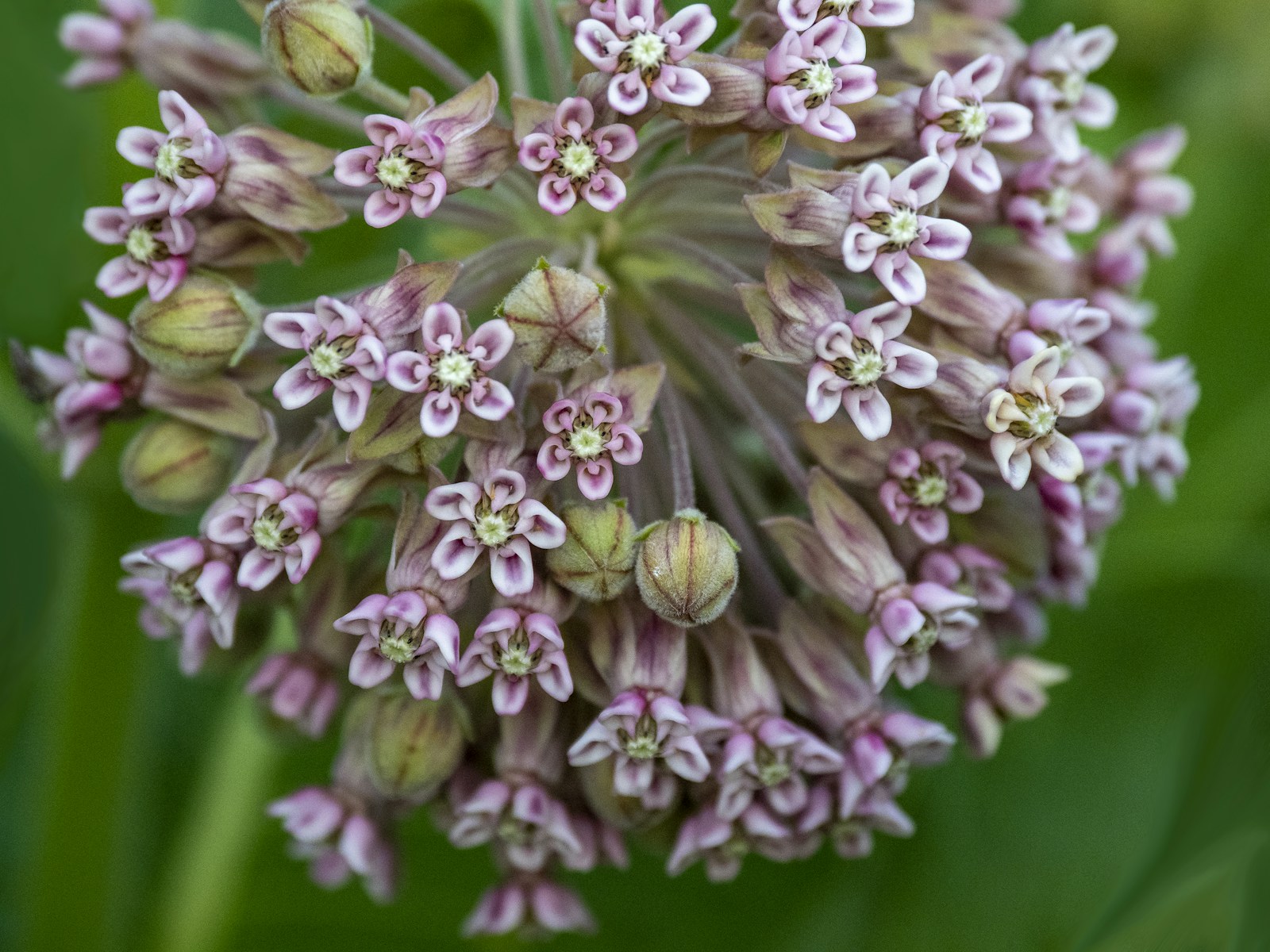
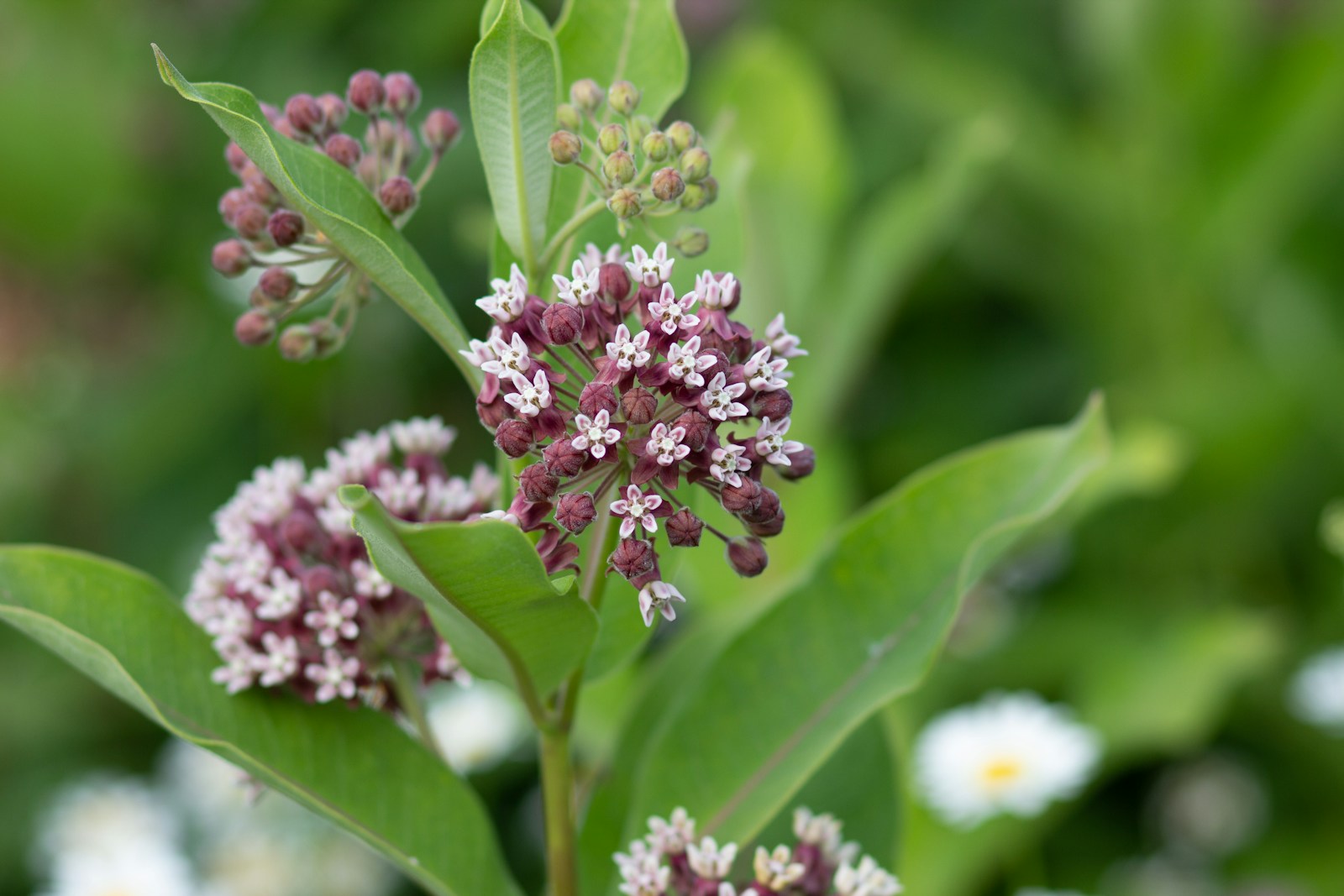
Choose a species native to your region. Local native milkweeds suit your soil, climate and monarch timing best. Common milkweed (Asclepias syriaca) has broad leaves, rounded clusters of pink-mauve flowers and a strong vanilla scent. It spreads by underground runners. Swamp milkweed (A. incarnata) forms upright clumps with narrow leaves and pink or white flowers. It stays put and thrives in damp soil. Butterfly weed (A. tuberosa) is shorter, with flat heads of bright orange flowers. It grows a deep taproot (a single thick main root) and prefers dry, sandy soil.
Most milkweed seed needs cold stratification (a period of cold, moist conditions that breaks dormancy). The simplest method is to sow outdoors in fall, after your first frost. Winter weather does the work, and seedlings appear once the soil warms in spring.
To start seed indoors, mix it with a little damp sand or wrap it in a damp paper towel. Seal it in a plastic bag and keep it in the refrigerator at about 40°F (4°C) for 30 days. Then sow it 1/4 inch (6 mm) deep in deep cells or pots, six to eight weeks before your last frost. Keep them at 70 to 80°F (21 to 27°C). Seedlings usually appear in one to three weeks.
Harden off the seedlings (getting them used to outdoor conditions) over seven to ten days. Plant them out after your last frost. Handle butterfly weed gently and plant it young, because it resents root disturbance.
Give common milkweed room to roam, or grow it where its spread is welcome. A meadow edge or a wild corner suits it better than a tidy border.
Growing on
Water new plants regularly during their first season. After that, common milkweed and butterfly weed rarely need water except in long droughts. Swamp milkweed needs steady moisture and suits pond edges and rain gardens.
Do not feed milkweed. It grows best in lean soil, and fertilizer makes plants soft and floppy. A thin mulch of shredded leaves helps young plants hold moisture and keeps weeds down. Keep mulch away from the crown of butterfly weed, which can rot if kept wet.
Milkweeds break dormancy late in spring. Mark their positions so you do not dig into them before shoots appear.
Most species need no staking. Tall common and swamp milkweed may lean in exposed sites, so plant them among sturdy neighbors like grasses. Deadheading butterfly weed after its first flush often brings a second, smaller round of flowers. Leave some flowers on if you want seed pods.
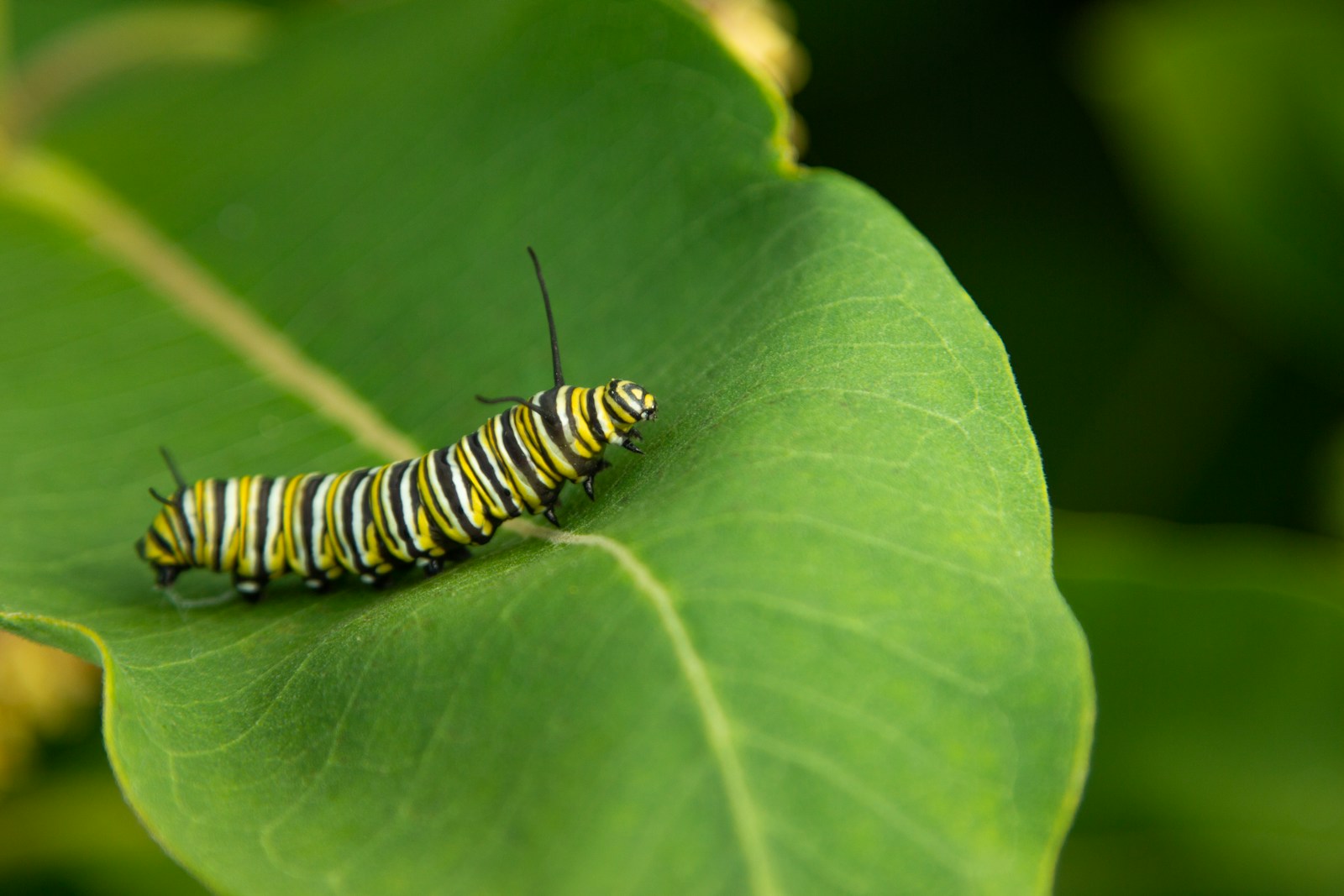
Expect monarch caterpillars to chew the leaves. That is the point of growing milkweed. Plants recover quickly. Avoid all insecticides, including organic ones, on and near milkweed.
In the warmest southern areas, many gardeners grow tropical milkweed (A. curassavica). Where it keeps its leaves all winter, it may encourage monarchs to breed instead of migrating. It may also let a monarch parasite build up on old foliage. Native species are the safer choice. If you grow tropical milkweed there, cut it to the ground in fall and winter.
Harvesting
Cut flowers
Butterfly weed and swamp milkweed make good cut flowers. Cut stems when about half the florets in a cluster are open. Wear gloves. Seal the cut end by dipping it in hot water for a few seconds, then place the stems in cool water.
Seed pods and saving seed
Pods form after flowering and ripen in late summer or fall. They are ready when they turn gray-brown and begin to split along the seam. The seeds inside should be dark brown, not white or pale. Slip a rubber band around ripening pods to stop them bursting open early.
Pick ripe pods on a dry day and open them in a paper bag. Pull out the seed mass and strip the brown seeds from the silky floss. Dry the seeds for a week, then store them in a labeled envelope in a cool, dry place. Seed usually stays viable for two to three years.
Milkweed sap is toxic if swallowed and irritates skin and eyes. Wear gloves when cutting stems or handling pods, and wash your hands afterwards. Never rub your eyes after touching the plant. Keep children, pets and livestock from eating any part of it.
Problems and pests
Bright yellow insects clustered on stems
Oleander aphids often cover milkweed shoots and pods. They rarely kill plants. Squash them by hand or wash them off with a strong spray of water. Check first for monarch eggs and caterpillars. Ladybugs and lacewings usually move in to feed on them.
Red-orange and black bugs on the pods
Milkweed bugs feed on the seeds inside the pods. They seldom harm the plant itself. Tolerate them, or shake them into a bucket of soapy water if you want to save seed.
Fuzzy tufted caterpillars stripping leaves
Milkweed tussock moth caterpillars feed in groups and can strip a plant in late summer. They are also native insects that depend on milkweed. Leave them alone, or move some to another plant if monarchs need the leaves.
Yellow leaves with orange or brown spots
Rust and leaf spots appear in humid weather and on crowded plants. They are usually cosmetic. Space plants well and remove badly affected leaves. Clear dead stems in spring.
Butterfly weed dies over winter
Crown rot in wet, heavy soil is the usual cause. Plant butterfly weed in sharply drained, sandy or gravelly soil. Never mulch over its crown.
Varieties worth growing
Common milkweed
- Species form: grown from wild-type seed; choose a local seed source where possible.
Swamp milkweed
- 'Ice Ballet': clean white flowers on upright clumps, good for cutting.
- 'Cinderella': rose-pink flowers with a sweet scent.
- 'Soulmate': deep rose-pink flowers on sturdy stems.
Butterfly weed
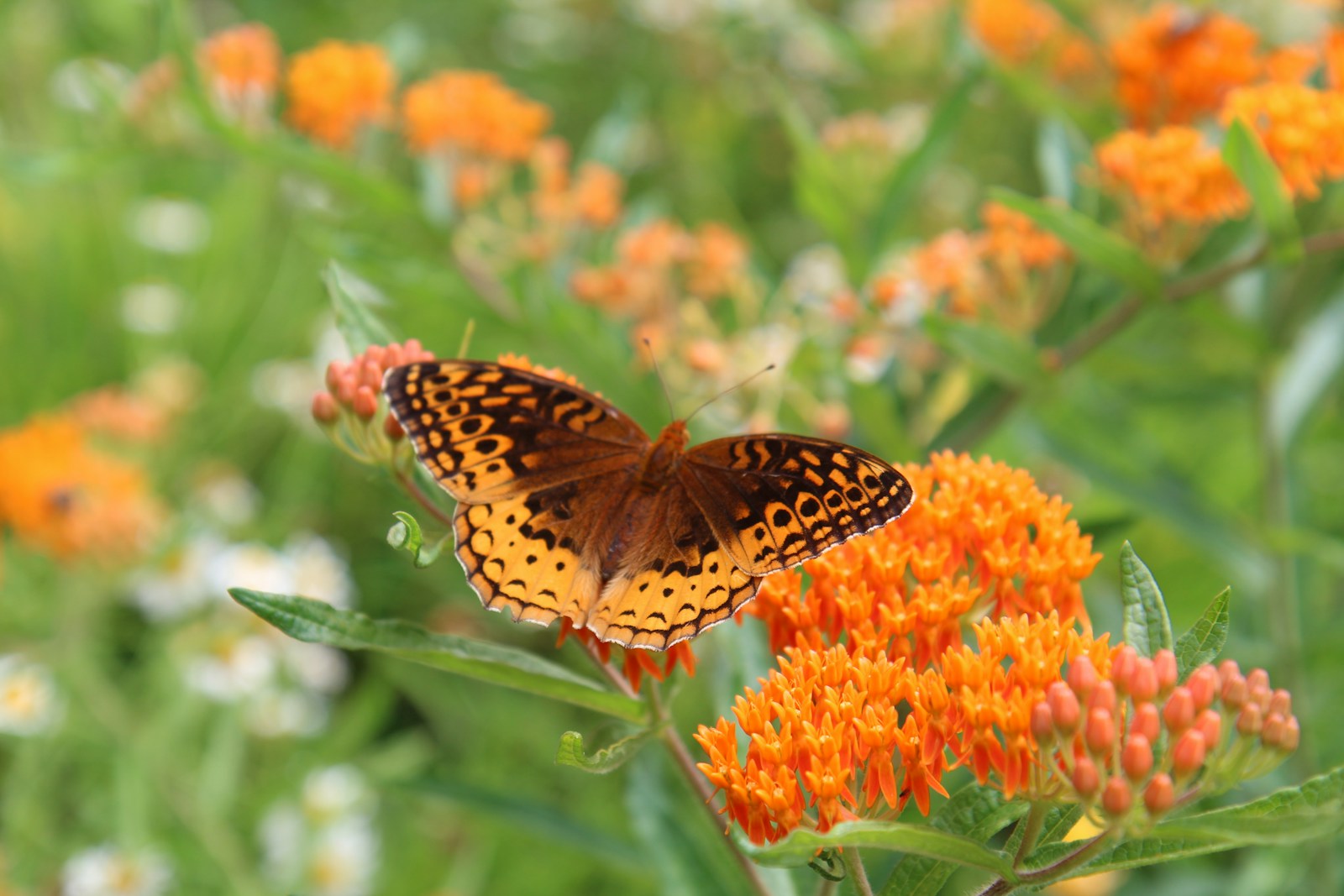
- 'Hello Yellow': bright yellow flower heads in place of the usual orange.
- 'Gay Butterflies': a seed mix of orange, red and yellow flowers.