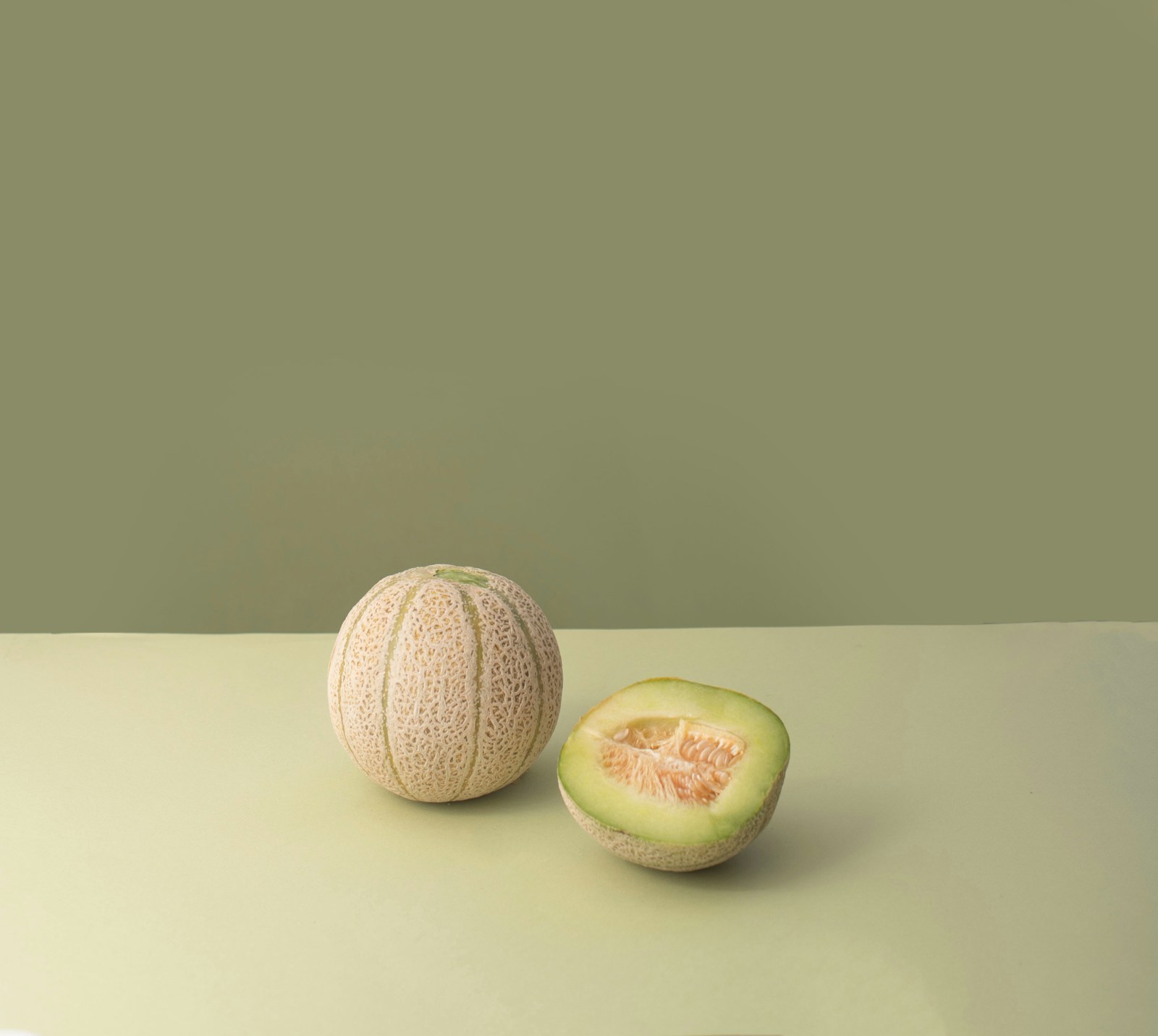
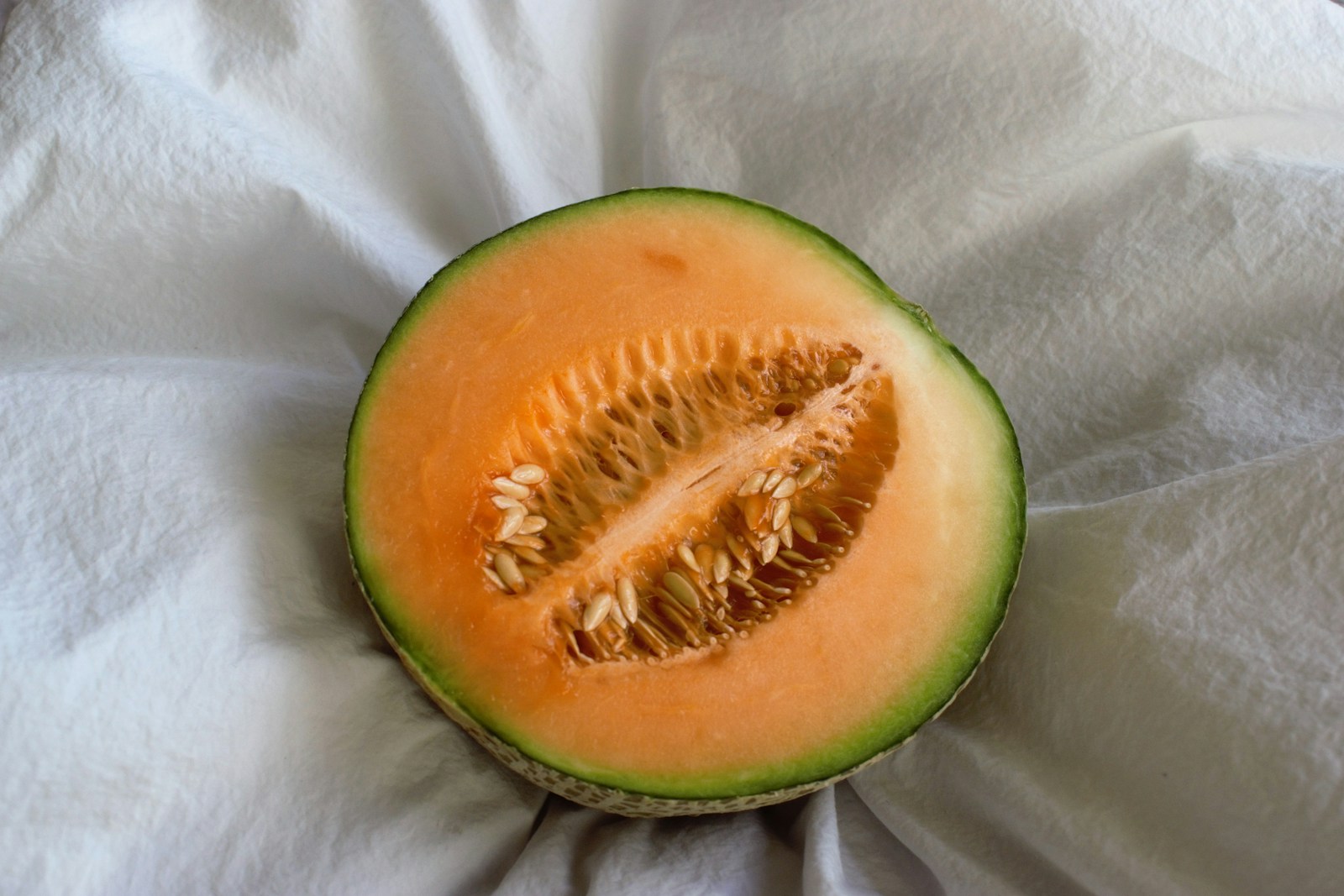
Melons are sprawling, warmth-loving vines that reward you with fruit far sweeter than most shop-bought ones. Two main types suit home gardens. Cantaloupes, also called muskmelons, have netted skin and orange flesh. Honeydews have smooth, pale rinds and green or orange flesh. Melons are moderately difficult: easy in long, hot summers, and a real challenge where summers are short or cool.
Sowing and planting
Melons need warm soil above all else. Cold, wet soil rots the seed and stunts young plants.
Where summers are long, sow outdoors two to three weeks after your last frost. Wait until the soil is at least 65°F (18°C) at planting depth. Sow three or four seeds together in small mounds, called hills, then thin to the two strongest seedlings.
Where summers are short, start seed indoors three to four weeks before your last frost. Use biodegradable pots, because melon roots hate being disturbed. Keep the pots at 75 to 85°F (24 to 29°C) until the seeds sprout, usually within 4 to 10 days.
Harden off the seedlings (getting them used to outdoor sun, wind and cooler nights) over about a week. Plant them out two weeks after your last frost, once nights stay above 55°F (13°C). Set each pot in the ground whole so the roots are not disturbed.
Warm the bed before planting. Cover it with black plastic for a week or two, then cut holes and plant through it. This one step makes a clear difference in cooler regions. Floating row cover (a light fabric laid over the plants) keeps young plants warm and shields them from beetles. Remove it when flowers open so bees can reach them.
Melons rarely need succession sowing. One well-timed planting uses the whole warm season.
Growing on
Watering. Give melons 1 to 2 inches (2.5 to 5 cm) of water a week while the vines grow and fruit swells. Water deeply at the base in the morning and keep the leaves dry to slow leaf diseases. Drip lines or soaker hoses work well under plastic mulch.
Once the fruit reaches full size, cut back on water. A drier finish concentrates sugar and helps prevent split fruit. Heavy rain at this stage often makes melons bland.
Feeding. Dig in plenty of compost before planting. Side-dress (scatter fertilizer beside the plants) with a balanced organic fertilizer when the vines begin to run. Avoid high-nitrogen feeds after flowering, because they push leaves at the expense of fruit.
Mulching. Plastic mulch warms the soil in cool areas. In hot areas, straw mulch works well once the soil has warmed. Either one keeps the fruit clean and cuts down on weeds.
Support and pruning. Most melons sprawl on the ground. Small-fruited varieties can climb a sturdy trellis. Support each fruit in a fabric or mesh sling tied to the frame. Pinching out the growing tips late in the season sends energy into fruit already set. Remove any flowers and tiny fruit that cannot ripen before cool weather.
Pollination. Melons carry separate male and female flowers. Female flowers have a tiny swollen fruit behind the petals. Bees carry pollen between them, so plant flowers nearby and avoid spraying while flowers are open.
Companions. Nasturtiums and marigolds bring in pollinators. Keep melons away from potatoes, which compete hard for water.
Melons fail most often from cold. Planting into soil below 65°F (18°C), or exposing plants to frost or chilly nights, stalls growth for weeks and invites rot. Wait for truly warm soil and nights before you plant.
Harvesting
Ripe melons come in 30 to 45 days after the flowers are pollinated. Each type shows ripeness differently.
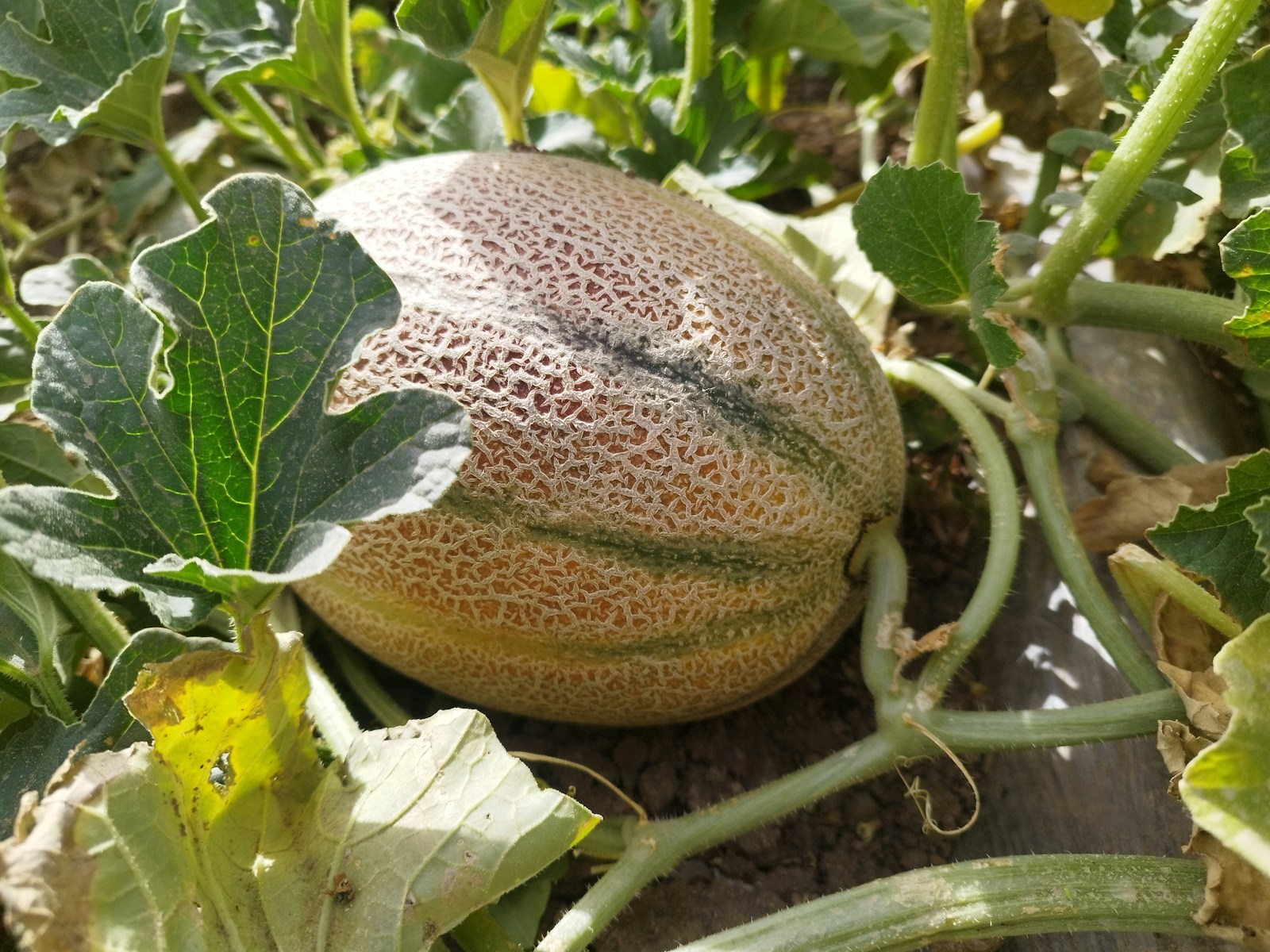
Cantaloupes (muskmelons) tell you clearly when they are ready. The netting on the skin becomes raised and coarse. The background colour changes from green to tan or golden. A sweet smell rises from the blossom end. Best of all, the fruit "slips": a crack forms around the stem, and the melon parts from the vine with light thumb pressure. This is called full slip. Pick them daily in peak season.
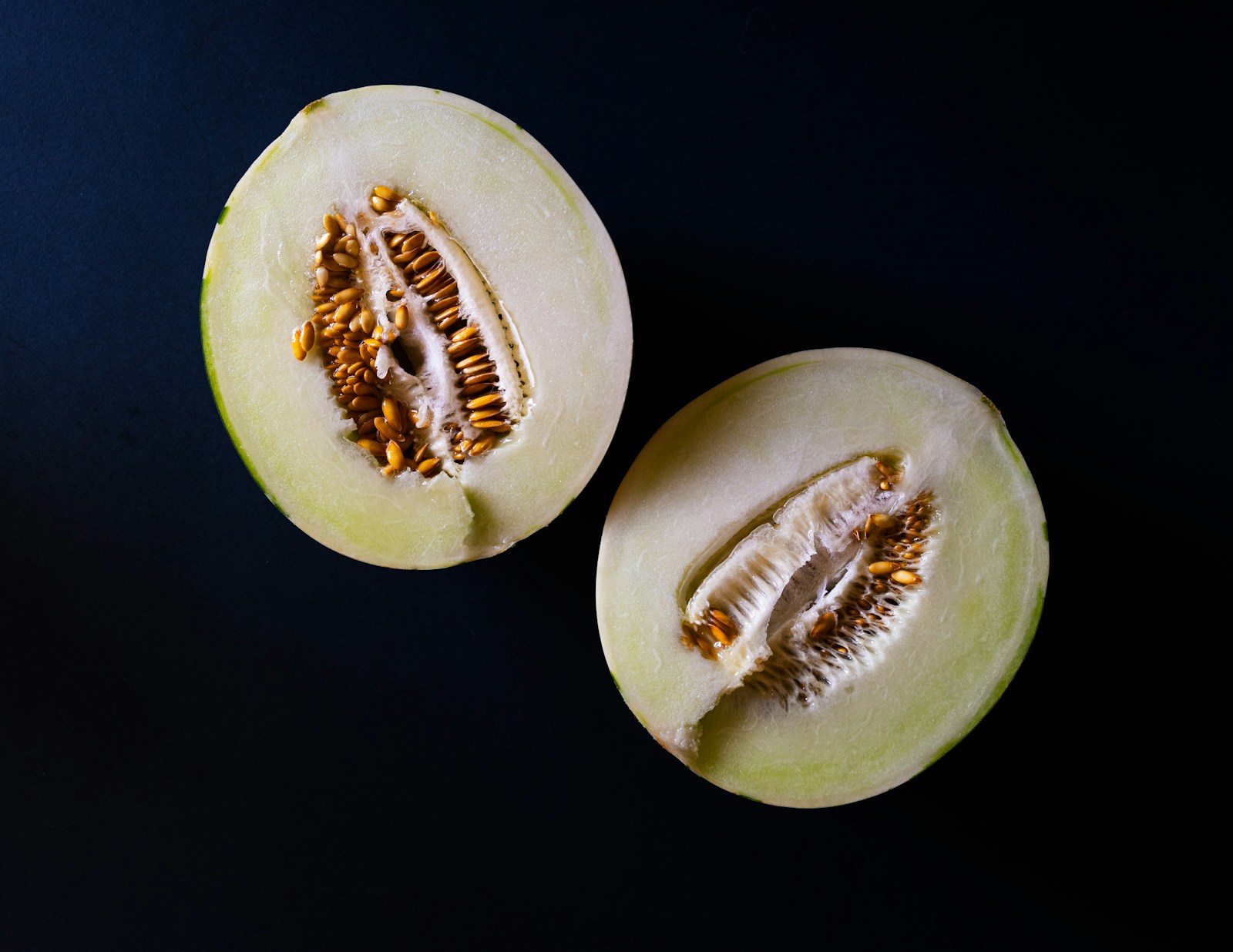
Honeydews do not slip, so you must cut them from the vine. Look for a rind that turns from green to creamy white or pale yellow. It also feels slightly waxy or sticky rather than smooth and hard. The blossom end gives a little when pressed. Cut the stem with clean pruners, leaving about 1 inch (2.5 cm) attached.
Keep ripe cantaloupes at room temperature for a day or two, then refrigerate them and eat within about five days. Honeydews keep longer, often one to three weeks in a cool place.
Saving seed. Save seed only from open-pollinated varieties (those that come true from seed), not hybrids. Melons cross with each other, though not with cucumbers or watermelons. Scoop seeds from a fully ripe fruit, rinse off the pulp, and dry them on a plate for a week or so. Store in a cool, dry place.
Problems and pests
White powdery patches on leaves
This is powdery mildew, a fungal disease common in warm, humid weather with dry soil. Space plants well and water at the base. Remove the worst leaves. Choose resistant varieties next time. A potassium bicarbonate spray helps if used early; wear gloves and follow the label.
Vines wilt suddenly and do not recover
Bacterial wilt, spread by cucumber beetles, is the usual cause. These yellow-and-black beetles also chew leaves and flowers. Cover young plants with row cover until flowering. Hand-pick beetles or trap them with yellow sticky cards. Pull and dispose of wilted plants; do not compost them.
Sticky, curled leaves
Aphids (small sap-sucking insects) cluster on the undersides of leaves. Knock them off with a strong jet of water. Encourage ladybirds and lacewings, which eat them. If numbers keep rising, use insecticidal soap, spraying in the evening away from bees.
Fruit rots where it touches the ground
Wet soil causes soft, rotten patches on the underside. Rest each fruit on a board, tile or upturned pot. Keep a layer of mulch beneath the vines and avoid watering late in the day.
Plenty of flowers but no fruit
Early flowers are nearly all male, so wait a week or two. If females appear but drop, pollinators are scarce. Hand-pollinate with a small brush in the morning, moving pollen from male flowers to female ones.
Varieties worth growing
Cantaloupe (muskmelon) types
- 'Hale's Best Jumbo' – A long-standing heirloom with heavy netting and sweet orange flesh; copes with dry spells.
- 'Ambrosia' – A hybrid prized for very sweet, juicy flesh and strong aroma.
- 'Minnesota Midget' – Compact vines and small fruit; a good choice for short seasons and trellises.
- 'Sugar Cube' – A small, very sweet hybrid with good disease resistance.
Honeydew types
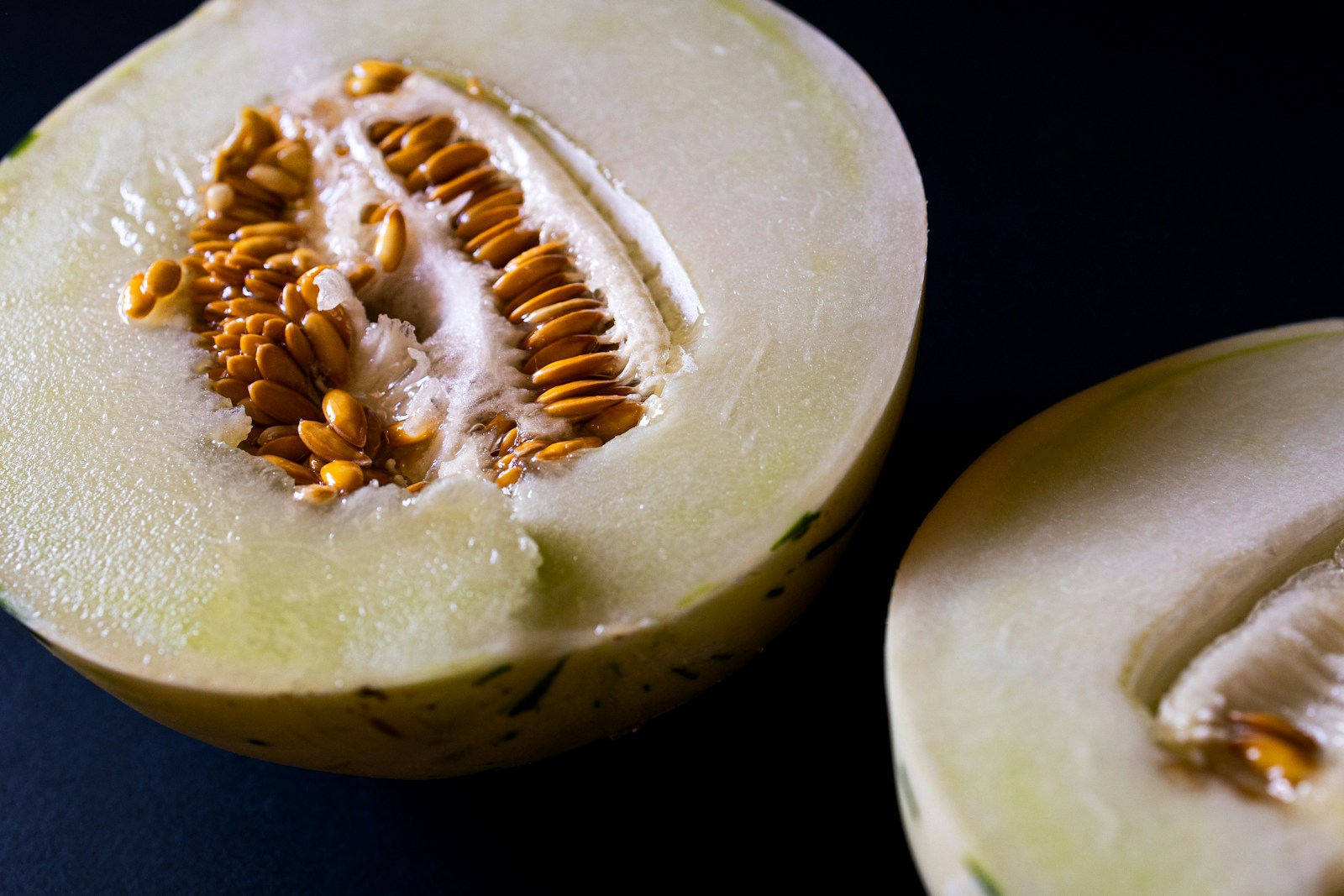
- 'Honey Dew Green Flesh' – The classic smooth, pale-skinned melon with sweet green flesh; needs a long, hot season.
- 'Earlidew' – An earlier-ripening honeydew that suits cooler or shorter summers.