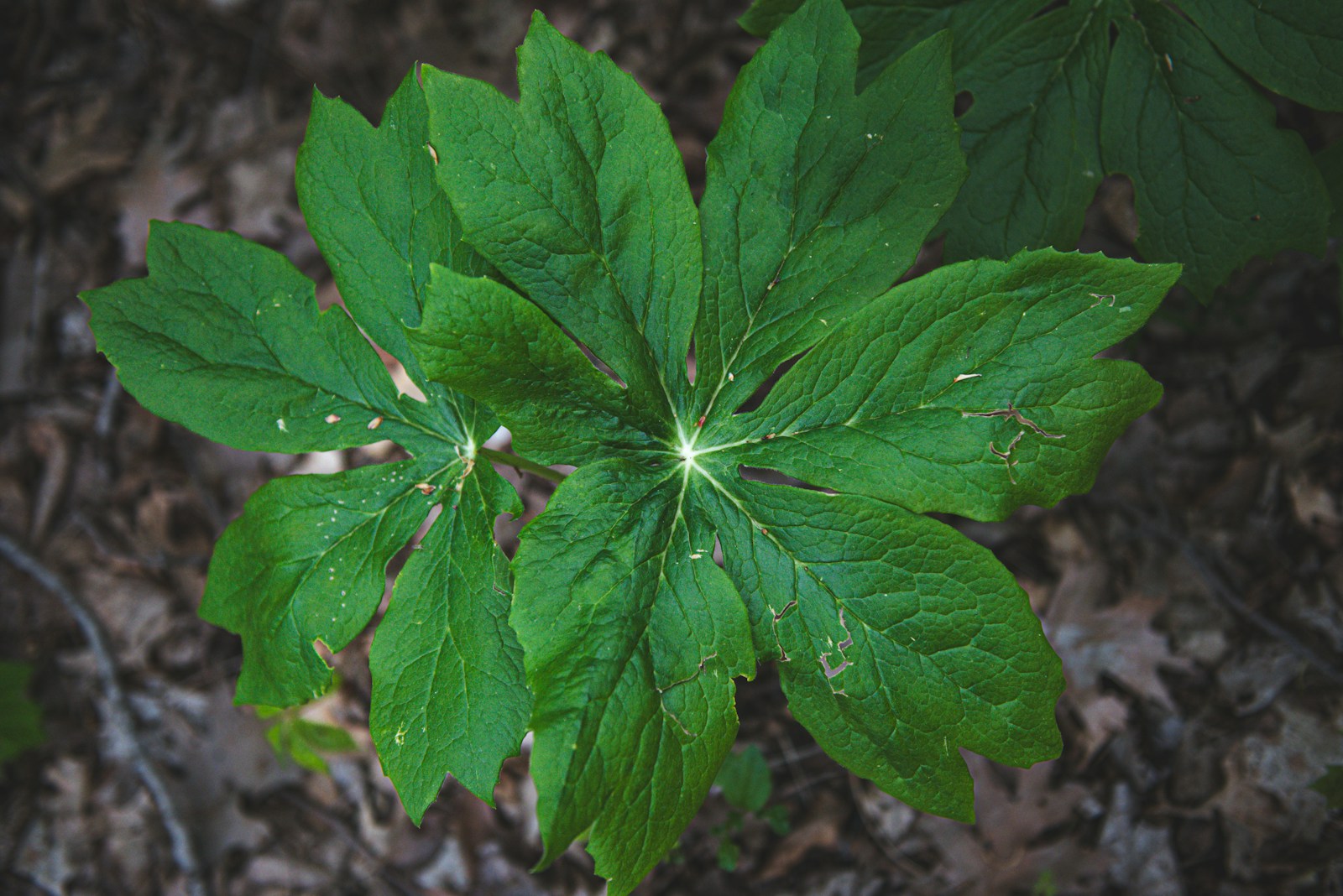
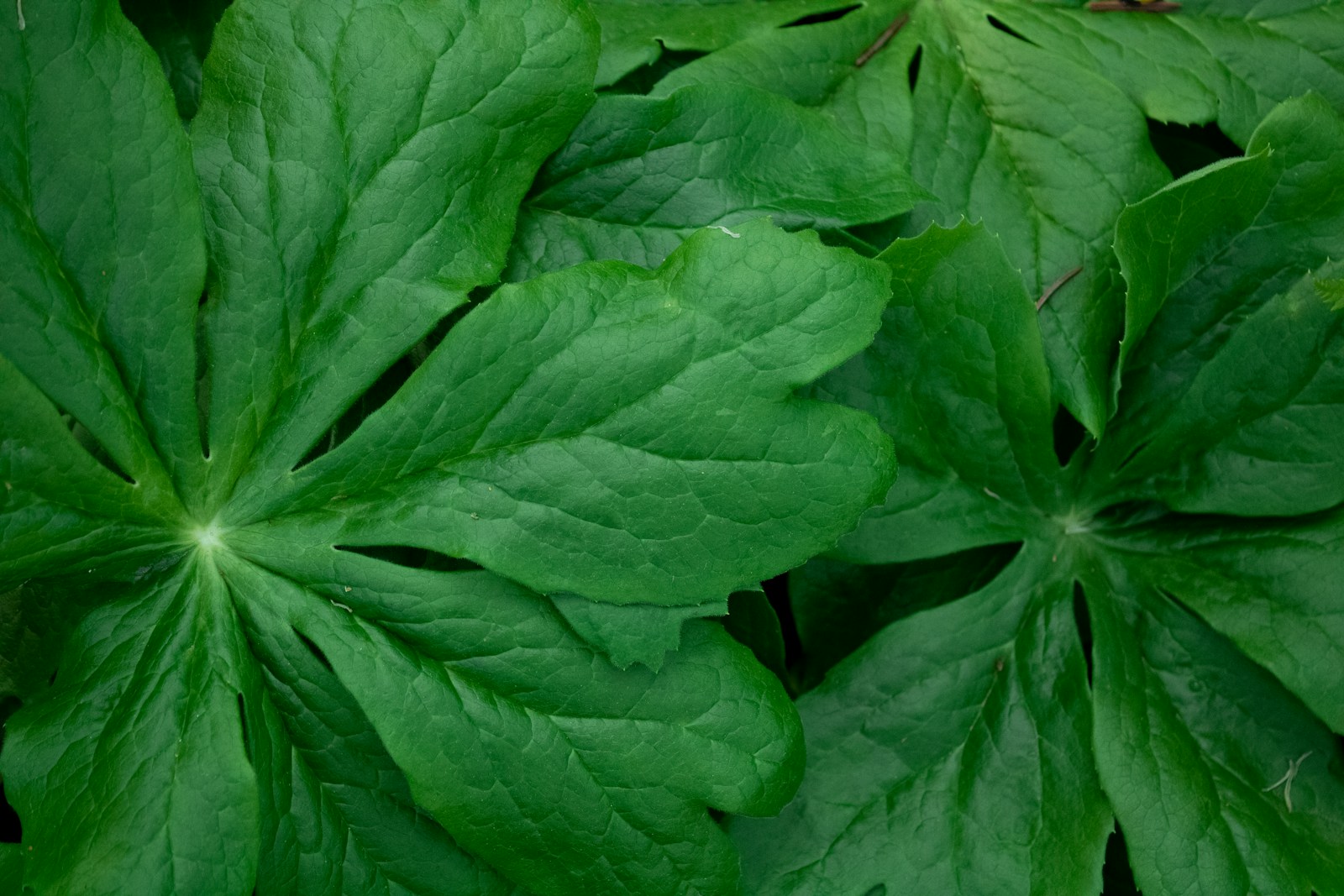
Mayapple (Podophyllum peltatum) is a native woodland perennial of eastern North America. Each stem holds a glossy, deeply lobed leaf like a small umbrella, about 12 to 18 inches (30 to 45 cm) tall. It spreads by rhizomes (creeping underground stems) into wide colonies under deciduous trees. Grow it to cover bare, shady ground where grass fails. It is easy once settled, but slow to establish and gone by midsummer.
Sowing and planting
Most gardeners start with a dormant rhizome or a potted plant from a native plant nursery. Buy nursery-propagated stock. Do not dig plants from the wild, which strips woodland colonies and is often illegal on public land.
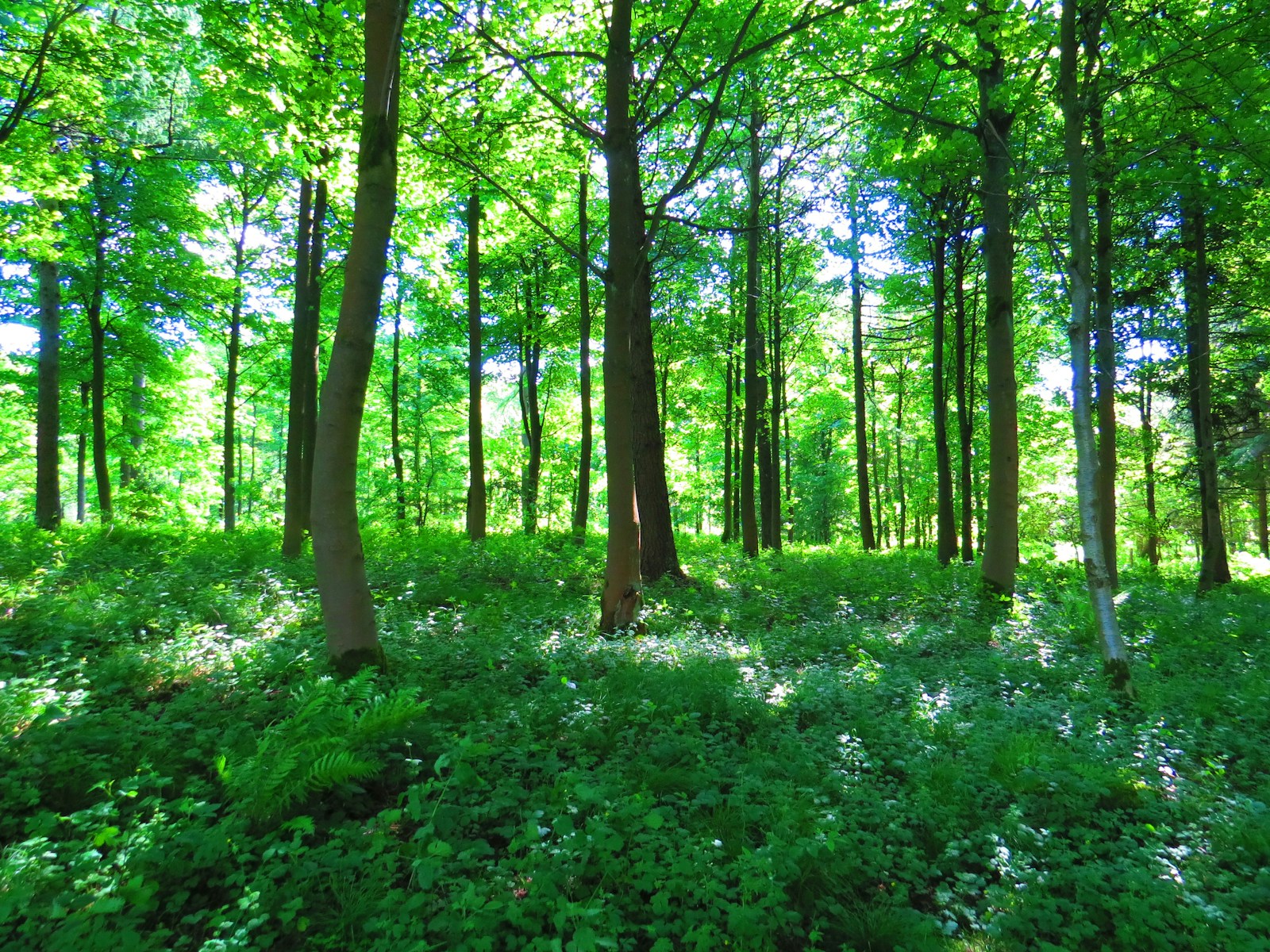
Plant bare rhizomes in fall, or in early spring before growth starts. Potted plants can go in whenever the ground is workable, although spring and fall are kinder. Choose a spot under deciduous trees or on the shady side of a building. The soil should hold moisture but never stay waterlogged.
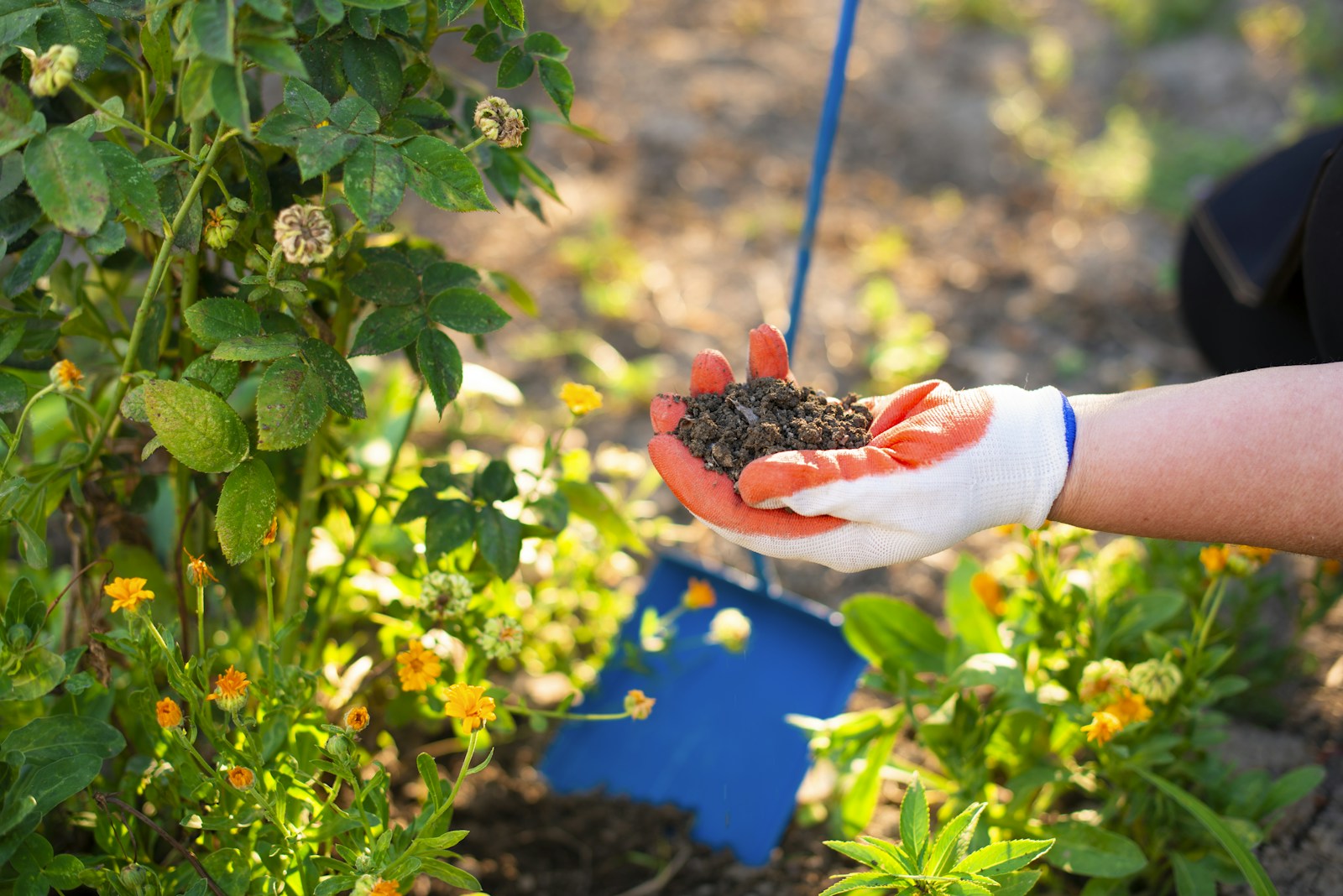
Work 2 to 3 inches (5 to 8 cm) of leaf mould or compost into the top layer of soil. Lay each rhizome flat with its pointed bud facing up. Cover it with 1 to 2 inches (2.5 to 5 cm) of soil. Space pieces about 12 inches (30 cm) apart, then water well and mulch with shredded leaves.
Growing from seed is possible but slow. The seed needs cold stratification (a period of cold, damp conditions that breaks dormancy). The simplest method is to sow fresh, cleaned seed outdoors in late summer in a shaded, labelled bed. Let winter do the chilling. Wear gloves when cleaning seed, because the seeds are poisonous. Seedlings stay tiny for years, showing a single small leaf each spring. Expect five years or more before the first flower.
Mayapple is a poor choice for a small, tidy border. It travels, and it leaves a bare patch in summer. Give it room at the back of a shade bed or along a woodland path.
Growing on
Watering. Keep the soil evenly moist from emergence until the leaves begin to yellow. A colony that dries out in spring goes dormant early and flowers less the following year. Once the foliage has died back, the plants need little extra water.
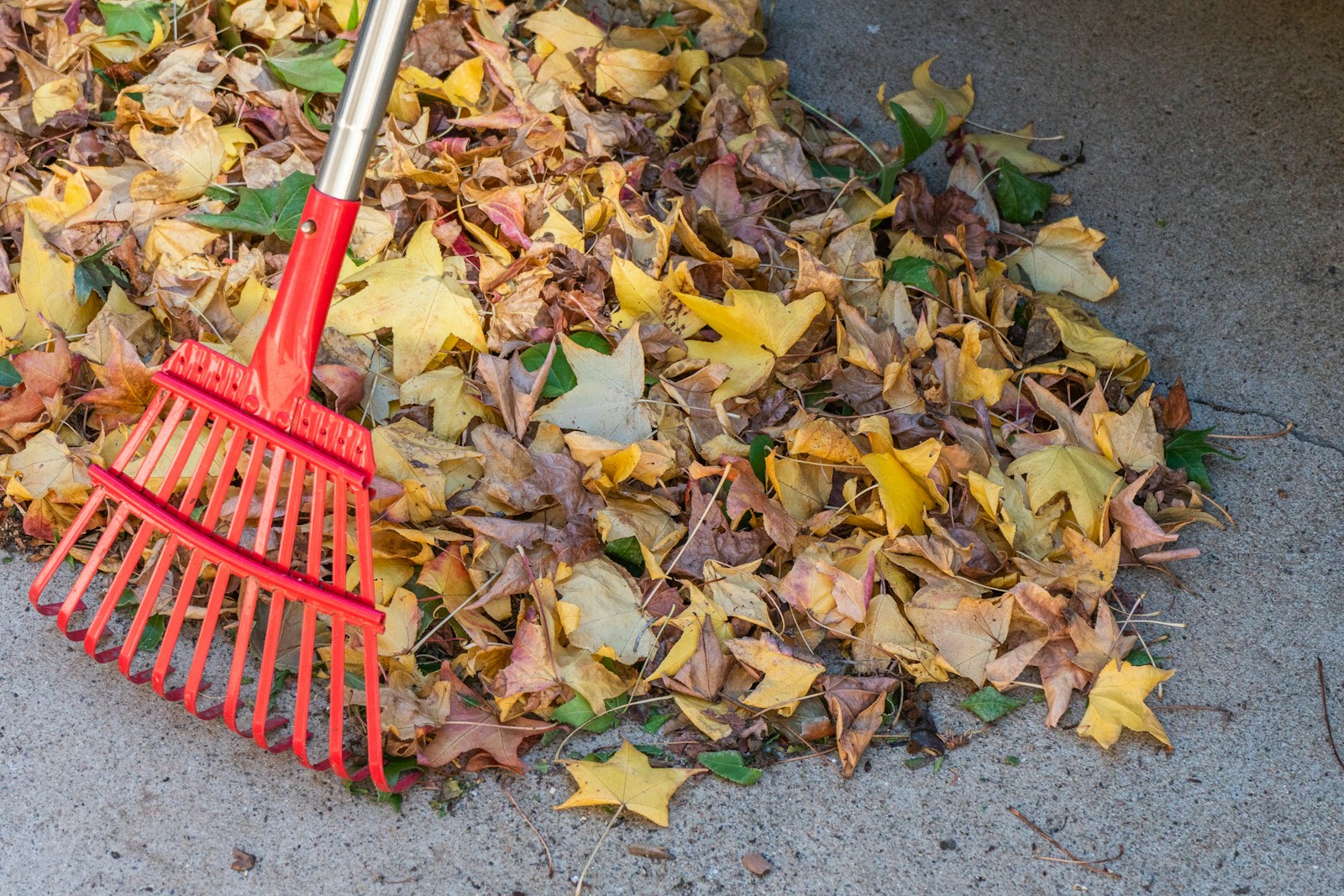
Feeding. Skip packaged fertiliser. An annual layer of fallen leaves or 1 inch (2.5 cm) of leaf mould in fall feeds the colony. This is how the plant lives in the wild.
Flowering. Only stems with two leaves flower. The single waxy white bloom hangs in the fork between them, hidden under the foliage. Stems with one leaf are young or resting and do not bloom. A new planting often shows only single leaves for a season or two. This is normal.
Summer dormancy. Mayapple is a spring ephemeral in habit, meaning it grows early and retreats in summer heat. The leaves yellow and collapse by midsummer, sooner in dry years. Do not cut them until they have fully yellowed. Mark the spot so you do not dig through the rhizomes later.
Containing the spread. An established colony can widen by several inches (10 cm or more) a year. To hold the edge, slice along it with a spade in fall and lift the pieces outside the line. Replant them elsewhere or share them. Wash your hands afterwards.
Dividing. Divide in late summer or fall, after the foliage has died down. Lift a section of rhizome and cut it into pieces, each with at least one bud. Replant at once at the same depth. Wear gloves, because the sap from cut rhizomes can irritate skin and eyes.
Harvesting
Warning: mayapple is poisonous. The leaves, stems, roots, seeds and unripe green fruit are all toxic and can cause severe illness if eaten. Only the flesh of a fully ripe, soft, yellow fruit is considered edible, and the seeds inside must be discarded. Keep children and pets away from the plants and fruit. If you are in any doubt about ripeness, do not eat it.
Most gardeners grow mayapple for its foliage and never harvest anything. Fruit is also scarce in gardens. Many colonies are a single clone and set little fruit without a genetically different plant nearby.
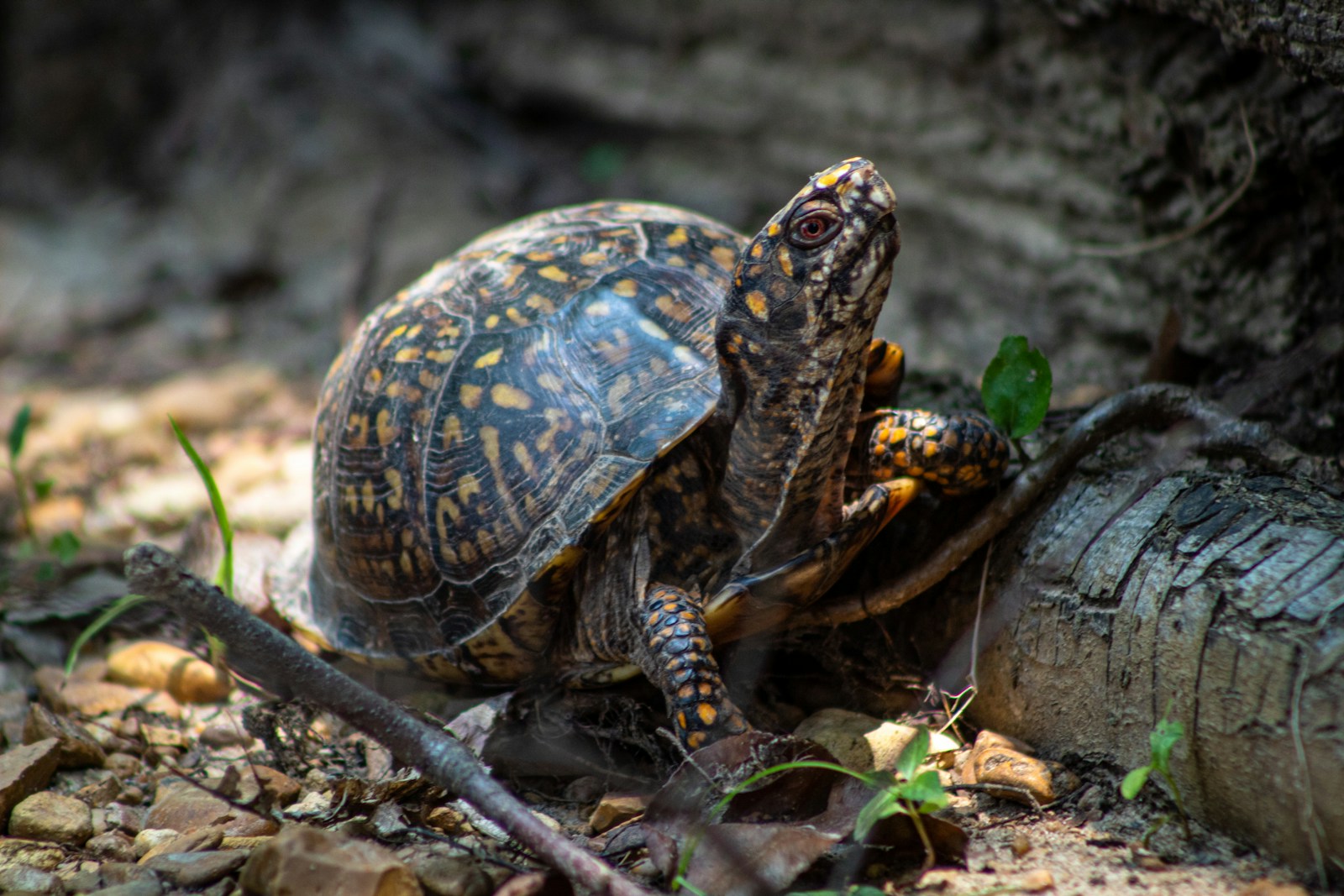
Where fruit does form, there is one egg-shaped berry per flowering stem, about 1 to 2 inches (2.5 to 5 cm) long. It stays hard and green for weeks. It is ripe only when it turns fully yellow, softens, smells sweetly fragrant and wrinkles slightly. By then the plant has usually collapsed and the fruit often lies on the ground. Box turtles and other wildlife tend to find it first, and they spread the seed.
If you choose to try one, scoop out the flesh and discard every seed and the skin. Eat only a small amount the first time. A green or firm fruit is not safe.
Mayapple also has a long folk history. Native peoples used the root, and mountain families in southern Appalachia adopted it as a strong purgative. Anthony Cavender's Folk Medicine in Southern Appalachia records that the dried root was brewed as a tea or powdered and rolled into pills. He also notes that it could cause harmful inflammation, and that milder shop remedies later replaced it. This is history only, not medical advice. The root is dangerous, and home use is not safe.
Problems and pests
Yellow spots on leaves with orange pustules underneath
This is mayapple rust, a fungus specific to the plant. Leaves can pucker and die back early. It rarely kills a colony. Remove and bin badly affected leaves, and clear old foliage in fall. Thin crowded patches to improve air flow. Do not compost infected leaves.
Leaves yellowing and collapsing in midsummer
This is normal dormancy, not disease. It happens earlier in heat or drought. Water during dry springs to keep the foliage longer. Plant summer companions such as ferns to fill the gap.
Only single leaves and no flowers
The plants are young, recently moved, or in shade that is too deep. Wait a season or two. If the colony sits under dense evergreens, move some pieces to brighter deciduous shade.
Ragged holes in young leaves
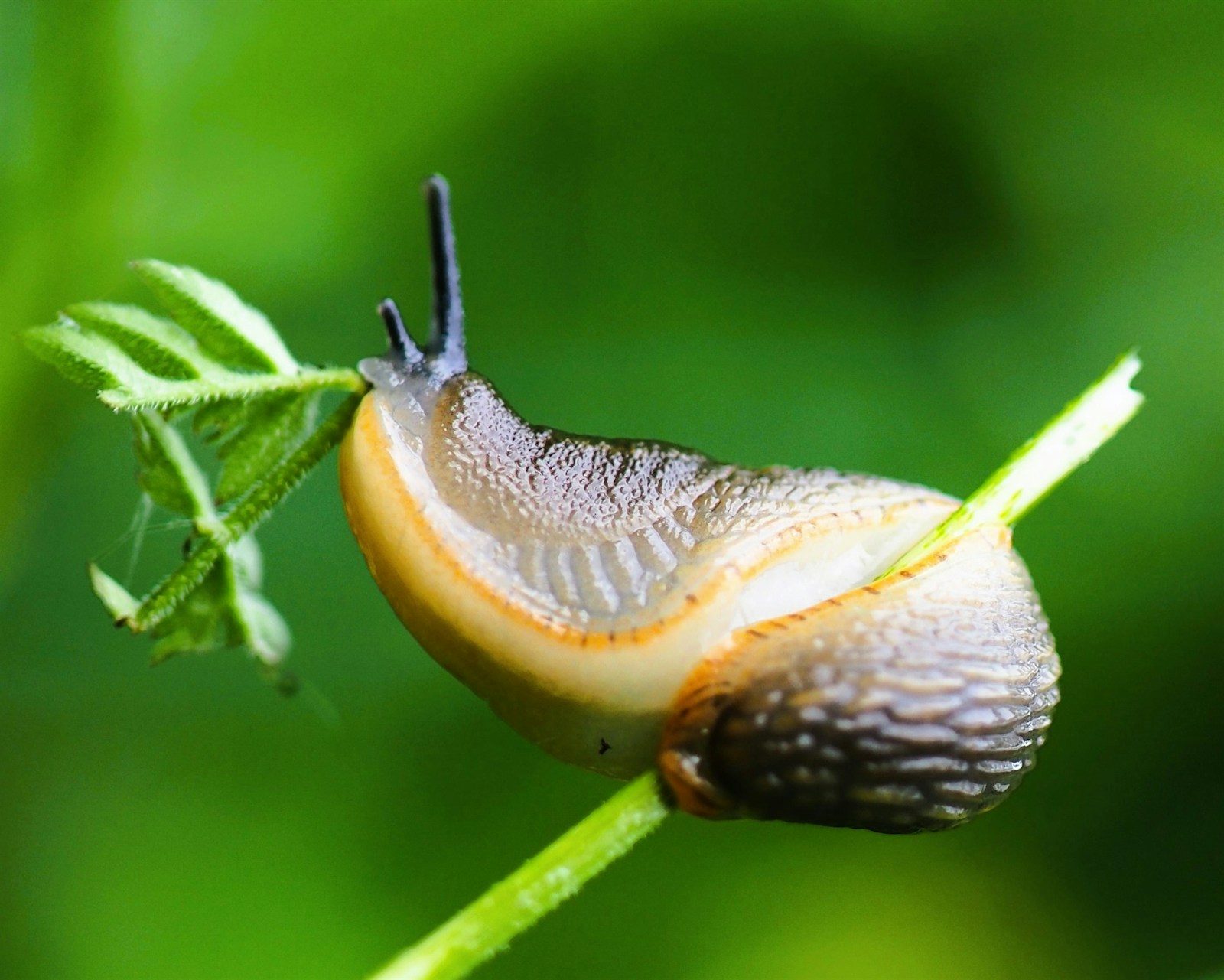
Slugs and snails feed on new growth in wet springs. Hand pick them at dusk and pull mulch back from emerging shoots. Deer and rabbits usually leave mayapple alone because of its toxins.
Varieties worth growing
Mayapple has almost no named cultivars, and most nurseries sell the plain species. Your real choices are planting stock and a few related plants.
- Species rhizomes or potted plants. The standard and best choice for a native woodland planting. Ask for nursery-propagated stock.
- Pink-flowered form (Podophyllum peltatum f. deamii). A naturally occurring form with pink flowers and reddish fruit. It is occasionally offered by specialist native nurseries.
- 'Spotty Dotty'. A related Asian hybrid, not the native species. It has large leaves mottled with chocolate spots and dark red flowers. It is grown as a foliage plant, is less cold hardy, and is equally unsafe to eat.
- Himalayan mayapple (Podophyllum hexandrum). A related Asian species with mottled young leaves, pink flowers and red fruit. It forms clumps rather than spreading widely. Treat it as poisonous.