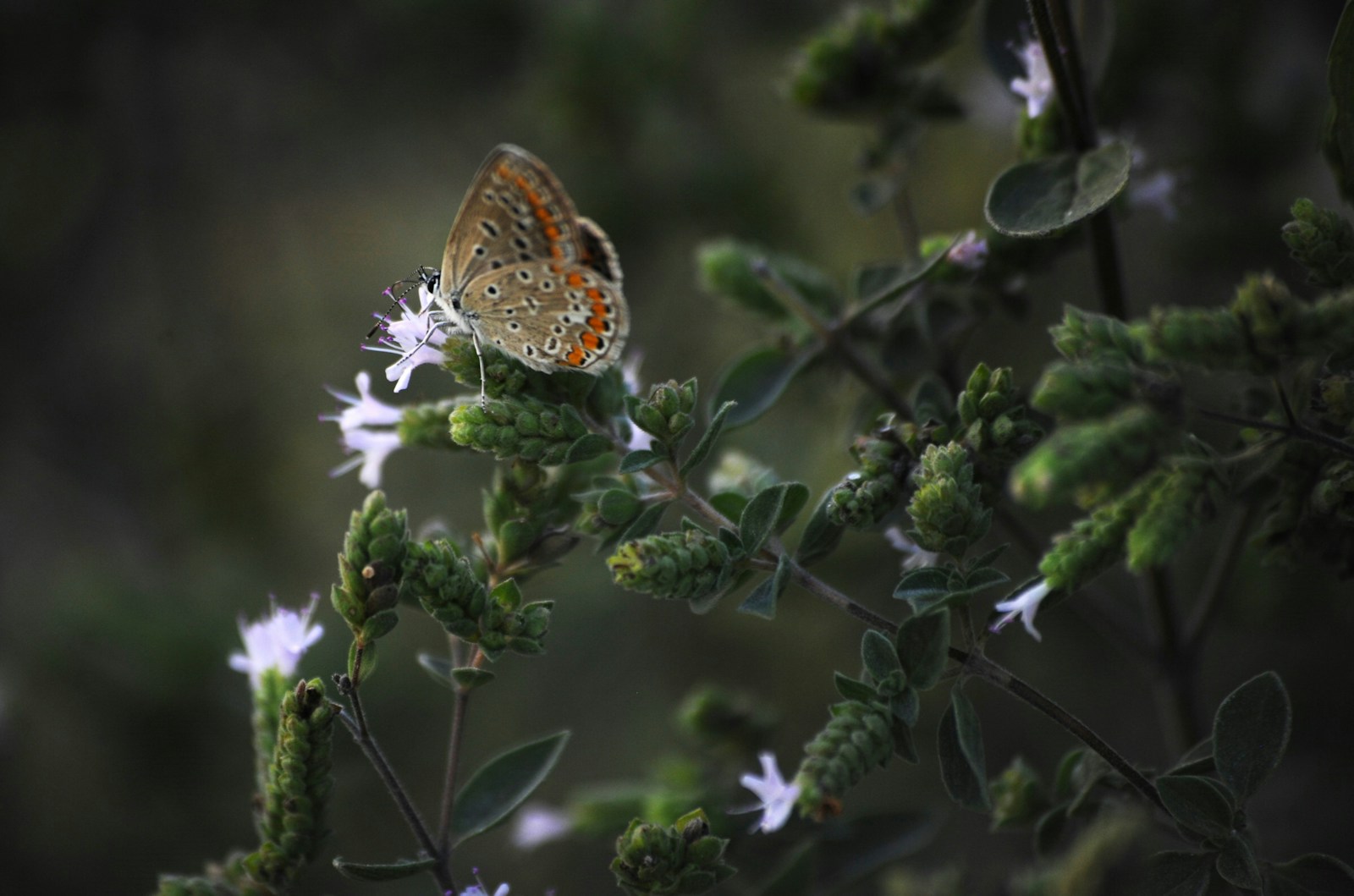
Sweet marjoram (Origanum majorana) is a small, bushy herb with soft grey-green leaves and a sweet, gentle flavour. It tastes like a milder, more floral oregano. It suits pots, windowsills and sunny border edges. It is easy to grow once past the seedling stage, but it dislikes cold and wet feet.
Sowing and planting
Start marjoram indoors 6 to 8 weeks before your last frost. The seed is fine as dust, so mix it with a pinch of dry sand to spread it thinly. Scatter it over moist seed compost and press it in lightly. Cover with no more than a dusting of compost, because the seed needs some light to germinate. Keep the tray at 65 to 70°F (18 to 21°C) under a clear lid.
Seedlings are slow and thread-thin at first. Water from below by standing the tray in shallow water, so you do not wash them over. Remove the lid once most have come up. Give them bright light to stop them stretching. Thin to a small clump of three or four seedlings per module or small pot.
Harden off the young plants over 7 to 10 days. Hardening off means getting seedlings used to outdoor conditions by setting them out for longer each day. Plant them out 1 to 2 weeks after your last frost, once nights stay above 50°F (10°C). Space clumps 8 to 12 inches (20 to 30 cm) apart.
In warm areas with a long season, you can sow direct once the soil reaches about 65°F (18°C). Direct-sown marjoram is slower and easily lost among weeds, so most gardeners buy or raise small plants.
Marjoram grows well in containers. Use a pot at least 8 inches (20 cm) wide with drainage holes. A mix of multipurpose compost with a third grit or perlite suits it well. In pots you can bring it indoors to a sunny windowsill before the first autumn frost.
Growing on
Water young plants regularly until they root in. After that, water only when the top inch (2.5 cm) of soil is dry. Marjoram tolerates dry spells better than soggy soil. Pots need more frequent watering in hot weather, but never leave them standing in a saucer of water.
Feed lightly or not at all. Rich soil gives soft, leafy growth with weaker flavour. In pots, a half-strength balanced liquid feed once a month is plenty through the growing season.
Mulch with gravel or grit rather than bark. A stone mulch keeps the crown dry and reflects warmth, which marjoram likes. Keep organic mulches away from the stems.
Pinch out the growing tips when plants reach about 4 inches (10 cm) tall. Pinching means nipping off the top pair of leaves with your fingers. It makes the plant branch and stay bushy. Keep pinching the tips of long shoots through early summer. Marjoram needs no staking.
The small knot-like flower buds form in midsummer. Flavour is strongest just before they open. If you want leaves, trim the buds off as they appear. If you want to feed pollinators, let a few stems flower. Bees and hoverflies visit the tiny white or pale pink blooms freely.
In zones 9 and 10, cut plants back by about a third after flowering to keep them compact. Replace plants every two or three years once they turn woody. In colder zones, treat marjoram as an annual or overwinter a potted plant indoors in a cool, bright spot.
Companion notes are simple. Marjoram shares the same dry, sunny conditions as thyme, sage and rosemary. Its flowers draw beneficial insects into the vegetable garden.
Harvesting
Start picking once plants are 4 to 6 inches (10 to 15 cm) tall and bushy. Snip shoot tips just above a pair of leaves, using clean scissors. New shoots grow from the leaf joints below. Take no more than a third of the plant at once.
Pick in the morning, after the dew has dried. For the biggest harvest, cut the whole plant back by half just as flower buds form. It regrows for a second cut later in the season.
To dry marjoram, tie small bunches and hang them upside down in a warm, airy, shaded place. Drying usually takes one to two weeks. Strip the leaves once they crumble, and store them whole in an airtight jar away from light. Marjoram keeps its flavour better dried than many soft herbs.
To freeze it, chop the leaves and pack them into ice-cube trays topped with a little water or oil. Fresh sprigs keep for a few days in the fridge wrapped in a damp paper towel.
Use marjoram in stuffings, egg dishes, tomato sauces, sausages and with roast vegetables. Add it near the end of cooking, because long heat dulls its delicate flavour.
Saving seed is possible but fiddly. Let a few stems flower and turn brown, then rub the dry heads over paper. The seed is very small, so sieve out the chaff.
Problems and pests
Plants wilt and collapse at soil level
Root rot from wet, cold or heavy soil is the usual cause. Improve drainage with grit before planting, or grow in raised beds or pots. Water only when the surface is dry.
Marjoram rots in wet soil and dies at the first hard frost. Plant it in sharp drainage, water sparingly, and bring potted plants indoors before your first autumn frost.
Seedlings topple over in the tray
This is damping off, a fungal disease of young seedlings. Use fresh compost and clean trays. Water from below and remove the lid once seedlings appear. Good airflow from a small fan also helps.
Leaves curl and shoots feel sticky
Aphids are sap-sucking insects that cluster on soft tips. Rub them off by hand or blast them with a jet of water. Encourage ladybirds and hoverflies by letting some herbs flower nearby.
Leaves look pale and finely speckled
Spider mites cause this in hot, dry conditions, especially indoors. Look for fine webbing under the leaves. Mist the plant and rinse the undersides with water. Move indoor plants somewhere cooler and more airy.
A white powdery coating on leaves
Powdery mildew appears in crowded, humid plantings. Thin plants for airflow and remove affected shoots. Water the soil, not the foliage.
Varieties worth growing
- Sweet marjoram (Origanum majorana): the classic culinary type, tender, with the sweetest flavour.
- Pot marjoram (Origanum onites): hardier and more upright, with a stronger, slightly oregano-like taste.
- Golden marjoram (Origanum vulgare 'Aureum'): a hardy, low mound of bright yellow-green leaves with a mild flavour.
- Italian oregano (Origanum × majoricum): a marjoram and oregano cross, sweeter than oregano and hardier than sweet marjoram.