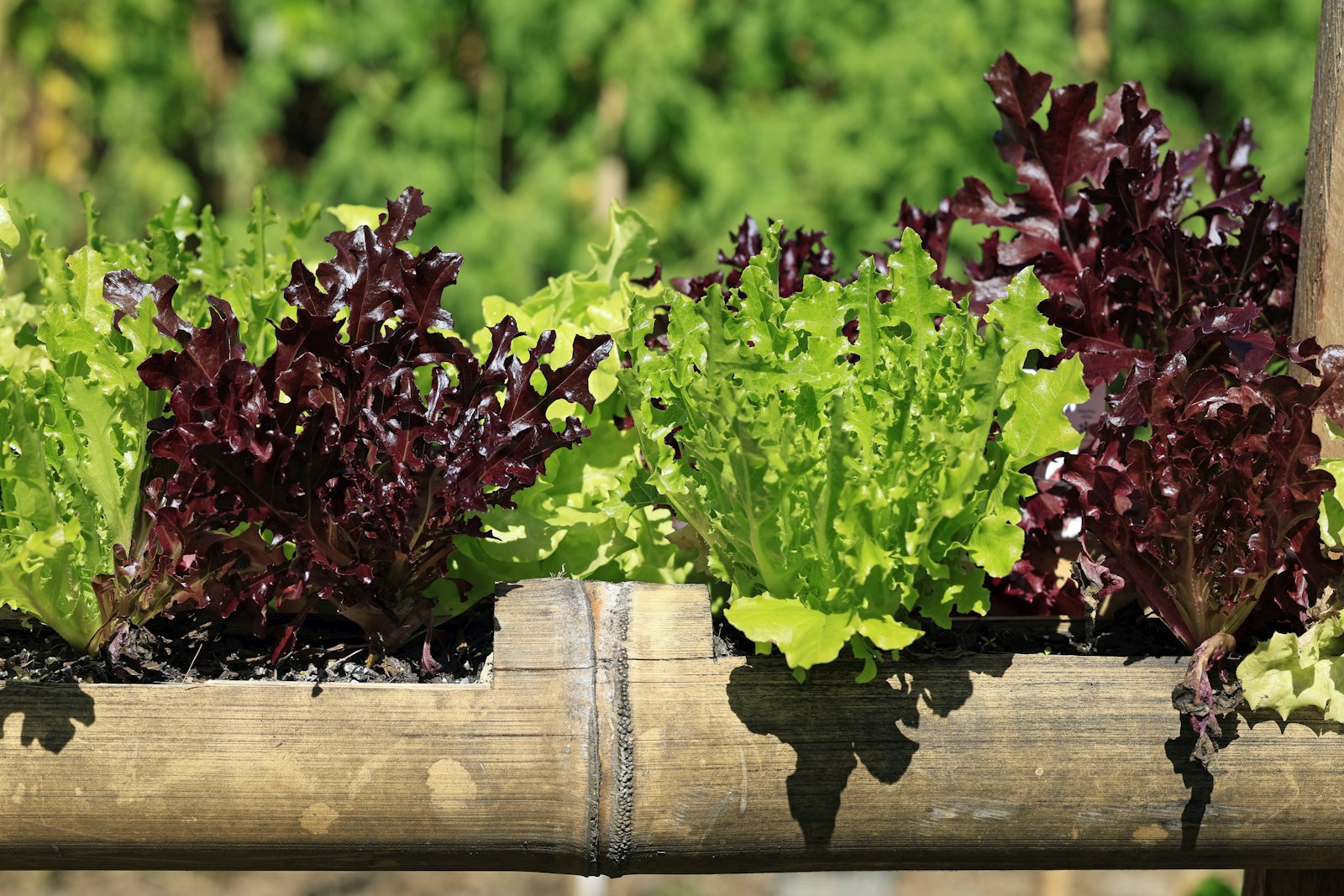
Lettuce is the backbone of the salad bed. It grows fast, fits into gaps between slower crops and suits containers. Home-grown leaves are far more tender than anything that travels. It is easy to grow in cool weather, but it bolts quickly in heat, so timing matters most.
Sowing and planting
Lettuce grows best when days sit between 45 and 75°F (7-24°C). In most gardens that means a spring crop and an autumn crop. In mild winter areas, around USDA zones 8 to 10, you can grow it through the cool season.
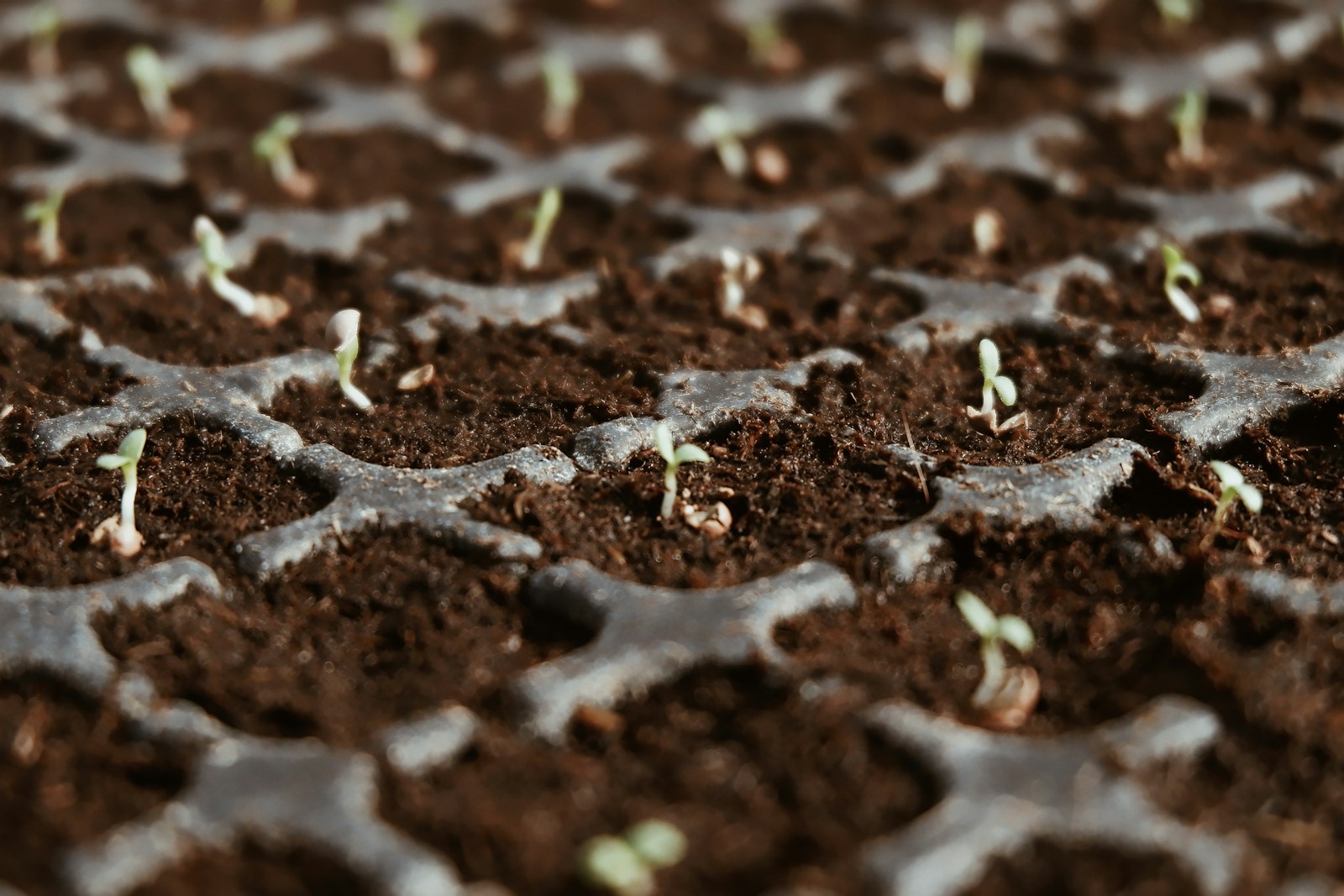
Indoors. Sow four to six weeks before your last frost. Scatter seed thinly on damp seed compost and barely cover it, as the seed needs some light to sprout. Keep the tray at 60-70°F (16-21°C). Seedlings usually appear in two to ten days. Grow them in bright light so they stay short and sturdy.
Planting out. Harden off the seedlings (getting them used to outdoor conditions) over about a week. Plant them out two to four weeks before your last frost, when they have four true leaves. Set them at the same depth they grew. Burying the crown invites rot.
Direct sowing. Sow outdoors from two to four weeks before your last frost, as soon as the soil can be worked. Sow thinly in rows or blocks, 1/8-1/4 inch (3-6 mm) deep. Thin seedlings in stages to their final spacing and eat the thinnings.
Heat and germination. Lettuce seed often fails to sprout in soil above about 80°F (27°C). For late-summer sowings, sow in the evening, water with cool water and shade the row. Alternatively, start seed indoors in a cool room.
Autumn crops. Count back from your first frost. Sow six to eight weeks before your first frost date for heads, a little later for loose leaves.
Succession sowing. Sow a short row every two to three weeks through spring and again from late summer. Small, frequent sowings give a steady supply rather than a glut that bolts all at once.
Types. All four types are sown the same way. Leaf lettuce can be sown thickly and cut young. Head-forming types need their full spacing to form a proper heart. Crisphead is the slowest and the least tolerant of heat, so start it indoors in most climates.
Growing on
Watering. Lettuce has shallow roots and is mostly water. Keep the soil evenly moist, giving about 1 inch (2.5 cm) a week. Water at the base in the morning so the leaves dry quickly. Dry spells make leaves bitter and trigger bolting.
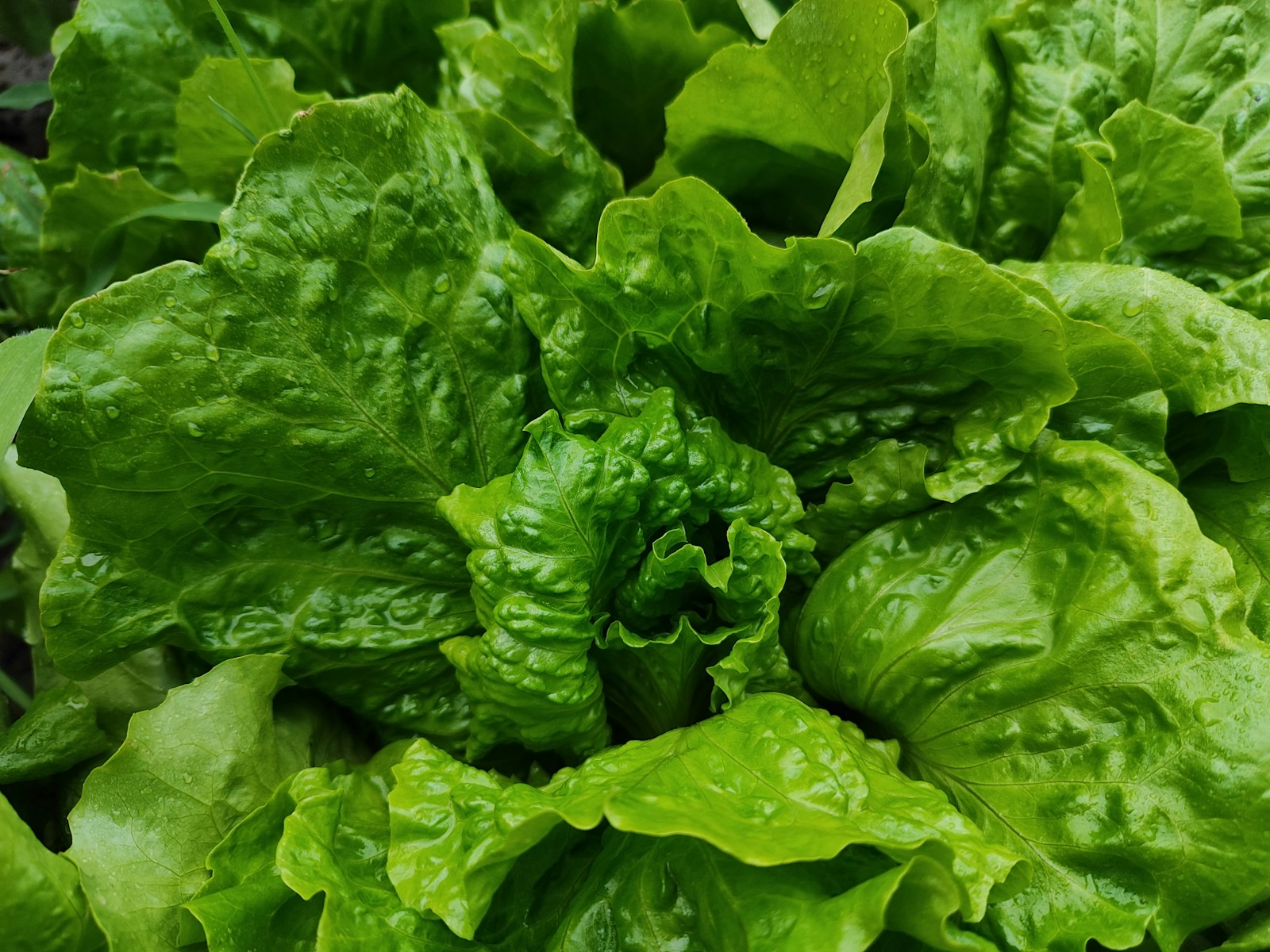
Feeding. Dig in 1-2 inches (2.5-5 cm) of compost before sowing. For head types, side-dress (feed along the row) with a balanced organic fertilizer about three weeks after planting. Too much nitrogen makes soft, sappy growth that aphids and slugs love.
Mulching. Spread a thin layer of fine compost, straw or shredded leaves around plants once they are a few inches tall. Mulch keeps roots cool, holds moisture and keeps leaves clean. Keep it clear of the crown.
Shade. As weather warms, shade lettuce from afternoon sun. Grow it in the shade of taller crops such as tomatoes or pole beans, or rig up shade cloth.
Support and pruning. Lettuce needs no staking and no pruning.
Companions. Lettuce fits well between rows of carrots, radishes, onions and brassicas. It is a good catch crop, a quick crop grown in space that a slower crop will fill later.
Harvesting
Leaf lettuce. Start picking when leaves are 3-4 inches (8-10 cm) long. Either pick outer leaves one at a time or cut the whole plant 1 inch (2.5 cm) above the soil. Cut plants often regrow for a second and third harvest. This is called cut-and-come-again.
Butterhead. Harvest when the soft, loose heart feels full. Cut the whole plant at soil level.
Romaine. Harvest when the upright head is firm and the inner leaves are pale. You can also pick outer leaves while the plant is young.
Crisphead. Harvest when the head feels firm and solid when you press it gently. Do not wait too long, as mature heads split or bolt quickly.
Pick in the early morning, when leaves are crisp and full of water. Taste a leaf before a big harvest. Bitterness usually means the plant is about to bolt.
Lettuce bolts (sends up a flowering stalk) in heat and long days, and the leaves turn bitter within days. Sow in cool weather, choose slow-bolting varieties for summer and keep the soil moist.
Storage. Rinse leaves in cold water and dry them well. Store them in a bag or box lined with a paper towel in the fridge. Loose leaves keep about a week. Whole crisphead and romaine heads keep up to two weeks. Lettuce does not freeze.
Saving seed. Lettuce is self-pollinating, so seed saving is simple. Let one or two of your best plants bolt and flower. Cross-pollination between varieties is uncommon, but keep a few feet between them to be safe. The seed is ready when the flower heads turn fluffy and white, like small dandelion clocks. Cut the stalks, dry them in a paper bag and shake out the seed.
Problems and pests
Ragged holes and slime trails
Slugs and snails feed at night, especially in damp weather. Go out after dark with a flashlight and pick them off. Set beer traps sunk to the rim, or scatter iron phosphate pellets, which are approved for organic growing. Read the label and keep the packet away from children and pets.
Clusters of small insects on the leaves
Aphids gather on young leaves and in the heart of the plant. Spray them off with a jet of water or use insecticidal soap. Follow the label and spray in the cool of the day. Encourage ladybugs and lacewings, which eat aphids.
Brown, dry edges on inner leaves
Tipburn is a disorder linked to uneven watering and hot weather. The plant cannot move enough calcium to fast-growing leaves. Water steadily, mulch and grow heat-tolerant varieties in summer.
Seedlings cut off at soil level
Cutworms are fat caterpillars that chew through stems at night. Place collars of cardboard around transplants, pressed 1 inch (2.5 cm) into the soil. Dig around damaged plants to find and remove the grubs.
Yellow patches and fuzzy growth under leaves
Downy mildew is a fungal-like disease that spreads in cool, damp weather. Space plants for good airflow and water the soil, not the leaves. Remove affected leaves promptly. Grow resistant varieties where the disease is common.
Varieties worth growing
Butterhead
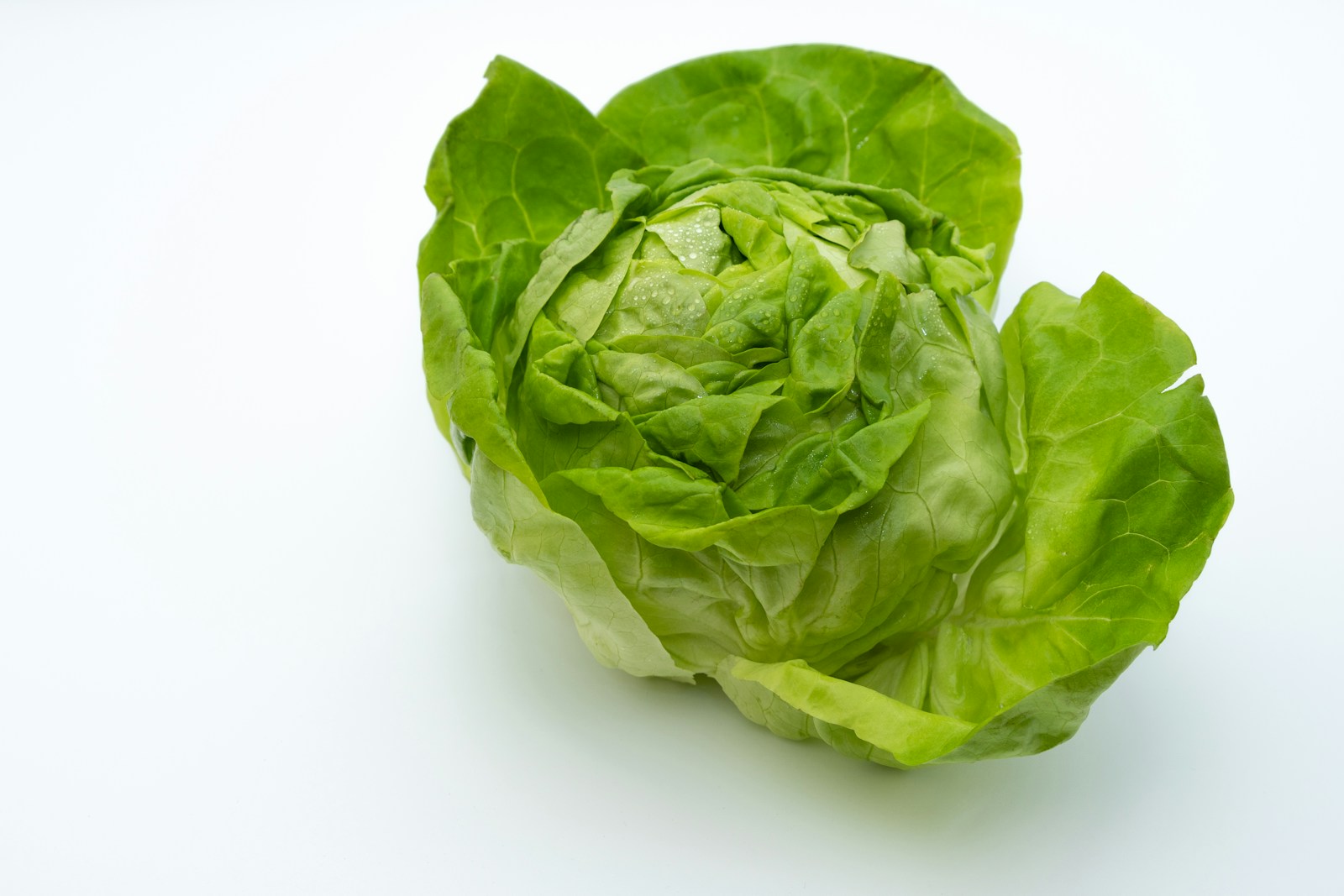
- 'Buttercrunch': thick, crunchy heart and good tolerance of warm weather.
- 'Tom Thumb': a tiny heirloom head ideal for pots and small beds.
Crisphead (iceberg)
- 'Great Lakes': a classic iceberg with dense, crisp heads for cool seasons.
- 'Reine des Glaces': a French heirloom with frilly, crisp heads that stand heat well.
Leaf
- 'Black Seeded Simpson': a fast, light green heirloom with ruffled leaves.
- 'Red Sails': bronze-red frilly leaves that are slow to bolt.
Romaine
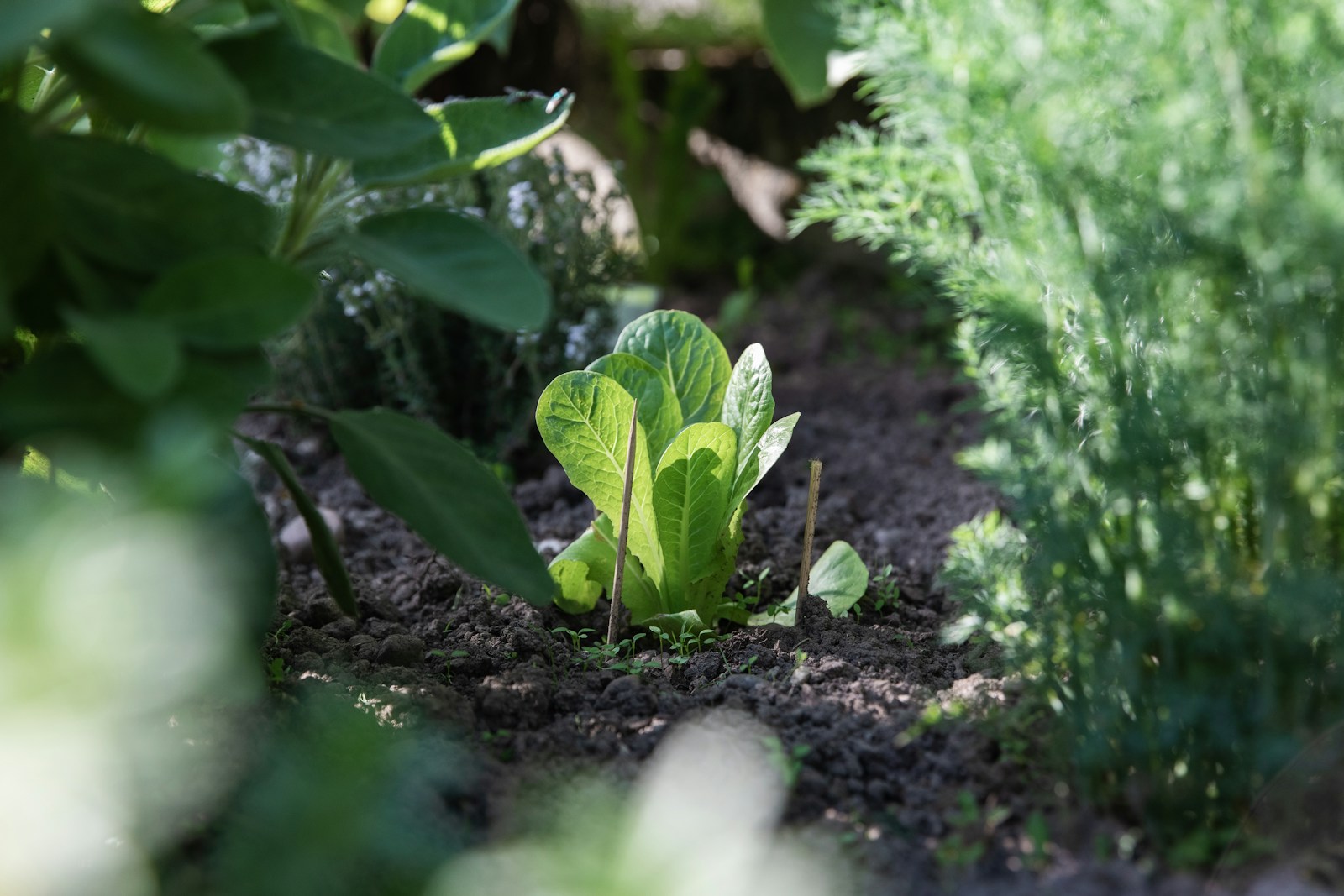
- 'Parris Island Cos': tall, sturdy heads with crisp, sweet hearts.
- 'Little Gem': a compact, sweet mini romaine that suits small spaces.