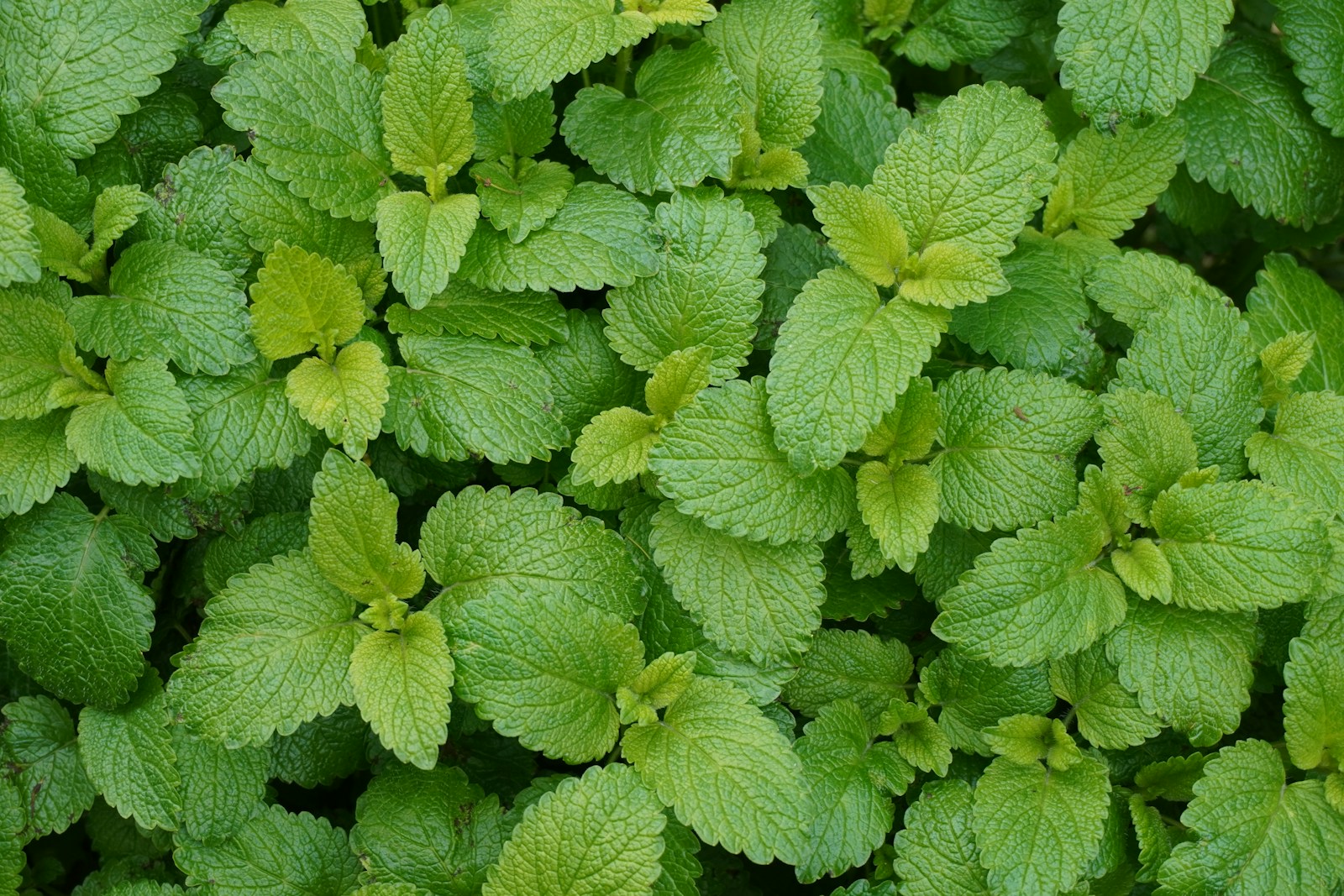
Lemon balm is a leafy perennial herb in the mint family, grown for its bright lemon-scented leaves. You use them fresh in tea, salads, fruit dishes and cold drinks. Bees crowd its small white flowers. It is one of the easiest herbs you can grow, and the main job is keeping it in check.
Sowing and planting
You can start lemon balm from seed, cuttings or division. All three are easy.
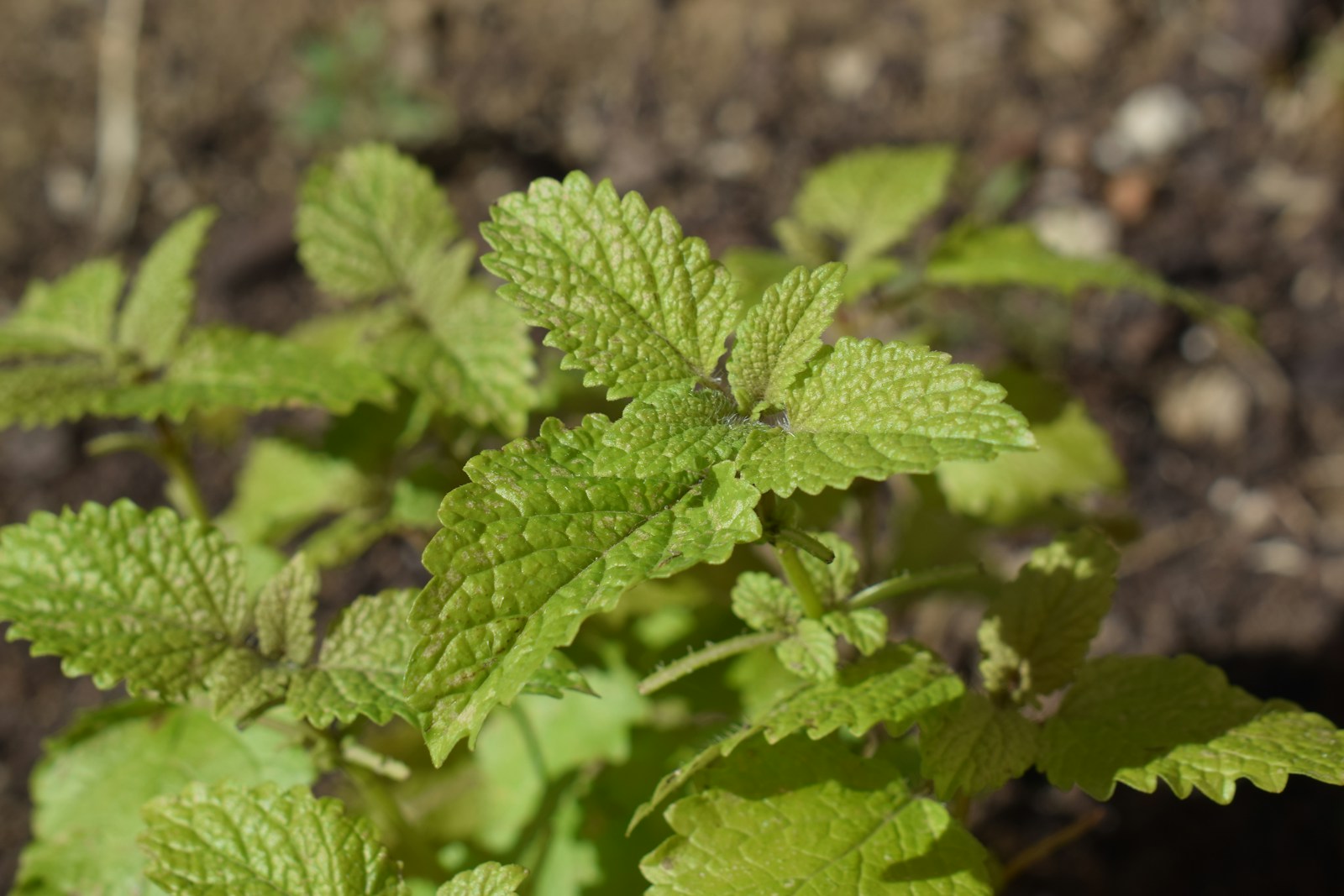
Sow indoors 6-8 weeks before your last frost. Scatter the tiny seed thinly on the surface of moist seed compost and press it in lightly. Do not cover it, because the seed needs light to sprout. Keep the tray at 65-70°F (18-21°C) and mist it rather than pouring water on. Seedlings usually appear in 10-14 days, though some take up to three weeks.
When seedlings have two sets of true leaves, pot them into 3 inch (8 cm) pots. Harden them off (get them used to outdoor conditions) over 7-10 days. Plant out after your last frost, 18-24 inches (45-60 cm) apart.
You can also sow outdoors in spring, once the soil has warmed to about 60°F (16°C). Surface-sow in a prepared patch and keep it moist until seedlings are growing well. Thin them to the final spacing.
For a quicker start, take cuttings. Snip 4 inch (10 cm) shoot tips in spring or early summer. Strip the lower leaves and stand them in a glass of water or in moist compost. Roots form within 2-3 weeks.
Division is the easiest method of all. In early spring or autumn, dig up an established clump and slice it into fist-sized pieces with a sharp spade. Replant each piece at the same depth and water well. Keep your feet clear of the blade and wear gloves.
Choose a spot where the plant can spread a little. Unlike mint, lemon balm forms a clump rather than running roots. The real spreading comes from seed. It grows well in pots, which makes it easy to keep in one place. Use a pot at least 10 inches (25 cm) across with drainage holes.
Growing on
Water young plants regularly until they are established. After that, water during dry spells so the soil never dries out completely. Leaves turn tough and less fragrant when the plant is stressed. Pots dry out quickly in summer and may need water every day in hot weather.
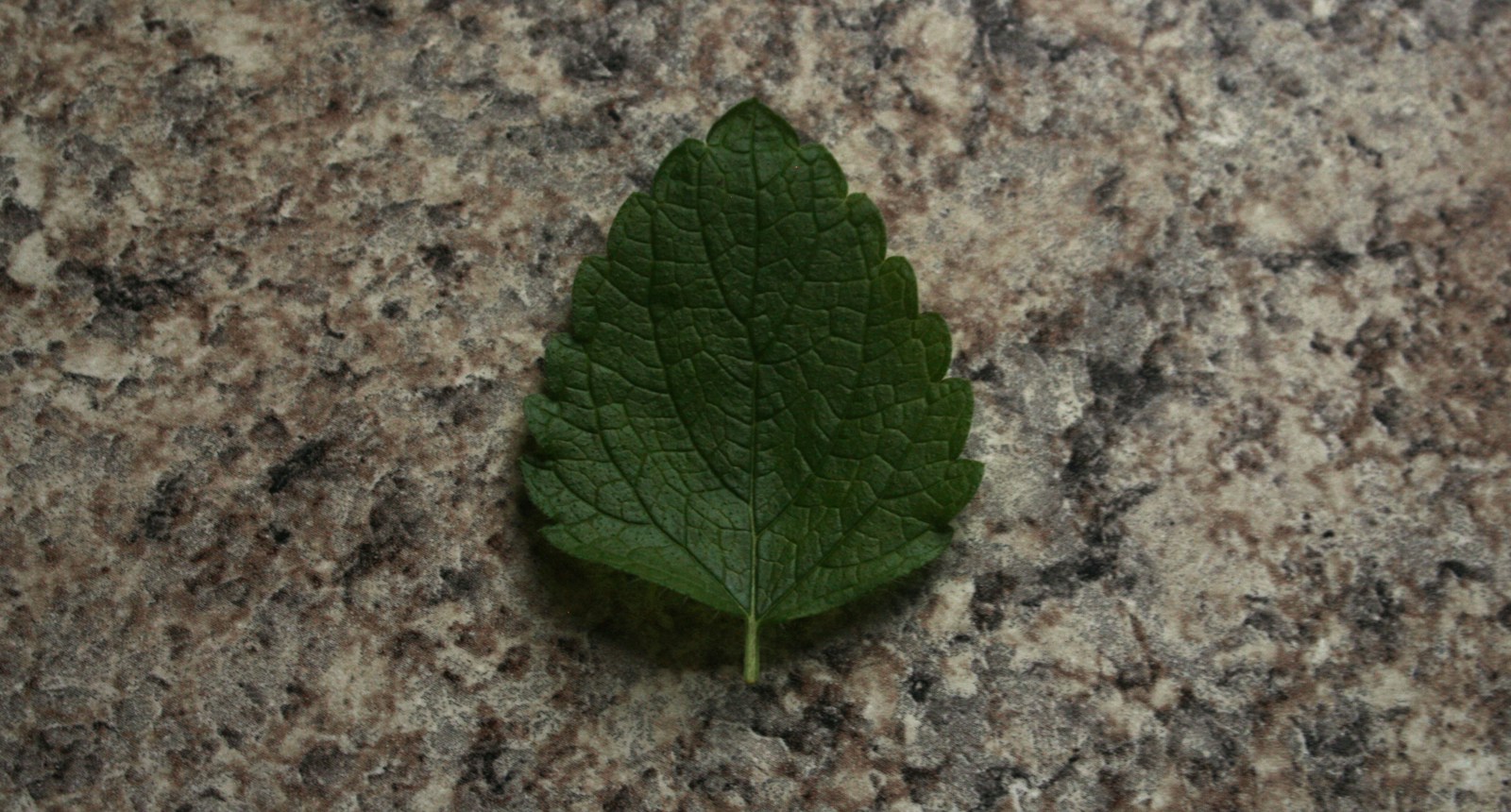
Lemon balm needs little feeding. Too much fertilizer produces lush, bland leaves with less scent. In the garden, a thin layer of compost each spring is enough. Feed pot plants with a balanced liquid fertilizer at half strength every 4-6 weeks through summer.
Mulch around the plant with compost or shredded leaves to hold moisture and suppress weeds. Keep the mulch an inch (2.5 cm) away from the stems.
Pinching (removing the soft shoot tips with your fingers) keeps plants bushy. Start once plants are 6 inches (15 cm) tall. Regular picking does the same job.
Lemon balm flowers in midsummer, and the leaves turn less tasty once it blooms. Cut the whole plant back by about half as flower buds form. You get a fresh flush of tender leaves within a few weeks. A second hard cut later in summer stops it setting seed. In autumn, cut stems down to a few inches once frost blackens them. New shoots appear in spring.
If you want flowers for bees, let one plant bloom. Then cut off the flower stems as soon as they fade, before seed ripens.
Lemon balm is a good neighbour for most vegetables. Its flowers draw pollinators into the garden. Keep it away from delicate, slow-growing herbs that it can crowd out.
Left to flower and set seed, lemon balm self-seeds heavily and seedlings pop up all over the garden. Cut plants back before the seed ripens every year, or you spend seasons weeding it out.
Harvesting
Start picking once plants are about 8 inches (20 cm) tall. Take individual leaves or cut whole stems just above a pair of leaves. New shoots grow from that point. Pick in the morning, after the dew has dried, when the scent is strongest. Never take more than a third of the plant at once.
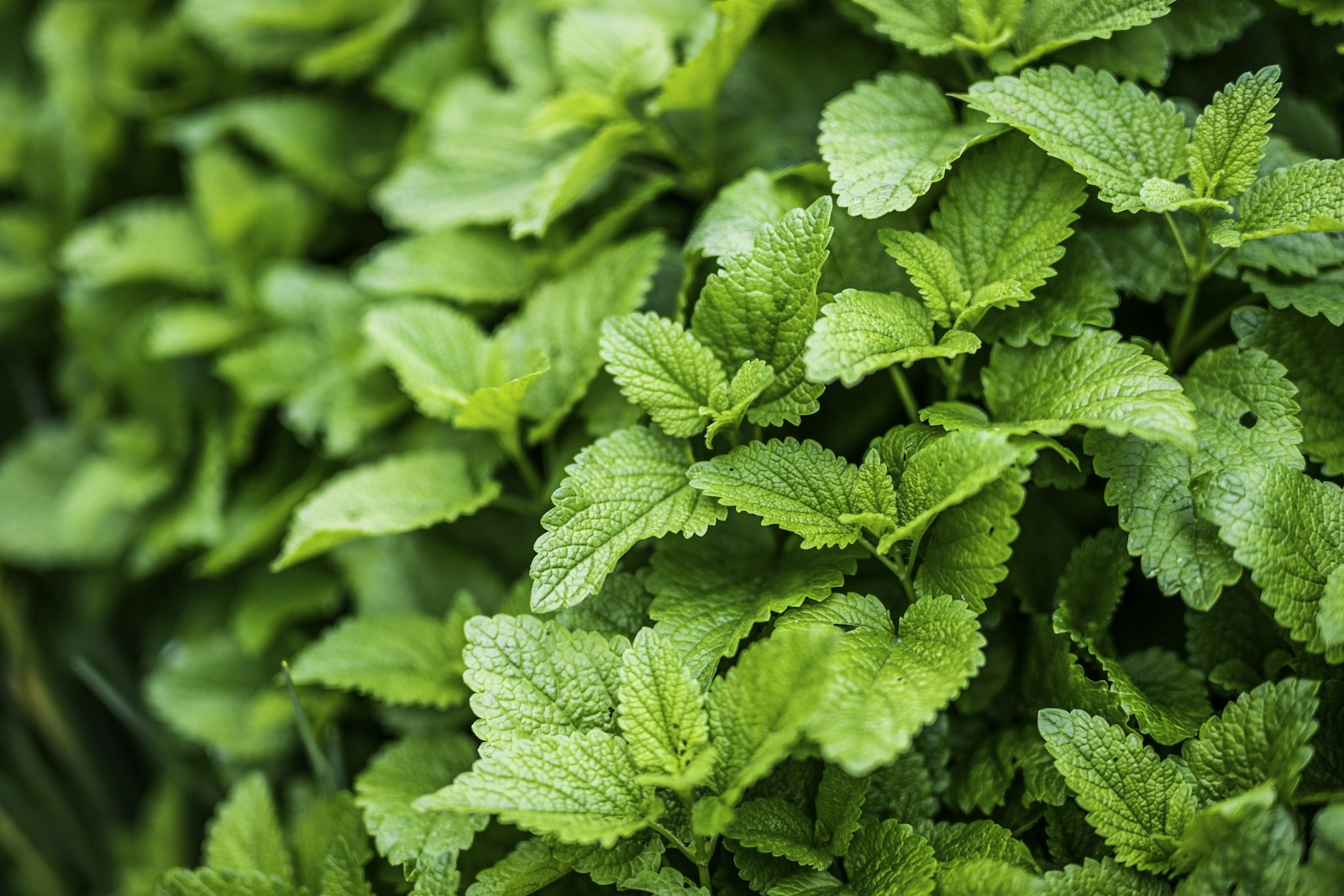
Leaves are at their best before the plant flowers. Young leaves from the tips have the cleanest lemon flavour.
Fresh leaves keep for a few days in the fridge. Wrap them loosely in a damp paper towel inside a bag. Stems also last several days in a glass of water on the counter.
To dry lemon balm, tie small bunches and hang them upside down in a warm, dark, airy place. You can also spread leaves on a screen. Dry them quickly, within a week, because slow drying turns them brown and musty. Store dried leaves in a sealed jar out of the light. Dried lemon balm loses its scent faster than many herbs, so use it within a few months.
Freezing keeps the flavour better. Chop fresh leaves, pack them into ice cube trays and top up with water. Drop the cubes into cold drinks or teapots. You can also freeze whole leaves flat in a bag.
Saving seed is easy but rarely needed, since the plant seeds itself. If you want to, let a few flower stems brown on the plant. Shake them over a paper bag and store the seed somewhere cool and dry.
Problems and pests
White powdery coating on the leaves
Powdery mildew is a fungus that thrives in crowded, dry-rooted plants. Cut affected stems back hard and thin the clump so air can move. Water at the base, and keep the soil evenly moist.
Fine speckling on leaves, with webbing underneath
Spider mites are tiny sap-feeders that multiply in hot, dry weather. Spray the undersides of leaves with a strong jet of water every few days. Keep plants well watered.
Clusters of small green or black insects on shoot tips
Aphids suck sap and distort new growth. Rinse them off with water or rub them off by hand. Ladybirds and lacewings usually clear them if you avoid spraying.
Brown or black spots on the leaves
Leaf spot diseases take hold in wet, humid weather. Remove spotted leaves and bin them rather than composting. Space plants more widely and avoid wetting the foliage.
Plants yellow and flop in winter
Waterlogged soil rots the roots of dormant plants. Improve drainage with grit or move clumps to a raised bed. Pot plants need their drainage holes clear.
Varieties worth growing
Lemon balm is usually sold as the plain species, Melissa officinalis, which is the one to grow for flavour. A few named selections are also widely available.
- Common lemon balm: the standard green-leaved plant, strongly scented and very hardy.
- 'Aurea': green leaves splashed with gold, brightest in spring; best in part shade.
- 'All Gold': fully golden-yellow leaves that scorch in hot sun, so give it light shade.
- 'Citronella': a selection grown for an especially strong lemon scent.