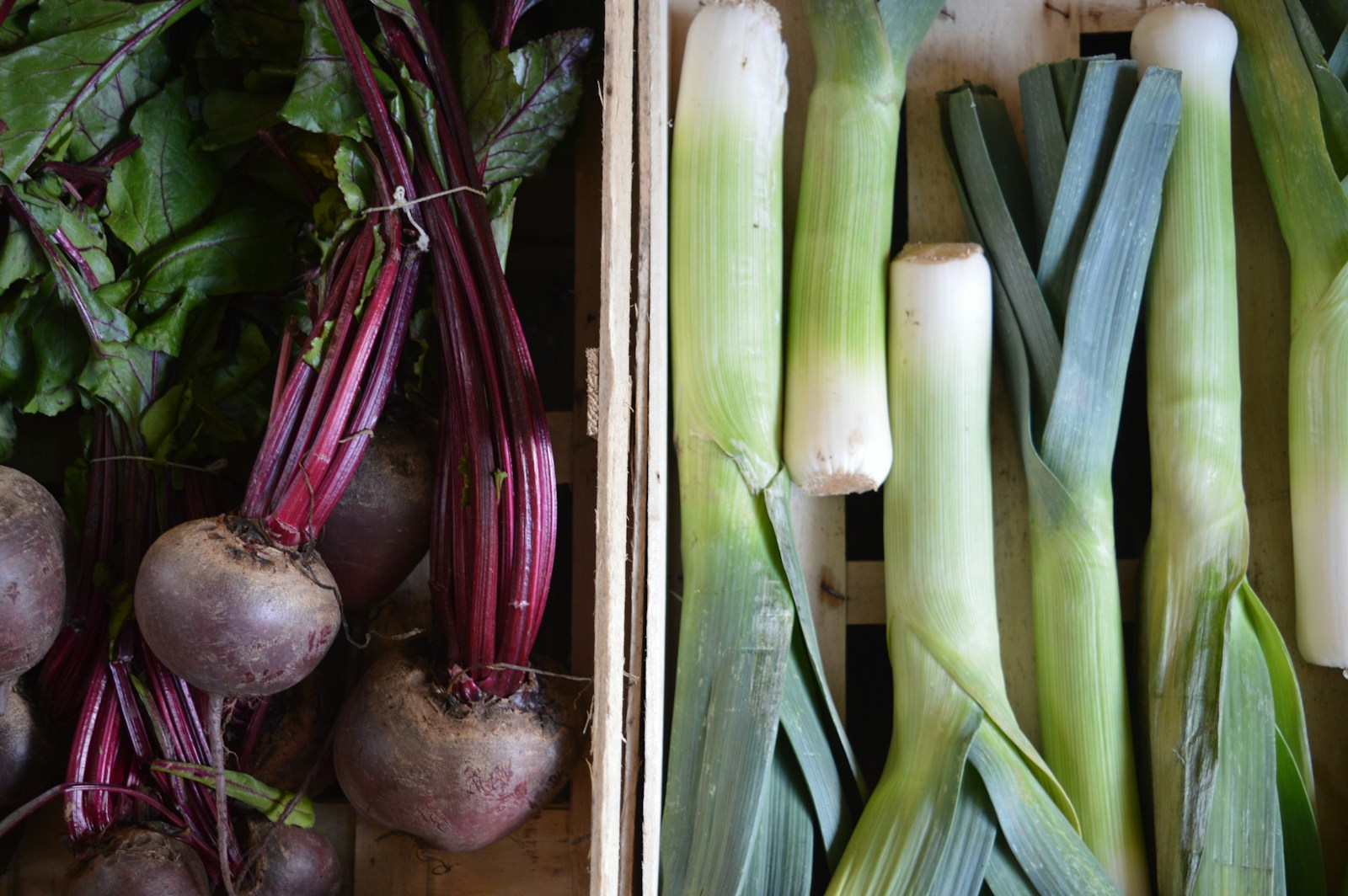
Leeks are mild, sweet members of the onion family grown for their thick stems. They take a long season, but they need little attention and ask for little space. Many varieties stand in the ground through frost, so you can harvest when other crops are finished. They are easy to grow if you start early and keep them weeded.
Sowing and planting
Leeks need a long season, so most gardeners start them indoors. Sow eight to twelve weeks before your last frost. Fill a deep tray or pots with seed compost and sow seed about 1/4 inch (6 mm) deep. Keep them at about 70°F (21°C). Seedlings usually appear in one to two weeks.
The seedlings look like thin blades of grass. Grow them in a bright, cool spot at 60-65°F (16-18°C). Trim the tops back to about 4 inches (10 cm) whenever they flop over. Trimming keeps them sturdy and encourages thicker stems.
Harden off the seedlings (getting them used to outdoor conditions) over about a week. Plant them out from two to four weeks before your last frost up to a few weeks after it. Wait until they are about pencil thickness and 6-8 inches (15-20 cm) tall.
The traditional method gives long white stems. Make holes 6 inches (15 cm) deep with a dibber (a pointed planting stick) or a broom handle. Drop one seedling into each hole so only the top few inches show. Do not fill the hole with soil. Fill it with water instead, which settles a little soil around the roots. The hole fills in naturally over the following weeks.
You can also plant in a trench 6 inches (15 cm) deep. Fill it in gradually as the leeks grow.
In mild areas you can sow directly outdoors in a seedbed once the soil reaches about 45°F (7°C). Transplant the young plants to their final spot when they reach pencil thickness. For a winter crop, choose a hardy variety and plant it out by early summer.
Growing on
Watering. Leeks have shallow roots and dislike drying out. Give about 1 inch (2.5 cm) of water a week, more in hot, dry spells. Dry soil leads to thin, tough stems.
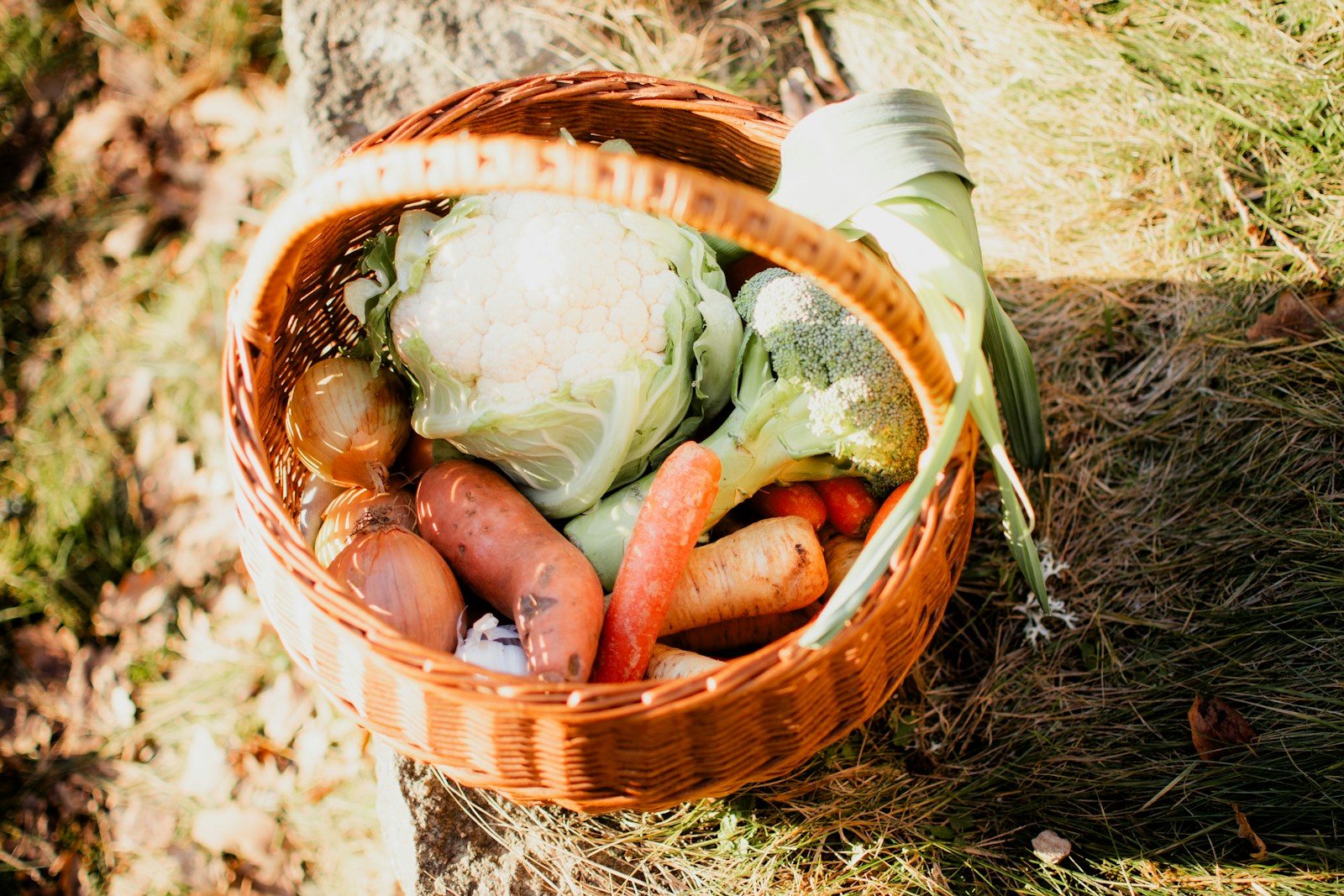
Feeding. Leeks are hungry plants. Dig in 2-3 inches (5-8 cm) of compost or well-rotted manure before planting. Side-dress (feed along the row) with a balanced organic fertilizer or compost every four to six weeks during summer. Stop feeding by late summer so hardy plants toughen up before cold weather.
Blanching. Blanching means covering the stem to keep light off it. This makes more of the stem white, mild and tender. Draw soil up around the stems in stages as they grow, a few inches at a time. Stop just below the point where the leaves split apart. Soil inside the leaf joints makes leeks gritty. Some gardeners slip a cardboard tube or collar over each stem instead.
Mulching. Spread 2-3 inches (5-8 cm) of straw or shredded leaves between rows. Mulch holds moisture and suppresses weeds. In cold areas, a thick straw mulch in autumn protects the stems and keeps the ground workable for harvest.
Weeding. Leeks have narrow, upright leaves that cast little shade. They cannot compete with weeds, so hoe shallowly and often.
Support and pruning. Leeks need no staking and no pruning after planting out.
Companions. Carrots are a traditional partner. Keep leeks away from beans and peas. Rotate them with other onion-family crops, so you do not grow any allium in the same spot two years running.
Harvesting
Start lifting leeks once the stems are about 1 inch (2.5 cm) thick. Early varieties are usually ready from late summer. Late and hardy varieties are harvested through autumn and winter.
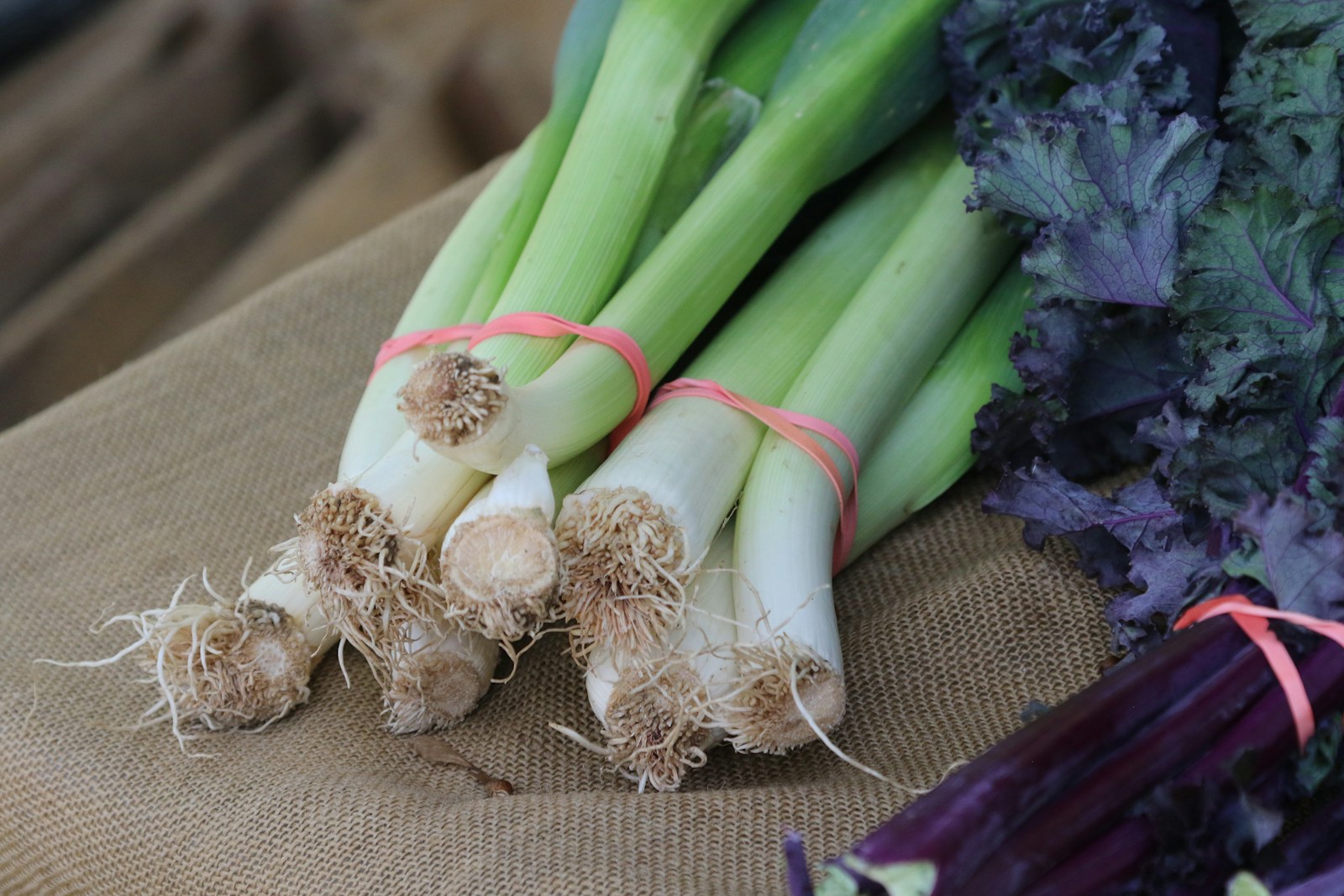
Do not pull a leek straight up, as the stem often snaps. Loosen the soil beside it with a garden fork, then lift the plant out. Shake off the soil and trim the roots and leaf tops.
Leeks, like onions and garlic, are toxic to dogs and cats. Keep trimmings, leaves and cooked leftovers well away from pets.
Hardy leeks stand in the ground until needed, even through hard frost. In very cold areas, lift them before the ground freezes solid. Alternatively, mulch heavily so you can still dig them.
Wash leeks well. Soil collects between the layers, so slice them lengthwise and rinse under running water. Use them in soups, stews, braises and gratins.
Storage. Unwashed leeks keep one to two weeks in a plastic bag in the fridge. You can also heel them in (bury them upright in a trench of soil) in a cool shed or cold frame for several weeks. Sliced leeks freeze well without blanching for use in cooked dishes.
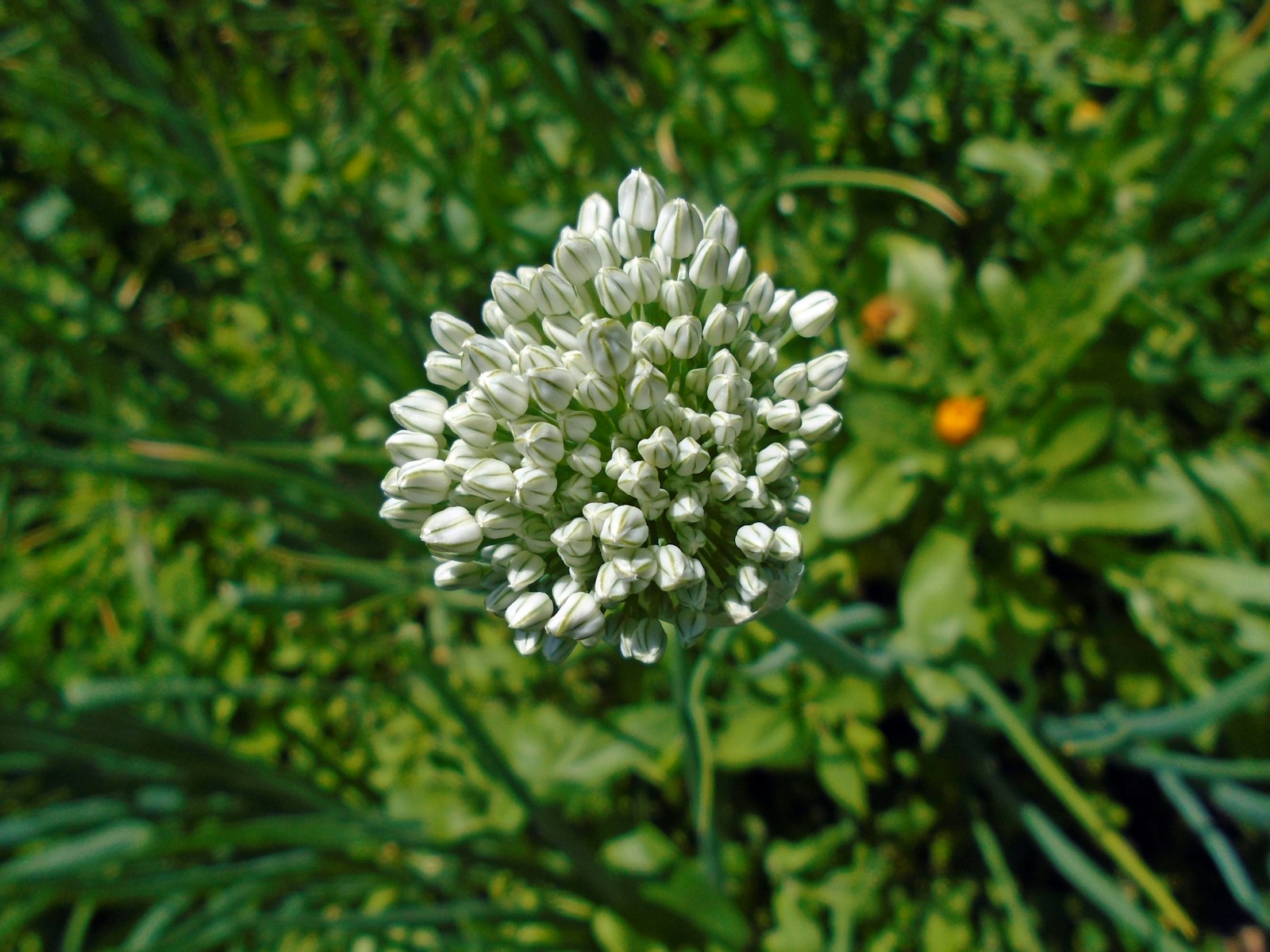
Saving seed. Leeks flower in their second year, sending up tall stalks with round heads of flowers. Leave a few of your best plants in the ground over winter. Cut the heads once they dry and the black seeds show, then finish drying them indoors. Leeks cross with other leek varieties, so grow only one variety for flowering at a time.
Problems and pests
Silvery streaks on leaves
Onion thrips are tiny insects that rasp the leaf surface in hot, dry weather. Keep plants well watered, since stressed plants suffer most. Spray with a strong jet of water or insecticidal soap. Follow the label and avoid spraying in full sun.
Tunnels in leaves and rotting stems
Allium leaf miner and leek moth larvae burrow into the leaves and stems. Cover plants with fine insect mesh from planting to keep egg-laying adults off. Remove and destroy affected plants. Rotate crops every year.
Orange spots on leaves
Rust is a fungal disease that shows as orange pustules. It is common in damp weather and on plants given too much nitrogen. Space plants well for airflow and avoid heavy feeding. Remove badly affected leaves. Late growth is often clean, so plants usually recover.
Plants run to flower
Bolting (flowering too early) happens when young plants meet a long cold spell or dry soil. The stem becomes hard and woody. Do not plant out tiny seedlings too early, and keep the soil moist. Use bolted plants quickly or leave them for seed.
White fluffy growth at the base
White rot is a soil fungus that causes yellowing and rotting roots. It persists in the soil for many years. Remove and bin infected plants, not compost them. Stop growing any onion-family crop in that bed.
Varieties worth growing
Early (summer and autumn) leeks
- 'King Richard': long, slender white stems and a quick harvest, but not very hardy.
- 'Varna': a fast, slender leek suited to close planting and baby leeks.
Hardy (winter) leeks
- 'American Flag': also sold as 'Broad London', a sturdy heirloom with thick stems.
- 'Bleu de Solaise': a French heirloom with blue-green leaves that turn violet in cold weather.
- 'Giant Musselburgh': a very hardy Scottish heirloom with short, thick stems.
- 'Tadorna': a blue-green hybrid that stands well through winter.