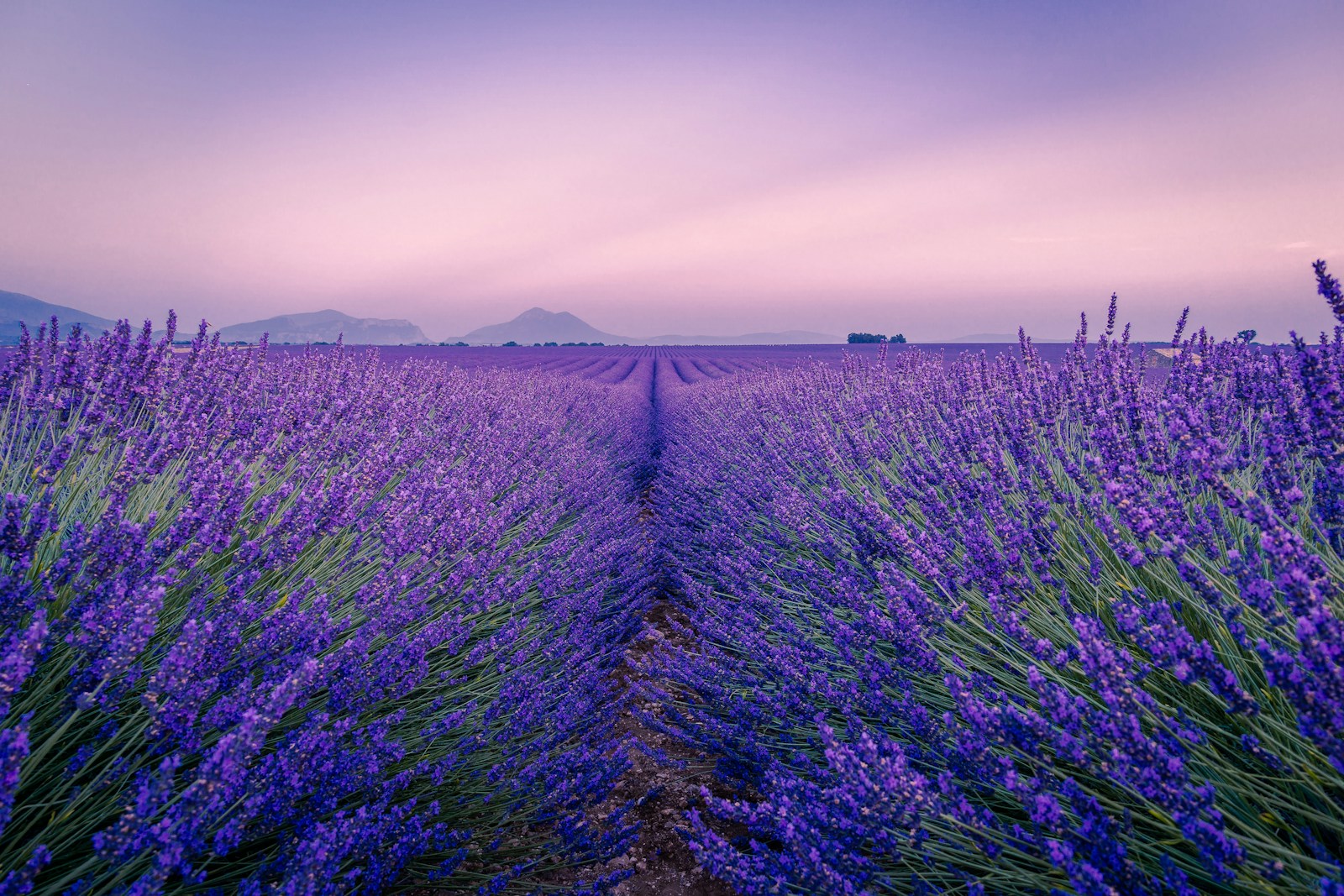
Lavender is a shrubby Mediterranean herb grown for its scented grey foliage and spikes of purple, blue, pink or white flowers. It feeds bees, dries beautifully and needs little water once settled. It is easy in a sunny, well-drained spot and difficult almost anywhere else. The type you choose decides whether it survives your winter, so read the hardiness notes before you buy.
Sowing and planting
Most gardeners buy young plants or take cuttings, because seed is slow and uneven. Named varieties also rarely come true from seed (the seedlings vary from the parent). Lavandin is a sterile hybrid and is only grown from cuttings.
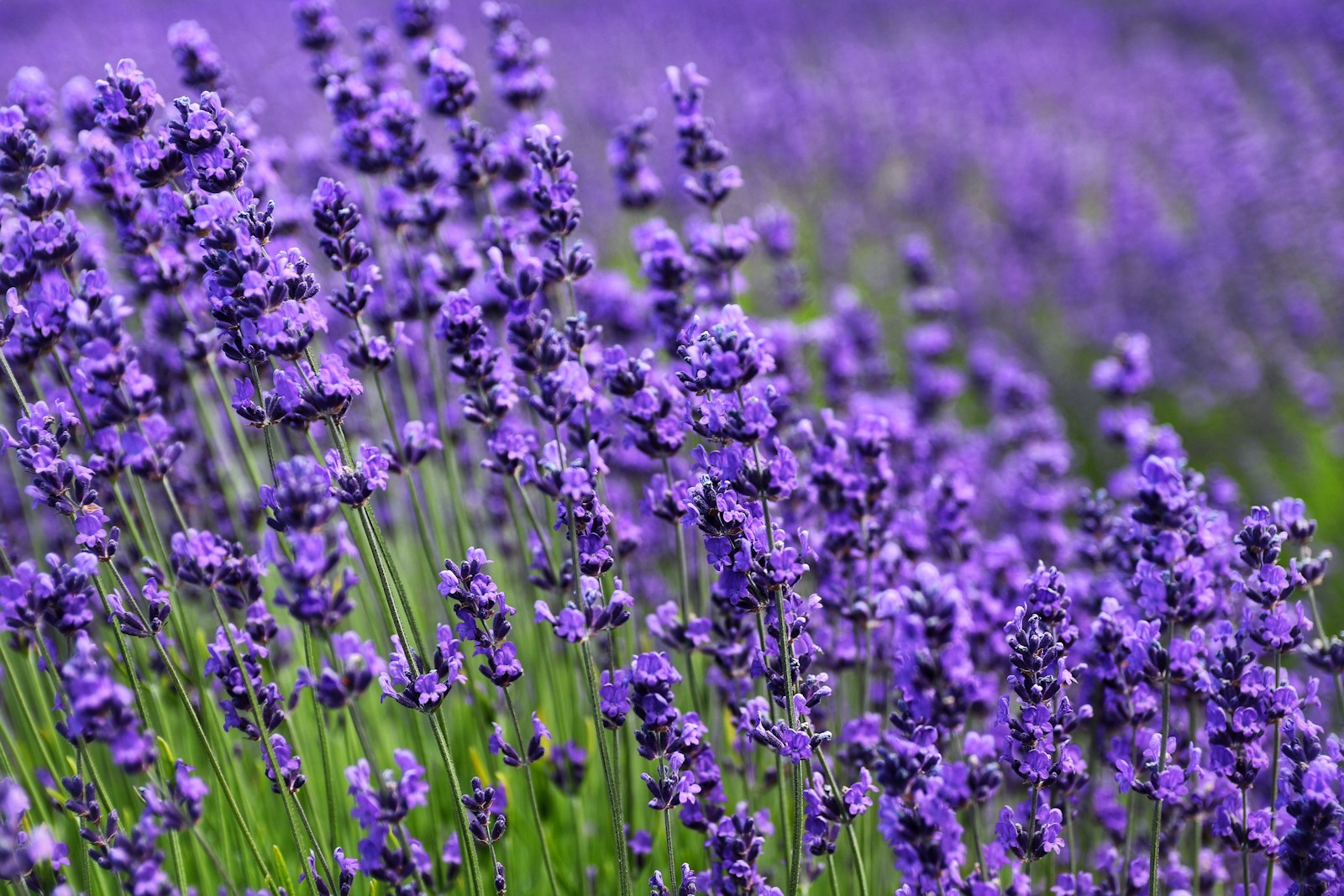
If you want to try seed, start English lavender indoors 10-12 weeks before your last frost. Mix the seed with damp sand and chill it in the fridge for 3-4 weeks first. This cold treatment, called stratification, wakes the seed up. Surface-sow on a gritty seed mix, press it in and keep it at 65-70°F (18-21°C). Seedlings appear in 2-4 weeks, sometimes longer. Keep them bright and on the dry side, then pot them on into 3 inch (8 cm) pots.
Plant out after your last frost, once the soil has warmed. Harden off seedlings first (get them used to outdoor conditions over 7-10 days). In zones 8-10 you can also plant in early autumn, which gives roots time to settle before summer heat.
Choose the sunniest, most open spot you have. Drainage matters more than fertility. On heavy clay, plant on a mound or in a raised bed. Work in coarse grit, not rich compost. Set the plant at the same depth it grew in its pot, never deeper. Space English types about 18-24 inches (45-60 cm) apart and lavandins 30-36 inches (75-90 cm) apart.
Lavender also grows well in pots. Use a terracotta pot at least 12 inches (30 cm) across, with a gritty, free-draining mix. Pots let you move Spanish lavender under cover in cold areas.
To take cuttings, snip 3-4 inch (8-10 cm) non-flowering side shoots in late spring or early summer. Strip the lower leaves, push them into gritty compost and keep them just moist. They usually root in 4-6 weeks.
Growing on
Water new plants once or twice a week through their first summer. After that, water only in long dry spells. Pot-grown lavender needs water when the top inch (2.5 cm) of mix is dry. Overwatering kills far more lavender than drought.
Do not feed garden plants. Rich soil gives soft, floppy growth, fewer flowers and weaker scent. A pot plant can have a light dose of balanced fertilizer once in spring.
Mulch with gravel or grit rather than bark or compost. Organic mulch holds moisture around the crown (the point where stems meet the roots) and invites rot. Keep weeds down so air moves freely through the plant.
Pruning keeps lavender compact and stops it turning into a woody, splayed mess. Trim English lavender and lavandin straight after flowering. Cut off the flower stems and about 1 inch (2.5 cm) of leafy growth, shaping the plant into a mound. Always leave green leaves on every stem. Lavender rarely regrows from bare, old wood, so never cut into it. In cold zones, a lighter tidy in spring, once new shoots show, is enough. Clean your shears before and after use and wear gloves if you have sensitive skin.
Spanish lavender flowers in flushes. Deadhead faded flowers through the season to keep new ones coming, then give it a light trim at the end of summer.
Lavender pairs well with roses and other sun lovers that dislike wet feet, such as thyme, sage and rosemary. Keep it away from thirsty plants that need frequent watering.
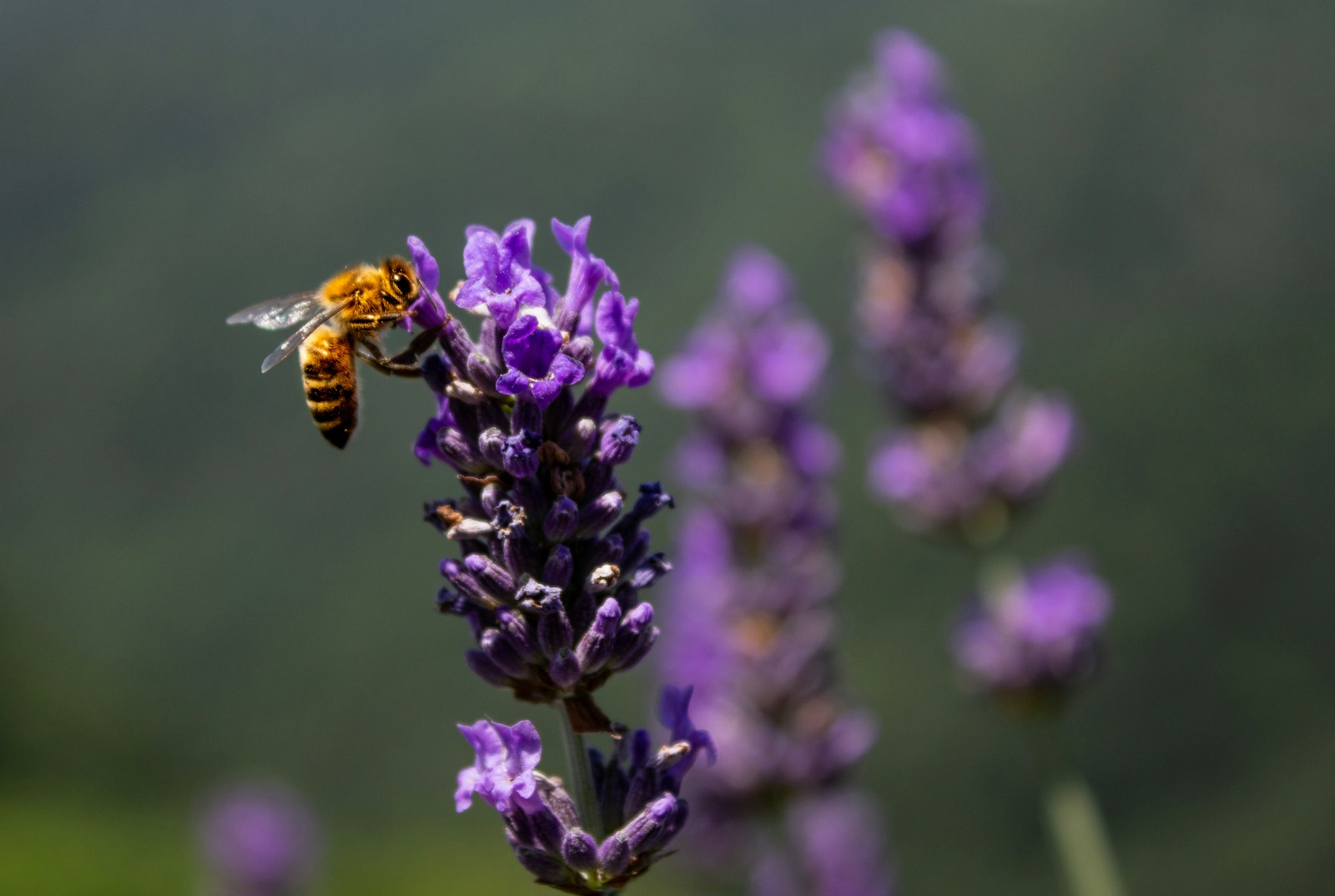
Bees and butterflies visit lavender all through its flowering season. Leave some flower spikes uncut if pollinators matter to you.
Lavender is mildly toxic to cats, dogs and horses if they eat it in quantity, and concentrated lavender oil is more harmful. Keep dried bundles, sachets and oils out of reach of pets and young children.
Harvesting
For drying, cut stems when the lowest few flowers on each spike have just opened. The buds hold most of their colour and scent at this stage. Pick in the morning after the dew has dried.
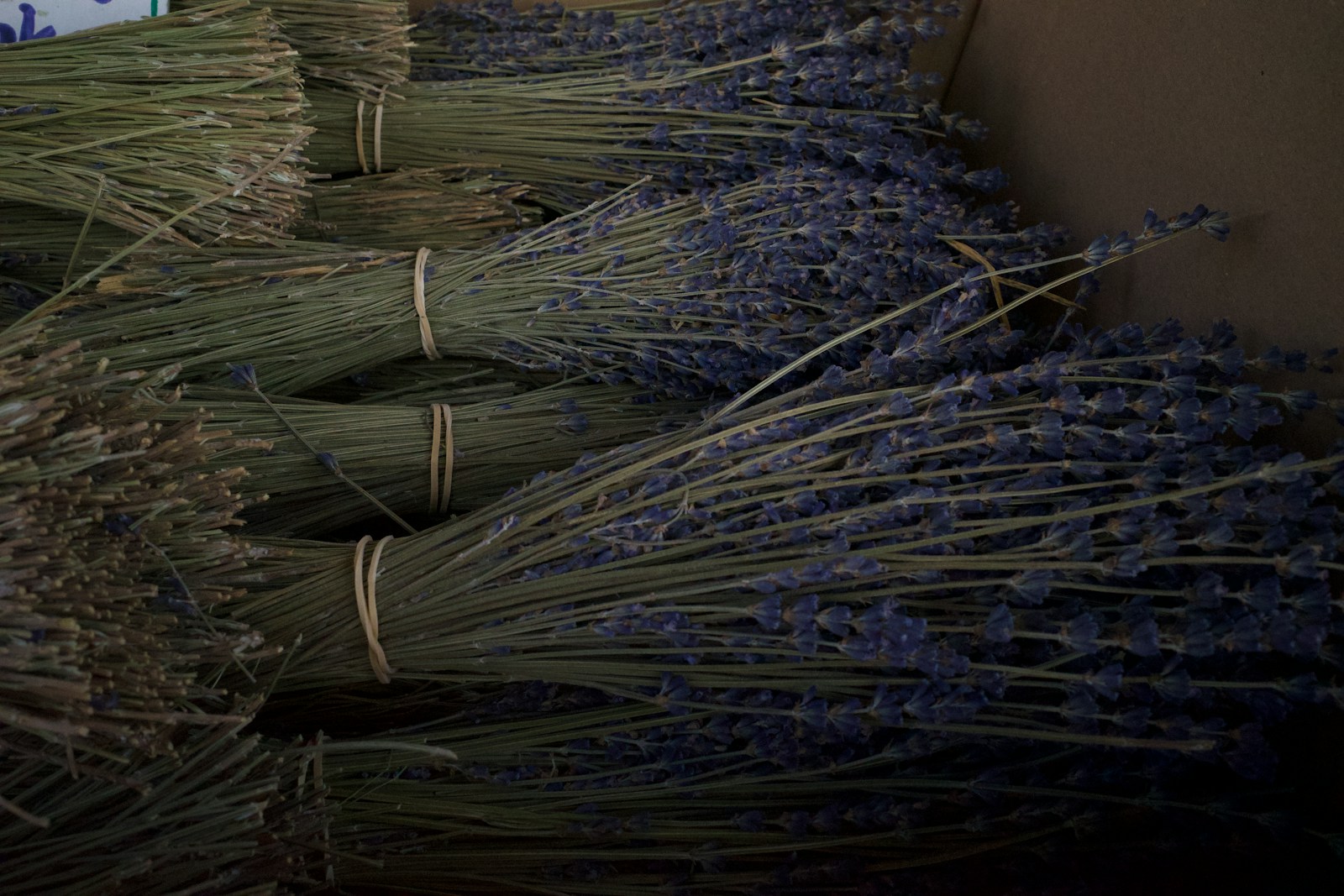
Cut the stems long, down to the first set of leaves. Gather them into small bunches and secure them with a rubber band, which tightens as the stems shrink. Hang them upside down in a dark, airy, dry place for 1-3 weeks. Once dry, rub the buds off over a bowl and store them in a sealed jar away from light.
For cutting fresh for vases, pick when about half the flowers on a spike are open. Lavender lasts about a week in water and dries in the vase as it goes.
For the kitchen, use English lavender. Its flavour is sweeter and less camphor-like (sharp and medicinal) than lavandin or Spanish types. Use it sparingly in baking, syrups and sugar, because a little goes a long way.
Saving seed is only worthwhile from English lavender species plants. Let a few spikes brown fully on the plant, then shake the seed into a paper bag.
Problems and pests
Plant turns grey, then brown, and collapses
This is root rot, caused by wet or heavy soil. Winter wet is the usual trigger. Lift survivors and replant them on a mound with plenty of grit. Replace dead plants in a better-drained spot.
Woody, bare centre with few flowers
The plant has gone too long without pruning, or it was cut back into old wood. Trim every year after flowering. Very old, leggy plants are best replaced from cuttings.
Frothy white blobs on the stems
Froghoppers (small sap-sucking insects) hide inside this "cuckoo spit". They do little harm. Wipe or rinse them off with a jet of water.
Leaves chewed and skeletonized
Rosemary beetle, a small metallic green and purple beetle, feeds on lavender, rosemary and sage. Pick off the adults and larvae by hand. Shaking the plant over a sheet of paper collects them quickly.
Leaves yellowing and dying back in humid weather
Fungal leaf spot and shab disease can strike in damp, crowded conditions. Cut out affected stems, clean your tools between cuts, and space plants more widely so air can move.
Varieties worth growing
English lavender (Lavandula angustifolia)
Hardiest and best for cooking, with a compact habit and one main flush of flowers in early summer.
- 'Hidcote': compact, with deep violet-purple flowers and silver foliage.
- 'Munstead': compact and tough, with lavender-blue flowers and an early bloom.
- 'Folgate': blue-violet flowers on a neat plant, good for low hedges.
Lavandin (Lavandula × intermedia)
A larger hybrid of English and spike lavender, with long stems and strong scent. It flowers later than English types.
- 'Grosso': long, fragrant spikes on a big plant; a classic for drying.
- 'Provence': pale violet flowers on long stems, sweetly scented.
Spanish lavender (Lavandula stoechas)
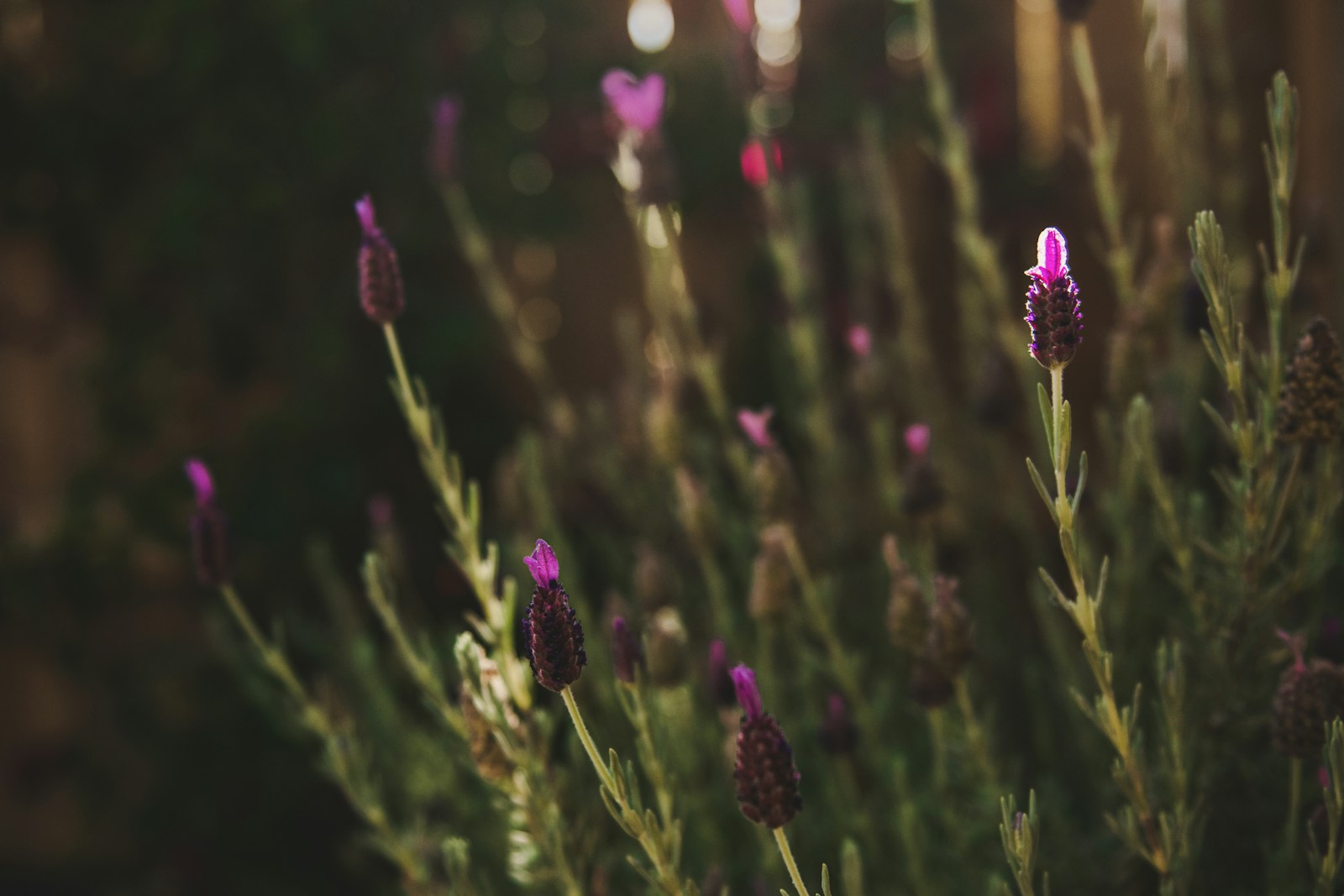
Least hardy, with chunky flower heads topped by petal-like tufts called bracts. It suits warm gardens and pots.
- 'Anouk': deep purple heads with bright violet bracts, flowering over a long season.
- 'Otto Quast': vigorous, with dark purple flowers and tall bracts.