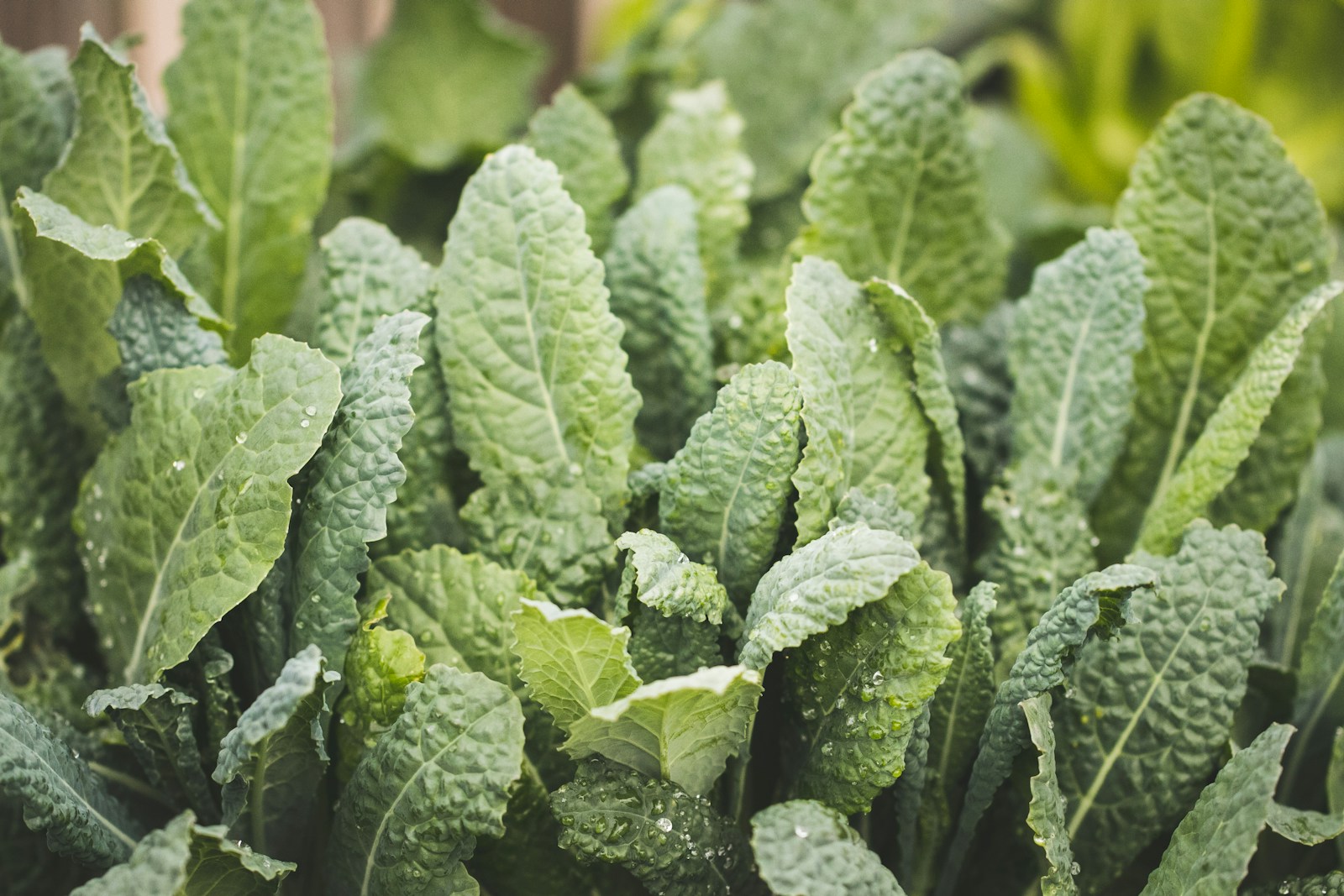
Kale is a leafy member of the cabbage family, grown for its tough, nutritious leaves. A few plants keep a kitchen supplied for months, because you pick leaves a handful at a time. It is one of the most cold-hardy vegetables you can grow. Frost even sweetens the flavour. Kale is easy for beginners, provided you keep caterpillars off it.
Sowing and planting
Kale grows best in cool weather, so you can grow a spring crop, an autumn crop or both.
Spring crop. Start seed indoors four to six weeks before your last frost. Sow 1/4 inch (6 mm) deep in seed-starting mix. Seedlings usually emerge in five to ten days. Harden off the plants (getting them used to outdoor conditions) over a week. Plant out two to four weeks before your last frost. You can also direct sow outdoors three to five weeks before your last frost, once the soil can be worked.
Autumn crop. Sow six to eight weeks before your first autumn frost, either direct or in cells to transplant. In hot summers, give seedlings light shade until they establish. The autumn crop is often the best one, because the plants mature into cool weather.
Mild winters. In USDA zones 8-10, sow in autumn for picking through winter and into spring.
Plant transplants slightly deeper than they grew in their pots, up to the lowest leaves. Firm the soil well; brassicas like firm ground. Space plants 12-18 inches (30-45 cm) apart. Grow them closer, about 3 inches (8 cm) apart, if you only want baby leaves for salads.
For a steady supply of baby leaves, sow a short row every two to three weeks in spring and again from late summer. Full-size plants need no succession sowing, as each one crops for months.
Growing on
Water regularly so the soil stays evenly moist. Aim for 1-1.5 inches (2.5-4 cm) a week, more in hot or windy weather. Dry soil gives tough, bitter leaves.
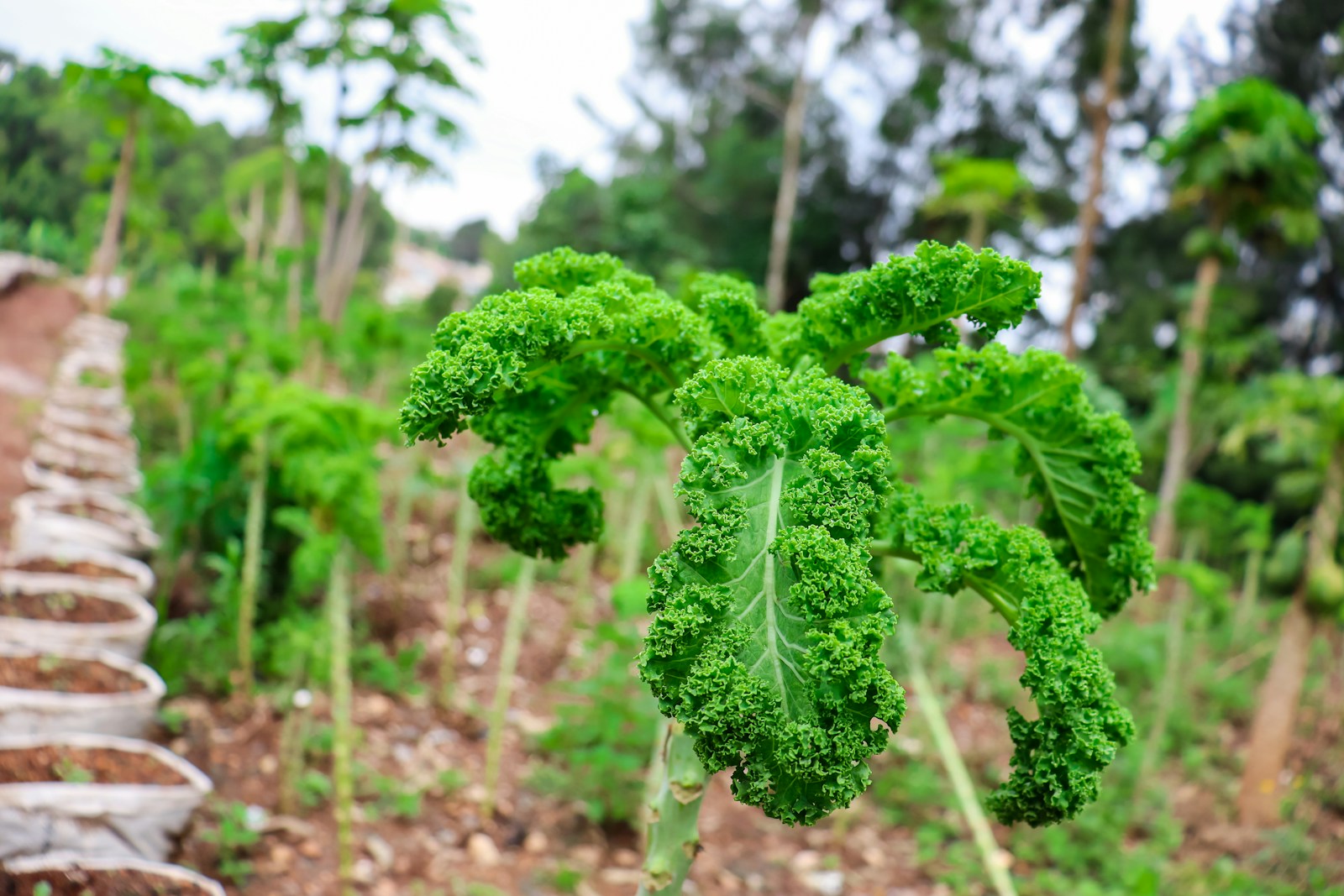
Kale is a leafy crop and likes nitrogen. Dig in compost or well-rotted manure before planting. Side-dress (spread fertiliser alongside the row) with compost or a balanced organic feed about a month after planting. Repeat every four to six weeks on plants you keep picking over a long season.
Mulch with straw, shredded leaves or grass clippings once plants are established. Mulch keeps the roots cool and moist and smothers weeds. In cold areas, extra mulch around the stems helps plants survive winter.
Tall varieties can lean in wind or under snow. Push a stake in beside each one and tie it loosely. Remove yellowing lower leaves as they appear, so air moves freely around the stems.
For companions, dill, calendula and other flowers nearby attract hoverflies and parasitic wasps that eat aphids and caterpillars. Do not grow kale where any cabbage-family crop grew in the past three years. Rotation helps prevent soil-borne diseases.
Hot weather makes kale bitter. Frost has the opposite effect: plants turn some starch into sugar and the leaves taste sweeter.
Harvesting
Start picking once leaves are 8-10 inches (20-25 cm) long. For baby leaves, cut when they reach 3-4 inches (8-10 cm).
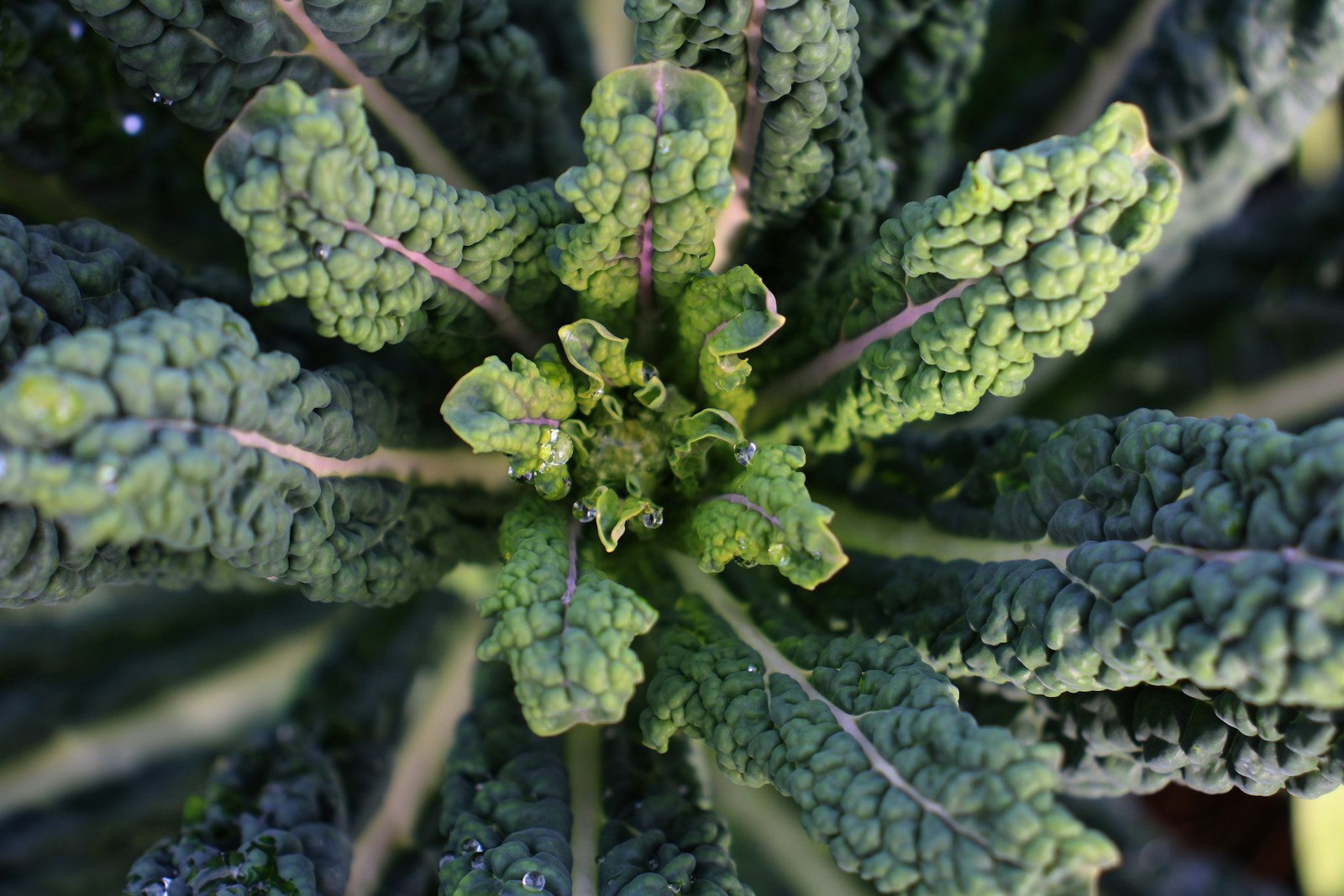
Pick the lowest, outer leaves first. Snap them downward from the stem or cut them with a knife. Always leave the central bud (the growing point at the top) and at least five or six leaves in place. Take no more than a third of the plant at one time. Picked this way, a plant keeps producing new leaves from the top for months.
Pick in the morning when the leaves are crisp. Leaves picked after a frost taste best.
Storing
Put unwashed leaves in a bag in the fridge. They keep for about a week. To freeze kale, strip the leaves from the tough midribs. Blanch them in boiling water for about two minutes, then cool them in iced water. Drain them well and freeze them in bags. You can also bake leaves into crisps or dry them for winter soups.
Saving seed
Kale is a biennial. It flowers and sets seed in its second spring, after a winter outdoors. Leave several healthy plants to flower and let the pods dry to brown. Kale crosses easily with cabbage, broccoli and other Brassica oleracea crops that flower at the same time. Save seed only if nothing related is flowering nearby. Russian and Siberian types can cross with rutabaga instead.
Problems and pests
Cabbage white caterpillars are the most common reason kale fails. Butterflies lay eggs from the moment you plant, and the green caterpillars can strip a young plant in days. Cover plants with fine netting or floating row cover (a light fabric) as soon as you plant them, and tuck the edges in.
Ragged holes in leaves and green droppings
Imported cabbageworms and cabbage loopers are feeding. Check the undersides of leaves and pick off caterpillars and pale eggs. Keep plants covered. For heavy attacks, you can spray Bacillus thuringiensis (Bt), a biological control that only affects caterpillars. Follow the label, wear gloves when mixing and spray in the evening.
Grey, waxy clusters of insects curl the leaves
Cabbage aphids gather in dense colonies, often inside curled leaves. Blast them off with a strong jet of water. Rub off small colonies by hand. For persistent colonies, spray insecticidal soap. Follow the label, test on one leaf first and never spray in hot sun.
Tiny round holes in young leaves
Flea beetles chew seedlings in warm, dry spells. Cover seedlings with row cover and keep the soil moist. Established plants usually outgrow the damage.
Plants wilt on warm days and look stunted
Clubroot is a soil-borne disease that swells and distorts the roots. Pull a plant and look for swollen, knobbly roots. Destroy affected plants; do not compost them. Lime acid soil to around pH 7.0 and rotate crops strictly.
Plants shoot up and flower
Bolting (running to flower) happens in the second spring or after a cold spell followed by heat. Pick the tender flower buds and eat them like broccoli, then replace the plants.
Varieties worth growing
Curly (Scotch) kale
- 'Winterbor': tall, heavily curled blue-green leaves; very cold-hardy.
- 'Dwarf Blue Curled Vates': compact, frilly plants for small beds and windy sites.
- 'Redbor': deep purple, curled leaves; handsome in the ornamental border too.
Lacinato (Tuscan) kale
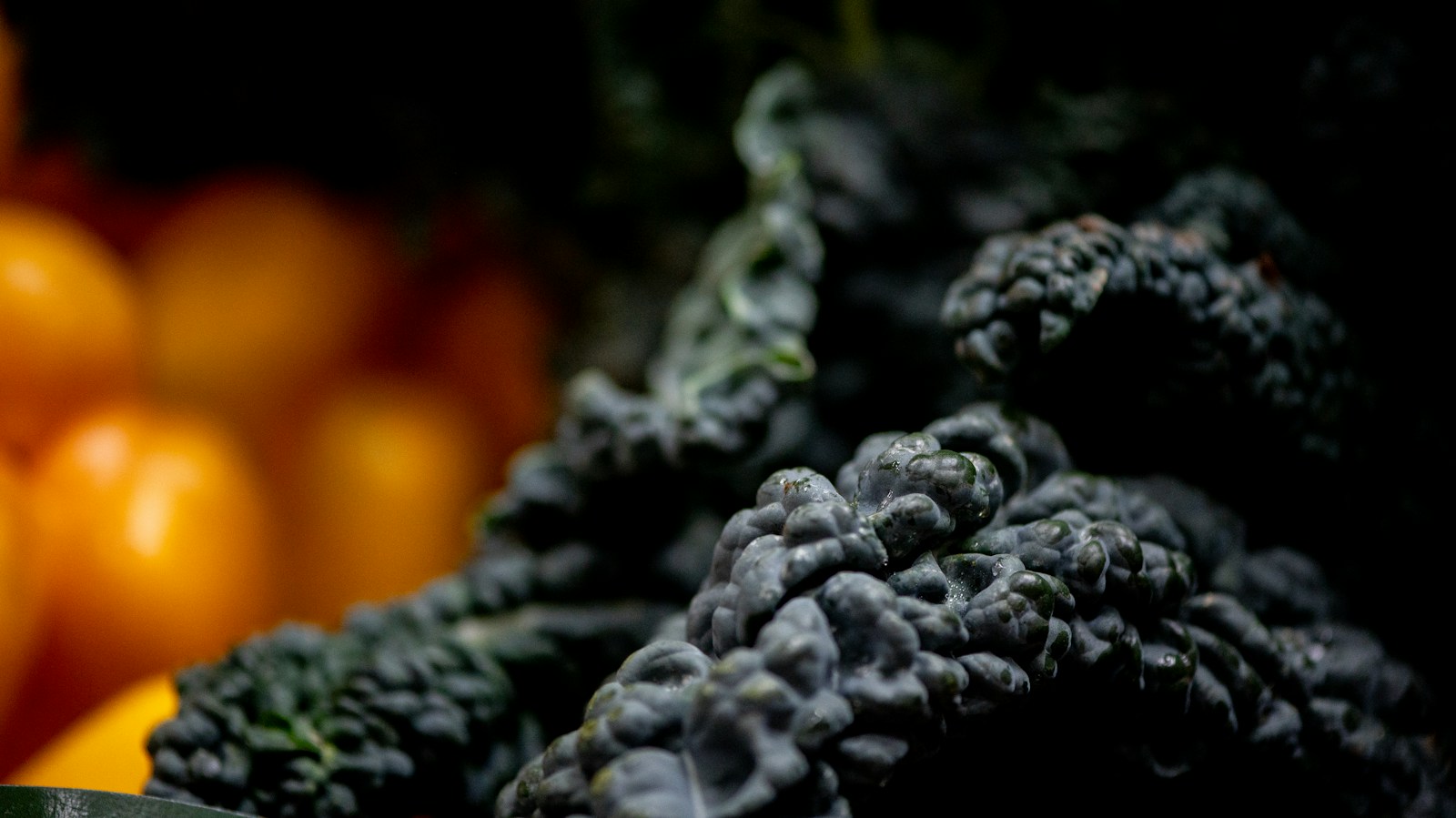
- 'Lacinato': also called dinosaur or cavolo nero; long, dark, blistered leaves with a rich flavour.
Russian and Siberian kale
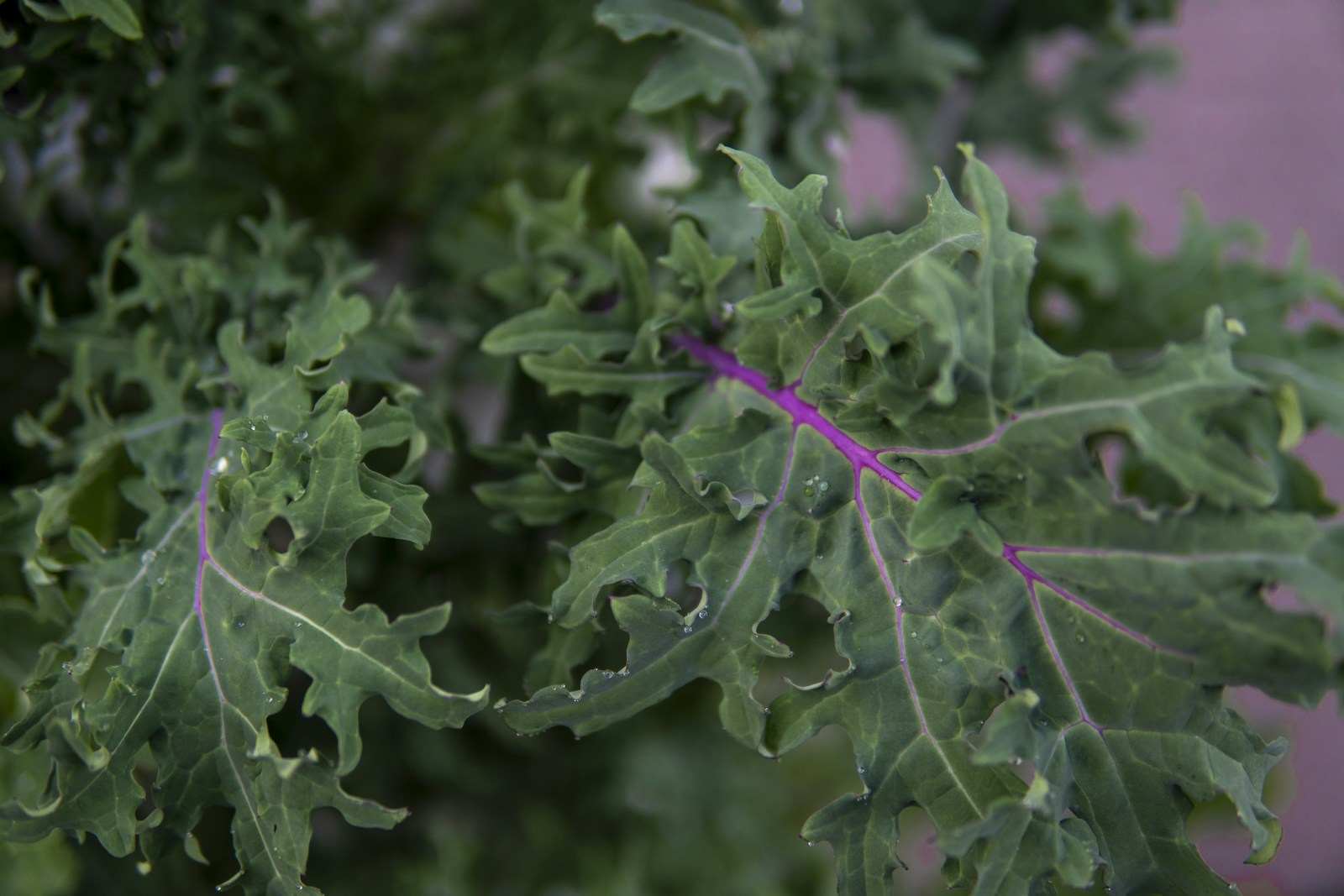
- 'Red Russian': flat, oak-like grey-green leaves with purple stems; tender and quick for baby leaves.
- 'Siberian': very hardy, with large, blue-green, frilled leaves.