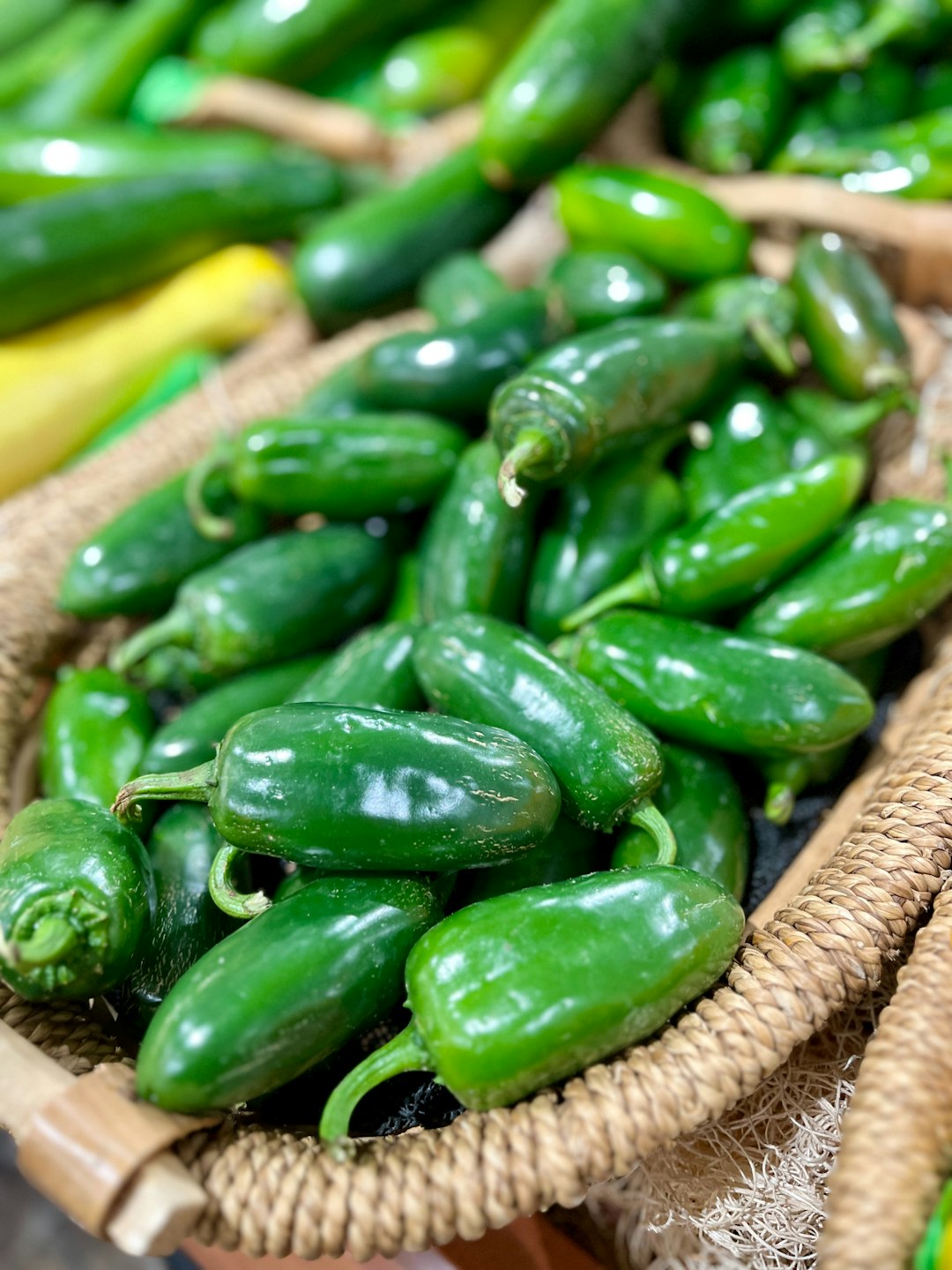
Jalapeño peppers are compact, high-yielding chili peppers grown for their thick-walled, medium-heat pods, picked green or left to ripen to red. A single healthy plant can keep a kitchen stocked with chilies for salsas, pickling and stuffing right through summer and into fall. They are easy to grow once the weather is reliably warm, though they need a head start indoors and are slower from seed than most vegetables.
Sowing and planting
Start jalapeño seed indoors, since most growing seasons aren't long enough to sow them straight into the ground outdoors. Sow seed ¼ inch (6 mm) deep in trays or small pots of seed-starting mix, 8-10 weeks before your last expected frost. Peppers germinate best with warmth beneath them: a propagator or heat mat held around 80°F (27°C) speeds things up considerably. Without bottom heat, germination can take two to three weeks and comes up unevenly.
Once seedlings have their first true leaves, pot them on into individual 3-4 inch (8-10 cm) pots and grow them in a warm, bright spot, such as a south-facing windowsill or under grow lights. Keep them at around 65-75°F (18-24°C) as they develop.
Don't rush plants outdoors. Jalapeños are tropical in origin and stall, or sulk for weeks, if night temperatures drop much below 55°F (13°C), and frost kills them outright. Wait until all risk of frost has passed and the soil has warmed before planting out. In zone 6b, for instance, that usually means waiting a week or two past the average last frost date, since night temperatures there can stay unreliable into late spring. Before planting out, harden off seedlings (gradually getting them used to outdoor conditions) over 7-10 days, starting with an hour or two outside in a sheltered spot and building up.
Set plants at the same depth they grew in their pots, spacing them about 18 inches (45 cm) apart, in rows roughly 24 inches (60 cm) apart. Jalapeños also do well in containers of at least 3-5 gallons (11-19 liters), which warm up faster than open ground early in the season. In cooler areas, laying black plastic or landscape fabric over the bed a week or two before planting helps warm the soil, and a row cover gives seedlings extra protection for their first few weeks outside.
Growing on
Water deeply and regularly so the soil stays evenly moist; peppers have fairly shallow roots and dislike swinging between wet and dry, which is a common cause of split or oddly shaped pods. Container-grown plants dry out faster and may need water daily in hot weather.
Mulch around the base with 2-3 inches (5-8 cm) of straw or shredded leaves once the soil has warmed, to help even out moisture and keep weeds down. Work compost into the bed before planting, then feed lightly once the first flowers appear. A high-nitrogen feed before flowering pushes leafy growth at the expense of fruit, so switch to a balanced or tomato-type feed once pods start to set, following the label rates.
Jalapeño plants are fairly compact and don't usually need support, but a loaded plant, especially in a container or an exposed spot, can benefit from a short stake or a small cage to stop it toppling in wind. Pinching out the growing tip once a young plant reaches about 8 inches (20 cm) tall encourages it to branch, which usually means a bushier plant with more flowers. Removing any flowers that form before the plant is well established lets it put its early energy into roots and structure instead.
Cold is the most common reason pepper plants fail to thrive. Plants set out while nights are still below 55°F (13°C) sit and sulk rather than grow, and a late frost kills them outright. Keep row covers on hand for unexpected cold snaps after planting out.
Harvesting
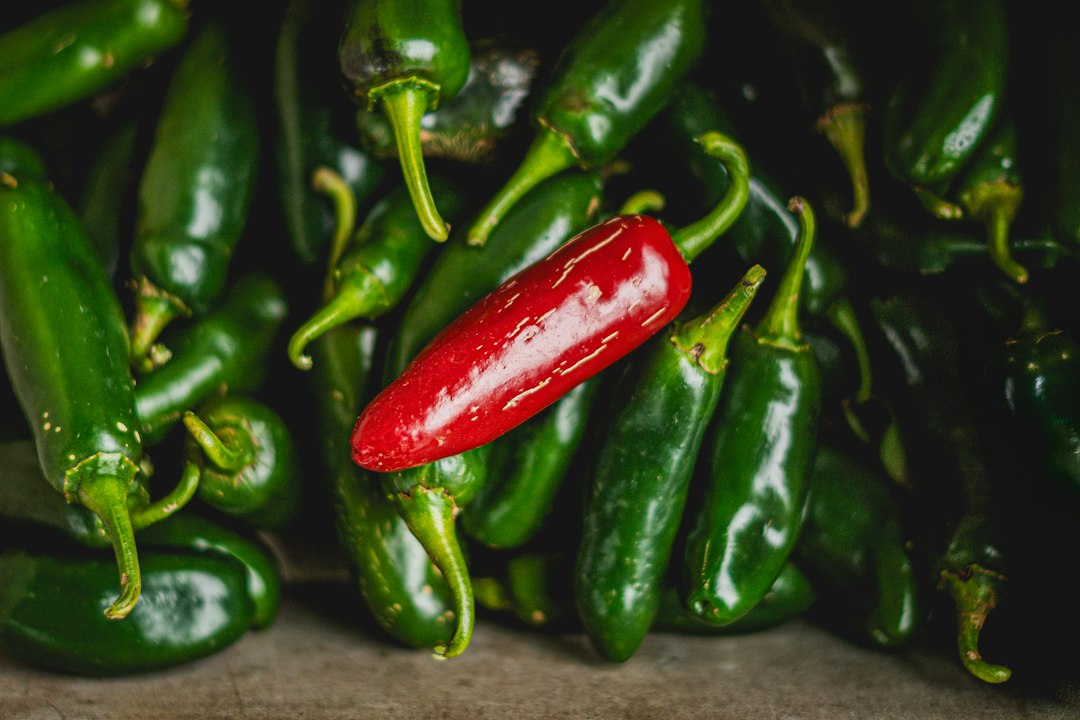
Jalapeños are usually ready to start picking around 70-80 days after transplanting, once pods reach about 2-3 inches (5-7.5 cm) long and feel firm and glossy rather than soft. You can pick them green, the classic jalapeño stage, or leave them on the plant to ripen to red; red pods are generally sweeter and often hotter than green ones. Fine white lines or russeting on the skin, sometimes called "corking," are normal on jalapeños and don't affect flavor.
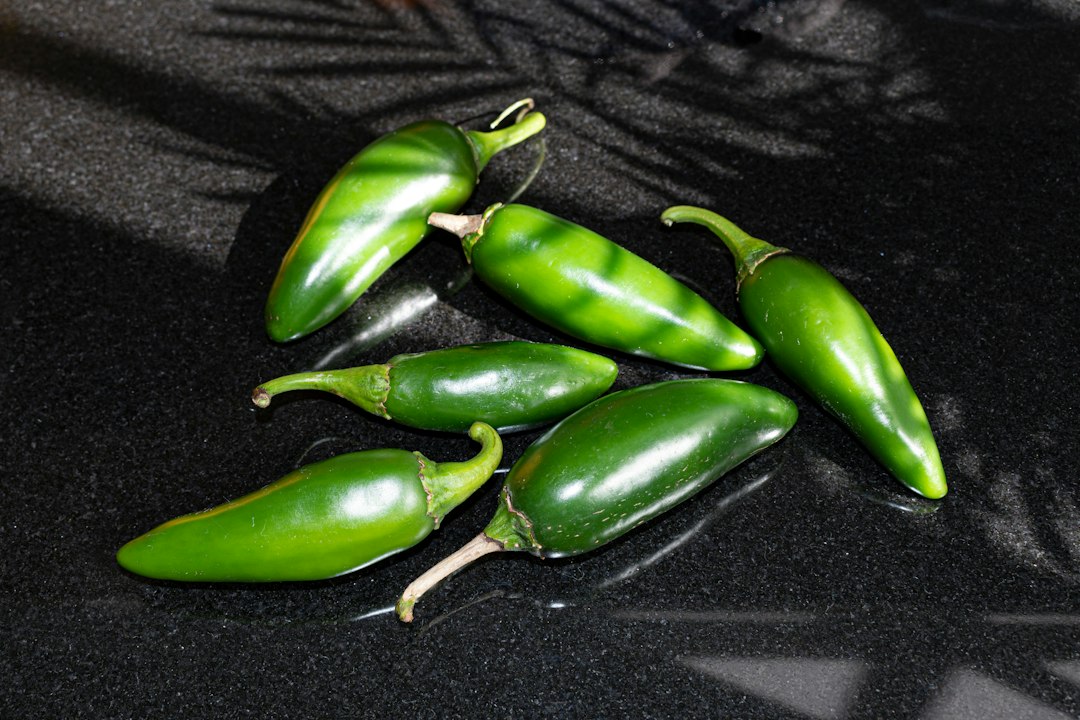
Cut pods from the plant with scissors or pruners rather than pulling them off, since the stems are brittle and snap easily, sometimes taking part of the branch with them. Picking regularly, as soon as pods size up, encourages the plant to keep setting new flowers and extends the harvest.
Store unwashed pods in the refrigerator for one to two weeks. For longer storage, jalapeños freeze well sliced or whole, and are also commonly pickled or dried.
Problems and pests
Flowers drop without setting fruit
Blossom drop follows temperatures that are too hot or too cold, along with uneven watering. There is usually little to do but keep the plant watered and wait for milder conditions, when fruit set typically resumes.
Sunken, dark patches at the blossom end of the pod
This is blossom end rot, caused by calcium failing to reach the developing fruit, usually because of inconsistent watering rather than a true shortage of calcium in the soil. Even out your watering schedule and mulch to help the soil hold moisture more steadily.
Sticky residue and curled new growth
Aphids cluster on young leaves and stems, leaving behind a sticky residue called honeydew. Small numbers can be washed off with a strong jet of water; for heavier infestations, insecticidal soap applied in the evening controls them while doing less harm to bees and other pollinators.
Leaves stripped or chewed, sometimes overnight
Caterpillars, including hornworms, feed on pepper foliage and can defoliate a plant quickly once established. Check plants in early morning or evening, when the caterpillars are easiest to spot, and remove them by hand.
White, powdery patches on the leaves
Powdery mildew develops in humid weather with poor air movement around the plant. Space plants properly, water at the base rather than over the leaves, and remove badly affected foliage. A fungicide labeled for powdery mildew is an option for a serious outbreak; always follow the label directions and keep any chemical away from children and pets.
Varieties worth growing
- Early Jalapeño: matures faster than standard types, useful where the growing season runs short.
- Mucho Nacho: larger pods than a typical jalapeño, with reliable, consistent heat.
- TAM Jalapeño: a milder selection bred for flavor with noticeably less heat than most jalapeños.
- Craig's Grande: a vigorous plant producing extra-large, meaty pods.
- Biker Billy: an early, heavy-cropping hybrid with classic jalapeño heat and flavor.