Indian tobacco (Lobelia inflata) is a modest native wildflower of eastern North America. It carries tiny pale blue to white flowers on a hairy, branching stem. After flowering, each seed pod swells like a small balloon, which gives the species its name. It is a toxic plant with a long history, so grow it to look at and for small native bees, not to use. Difficulty: easy once established, but the dust-fine seed needs care.
Every part of Indian tobacco is poisonous. Swallowing it causes violent vomiting and can cause far more serious harm. Do not eat it, brew it, chew it or smoke it. Plant it away from children, pets and grazing animals. Wear gloves if your skin is sensitive, and wash your hands after handling it.
Sowing and planting
Indian tobacco is almost always grown from seed. Plants are rarely sold, and it has no named garden forms. Buy seed from a native plant seed supplier rather than collecting from wild land.
The seed is as fine as dust and needs light to germinate. Never cover it. It also sprouts best after a cold, moist period. Gardeners call this cold stratification (chilling damp seed so it behaves as if winter has passed).
You have two simple ways to sow:
- Outdoors in fall. Rake a patch of bare soil smooth after the first frosts. Mix the seed with a spoonful of dry sand so you can see where it lands. Scatter it, press it down with a board, and leave it. Winter does the chilling for you.
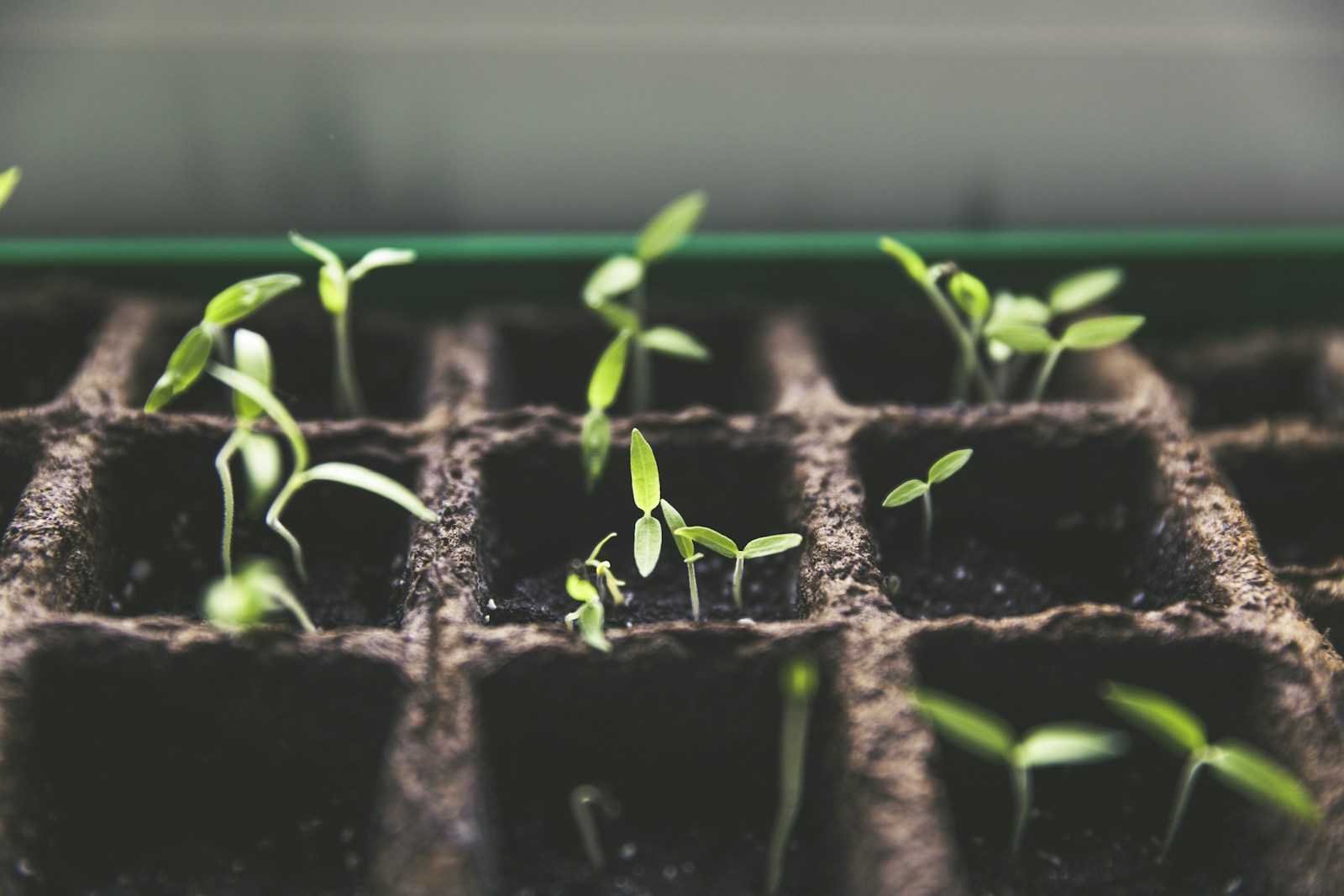
- Indoors in late winter. Sprinkle seed on the surface of damp seed compost in a small pot. Seal the pot in a plastic bag and refrigerate it for 4 to 8 weeks. Then move it to a bright spot at about 65 to 70°F (18 to 21°C). Start this 10 to 12 weeks before your last frost.
Water indoor pots from below by standing them in a saucer. Overhead watering washes the seed away. Seedlings are tiny at first and grow slowly for several weeks.
Prick out (move seedlings to their own cells) once they have a few true leaves. Harden off (get seedlings used to outdoor conditions) over a week. Plant out after your last frost, 6 to 12 inches (15 to 30 cm) apart.
Choose the site with its habits in mind. In the wild it grows in open woods, field edges, paths and disturbed ground. A lightly shaded edge with thin, open soil suits it well. It fades out under thick mulch or dense grass because its seed cannot reach bare, lit soil.
Growing on
This is a low-care plant once it is rooted in.
- Watering. Water seedlings through their first weeks. After that, water only during long dry spells. Wilting in afternoon heat is a sign the soil has dried out.
- Feeding. Do not feed. Rich soil makes soft, floppy growth and favors the weeds around it.
- Support. None needed. The hairy stems are stiff and branch naturally.
- Pruning. None needed. Removing faded flower spikes stops seeding, which ends the patch.
- Weeding. Weed by hand around young plants. The low first-year rosette (a flat circle of leaves) is easy to mistake for a weed. Mark the patch with a label.
- Keeping the patch going. Leave some pods to ripen and scuff the nearby soil bare in fall. New seedlings appear in fall or the following spring.
Flowers are only about a quarter inch (6 mm) long. Plant it near a path or seat where you can see the detail. Small native bees visit the flowers.
Harvesting
There is nothing to harvest for the kitchen or the home, and you should not try. The only harvest is seed for next year's plants.
Watch the inflated pods in late summer and fall. They turn from green to tan and papery when ripe. Cut whole stems into a paper bag on a dry day. Let them dry indoors for a week or two, then crush the pods over a sheet of white paper. Sift out the chaff. The brown seed looks like fine dust.
Store the seed in a labelled paper envelope in a cool, dry place, well out of reach of children. Wash your hands afterward.
Its place in mountain history
Indian tobacco has a well-recorded past. Native American peoples used it, and settlers learned of it from them. In the early 1800s the botanical healer Samuel Thomson made it the first step of his popular system, as a plant to bring on vomiting. Anthony Cavender's Folk Medicine in Southern Appalachia lists the leaf among mountain remedies for fever and to induce vomiting. He also notes that old records often fail to say which lobelia species people meant.
That history is the reason to treat the plant with respect, not a reason to try it. This article is not medical advice. No home use of this plant is safe.
Problems and pests
No seedlings appear
The seed was probably buried or never chilled. Sow again on the surface, press it in, and give it a cold, moist period. Be patient, as germination is slow and uneven.
Seedlings collapse at soil level
This is damping off, a fungal rot of crowded, wet seedlings. Sow thinly, water from below, and give the pot fresh air. Use clean pots and fresh compost.
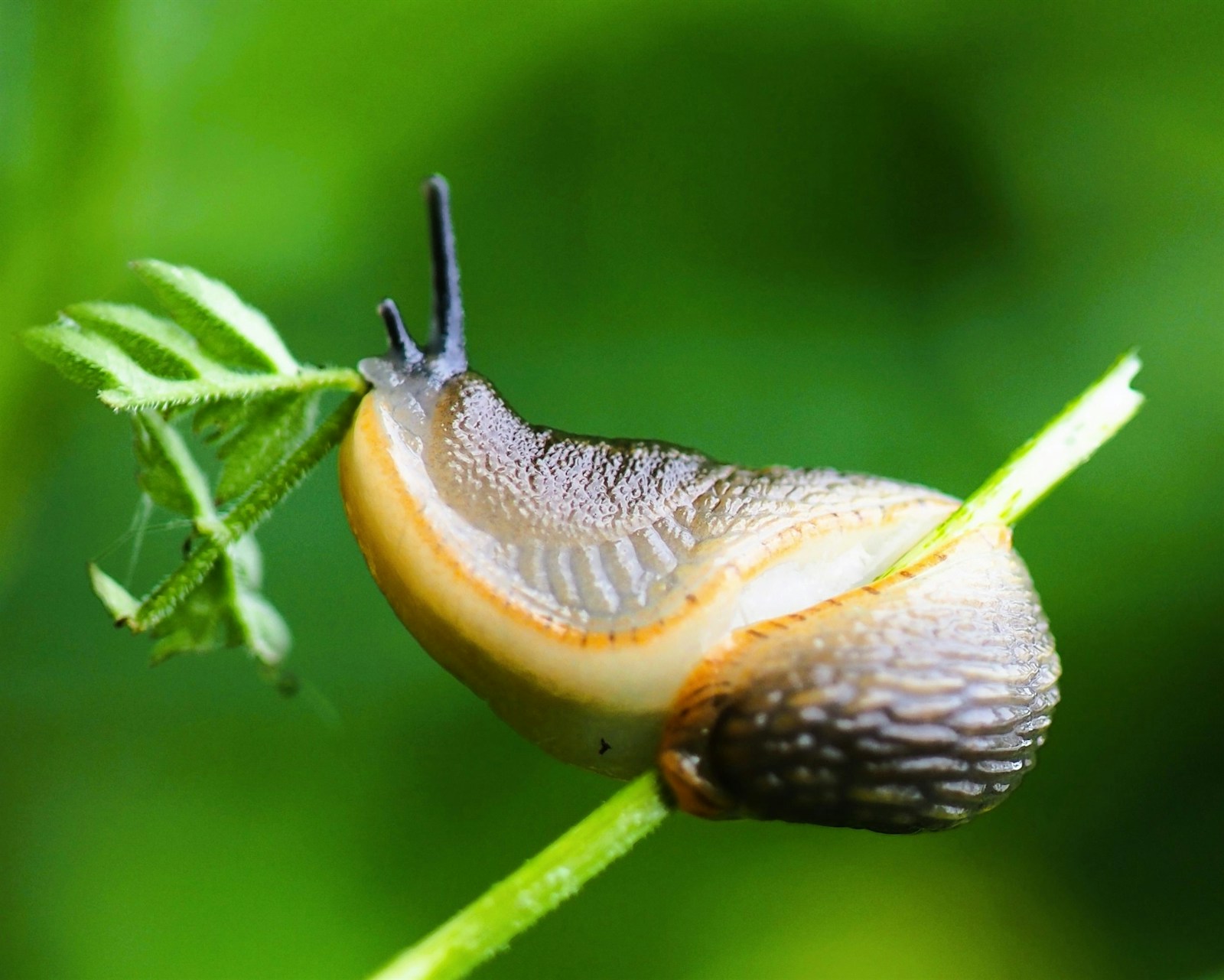
Holes in leaves or missing seedlings
Slugs and snails graze young rosettes in damp shade. Check after dark and pick them off by hand. Keep the area around seedlings free of boards and debris where slugs hide.
The patch disappears after a year or two
The plants set seed, but the seed found no bare soil. Pull back mulch and thin out neighboring plants. Lightly rake a few open patches each fall.
Seedlings coming up where you do not want them
Hoe them off while small, or cut some flower spikes before the pods ripen. It self-seeds modestly and is not a garden thug.
Varieties worth growing
Indian tobacco has no named varieties. Seed of the plain species is the only planting stock. If you want more garden color, these clearly different relatives are easier to find. All lobelias are toxic, so the same caution applies to each.
- Great blue lobelia (Lobelia siphilitica): a native perennial with tall spikes of rich blue flowers. It likes moist soil and part shade. Usually rated for USDA zones 4 to 9.
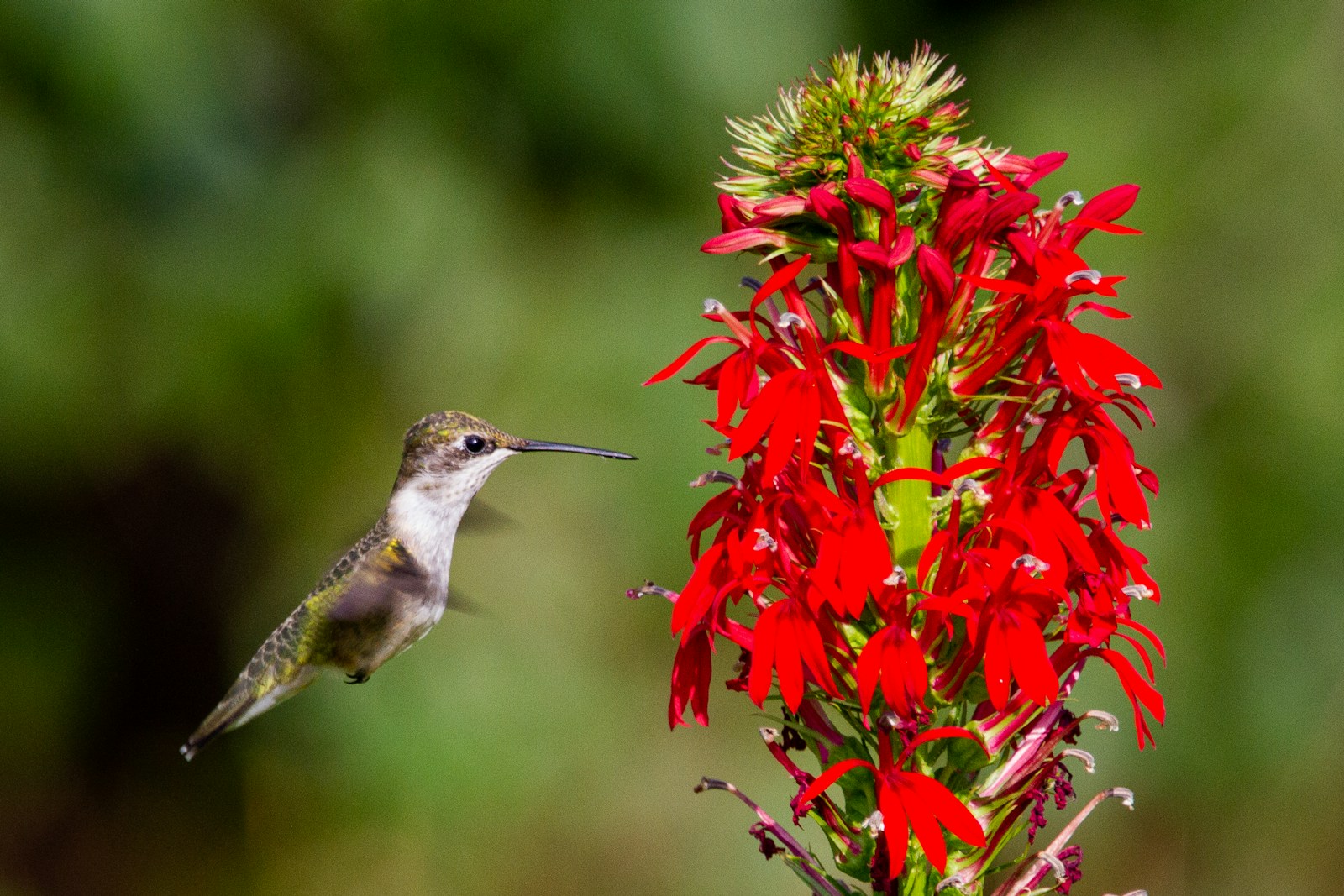
- Cardinal flower (Lobelia cardinalis): a native perennial with scarlet flowers that draw hummingbirds. It needs constantly moist soil. Usually rated for USDA zones 3 to 9.
- Pale spiked lobelia (Lobelia spicata): a slender native with pale blue to white flowers. It suits dry to average meadow plantings.
- Edging lobelia (Lobelia erinus): the trailing blue bedding plant sold for pots and baskets. It comes from southern Africa and is grown as a frost-tender annual. It is not a substitute for the native species in a wildflower planting.