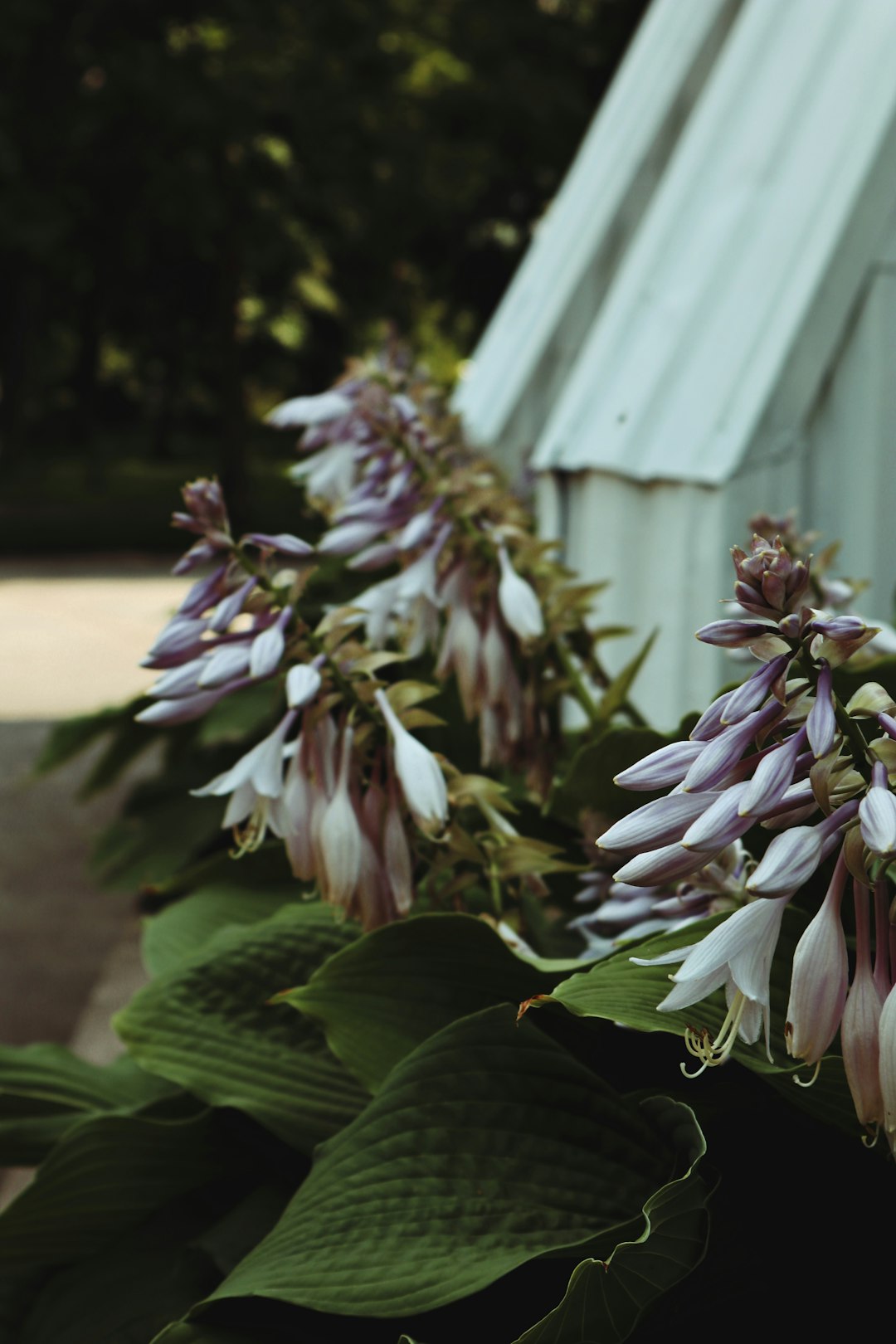
Hosta (Hosta spp.) is a clump-forming perennial grown almost entirely for its foliage: broad, ribbed leaves in shades of green, blue-green, gold, and white, often with crisp variegated edges. It is one of the easiest perennials for a shady yard, asking for little beyond reasonable moisture and a spot out of strong sun. The real challenge isn't growing it, it's keeping deer and slugs from eating it first.
Sowing and planting
Hostas are planted from bare-root divisions or potted nursery plants, not from seed. Named varieties are cultivars (plants selected and propagated for specific traits, such as leaf color or size), and seed-grown offspring rarely match the parent plant's leaf color or pattern.
Choose a site in part shade to full shade; a spot with a little morning sun and shade for the rest of the day usually suits hostas well, though deeply shaded corners under trees work too. Hostas tolerate close to full shade better than most flowering perennials, which is what makes them so useful under trees and along the shaded side of a house. Avoid a spot in strong afternoon sun, which scorches the leaf edges, especially on thin-leaved or gold-leaved varieties.
Work some compost into the planting hole, since hostas appreciate soil that holds moisture without staying waterlogged. Set a bare-root division so its crown (the point where roots meet shoots) sits level with the surrounding soil, or plant a potted hosta at the same depth it sat in its container. Space plants about 24 inches (60 cm) apart, though a dwarf variety can go closer and a large one needs more room; most hostas keep spreading for several years before they fill their mature size. Water in well after planting.
Spring, as soon as the ground is workable, is the best time to plant in most gardens, giving roots a full season to establish before winter. Early fall planting also works in milder areas, but in a cold area such as zone 6b, give fall-planted divisions several weeks of mild weather before the ground freezes, or wait for spring instead.
Growing on
Keep the soil evenly moist through the growing season, particularly in the first year while roots are still establishing; hostas in dry shade under tree roots often need extra watering since they're competing with the tree for moisture. A 2-3 inch (5-7.5 cm) layer of mulch around, but not touching, the crown helps hold that moisture and keeps weeds down.
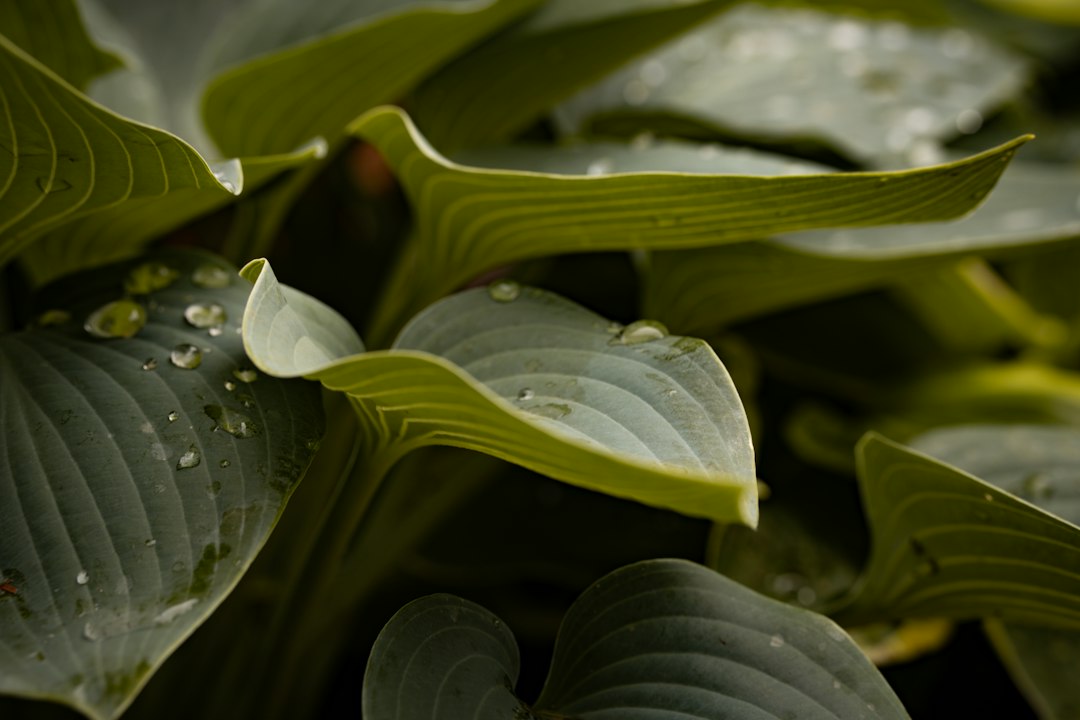
Feed once in spring as new leaves unfurl, using a balanced, all-purpose fertilizer at the rate on the label. Hostas aren't heavy feeders and generally don't need a second feeding later in the season.
After three to five years, a clump often outgrows its spot or starts to thin in the middle. Divide it in early spring, just as the new shoots (sometimes called "noses") emerge, or in early fall after the weather cools. Lift the whole clump, and either pull or cut it into sections, each with a few shoots and a healthy portion of roots, then replant the divisions at the original depth. Dividing also makes more plants for free, which is a handy way to fill out a shady border.
Harvesting
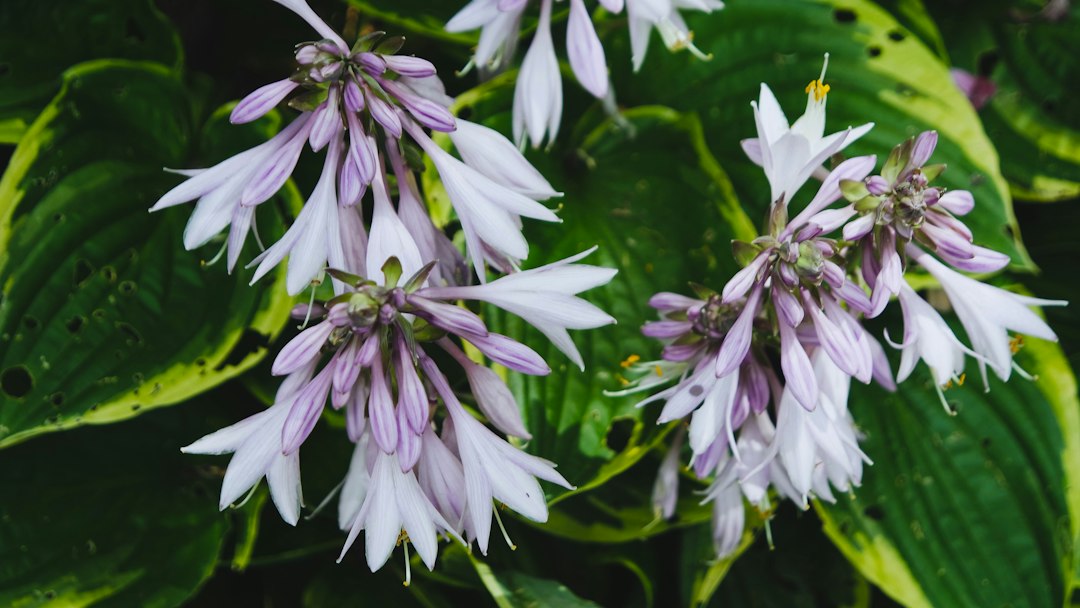
Hostas are grown for their foliage rather than harvested the way a vegetable or fruiting plant is. The closest thing to a harvest task is cutting the flower scapes (the leafless stems that carry the flowers), either for a vase once the bell-shaped flowers open in mid- to late summer, or right back to the base afterward if you'd rather the plant put its energy into leaves instead of seed. Cut scapes at the base with clean shears. In fall, once leaves yellow and collapse after the first hard frost, cut them back to the ground to tidy the bed and remove places where pests can overwinter.
Problems and pests
Leaves are chewed down to the stem overnight, often in a single visit
Deer treat hostas as a favorite snack, and a single night's browsing can strip a clump to bare stalks. Fencing the bed is the most reliable protection; where that's not practical, a repellent spray reapplied regularly, or planting less palatable companions nearby, cuts the damage, though no repellent works every time in every garden.
Leaves show ragged holes or silvery slime trails
Slugs and snails are drawn to hosta leaves, especially in damp, shaded conditions and on thinner-leaved varieties. Water in the morning rather than the evening so the soil surface dries before nightfall, when these pests are most active. Clear mulch and debris away from the crown to remove daytime hiding spots, and consider hand-picking at dusk, slug bait, or copper barriers around prized clumps if damage is heavy.
Leaves develop yellow streaks that follow the veins
This points to foliar nematodes, microscopic worms that live inside the leaf tissue and show up as streaking that runs parallel to the veins, often worse late in the season. There's no cure once a plant is infected; remove and discard affected leaves or the whole plant, avoid overhead watering that can spread the pests between plants, and don't propagate from infected clumps.
The crown turns soft and mushy, and leaves collapse
Crown or root rot usually follows soil that stays waterlogged, especially in heavy clay or a low spot that doesn't drain. Lift and discard badly affected plants, and improve drainage before replanting, by working in compost or choosing a different, better-drained spot.
Leaf edges turn brown and crispy, especially on gold or thin-leaved varieties
This is usually scorch from too much direct sun or from the soil drying out, rather than disease. Move the plant to deeper shade if the site gets more than a little direct sun, and keep watering consistent through hot spells.
Varieties worth growing
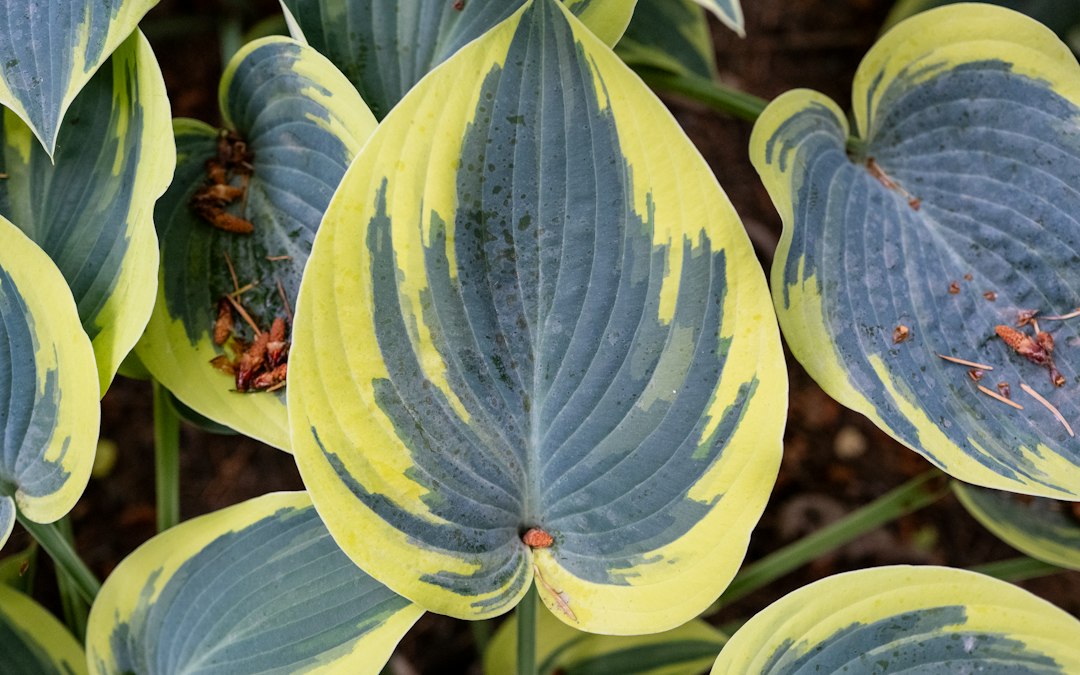
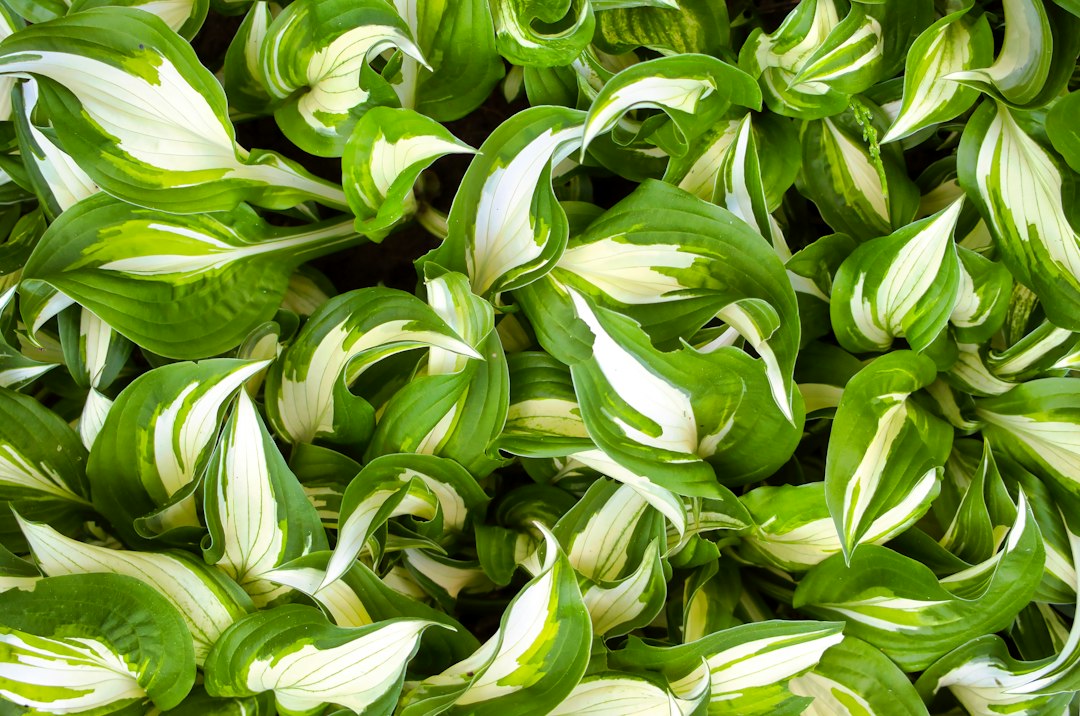
- 'Patriot' – dark green leaves with a crisp white margin; a reliable, widely available variety that holds its variegation well.
- 'June' – gold-centered leaves with a blue-green margin; color shifts through the season as light levels change.
- 'Sum and Substance' – a large, chartreuse-to-gold variety prized for its size and slightly more sun tolerance than most hostas.
- 'Blue Mouse Ears' – a small, slow-growing variety with thick, rounded blue-green leaves, good for edging or containers.
- 'Guacamole' – bright apple-green leaves with darker margins, and among the more fragrant hostas when in flower.