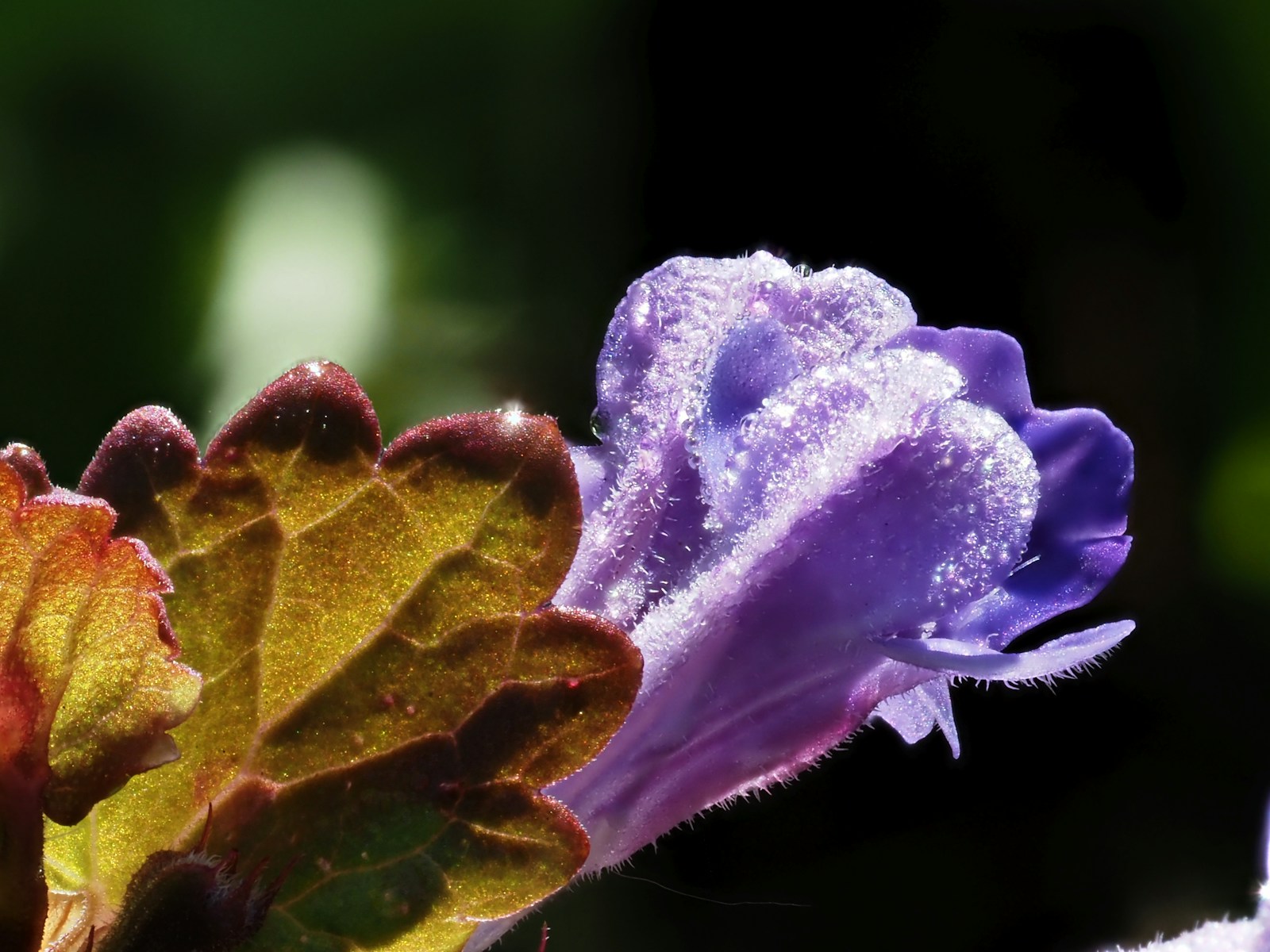
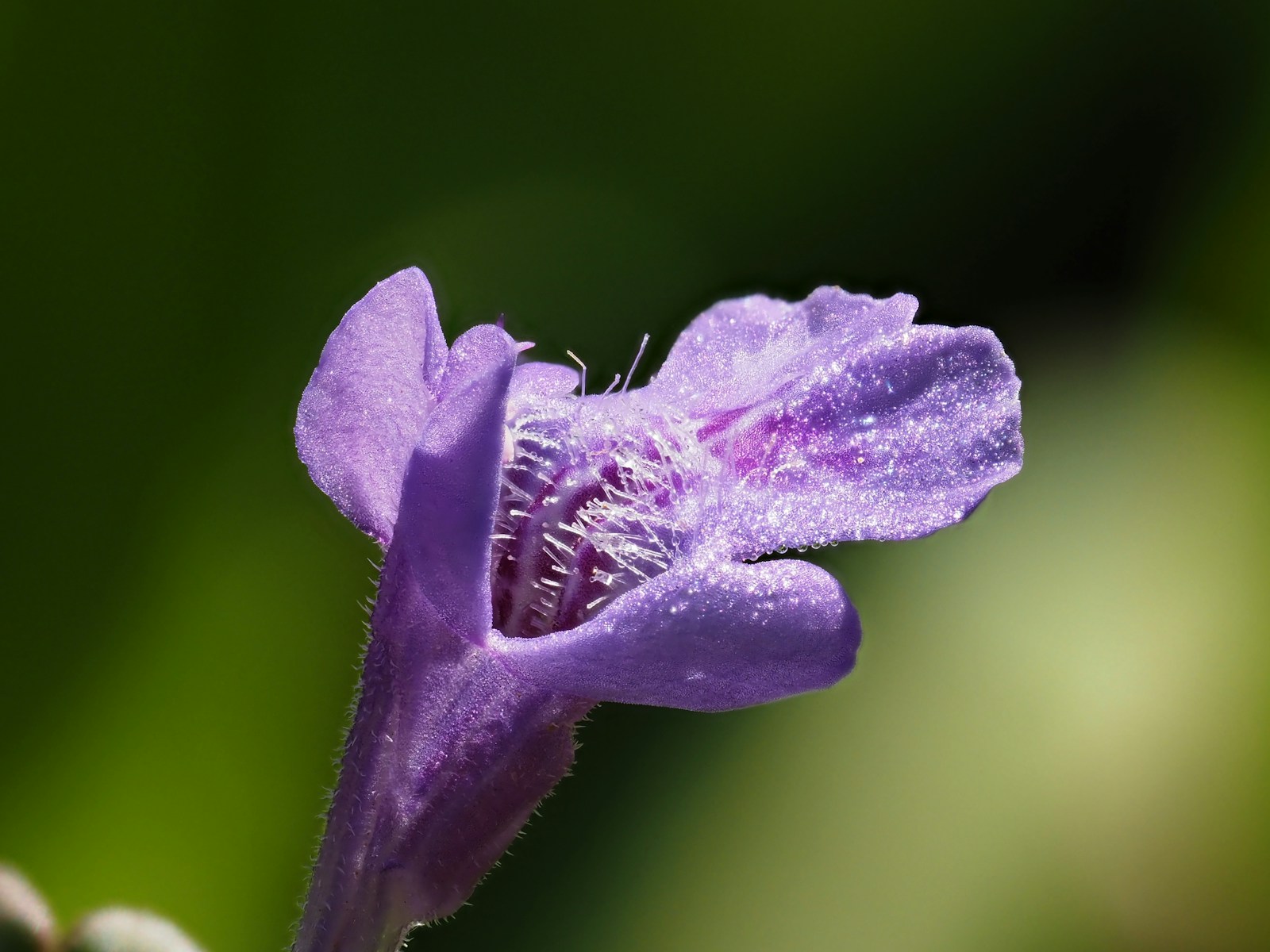
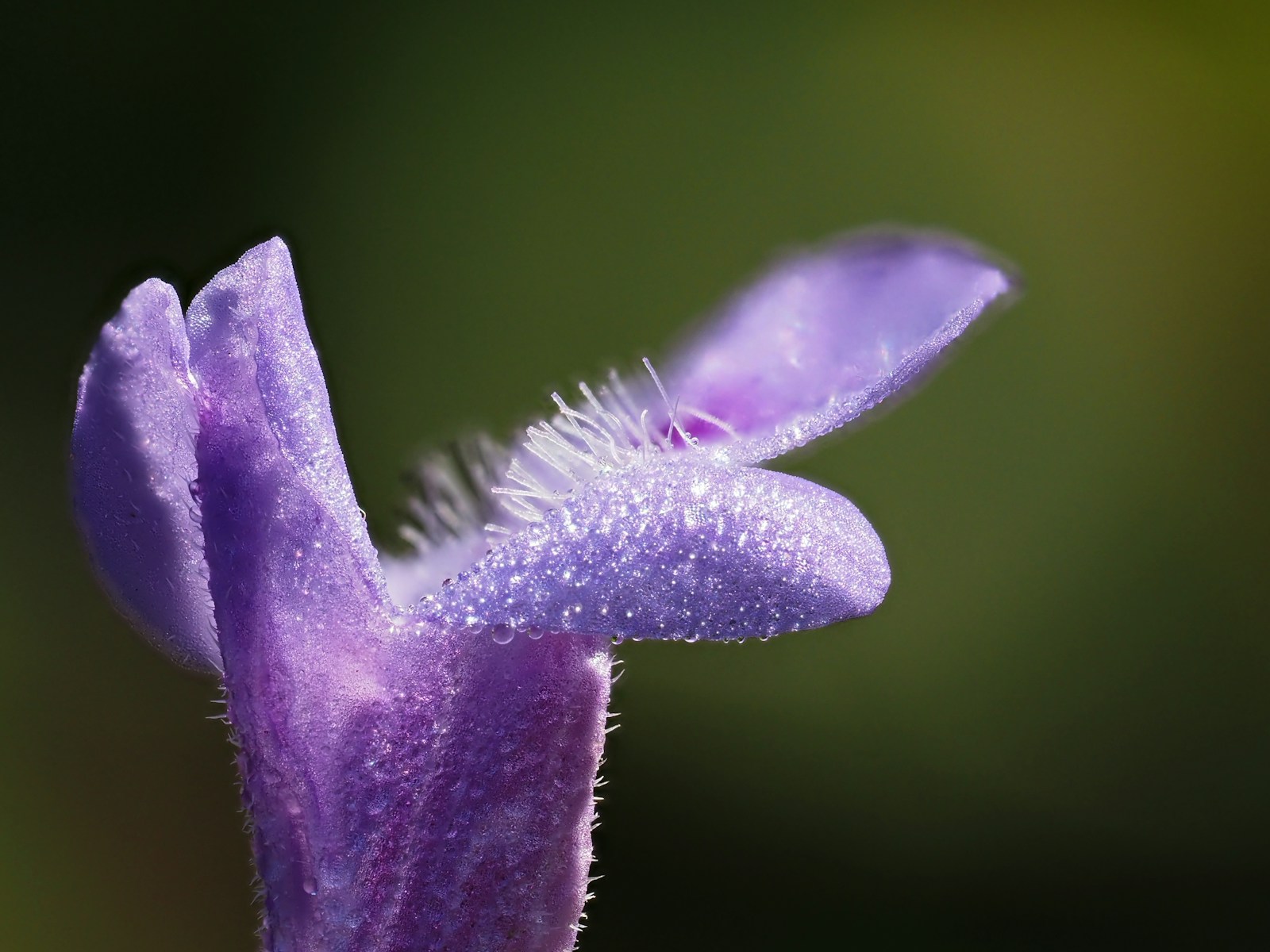
Ground ivy (Glechoma hederacea) is a low, creeping perennial in the mint family. Many gardeners know it as creeping Charlie, gill-over-the-ground or alehoof. It has round, scalloped leaves, square stems and small violet-blue flowers in spring. It is very easy to grow. The real skill is keeping it confined.
Be honest with yourself before you plant it. Ground ivy is not native to North America. It is an aggressive spreader, and many states and regions list it as invasive. The variegated form makes a handsome trailing basket plant. That is the only way this profile recommends growing it.
Grow ground ivy only in a container or hanging basket, never in open ground. Never release it into lawns, woods or stream banks, where it smothers native plants. It is also toxic to horses when eaten in quantity, fresh or dried in hay, so keep it and its trimmings away from pasture.
Sowing and planting
Ground ivy is almost never grown from seed. It is sold as small potted plants, usually the variegated form, among basket and patio plants in spring. You can also start it from cuttings. Every stem has nodes (the joints where leaves attach), and each node roots wherever it touches damp soil.
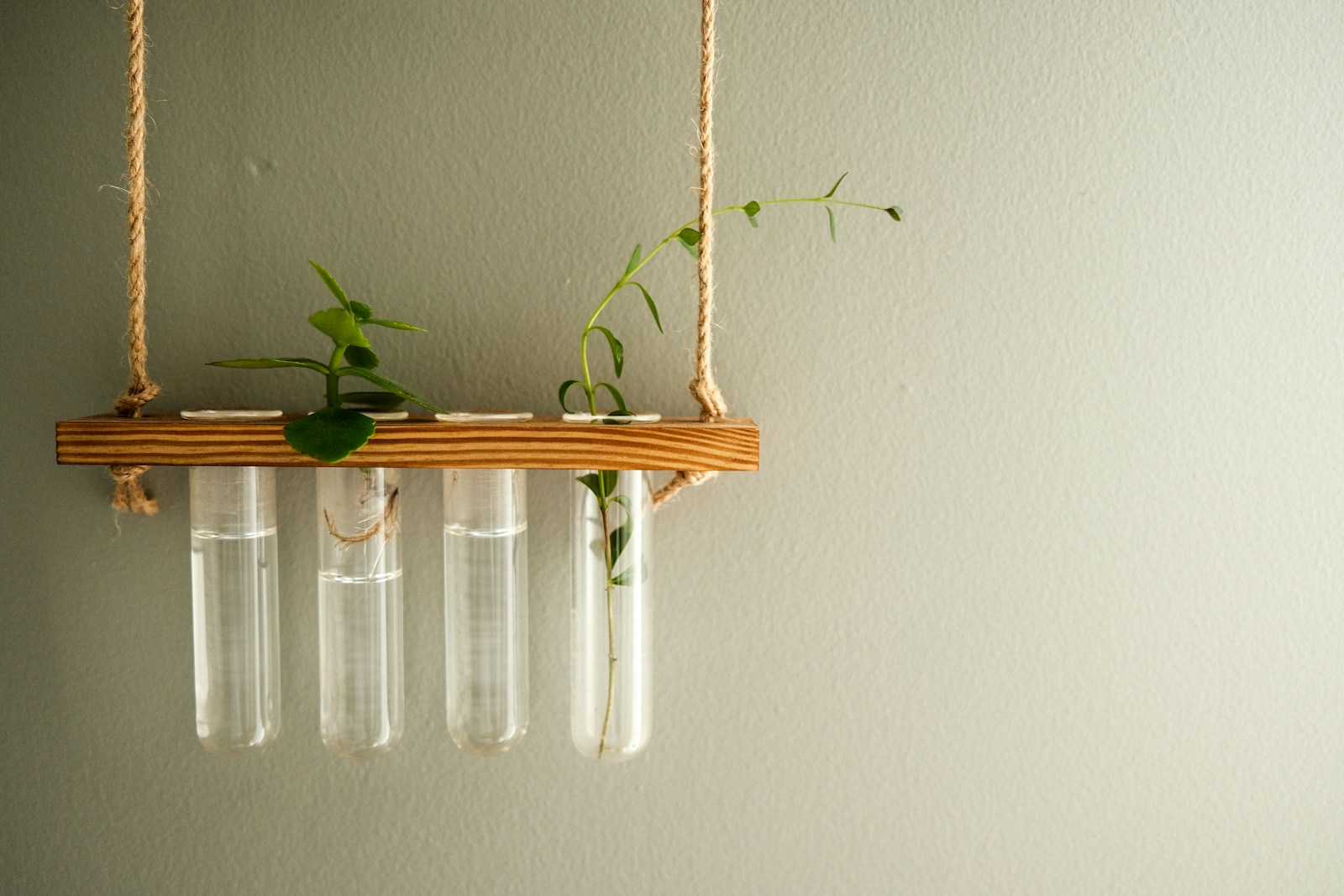
To take cuttings, snip 3 to 4 inch (8 to 10 cm) stem tips. Strip the lowest pair of leaves. Push the bare node into damp potting mix, or stand the stems in a glass of water. Roots usually show within one to two weeks. Pot rooted pieces into their final container.
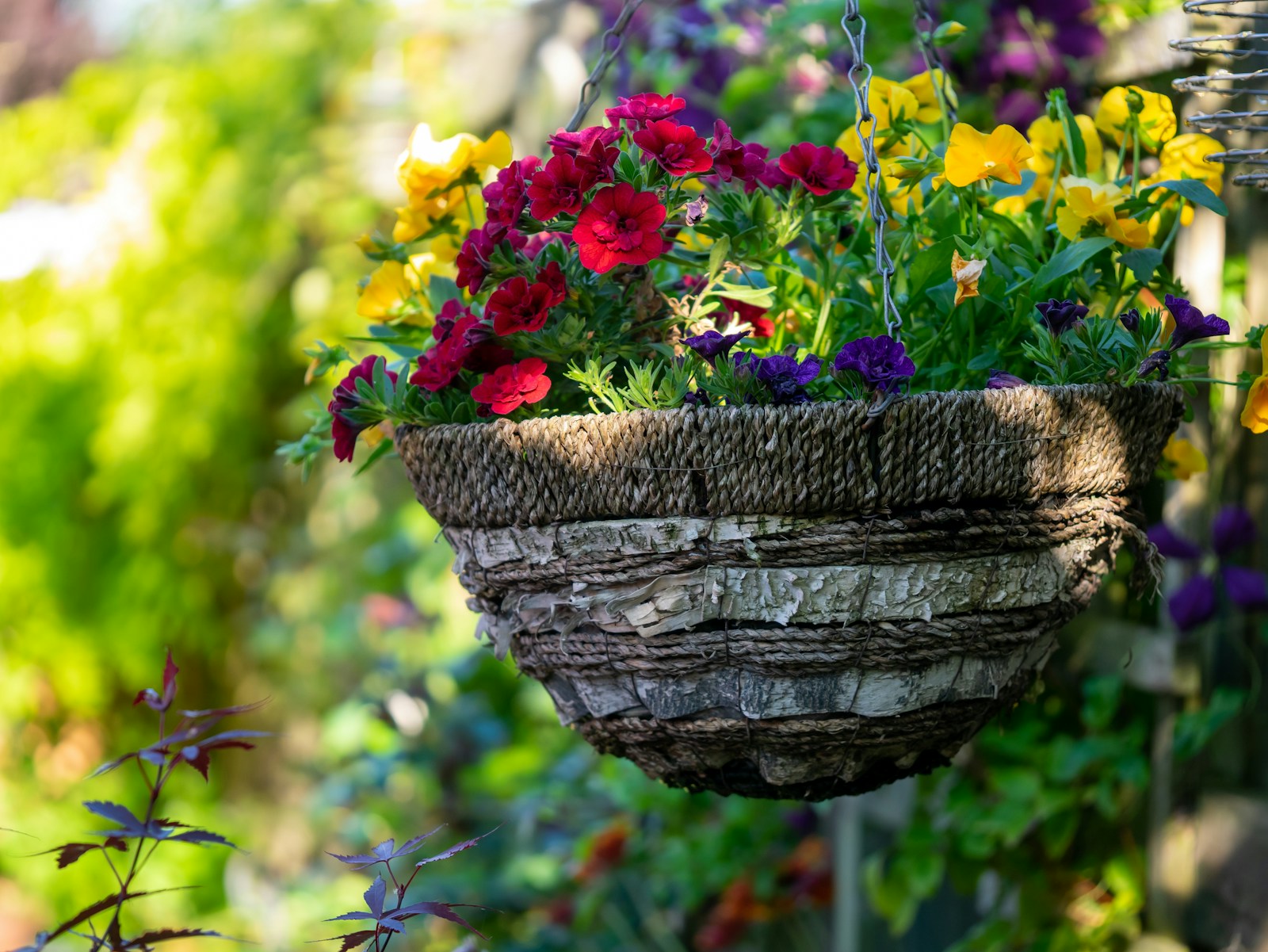
Plant after your last frost, or any time in the growing season if the plant is already hardened off (used to outdoor conditions). Choose a hanging basket, a window box, or a tall pot on a hard surface. A raised position matters. Trailing stems must hang in the air, not rest on soil.
- Use a container with drainage holes and ordinary potting mix.
- Set plants near the rim so stems trail over the edge.
- Stand pots on paving, a deck or a saucer, never on bare ground or lawn.
- Keep baskets away from beds, so dropped pieces cannot root.
Do not plant it as a groundcover, even in a spot that seems enclosed. Stems slip under edging and through fences.
Growing on
Water is the main job. A basket in summer often needs water every day. Ground ivy wilts quickly when dry and scorches in hot afternoon sun. Morning sun with afternoon shade suits it best.
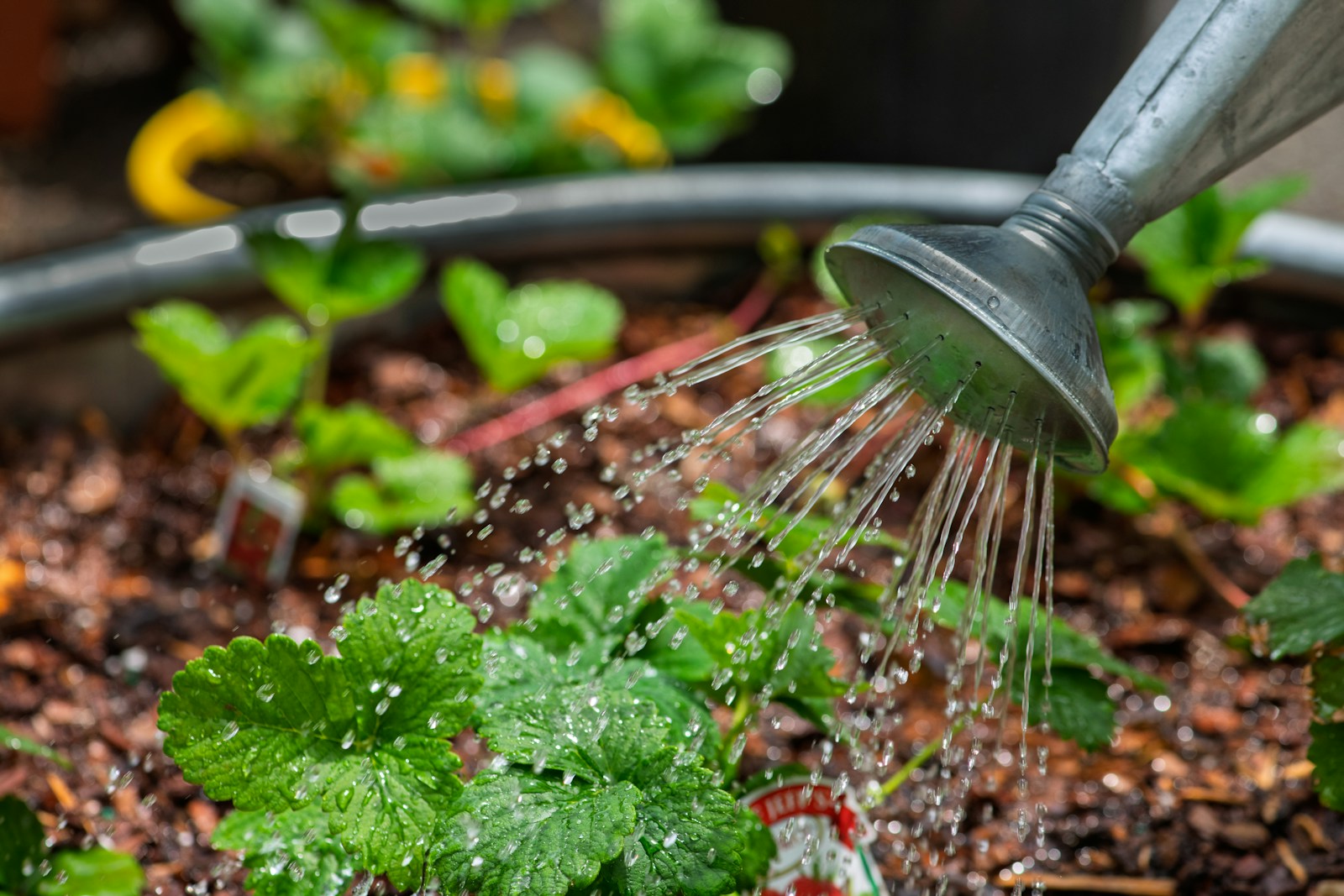
Feed lightly. A half-strength liquid fertilizer every three to four weeks in the growing season is enough.
Trim often. Cut trailing stems back before they reach the ground, a neighboring pot or a crack in the paving. Shearing the whole plant by half in midsummer brings a flush of fresh, dense growth. Pinch off spent flower stems to reduce any seeding.
Dispose of trimmings with care. Do not toss them on the lawn or into a cold compost heap, where they can root. Bag them for the trash, or dry them until crisp on a hard surface first.
The plant is hardy in the ground across roughly USDA zones 4 to 9. Roots in a basket are more exposed. In cold-winter areas, move the pot to an unheated garage or a sheltered corner, and water sparingly. At the end of the plant's life, bag the whole root ball. Do not tip it out in the garden.
Harvesting
Ground ivy is an old household herb, and the history is worth knowing. The leaves have a sharp, minty, slightly bitter smell. In Europe, brewers used them to flavor and clear ale before hops became common. That is the source of the name alehoof.
In the southern Appalachians, mountain families dried the leaves and kept them in small bags for tea. Anthony Cavender's Folk Medicine in Southern Appalachia records that ground ivy tea was one of several hot teas given to bring out the rash of measles. Its best-known use was for a feared folk illness of newborns called bold hives. Older women spoon-fed babies a weak, sweetened ground ivy or catnip tea in the belief that it drew the hives out through the skin.
This is history only, not advice. Never give ground ivy tea, or any herbal tea, to an infant. Bold hives is not a condition recognized by modern medicine. A baby with a rash, a fever or trouble breathing needs a doctor. Nothing in this article is medical advice, and the plant's safety for people is not well established.
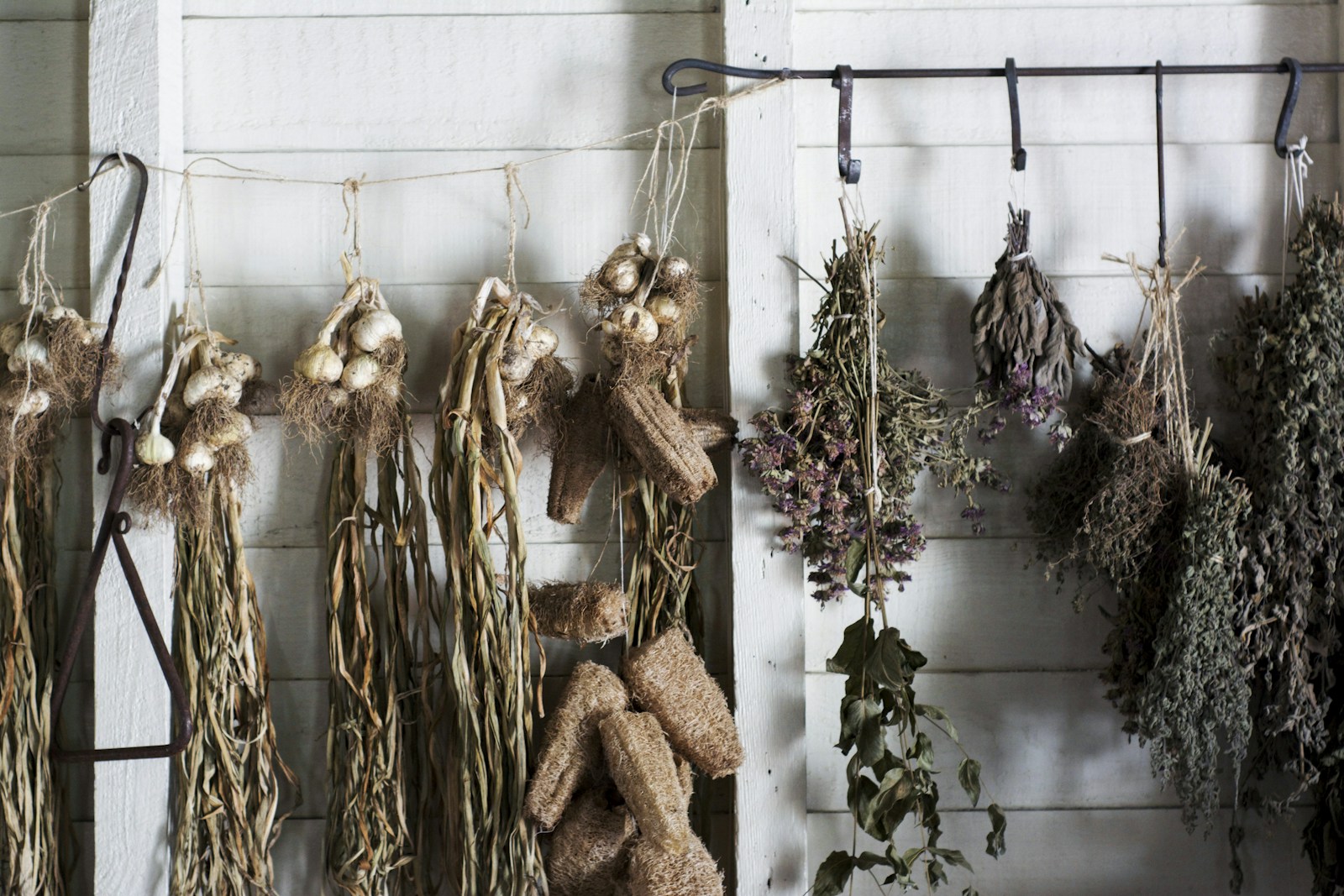
If you want leaves for drying as a curiosity or for their scent, pick them in spring as flowering begins. Snip healthy stems in the morning once the dew has dried. Tie them in small bunches and hang them in a warm, airy place out of direct sun. Leaves are ready when they crumble.
Problems and pests
Stems rooting outside the pot
This is the most serious problem, because it is how the plant escapes. Check under and around the container every week or two. Pull any rooted piece at once, getting every node. Patches that reach a lawn need repeated hand pulling over more than one season.
All-green shoots on a variegated plant
Variegated plants sometimes throw plain green stems, called reversion. Green stems grow faster and soon take over. Cut them out at the base as soon as you see them.
Brown, crisp leaf edges
The basket has dried out, or the plant sits in hot afternoon sun. Soak the root ball in a bucket of water for ten minutes. Move the basket to part shade and water more often.
Orange or brown spots under the leaves
Ground ivy can carry a rust disease, a fungus that forms small raised pustules. Remove and bag the affected stems. Water the soil instead of the leaves, and give the plant more air.
Fine webbing and speckled leaves
Spider mites attack plants that are hot and dry, especially under eaves or indoors. Rinse the foliage hard with water, top and bottom, every few days. Raise humidity and keep the mix evenly moist.
Varieties worth growing
Ground ivy has very few named forms. Only one is widely sold.
- 'Variegata': green leaves with irregular white to cream edges. It is sold as a trailing plant for baskets and window boxes. It is somewhat less vigorous than the plain species but spreads the same way, so the container-only rule still applies.
- Plain green species: the wild form. It is already a lawn weed across much of the eastern US. There is no reason to buy or plant it.
If you want this look in open ground, choose something else. These are different species, not ground ivy varieties:
- Spotted dead nettle (Lamium maculatum): a related, silver-marked groundcover for shade. It is non-native but far easier to control.
- Wild ginger (Asarum canadense): an eastern native with similar rounded leaves that forms a slow, tidy carpet in shade.
- Foamflower (Tiarella cordifolia): an eastern native woodland groundcover with spring flower spikes.