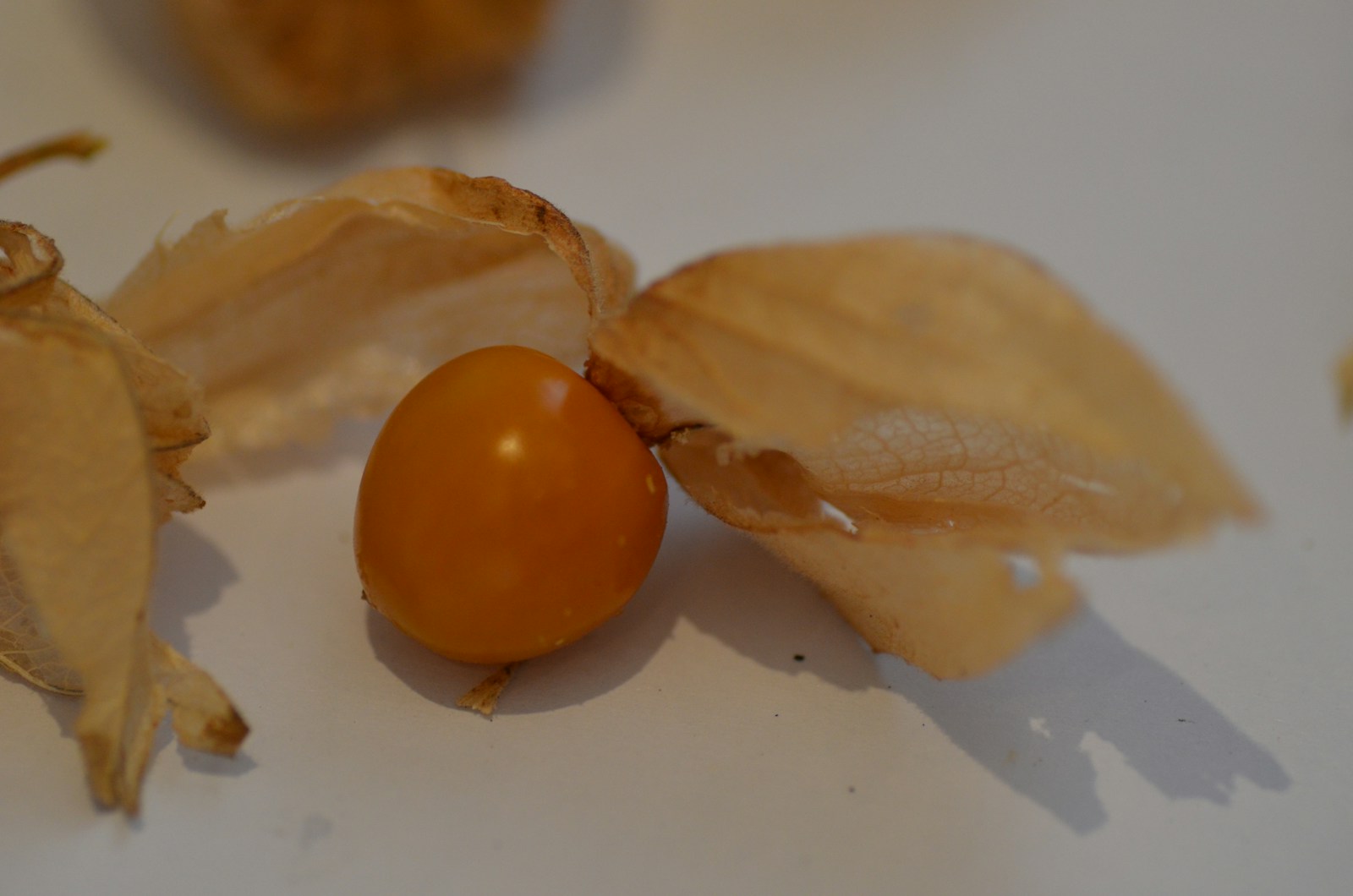
Ground cherry (Physalis pruinosa, also sold as P. grisea) is a low, bushy relative of the tomato. Each marble-sized fruit grows inside a papery husk, like a tiny lantern. Ripe fruit tastes sweet and tangy, with hints of pineapple and vanilla. Eat it fresh, bake it into pies or cook it into jam. The plants are easy, tolerate poor soil and crop heavily. Beginners do well with them if they start seed early enough.
Sowing and planting
Start seed indoors six to eight weeks before your last frost. Sow 1/4 inch (6 mm) deep in moist seed-starting mix. Keep the tray at 70-85°F (21-29°C), ideally on a heat mat. Germination is slow and uneven, taking one to three weeks. Do not give up on a tray too soon.
Give seedlings bright light as soon as they emerge, or they stretch and flop. Pot them on into 3-4 inch (8-10 cm) pots once they have two true leaves (the leaves that follow the first seed leaves).
Harden off seedlings (getting them used to outdoor conditions) over seven to ten days. Plant out one to two weeks after your last frost, once nights stay above 50°F (10°C). Cold soil stalls growth for weeks.
You can plant a little deeper than the pot, as with tomatoes. Buried stem grows extra roots. Space plants 24-36 inches (60-90 cm) apart; they sprawl wider than most people expect.
In long, warm seasons, roughly USDA zones 8-10, you can also sow direct outdoors. Wait until the soil is at least 65°F (18°C), usually two to three weeks after your last frost. Thin to the strongest seedling at each spot.
Ground cherries grow well in large containers too. Use a pot of at least 5 gallons (19 litres) per plant, filled with good potting mix.
Growing on
Water deeply once or twice a week, aiming for about 1 inch (2.5 cm) in total. Established plants handle short dry spells better than tomatoes do. Very uneven watering can cause fruit to split or drop early.
Go easy on feeding. Mix compost into the planting hole and that is often enough. Too much nitrogen gives large, leafy plants with fewer fruit. If growth looks pale, side-dress (spread fertiliser alongside the plant) with compost or a balanced organic feed once, at first flowering.
Mulch with straw or dried grass clippings once the soil is warm. Mulch holds moisture, keeps weeds down and gives the falling fruit a clean landing spot. That matters, because ripe fruit drops to the ground.
Staking is optional. The plants branch low and spread sideways. A short tomato cage or a few stakes and twine keep them tidier and lift fruit off wet soil. No pruning or pinching is needed.
The small, pale yellow flowers are self-fertile, so one plant sets fruit on its own. Bees still visit them. Grow ground cherries away from tomatoes, potatoes and eggplant if you can. They share many pests, and rotating the nightshade family around the garden helps.
Harvesting
Eat only fully ripe ground cherries. Unripe green fruit, the husks, the leaves and the stems contain compounds that are toxic to people and pets. Always remove the husk before eating. Keep children and pets from picking fruit off the plant.
Ground cherries tell you when they are ready. Ripe fruit drops from the plant, still wrapped in its husk. The husk turns from green to papery tan. The fruit inside turns golden yellow to orange.
Gather fallen fruit every day or two. Lay a sheet under the plants, or gently shake the branches to collect loose fruit. Leave any fruit that clings tightly to the plant.
Fruit that falls with a green tinge often ripens off the plant. Spread it out in its husk in a single layer, somewhere dry and airy. Check it every few days and eat only fruit that has turned fully golden. Discard any that stays green or shrivels.
Storing
Leave ripe fruit in its husk for storage. Kept in a single layer in a cool, dry place, it usually keeps for several weeks. For longer storage, husk and freeze the fruit on a tray, then bag it. You can also dry ground cherries like raisins or cook them into jam.
Saving seed
Ground cherries grow true from saved seed. Squash a few very ripe fruit into a bowl of water. Rinse the pulp away through a fine sieve, then dry the seed on a plate. Store it cool and dry in a labelled envelope.
Any fruit you miss self-sows freely. Expect volunteer seedlings next year. Pull the extras while they are small.
Problems and pests
Tiny round holes pepper the leaves
Flea beetles are small, jumping beetles that chew young leaves. Cover transplants with floating row cover (a light fabric) until plants are well established. Healthy plants usually outgrow the damage.
Leaves are stripped by striped beetles or slimy larvae
The three-lined potato beetle favours ground cherries and tomatillos. Its larvae hide under a coating of their own droppings. Colorado potato beetles also feed on the plant. Hand-pick adults and larvae into soapy water, and crush orange egg clusters under the leaves.
Large sections of leaves vanish overnight
Tomato hornworms are big green caterpillars that blend into the foliage. Look for their dark droppings on the leaves below. Pick them off by hand. Leave any covered in small white cocoons, which are parasitic wasps at work.
Fruit drops while still green
Hot, dry spells and uneven watering cause early drop. Water deeply and keep the mulch topped up. Collect green drops and ripen them indoors as described above.
Fallen fruit disappears or is gnawed
Mice, voles and birds find the fruit on the ground. Harvest often and keep the ground under the plants clear of long grass. A sheet or tray under the plants makes collecting quicker than the wildlife.
Varieties worth growing
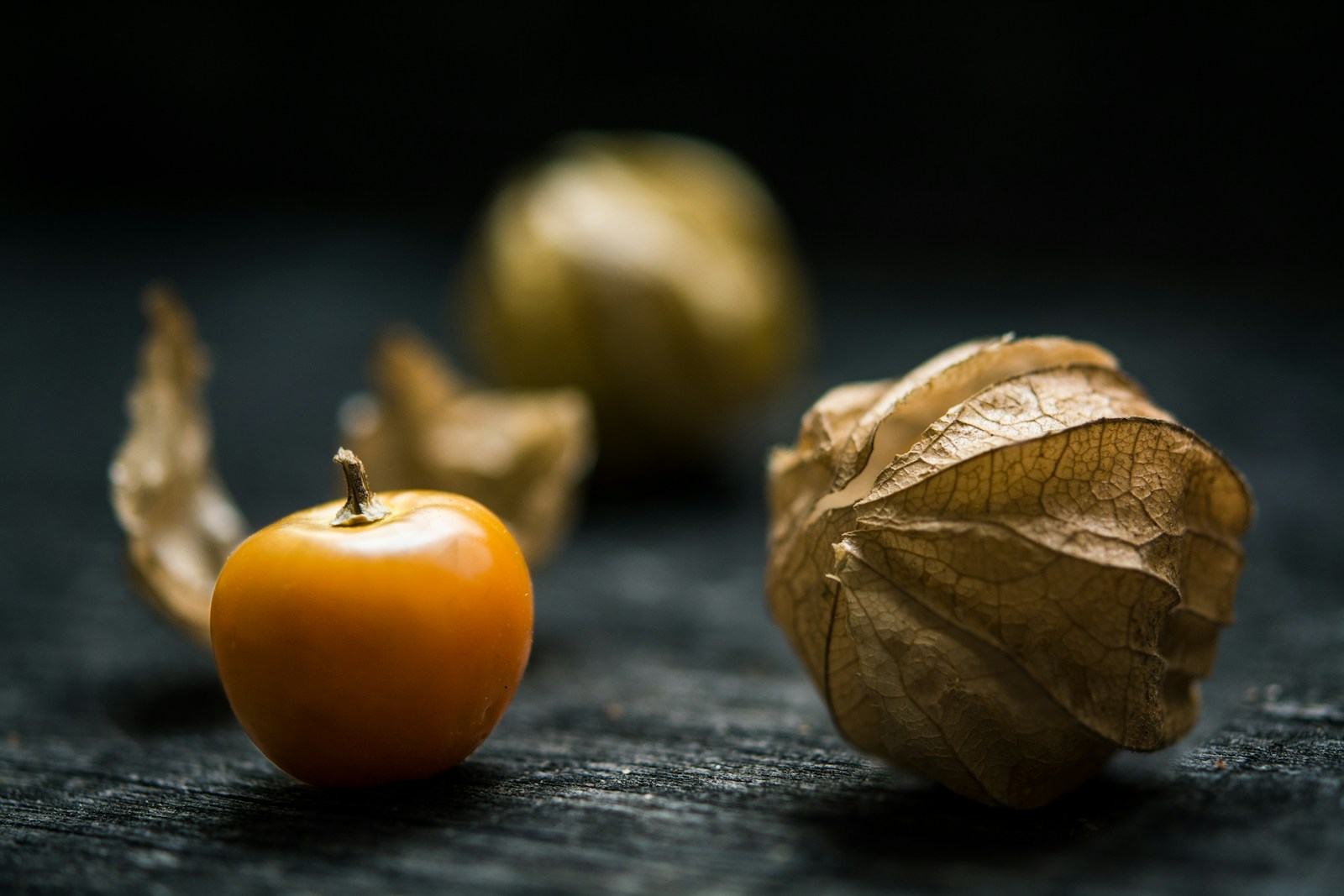
Ground cherries
- 'Aunt Molly's': a popular heirloom with sweet, citrusy golden fruit on compact, sprawling plants.
- 'Cossack Pineapple': an heirloom with small, very sweet fruit and a pineapple flavour.
- 'Goldie': a productive type with golden fruit, often sold for home gardens.
Related husk fruits
- Cape gooseberry (Physalis peruviana): taller plants with larger, tart-sweet fruit and a longer season.
- Tomatillo (Physalis philadelphica): larger green or purple fruit for salsas; needs two plants for pollination.