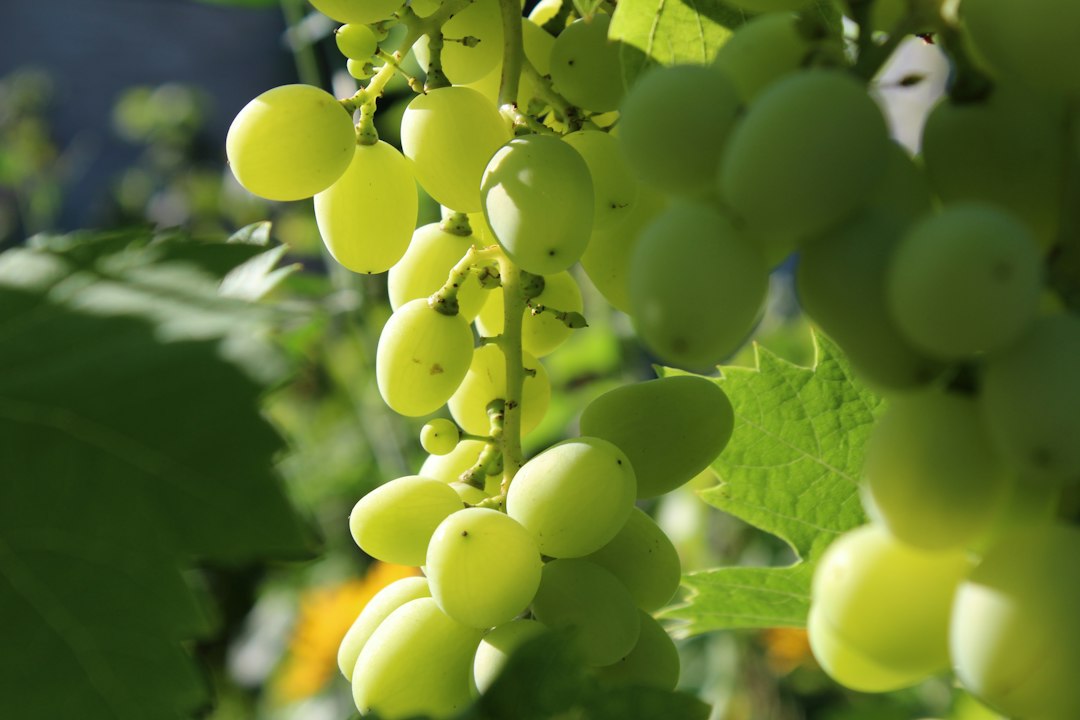
Grapes (Vitis spp.) are woody, deciduous vines in the Vitaceae family, grown for clusters of fruit you eat fresh, dry into raisins, or press into juice. A single vine lives for decades and, once established, produces a reliable crop with just an annual prune and some summer training. The real work is up front: building a sturdy trellis and waiting out the first fruit-free years. After that, grapes are a forgiving, long-term crop for almost any sunny garden.
Sowing and planting
Start with a dormant bare-root vine or a potted one-year-old plant from a nursery. Grapes grown from seed rarely come true to the parent plant and take far longer to produce fruit, so there's no need to start them that way.
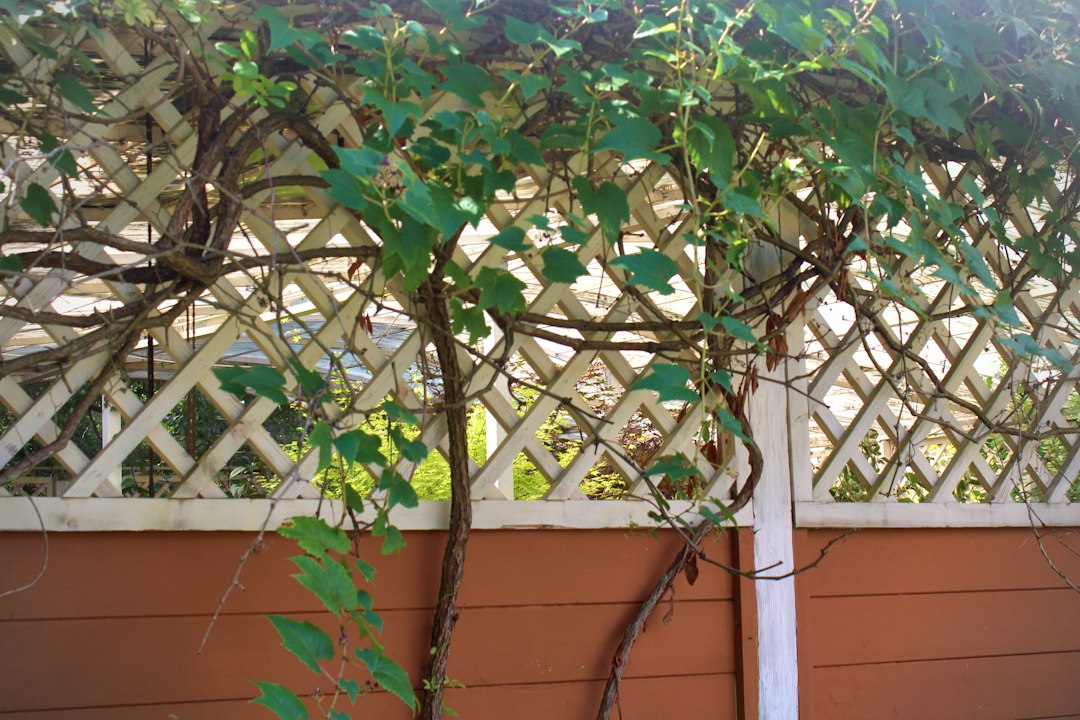
Put the trellis up before you plant; disturbing young roots to drive in posts later sets the vine back. A simple two-wire vertical trellis works well for most home gardens: set posts about 8 feet (2.4 m) apart with wires strung at roughly 3 feet (90 cm) and 5 to 6 feet (1.5-1.8 m) high. Keep this structure in mind when spacing vines about 96 inches (240 cm) apart, since each one needs room to fill its own section of wire.
Plant while the vine is still dormant, once the ground has thawed and before new growth starts. Dig a hole deep enough to spread the roots out fully without bending them, set the vine so any graft union sits a couple of inches above soil level, then backfill and water in well. Cut the top back to two or three strong buds at planting. This feels drastic, but it directs the vine's early energy into roots rather than a single weak, overlong shoot.
In zone 6b and similar climates, you can plant as soon as the soil is workable in late winter. Where a late hard freeze is still a risk, hold off removing any winter mulch or protection until it has passed.
Growing on
Water deeply and regularly through the first two growing seasons while the root system establishes, then taper off. A mature vine sends roots deep and tolerates dry spells well; overwatering an established vine dilutes flavor and invites rot, so let the top few inches of soil dry out between waterings once the vine is settled in.
Feed lightly. A balanced fertilizer or a layer of compost worked into the soil in early spring is usually enough. Too much nitrogen pushes leafy growth at the expense of fruit and makes the canopy more prone to disease.
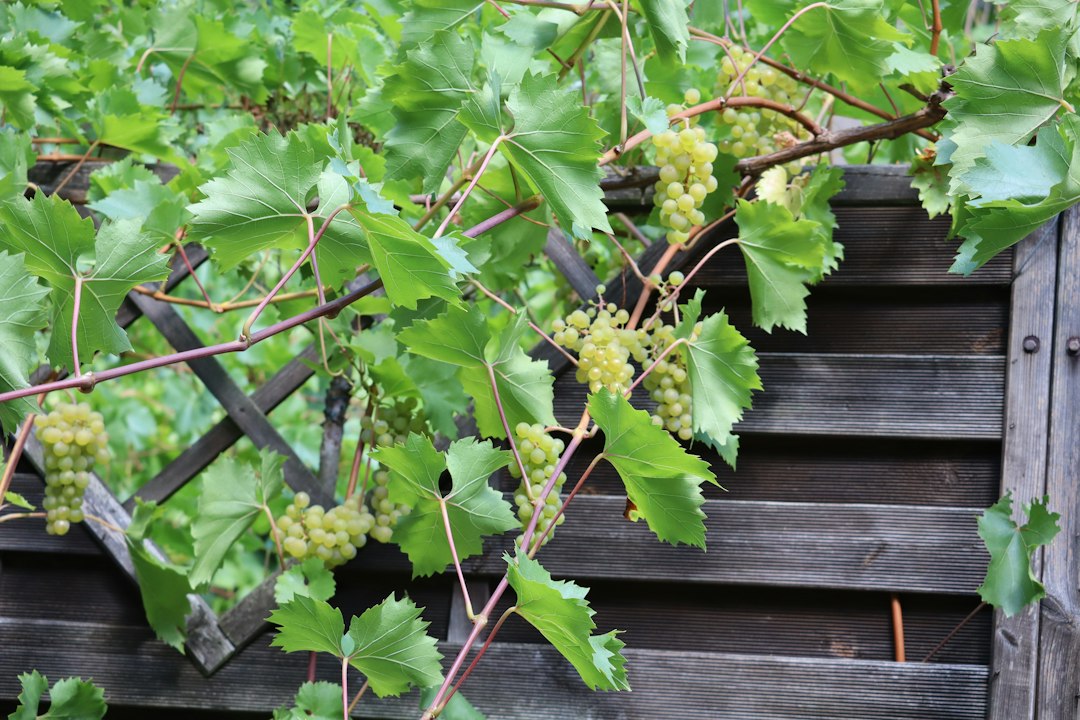
Training shapes the vine over its first two or three years. Choose a single strong shoot as the trunk and tie it loosely to a stake as it climbs toward the lowest wire, removing competing shoots as they appear. Once the trunk reaches the wire, let two side shoots grow along it in opposite directions to form the permanent horizontal arms, known as cordons.
Pruning is the single most important job for grapes, done every year while the vine is fully dormant, in late winter before the buds swell. Grapes fruit on shoots that grow from one-year-old wood, so last year's growth is what you prune to set up this year's crop. Two systems cover most home gardens: cane pruning, where you select a few long canes from the past season and remove the rest, and spur pruning, where last year's canes are cut back to short spurs with two or three buds each along the cordons. Either way, you'll remove the large majority of the previous year's growth; it looks severe, but an unpruned vine turns into a tangle of leaves with little fruit to show for it. In summer, thin a few leaves around developing clusters so air and light reach the fruit, which helps prevent rot and mildew.
Harvesting
Color and size alone are not reliable cues, since grapes can look ripe weeks before they actually are. Start tasting berries from different parts of a cluster as the color develops fully. A ripe grape tastes sweet all the way through with no tart, green edge, and in seeded varieties the seeds turn brown rather than green. Sugar content keeps rising after the color changes, and unlike many fruits, grapes stop ripening the moment they're picked, so there's no advantage to harvesting early.
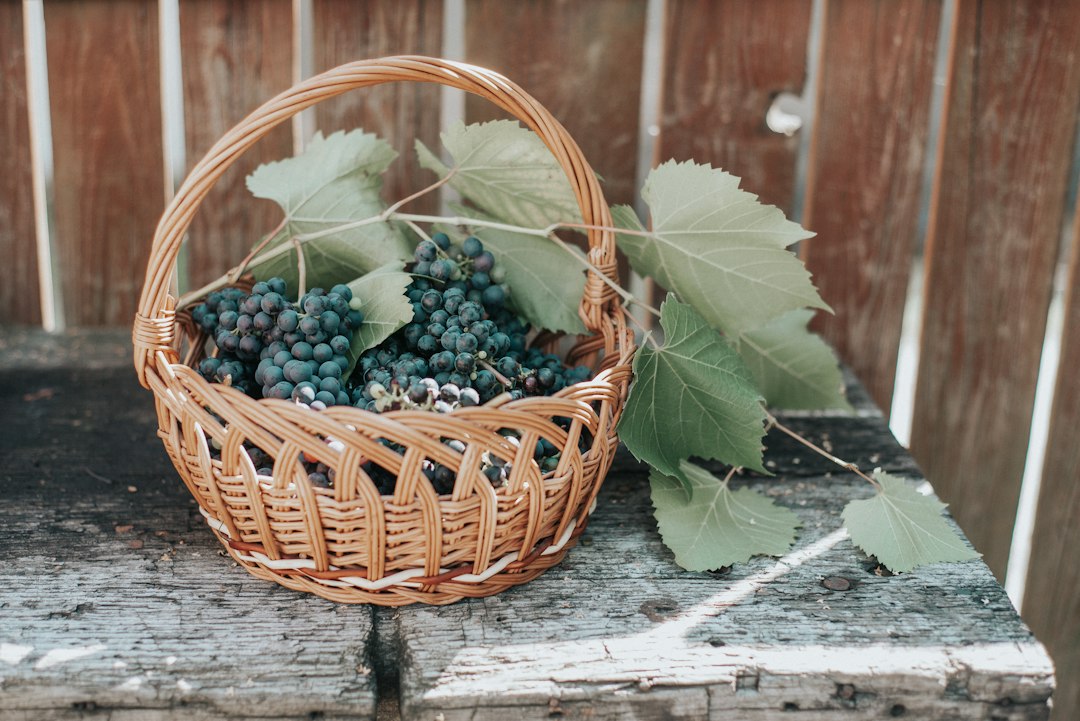
Once a cluster passes the taste test, cut it from the vine with pruning shears or scissors rather than pulling it off, which can damage the spur and next year's buds. Harvest a whole cluster at a time rather than plucking individual berries, and handle clusters gently since bruised grapes spoil fast. Fresh grapes keep for a week or two in the refrigerator.
Problems and pests
Small tan spots on leaves, with shriveled, black "mummified" berries
This is black rot, a fungal disease that thrives in warm, humid weather and overwinters in infected mummified berries and canes. Remove and destroy any mummified fruit and infected canes during the dormant prune, and thin growth to improve air circulation. In gardens with a history of black rot, a fungicide labeled for grapes, applied starting before bloom, helps break the cycle; always follow the label's directions and any protective equipment it calls for.
A white, powdery coating on leaves and young fruit
This is powdery mildew, a fungal disease that favors humid air and dense, shaded canopies more than direct rain. Prune and thin shoots to open the canopy to light and airflow, avoid wetting the foliage when you water, and remove badly affected leaves. A fungicide labeled for grapes can help if the problem recurs each year.
Leaves skeletonized, with only the veins left behind
Japanese beetles feed in groups on grape foliage through summer, often stripping leaves rapidly once they arrive. Hand-pick beetles into soapy water in the early morning, when they're sluggish and easy to catch. Avoid pheromone beetle traps near the vines, since they can draw in more beetles than they catch.
Clusters disappearing or pecked just as they start to ripen
Birds target grapes right at peak ripeness, often clearing a vine in a day or two. Cover ripening clusters with netting as the color develops, securing it at the base so birds can't get underneath.
Varieties worth growing
- Concord: A classic blue-black American variety, reliably hardy and disease-resistant, best for juice, jelly, and fresh eating rather than wine.
- Niagara: A white American variety often grown alongside Concord, with similar toughness in humid summers and a sweet, floral flavor.
- Chambourcin: A French-American hybrid grown widely across Kentucky and the Midwest, valued for disease resistance and used for dry red wine.
- Norton (Cynthiana): A native American variety prized for strong resistance to black rot and other fungal diseases in humid climates.
- Vidal Blanc: A French-American hybrid white grape that tolerates humidity well and is popular for both wine and fresh eating.