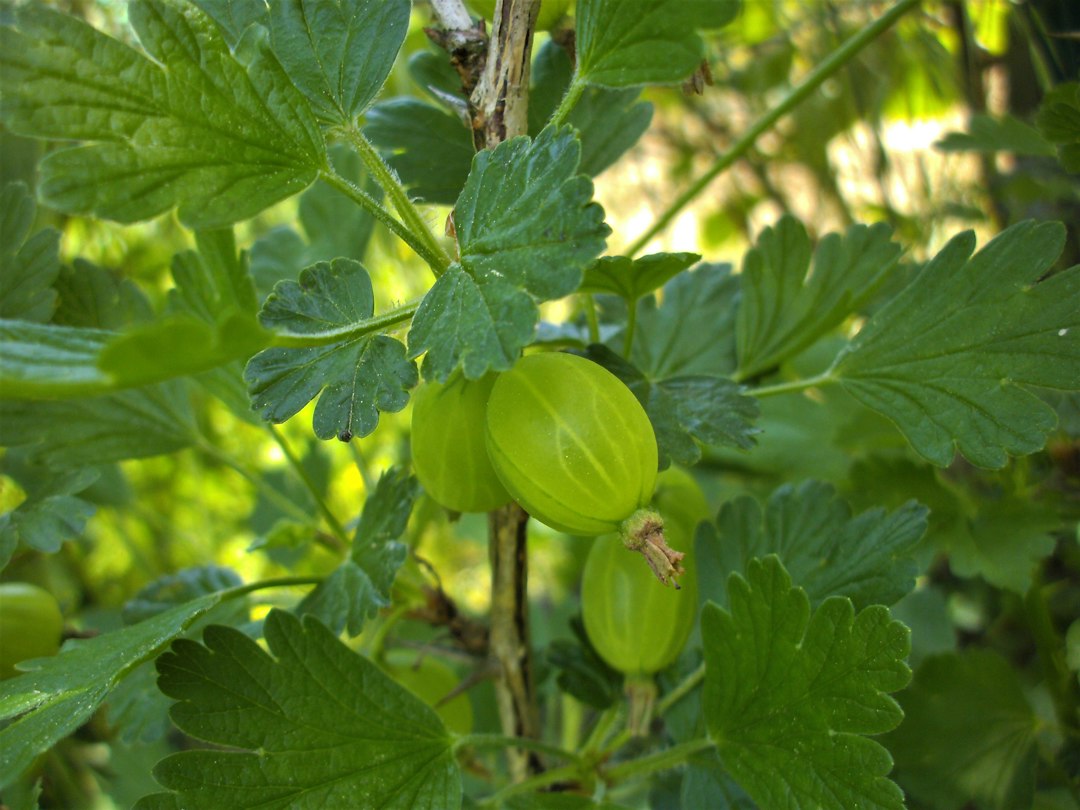
The gooseberry (Ribes uva-crispa) is a thorny, perennial fruiting shrub grown for its translucent, grape-sized berries, used tart in pies and preserves or eaten fresh when fully ripe. It's a reasonably easy plant once established, needing little more than an annual prune and a close eye on moisture, and it starts bearing fruit within two to three years of planting. The honest caveat: gooseberries are bred for cool, maritime climates, and they can sulk or develop disease problems through a hot, humid Kentucky summer. Give yours afternoon shade and plenty of airflow, and treat it as a plant that rewards a bit of extra siting care rather than one you can tuck into any sunny corner.
Sowing and planting
Named gooseberry varieties don't come true from seed, so you plant a young bare-root or potted shrub rather than sowing. Order bare-root plants for late-winter or early-spring delivery, or buy a potted shrub from a nursery any time the ground isn't frozen or waterlogged.
In zone 6b, siting matters more for gooseberries than for most fruiting shrubs. Full sun suits them in cooler regions, but in a Kentucky summer a spot with morning sun and afternoon shade keeps the plant cooler and reduces stress during the hottest weeks. Good air circulation around the plant also helps the foliage dry quickly after rain or dew, which cuts down on the fungal problems gooseberries are prone to in warm, humid conditions. Avoid low, still corners of the garden where air pools and stays damp.
Plant in well-drained soil enriched with compost, setting the shrub at the same depth it sat in its pot or nursery row. Space plants about 48 inches (120 cm) apart to leave room for mature growth and for air to move between shrubs. Water in well after planting, and keep the root zone consistently moist while the plant establishes through its first season.
Growing on
Gooseberries want steady, even moisture, especially while the fruit is swelling in late spring and early summer. Deep, regular watering through dry spells works better than frequent light sprinkling, since shallow watering encourages roots to stay near the surface where they dry out fast. A 2 to 3 inch (5 to 8 cm) layer of mulch over the root zone helps hold moisture and keeps weeds down, but keep it clear of the main stems to avoid rot.
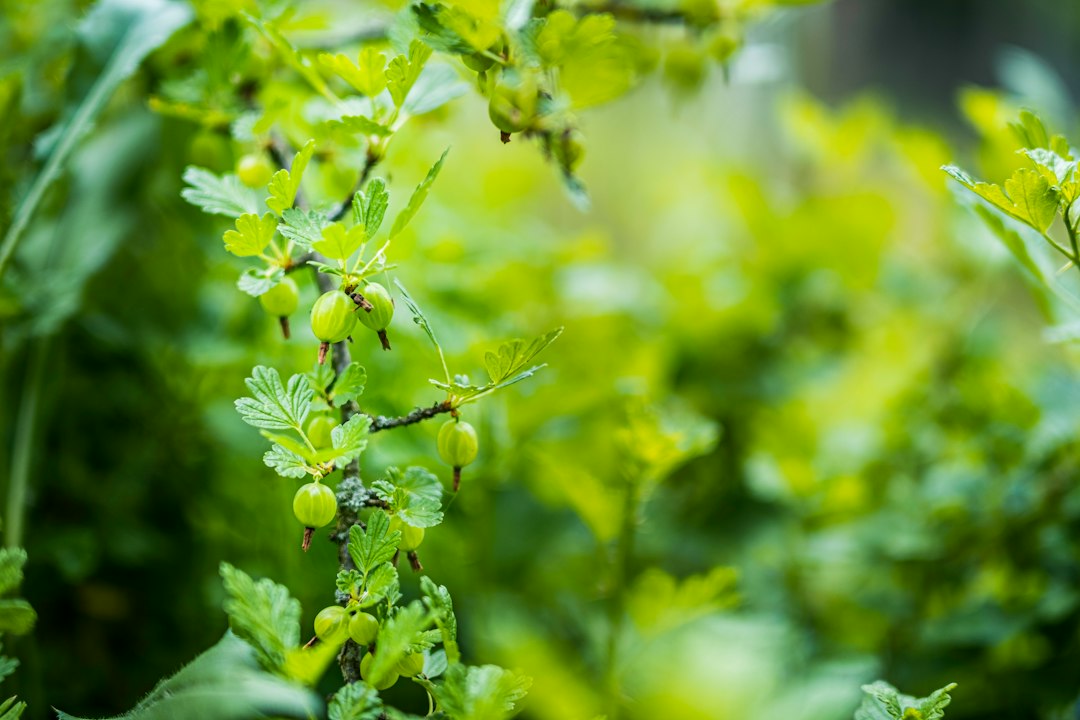
Feed in early spring with a balanced fertilizer or a topdressing of compost, following the product label for rate. Gooseberries aren't heavy feeders, and too much nitrogen pushes soft, leafy growth that's more prone to mildew.
Pruning is the task that does the most for plant health and fruit quality. Gooseberries fruit mainly on wood that's one to three years old, so the goal of an annual winter prune, done while the plant is dormant, is an open, airy framework with a handful of well-spaced main branches rather than a dense thicket of canes. Remove stems that are more than three or four years old, along with any that cross through the center of the bush, touch the ground, or look weak or diseased. Opening up the center like this lets light and air reach the fruit and foliage, which matters even more in a humid climate where airflow helps keep mildew at bay.
Harvesting
Gooseberry canes carry sharp thorns along their length, so picking takes a bit of care; sturdy gardening gloves and long sleeves make the job much more comfortable. The berries themselves grow singly or in small, spaced-out clusters along the stem rather than in the tight hanging bunches typical of currants, which makes them easier to pick individually once you've found a comfortable angle to reach past the thorns.
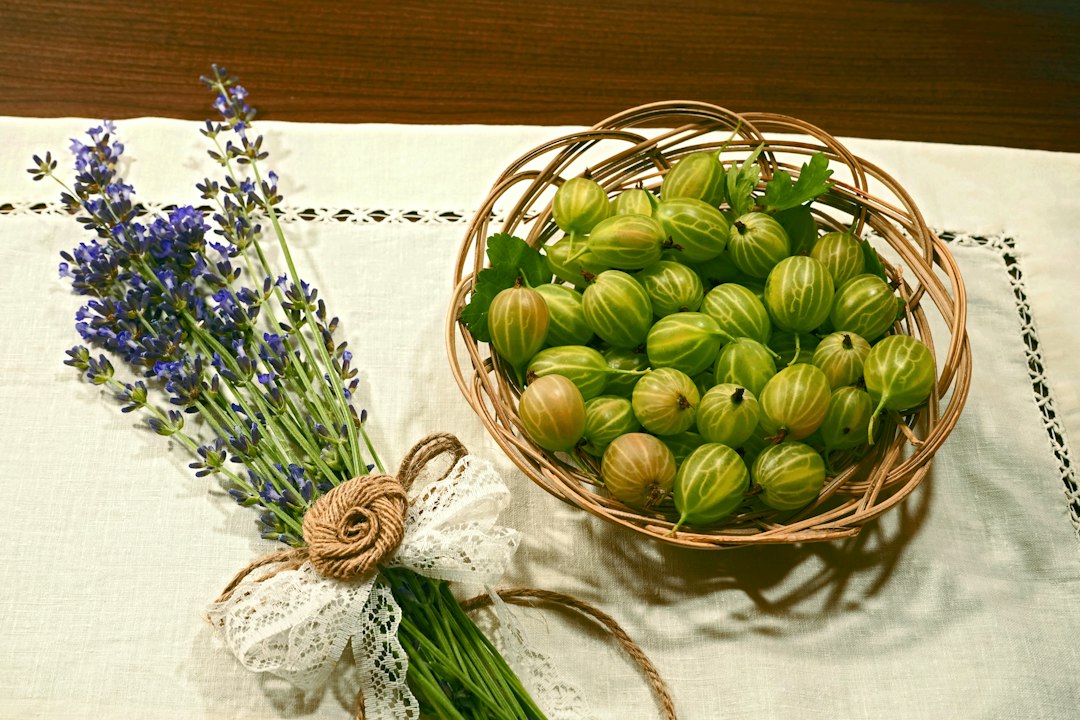
You can pick at two different stages depending on how you plan to use the fruit. Berries picked slightly underripe are firm, tart, and hold their shape well, which suits pies, crumbles, and preserves. Left on the bush longer, the fruit softens, sweetens, and often deepens in color toward red, purple, or gold depending on the variety, and at that point it's pleasant eaten fresh out of hand. Ripening happens over several weeks rather than all at once, so expect to pick the same bush more than once through the season.
Problems and pests
Powdery white coating on leaves and fruit
American gooseberry mildew is the best-known disease of this plant, showing as a powdery white coating on young leaves, shoot tips, and sometimes the fruit itself, which can scar and discolor affected berries. It thrives in still, humid air, which is exactly the risk in a hot Kentucky summer. Prune for an open framework to improve airflow, avoid overhead watering, remove and dispose of infected shoot tips as soon as you spot them, and choose a mildew-resistant variety where possible.
Leaves stripped to a skeleton
Gooseberry sawfly larvae are pale green caterpillar-like grubs that can strip a bush of its leaves in days, usually starting from the inside of the plant where it's easy to miss them early on. Check the lower, inner branches regularly from late spring, and pick off larvae by hand while numbers are low. For a heavier infestation, an insecticide labeled for use on edible fruit and sawfly can help; always follow the label directions and observe the stated interval before harvest.
Clusters of small insects on new growth
Aphids cluster on soft new shoots and the undersides of leaves, causing curled or distorted growth and leaving behind a sticky residue. A strong jet of water knocks many off, and encouraging predators like ladybugs helps keep numbers down naturally. Insecticidal soap is a reasonable next step for a persistent problem.
Fruit disappearing before you pick it
Birds find ripening gooseberries just as appealing as people do, and a bush can be stripped quickly once the fruit colors up. Netting draped over the plant as the berries begin to ripen is the most reliable way to protect the crop; secure it at the base so birds can't get underneath.
Leaf spots followed by early leaf drop
Leaf spot diseases show as small brown or purplish spots on the leaves, sometimes followed by yellowing and early leaf fall, and tend to be worse in humid weather with poor air movement. Rake up and dispose of fallen leaves rather than composting them, and prune to keep the center of the bush open.
Varieties worth growing
- Invicta is a vigorous, reliably productive green variety with good resistance to American gooseberry mildew, making it a sound choice for less-than-ideal summers.
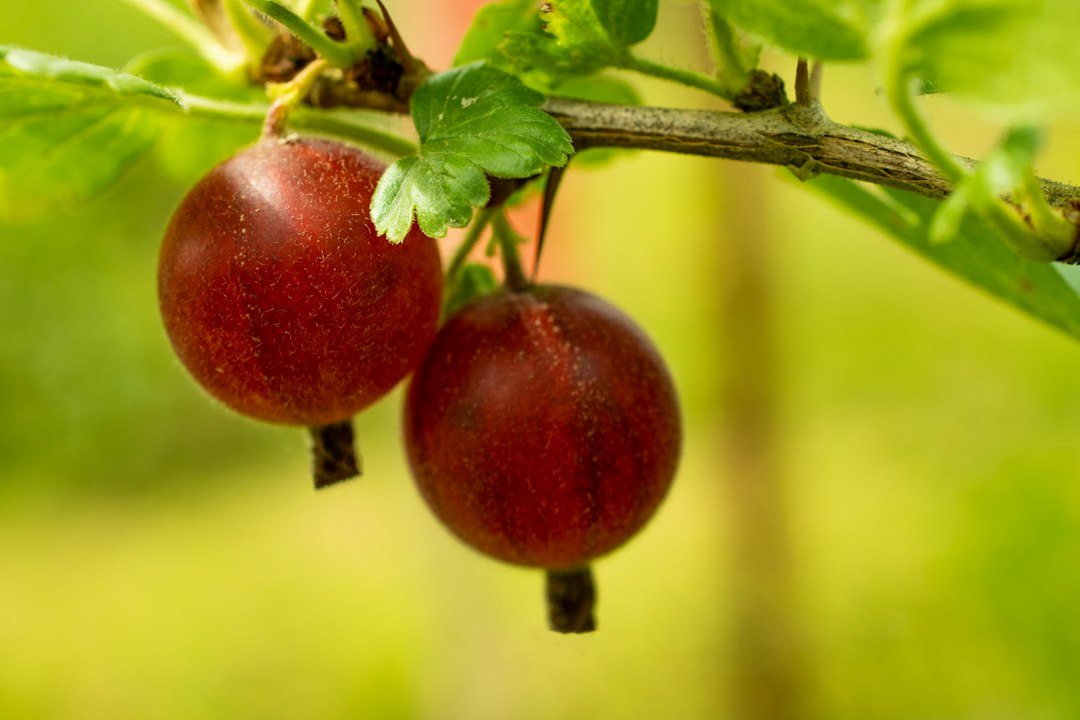
- Hinnomaki Red produces sweet, red-skinned berries and has a reputation for decent mildew resistance along with strong flavor for fresh eating.
- Captivator is a nearly thornless American hybrid with red fruit, bred in part for better disease resistance, which makes both picking and plant health easier.
- Pixwell bears pale pink berries on a plant where the thorns sit mostly away from the fruit clusters, easing the picking process, and it's known for good cold hardiness.
- Poorman is an older American dessert variety valued for sweet, reddish fruit that's pleasant enough to eat straight from the bush.