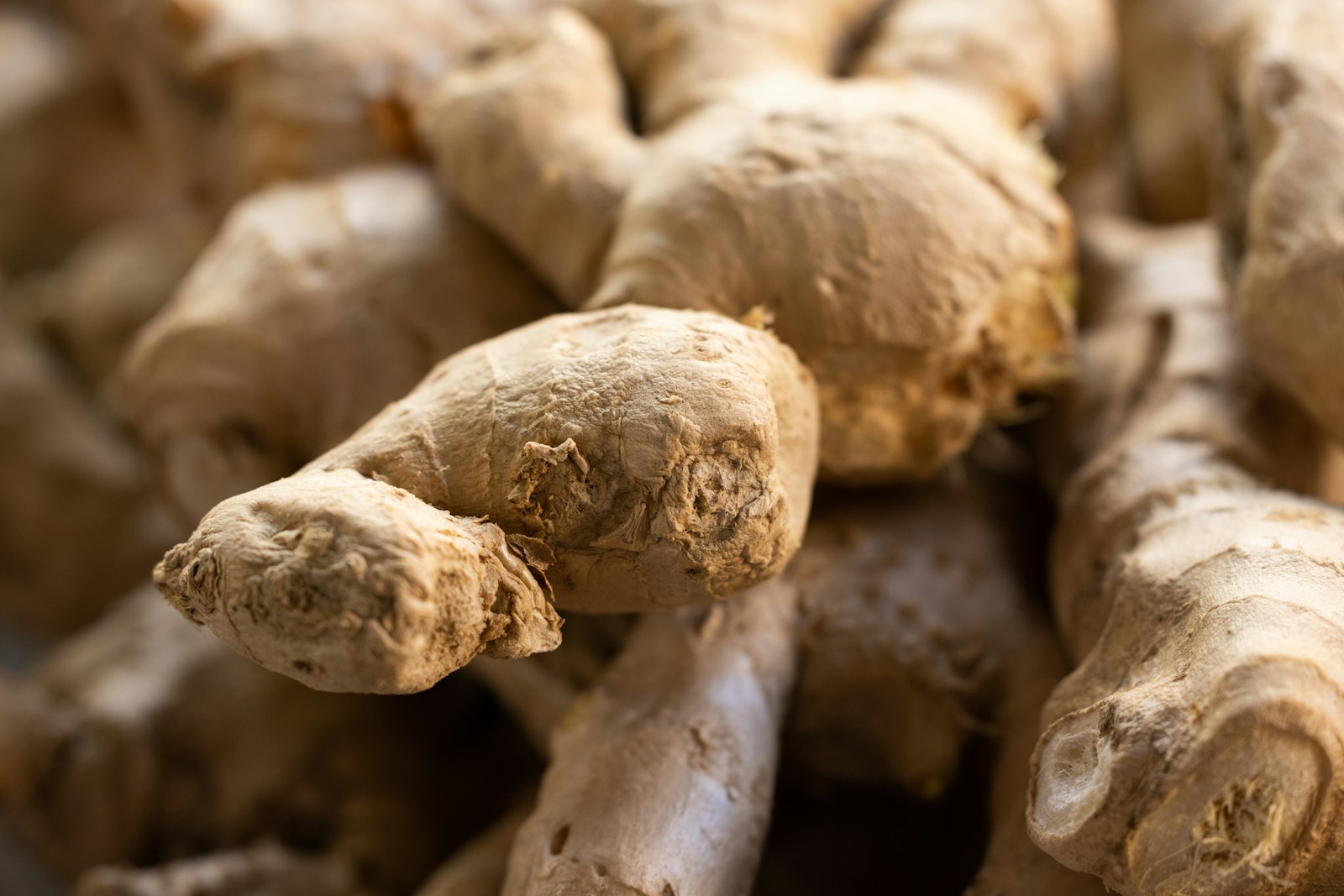
Ginger (Zingiber officinale) is a tropical plant grown for its spicy rhizome, the knobbly underground stem you buy as "ginger root". It looks like a small bamboo, with slim leafy shoots rising from a spreading clump. In a temperate garden it grows well in a pot, and a single season gives you pink-tipped baby ginger that shops rarely sell. Difficulty: moderate, mostly because it needs a long, warm start indoors.
Sowing and planting
Ginger is not grown from seed. You plant pieces of rhizome, called seed ginger. Choose firm, plump pieces with several pale, raised buds, known as eyes.
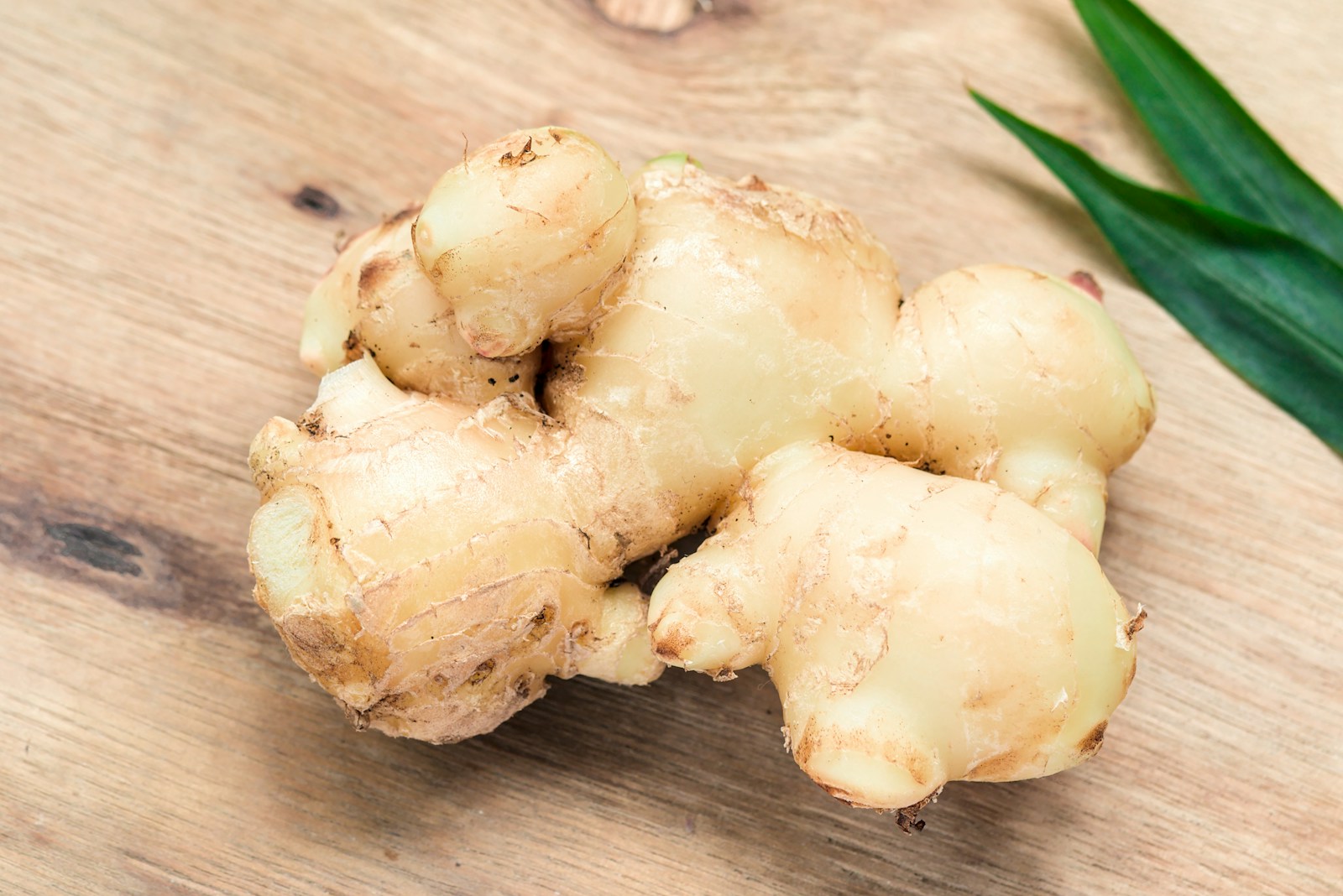
Large hands of ginger can be broken or cut into pieces 1 to 2 inches (2.5 to 5 cm) long. Each piece needs at least two eyes. Leave cut pieces in a dry, airy place for a day or two so the wounds seal.
Presprouting indoors
In most temperate gardens the warm season is too short for ginger planted straight outdoors. Presprouting (starting the rhizome into growth indoors, before planting) adds the weeks it needs. Start about 8 to 10 weeks before your last expected frost.
- Fill a shallow tray with 2 inches (5 cm) of damp potting mix or coir.
- Lay the pieces flat with the eyes facing up, and barely cover them.
- Keep the tray at 70 to 80°F (21 to 27°C).
- Keep the mix just damp, never wet. Cold, soggy rhizomes rot before they sprout.
Shoots are slow. Expect to wait anywhere from two to eight weeks. Move the tray into bright light as soon as green tips show.
Potting up and moving outside
Ginger roots are shallow and spread sideways, so a wide container suits it better than a deep one. Use a pot at least 12 inches (30 cm) deep and 14 inches (35 cm) or more across, with drainage holes. Fill it two-thirds full with a loose mix of potting soil and compost. Set the sprouted pieces 8 inches (20 cm) apart and cover with 1 to 2 inches (2.5 to 5 cm) of mix.
Move the pot outdoors only when nights stay above 50°F (10°C), usually two or more weeks after your last frost. Harden off the plants (getting them used to outdoor conditions) over a week. Pick a sheltered spot with morning sun or light dappled shade. In zones 9 to 12 you can plant directly into a well-drained bed in spring.
Growing on
Warmth, moisture and food drive the size of your harvest. Ginger grows fastest when days sit around 75 to 85°F (24 to 29°C). Growth stalls below about 55°F (13°C).
Water lightly until the shoots are a few inches tall, because rhizomes without leaves use little water. Once the plant is in full leaf, keep the mix evenly moist. Pots in summer heat often need water daily.
Ginger is a hungry plant. Mix compost into the pot at planting. Then feed every two to three weeks with a balanced liquid fertilizer, or top-dress with compost through the summer. Follow the label rates on any fertilizer, and wash your hands after handling it.
As the clump grows, new rhizomes push up to the surface and show pink bases. Cover them with 1 to 2 inches (2.5 to 5 cm) of fresh mix or compost. This hilling keeps the rhizomes tender and makes room for more growth.
Plants need no staking or pruning. Shelter them from strong wind, which shreds the leaves, and from hot afternoon sun, which scorches them.
Harvesting
You can harvest at two stages, and they taste different.
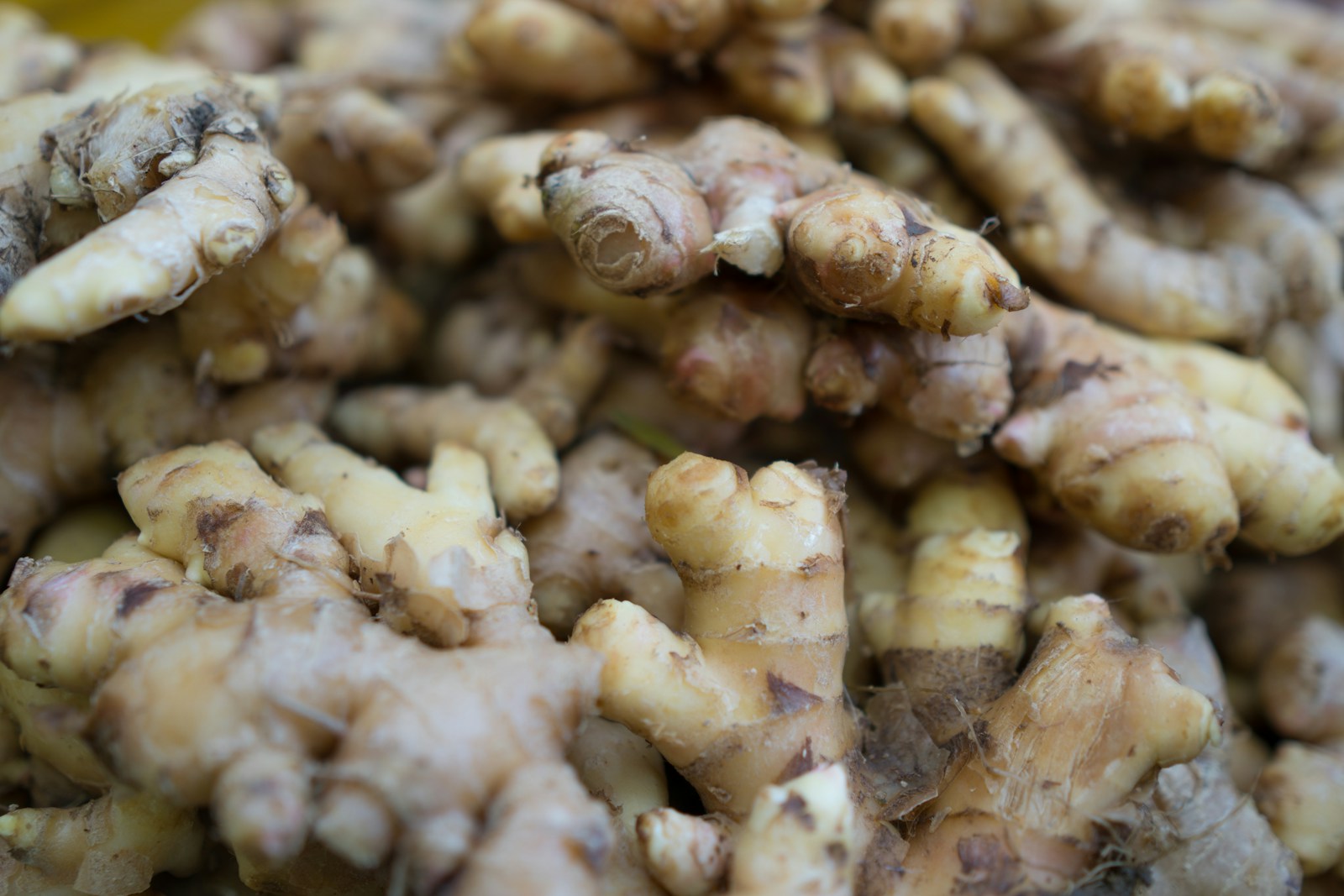
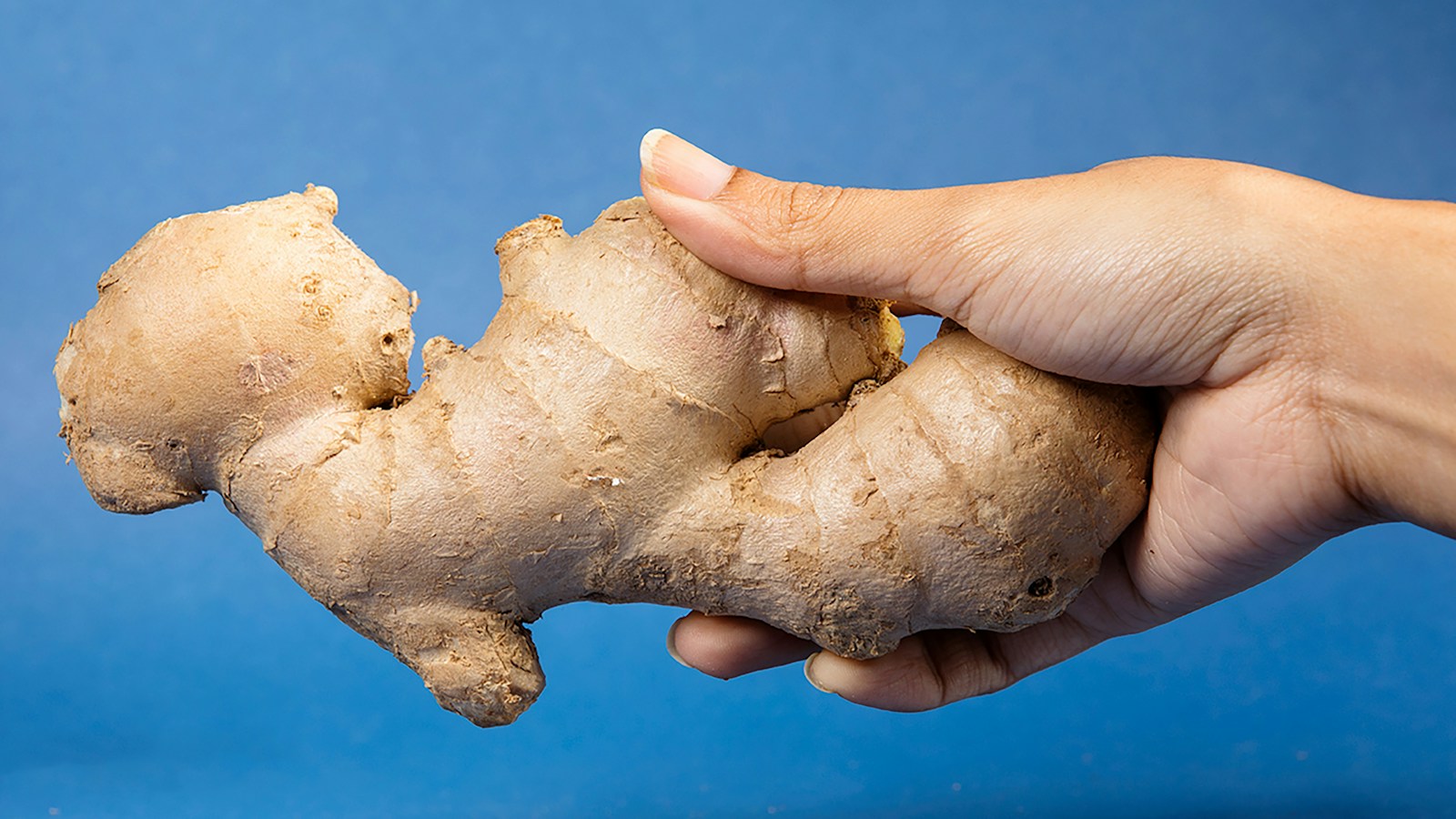
Baby ginger is ready about four to six months after sprouting. For most temperate growers this falls in early autumn, just before the first frost. The rhizomes are cream coloured with pink scales, and have thin skin and almost no fibre. You do not need to peel them. Baby ginger does not store for long. Keep it in the refrigerator for a couple of weeks, or freeze or pickle it.
Mature ginger needs eight to ten months of warm growth. The leaves yellow and die back, and the skin turns tan and tough. This stage is realistic outdoors only in zones 9 to 12, or where you can keep pots growing in a warm greenhouse. Mature rhizomes are hotter, more fibrous and keep far longer.
To harvest, tip the pot onto a tarp, or loosen bed soil with a fork set well away from the clump. Lift the whole plant by the base of the stems. Shake off the soil, cut the stems about 1 inch (2.5 cm) above the rhizome, and rinse.
Bring pots indoors before any frost. A single frost kills the tops and can turn the rhizomes to mush. To carry a plant over winter, let the leaves die back and keep the pot almost dry at around 55 to 60°F (13 to 16°C). Water again when warmth returns.
A note on history
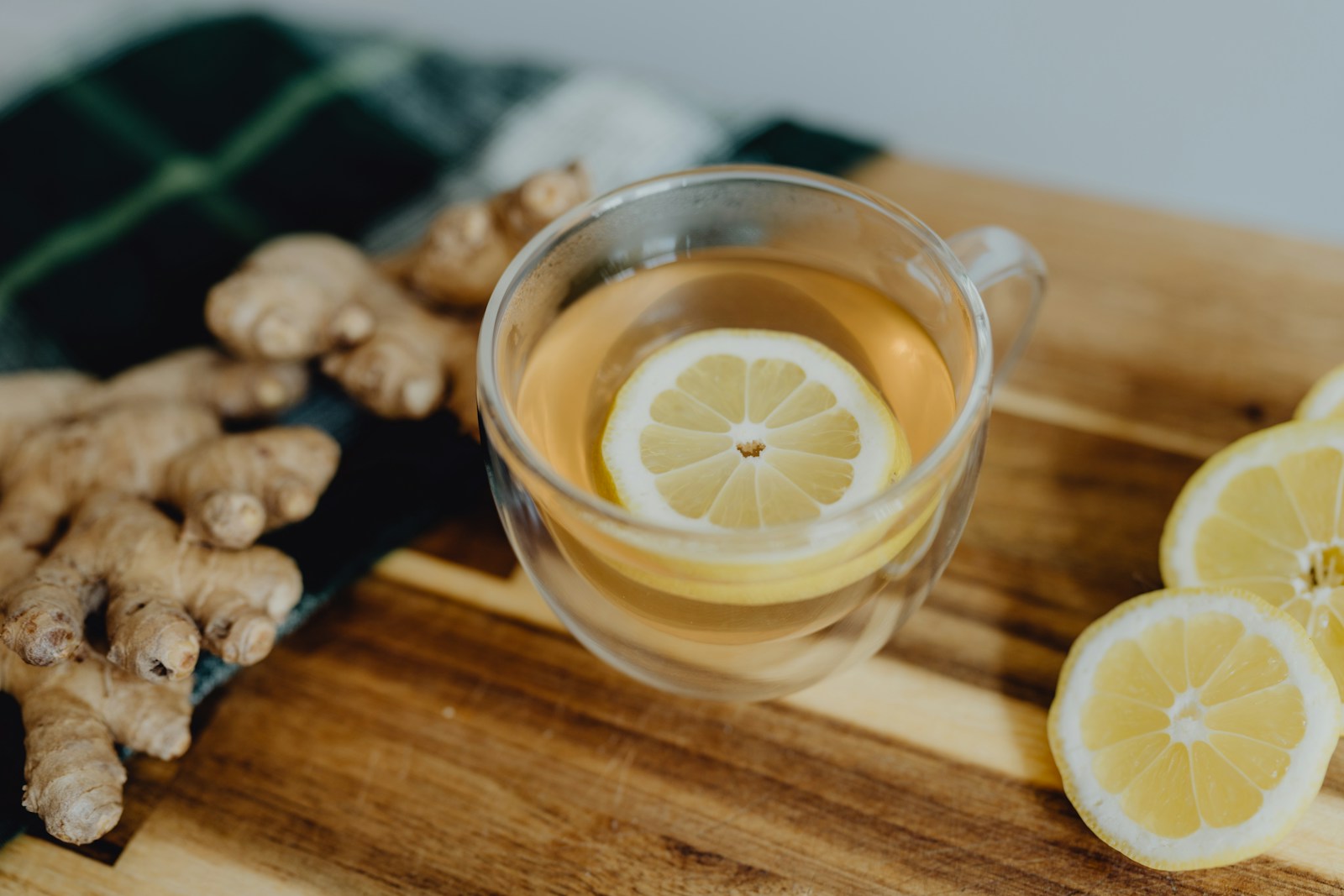
Ginger arrived in Appalachian kitchens as a dried, store-bought spice, not as a garden crop. Anthony Cavender's Folk Medicine in Southern Appalachia records that mountain families brewed hot ginger tea during measles, aiming to bring on a sweat. The same source notes ginger tea as the remedy most often mentioned for menstrual discomfort. These are reports of past practice only. Nothing in this article is medical advice.
Wild ginger is not ginger. The native woodland plant called wild ginger (Asarum canadense) is unrelated to true ginger. It contains aristolochic acid, which is harmful, so never use it as a substitute. Eat only rhizomes you know to be Zingiber officinale.
Problems and pests
Rhizomes rot before they sprout
The pieces turn soft, dark and sour smelling. The cause is cold, wet mix. Keep presprouting trays warm and only just damp. Start again with fresh, firm pieces and clean mix.
Yellow, wilting shoots on a wet pot
This usually means rhizome rot or bacterial wilt, both favoured by waterlogged soil. Check the drainage holes and water less. Discard badly affected plants and their potting mix.
Brown, crisp leaf tips and edges
Hot sun, dry air or a pot that dried out are the usual causes. Move the pot into afternoon shade and water more evenly.
Fine speckling and webbing on leaves
Spider mites attack ginger in hot, dry spots, especially indoors or under cover. Rinse the leaves, including the undersides, with a firm spray of water every few days.
Varieties worth growing
Few named ginger cultivars reach home gardeners. Most seed ginger is sold simply by colour or origin, so choose by type of planting stock:
- Yellow ginger, often sold as Chinese ginger: the common grocery type, with large, pale, milder rhizomes. It is the usual choice for baby ginger.
- Blue-ring ginger, often sold as Hawaiian blue-ring ginger: a cream rhizome with a blue-grey ring inside when mature. It is stronger in flavour.
- Certified seed ginger: disease-tested pieces from a specialist grower. This is the safest start if rot has been a problem.
- Organic grocery ginger: a cheap option that often sprouts well. Non-organic ginger is sometimes treated to slow sprouting, so soak it in water overnight before use.
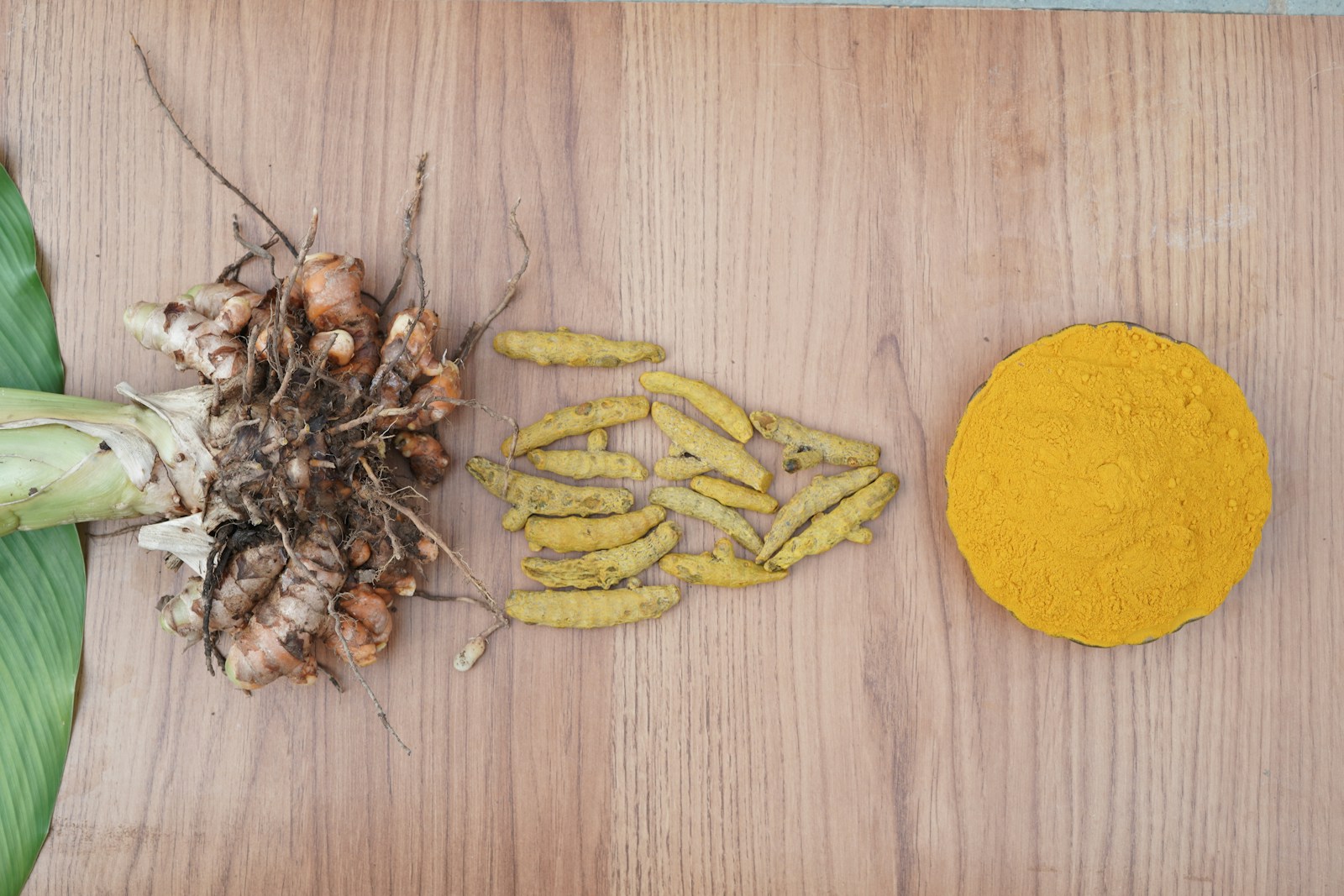
Related species, for interest: turmeric (Curcuma longa) grows by the same pot method and wants even more heat. Myoga, or Japanese ginger (Zingiber mioga), is grown for its edible flower buds and is far hardier, to about zone 7.