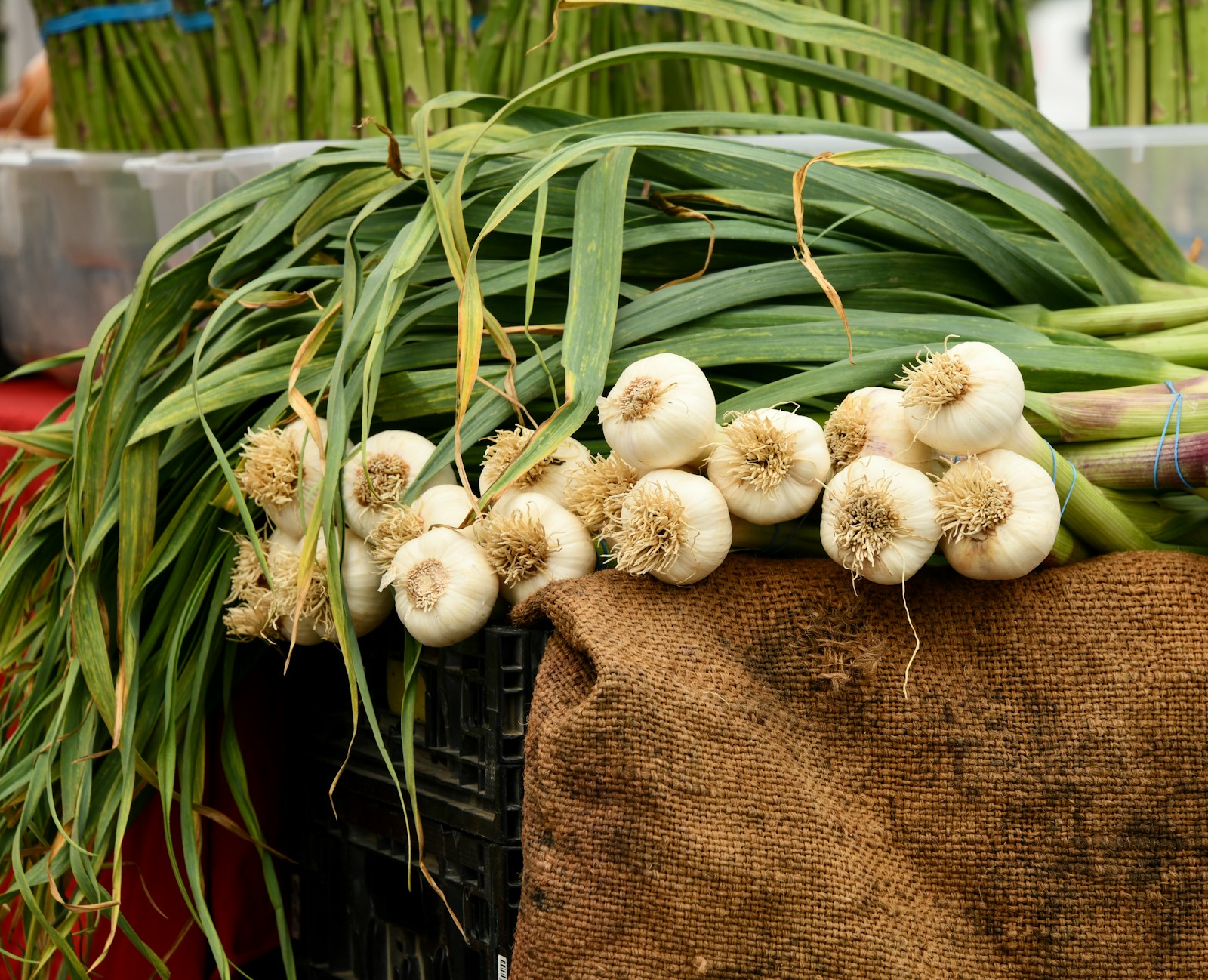
Garlic (Allium sativum) is a hardy bulb in the onion family, grown for its pungent cloves. It asks for little: one planting in fall, some weeding, and a long wait. Each clove you plant becomes a whole new bulb. It is one of the easiest crops for a beginner.
Garlic also has a long place in Appalachian kitchens and home remedies. Anthony Cavender's Folk Medicine in Southern Appalachia records that mountain families ate garlic and onions in spring to "thin" or cleanse the blood after winter. The bulb and its juice also went into household mixtures for colds, fevers and children's coughs. That is history, not medical advice. This profile covers garlic as a garden plant only.
There are two main types. Hardneck garlic sends up a stiff flower stalk and has fewer, larger cloves. It is the hardier type and suits cold winters. Softneck garlic has no stiff stalk, more cloves and a longer storage life. It does best where winters are mild.
Sowing and planting
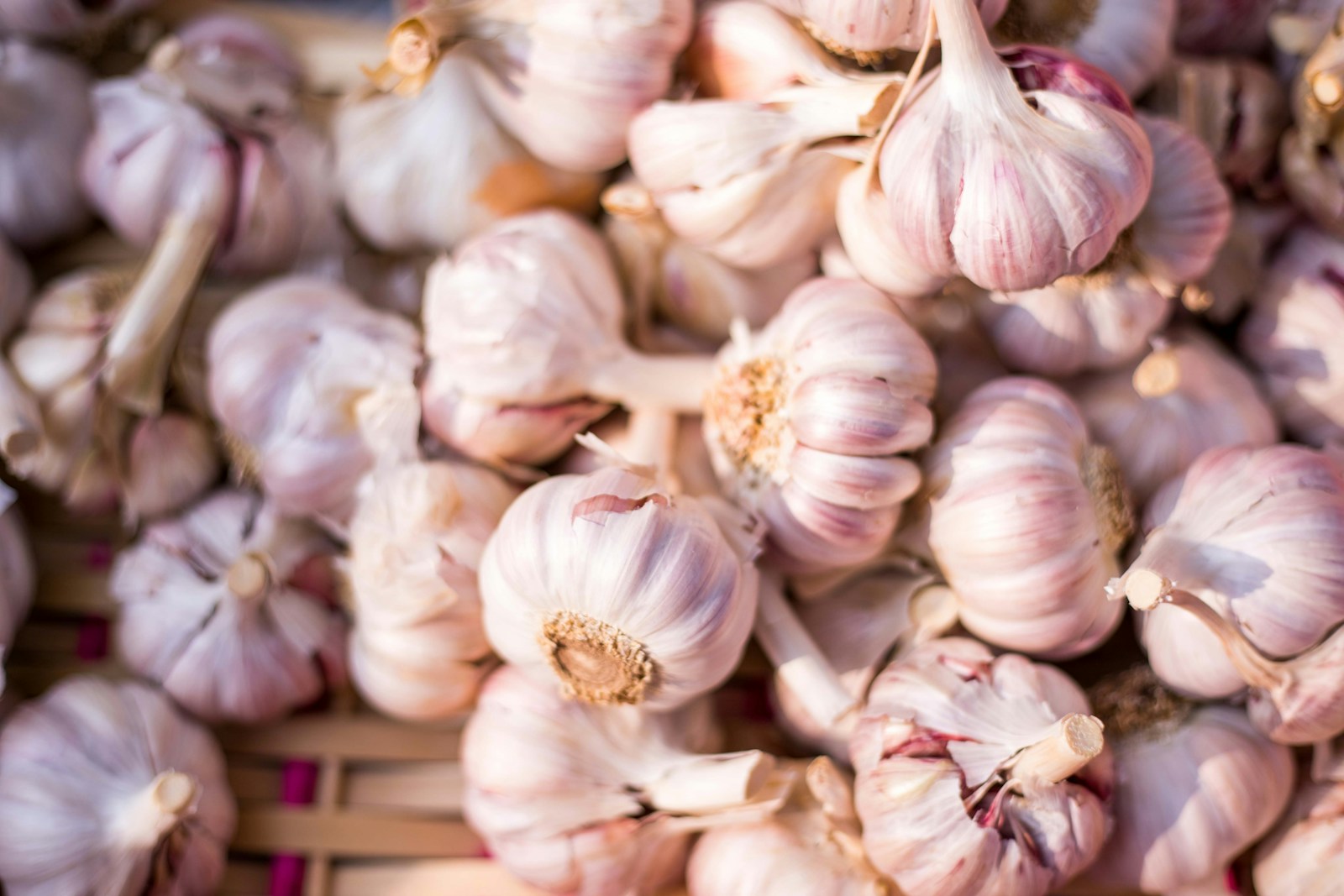
Garlic is grown from cloves, not seed. Plant in fall, about three to six weeks before your ground freezes. A good marker is the weeks just after your first fall frost. The cloves root before winter, rest through the cold, then grow fast in spring.
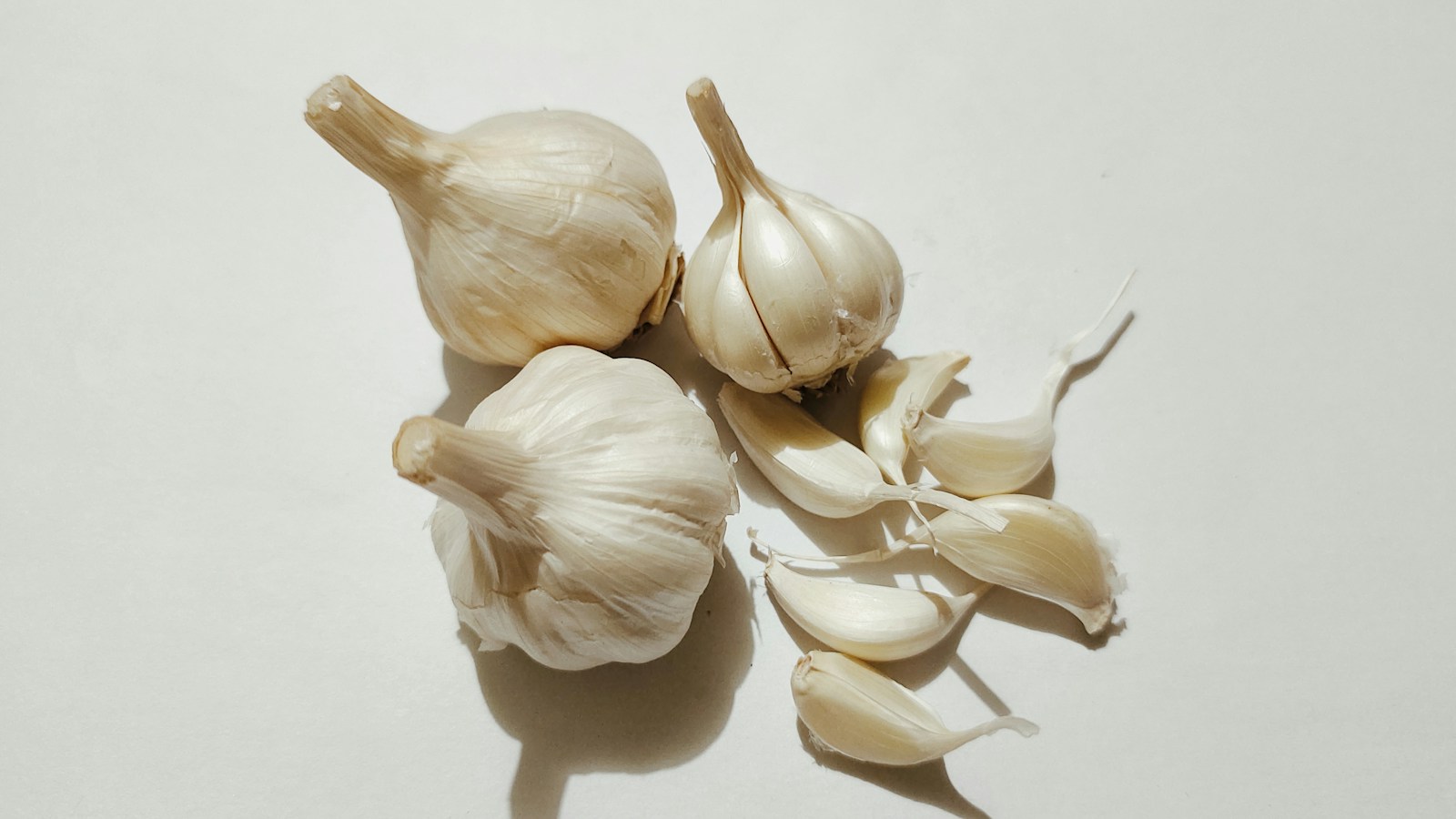
Most garlic needs a cold period to form a divided bulb. This chilling is called vernalization. In very mild climates, around zone 9 and warmer, choose softneck types. You can also chill the cloves in a refrigerator for several weeks before planting. Spring planting works in cold regions, but the bulbs are usually smaller.
Buy seed garlic, which means bulbs sold for planting. Grocery store garlic may be treated to stop sprouting. It may also be a variety unsuited to your climate.
Pick a sunny bed where no onions, leeks or garlic grew for the last three years. Work in a few inches of finished compost. Drainage matters most, because cloves rot in wet winter soil. A raised bed solves heavy clay.
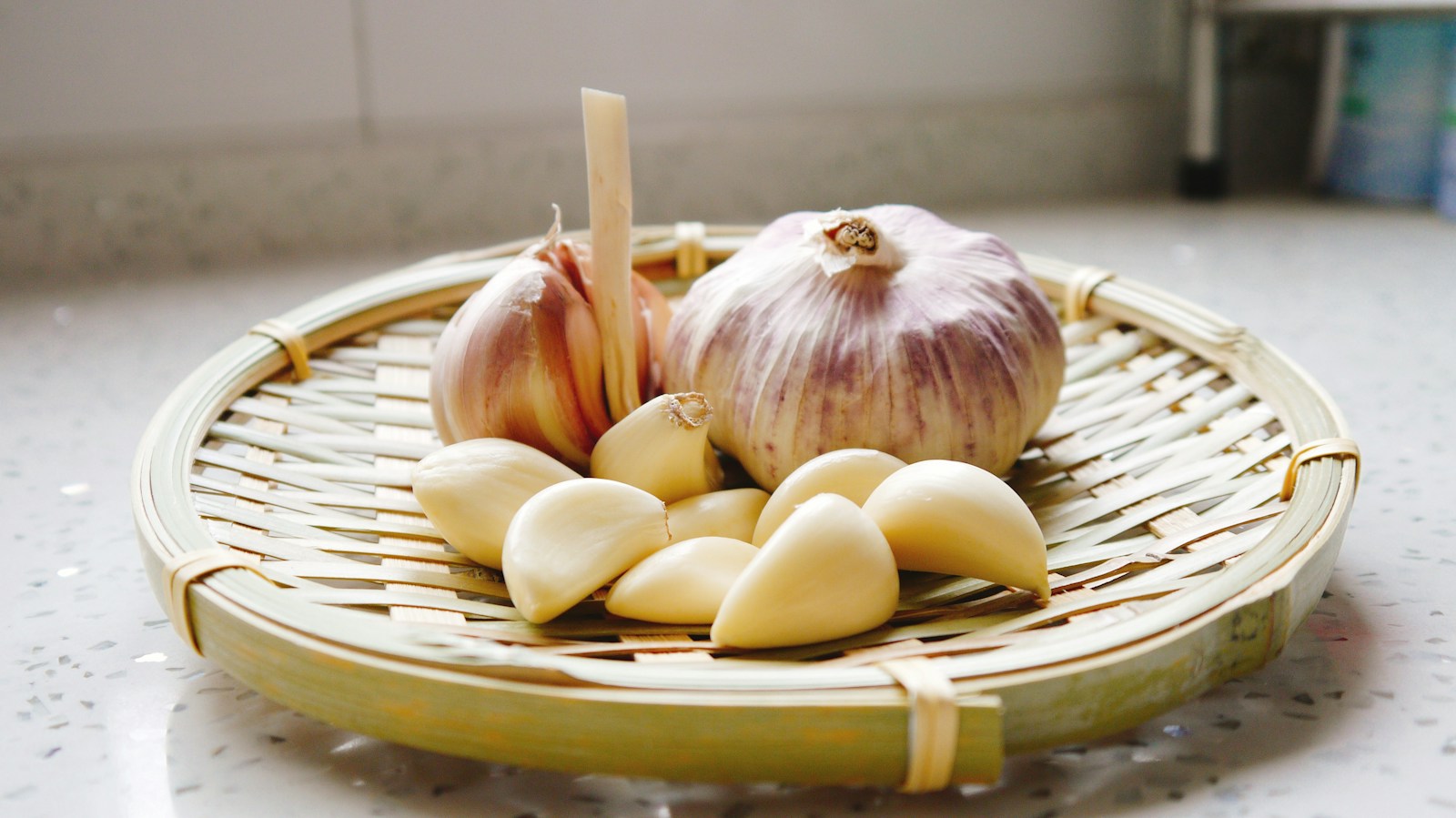
Split the bulb into cloves on planting day and leave the papery skins on. Plant the biggest cloves, since large cloves give large bulbs. Set each one pointed end up, 2 to 3 inches (5 to 8 cm) deep. Cover the bed with 3 to 6 inches (8 to 15 cm) of straw or shredded leaves in cold regions.
Garlic also grows in containers. Use a pot at least 8 inches (20 cm) deep with drainage holes. Keep the same spacing and protect the pot from hard freezes.
Growing on
Green shoots may show in fall or wait until early spring. Both are normal. In spring, pull mulch back slightly if shoots struggle to push through.
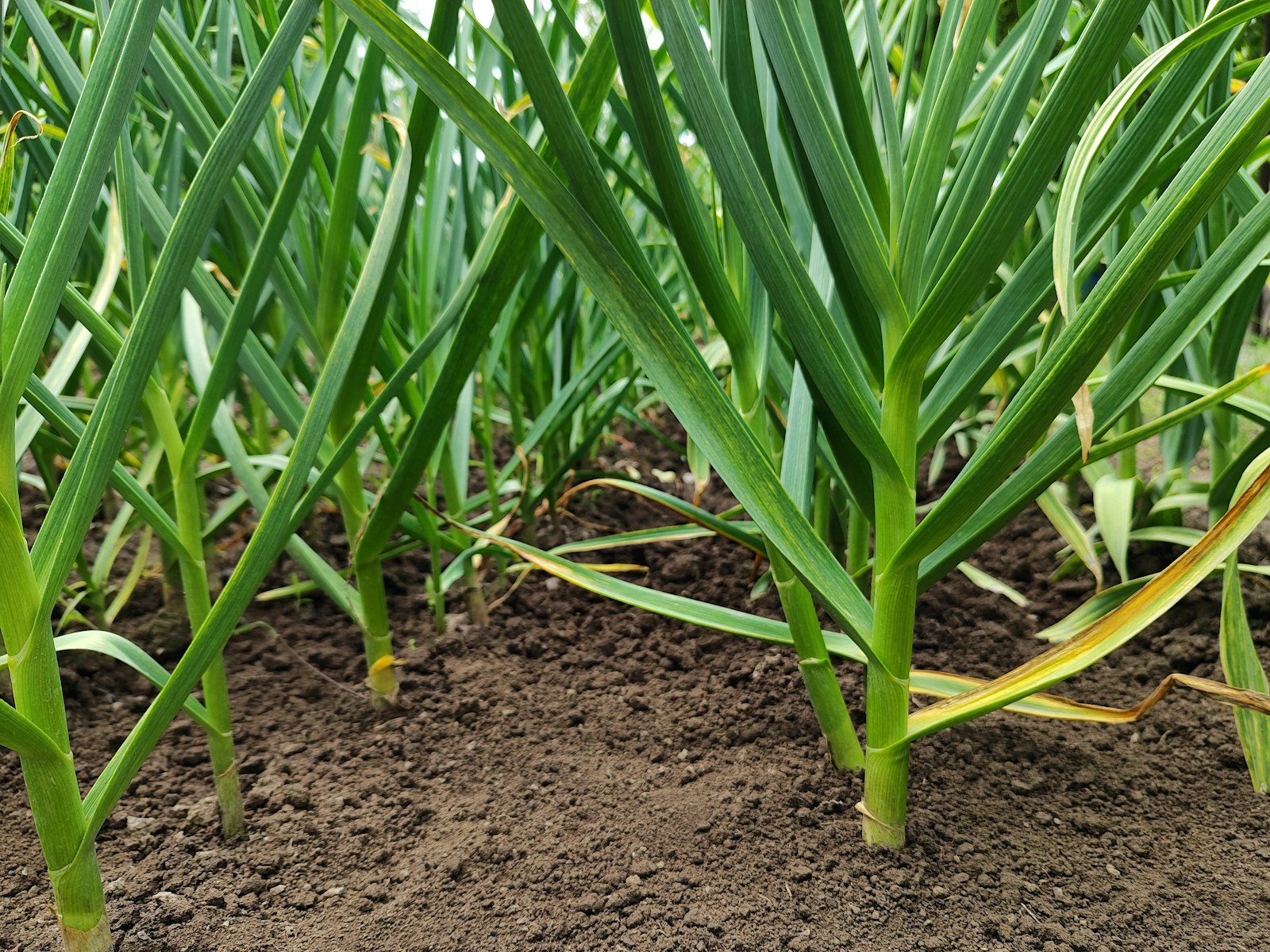
Watering. Give about 1 inch (2.5 cm) of water a week while leaves are growing. Steady moisture in spring builds bulb size. Stop watering two to three weeks before harvest so the wrappers dry.
Feeding. Garlic is a fairly heavy feeder. Side-dress (spread fertilizer beside the row) with a nitrogen-rich source such as composted manure or blood meal in early spring. Repeat once about a month later. Stop feeding when bulbs begin to swell, because late nitrogen grows leaves instead of bulbs.
Weeding. Garlic has thin, upright leaves that shade nothing. Weeds quickly take water and food from it. Hand weed or hoe shallowly, since the roots sit near the surface. Mulch does most of this work for you.
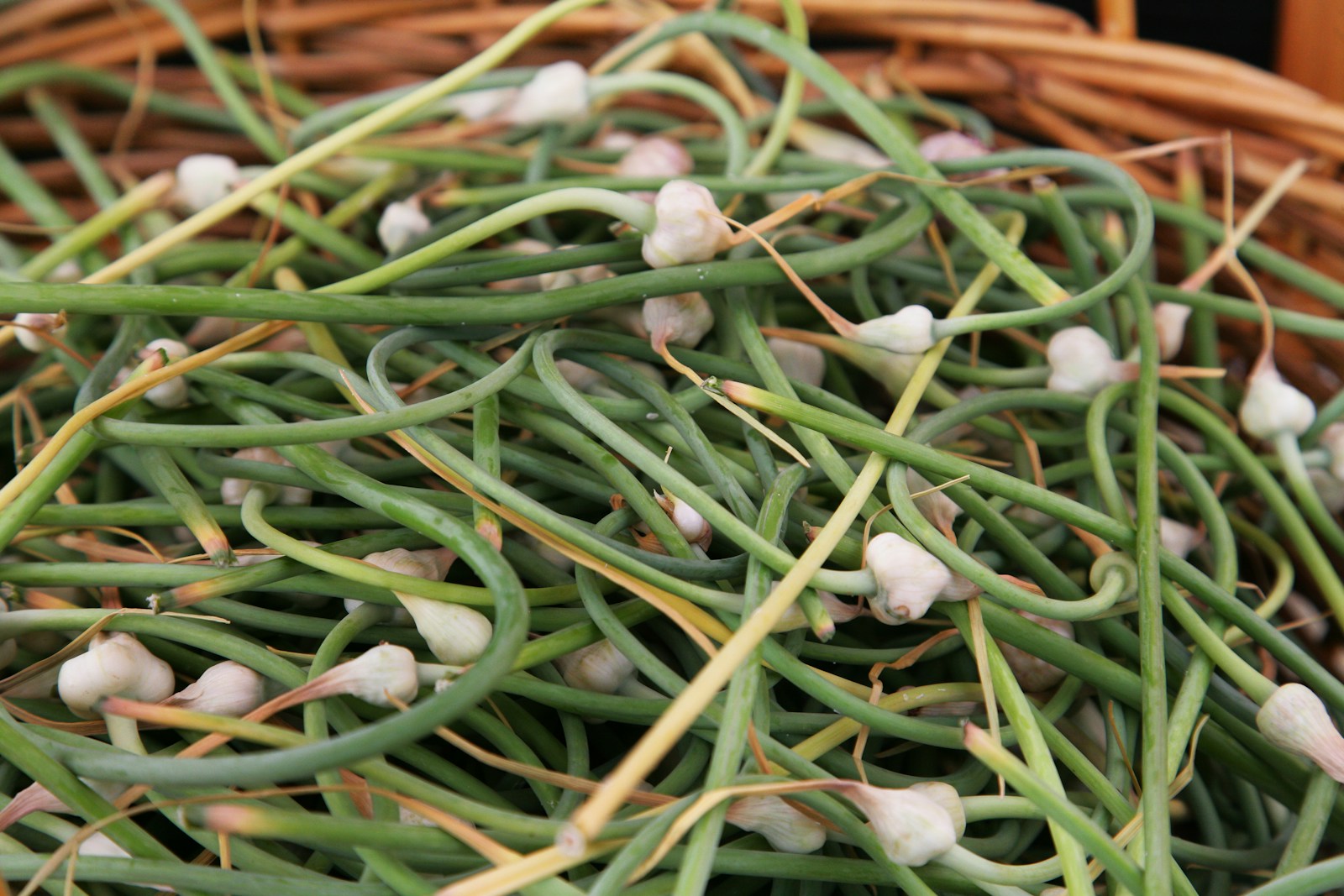
Scapes. In late spring, hardneck garlic sends up a curling flower stalk called a scape. Cut or snap it off once it forms a full curl. The plant then puts its energy into the bulb. Scapes are tender and taste like mild garlic, so they count as a first harvest. Softneck garlic rarely makes scapes.
Garlic needs no staking or pruning beyond this.
Harvesting
Garlic is ready in early to mid summer. Watch the leaves, not the calendar. Lift the crop when the lower third to half of the leaves have browned and five or six green leaves remain. Each green leaf is one wrapper layer around the bulb. Wait too long and the wrappers split, which shortens storage life.
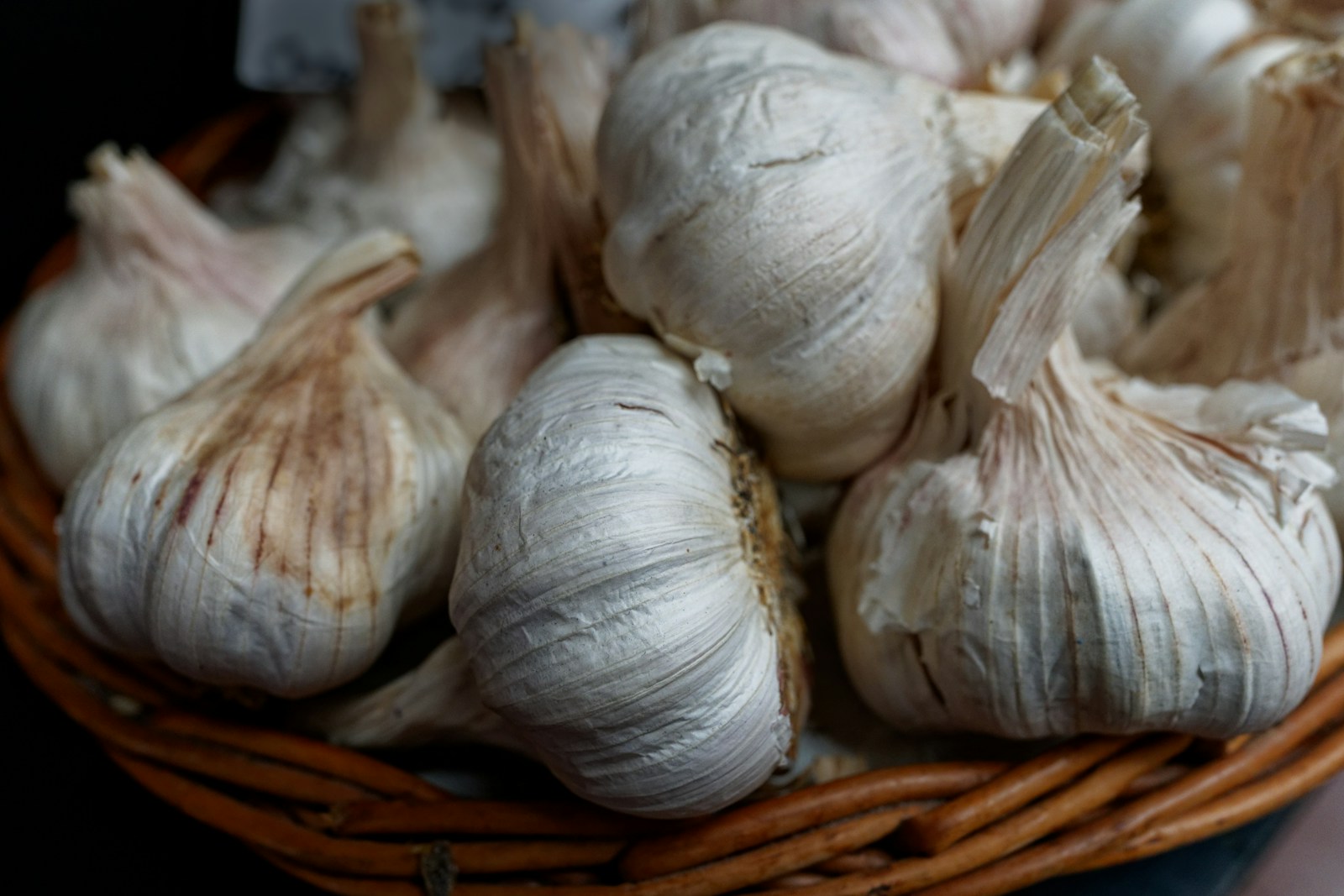
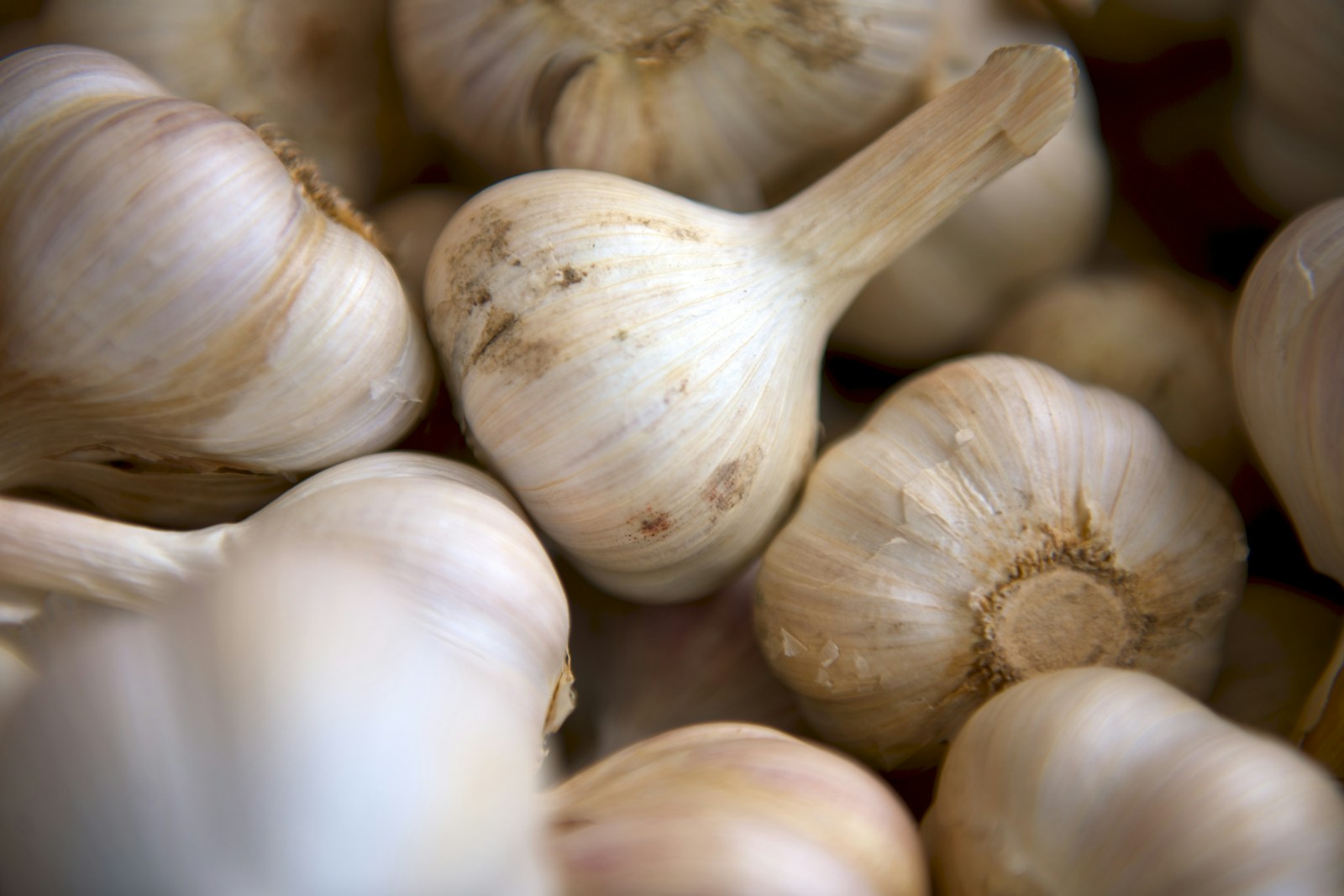
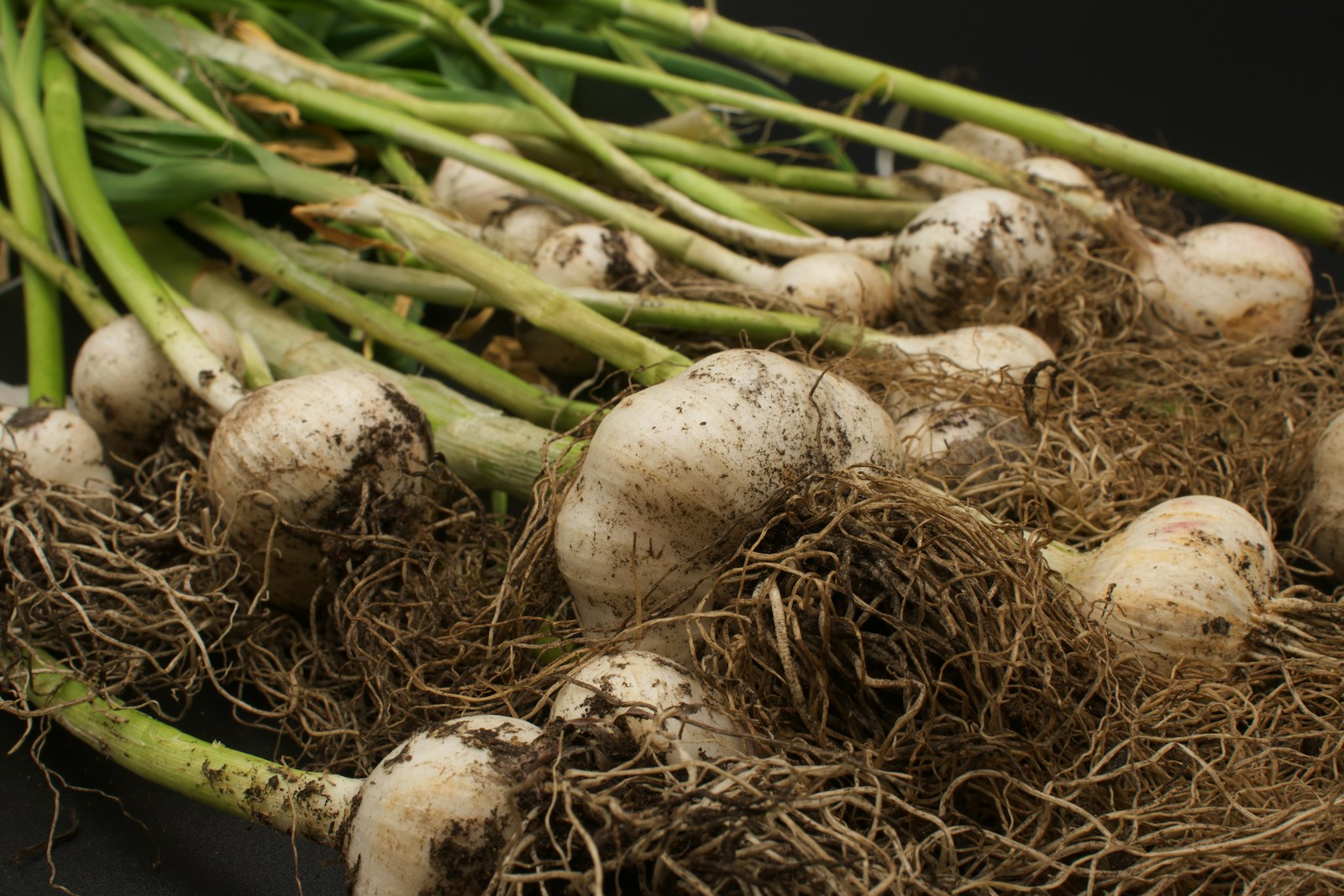
Test one bulb first. The cloves should fill the skins and feel firm and well defined.
Loosen the soil with a garden fork set well away from the row. Then lift each plant by hand. Do not yank plants by the stem, and do not knock bulbs together. Bruised garlic stores poorly. Brush off loose soil, but do not wash the bulbs.
Cure the plants whole for two to four weeks. Curing means drying them slowly in a shaded, airy place out of rain. Hang them in bunches or lay them on racks. When necks are dry and tight, trim the roots and cut the stems. Softneck stems can be braided instead.
Store bulbs somewhere cool, dry and dark with moving air. Hardnecks usually keep three to six months. Softnecks often keep six to nine. Save your largest bulbs to replant in fall.
Garlic, like all onion relatives, is toxic to dogs and cats. Keep pets away from stored bulbs, kitchen scraps and the garlic bed.
Problems and pests
Garlic has few troubles when drainage and crop rotation are good.
White fluffy mold at the base and yellowing, collapsing leaves
This is white rot, a soil fungus. Tiny black dots appear in the mold. There is no cure. Remove and trash affected plants, never compost them. Keep all onion relatives out of that soil for many years. Clean, certified seed garlic is the best prevention.
Orange or rust-colored spots on the leaves
This is garlic rust, a fungal disease that spreads in damp, crowded conditions. Light cases do little harm. Space plants well and water the soil, not the leaves. Remove badly spotted leaves and rotate the bed next year.
Soft, rotting cloves after planting or wilted plants in spring
Onion maggots or wet soil are the usual causes. The maggots are small white fly larvae that tunnel into the bulb. Improve drainage, rotate beds, and cover new plantings with insect netting in spring if maggots are common in your area.
Silvery streaks and flecks on the leaves
Thrips are tiny insects that rasp the leaf surface. They thrive in hot, dry weather. A firm spray of water knocks them back. Keep the bed weeded, since weeds shelter them.
Small bulbs
This is usually a care problem, not a pest. Common causes are late planting, small cloves, weeds, dry spring soil or scapes left on.
Varieties worth growing
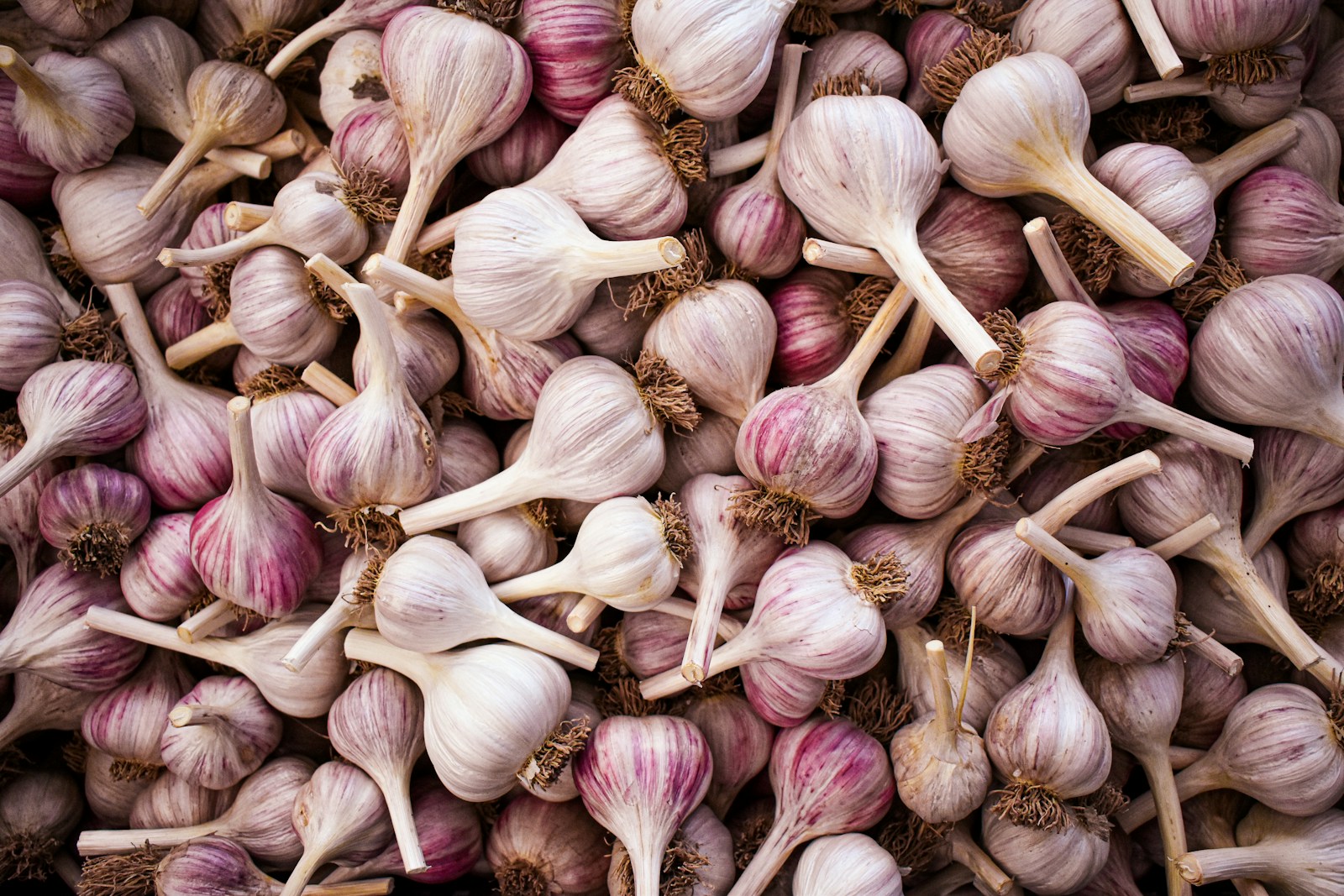
- Music is a porcelain hardneck with four to six very large cloves and strong cold hardiness.
- German Extra Hardy is a porcelain hardneck that handles severe winters and stores well for its type.
- Chesnok Red is a purple stripe hardneck known for keeping a sweet flavor when roasted.
- Spanish Roja is a rocambole hardneck prized for rich flavor, though it stores only a few months.
- Inchelium Red is a mild artichoke softneck that gives large bulbs and stores well.
Elephant garlic is sold beside true garlic but is a different species, Allium ampeloprasum, closer to a leek. It makes huge, mild cloves and is grown the same way.