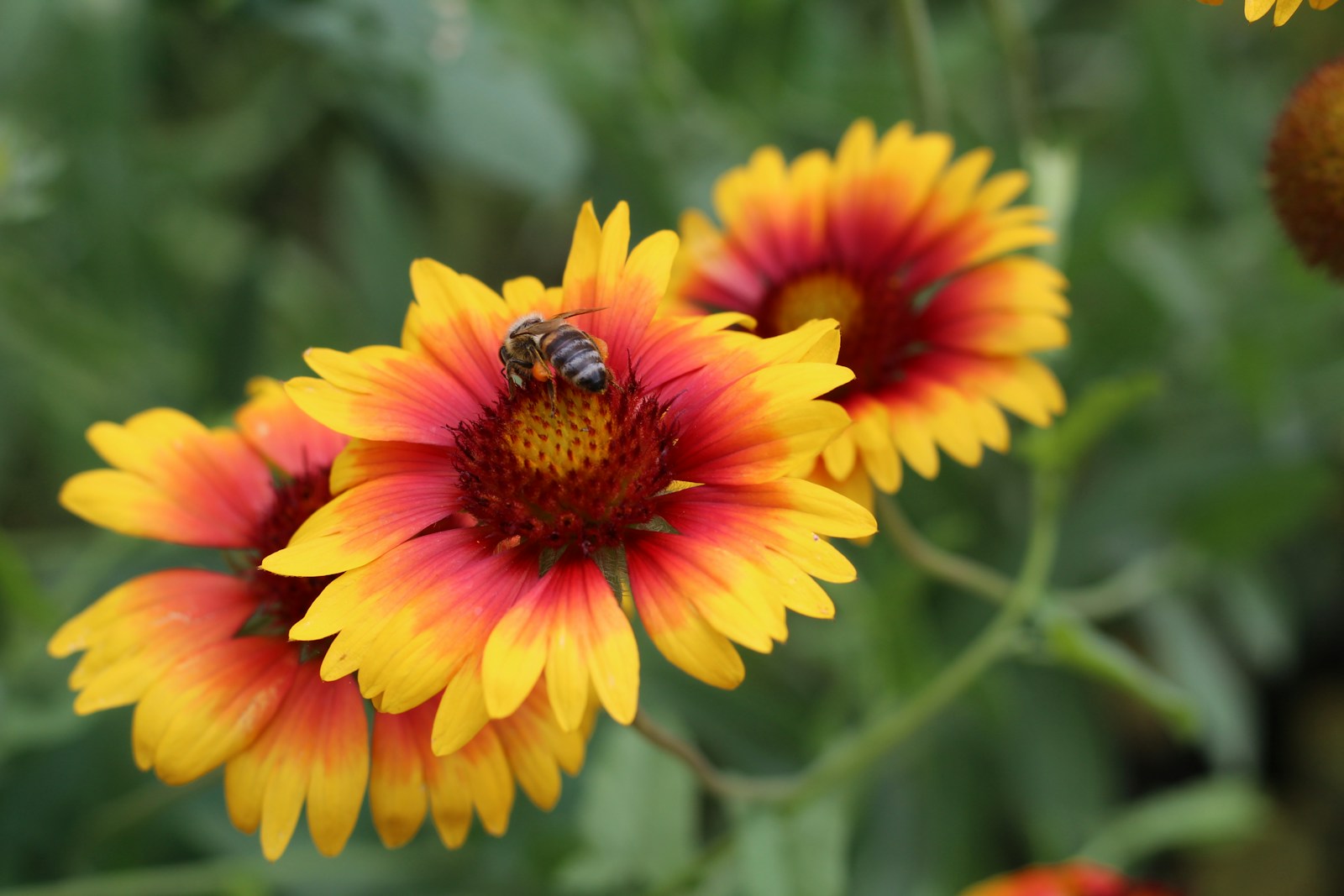
Gaillardia, or blanket flower, is a sun-loving daisy with petals in fiery red, orange and yellow, often banded like a woven blanket. It flowers for months, laughs at heat and drought, and feeds bees and butterflies. Most garden types are short-lived perennials that give their best for two to three years. Difficulty: easy, as long as the soil drains freely.
Sowing and planting
Sowing indoors. Sow 6 to 8 weeks before your last frost. Press the seed onto the surface of moist seed compost and do not cover it, because light helps it germinate. Keep the tray at 70 to 75°F (21 to 24°C) under a clear lid. Once seedlings appear, remove the lid and give them strong light to stop them getting leggy. Prick out (move each seedling to its own small pot) when it has two true leaves.
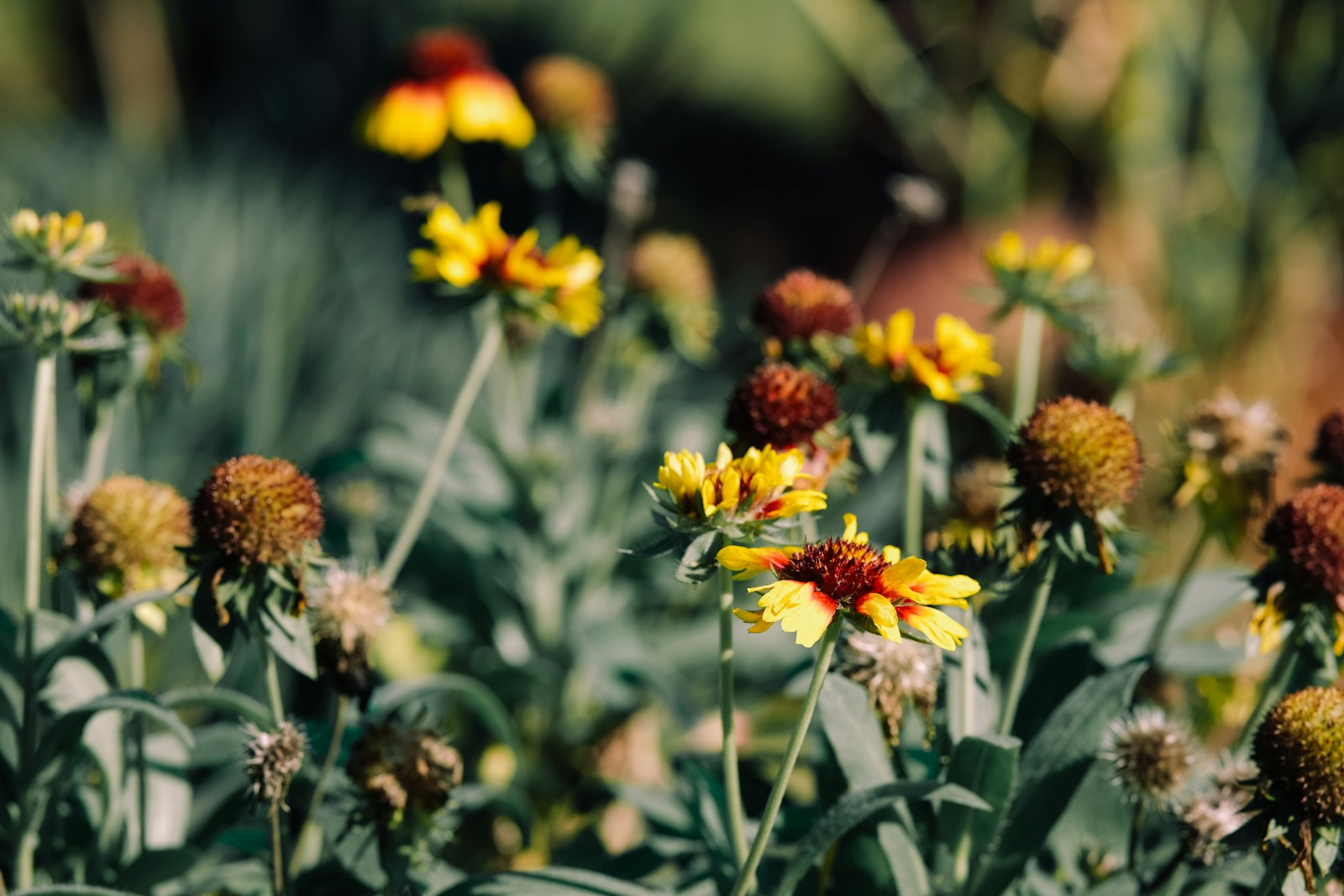
Sowing outdoors. Sow direct after your last frost, once the soil is at least 65°F (18°C). Scatter seed thinly on raked soil, press it in and keep the surface damp until seedlings appear. Thin them to 12 to 18 inches (30 to 45 cm) apart. In zones 7 and warmer, you can also sow perennial types outdoors in late summer to flower the following year.
Planting out. Harden off indoor seedlings first. This means getting them used to outdoor sun and wind over 7 to 10 days. Plant out after the last frost. Nursery plants can go in from spring to early autumn, as long as they have at least six weeks to settle before your first frost.
Set plants at the same depth they grew in the pot. Never bury the crown, the point where stems meet the roots.
Site and soil. Choose the hottest, sunniest spot you have. Gaillardia is at home in gravel gardens, dry banks, coastal gardens and hellstrips beside pavements. Do not add compost or manure to the planting hole. In heavy clay, plant on a raised bed or mound, or dig in plenty of grit. It also suits large pots filled with a free-draining mix.
Growing on
Warning: Rich, wet soil is the most common way gaillardia fails. In heavy or overwatered ground, plants flop, flower poorly and often rot over winter. Grow it lean and dry, and never plant it where water stands after rain.
Water new plants weekly for their first few weeks. After that, water only in long droughts. Container plants need water when the top inch (2.5 cm) of mix is dry. Wet soil around the crown over winter is the main cause of losses.
Do not feed plants in the ground. Fertiliser and rich soil give floppy stems and fewer flowers. Pot-grown plants can have a light, balanced liquid feed once a month in summer.
Mulch with gravel, not bark or compost. Gravel keeps the crown dry and holds in heat.
Staking. Compact varieties stand on their own. Taller types can sprawl in wind or rich soil. Surround them with a few twiggy sticks early in the season, or grow them among sturdy neighbours.
Deadheading. Snip off faded flowers, with their stems, back to a leaf. This keeps the plants blooming until frost. The seed heads are round and spiky, and some gardeners leave the last flush for finches and winter interest.
Helping perennials last. Perennial gaillardia is short-lived, usually two to three years. To encourage it to return, stop deadheading or cut the plants back by about half in late summer. This pushes the plant to form new leafy growth at the base before winter. Leave the rest standing until spring in cold zones.
Dividing. Divide clumps every 2 to 3 years in spring to renew them. Lift the plant, discard the woody centre and replant the young outer pieces. Gaillardia also spreads by root, and short root cuttings taken in late winter will grow new plants.
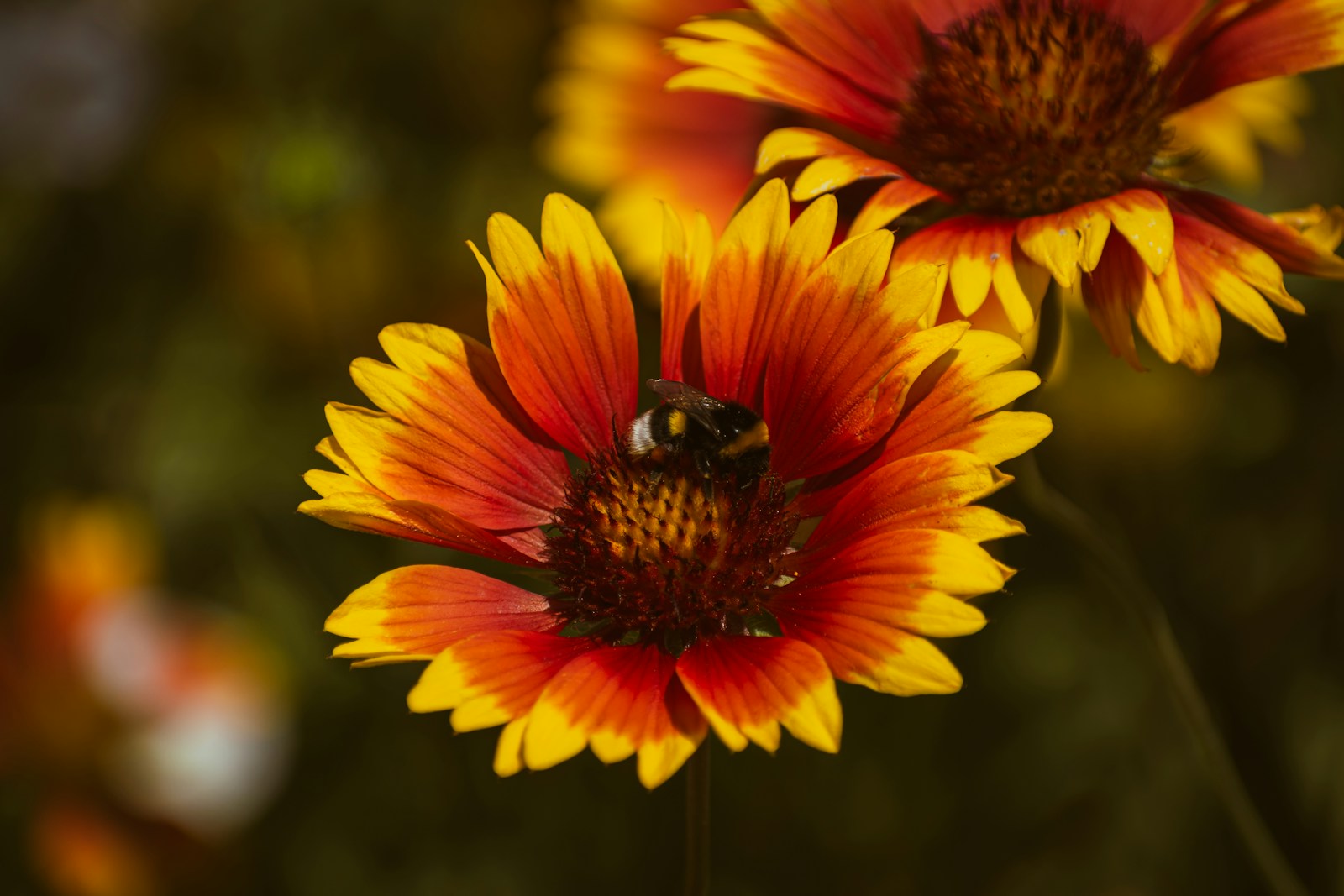
Pollinators. The open daisies are rich in nectar and pollen. Bees, butterflies and hoverflies visit all summer.
Companions. Grow it with other dry-soil plants, such as coneflower, yarrow, salvia and ornamental grasses.
Harvesting
Cut stems for the vase when the flowers are fully open but the centres are still tight. Cut in the cool of the morning with clean, sharp snips. Strip the lower leaves and stand the stems in cool water for a few hours before arranging. Change the water every 2 days. Gaillardia commonly lasts 5 to 7 days in a vase. Regular cutting also works as deadheading and keeps new buds coming.
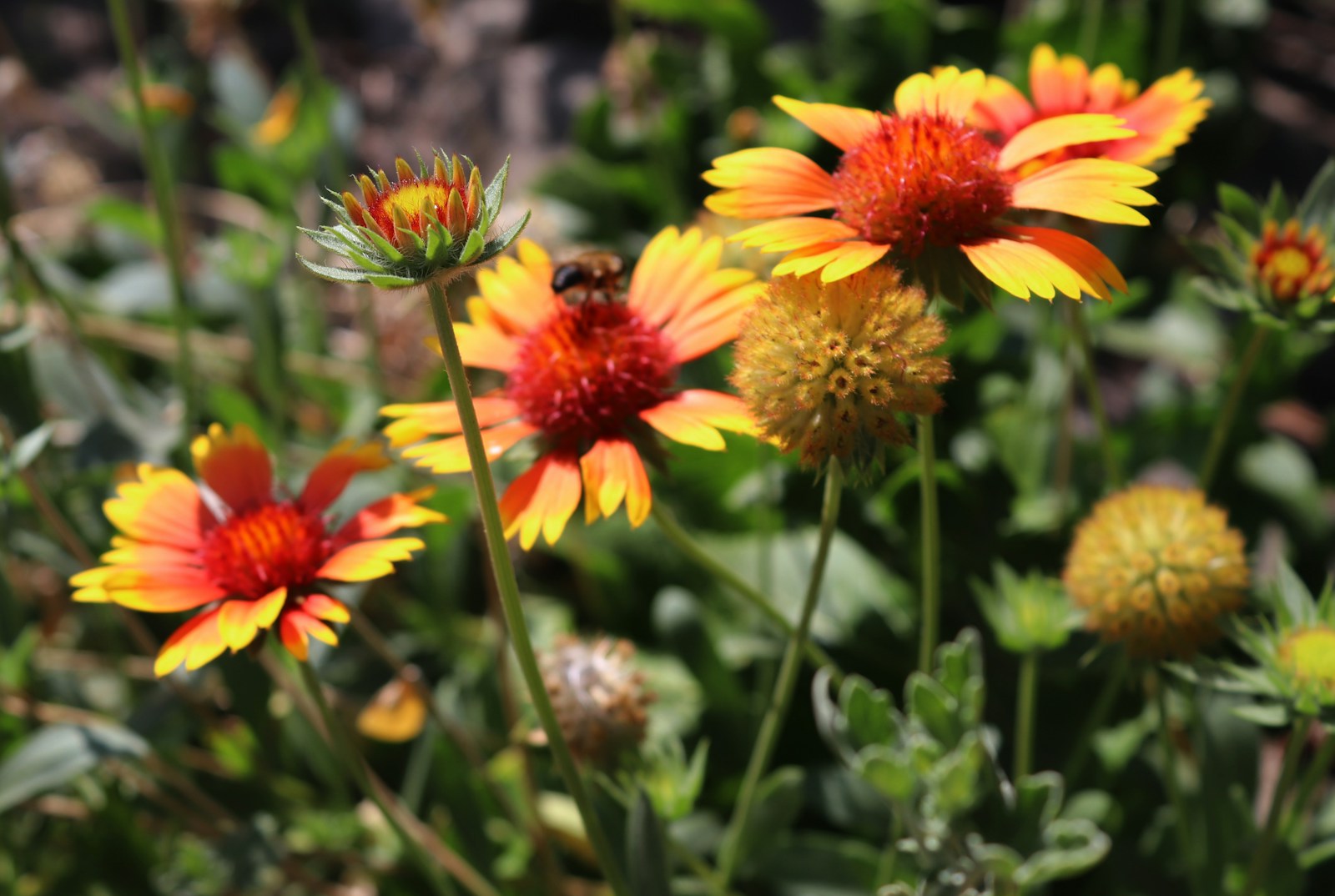
Saving seed. Leave a few flower heads to ripen on the plant. They form a round, bristly ball that turns brown and dry. Pick the heads on a dry day and rub them apart over a paper bag. The seeds are wedge-shaped, with a tuft of bristles. Store them in a labelled envelope in a cool, dry place. Seed from hybrid and named varieties often varies from the parent. Self-sown seedlings are common in gravel and are easy to move while small.
Problems and pests
Plants collapse and rot at the base
This is crown or root rot, caused by heavy, wet soil. Remove affected plants. Replant in gritty, raised soil, and water less.
White powder on the leaves
This is powdery mildew, a fungal disease that thrives in crowded, humid conditions and on dry roots. Space plants for airflow and water at the base, not over the leaves. Remove the worst leaves and bin them.
Flowers stay green, twisted or stunted
This is aster yellows, a disease spread by leafhoppers (small, wedge-shaped jumping insects). There is no cure. Pull out and bin affected plants at once, so the disease does not spread. Keep nearby weeds down, since they can host it.
Sticky, curled shoot tips
Aphids, small sap-sucking insects, cluster on new growth. Rub them off or knock them away with a strong jet of water. Ladybirds and lacewings usually keep them in check.
Seedlings chewed overnight
Slugs and snails graze young plants in damp weather. Check at dusk with a torch and remove them by hand. A gravel mulch helps deter them.
Varieties worth growing
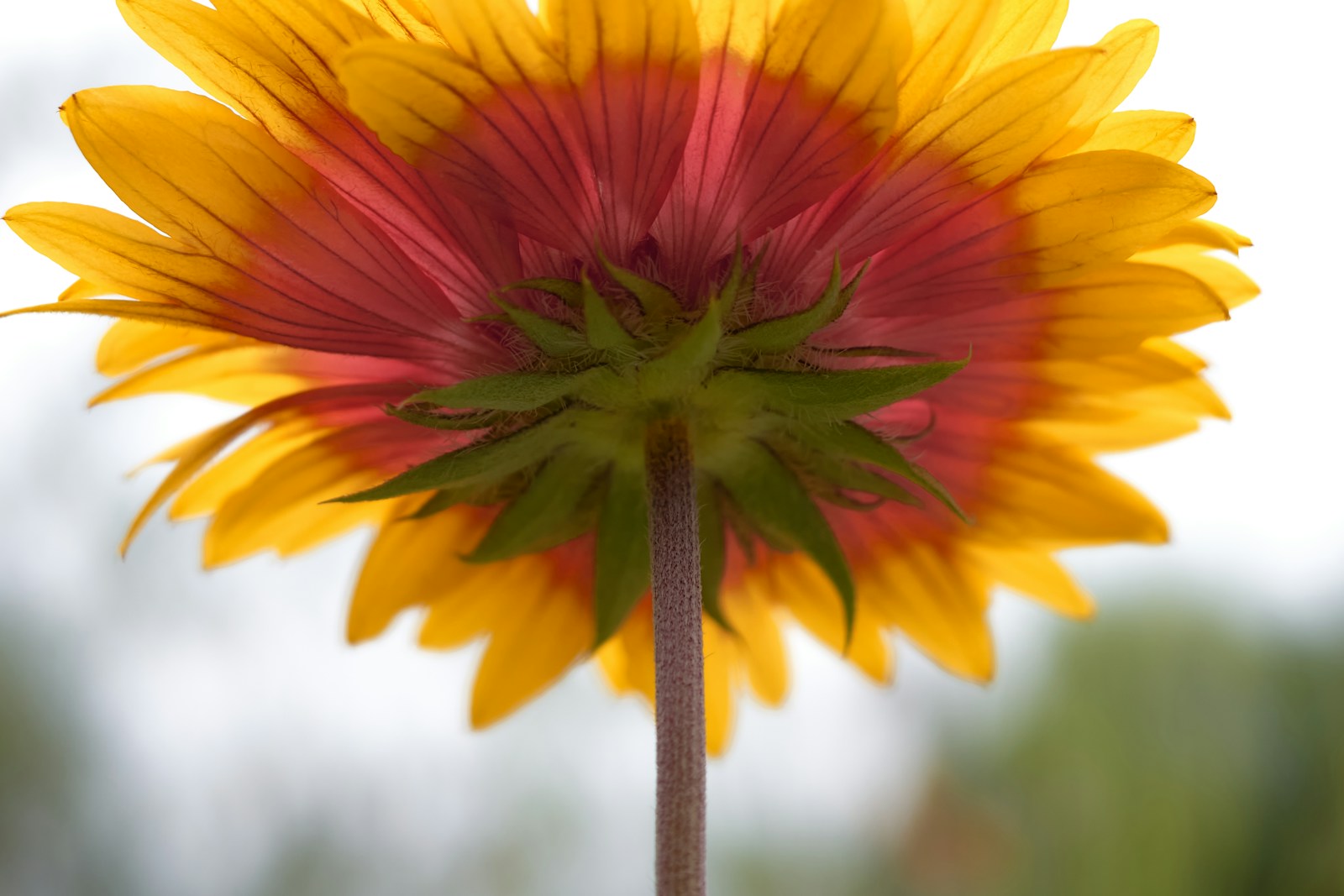
Perennial types
- 'Arizona Sun': compact plant with large red flowers edged in yellow; flowers in its first year from seed.
- 'Goblin' (also sold as 'Kobold'): dwarf, bushy plant with red and yellow flowers, ideal for edging.
- 'Burgundy': taller plant with deep wine-red flowers, good for cutting.
- 'Mesa Yellow': compact, uniform plant with clear yellow flowers.
- 'Fanfare': unusual fluted, trumpet-shaped petals in red and yellow.
Annual types
- 'Red Plume' (Gaillardia pulchella): double, pompom-like flowers in brick red on a compact plant.