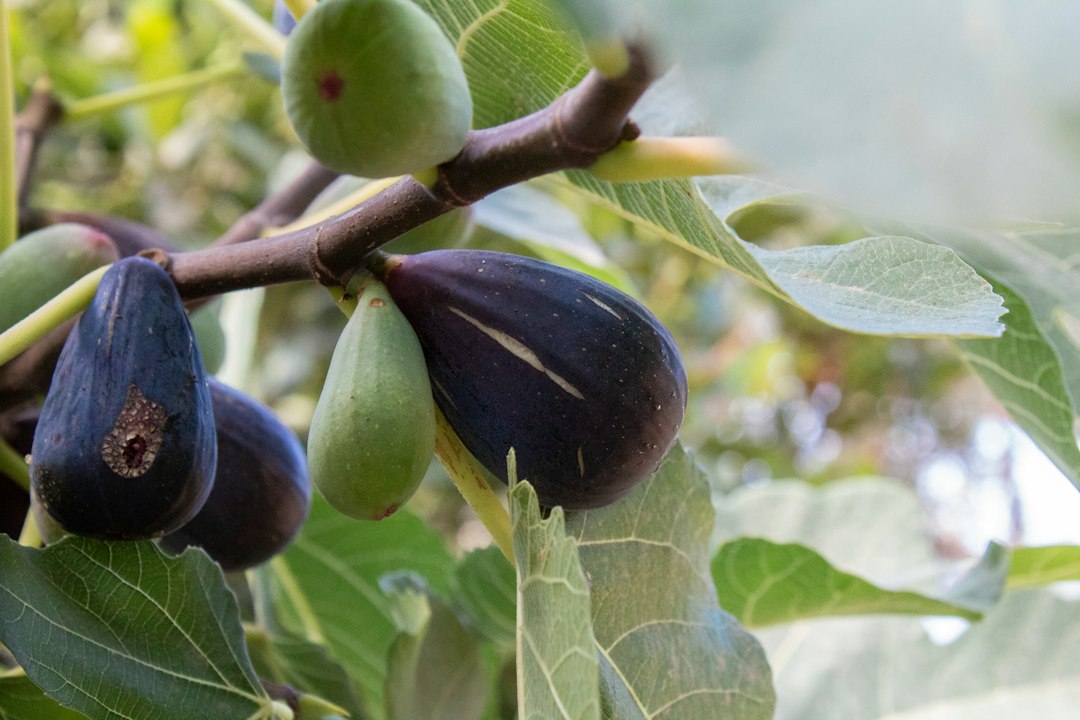
The fig (Ficus carica) is a perennial shrub or small tree grown for its sweet, teardrop-shaped fruit and its large, deeply lobed leaves. It is an easy plant for beginners: it tolerates poor soil, needs little feeding, and usually bears fruit within one to two years of planting. In zone 6b, though, hardy varieties die back to the ground over winter and regrow from the roots each spring. That means you are growing a shrub-sized plant that fruits on new wood every year, not the tall, permanent tree you might picture from warmer climates. Mulching the root zone heavily each fall is the single most important task for keeping a fig alive through a Kentucky winter.
Sowing and planting
You don't grow named fig varieties from seed, since seedlings don't come true to the parent plant. Instead, start with a potted fig or a rooted cutting from a nursery, bought in spring once the risk of hard frost has passed. Choose a full-sun spot with well-drained soil; a sheltered position against a warm, south-facing wall helps a great deal in zone 6b, since the wall holds heat overnight and cuts wind exposure during the plant's first winters.
Dig a hole as deep as the root ball and about twice as wide, and set the fig at the same depth it sat in its pot. Space plants about 120 inches (300 cm) apart, since even a die-back fig sends out a wide flush of new growth each summer. Water in thoroughly after planting. If you garden in a container, use a large pot (at least 15 gallons / 55 liters) with drainage holes, since containers give you the option of moving the plant somewhere more sheltered for winter.
Growing on
Water deeply once a week during the growing season, more often in extended dry spells, and let the top few inches of soil dry out between waterings. Figs tolerate some drought once established but drop fruit if they go from very dry to suddenly wet. Feed lightly in spring with a balanced fertilizer; too much nitrogen pushes leafy growth at the expense of fruit. Established figs rarely need staking, and the only pruning most zone 6b growers do is removing dead wood in spring once new shoots show where the plant is still alive.
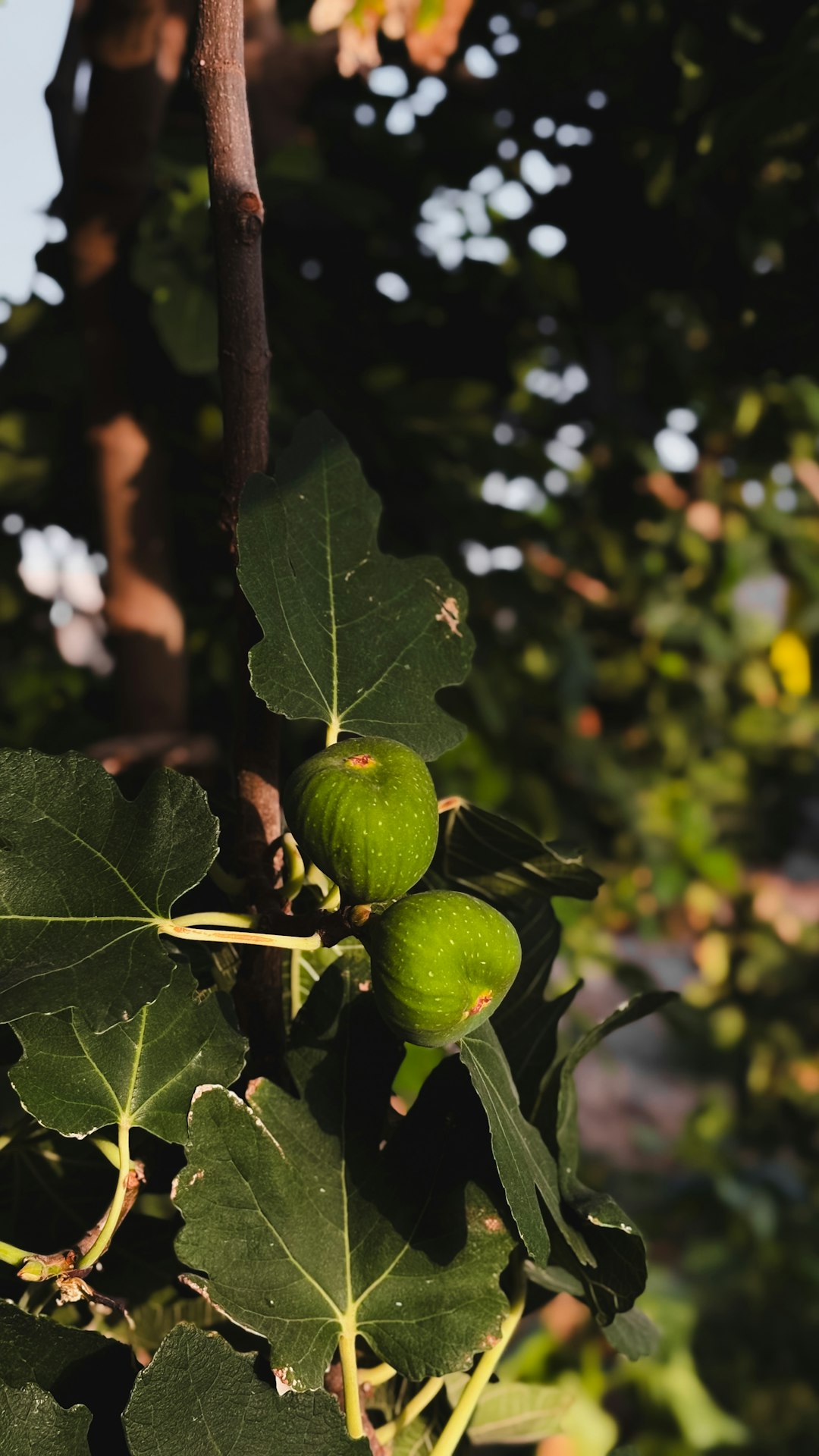
Winter protection is the task that decides whether your fig survives. Once the leaves drop in fall, pile mulch 12 to 18 inches (30 to 45 cm) deep over the root zone, extending out to the plant's drip line. Straw, shredded leaves, or wood chips all work. This heavy mulch insulates the roots so that even if the top growth dies back completely, the plant resprouts from below ground in spring. If you grow your fig in a container, move the pot into an unheated garage or shed for winter, or bury the whole pot in a trench and mound mulch over it, then dig it out again once hard frosts have passed.
Harvesting
Figs don't ripen any further once picked, so timing the harvest matters more than with many fruits. A ripe fig softens slightly and develops a gentle droop in its neck, where the fruit bends toward the ground instead of standing upright. The skin also changes color, deepening to its variety's mature shade, whether that's a rich purple-brown or a golden green. Gently cup the fruit in your hand and twist; a ripe fig separates easily from the branch, while one that resists is better left a few more days.
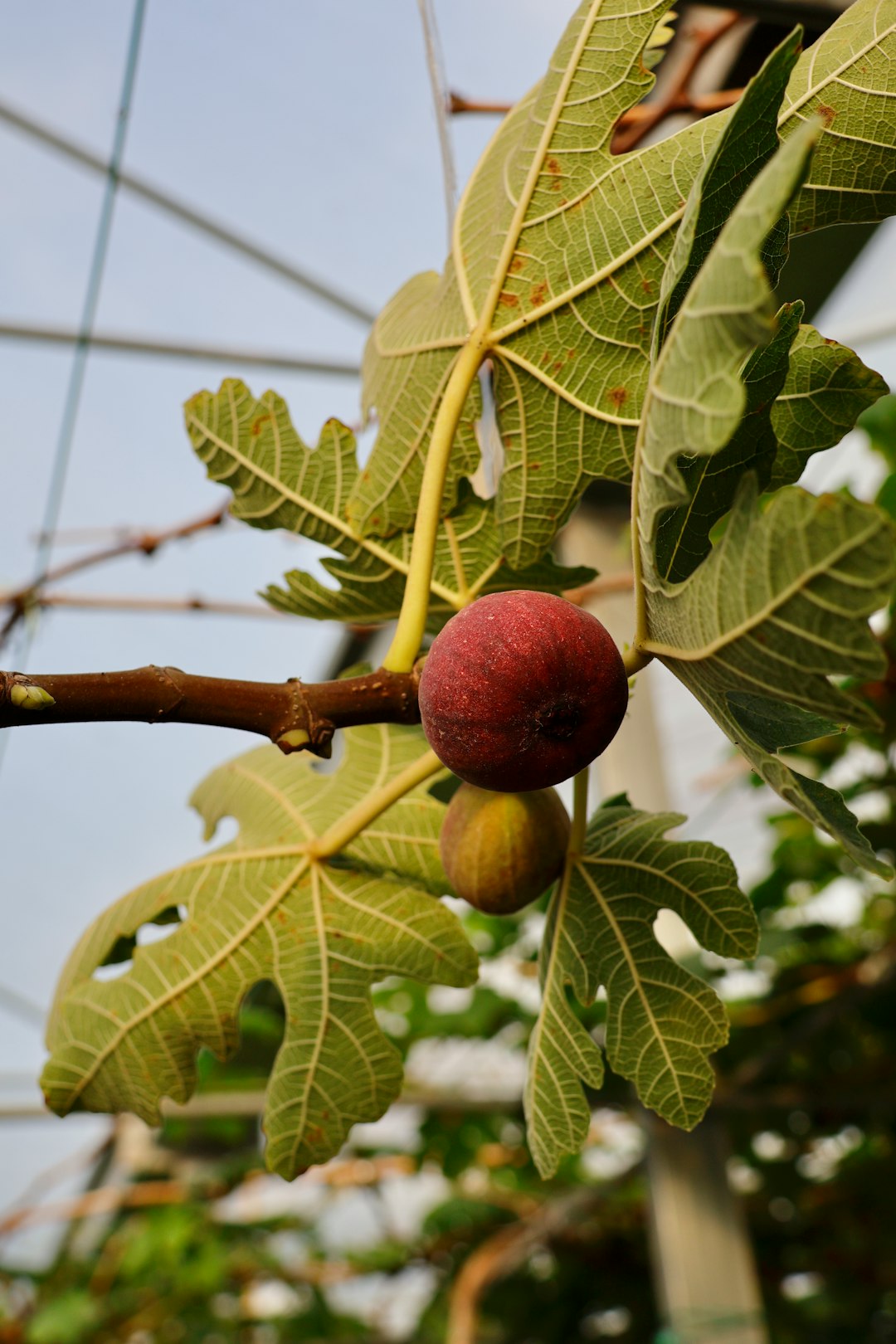
Pick in the cool part of the day and handle the fruit carefully, since ripe figs bruise easily and don't store for long once off the plant. The milky sap in the stems and leaves can irritate skin for some people, so wear gloves or long sleeves if you're sensitive, and wash any sap off your skin promptly.
Problems and pests
Dieback after a cold winter
In zone 6b, stems routinely die back to the soil line over winter, especially on young plants or in a winter with little snow cover. This is expected for hardy types and not usually fatal. Keep the root zone heavily mulched each fall, and in spring, wait until new shoots appear before pruning away the dead wood above them.
Birds eating the ripe fruit
Birds are drawn to ripening figs and can strip a tree in days. Netting draped over the plant as fruit begins to color is the most reliable protection; secure it at the base so birds can't get underneath.
Fig rust
Fig rust shows as yellow-orange spots on the upper leaf surface with rusty powdery patches underneath, usually appearing in late summer in humid conditions. Affected leaves drop early. Remove and dispose of fallen leaves rather than composting them, improve air circulation by thinning crowded growth, and avoid overhead watering that keeps foliage wet.
Splitting fruit
Fruit splits open when heavy rain or watering follows a dry spell, as the fruit absorbs water faster than the skin can stretch. Keep watering consistent rather than letting the soil swing from very dry to very wet, especially as fruit nears ripeness.
Root knot nematodes
In warmer growing zones, root knot nematodes can stunt growth and cause wilting despite adequate water. There's no easy cure once established; growing figs in large containers with fresh potting mix avoids the problem for gardeners in affected areas.
Varieties worth growing
- Chicago Hardy (also sold as Hardy Chicago) is the variety most often recommended for cold climates like zone 6b, since it reliably regrows from the roots after a hard winter and still fruits the same season.
- Brown Turkey is a widely available, reliably productive variety with brownish-purple fruit, grown successfully as a die-back shrub in cooler zones.
- Celeste produces smaller, sweet, light brown figs and has a reputation for good cold tolerance among fig growers in the upper South.
- Violette de Bordeaux is a compact variety with deep purple, richly flavored fruit, popular for container growing where it can be moved for winter protection.
- Petite Negri is a small, naturally dwarf variety well suited to container culture, making winter relocation easier for gardeners without a sheltered wall.