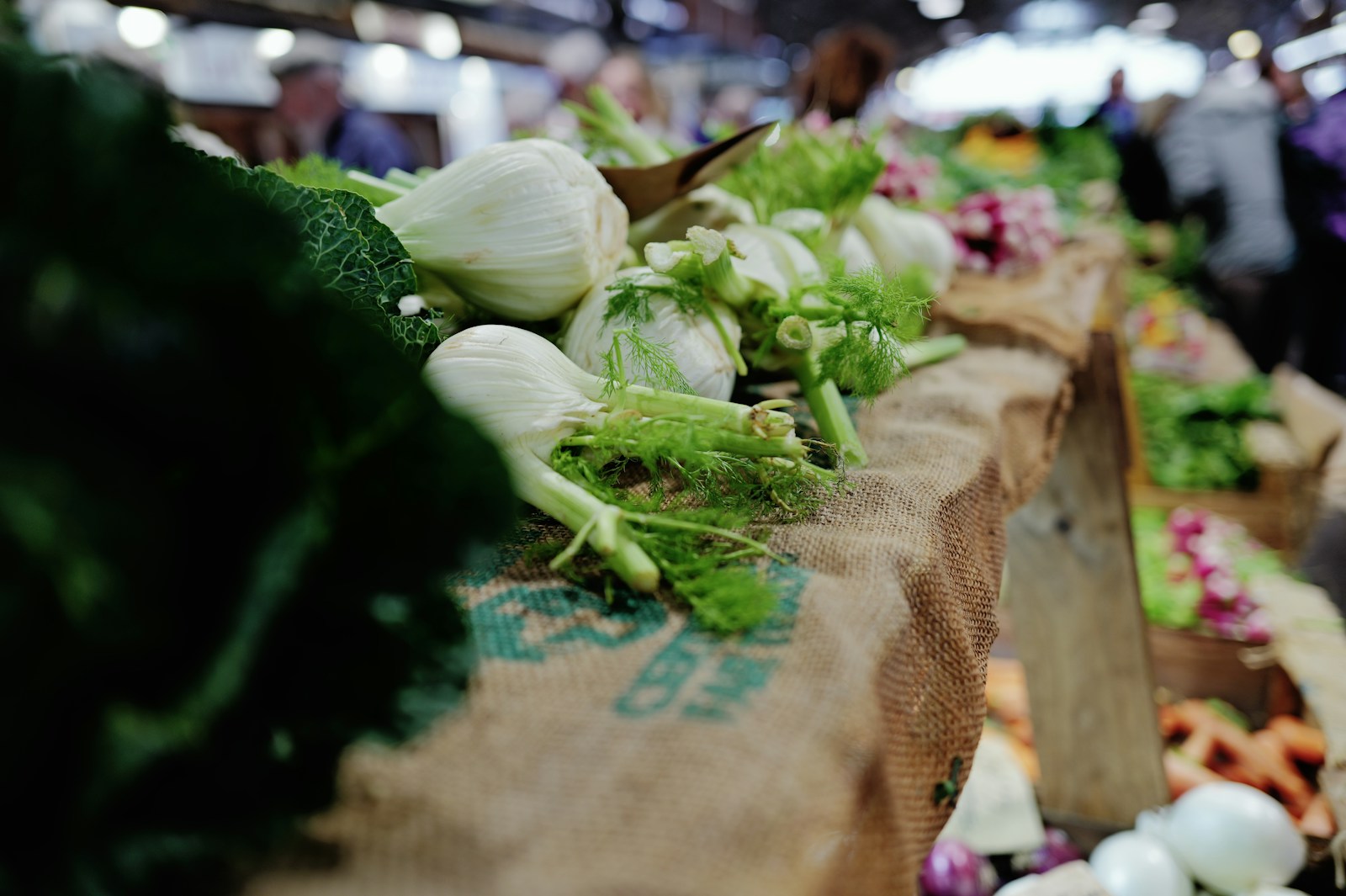
Fennel is a tall, feathery plant with a sweet, anise-like flavor. It comes in two main forms. Florence fennel is grown for its swollen leaf base, called the bulb, which you eat raw or cooked. Herb fennel, including bronze fennel, is grown for its leaves, flowers and seeds. Herb fennel is easy. Florence fennel is moderately tricky, because it flowers early if stressed.
Sowing and planting
Both types grow a taproot (a single thick root that dives straight down). Moving them disturbs this root, and disturbed Florence fennel often bolts (runs to flower without forming a bulb). Sow directly, or sow into cell trays or biodegradable pots and plant out while seedlings are small.
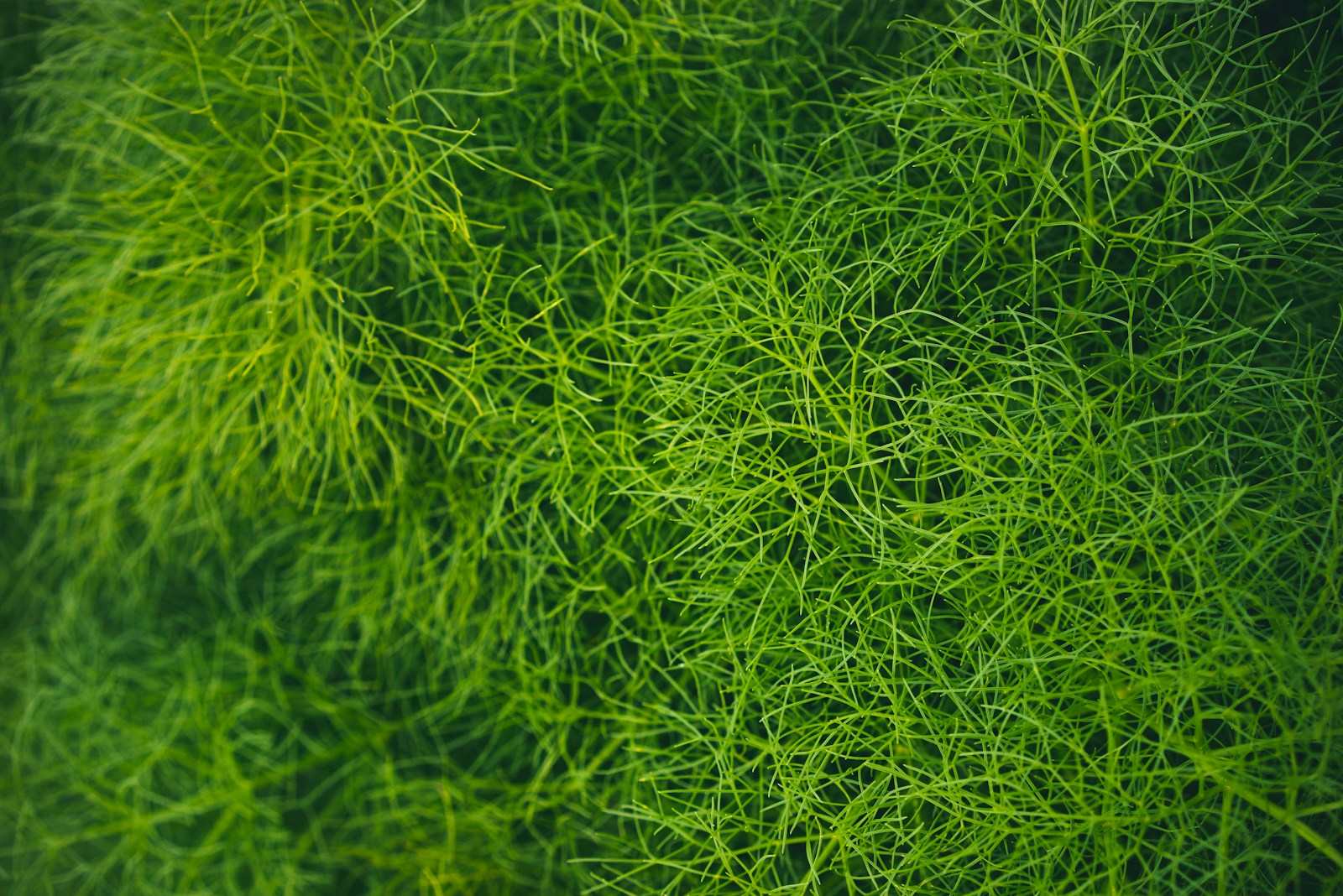
Florence fennel timing. Florence fennel forms the best bulbs as days shorten and nights cool. In most gardens, the most reliable crop comes from sowing in early to midsummer, about 10–12 weeks before your first autumn frost. Spring sowings often bolt as days lengthen. If you sow in spring, choose a bolt-resistant variety and sow two to three weeks after your last frost, once the soil reaches 60°F (16°C). In USDA zones 8–10, you can sow in late summer and autumn for a winter crop.
Herb fennel timing. Sow outdoors around your last frost date, or start indoors three to four weeks earlier in individual pots. Plant out after the last frost with the root ball intact.
How to sow. Sow seed 1/4–1/2 inch (6–12 mm) deep in rows 18–24 inches (45–60 cm) apart. Keep the soil evenly moist until seedlings appear. Thin Florence fennel to 8–12 inches (20–30 cm) and herb fennel to 18–24 inches (45–60 cm).
Succession sowing. For a longer Florence harvest, sow a short row every two to three weeks through the midsummer window.
Where to plant. Keep fennel well away from dill. The two cross-pollinate (swap pollen between flowers), so saved seed from either can grow into muddled hybrids. Fennel also tends to suppress the growth of some nearby plants, so many gardeners give it its own bed or a large pot.
Growing on
Watering. Florence fennel needs steady moisture. Dry spells, or swings between wet and dry, are a leading cause of bolting and split bulbs. Water deeply once or twice a week in dry weather. Established herb fennel copes with drought but grows lusher with occasional deep watering.
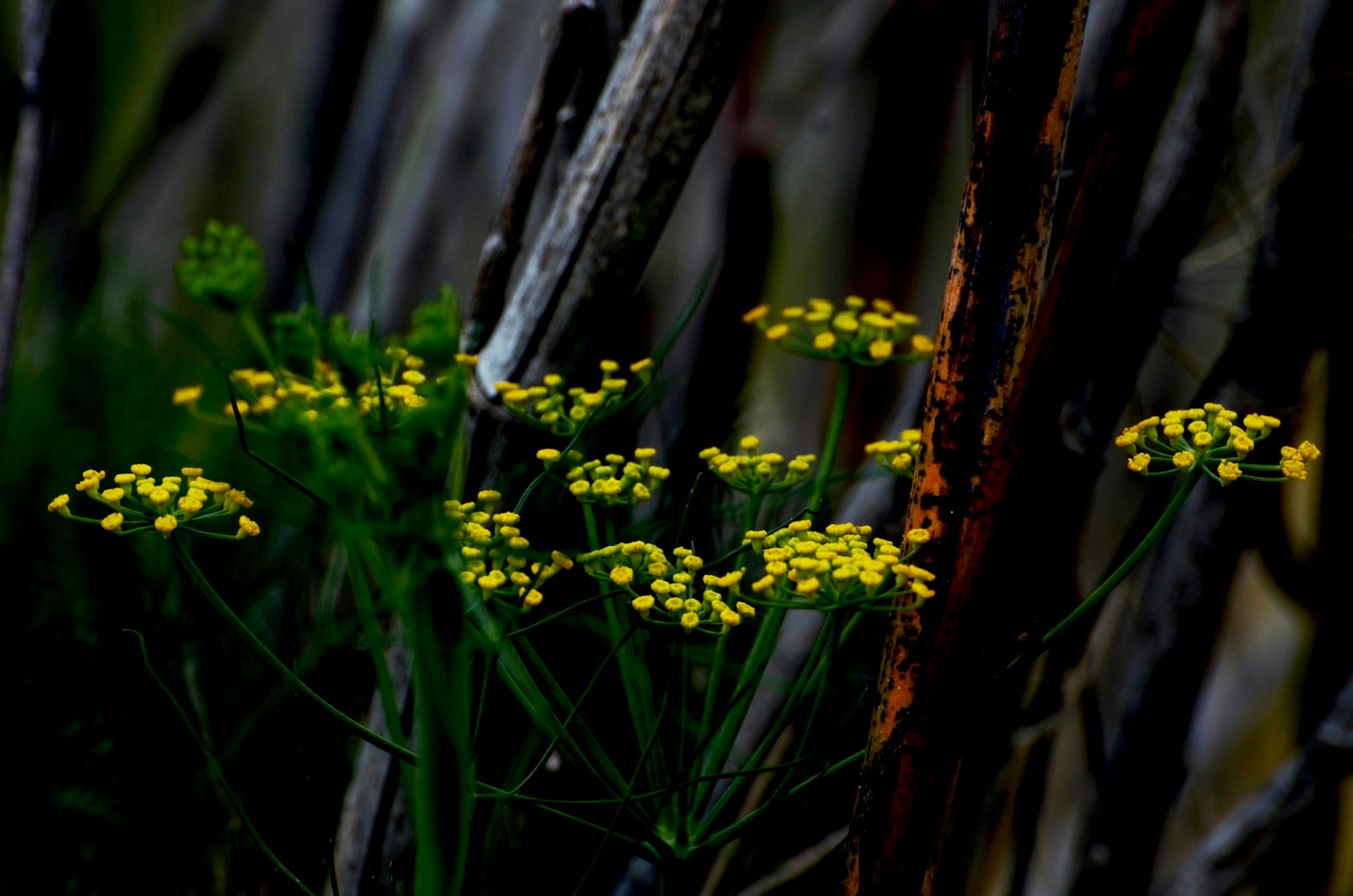
Feeding. Dig compost into the bed before sowing. Give Florence fennel a balanced liquid feed every three to four weeks once bulbs start to swell. Herb fennel rarely needs feeding.
Mulching. Mulch around plants with compost or straw to keep roots cool and moist. Keep the mulch an inch (2.5 cm) clear of the stems.
Earthing up. When Florence bulbs reach golf-ball size, draw soil or mulch up around them. This is called earthing up. It blanches the bulb (keeps it pale by excluding light), making it sweeter and more tender. It also steadies the plant in wind.
Bolting is the most common way Florence fennel fails. Root disturbance, dry soil, sudden cold spells and long days all trigger it, and a bolted plant makes a thin, tough bulb. Sow in early to midsummer, avoid moving seedlings, and keep the soil evenly moist.
Support and pruning. Tall herb fennel may need a stake in exposed spots. Cut herb fennel back to a few inches above the ground in late autumn or early spring. Fresh shoots appear as soil warms.
Invasiveness. Herb fennel self-sows freely. In parts of the western United States, especially California, wild fennel has escaped gardens and crowds out native plants in grasslands and along roads. If you garden in these areas, check local guidance before planting herb fennel. Wherever you live, cut the flower heads before seed ripens unless you plan to collect it.
Pollinators and wildlife. Fennel flowers draw bees, hoverflies and small beneficial wasps. The leaves also feed swallowtail butterfly caterpillars.
Harvesting
Florence bulbs. Harvest when bulbs are about 3–4 inches (8–10 cm) across and still firm. Waiting longer invites bolting. Cut the bulb just above soil level with a sharp knife. The stump often sends up small, tender shoots you can use like leaves.
Leaves. Snip fronds from either type whenever you need them. Take no more than a third of a plant at once. Young leaves have the sweetest flavor.
Flowers and pollen. Pick open flower heads to scatter over salads or fish.
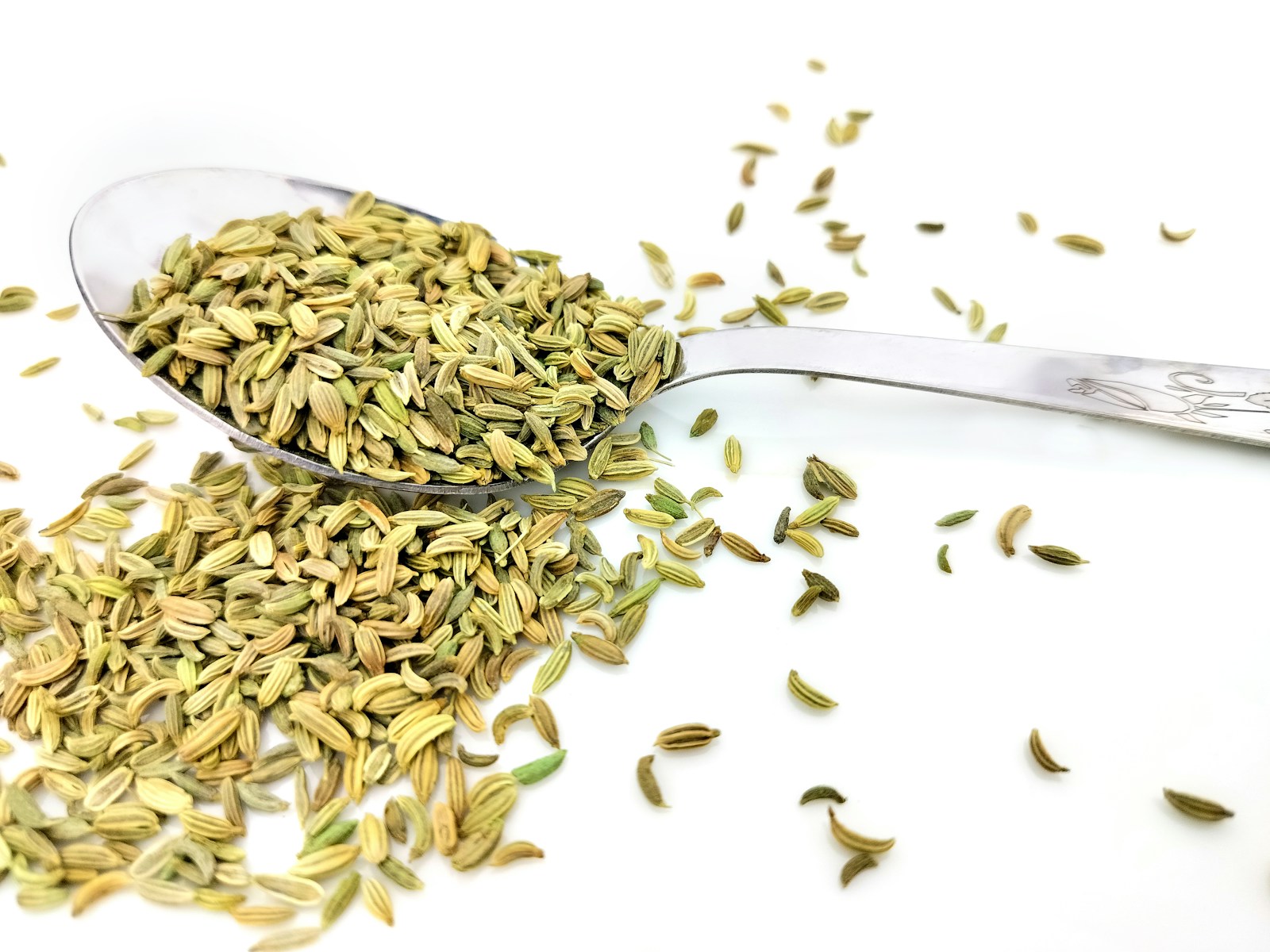
Seed. Let a few herb fennel heads ripen until seeds turn greenish-brown to brown. Cut the heads, drop them upside down into a paper bag and hang it somewhere dry and airy. Shake out the seeds after one to two weeks.
Storing. Trim Florence bulbs, leaving 1–2 inches (2.5–5 cm) of stalk, and keep them in the refrigerator for one to two weeks. Leaves wilt quickly. Freeze chopped fronds in ice cube trays with a little water or oil, or dry them on a screen in a warm, dark, airy place. Store dry seed in an airtight jar away from light.
Problems and pests
Plants flower before forming a bulb
This is bolting, caused by heat, long days, drought or transplant stress. Sow Florence fennel in early to midsummer, choose bolt-resistant varieties and water evenly.
Clusters of small insects on shoots and flower heads
These are aphids, sap-sucking insects that leave growth sticky and distorted. Knock them off with a strong spray of water and encourage ladybugs and hoverflies. For heavy infestations, spray insecticidal soap on the insects, following the label and avoiding hot sun to prevent leaf scorch.
Bulbs split or turn tough
Splitting follows uneven watering, and toughness usually means the bulb was left too long. Water steadily, mulch well and harvest on time.
Seedlings disappear overnight
Slugs and snails graze young seedlings, especially in damp weather. Check plants after dark with a flashlight and remove the pests by hand. Use beer traps or copper tape around beds.
Stems rot at the base
Root and crown rots strike in heavy, waterlogged soil. Improve drainage with compost or grow in raised beds. Remove affected plants.
Varieties worth growing
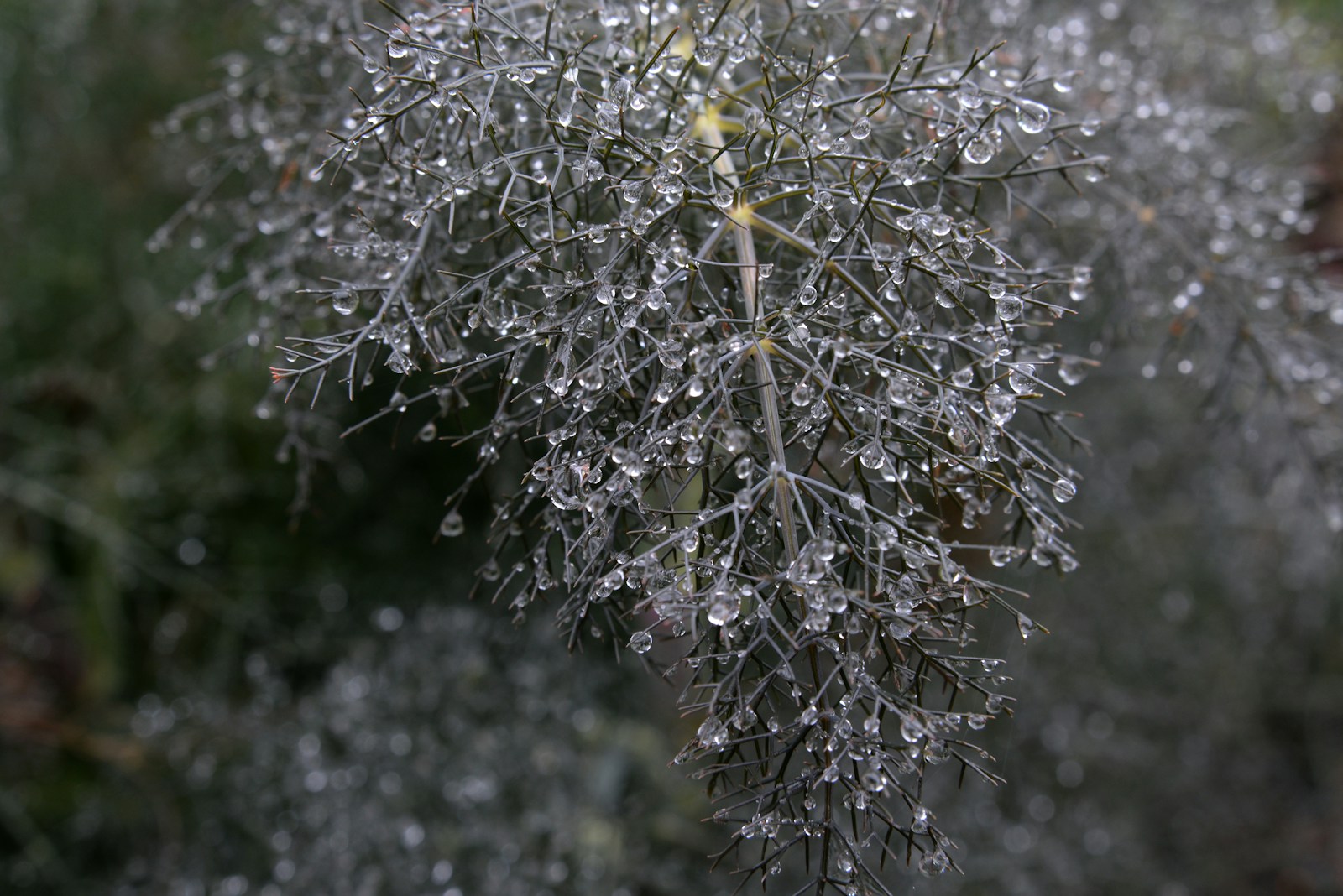
Florence fennel
- 'Orion': A hybrid with large, rounded, heavy bulbs and good uniformity.
- 'Zefa Fino': A reliable, bolt-resistant variety suited to spring and summer sowing.
- 'Perfection': Rounded bulbs with good bolt resistance.
- 'Romanesco': An Italian type forming very large, rounded bulbs.
Herb fennel
- Green or sweet fennel: The common herb form, grown for leaves, flowers and seed.
- Bronze fennel ('Purpureum'): Smoky bronze-purple foliage, handsome in flower borders and equally good in the kitchen.