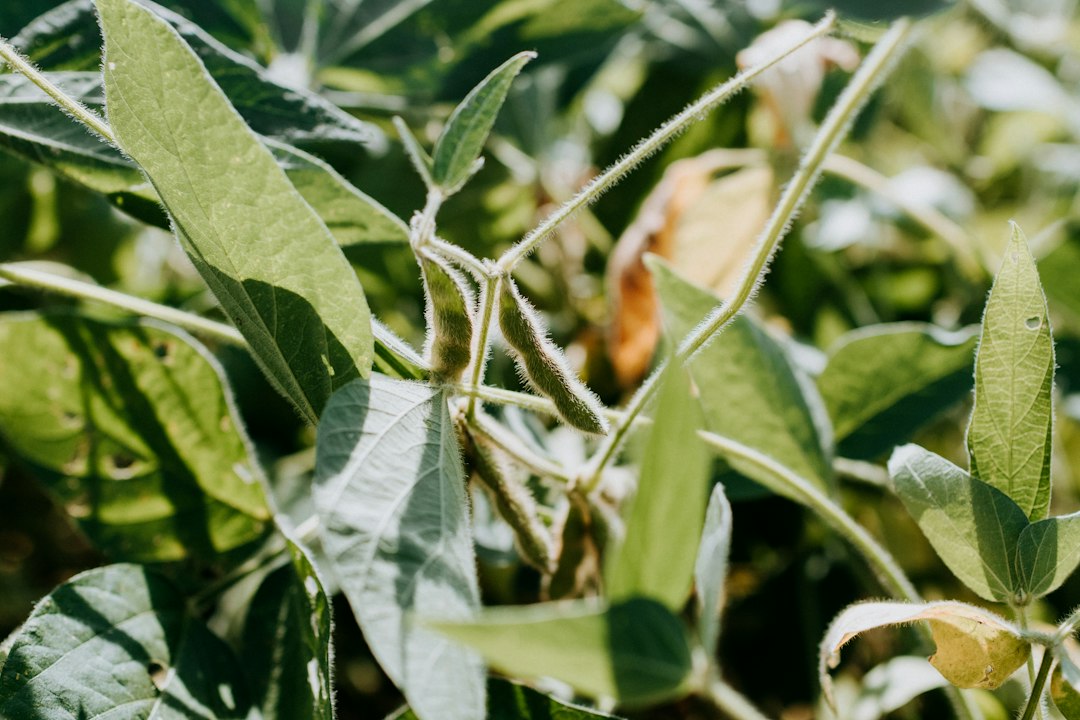
Edamame is the same plant as the soybean grown for oil and animal feed around the world, Glycine max, just bred and picked differently: the pods are harvested while still green and the beans inside are soft and sweet, rather than being left on the plant to dry down for grain. That single difference in timing is what turns a commodity crop into a popular homegrown vegetable. It suits a first-time legume grower well: edamame asks for little beyond full sun and warm soil, needs no staking or training, and the main skill is simply catching the harvest window at the right moment.
Sowing and planting
Edamame is a direct-sown crop. Unlike many warm-season vegetables, it transplants poorly because of a sensitive taproot that resents disturbance, so starting it indoors in trays isn't usually recommended. Sow the seed straight into its growing position once the soil has warmed; edamame germinates slowly and unevenly in cold, wet soil, and seed that sits too long before sprouting is more likely to rot.
In zone 6b, that means waiting until after the last expected frost, once the soil itself has warmed through rather than just the air. Sow seeds about 1 inch (2.5 cm) deep, spacing plants roughly 4 inches (10 cm) apart in rows about 18–24 inches (45–60 cm) apart to give you room to reach in for harvest later. Because the whole crop ripens within a fairly short window, many gardeners in zone 6b make two or three sowings two to three weeks apart through late spring and early summer, so the harvest is spread out rather than arriving all at once.
Growing on
Keep the soil evenly moist through germination and leafy growth, and pay particular attention to watering once flowering starts and pods begin to swell; a dry spell at that stage can mean thinner, less well-filled pods. As a legume, edamame fixes some of its own nitrogen through bacteria living in nodules on its roots, so it doesn't need, and shouldn't get, heavy nitrogen feeding. Too much nitrogen fertilizer pushes lush leafy growth at the expense of pods. A balanced, modest feed at planting is usually enough; skip extra nitrogen top-ups through the season.
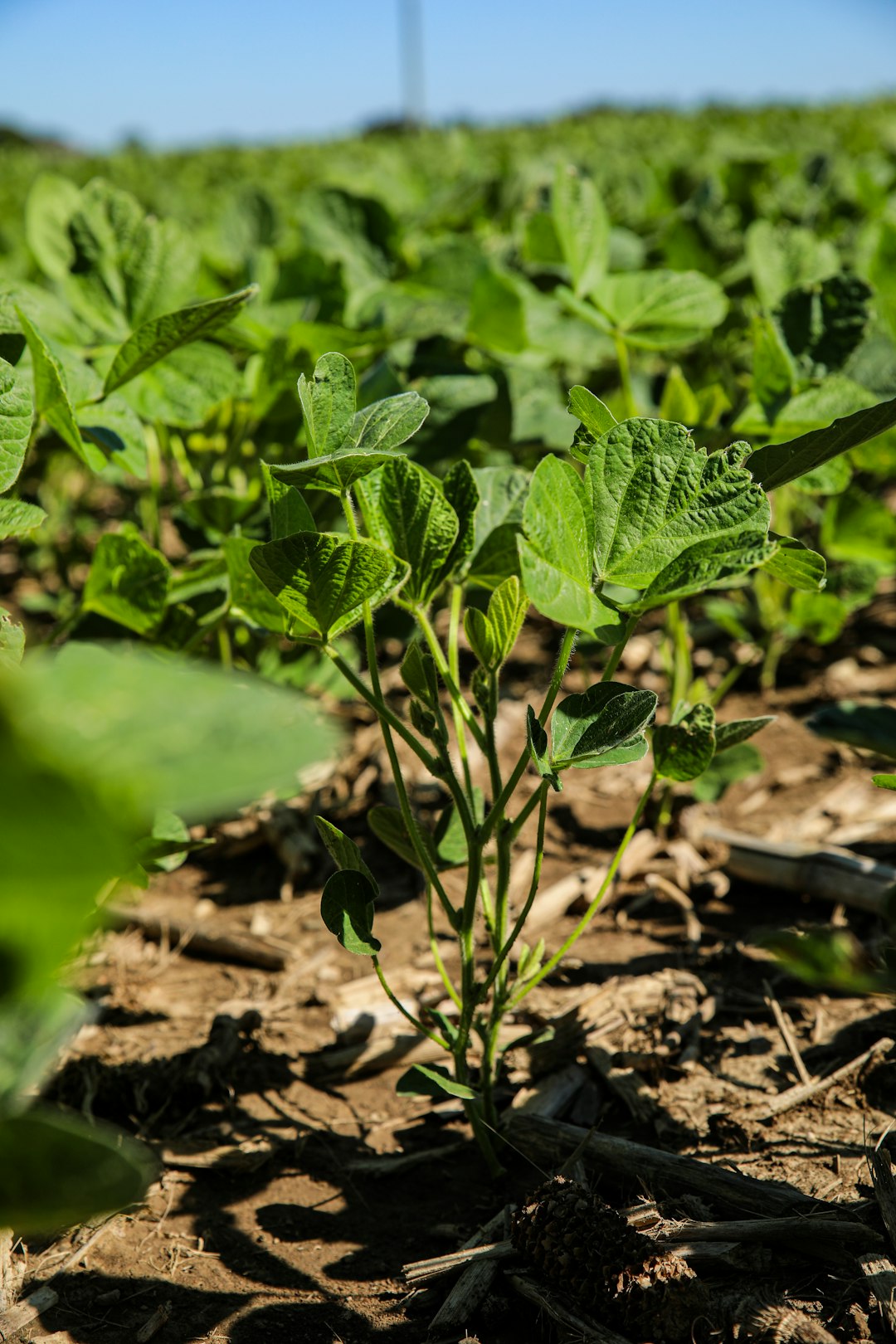
Weed carefully while plants are young and small, since edamame seedlings compete poorly with weeds for light and water in their first few weeks. Once the plants bush out and the canopy closes over the row, they shade out most new weed growth on their own, and you can largely leave the bed alone.
Harvesting
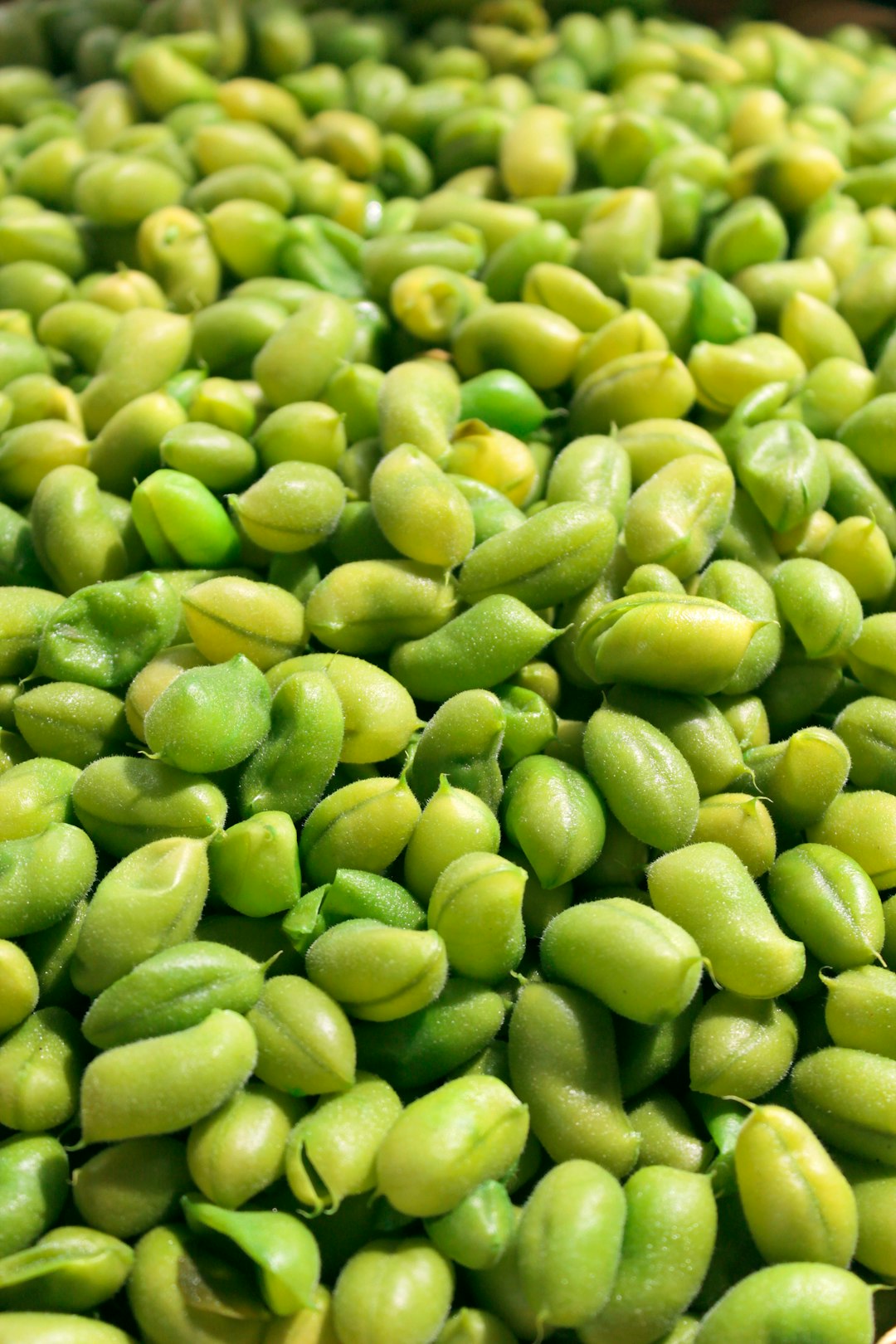
Getting the timing right here matters more than almost anything else with this crop. Pick edamame while the pods are still bright green and plump, with the beans inside clearly filling out the pod, but before the pods begin to turn yellow or look dry. That window is fairly narrow, often just a week or so per planting, because pods that are left on the plant keep maturing toward the dry, papery stage grown for soybean grain, and their flavor and texture coarsen quickly once they pass their peak. Check plants every couple of days once pods start to fill, and pick by hand or with scissors, snipping the pods off rather than pulling, which can uproot the whole plant. Pods on the same plant don't always ripen together, so expect to go over a planting more than once.
Problems and pests
Ragged holes chewed in the leaves
Bean leaf beetles are small, often yellow-to-red beetles with black markings that chew distinctive round or ragged holes in leaves, especially on young plants. Light feeding rarely harms an established plant, but a heavy infestation on seedlings can slow growth. Handpick where practical, and watch new seedlings closely since that's when damage matters most.
Shriveled, deformed, or discolored pods
Stink bugs feed by piercing developing pods and sucking sap from the beans inside, which leaves the beans shrunken, spotted, or misshapen even when the pod still looks fine from outside. They're most damaging once pods begin to fill. Check the undersides of leaves and pod clusters for the shield-shaped adults and their barrel-shaped egg clusters, and remove them by hand when you find them.
Young plants chewed down overnight
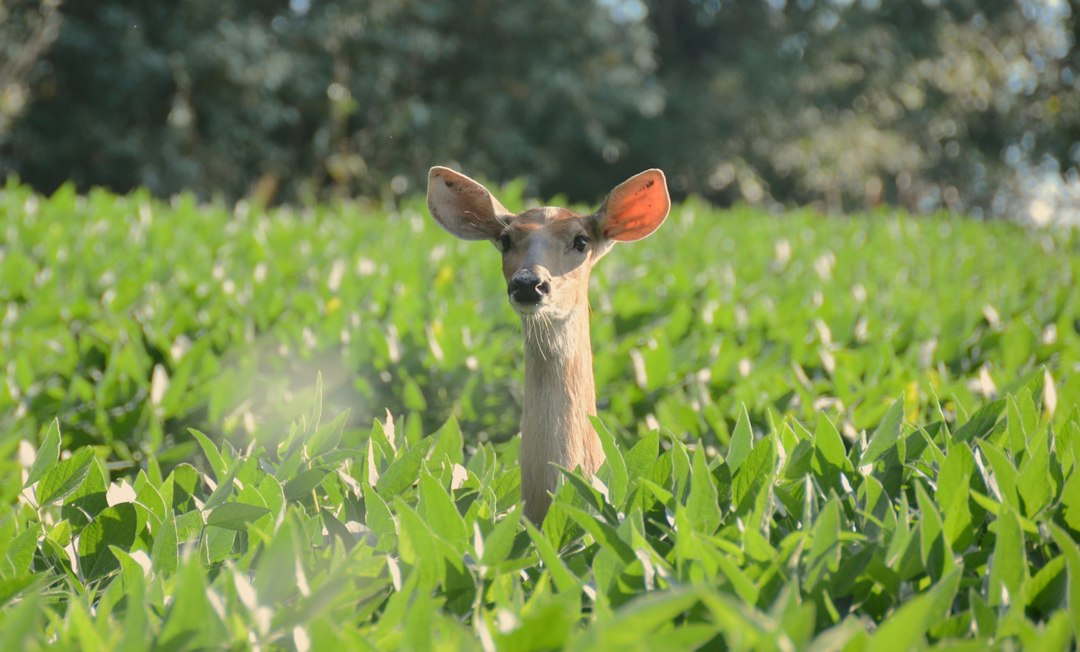
Deer and rabbits both find young edamame plants appealing, and a single overnight visit can strip seedlings to bare stems. Fencing is the most reliable protection; a barrier at least a few feet high for deer, or a smaller mesh fence anchored to the ground for rabbits, works better than repellents alone, which tend to lose effectiveness over time.
Pale, stunted plants despite good soil
If plants stay yellowish and weak even in reasonable soil, the roots may be missing the specific rhizobium bacteria that soybeans need to form the nitrogen-fixing nodules mentioned earlier. This is more common in soil that hasn't grown soybeans or edamame before. A soybean-specific inoculant applied to the seed at sowing usually corrects it for future plantings.
Small, underfilled pods at harvest
Pods that stay flat or thin even once they've colored up properly are often a sign of uneven watering during flowering and pod fill, when the plant is least able to tolerate dry spells. Keep watering consistent through that stage rather than letting the soil dry out and then soaking it.
Varieties worth growing
- Envy – An early, reliably productive variety and a common first choice for home gardens.
- Midori Giant – Larger pods and beans than many varieties, with a mild, sweet flavor.
- Chiba Green – An older, well-regarded variety known for good flavor and heavy pod set.
- Butterbeans – A widely available variety bred for a buttery, tender texture once cooked.