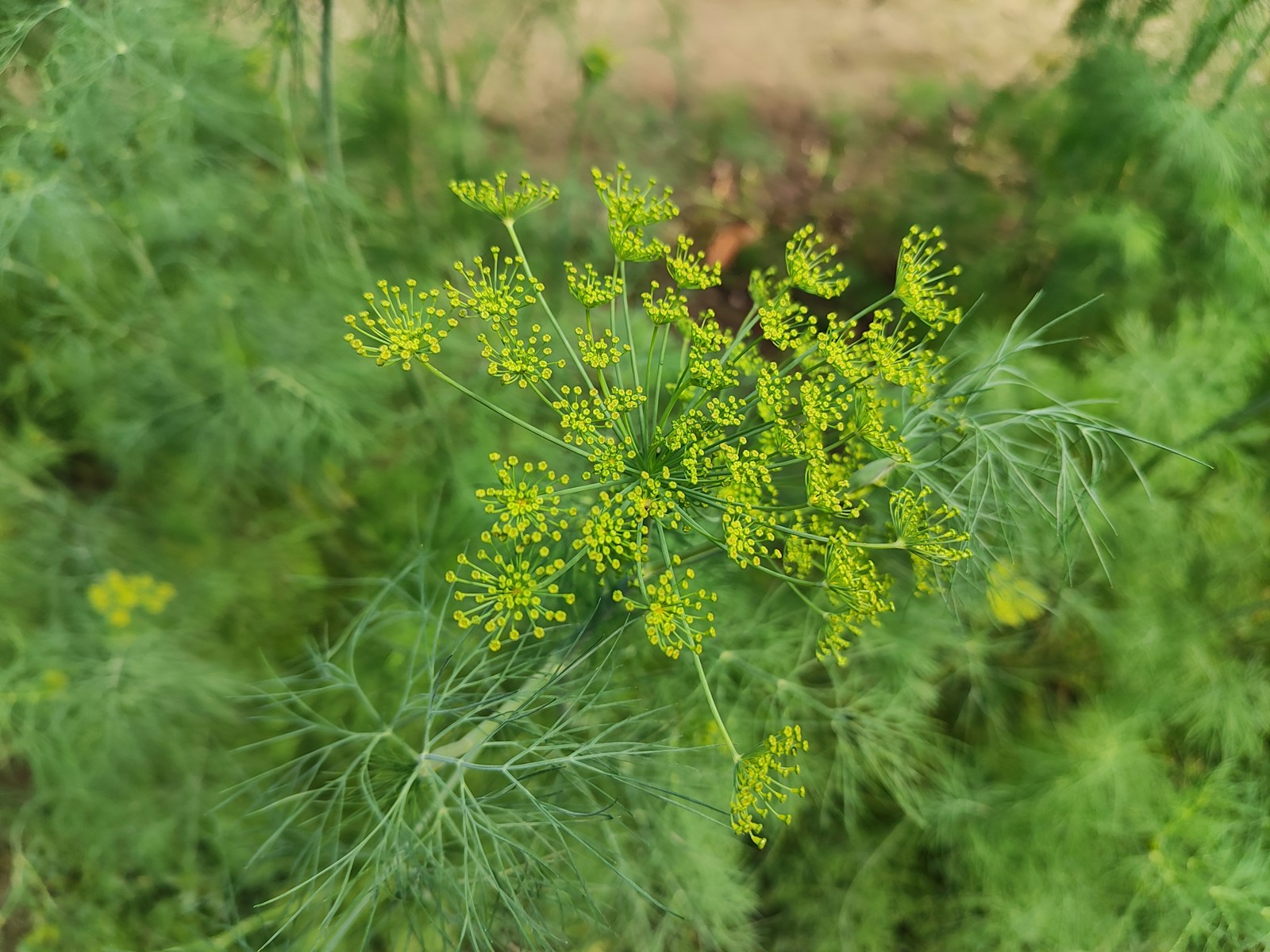
Dill is a tall annual herb with soft, thread-like leaves and flat, yellow flower heads. You use the leaves, often called dill weed, with fish, potatoes, eggs and yogurt sauces. The seeds and flower heads flavor pickles. Its flowers also draw hoverflies and small wasps that hunt garden pests. Difficulty: easy, provided you sow it directly and sow more than once.
Sowing and planting
Dill forms a taproot (a single deep main root). Transplanting disturbs it, and stressed plants often flower too early. Sow the seed where the plants will grow.
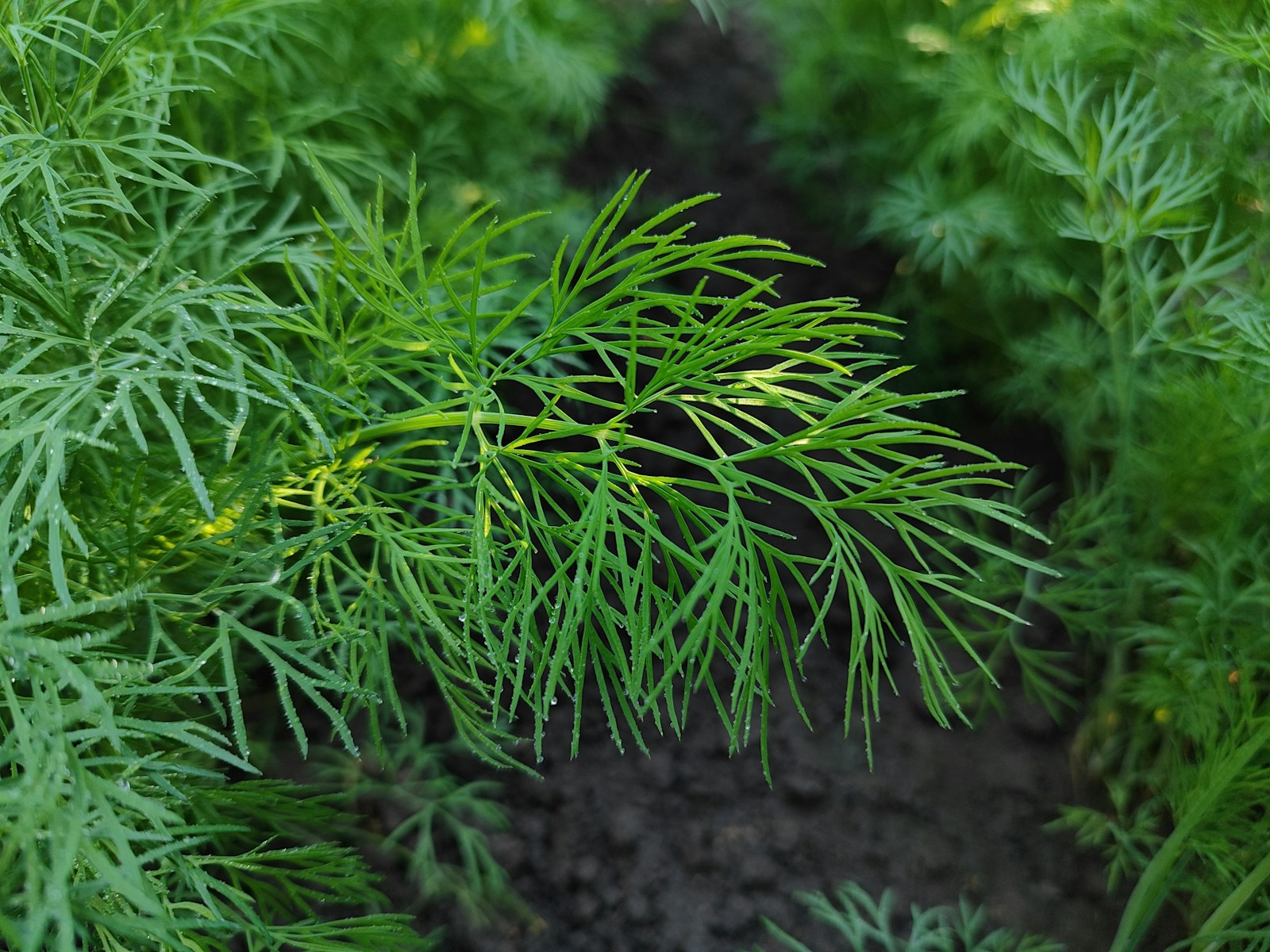
When to sow. Sow outdoors from about one to two weeks before your last frost date until early summer. Seedlings shrug off a light frost. For a steady supply, sow a short row every three to four weeks until about eight weeks before your first autumn frost. In hot climates, such as USDA zones 9–11, dill grows best from autumn through spring.
How to sow. Rake the soil fine and level. Scatter seed thinly in rows 18 inches (45 cm) apart, or in small patches. Cover with no more than 1/4 inch (6 mm) of fine soil and firm gently. Keep the surface moist until seedlings appear, which can take up to three weeks in cool soil.
Thinning. When seedlings are 2–3 inches (5–8 cm) tall, thin them to their final spacing. Add the thinnings to salads. Crowded dill grows weak and flops.
Starting indoors. If you must start dill indoors, sow two or three seeds into biodegradable pots three to four weeks before your last frost. Plant the whole pot out once the danger of hard frost has passed, without breaking up the roots.
Containers. Compact varieties grow well in pots at least 12 inches (30 cm) deep and wide. Tall varieties need deep pots and shelter from wind.
Where to plant. Dill and fennel cross-pollinate (swap pollen between flowers). Keep them apart if you plan to save seed, or the next generation may be a muddled mix of both. Dill grows well beside cabbage-family crops, cucumbers, lettuce and onions.
Growing on
Watering. Keep the soil moist while plants establish. Once they are growing well, water deeply when the top inch (2.5 cm) of soil is dry. Dry spells push dill into early flowering.
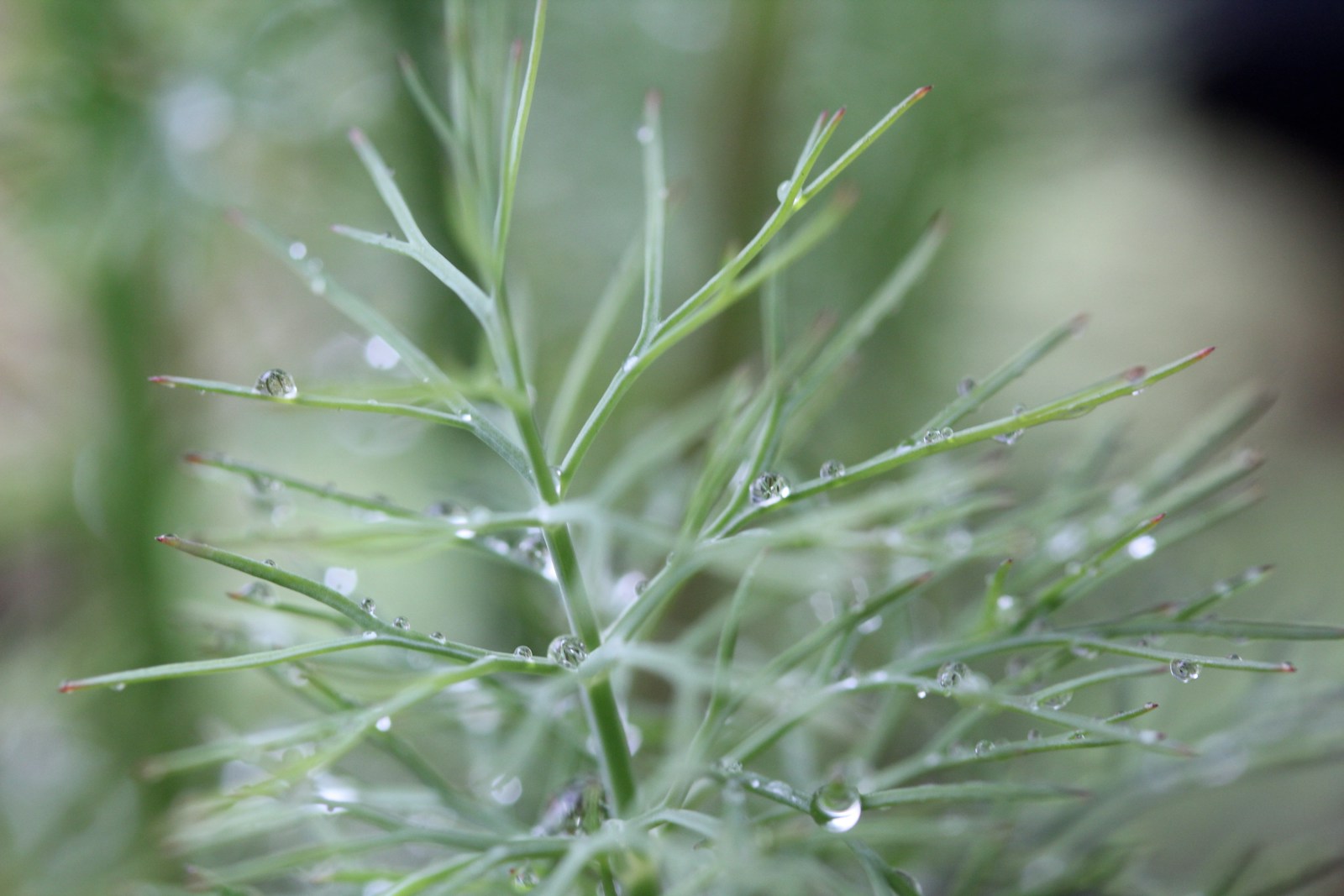
Feeding. Dill needs little feeding. Work some compost into the bed before sowing. Too much nitrogen gives soft, floppy stems with weaker flavor.
Mulching. Once seedlings are 4 inches (10 cm) tall, add a thin mulch of compost or straw. It keeps roots cool, holds moisture and smothers weeds.
Support. Tall varieties can reach 5 feet (1.5 m) and snap in wind. Grow them in a sheltered spot, or tie them loosely to canes. Planting in blocks helps the stems support one another.
Pinching. For more leaves, pinch out flower buds as soon as they appear. This delays seed production and keeps the plant leafy a little longer. For seed, let the flowers develop.
Bolting, when dill sends up a flower stalk and stops making new leaves, is the most common reason plants disappoint. Heat, long days, dry soil and root disturbance all trigger it. Sow directly, keep young plants watered, and sow a fresh row every three to four weeks.
Self-sowing. Dill drops plenty of seed. If you leave seed heads on the plant, expect seedlings the following spring. Pull any unwanted ones while they are small.
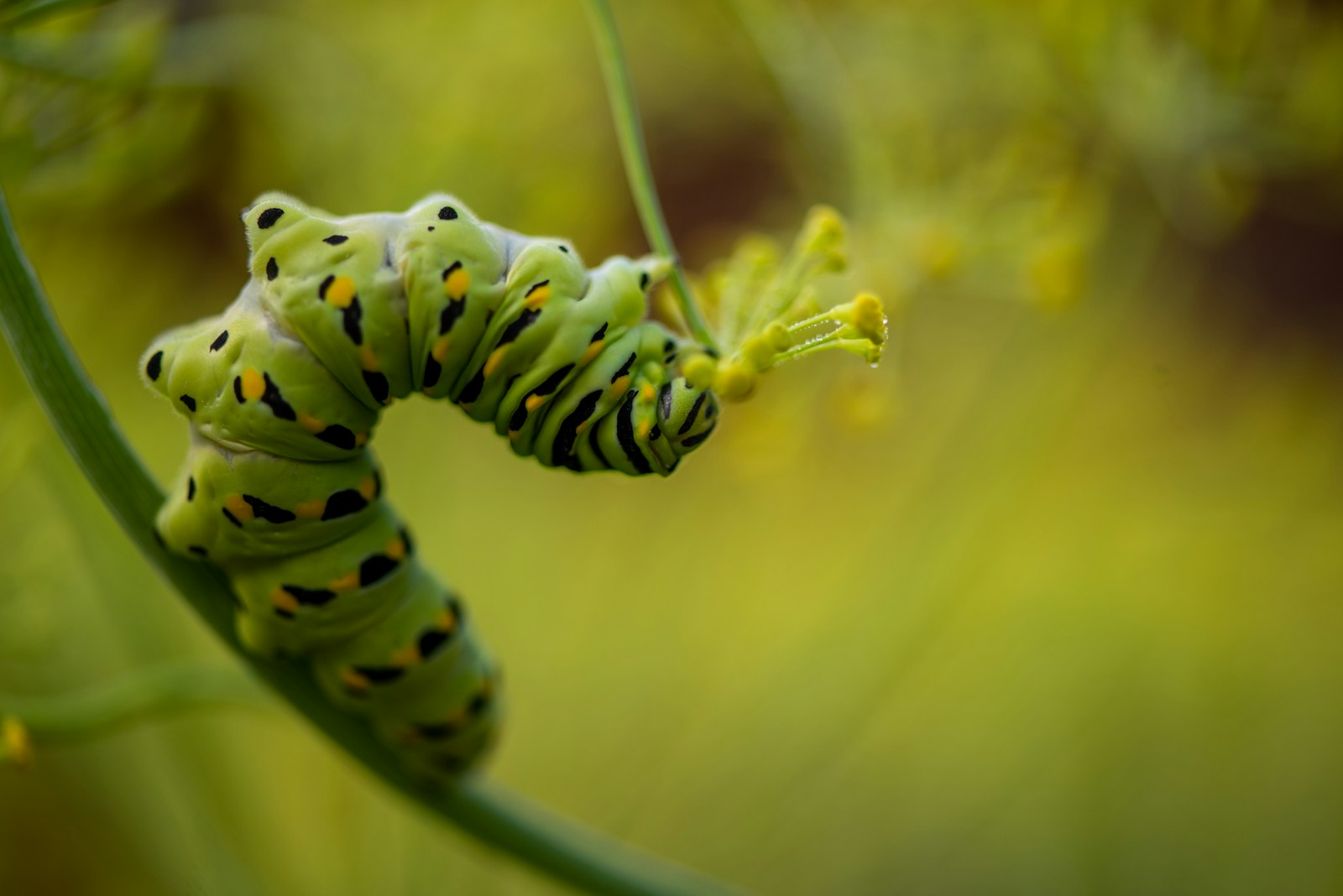
Swallowtail caterpillars. In North America, the striped green, black and yellow caterpillars of the black swallowtail butterfly feed on dill. Many gardeners grow a few extra plants to share with them.
Harvesting
Leaves. Start picking once plants have four or five leaves, usually six to eight weeks after sowing. Snip the outer fronds close to the main stem. Never take more than a third of the plant at once. Leaves have their best flavor just before the flowers open.
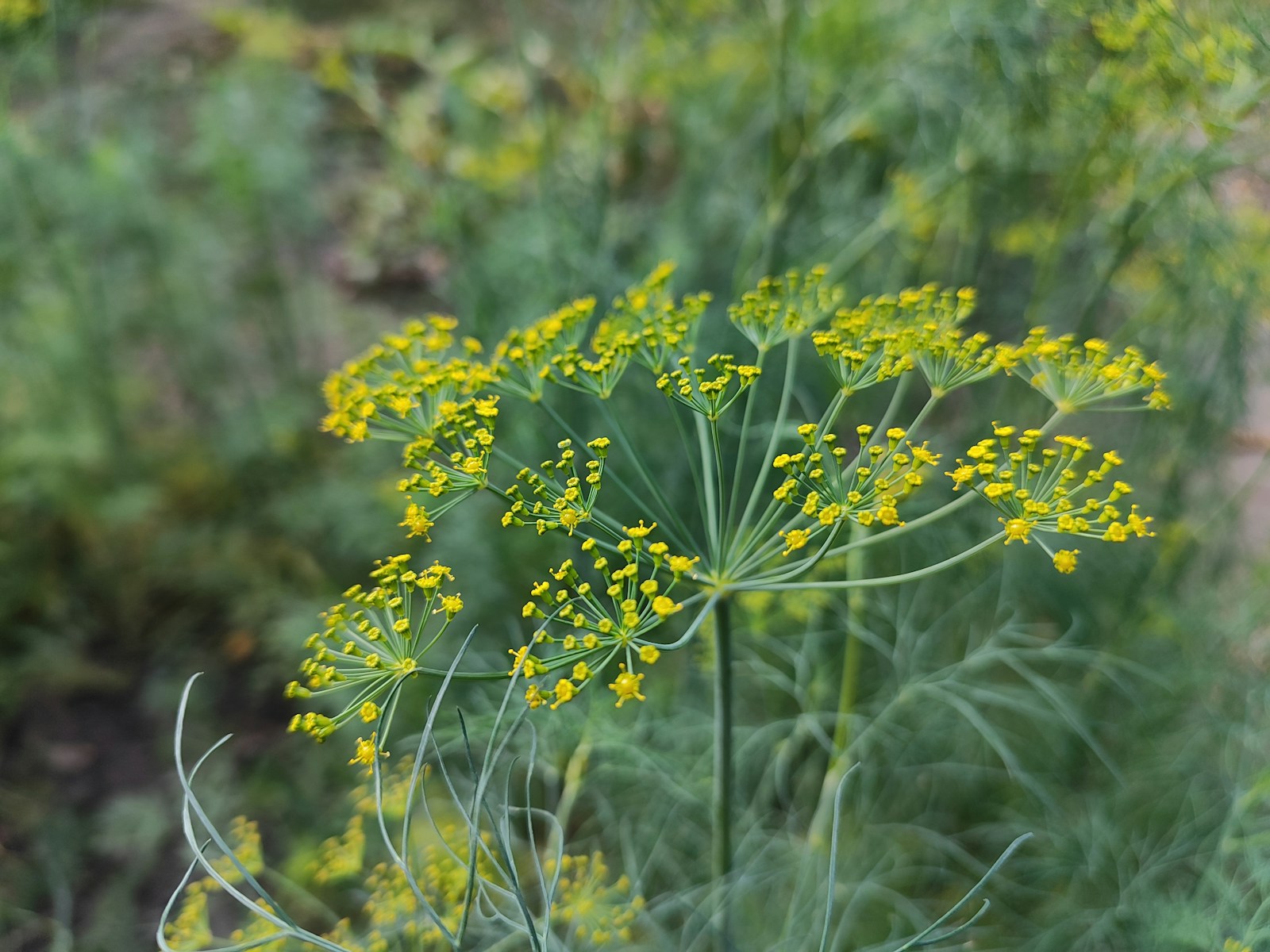
Flower heads. For pickling, cut the heads when the flowers are just opening. Pack them straight into jars with cucumbers.
Seed. Leave the heads on the plant until the seeds turn light brown and flat. Cut the stems before the seeds fall. Place the heads upside down in a paper bag and hang it in a dry, airy place for one to two weeks. Shake the bag to free the seeds.
Storing leaves. Fresh dill wilts quickly. Wrap the fronds in a damp paper towel and keep them in a bag in the refrigerator for up to a week. Freezing keeps the flavor better than drying. Freeze whole fronds in a bag, or chop the leaves into ice cube trays with a little water. To dry, spread fronds on a screen in a warm, dark, airy place. Store them in an airtight jar once they crumble.
Storing seed. Keep dry dill seed in a sealed jar in a cool, dark cupboard. It keeps its flavor for about a year. Seed for sowing stays viable for about three years.
Problems and pests
Clusters of small insects on stems and flower heads
These are aphids, sap-sucking insects that leave leaves sticky and curled. Knock them off with a strong spray of water. Ladybugs and hoverflies feed on them. For heavy infestations, spray insecticidal soap directly on the insects, following the label and avoiding hot midday sun to prevent leaf scorch.
Plants flower within weeks of sowing
This is bolting, caused by heat, drought, crowding or transplant stress. Sow directly, thin early and water in dry spells. Choose slow-bolting varieties and keep sowing in succession.
Seedlings collapse at soil level
Damping off, a fungal disease of young seedlings, thrives in cold, wet, crowded soil. Sow into well-drained soil, avoid overwatering and thin promptly. Use clean pots and fresh seed-starting mix indoors.
Large striped caterpillars eating the leaves
These are usually black swallowtail caterpillars. They rarely do serious harm. If they take too much, move them by hand onto a spare dill, parsley or fennel plant rather than killing them.
Brown, rotting stems at the base
Root and stem rots strike in heavy, waterlogged soil. Improve drainage with compost or grow in raised beds. Remove affected plants and avoid overwatering.
Varieties worth growing
- 'Bouquet': A popular all-rounder with good leaf production and large seed heads for pickling.
- 'Fernleaf': A compact, slow-bolting dwarf type that suits containers and small beds.
- 'Mammoth Long Island': A tall, vigorous variety grown mainly for its large seed heads.
- 'Dukat': A leafy type with sweet, mild flavor, slow to form seed heads.
- 'Hera': Bred to hold its leaves longer before flowering.