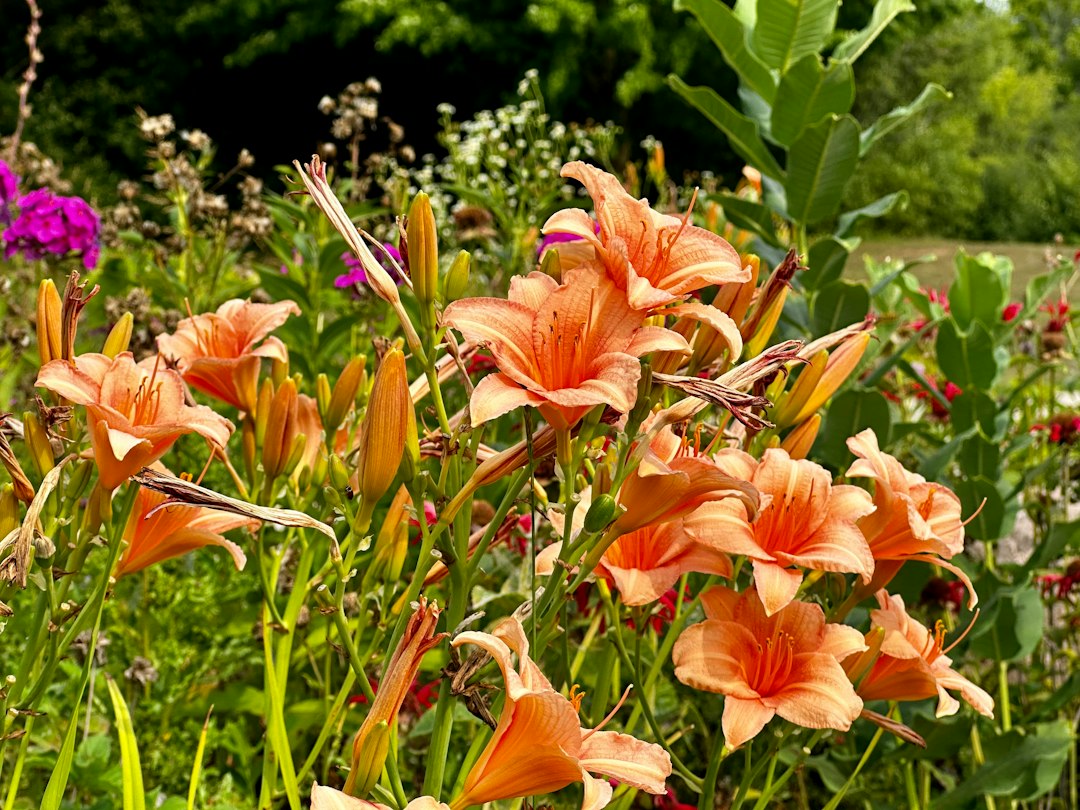
Daylilies (Hemerocallis spp.) are clump-forming perennials grown for their trumpet-shaped flowers and arching, grassy foliage. Each individual bloom opens for only one day, which is where the common name comes from, but a mature clump carries so many buds that the display can run for weeks. They tolerate poor soil, drought, and an inattentive gardener better than almost anything else in the border, which makes them one of the easiest flowering perennials you can plant.
Daylilies are grown as ornamentals rather than food crops, though the buds and flowers are edible and turn up in some cuisines stir-fried or added to soups. Treat that as a minor bonus, not the main reason to grow them, and only eat flowers you are certain are daylily and that have not been treated with any chemical spray.
Sowing and planting
Named daylily varieties don't come true from seed, so you plant them as bare-root divisions (a clump of roots called a "fan," after its fan-shaped leaf cluster) or as potted plants rather than starting from seed. Bare-root fans establish best in spring or early fall, while the soil is workable and temperatures are mild; in zone 6b, early fall planting gives roots several weeks to settle in before winter.
Choose a spot with full sun to part shade and soil that drains well; daylilies tolerate poor soil but resent sitting in standing water. Dig a hole wide enough to spread the roots out, mound soil in the center so the crown (where roots meet leaves) sits an inch or so above the surrounding grade, and drape the roots down the sides. Backfill, firm gently, and water well. Space plants about 18 inches (45 cm) apart so clumps have room to expand before they need dividing.
Potted daylilies can go in any time the ground isn't frozen, though spring and fall planting still give the best results since the plant isn't also coping with summer heat.
Growing on
Once established, daylilies are quite drought-tolerant and need watering only during extended dry spells, especially in the first growing season while roots are still spreading. A deep soak once a week in hot, dry weather is usually enough; established clumps often get by on rainfall alone in most gardens.
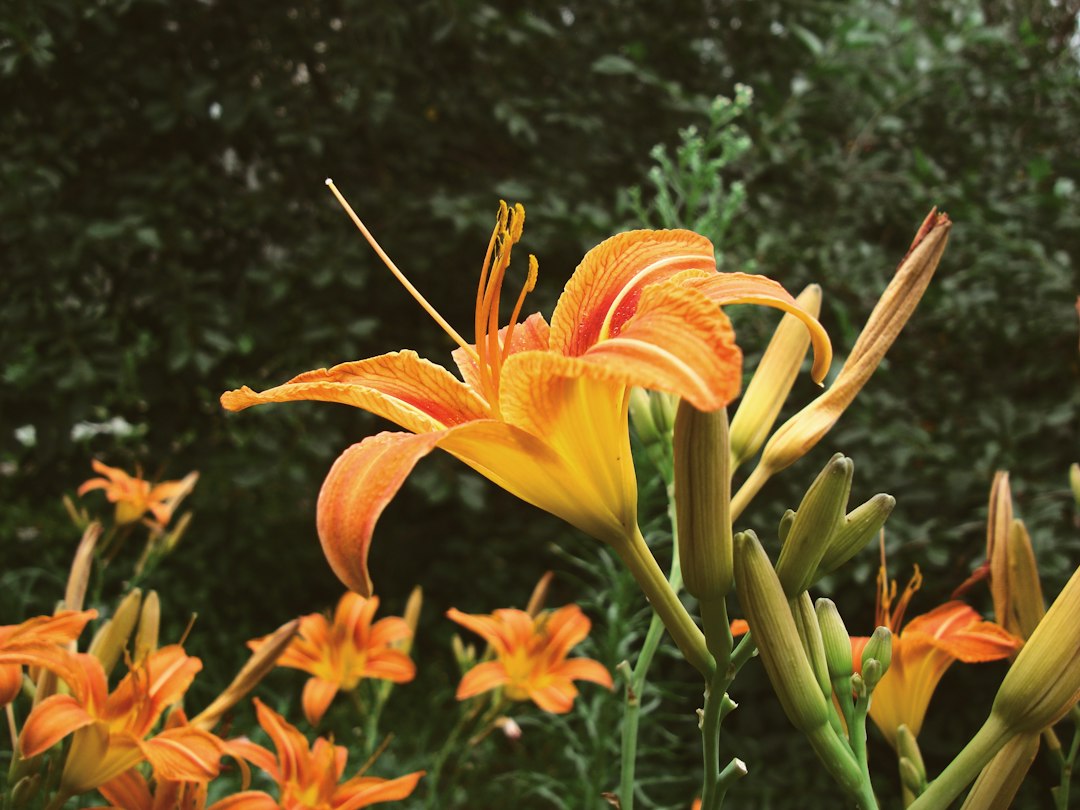
Feed lightly in spring with a balanced fertilizer or a layer of compost worked into the soil surface; daylilies don't need rich feeding to perform well, and overfeeding tends to produce more leaf than flower. Deadhead spent blooms daily if you want tidy plants, pinching off each faded flower where it meets the stem; this isn't required for the plant's health, but it keeps the clump looking neat since each flower only lasts a day. Once the entire flowering stem (the scape) has finished for the season, cut it back to the base.
Divide clumps every three to five years once flowering declines or the center of the clump looks crowded and bare. Lift the whole clump in spring or early fall, pull or cut it into smaller sections each with several fans and a good handful of roots, and replant at the same spacing as new plants.
Harvesting
Daylilies aren't a harvest crop in the usual sense, but a little end-of-day tidying keeps clumps looking their best: remove spent blooms as they fade and cut back whole scapes once they've finished flowering. If you want to try the edible side, pick unopened buds or fresh-opened flowers in the morning, rinse them, and use them the same day; only harvest from plants you know haven't been sprayed, and start with a small amount the first time you try them.
Problems and pests
Orange or yellow streaks on leaves, orange powdery spots underneath
This is daylily rust, a fungal disease that spreads in warm, humid conditions. Remove and dispose of affected leaves, avoid overhead watering that keeps foliage wet, and improve air circulation by thinning crowded clumps. Resistant varieties are available if rust is a recurring problem in your garden.
Streaked, discolored, or distorted flowers that fail to open properly
Thrips (tiny slender insects) feed inside developing buds and damage the flower before it opens. Encourage natural predators, remove and destroy badly affected buds, and avoid excess nitrogen fertilizer, which encourages the soft new growth thrips prefer.
Ragged holes in young leaves and chewed new growth near the soil
Slugs target the soft new growth as it emerges in spring. Clear mulch and debris away from crowns in early spring, water in the morning rather than evening so the soil surface dries out by nightfall, and use a control method suited to your garden if damage is heavy.
Few or no flowers on an otherwise healthy-looking clump
This is usually too much shade, a clump that has become overcrowded and needs dividing, or a recent division that hasn't yet settled in. Move plants getting less than six hours of sun, or divide crowded clumps in spring or fall.
Soft, mushy crown and foliage that yellows and collapses
Crown rot develops in waterlogged soil, especially over winter. Improve drainage before replanting, avoid planting too deep, and remove and discard badly affected plants rather than trying to save them.
Varieties worth growing
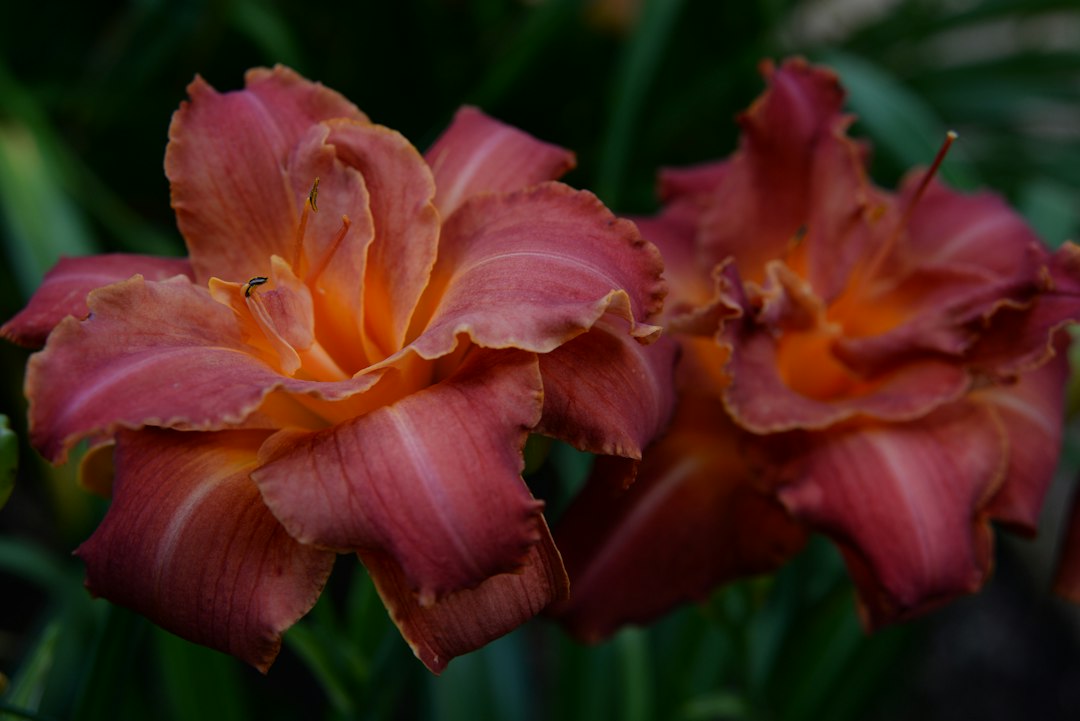
- Stella de Oro — a compact, long-blooming variety with golden-yellow flowers, popular for its tendency to rebloom through summer.
- Happy Returns — a reblooming yellow-flowered variety similar to Stella de Oro but with a slightly paler, lemon tone.
- Hyperion — an older, fragrant lemon-yellow variety still widely grown for its strong scent.
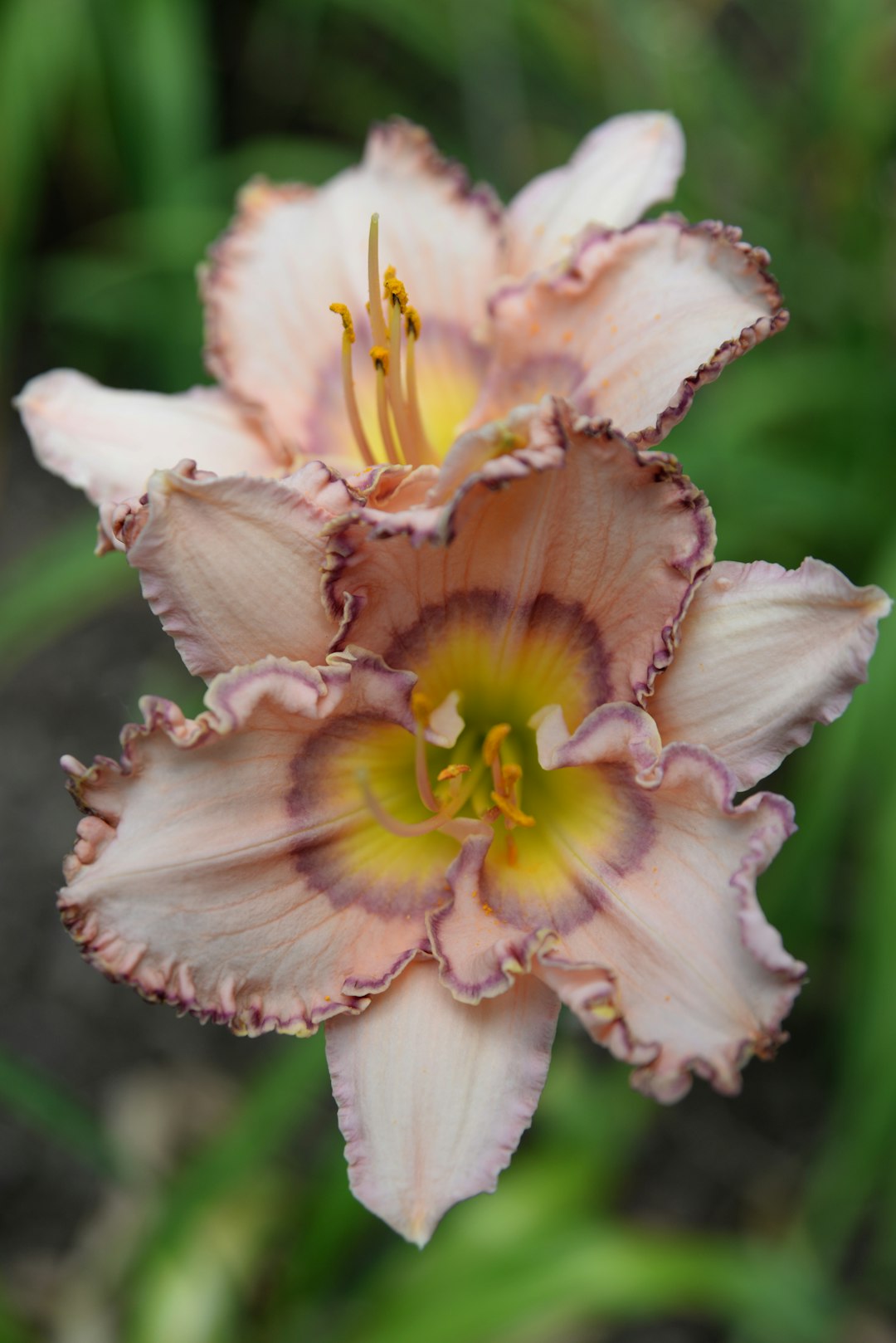
- Catherine Woodbery — a lavender-pink variety with a green throat, a popular choice among pastel-flowered daylilies.
- Pardon Me — a compact reblooming variety with deep red flowers and a yellow-green throat.