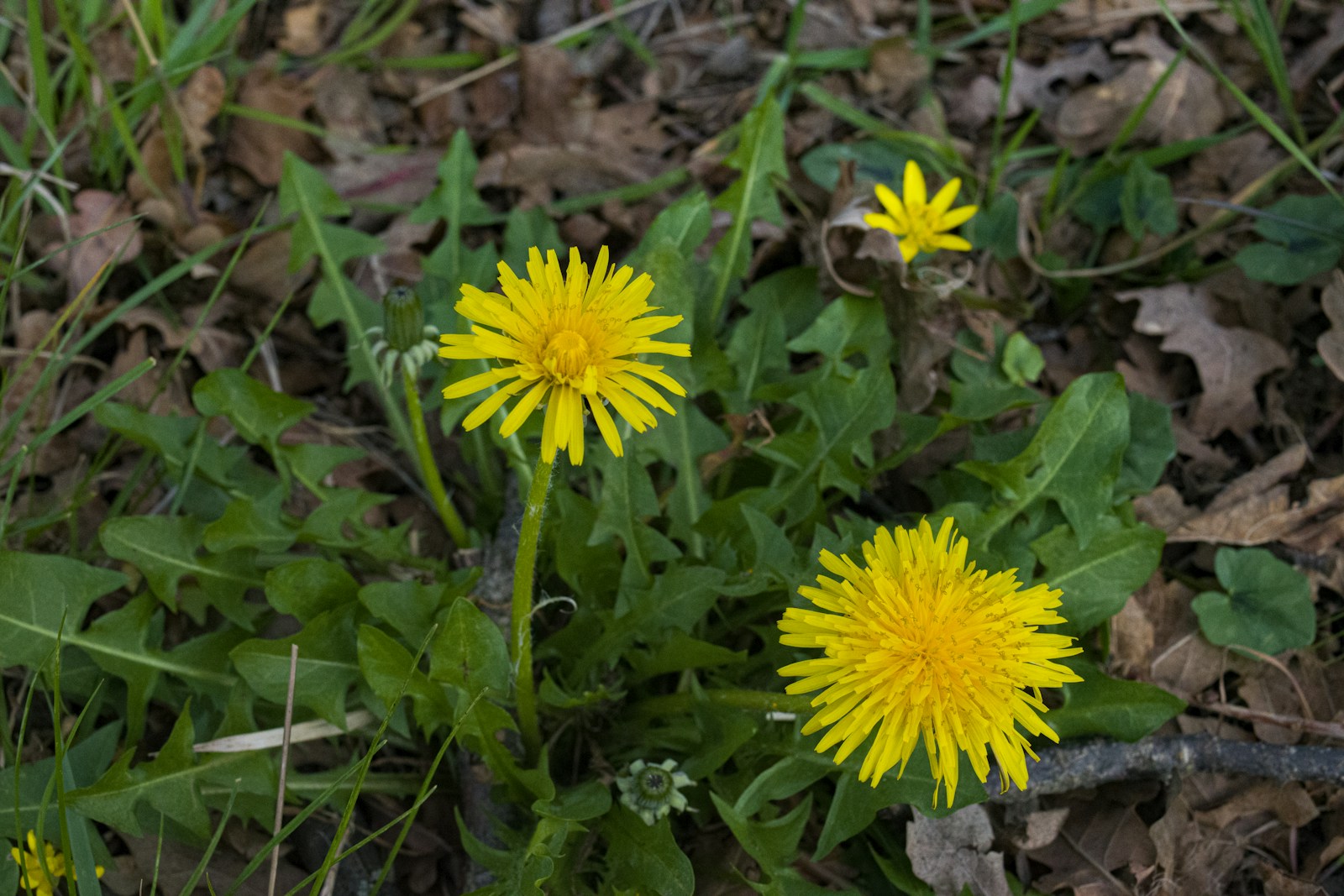
Dandelion (Taraxacum officinale) is a hardy perennial with a deep taproot, a flat rosette of toothed leaves and yellow flowers. Grown in good soil and picked young, it gives far bigger, milder leaves than any lawn weed. French and Italian market gardeners have raised it as a salad crop for generations. It is one of the easiest greens you can grow. The only real work is keeping it from seeding.

Sowing and planting
Dandelion is a cool-season crop. Sow outdoors from about four to six weeks before your last frost, as soon as the soil can be worked. Sow again in late summer, six to eight weeks before your first fall frost, for a fall and early spring harvest. Summer sowings in hot weather germinate poorly and turn bitter fast.
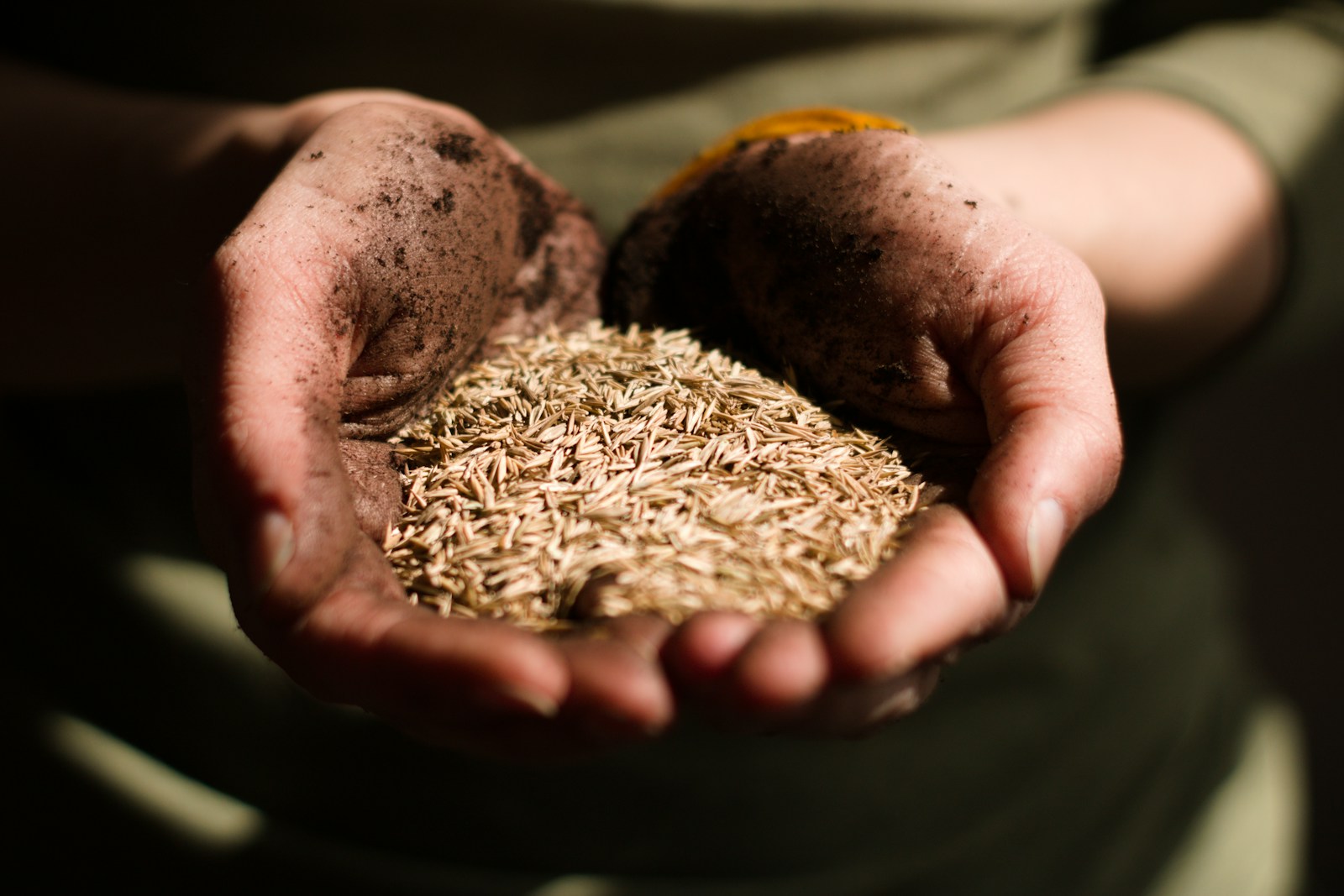
Choose a bed you can keep an eye on, not a corner next to the lawn. Loosen the soil at least 10 inches (25 cm) deep and work in some finished compost. Deep, stone-free soil gives straight roots and large leaves. A pot or trough at least 12 inches (30 cm) deep also works well and keeps the plants contained.
The seed needs some light to germinate, so sow it shallowly. Scatter it thinly along a row and cover with no more than 1/4 inch (6 mm) of fine soil. Keep the surface moist. Seedlings usually appear in one to two weeks when the soil is around 50 to 70°F (10 to 21°C).
Thin in stages once the seedlings have two or three true leaves (the leaves that follow the first pair of seed leaves). Aim for a final spacing of 6 to 8 inches (15 to 20 cm). Eat the thinnings. You can also start seed in cell trays and transplant while the plants are small, before the taproot coils in the cell.
Growing on
Water regularly. Dry plants survive without trouble, but their leaves turn tough and sharply bitter. A mulch of straw or shredded leaves holds moisture and keeps soil from splashing into the rosettes.
Feeding is light. Compost at planting is usually enough. If growth is slow and pale, water once or twice with a balanced liquid fertilizer at the label rate.
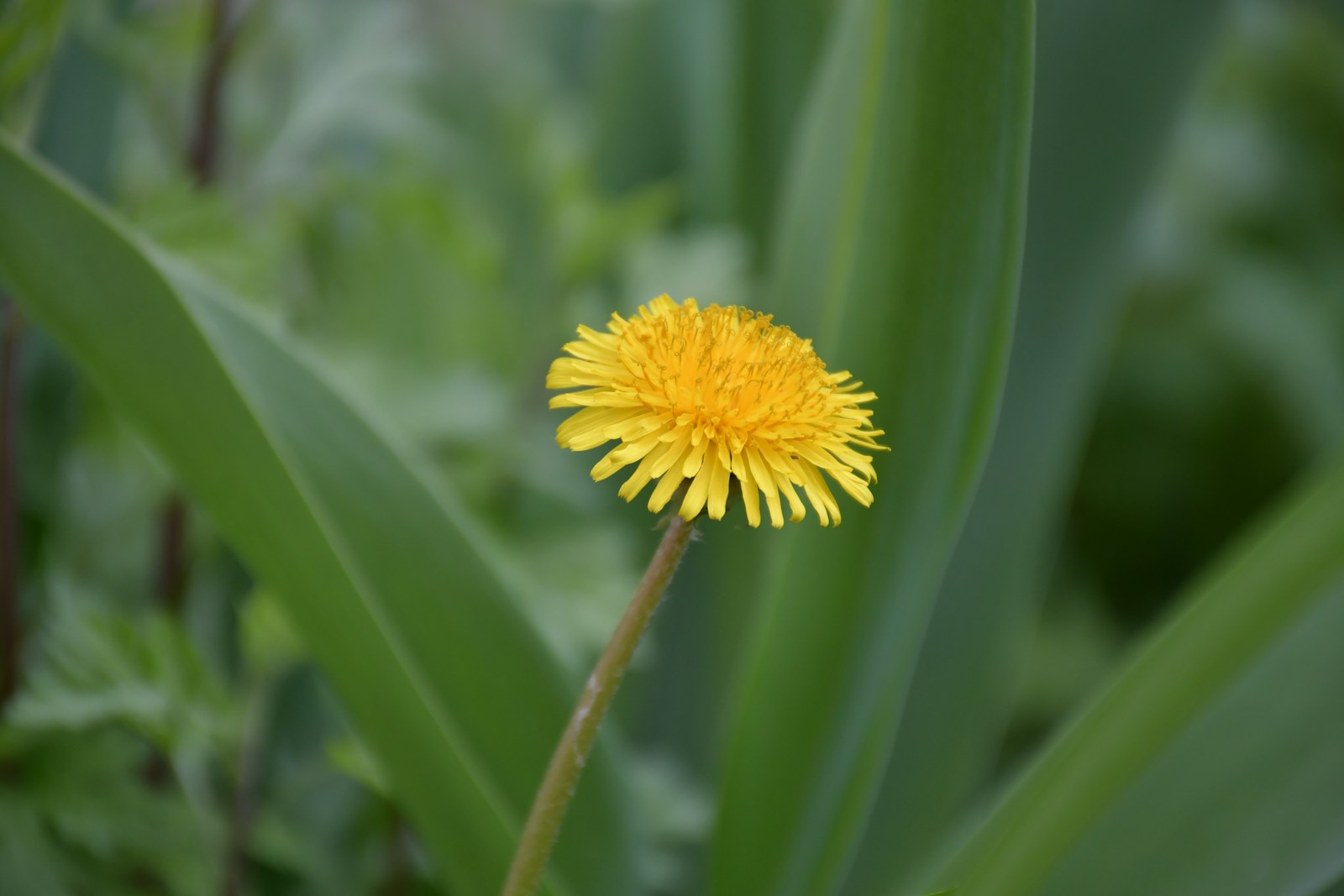
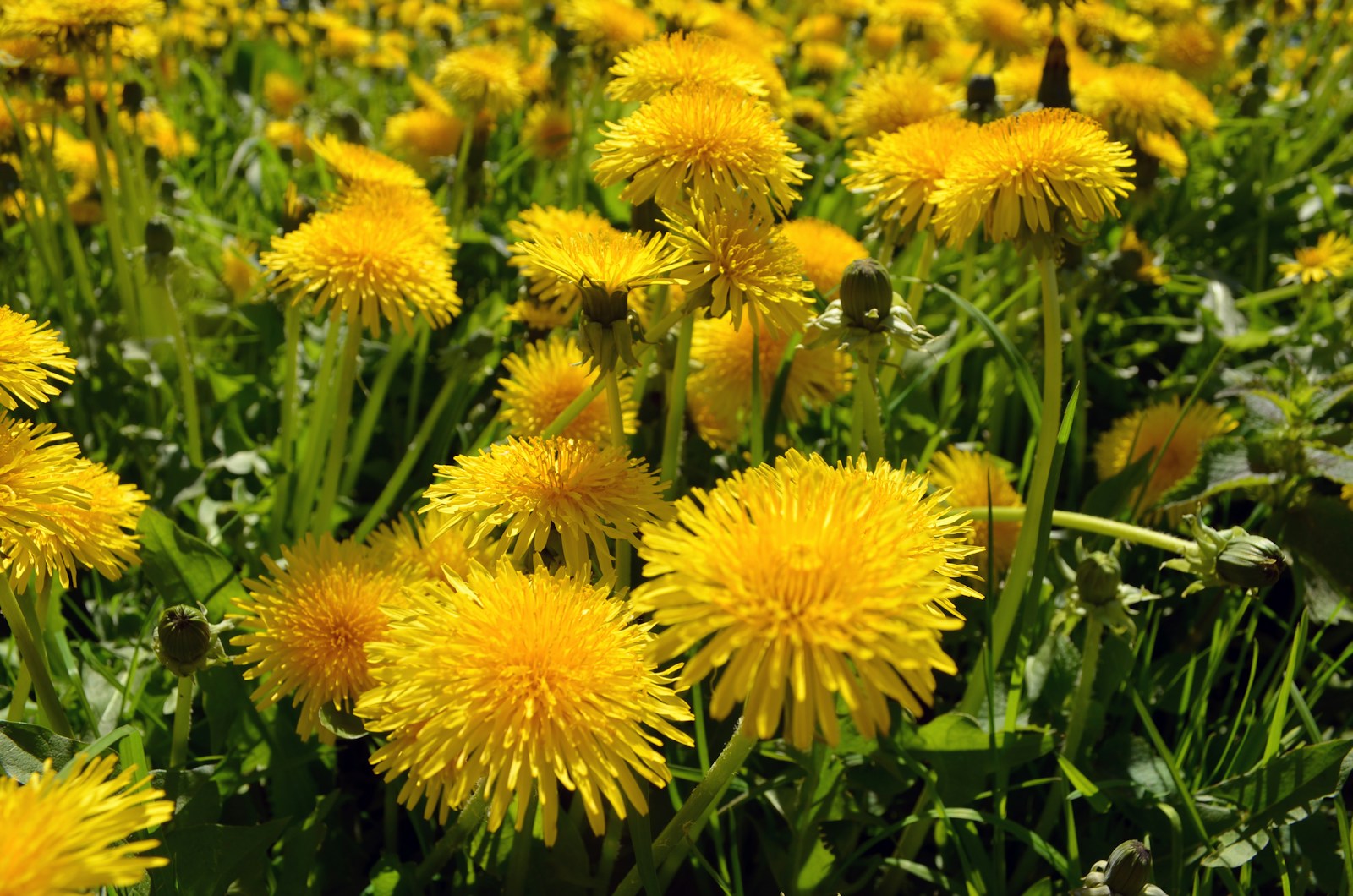
Deadhead without fail. Deadheading means removing flowers before they set seed. Dandelion can set seed without pollination, and a bud becomes a seed head within days. Pinch out flower buds as soon as they appear in the center of the rosette. This also keeps energy in the leaves. Check plants every few days in spring, when flowering peaks.
Blanching means shutting out light so the leaves grow pale, tender and much less bitter. When the rosette is well grown, make sure the leaves are dry. Then cover the plant with an upturned flower pot, a bucket or a box, and block any drainage hole. You can also gather the leaves upright, tie them loosely and mound soil or straw around them. Leave the cover on for one to two weeks. Check for slugs and rot every few days. Blanch a few plants at a time, since blanched leaves do not keep.
Plants live for several years, but leaf quality drops as crowns age and divide. Most growers resow every year or two and dig out the old plants.
Harvesting
Pick the youngest leaves before flower buds appear. Flavor is mildest in cool weather, in early spring and again after the first light fall frosts. Summer leaves are edible but distinctly bitter.
You can harvest in two ways:
- Cut and come again: take the outer leaves, or shear the whole rosette 1 inch (2.5 cm) above the crown. It regrows in a few weeks.
- Whole crown: slice just below soil level so the rosette holds together, as you would with endive.
Blanched heads are cut whole as soon as they are pale yellow. Wash leaves well, since the rosettes trap grit. Use them within a few days.
Flower buds and open flowers are also eaten. Roots are dug in fall of the first or second year, when they are fattest. Loosen the soil deeply with a fork, because any piece of root left behind can sprout again.
In the southern Appalachian mountains, dandelion was one of the wild spring "sallet" greens gathered alongside cress, dock and poke. Anthony Cavender's Folk Medicine in Southern Appalachia records that families also counted it among the bitter spring tonic plants, and used root tea in the belief that it cleaned the kidneys. That is folk history, not medical advice. Grow dandelion as a food crop. Avoid it if you react to plants in the aster family, such as ragweed.
Never harvest dandelions from lawns, verges or parks that may have been treated with herbicides, or from ground beside roads or where pets foul. Weedkiller residue cannot be washed off. Eat only plants you have grown yourself in clean soil.
Problems and pests


Leaves are harshly bitter
The usual causes are heat, drought, old leaves or plants that have begun to flower. Pick younger leaves, water steadily, give afternoon shade and blanch before cutting. Rely on spring and fall crops for salads.
Seedlings coming up all over the garden
Flowers were missed and went to seed. Pinch buds every few days in spring, and cut the whole plant back hard if you fall behind. Hoe off stray seedlings while they are tiny. Older plants must be dug out with the whole root.
Ragged holes in leaves, slime trails
Slugs and snails love the damp shelter of a rosette, and most of all a blanching pot. Hand-pick at dusk, pull mulch back from the crowns, and lift blanching covers to check every few days.
White powdery coating or spotted leaves
Powdery mildew and leaf spot fungi show up on crowded or dry, stressed plants, mostly late in the season. Thin to full spacing, water at the base, and remove the worst leaves. Fresh regrowth after a hard cut is usually clean.
Blanched leaves rotting under the cover
The leaves were wet when covered, or the cover stayed on too long. Cover only dry plants, and cut as soon as they are pale.
Varieties worth growing
Few named strains exist, and seed catalogs often sell them under translated names. Most seed sold simply as "dandelion" is the ordinary wild type.
- 'Amélioré à Coeur Plein' (improved full heart): the classic French strain. It forms a dense clump packed with leaves and blanches almost by itself in the center.
- 'Vert de Montmagny': an old French selection with large, long, dark green leaves and vigorous, early growth.
- Improved thick-leaved (also sold as broad-leaved): the usual catalog name for cultivated strains with broader, fleshier, less deeply cut leaves than wild plants.
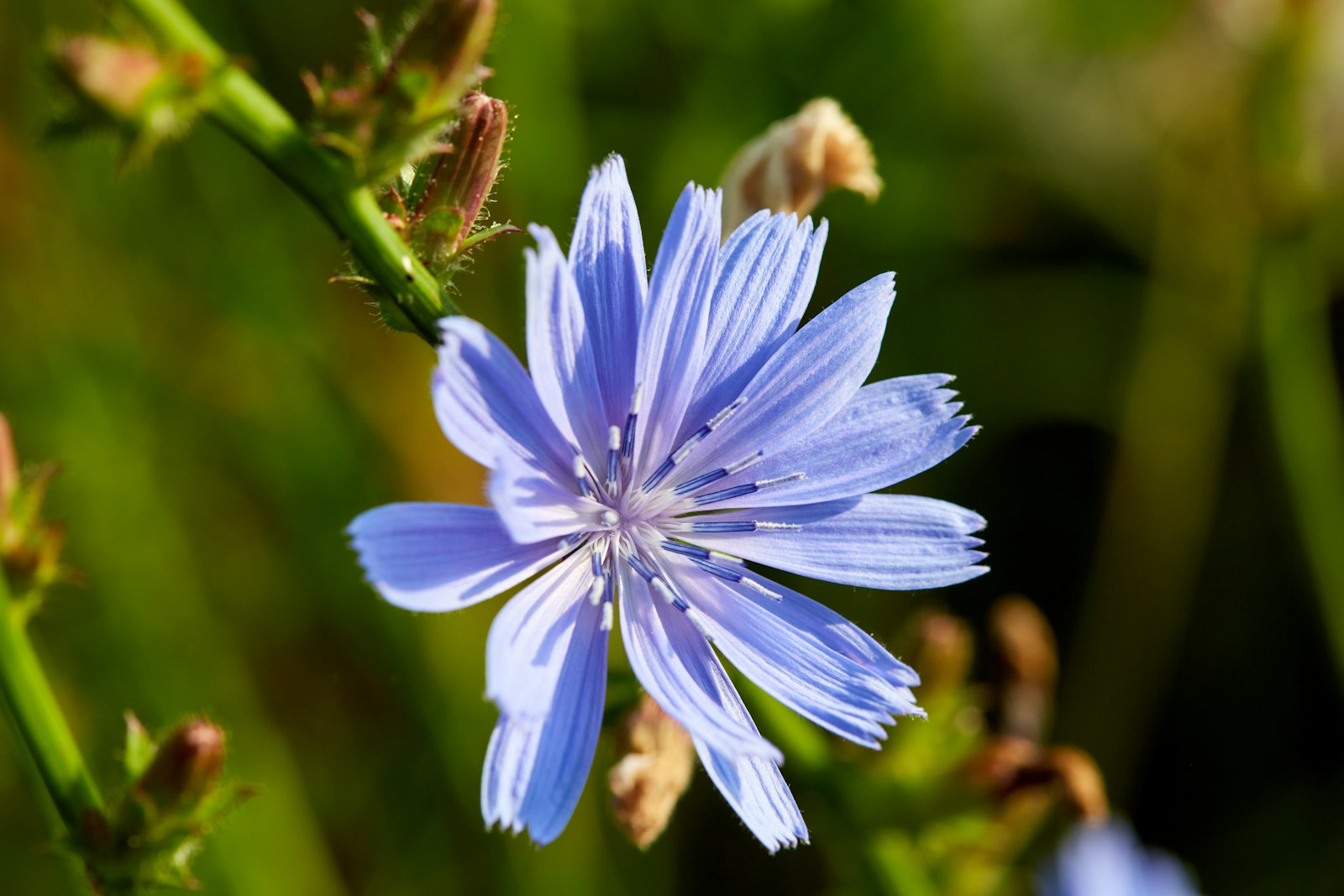
- Italian dandelion, 'Catalogna' types: not a dandelion at all but a leaf chicory (Cichorium intybus). It has upright, dandelion-shaped leaves, blue flowers and a similar bitter flavor. Grow it the same way, and check the botanical name on the packet so you know which you have.