
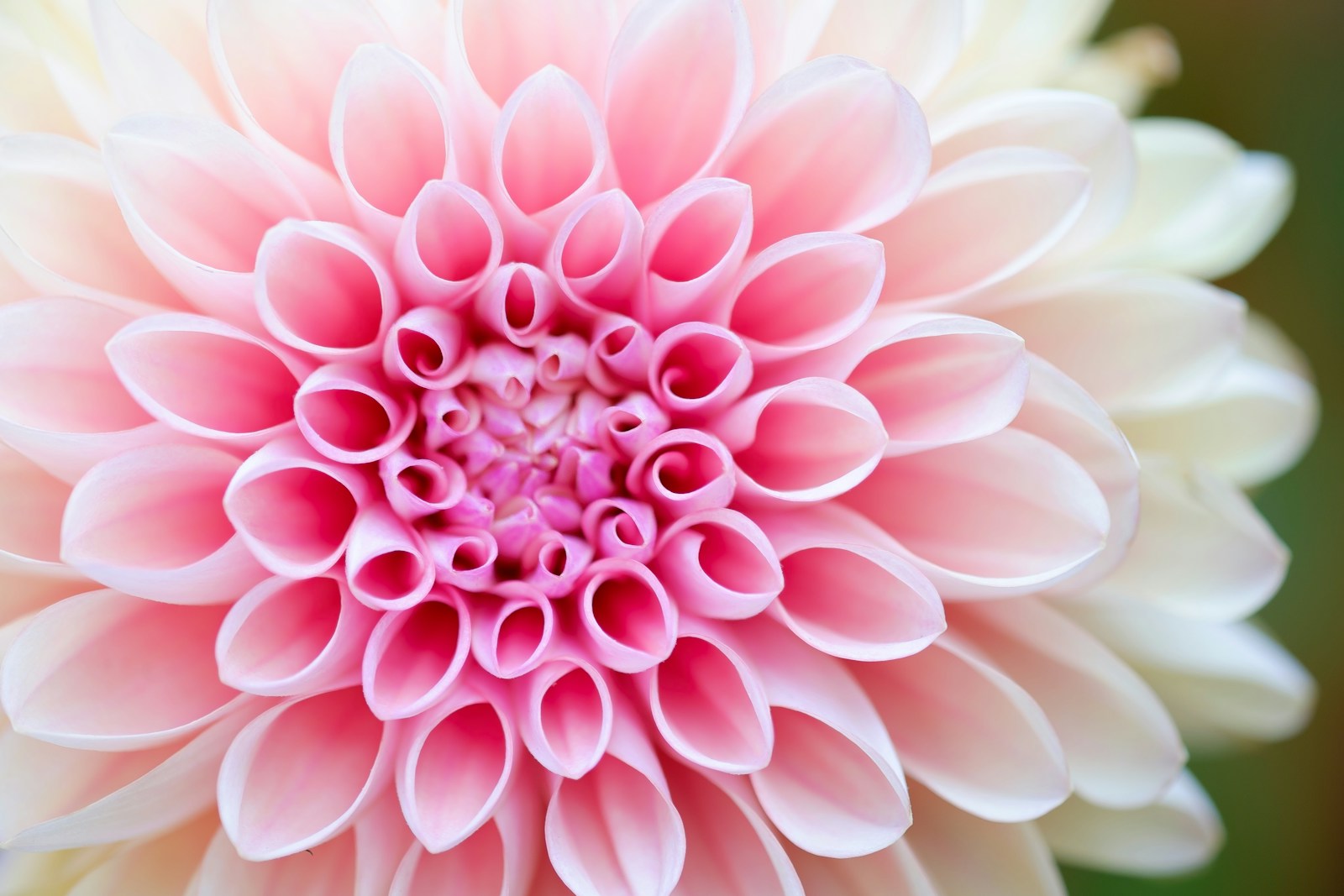
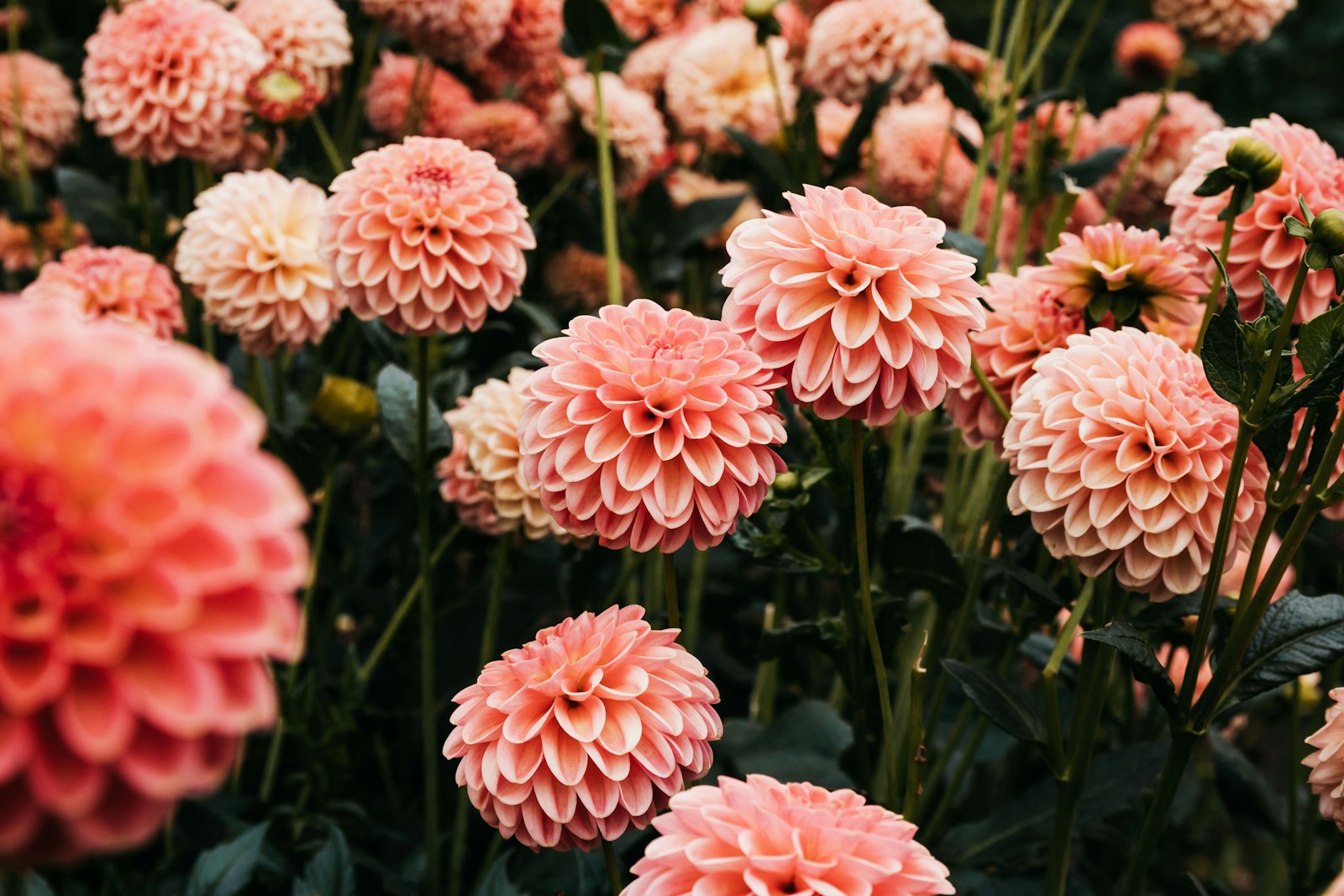
Dahlias are tender perennials from Mexico and Central America, grown from fleshy roots called tubers. They flower from midsummer until the first frost in a huge range of colours and forms. Blooms run from small pompons to dinner-plate heads nearly a foot across. Few plants give you more cut flowers from one spot. Difficulty: moderate, because dahlias need staking and, in cold zones, winter storage.
Sowing and planting
Most gardeners grow dahlias from tubers. A tuber looks like a small, dry sweet potato. It needs a piece of the old stem, called the crown, with at least one eye. An eye is a small bud that becomes the new shoot. A tuber without an eye never grows.
Plant tubers outdoors after your last frost, once the soil has warmed to 60°F (16°C). This is usually one to two weeks after the last frost date. Cold, wet soil rots tubers before they sprout.
Dig a hole 4 to 6 inches (10 to 15 cm) deep. Lay the tuber flat with the eye facing up. Push in a sturdy stake beside it now, so you do not spear the tuber later. Cover with soil. Do not water until green shoots show, unless the soil is very dry.
For earlier flowers, start tubers in pots indoors four to six weeks before your last frost. Use barely damp potting mix and keep them warm and bright. Harden them off before planting out. Hardening off means getting plants used to outdoor conditions over seven to ten days.
Dahlias also grow from seed. Sow indoors six to eight weeks before your last frost at 70 to 75°F (21 to 24°C). Seed-raised plants vary in colour and form. They are best for bedding and small-flowered types.
Growing on
Once shoots are up, water deeply once or twice a week. Aim for about 1 inch (2.5 cm) of water weekly, more in hot, dry spells. Mulch with 2 to 3 inches (5 to 8 cm) of compost or straw once the soil is warm.
Feed with a low-nitrogen, higher-potassium fertilizer, such as a tomato feed, every two to three weeks from first buds. Too much nitrogen gives lush leaves and weak stems with few flowers. Wear gloves when handling fertilizers and wash your hands afterwards.
Staking
Tall dahlias have hollow stems that snap in wind and under the weight of wet blooms. Tie the main stem to its stake with soft twine every 12 inches (30 cm) as it grows. For bushy plants, surround them with three or four canes and loop twine around them.
Pinching
Pinching means removing the growing tip. It makes the plant branch, giving more stems and flowers. When the plant is 12 to 16 inches (30 to 40 cm) tall, snip out the tip just above the third or fourth pair of leaves. Use clean, sharp snips.
Disbudding
Flower buds usually form in threes at the end of each stem. Disbudding means removing the two side buds and keeping the centre one. This gives a larger flower on a longer, straighter stem, which is ideal for cutting. Skip it for small types grown for sheer numbers.
Deadheading
Deadheading means removing spent flowers. Do it every few days to keep plants blooming until frost. Spent heads are pointed and cone-shaped. New buds are round, so you can tell them apart. Cut spent stems back to a leaf joint.
Single and open-centred dahlias are valuable for bees and other pollinators. Fully double forms offer them little.
Harvesting
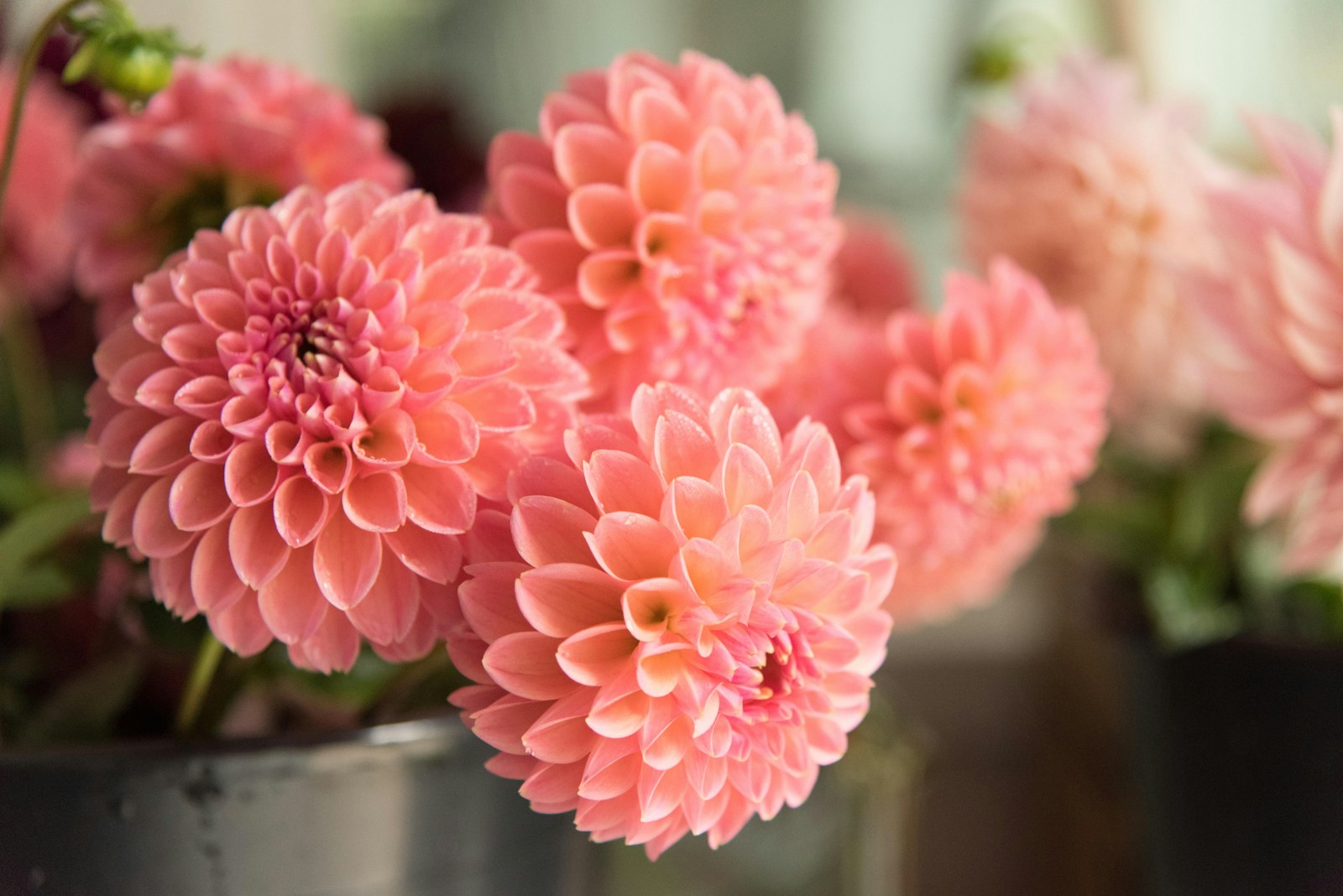
Cut dahlias in the cool of early morning or evening. Pick flowers that are almost fully open, because they do not open further in a vase. Cut long stems, right down to a leaf joint, and plunge them straight into water. Dahlias usually last four to seven days in a vase. Each cut encourages more flowers.
Lifting and storing tubers
In USDA zones 8 and warmer, you can usually leave tubers in the ground under a thick mulch. In colder zones, lift them each autumn.
Wait until the first frost blackens the leaves. Cut the stems down to 4 to 6 inches (10 to 15 cm). Leave the tubers in the ground for one to two weeks to toughen their skins. Then lift the clump gently with a fork, working from well outside the plant. Shake or rinse off the soil and label the clump.
Let the clumps dry upside down for a few days in a frost-free, airy place. Store them in boxes of barely damp peat moss, wood shavings or vermiculite. Keep them at 40 to 50°F (4 to 10°C), such as in a cool basement or garage. Check them every few weeks. Discard any rotting tubers, and mist shrivelled ones lightly.
Dividing
Divide clumps in spring, when the eyes start to swell and are easy to see. Cut the clump apart with a clean knife. Make sure each piece has a tuber, a section of crown and at least one eye. Let the cuts dry for a day before planting.
Problems and pests
All parts of the dahlia plant are mildly toxic to cats and dogs. Eating them can cause vomiting, diarrhoea and skin irritation. Keep pets away from tubers in storage and from plants they like to chew.
Young shoots eaten overnight
Slugs and snails love new dahlia growth. Go out after dark with a flashlight and pick them off. Use wool pellets or copper tape around young plants.
Petals chewed with ragged holes
Earwigs feed on flowers at night. Set upturned pots stuffed with straw on canes among the plants. Empty the traps each morning, well away from the bed.
White powder on the leaves
Powdery mildew, a fungal disease, is common late in the season. Space plants well for air flow and water at the base. Remove the worst leaves.
Tubers soft and mushy
Tuber rot comes from cold, wet soil or damp storage. Plant only once the soil is warm, never water before shoots appear, and store tubers dry and frost-free.
Leaves mottled, stippled or curled
Aphids and spider mites both cause this in hot, dry weather. Spray aphids off with water. Keep plants well watered to deter spider mites. Leaves with yellow rings or mosaic patterns may carry a virus. Dig up and discard those plants.
Varieties worth growing
Dinnerplate and decorative
- 'Café au Lait' – huge blush-cream flowers; a favourite for weddings.
- 'Kelvin Floodlight' – very large, bright yellow flowers on tall plants.
- 'Thomas Edison' – large royal purple blooms on sturdy stems.
Ball and pompon
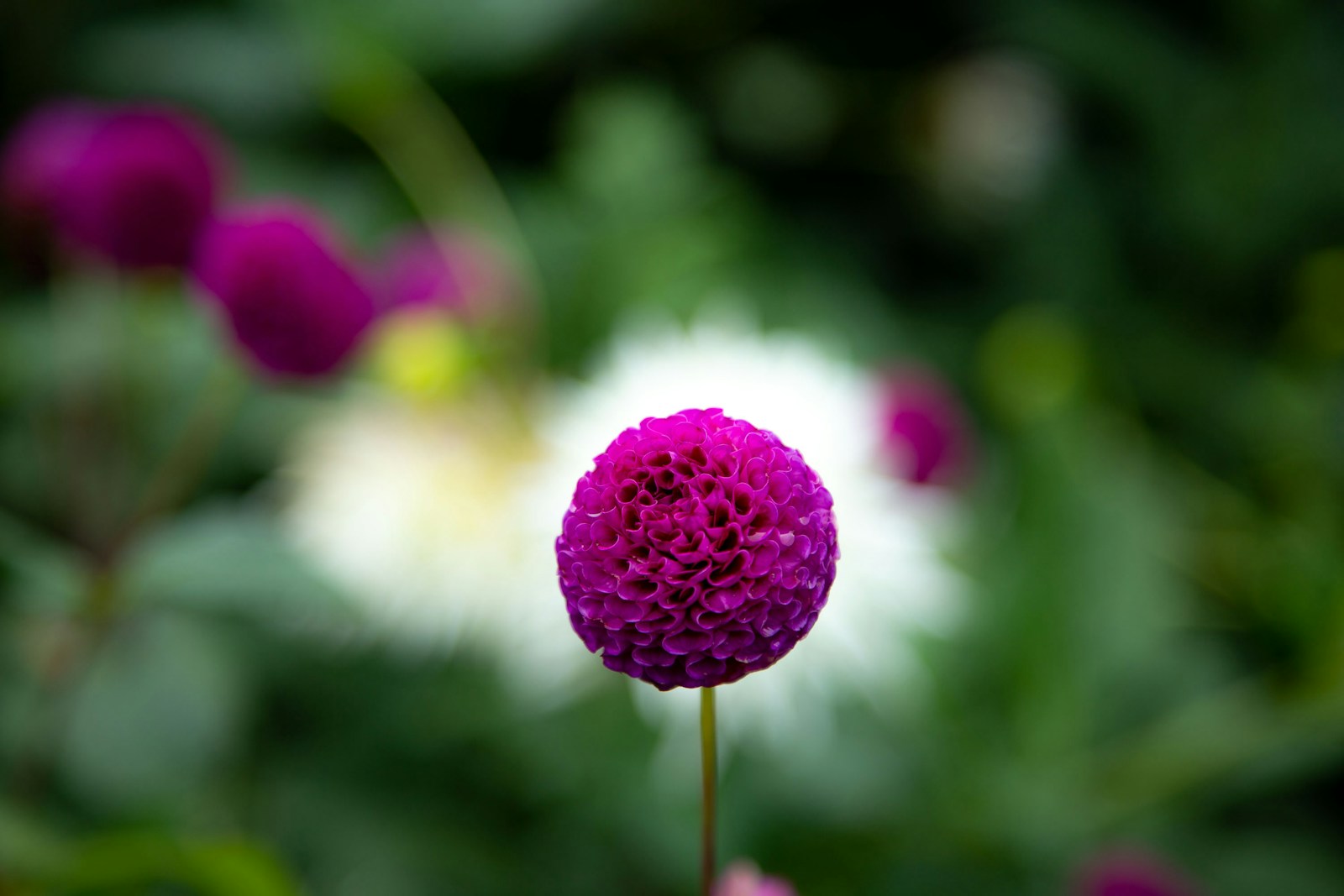
- 'Cornel' – deep red, perfectly round ball flowers; long-lasting when cut.
- 'Jowey Winnie' – apricot-pink ball flowers, excellent for cutting.
- 'Franz Kafka' – small lilac-pink pompons on bushy plants.
Single and open-centred
- 'Bishop of Llandaff' – scarlet single flowers over dark bronze leaves; loved by bees.