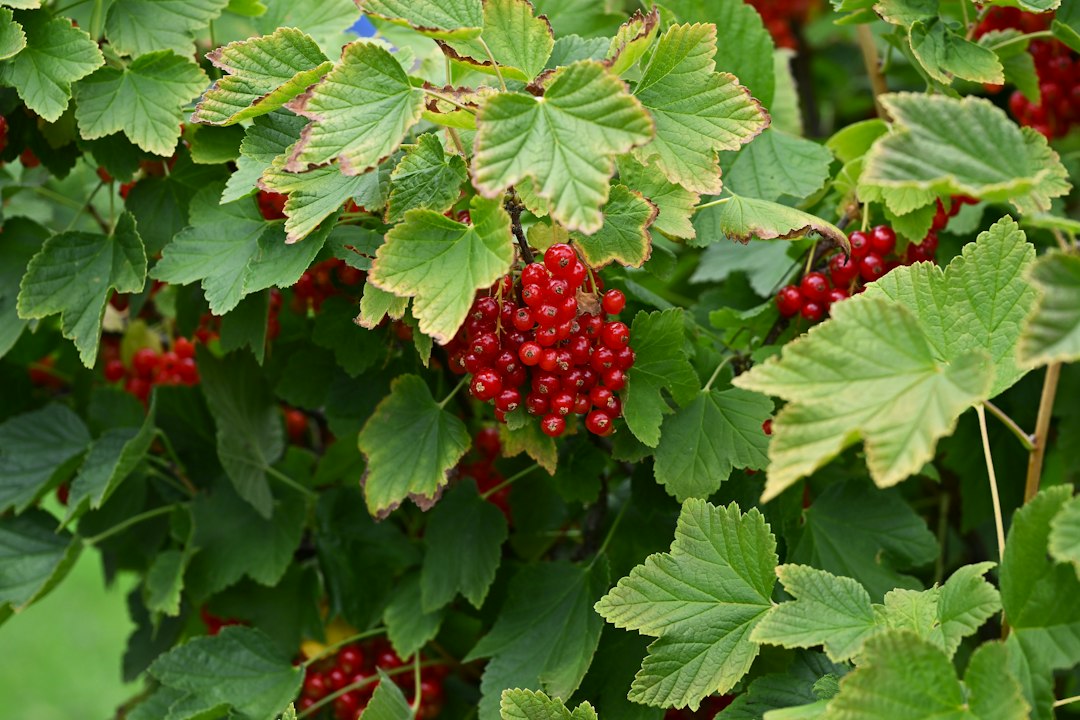
The currant (Ribes rubrum for red and white types, Ribes nigrum for black currants) is a perennial shrub grown for its hanging clusters of small, tart berries. It's an easy plant for beginners, tolerant of average soil and needing little fuss once established, and it usually starts bearing fruit within two to three years of planting. Red and white currants are the milder of the two, often eaten fresh off the bush or turned into jelly, while black currants carry a much more intense, musky flavor and are almost always cooked or processed rather than eaten raw. In a hot-summer climate like Kentucky's, currants do best with some relief from the hottest afternoon sun.
Sowing and planting
You don't grow currants from seed if you want a named variety; seedlings don't come true to the parent plant and take longer to reach fruiting size. Instead, start with a bare-root or potted shrub from a nursery, planted while it's dormant in fall or early spring. Choose a site in full sun to part shade; in a hot-summer climate like zone 6b, afternoon shade is a real benefit, so a spot that gets morning sun and shade from around midday onward protects the berries and foliage from scorching in the hottest part of the day.
Dig a hole as wide as the root ball and set the shrub slightly deeper than it sat in its pot or nursery row, since currants root readily along a buried stem and benefit from the extra anchorage this gives. Space plants about 48 inches (120 cm) apart to allow for good air circulation, which helps prevent fungal problems later on. Water in thoroughly after planting and keep the root zone consistently moist through the first growing season while the roots establish.
Before you plant, check your state's or county's current rules on growing Ribes species. Currants, along with gooseberries, can act as an alternate host for white pine blister rust, a fungal disease that's serious for white pines but does little harm to the currant plant itself. Because of this, some states and localities have restricted or banned planting Ribes historically, and a number still regulate it or require rust-resistant varieties. Rules vary by location and have changed over the decades, so it's worth a quick check with your local extension office before you order plants.
Growing on
Water currants regularly through the growing season, aiming for roughly an inch (2.5 cm) of water a week between rainfall and irrigation, and increase this during dry spells, especially while fruit is developing. Mulching around the base with compost or shredded bark helps retain moisture and suppress weeds, but keep mulch a few inches clear of the main stems. Feed in spring with a balanced fertilizer or a layer of compost; currants aren't heavy feeders, and too much nitrogen pushes leafy growth at the expense of fruit.
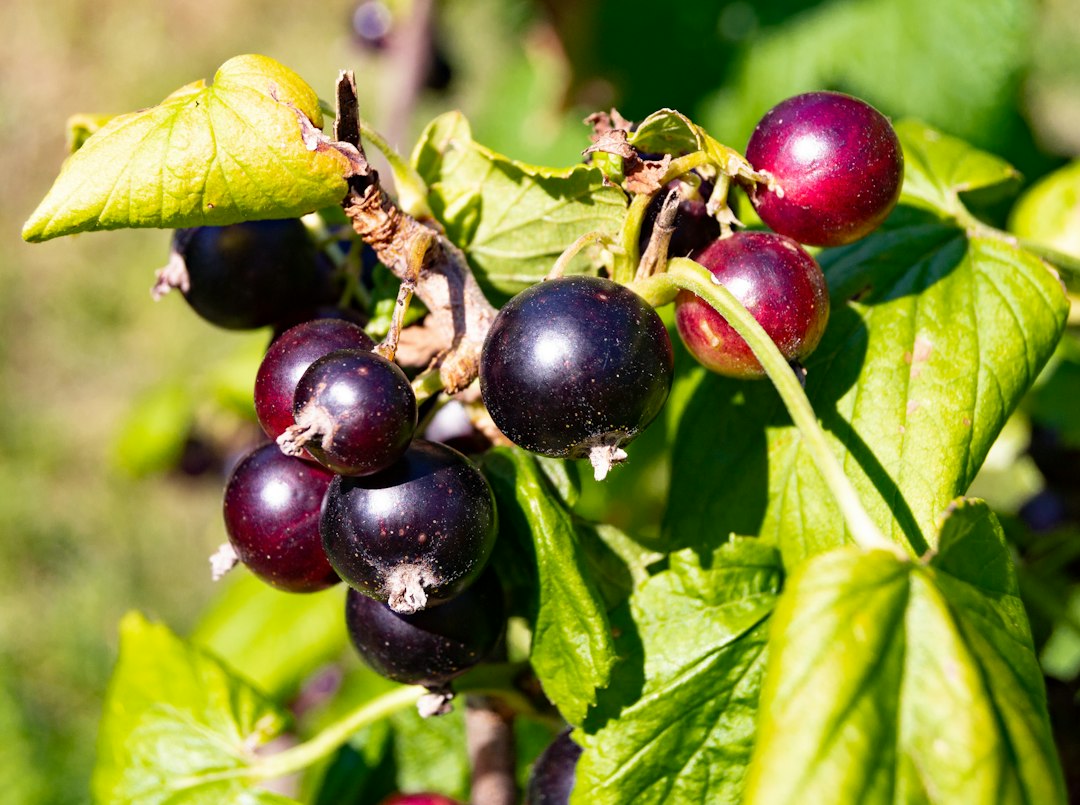
Pruning keeps a currant bush productive and open to light. Red and white currants fruit mainly on older wood, so an established bush benefits from removing some of the oldest, darkest stems each winter to make room for strong new growth, while black currants fruit more heavily on wood made the previous year, so a larger share of older stems can be cut back to the base. As a general rule, each dormant season remove any dead, damaged, or crossing branches, then thin out a portion of the oldest stems to keep the center of the bush open to air and light. Exactly how much old versus new wood to keep varies by variety and type, so when in doubt, prune lightly rather than hard.
Harvesting
Currants ripen as a whole cluster, called a strig, rather than one berry at a time along the stem. Because of this, the fastest and easiest way to harvest is to pick entire strigs at once rather than trying to pluck individual berries, which are small, fragile, and tedious to remove one by one while still attached to the plant. Hold the stem below the cluster and snip or gently pull the whole strig free once the berries have reached full color and a slight give.
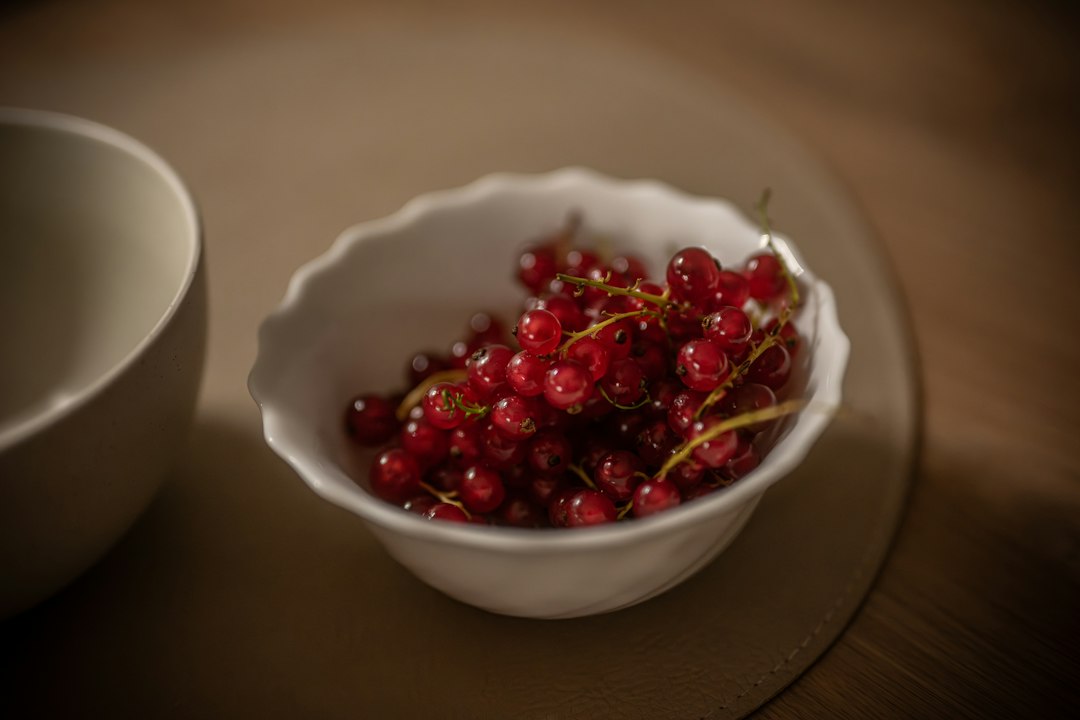
Once you've picked a batch of strigs, destem them afterward, ideally indoors or in the shade, rather than trying to strip berries from the bush itself. A kitchen fork works well for this: run the tines down the strig to pop the berries off into a bowl in one motion, which is much faster than picking berry by berry. Currants on a bush don't all ripen at exactly the same moment, so taste a few from different parts of the plant before committing to a full harvest, and expect to go over the bush more than once as clusters finish ripening.
Problems and pests
Birds stripping the fruit
Birds, especially in flocks, can clear a currant bush of ripe fruit in a day or two, particularly as other food sources dwindle later in the season. Netting draped over the bush as the berries begin to color is the most reliable protection; secure it at the base so birds can't get in underneath.
Powdery mildew
Powdery mildew shows as a white, dusty coating on leaves and shoot tips, usually appearing in humid weather with poor air circulation. Prune to keep the center of the bush open, avoid overhead watering that wets the foliage, and remove badly affected leaves.
Currant aphids causing leaf curl
Currant aphids feed on the underside of young leaves, causing them to pucker, curl, and often develop reddish or yellow blotches. Light infestations rarely affect the crop, and natural predators like ladybugs often bring them under control on their own; for heavier infestations, a strong jet of water or an insecticidal soap applied early in the season helps.
Leaf spot (anthracnose)
Anthracnose and related leaf spot diseases cause small brown or purplish spots on leaves, which can merge and trigger early leaf drop in wet seasons. Rake up and dispose of fallen leaves rather than composting them, and thin crowded growth to improve airflow around the plant.
White pine blister rust host relationship
Currants and gooseberries can carry white pine blister rust, a disease that does little harm to the currant itself but can be devastating to nearby white pines. This is the reason some regions restrict Ribes planting (see Sowing and planting above); if you garden near white pines or in an area with active rust pressure, consider rust-resistant varieties and check with your local extension office for current guidance.
Varieties worth growing
- Red Lake is a reliable, widely available red currant known for large, tart berries on long strigs, a good choice for jelly and fresh eating alike.
- Rovada is a vigorous red currant that produces long clusters of fruit and has a reputation for good disease resistance.
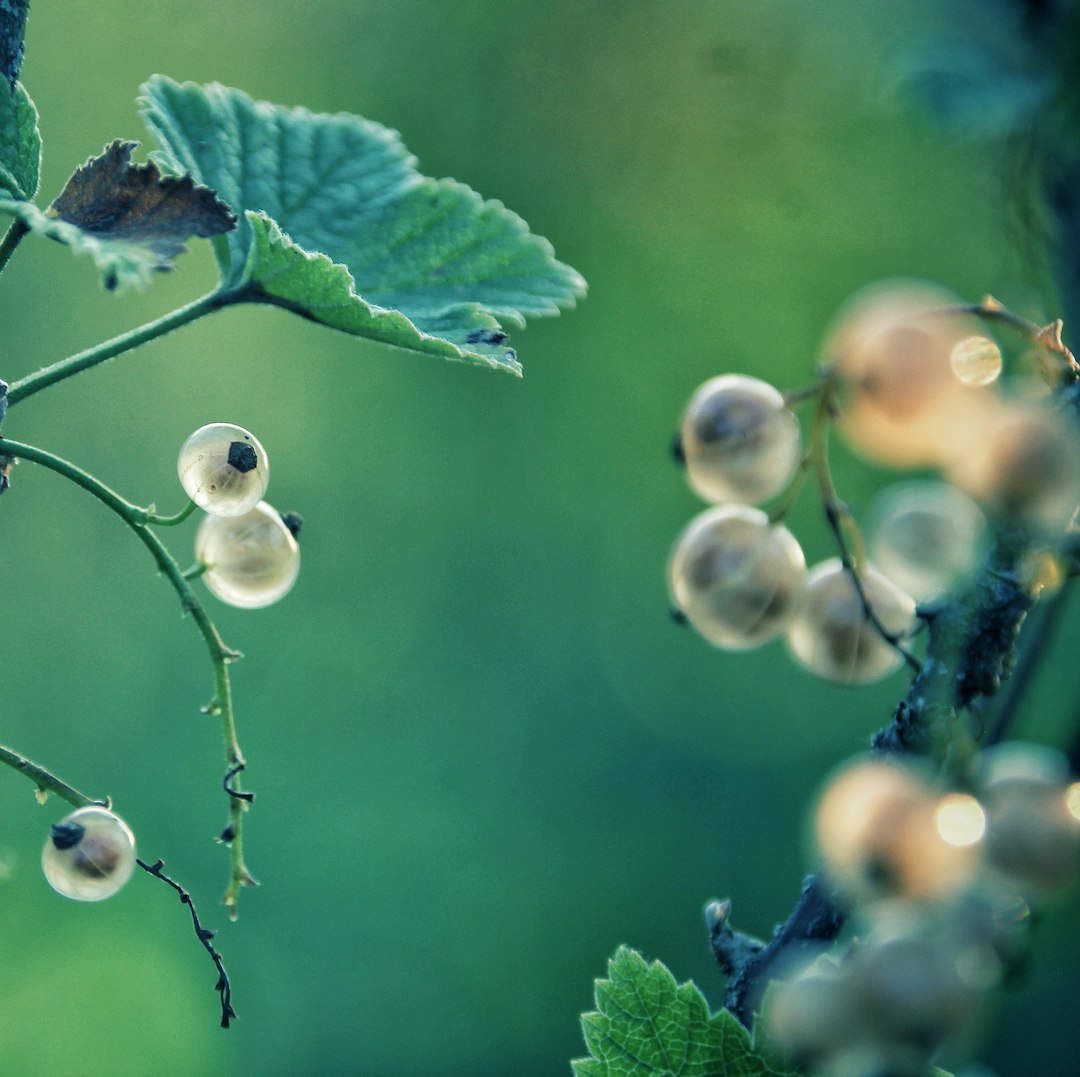
- White Imperial is a classic white currant with pale, translucent berries and a milder, sweeter flavor than most red types.
- Ben Sarek is a compact black currant bred for smaller gardens, producing a heavy crop of large berries on a bush that stays a manageable size.
- Titania is a vigorous black currant valued for good resistance to mildew and some tolerance of rust pressure, a sound pick where blister rust is a concern.