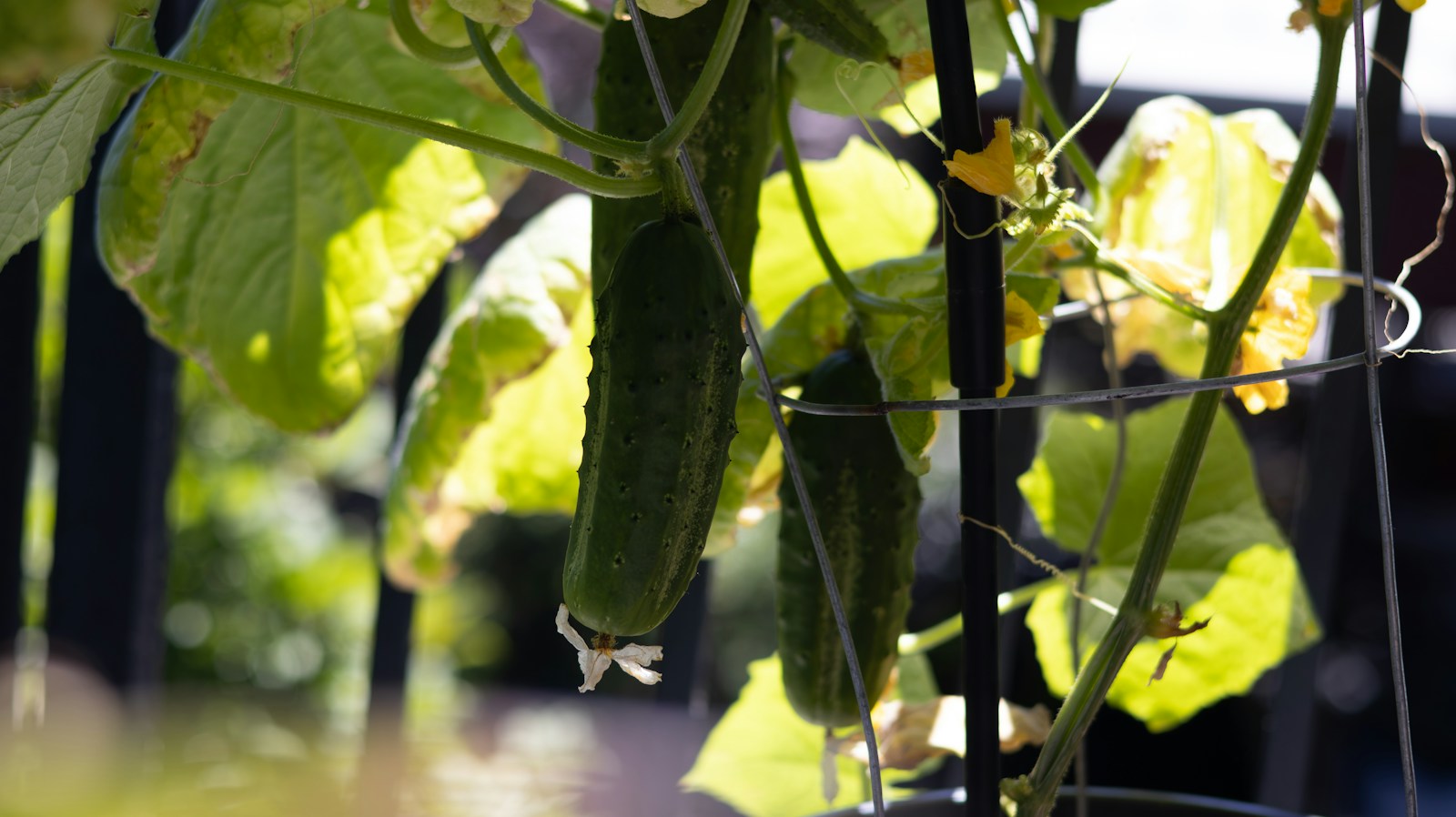
Cucumbers are fast-growing, warm-season vines grown for crisp, juicy fruit. A few healthy plants usually give you more than you can eat through summer. They are easy to grow once the weather is truly warm. The two things that matter most are heat at the start and steady water throughout.
Sowing and planting
Cucumbers need warm soil. Seed sown in cold ground often rots before it sprouts.
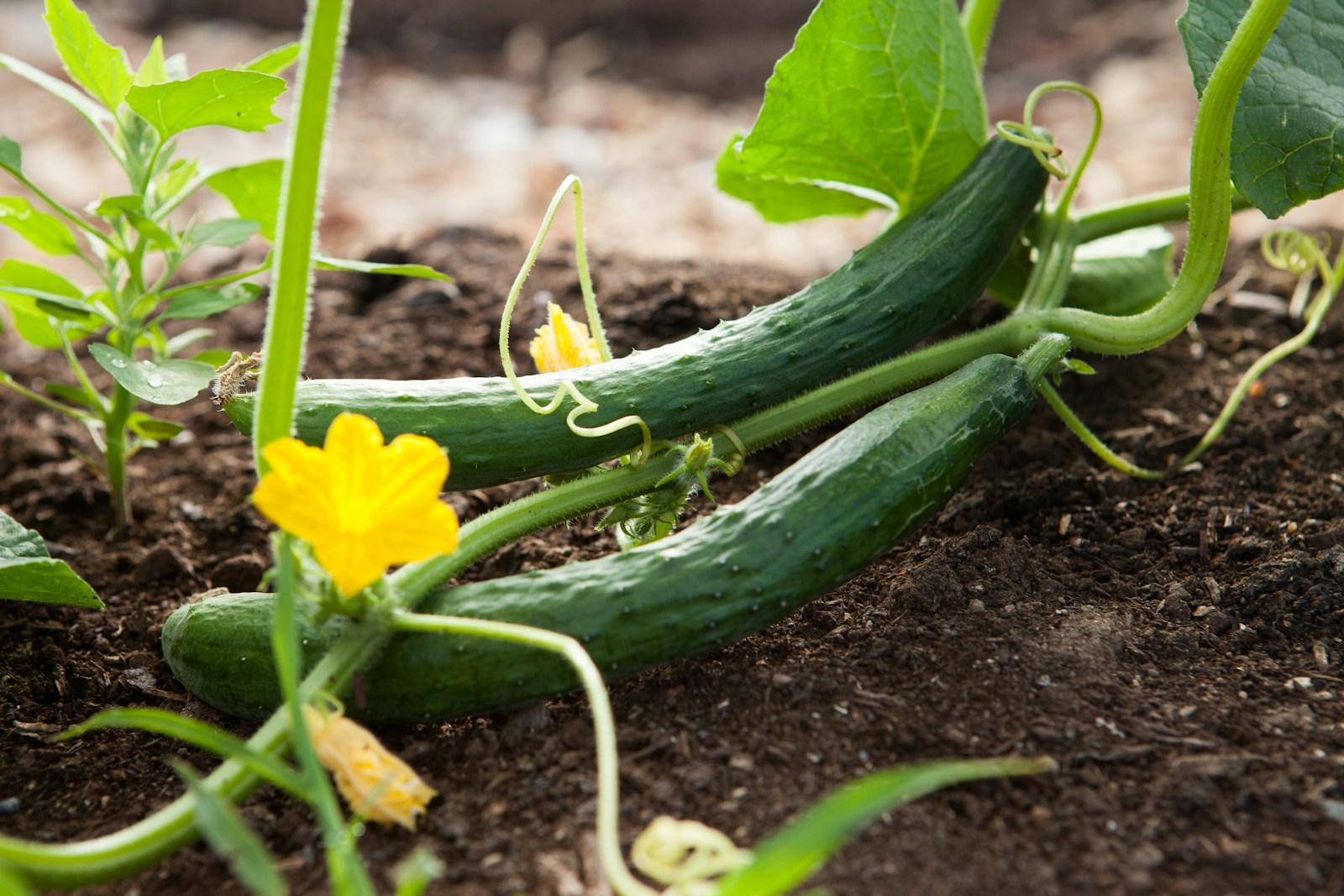
Sowing outdoors. Direct sowing is simplest, and cucumbers dislike root disturbance. Sow one to two weeks after your last frost, once the soil is at least 65°F (18°C) at planting depth. Sow two or three seeds together, 1/2 to 1 inch (1 to 2.5 cm) deep, at each planting spot. Thin to the strongest seedling by snipping the others at soil level. Pulling them disturbs the roots of the one you keep.
Sowing indoors. For an earlier start, sow three to four weeks before your last frost. Use individual pots, 3 to 4 inches (8 to 10 cm) wide, one or two seeds per pot. Keep them at 70 to 85°F (21 to 29°C) until they come up, usually within a week. Do not start them earlier: large, root-bound seedlings sulk after transplanting.
Planting out. Harden off seedlings (get them used to outdoor sun, wind and cooler nights) over a week. Plant out two weeks after your last frost, when nights stay above 50°F (10°C). Handle the root ball gently and water in well. In cool areas, warm the soil first with black plastic or a cloche.
Succession sowing. Cucumber plants tire after four to six weeks of heavy cropping. Sow a second batch three to four weeks after the first. Where summers are long, a third sowing keeps fruit coming until fall. Stop sowing about 10 to 12 weeks before your first fall frost.
Vining or bush. Most cucumbers are vining types that climb or sprawl. Bush types stay compact, suit containers and small beds, and need little support. They usually crop over a shorter period.
Growing on
Watering. Water deeply at the base, about 1 to 2 inches (2.5 to 5 cm) a week. Increase this in hot weather and once fruit forms. Uneven watering causes bitter, misshapen fruit. Water in the morning and keep the leaves dry to reduce mildew.
Feeding. Dig in 2 to 3 inches (5 to 8 cm) of compost before planting. Once the first flowers appear, side-dress (feed in a band beside the plants) with compost or a balanced organic fertiliser. Repeat every three to four weeks. Avoid heavy nitrogen feeds; they give lush leaves and fewer fruit.
Mulching. Once the soil is warm, lay straw or shredded leaves 2 to 3 inches (5 to 8 cm) deep. Mulch holds moisture and keeps fruit off damp soil, which keeps it cleaner and less prone to rot.
Support. Growing vining types up a trellis saves space and gives straighter, cleaner fruit. It also improves airflow, which helps against leaf disease. Use a sturdy frame at least 5 feet (1.5 m) tall, with netting or wire. Guide young vines onto it; their tendrils (thin curling shoots) soon grip on their own.
Pinching. On trellised plants, many growers remove side shoots and flowers from the lowest 1 to 2 feet (30 to 60 cm). This builds a strong plant before it starts fruiting. Pinch out the main tip when it reaches the top of the support.
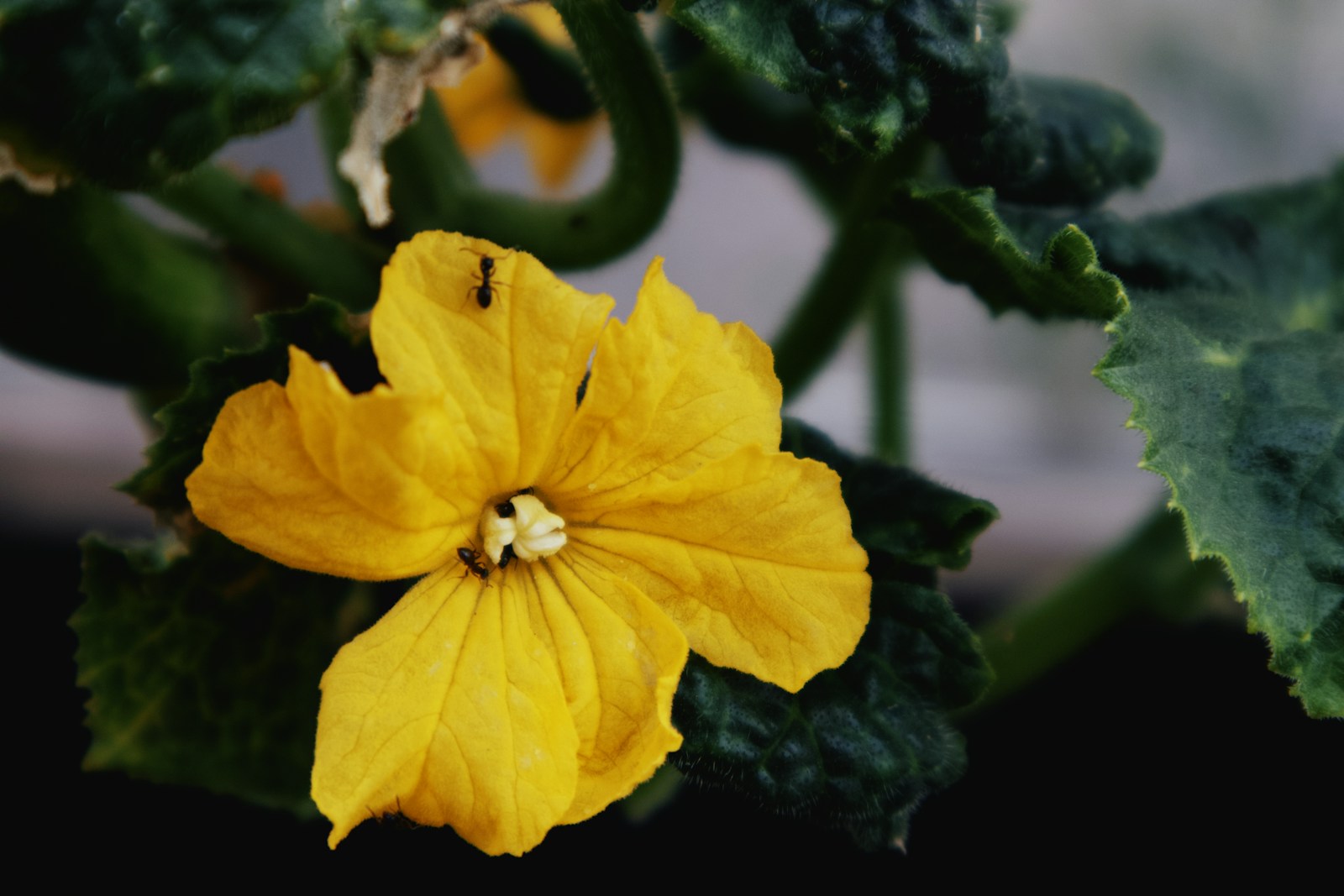
Pollination. Most cucumbers make separate male and female flowers. Female flowers have a tiny cucumber behind the petals. Bees carry pollen between them, so plant flowers nearby to attract them. Greenhouse or "parthenocarpic" types set fruit without pollination.
Companions. Dill, marigolds and nasturtiums draw beneficial insects. Beans and sweetcorn make good neighbours. Avoid planting near other cucumber-family crops you grew there last year.
Harvesting
Pick cucumbers young and firm, before they turn yellow or the seeds harden. Size depends on type:
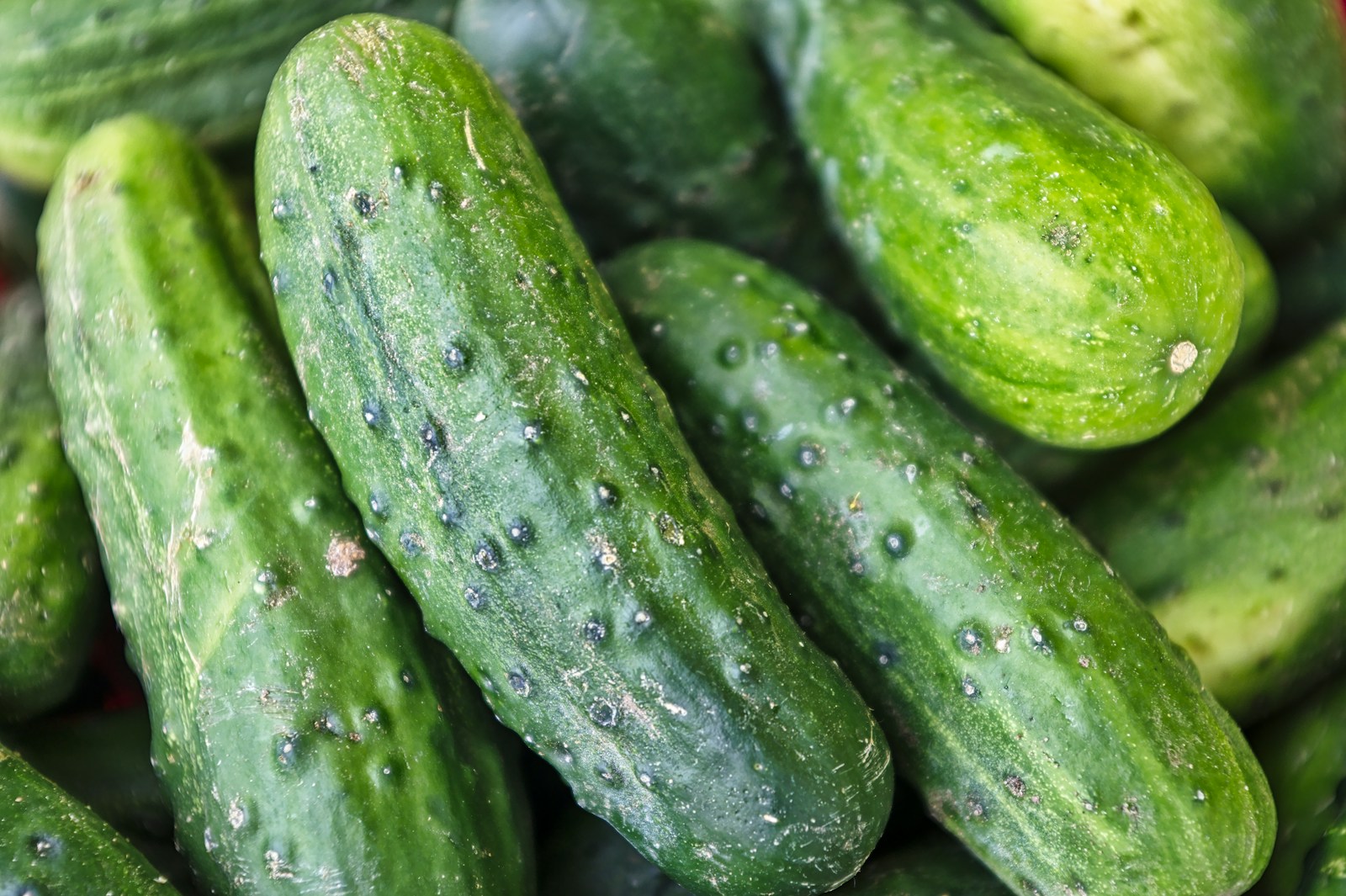
- Pickling types: 2 to 4 inches (5 to 10 cm) long for gherkins, up to about 6 inches (15 cm) for spears.
- Slicing types: 6 to 8 inches (15 to 20 cm) long, dark green and glossy.
- Long English and Asian types: 10 to 14 inches (25 to 35 cm), still slim.
- Lemon types: pale yellow and about the size of a tennis ball.
Check plants every one or two days at peak season, as fruit grows quickly. Cut the stem with scissors or pruners rather than pulling, which can damage the vine. Leaving overripe fruit on the plant signals it to stop producing. Pick every one, even the ones you missed.
Storage. Cucumbers keep for about a week in the fridge. Store them in the warmest part, such as the salad drawer, away from tomatoes and fruit. Fresh cucumbers do not freeze well; pickle surplus instead.
Saving seed. Save only from open-pollinated varieties, not hybrids. Different cucumber varieties cross with each other but not with melons or squash. Leave a chosen fruit on the vine until it turns yellow-brown and soft. Scoop out the seeds, ferment them in water for two or three days, rinse and dry.
Problems and pests
Cucumbers are killed by frost and stall in cold soil. Wait until nights stay above 50°F (10°C) before planting out, and keep row cover handy for a late cold snap.
Chewed seedlings and striped or spotted yellow beetles
Cucumber beetles feed on leaves and flowers. They also spread bacterial wilt. Cover young plants with row cover until flowering begins, then remove it for bees. Hand-pick beetles early in the morning, when they move slowly.
Whole vines wilt suddenly and do not recover
This is usually bacterial wilt, spread by cucumber beetles. Cut a wilted stem and slowly pull the ends apart. Sticky, stringy sap confirms it. Remove and bin affected plants. Control beetles from day one next time.
White, powdery patches on leaves
Powdery mildew is a fungus that thrives when roots are dry and air is still. Water well at the base, space plants for airflow and remove the worst leaves. Grow resistant varieties. A spray of potassium bicarbonate can slow it; follow the label and wear gloves.
Yellow patches between leaf veins, grey fuzz beneath
Downy mildew favours cool, damp weather. Water in the morning and avoid wetting the leaves. Remove infected leaves promptly. Choose resistant varieties where it is common.
Many flowers but no fruit, or bitter, curled fruit
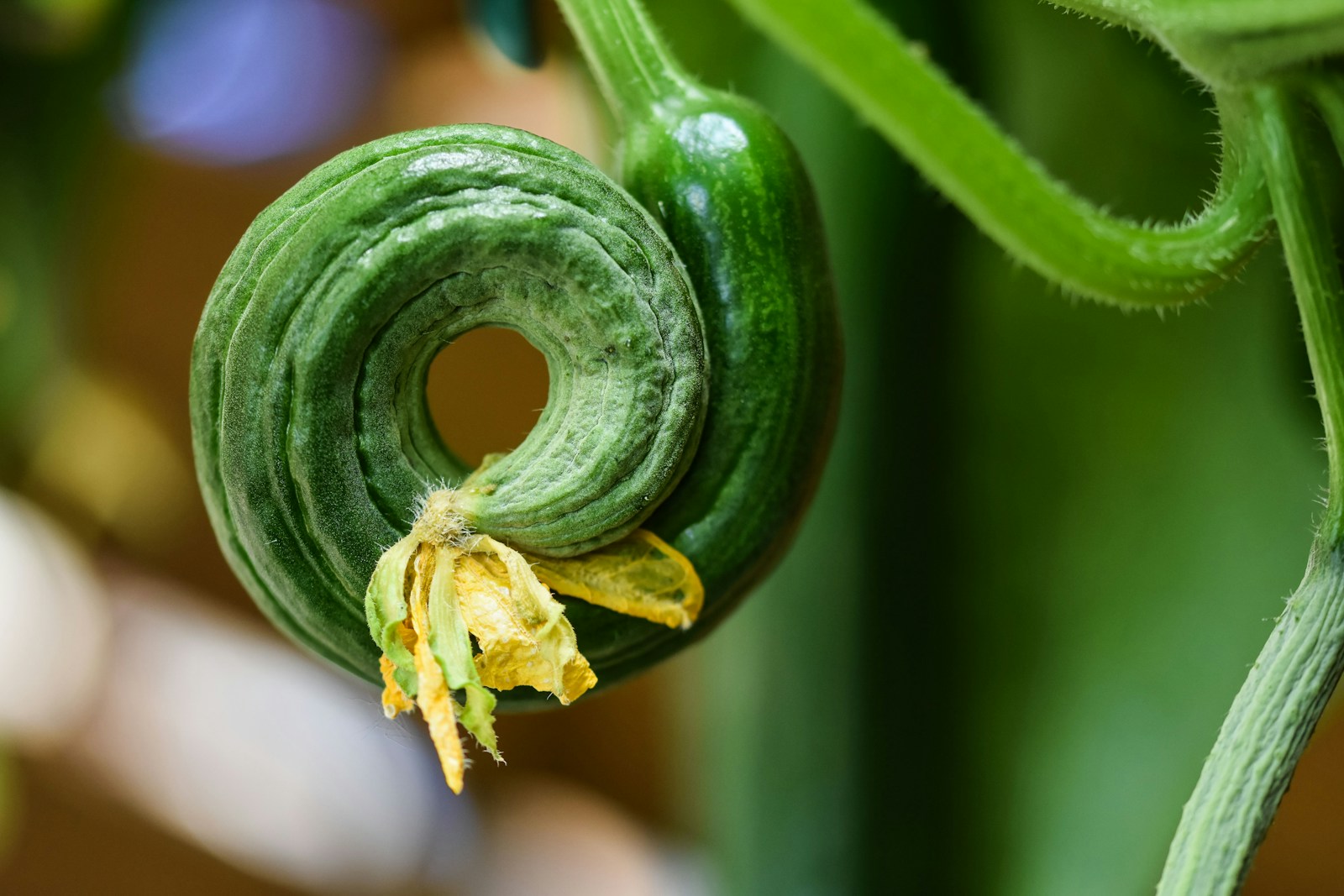
Early flowers are often all male, so wait a week or two. Too few bees also stop fruit setting. Plant flowers nearby or hand-pollinate with a small brush. Heat stress and uneven watering cause bitter or curled fruit. Keep the soil evenly moist and mulched.
Varieties worth growing
Slicing types
- 'Marketmore 76': a dependable dark green slicer with good disease resistance.
- 'Straight Eight': a classic heirloom giving straight, evenly shaped fruit.
- 'Diva': a thin-skinned, seedless type that sets fruit without pollination.
Pickling types
- 'Boston Pickling': an old favourite with small, blocky, bumpy fruit.
- 'National Pickling': a productive variety bred for crisp pickles.
Compact and unusual types
- 'Spacemaster': a compact vine that suits containers and small beds.
- 'Lemon': round, pale yellow fruit with a mild, sweet flavour.
- 'Suyo Long': a long, ribbed Asian type best grown on a trellis.