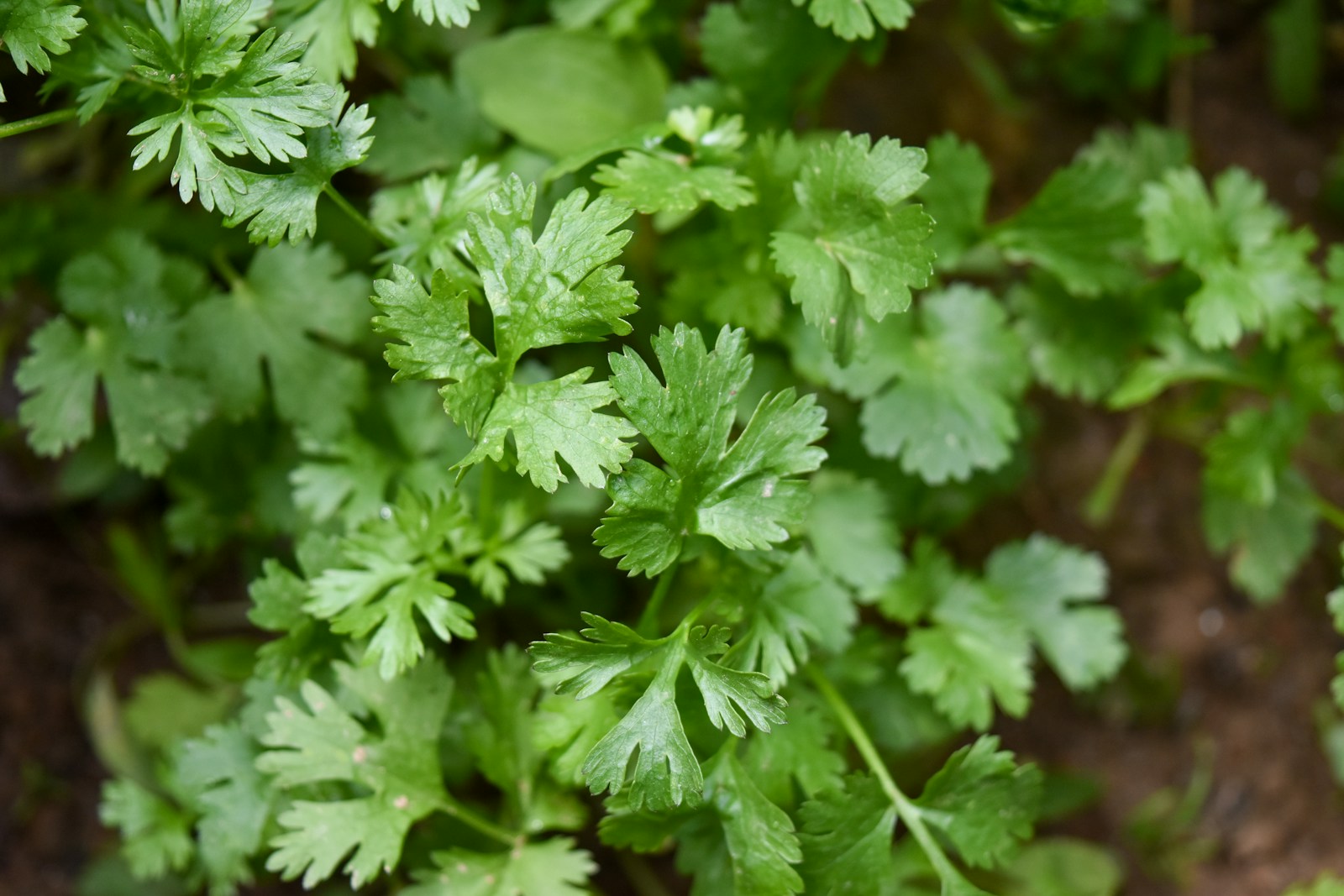
Cilantro is a leafy annual herb with a sharp, citrus flavor used in salsas, curries and noodle dishes. The same plant gives you coriander, the round seeds sold as a spice. It grows fast from seed and needs little care, but it flowers quickly in warm weather. Difficulty: easy, as long as you sow in cool conditions and sow often.
Sowing and planting
Cilantro grows a long taproot (a single thick root that dives straight down). It dislikes being moved, and root disturbance often makes it flower early. Sow it directly where it will grow whenever you can.
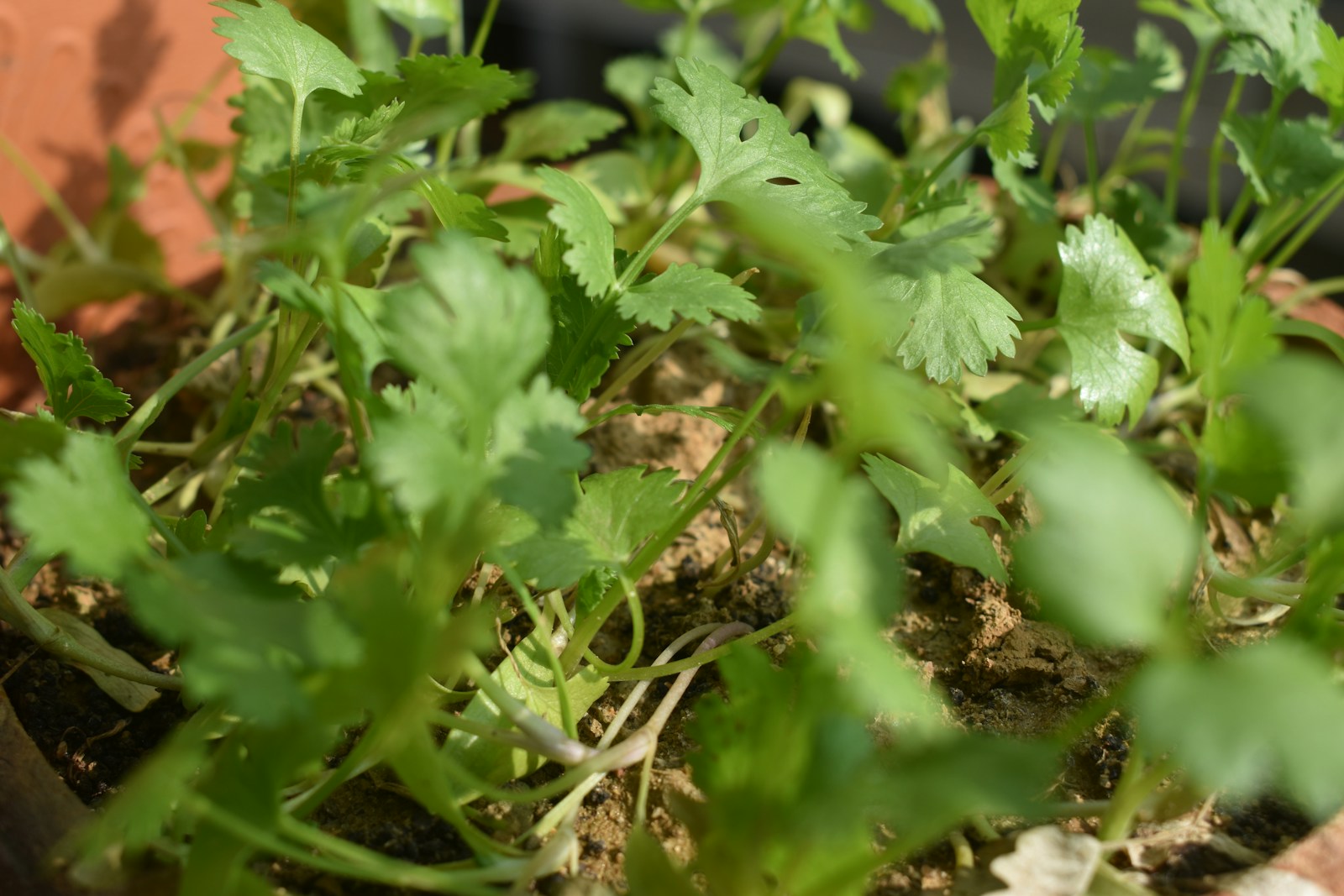
Spring sowing. Start sowing two to three weeks before your last frost date. The soil should be workable and at least 50°F (10°C). Young plants shrug off light frost, so early sowing is safe.
Autumn sowing. Sow again in late summer, about six to eight weeks before your first frost. Shortening days and cooler nights suit cilantro, and autumn crops often last longer than spring ones. In USDA zones 8–10, you can grow it right through the cool season, from autumn to early spring.
How to sow. Each round "seed" is really a husk holding two seeds. Crush the husks gently under a rolling pin, then soak them in water for a few hours to speed germination. Sow them 1/4–1/2 inch (6–12 mm) deep in rows 12 inches (30 cm) apart. Keep the soil evenly moist until seedlings appear. Thin to 6–8 inches (15–20 cm) apart for full plants, or leave them 2–3 inches (5–8 cm) apart if you plan to cut young leaves as a "cut and come again" crop.
Succession sowing. Sow a short row every two to three weeks through spring and again from late summer. This is the single best way to keep a steady supply, because each sowing only gives a few weeks of leaves.
Containers. Cilantro does well in pots at least 8 inches (20 cm) deep. Use a pot deep enough for the taproot and sow straight into it. Seedlings bought in cell packs can work, but plant them out quickly with the root ball intact.
Growing on
Watering. Keep the soil evenly moist. Dry spells stress the plant and push it into flower. Water at the base in the morning so the leaves dry quickly.
Feeding. Rich garden soil usually needs no extra feed. In poor soil or pots, give a half-strength liquid feed high in nitrogen every three to four weeks. Too much fertilizer produces soft, weak growth with less flavor.
Mulching. A thin layer of fine compost or shredded leaves keeps the soil cool and moist. Cool roots help delay flowering.
Heat and day length. Cilantro starts to bolt (send up a flower stalk and stop making new leaves) as days lengthen and temperatures rise above about 75°F (24°C). In late spring, give it afternoon shade from taller crops, a shade cloth or the east side of a wall.
Bolting is the most common way cilantro fails. Heat, long days, dry soil and root disturbance all trigger it. Sow directly, keep the soil moist, give afternoon shade in warm weather, and sow a new row every two to three weeks.
Support and pinching. Leaf plants need no support. Pinching out the flower stalk as soon as it appears buys a few extra days of leaves, but it does not stop bolting for long. Once a plant bolts, let it flower for seed or pull it and sow again. Seed plants in windy spots may need a short stake.
Companions. Flowering cilantro attracts hoverflies, small wasps and other beneficial insects that prey on aphids. Grow a few plants among leafy greens and brassicas (cabbage-family crops).
Harvesting
Leaves. Start picking when plants are 4–6 inches (10–15 cm) tall. Cut the outer stems close to the base and let the center keep growing. Take no more than a third of the plant at once. Stems are tender and full of flavor, so use them too. The ferny leaves that appear on the flower stalk are edible but less aromatic.
Whole plants. For thick bands of young plants, cut the whole row 1–2 inches (2.5–5 cm) above the soil. It often regrows once or twice before it tires.
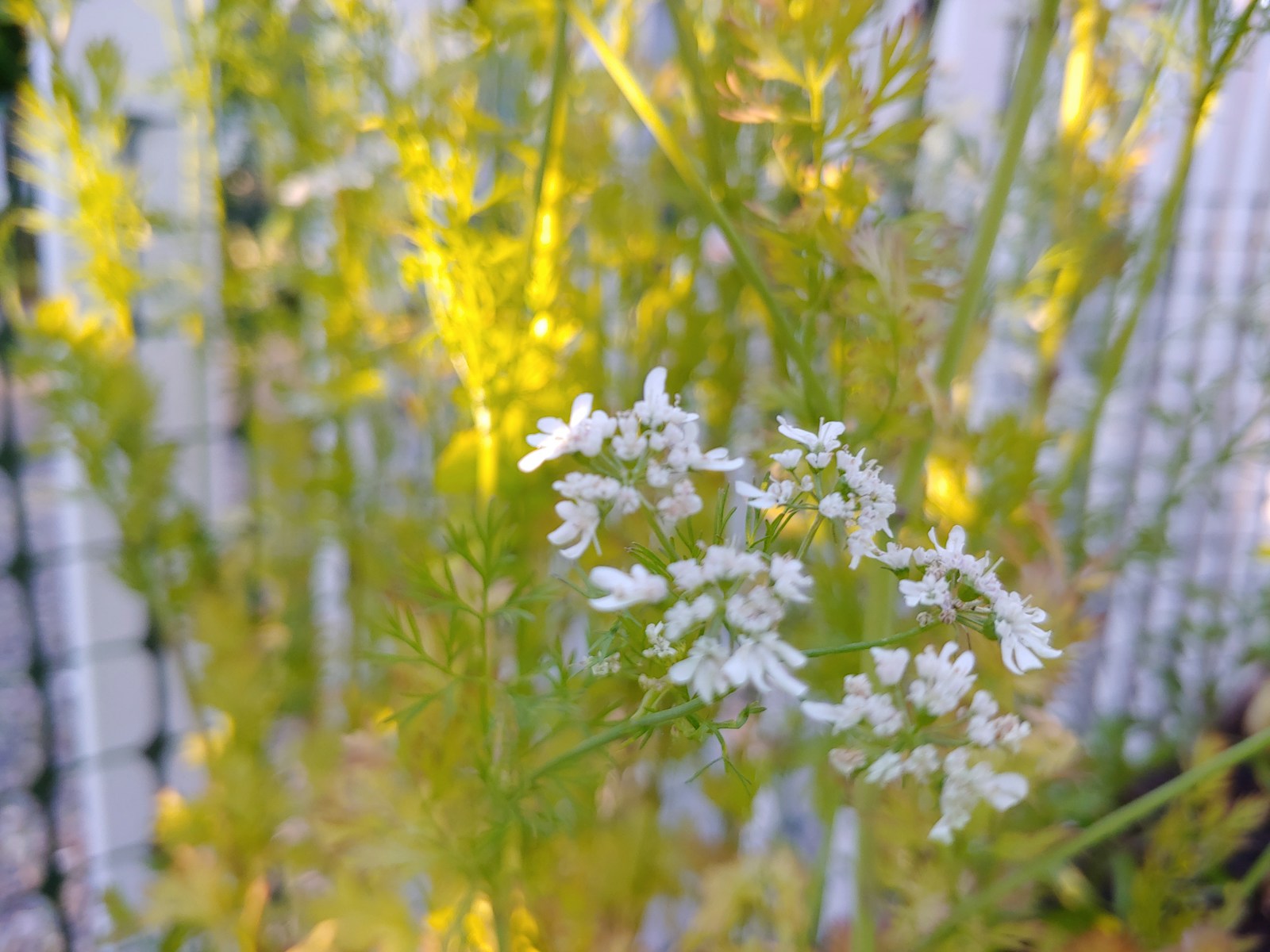
Green seeds. Once flowers fade, round green seeds form. Many cooks use them fresh for a bright, citrusy burst.
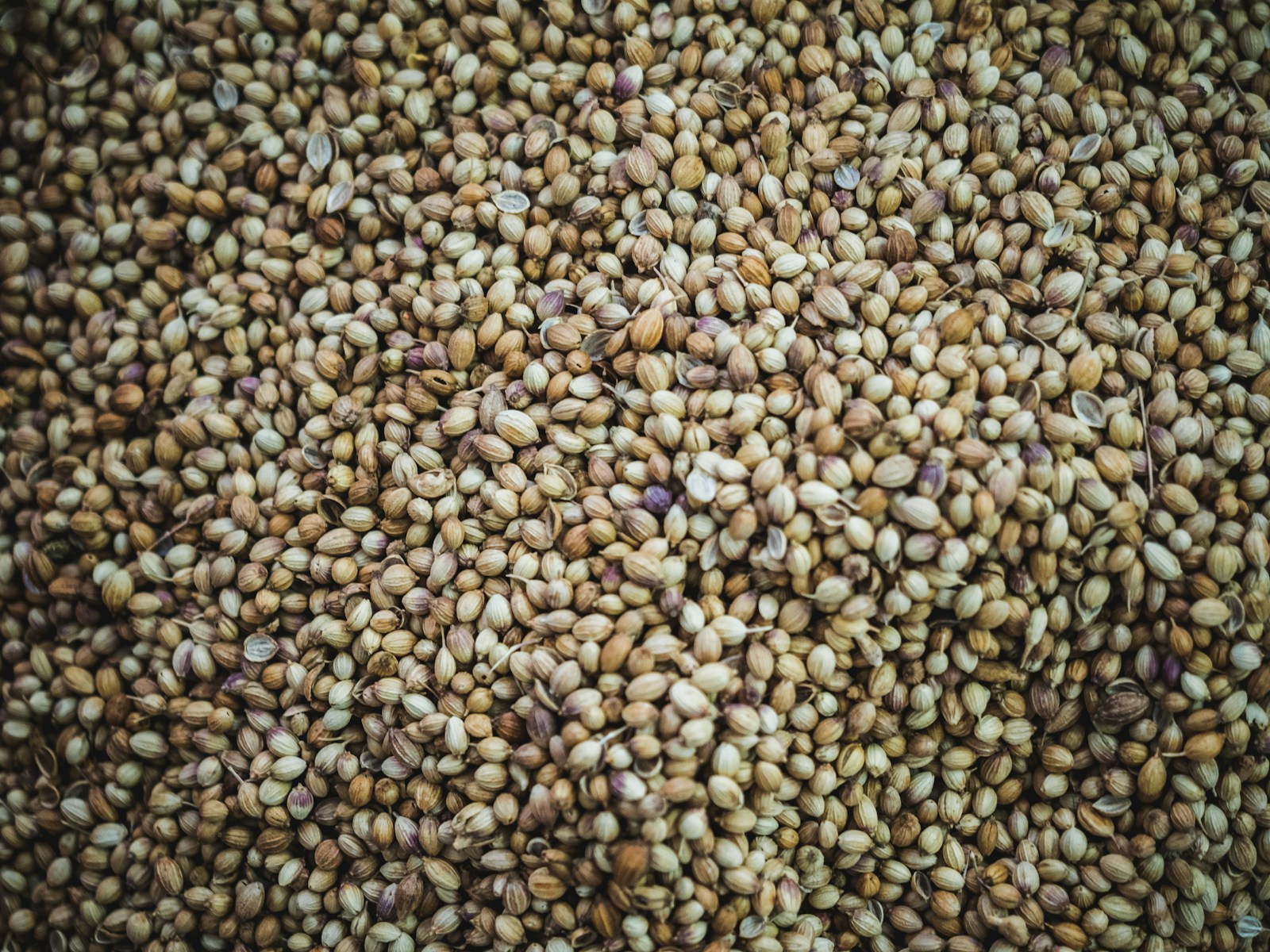
Coriander seed. Leave the seed heads until most seeds turn tan or light brown and feel hard. Cut the stalks, place the heads upside down in a paper bag, and hang them somewhere dry and airy for one to two weeks. Shake or rub the heads to free the seeds.
Storing leaves. Cilantro wilts fast. Stand stems in a glass of water in the refrigerator, loosely covered with a bag, for up to a week. Leaves lose most of their flavor when air-dried. For longer storage, chop them and freeze in ice cube trays with a little water or oil.
Storing seed. Keep dry coriander seed in an airtight jar in a cool, dark cupboard. Grind it just before use for the best flavor.
Saving seed for sowing. The coriander seed you harvest is the same seed you sow. Save it from your slowest-bolting plants to keep that habit in your line. Cilantro also self-sows readily if you leave a few seed heads in the bed.
Problems and pests
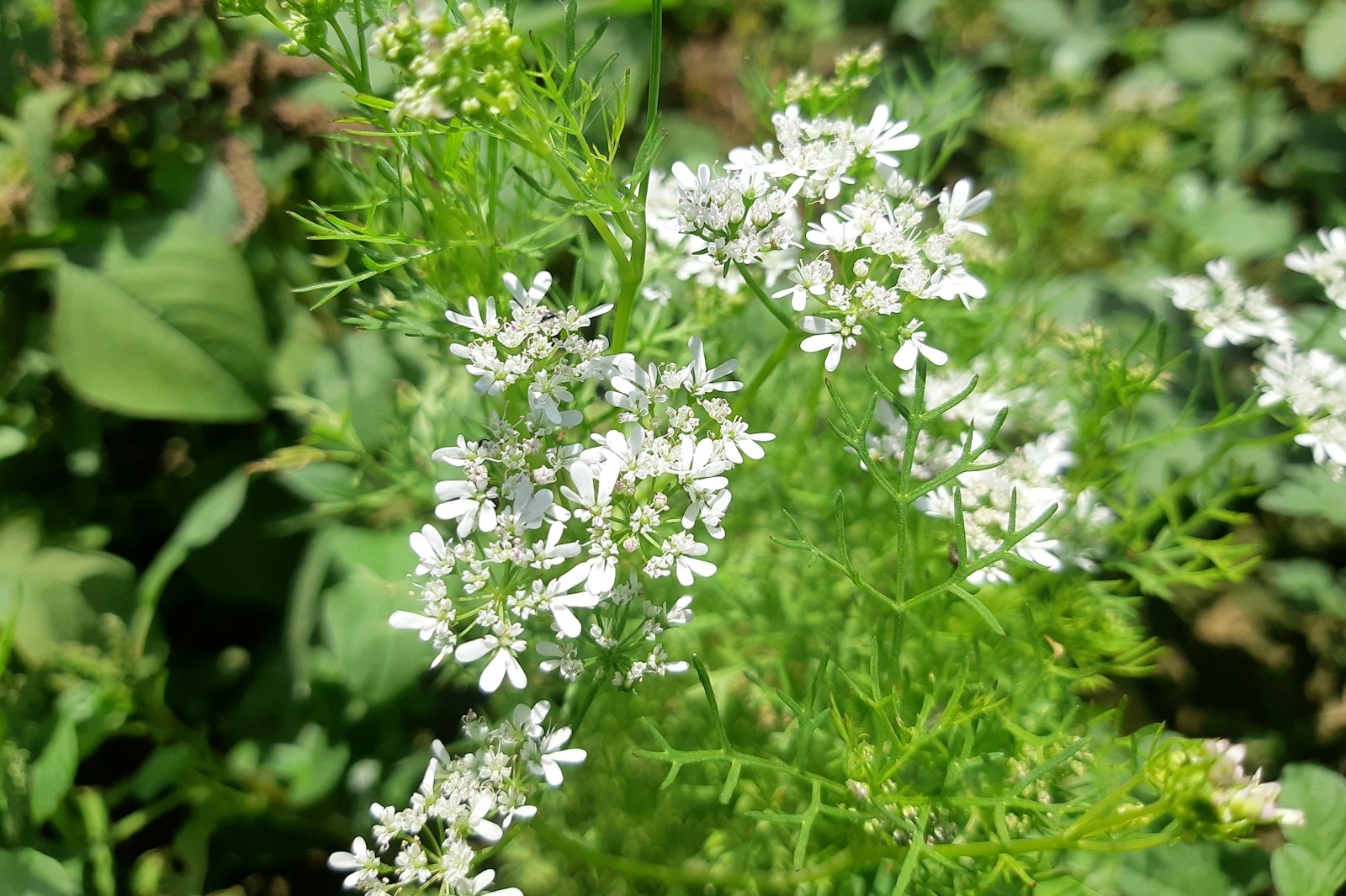
Plants flower within weeks of sowing
This is bolting, caused by heat, long days, drought or transplant stress. Sow in cool seasons, water evenly, add shade, and choose slow-bolting varieties. Resow rather than trying to rescue bolted plants.
Clusters of small insects on stems and leaf undersides
These are aphids, sap-sucking insects that cause curled, sticky leaves. Knock them off with a strong spray of water. Encourage ladybugs and hoverflies, which feed on them. For heavy infestations, spray insecticidal soap on the insects, following the label and avoiding hot, sunny hours to prevent leaf scorch.
Seedlings collapse at soil level
Damping off, a fungal disease of young seedlings, thrives in cold, wet, crowded conditions. Sow into free-draining soil, avoid overwatering, and thin seedlings early for airflow. Use clean pots and fresh seed-starting mix for containers.
White powdery coating on leaves
Powdery mildew appears on stressed plants, especially in dry soil with humid air. Space plants for airflow, water at the base, and remove affected leaves. Late crops often get it as they age, so pull and resow.
Dark, water-soaked spots on leaves
This is usually bacterial leaf spot, spread by splashing water. Water at soil level, remove spotted leaves, and avoid working among wet plants. Do not save seed from affected plants.
Varieties worth growing
- 'Santo': A reliable, slow-bolting leaf variety with good flavor for spring and autumn sowing.
- 'Calypso': Bred for very slow bolting, with dense, leafy growth that suits repeated cutting.
- 'Leisure': A popular slow-bolting type with plenty of broad leaves.
- 'Slow Bolt': A long-standing choice for leaf production when warm weather comes early.
- 'Delfino': Fine, feathery leaves with a strong cilantro flavor; attractive in pots.
- Common coriander: Unnamed seed sold for spice is fine for growing coriander seed, but it bolts quickly.