
Chrysanthemums, or mums, are late-season perennials that flower as the days shorten. They bring rich colour when most summer flowers are over. Some types are hardy garden plants that return for years. Others are florist mums, bred for pots and gifts. Mums are easy to grow if you plant the right type early and pinch them through the summer.
Sowing and planting
Most gardeners start with young plants or rooted cuttings, not seed. Mums grown from seed vary widely and rarely match the parent. Seed is fun for experiments, but plants give reliable results.
It helps to know which type you are buying. Hardy garden mums grow strong roots and underground shoots that survive winter. Florist mums are bred for flowers in pots. They often have weaker roots and seldom survive a cold winter outdoors. Treat a gift florist mum as a temporary pot plant, or try it in a sheltered spot in zones 7 and warmer.
Plant hardy mums in spring, two to four weeks after your last frost. Spring planting gives the roots a full season to establish. Mums planted in fall, while in full flower, often die over winter because their roots have not settled.
Choose a sunny, open site with good drainage. Mums hate wet feet in winter. Dig in compost before planting. Set each plant at the same depth it grew in its pot. Water well and keep the soil moist for the first few weeks.
To make more plants, lift and divide clumps every two to three years in spring. Use the young outer shoots and discard the woody centre. You can also take 3 to 4 inch (8 to 10 cm) cuttings from new spring shoots. Root them in moist, gritty compost.
Growing on
Water deeply once a week, more often in hot, dry weather. Water at the base of the plant, not over the leaves. Mums wilt quickly when dry, and drought stress spoils the flowers.

Feed with a balanced fertilizer every three to four weeks from spring until the flower buds form. Stop feeding once buds appear. Late feeding makes soft growth that suffers in winter.
Mulch with 2 inches (5 cm) of compost or shredded bark in spring. It keeps the roots cool and moist and holds down weeds.
Pinching is the key job with mums. It means removing the soft tip of each stem to make the plant branch. When shoots reach about 6 inches (15 cm), pinch out the top 1 to 2 inches (2.5 to 5 cm). Repeat every two to three weeks as new shoots reach the same length. Stop pinching around midsummer, or you remove the flower buds that form as nights lengthen. Pinched plants form a compact mound covered in flowers. Unpinched plants grow tall, flop and flower less.
Tall varieties and large-flowered types need support. Push in stakes or a grow-through grid early, before plants need it.
Deadhead (remove spent flowers) to keep plants tidy and extend the show. Mums with open, single flowers give nectar and pollen to late bees and butterflies. Fully double flowers offer them little.
For winter, leave the dead stems standing in cold zones. They trap snow and protect the crown. Once the ground freezes, add 3 to 4 inches (8 to 10 cm) of loose mulch such as straw or shredded leaves. Cut the old stems back in spring when new shoots appear.
Harvesting
Mums make long-lasting cut flowers, often lasting two weeks or more in a vase. Cut when the flowers are nearly or fully open. Unlike many flowers, mum buds rarely open further once cut.

Pick in the cool of the morning. Use clean, sharp snips and cut stems just above a leaf. Strip the leaves that would sit below the waterline. Stand the stems in cool water straight away. Change the water every few days.
Wear gloves if your skin is sensitive. The sap and leaves can cause a rash in some people.
Problems and pests
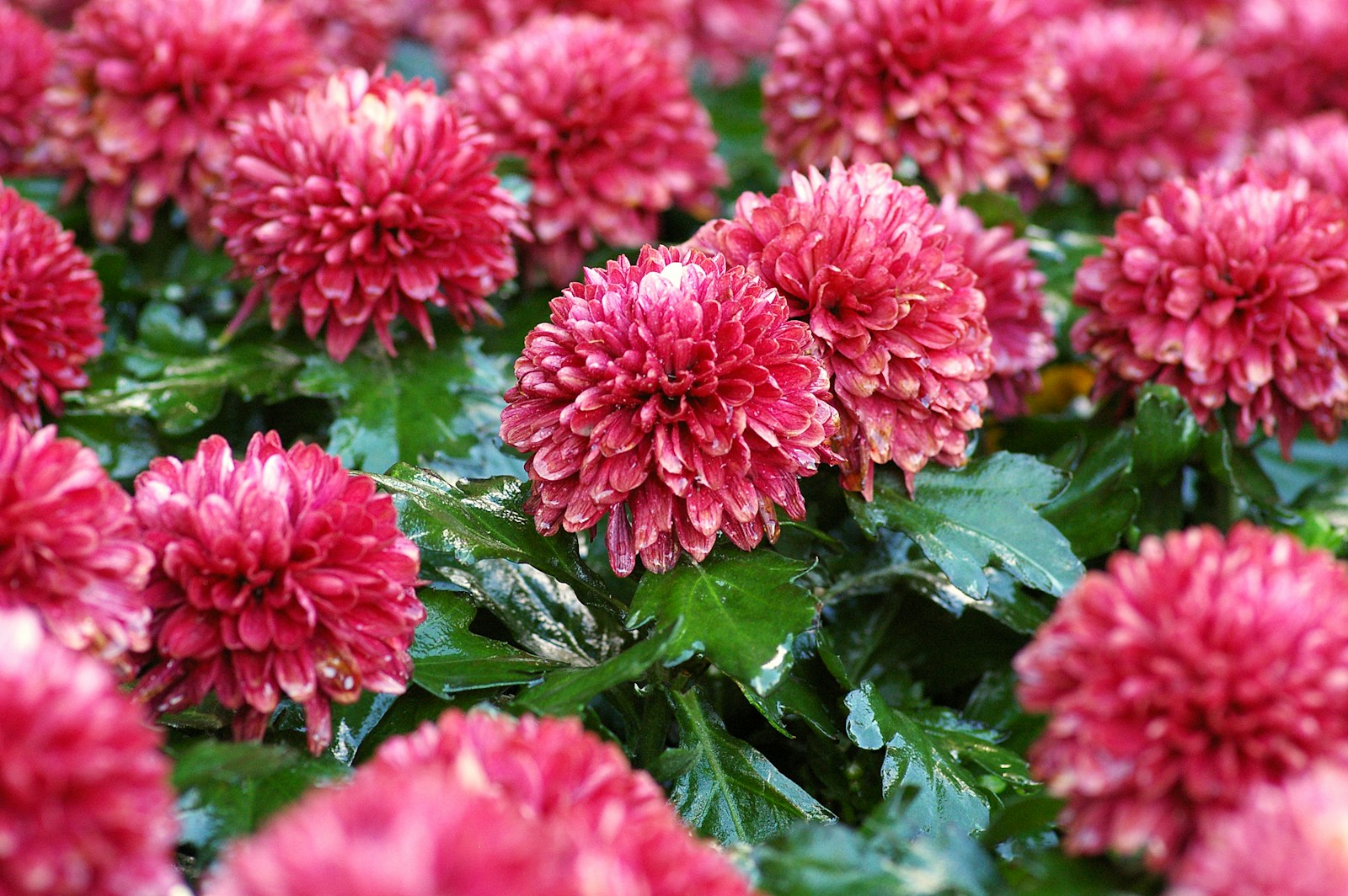
All parts of chrysanthemums are toxic to cats and dogs, and to horses. Eating them can cause drooling, vomiting, diarrhea and skin irritation. Keep potted mums and cut flowers out of reach of pets.
Clusters of small insects on shoot tips
Aphids feed on soft new growth and flower buds. Knock them off with a strong spray of water. Insecticidal soap also works; follow the label and spray in the cool of evening, never on open flowers where bees feed.
Fine speckling and webbing under leaves
Spider mites thrive in hot, dry weather. Spray under the leaves with water every few days. Keep plants well watered to reduce stress.
White powdery coating on leaves
Powdery mildew is a fungal disease that spreads in crowded, humid conditions. Space plants properly and water the soil, not the leaves. Remove the worst leaves and put them in the trash.
Brown or black spots on lower leaves
Fungal leaf spot often starts low on the plant and moves upward. Pick off affected leaves and avoid overhead watering. Clean up all old foliage in fall.
Plants die over winter
Wet soil and shallow roots are the usual causes. Plant hardy mums in spring, in well-drained soil. Leave stems standing and mulch once the ground freezes.
Varieties worth growing
Hardy garden mums
- 'Clara Curtis': clear pink single daisies with yellow centres; very hardy and loved by bees.
- 'Mary Stoker': soft apricot-yellow single flowers on a tough, spreading plant.
- 'Sheffield Pink': peachy-pink single flowers late in the season on a vigorous clump.
- 'Emperor of China': silvery-pink double flowers and leaves that turn red in cold weather.
Cushion and Belgian mums
- Belgian Mum series: compact domes densely covered in small flowers, in many colours.
- Cushion mums: a general name for low, bushy garden mums bred to form neat mounds.
Florist mums
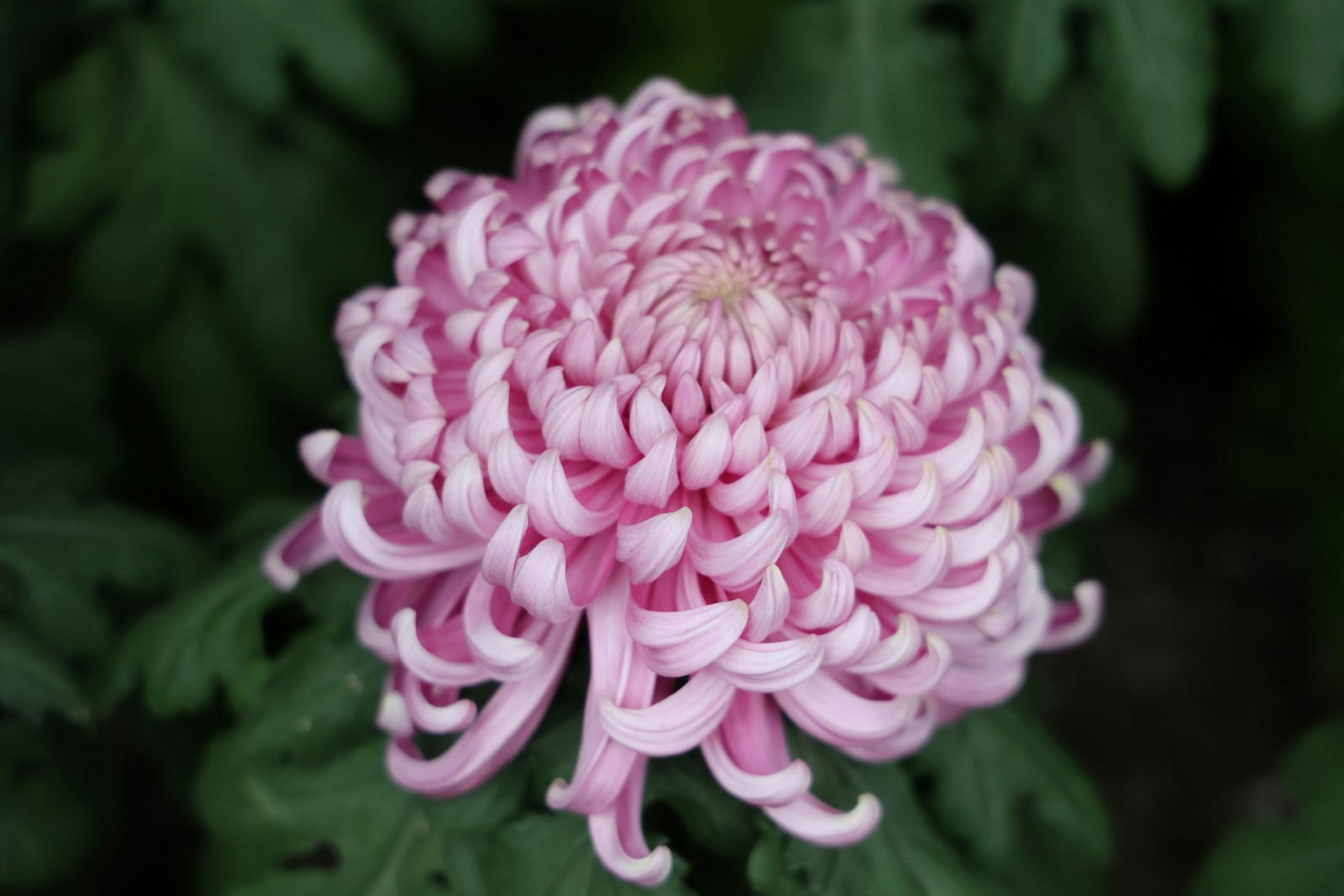
- Spider and spoon types: florist mums with long, tube-shaped or spoon-tipped petals; best grown in pots and brought under cover before frost.