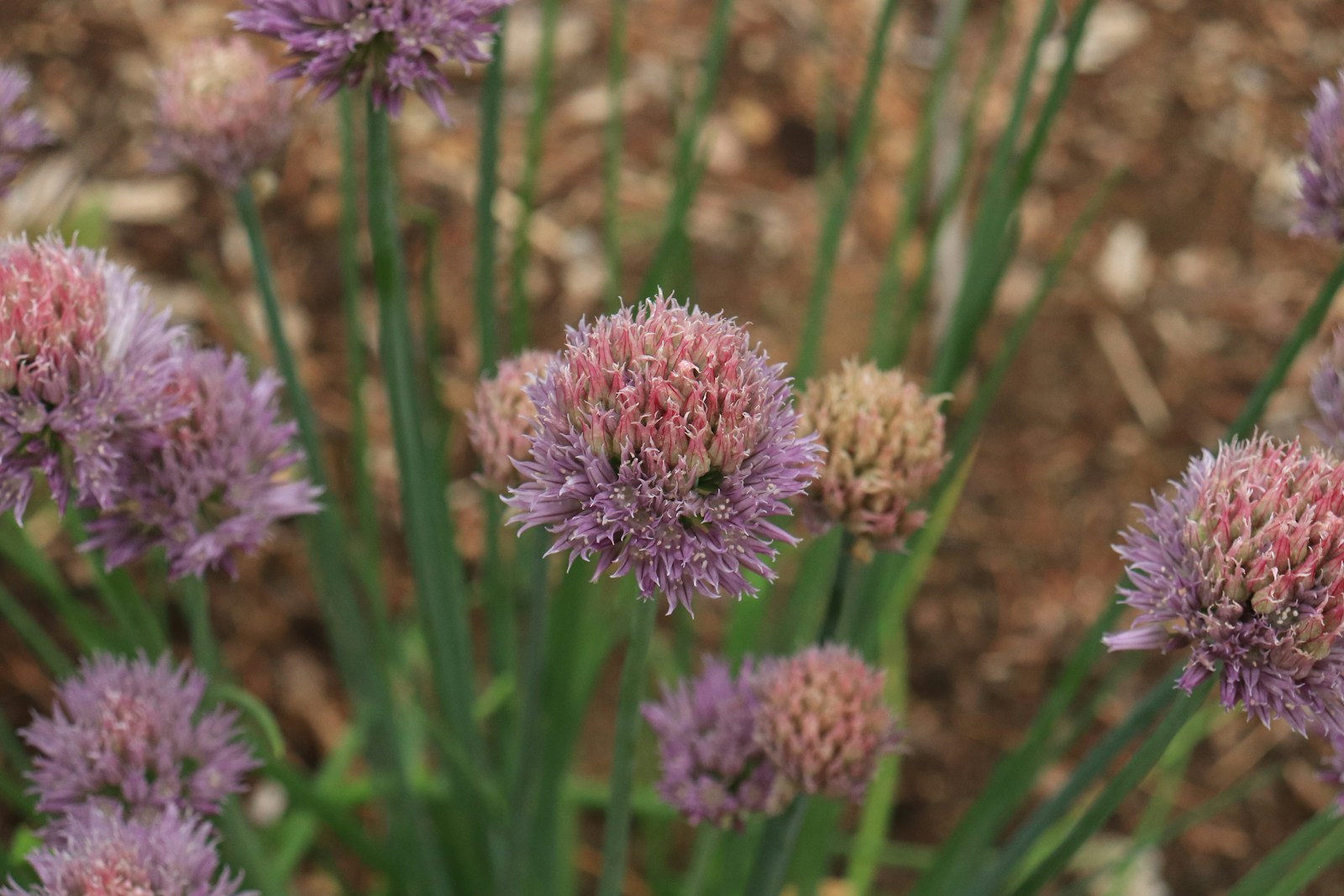
Chives are one of the first herbs to wake up in spring. The hollow, grass-like leaves give a gentle onion flavour to eggs, potatoes and salads. Their round purple flowers are edible and pull in bees. Garlic chives are a close relative with flat leaves, a garlic taste and white flowers late in summer. Both come back year after year with very little effort. Difficulty: very easy, and ideal for pots and beginners.
Sowing and planting
Chives grow easily from seed but take a season to bulk up. For a quick start, buy a pot or beg a division from a friend.
Sow indoors six to eight weeks before your last frost. Scatter a small pinch of seed into each cell, about 1/4 inch (6 mm) deep. Grow each pinch on as a single clump. Keep the compost moist and at 60 to 70°F (16 to 21°C). Fresh seed matters, because chive seed loses its vigour within a year or two.
You can also sow outdoors from about four weeks before your last frost, once the soil can be worked. Sow thinly in a short row and thin the seedlings into small clumps. Outdoor sowings are slower but need no hardening off.
Harden off indoor seedlings before planting out. Hardening off means setting them outside for a few hours a day, for about a week. Plant them out around your last frost date. Seedlings look like fine grass, so mark the spot clearly.
Space clumps 8 to 12 inches (20 to 30 cm) apart. Plant bought clumps at the same depth they sat in the pot. Firm the soil and water well.
Chives grow well in containers. Use a pot at least 6 inches (15 cm) deep and wide, with drainage holes. A pot near the kitchen door makes cutting easy.
To divide an older clump, lift it in early spring or in autumn. Pull or cut it into pieces of five to ten bulbs each. Replant them straight away and water in.
Growing on
Keep the soil evenly moist, especially in pots and during dry weather. Water deeply about once a week in the ground. Pots may need water every day or two in summer.
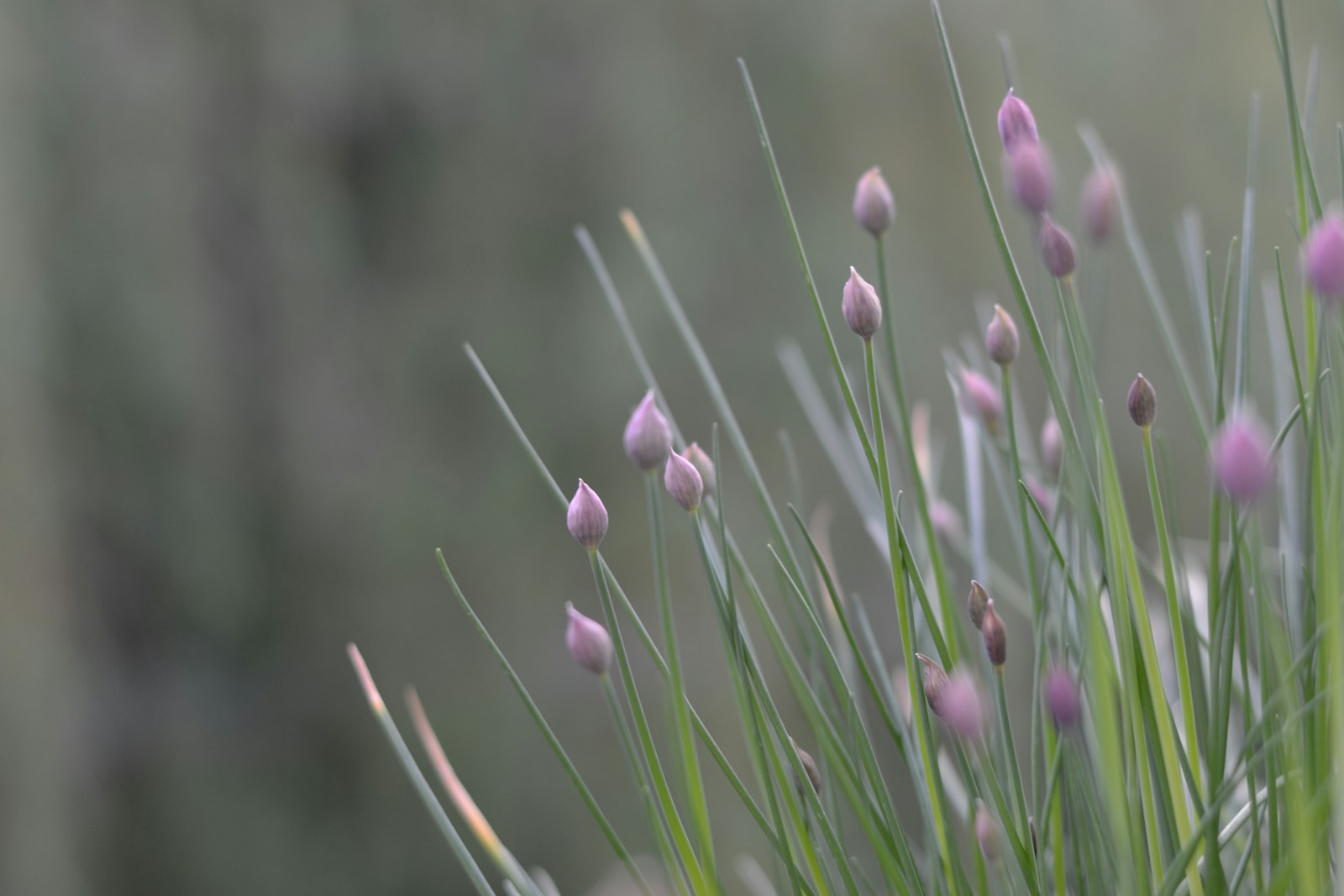
Feed lightly. Work compost around the clumps each spring. If you cut hard and often, a liquid feed every few weeks keeps the leaves coming. Too much feed gives soft, less flavoursome growth.
A thin mulch of compost or leaf mould keeps roots cool and weeds down. Weeds are the main enemy, because grassy weeds hide easily among the leaves. Pull them by hand while small.
Chives need no support or staking. Cut the whole clump back to 2 inches (5 cm) after flowering. A fresh flush of tender leaves soon follows.
Deadhead common chives after flowering if you do not want seedlings everywhere. Garlic chives self-seed far more freely. Remove their flowers before the seeds turn black, or they can spread through a bed.
Divide clumps every three to four years. Crowded clumps produce thin, weak leaves.
In autumn, you can pot a small division and bring it indoors. Give it a bright windowsill for fresh leaves through winter.
As a companion, chives are often planted near carrots, roses and fruit trees. Their scent may confuse some pests, and their flowers attract pollinators.
Warning: Chives and garlic chives are toxic to dogs, cats and horses. Like onions and garlic, they can damage an animal's red blood cells, and cats are especially sensitive. Grow them where pets cannot graze, and never feed pets food flavoured with chives.
Harvesting
Start cutting once the leaves are about 6 inches (15 cm) tall. On newly sown plants, wait until the clump looks full, usually 60 days or more.
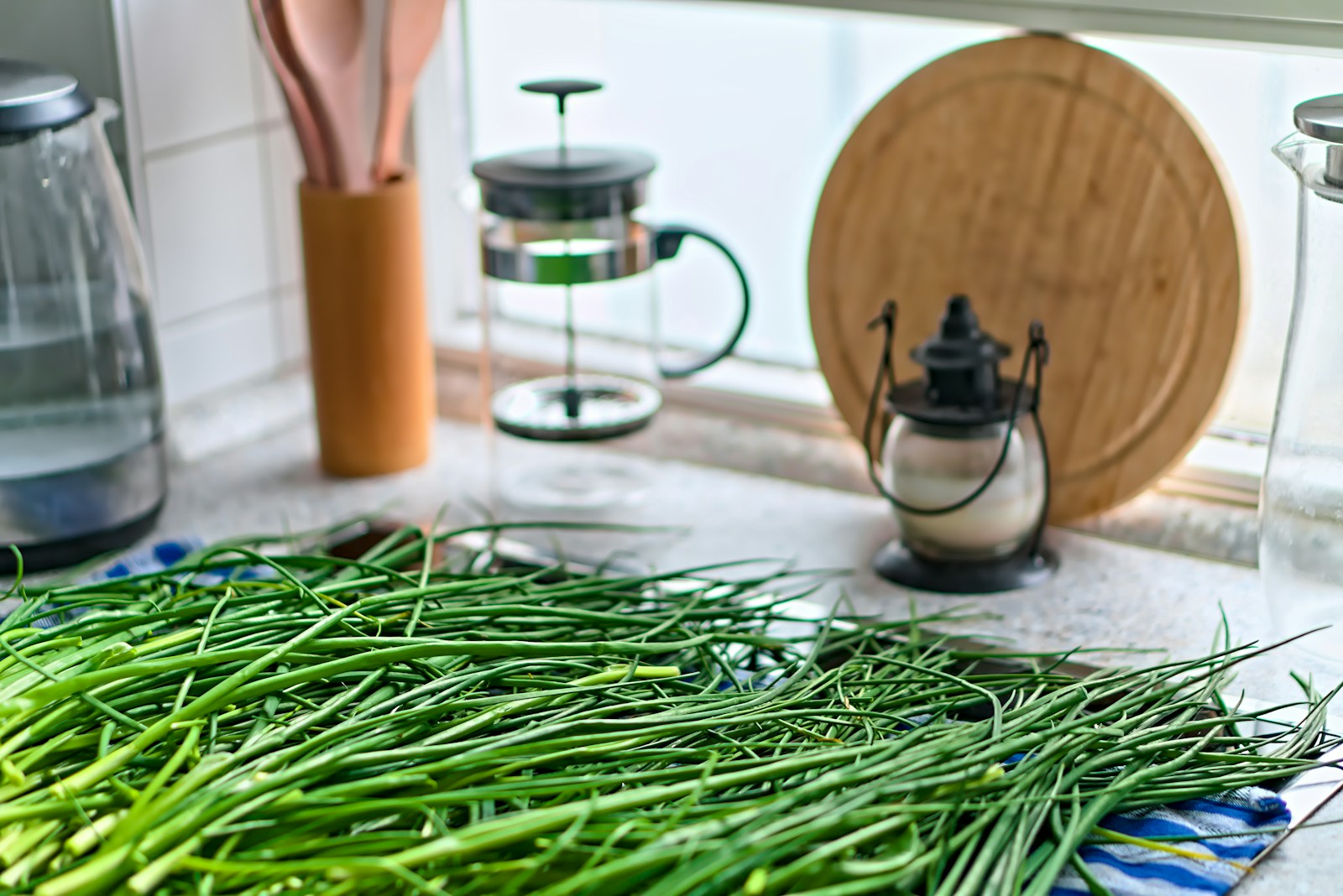
Use clean scissors. Cut leaves 1 to 2 inches (2.5 to 5 cm) above the soil. Take whole leaves from the outside of the clump rather than trimming the tops. Trimmed tips turn brown and look untidy.
Harvest often, but leave at least a third of the clump each time. Established plants can be cut three or four times a season.
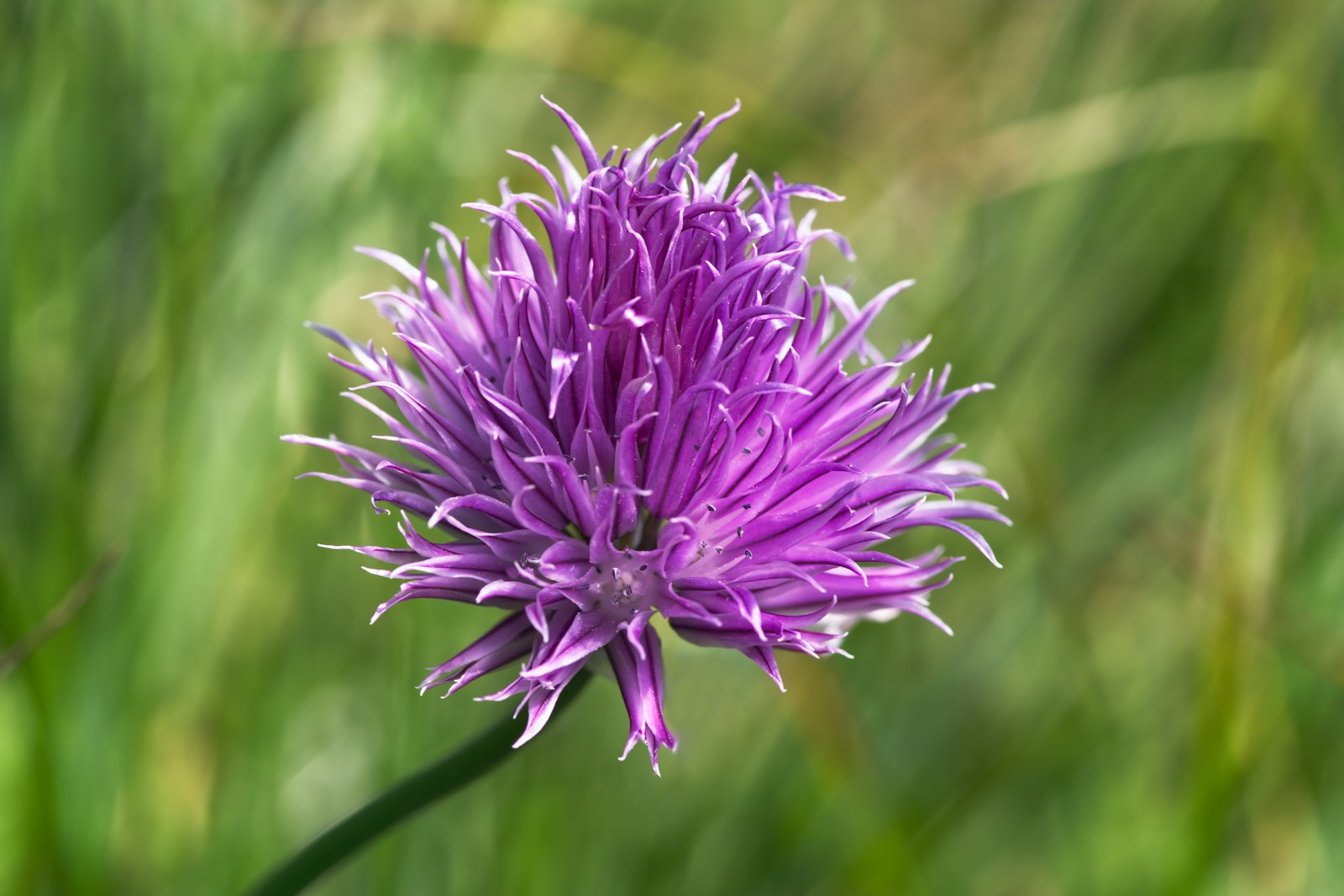
The flowers are edible. Pick them when they are fully open. Pull the florets apart and scatter them over salads. The flower stalks are tough, so discard them.
Use chives fresh for the best flavour. Wrap cut leaves in a damp paper towel and keep them in the fridge for up to a week.
Freezing keeps chives far better than drying. Chop them finely and freeze them flat in a bag. Or freeze them in ice-cube trays with a little water or oil. Drying is possible but the flavour fades quickly.
To save seed, let a few flowers ripen fully. Cut the heads once they dry and the seeds turn black. Shake them out onto paper and store in a cool, dry place. Use the seed within a year.
Problems and pests
Tiny silver streaks on the leaves
Onion thrips are tiny insects that scrape the leaf surface. They are worst in hot, dry weather. Water regularly and hose the plants down. If they persist, spray insecticidal soap, following the label and avoiding open flowers when bees are active.
Orange or rusty spots on the leaves
Rust is a fungal disease common in damp, crowded conditions. Cut the whole clump down to 2 inches (5 cm) and bin the leaves. Fresh growth is usually clean. Space clumps well for good air flow.
Leaves turn yellow and plants wilt
Onion fly maggots or waterlogged soil can cause this. Lift a plant and check the bulbs. Discard infested plants and replant healthy pieces in a new spot with good drainage. Fine insect mesh over young plants keeps the flies out.
Thin, weak leaves and fewer flowers
Overcrowding or hungry soil causes this. Lift and divide the clump, add compost, and replant.
Varieties worth growing
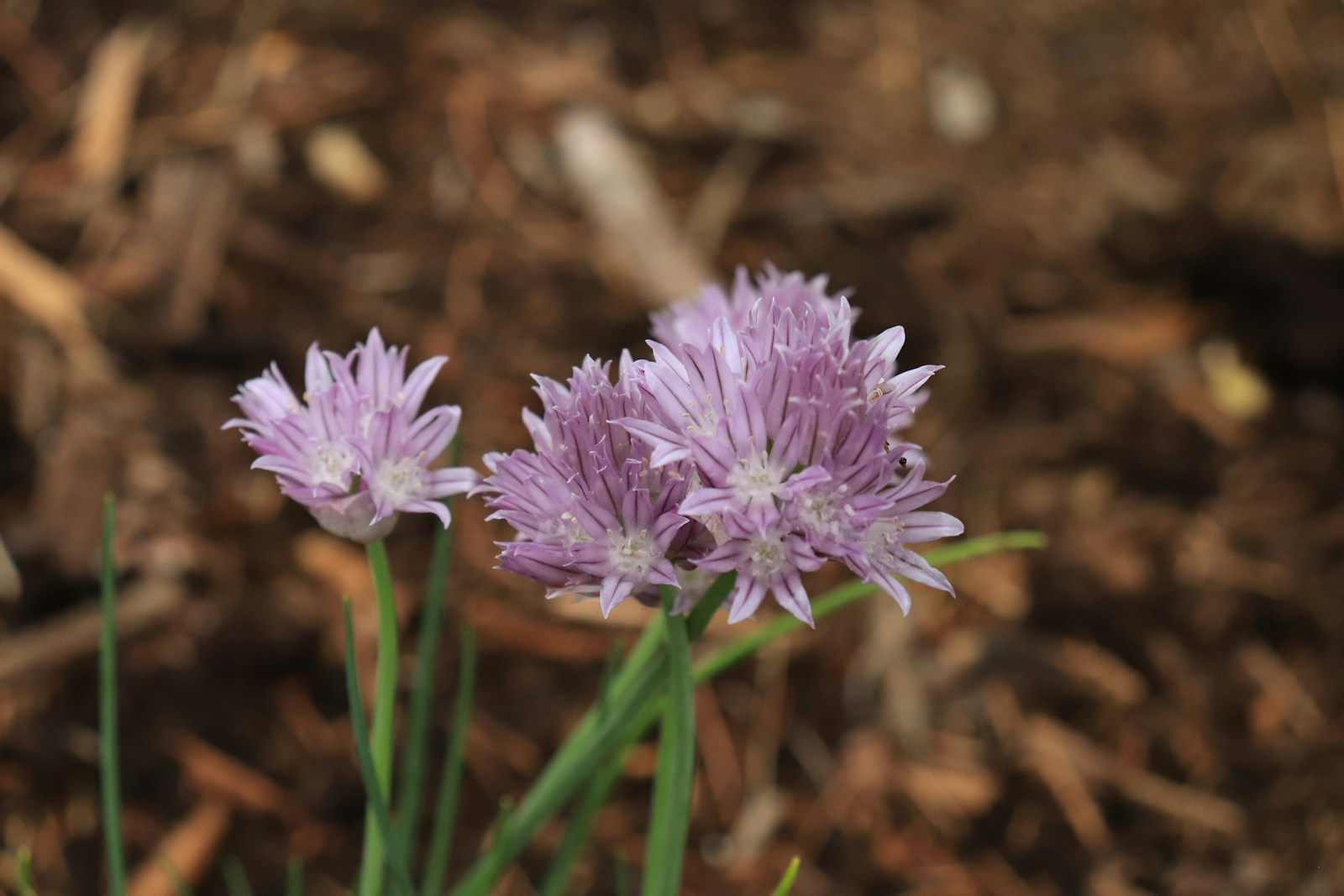
Common chives
- Common chives (Allium schoenoprasum): fine hollow leaves and round mauve flower heads.
- 'Staro': thicker leaves than most, good for cutting in quantity and for freezing.
- 'Fine Leaf': very slender leaves with a delicate flavour, good in pots.
- 'Forescate': an ornamental type with rosy-pink flowers.
Garlic chives
- Garlic chives (Allium tuberosum): flat leaves, a mild garlic flavour and starry white flowers in late summer.