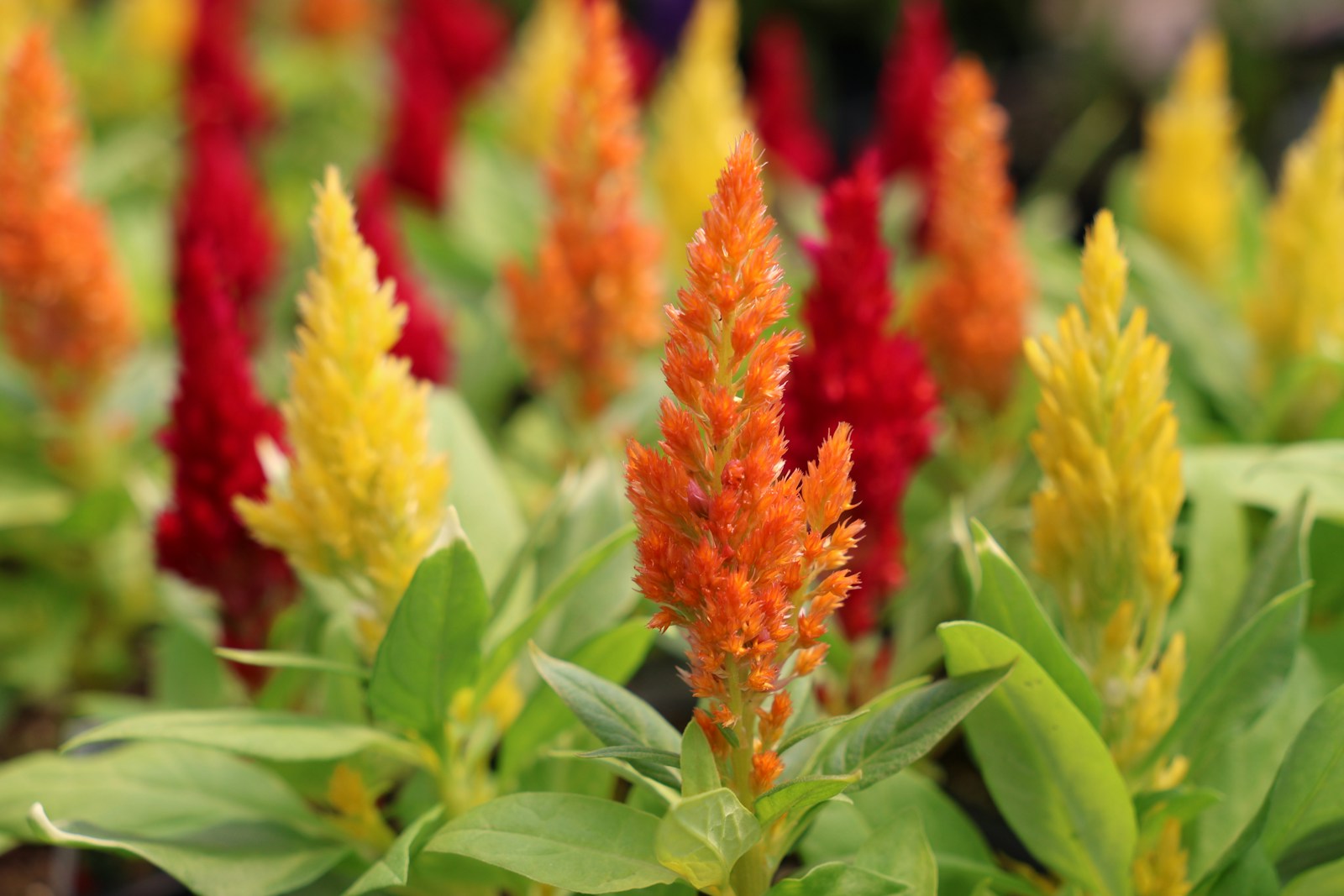
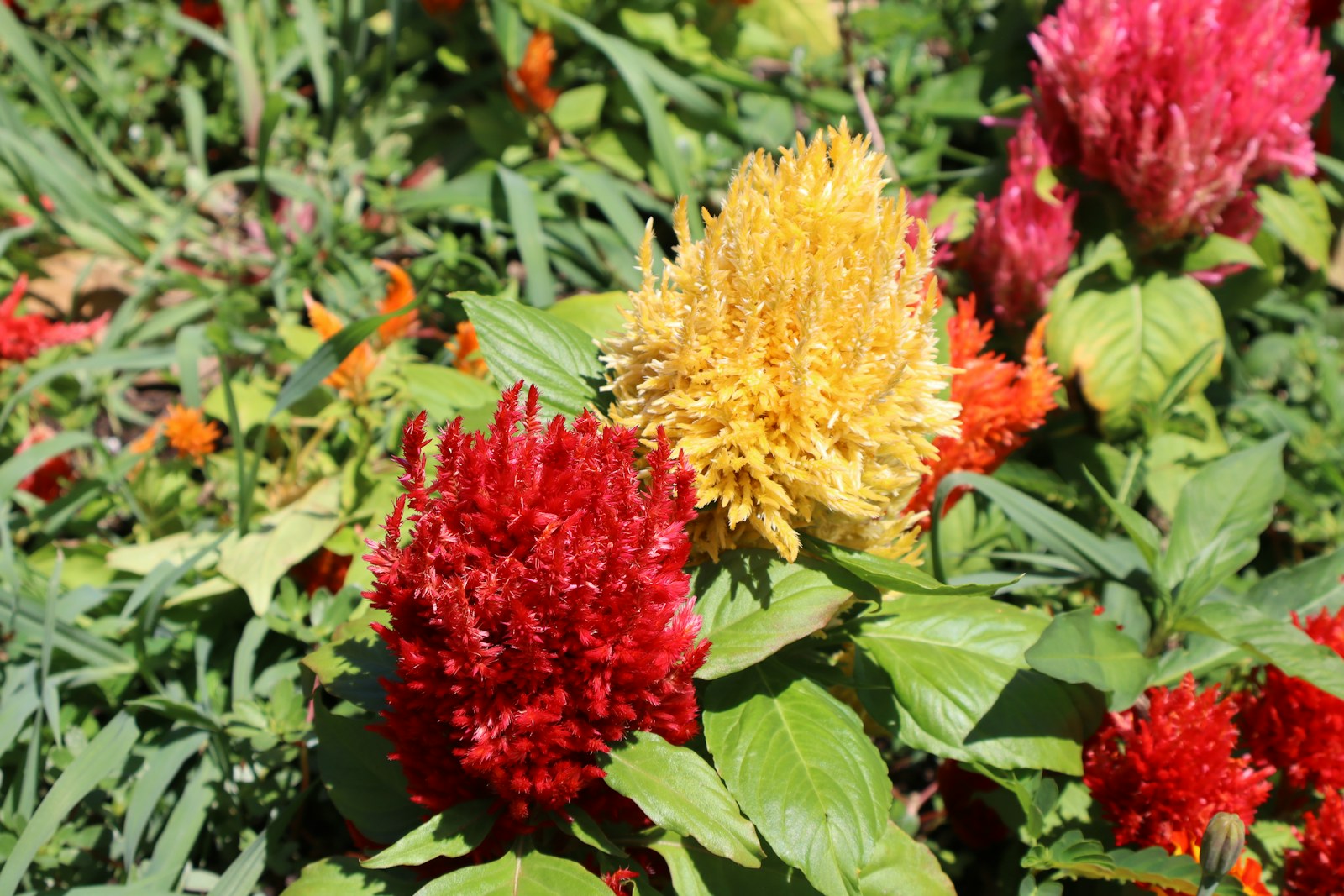
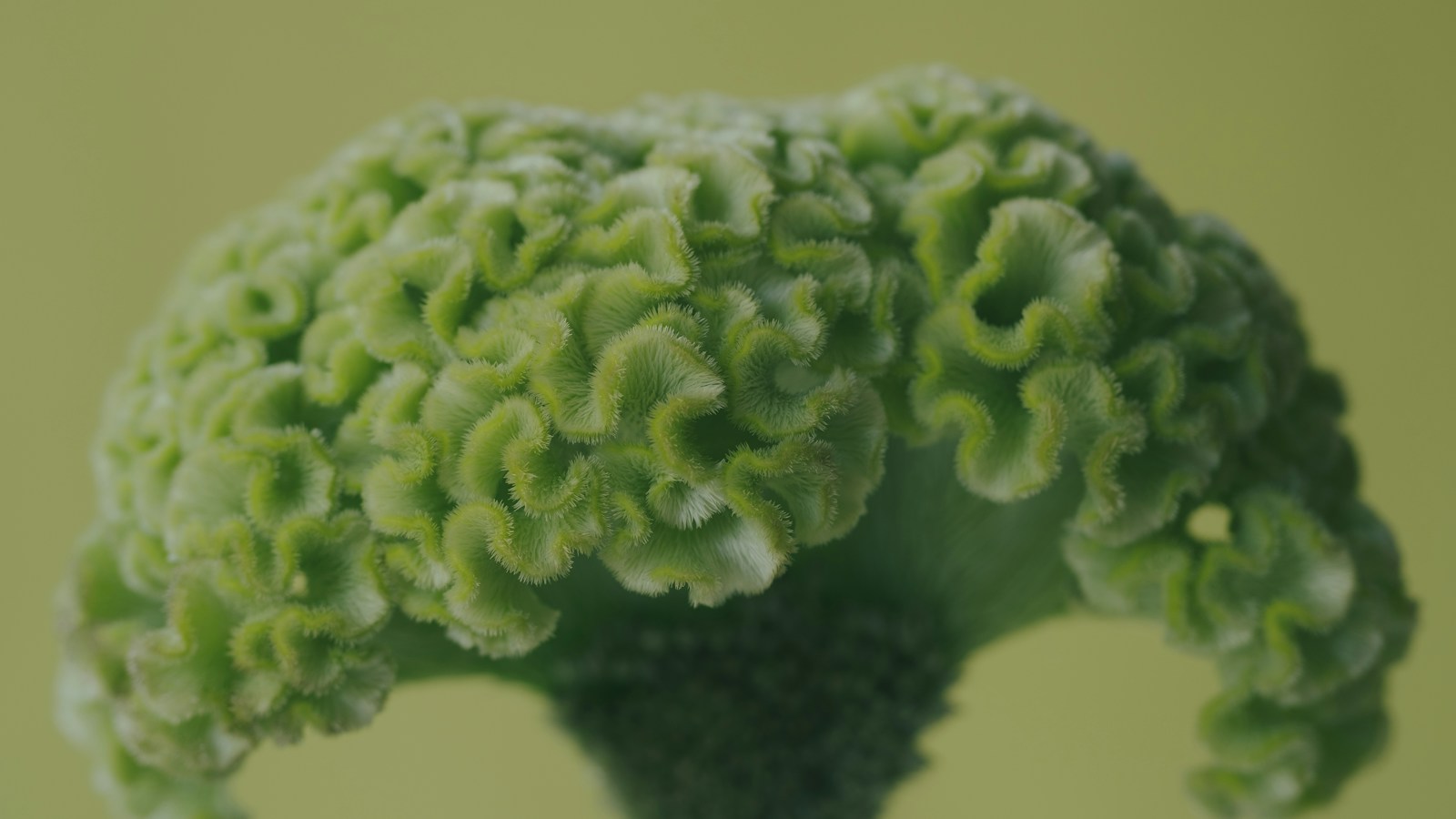
Celosia is a heat-loving annual grown for its bright, long-lasting flower heads. It comes in three forms: soft feathery plumes, folded velvety crests often called cockscomb, and slim wheat-like spikes. All three make excellent cut flowers and hold their colour when dried. It is easy to grow once the weather is warm, and a good choice for beginners.
Sowing and planting
Start celosia indoors four to six weeks before your last frost. Sow the tiny seeds thinly on moist seed compost. Cover them with the lightest dusting of compost or vermiculite. Keep the tray at 70 to 80°F (21 to 27°C). Seedlings usually appear in one to two weeks.
Give seedlings bright light as soon as they emerge. A sunny window works, but grow lights keep them sturdier. Pot them into individual cells or small pots once they have their first true leaves.
Celosia dislikes root disturbance. Plants that sit too long in small pots often flower early and stay stunted. Plant them out while they are still young, before roots circle the pot.
Wait until one to two weeks after your last frost to plant out. The soil should be at least 60°F (16°C) and nights reliably above 50°F (10°C). Harden off first (getting seedlings used to outdoor conditions over a week). Set plants at the same depth they grew in their pots.
You can also sow directly outdoors once the soil is warm, one to two weeks after your last frost. Rake the bed fine, scatter seed thinly and barely cover it. Thin seedlings to their final spacing. Direct sowing suits gardens with long, hot summers.
For cut flowers, sow a second batch three to four weeks after the first. This gives you fresh stems into early fall.
Growing on
Water young plants regularly until they settle in. After that, water deeply when the top inch (2.5 cm) of soil is dry. Celosia handles heat and short dry spells well. Soggy soil causes far more trouble than drought.
Celosia needs only modest feeding. Work compost into the bed before planting. Too much nitrogen gives lush leaves and fewer flowers. A balanced organic fertilizer once midseason is usually enough.
Mulch with 2 inches (5 cm) of straw or shredded leaves once the soil is warm. Mulch keeps moisture even and weeds down. Keep it a little away from the stems.
Pinching means nipping out the growing tip to make a plant branch. Pinch plume and wheat types when they are 8 to 10 inches (20 to 25 cm) tall. You get more, slightly smaller stems, which is ideal for bouquets. Do not pinch crested types if you want one large, showy head.
Tall cut-flower varieties may lean in wind or rain. Run a layer of plastic flower netting across the bed at about 12 inches (30 cm). Stakes and twine also work for small plantings.
Deadheading (removing faded flowers) keeps plume and wheat types producing side shoots. Crested types rarely rebloom, so simply cut the head when it fades.
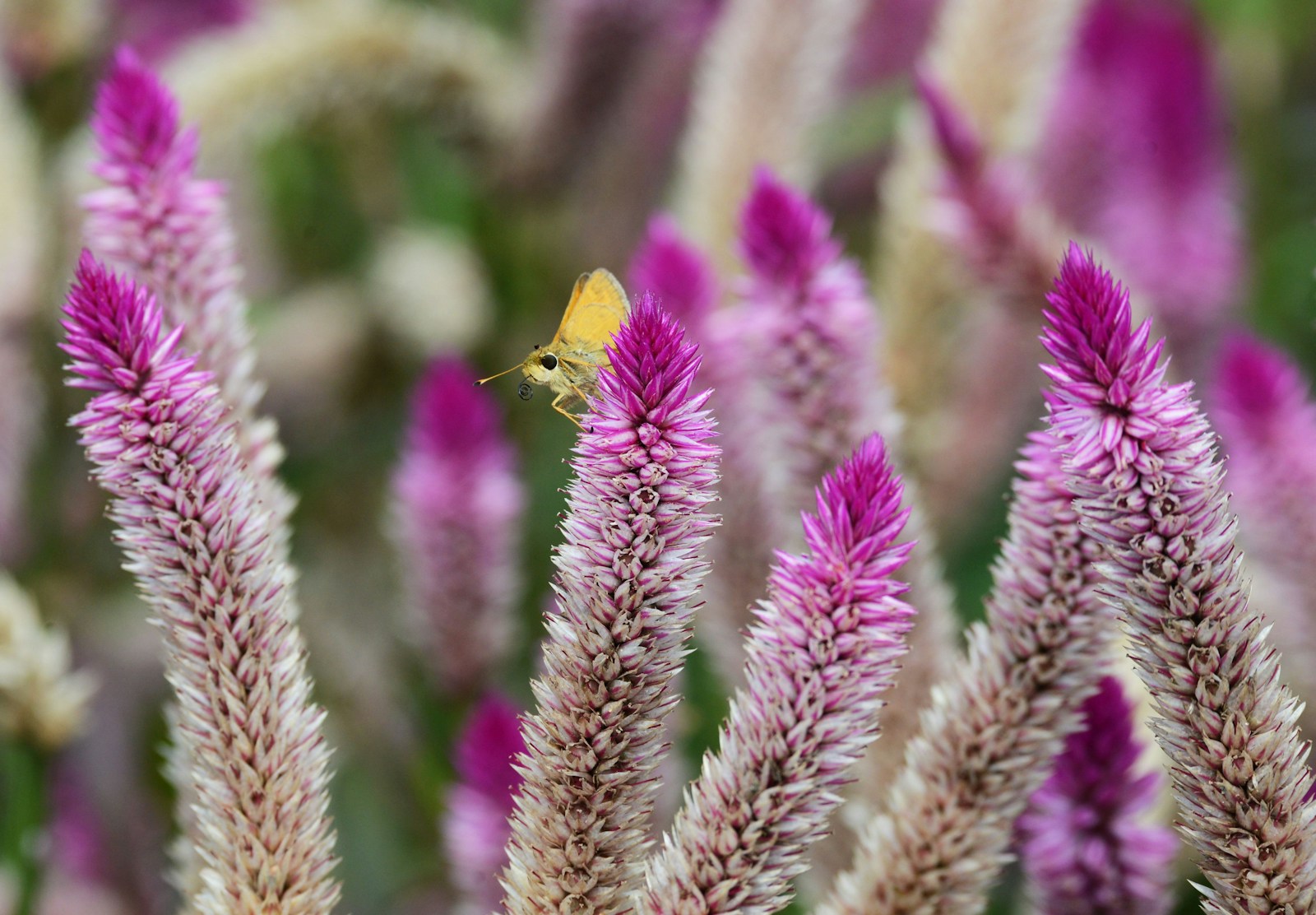
Celosia attracts some bees and butterflies, especially the wheat types. Grow it beside zinnias, marigolds and basil, which enjoy the same sunny conditions.
Harvesting
Cut plume and wheat types when the heads are about three-quarters open and fully coloured. Cut crested types when the comb is fully formed and firm. Pick in the cool of the morning. Use clean, sharp snips and cut long stems just above a pair of side shoots.
Strip the lower leaves, since they wilt quickly and foul the vase water. Stand stems in cool water straight away. Fresh celosia usually lasts one to two weeks in a vase.
To dry celosia, cut stems at their peak colour. Strip all the leaves. Hang small bunches upside down somewhere dark, dry and airy. They usually dry in two to three weeks and keep their colour for months.
Seed saving is simple. Let a few heads dry on the plant. Rub them over a paper bag and the shiny black seeds fall out. Store them cool and dry. Varieties can cross, so saved seed may not come true to type.
Problems and pests
Celosia is very tender. A single frost kills it, and cold nights below 50°F (10°C) stunt young plants for weeks. Wait until the soil is warm before planting out.
Seedlings collapse at soil level
This is damping off, a fungal disease of seedlings. Use fresh seed compost and clean trays. Water from below and keep air moving around the tray. Once it strikes, discard the affected seedlings.
Stems rot and plants wilt in wet soil
Root and stem rot follow cold, waterlogged soil. Improve drainage with compost or grow in raised beds. Water only when the surface has dried. Remove badly affected plants.
Brown or tan spots on leaves
Fungal leaf spot spreads in wet, crowded conditions. Space plants properly and water at the base, not over the leaves. Pick off spotted leaves and put them in the trash, not the compost.
Fine speckling and webbing on leaves
Spider mites thrive in hot, dry weather. Spray the undersides of leaves with a strong jet of water every few days. Insecticidal soap also helps; follow the label and spray in the cool of evening, away from open flowers where bees feed.
Clusters of small insects on new growth
Aphids gather on soft shoot tips. Knock them off with water or squash them. Ladybugs and lacewings usually keep them in check.
Varieties worth growing
Plume types (Plumosa group)
- 'Fresh Look': compact bedding series with dense plumes in red, orange and gold.
- 'Pampas Plume': tall mix for cutting, with long stems in warm shades.
- 'Sylphid': soft lime-green plumes that blend well in mixed bouquets.
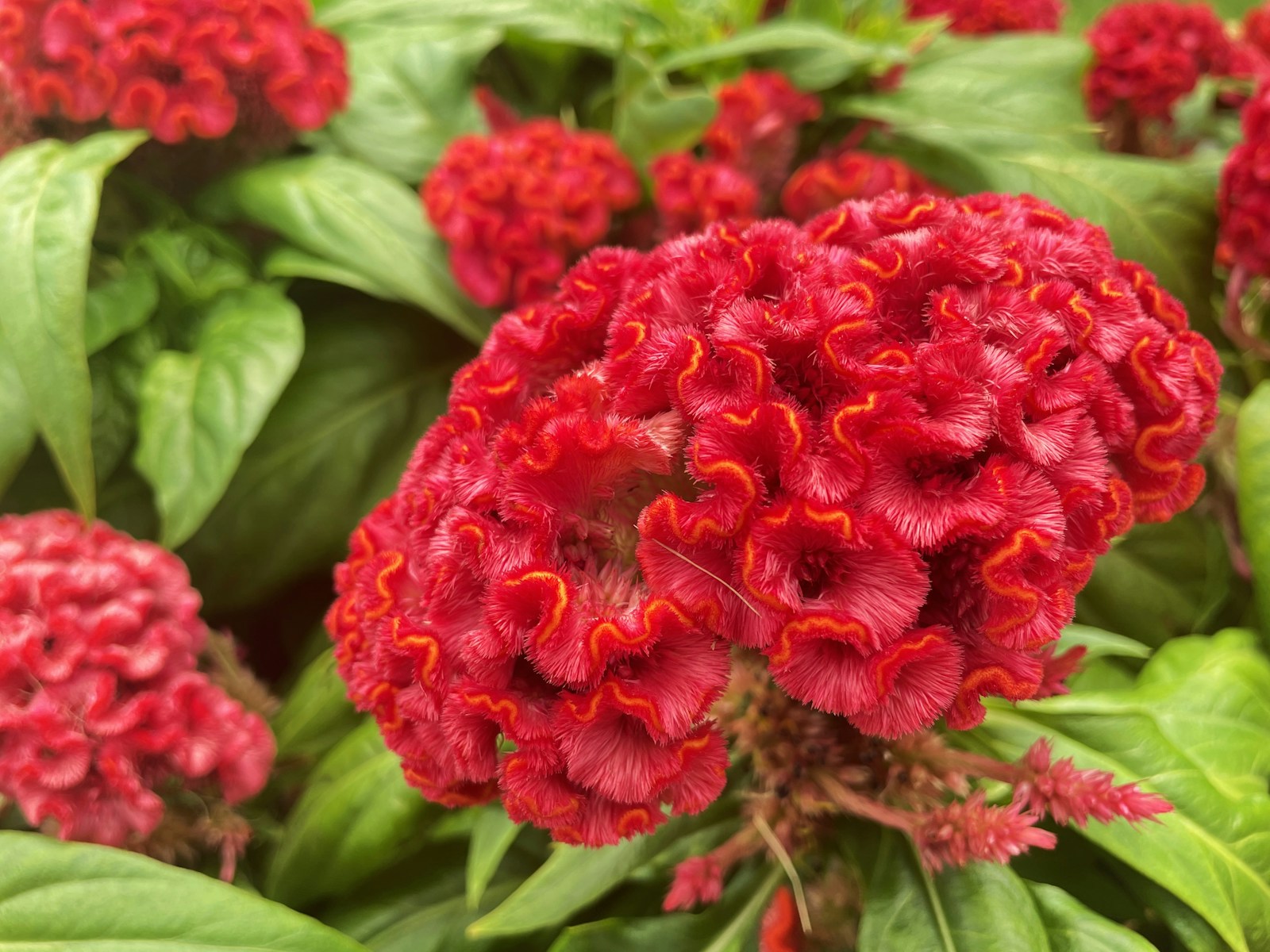
Crested or cockscomb types (Cristata group)
- 'Chief': tall cut-flower series with large, brain-like combs on long stems.
- 'Bombay': cut-flower series with bold, fan-shaped crests.
Wheat types (Spicata group)
- 'Flamingo Feather': tall, slender pink spikes that fade to silver.
- 'Intenz': compact plants with vivid purple spikes for pots and borders.