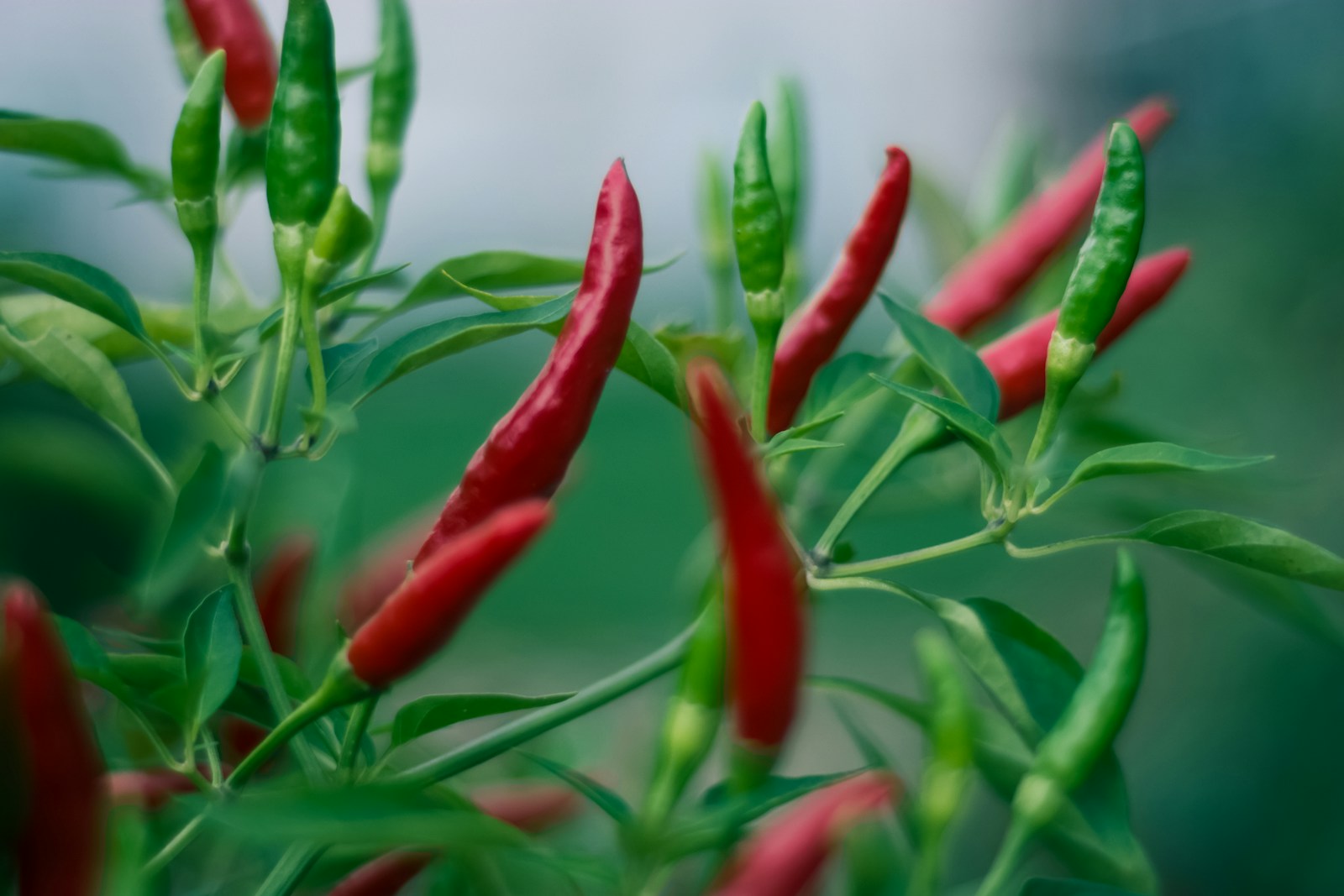
Cayenne is a hot chili pepper, a form of Capsicum annuum, the same species as bell peppers and jalapeños. The pods are long, thin and wrinkled, and they ripen from green to bright red. Thin walls make them one of the easiest peppers to dry at home. A few plants usually supply a household with flakes and powder for a year. Cayenne is easy to grow once the weather is warm. The hard part is patience, because it sulks in cold soil.
The plant also has a long history in the southern mountains. Appalachian families kept red pepper as a warming household remedy. They drank it as a hot tea during colds and fevers, and they rubbed pepper and vinegar on aching joints. Anthony Cavender records these practices in Folk Medicine in Southern Appalachia. This is history only. Nothing in this profile is medical advice.
Sowing and planting
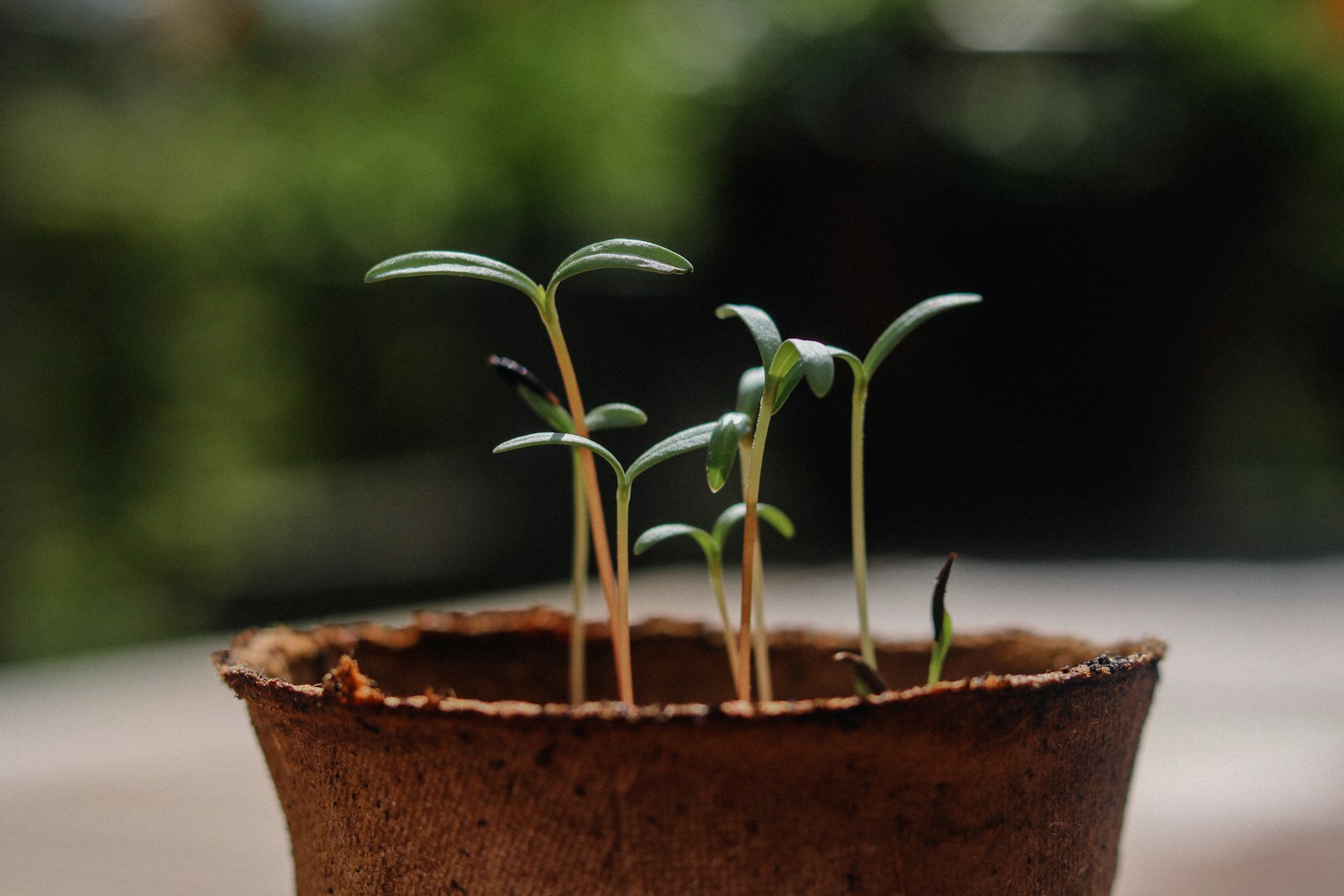
Cayenne needs a long, warm season, so almost every gardener starts with transplants. Seed is sown indoors about 8 to 10 weeks before the last expected frost. A separate guide covers raising the seedlings, so this profile picks up at planting time. You can also buy young plants in spring. Choose short, dark green ones without flowers or fruit.
Do not rush planting. Wait two to three weeks after your last frost, until nights stay above 55°F (13°C). The soil should feel warm, around 65°F (18°C) or more. Plants set out into cold ground stop growing and may take weeks to recover.
First harden off the plants (get them used to outdoor sun and wind). Set them outside for a few hours a day over a week to ten days, lengthening the time each day.
Pick the sunniest spot you have. Avoid ground where tomatoes, potatoes, eggplant or other peppers grew in the last two or three years. These relatives share soil diseases. Work a few inches of compost into the bed before planting. Set each plant at the same depth it grew in its pot, firm the soil and water well.
Cayenne grows well in containers. Use a pot that holds at least 3 to 5 gallons (11 to 19 litres), with drainage holes. Fill it with potting mix, not garden soil. One plant per pot is plenty.
Growing on
Water deeply once or twice a week, not a little every day. Aim for about 1 inch (2.5 cm) a week from rain and watering together. Pots dry out far faster and may need water daily in hot weather. Keep moisture even, because swings between dry and soaked soil cause fruit problems.
Mulch once the soil has warmed. A layer of straw or shredded leaves 2 to 3 inches (5 to 8 cm) deep holds moisture and keeps weeds down. Mulch laid too early keeps the ground cold.
Feed lightly. Compost at planting carries the plants for the first weeks. When the first fruits set, scatter a balanced vegetable fertilizer alongside the row, following the label rate. Wear gloves and wash your hands after handling any fertilizer. Too much nitrogen gives you tall, leafy plants with few pods.
Cayenne branches are brittle, and a heavy crop can snap them in wind. Push a short stake in beside each plant at planting time, or use a small tomato cage. Tie stems loosely with soft twine. No pruning is needed.
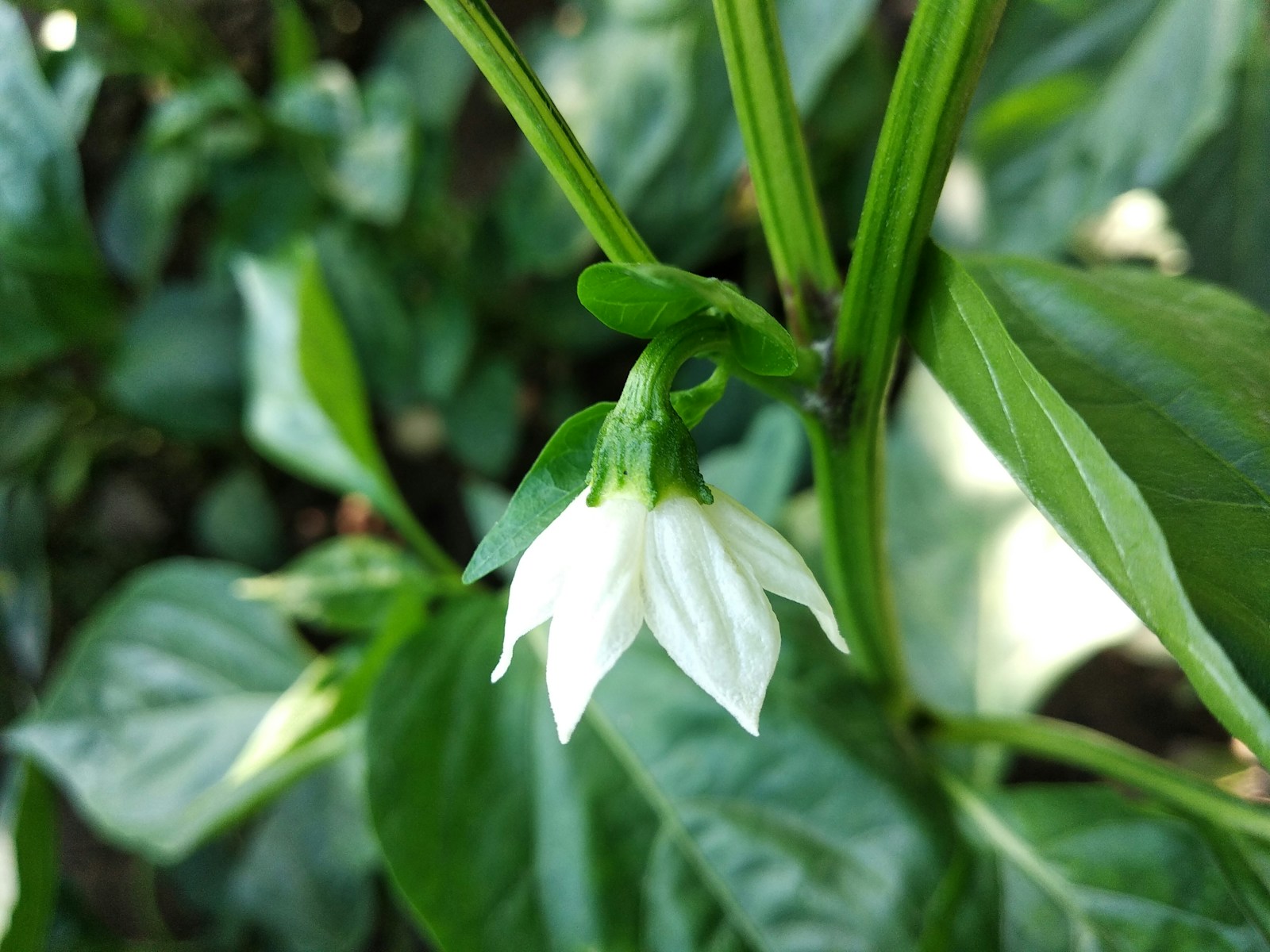
Expect some flowers to drop in extreme weather. Peppers often shed blossoms when days rise above about 90°F (32°C) or nights fall below 55°F (13°C). Fruit set resumes when conditions ease.
Harvesting
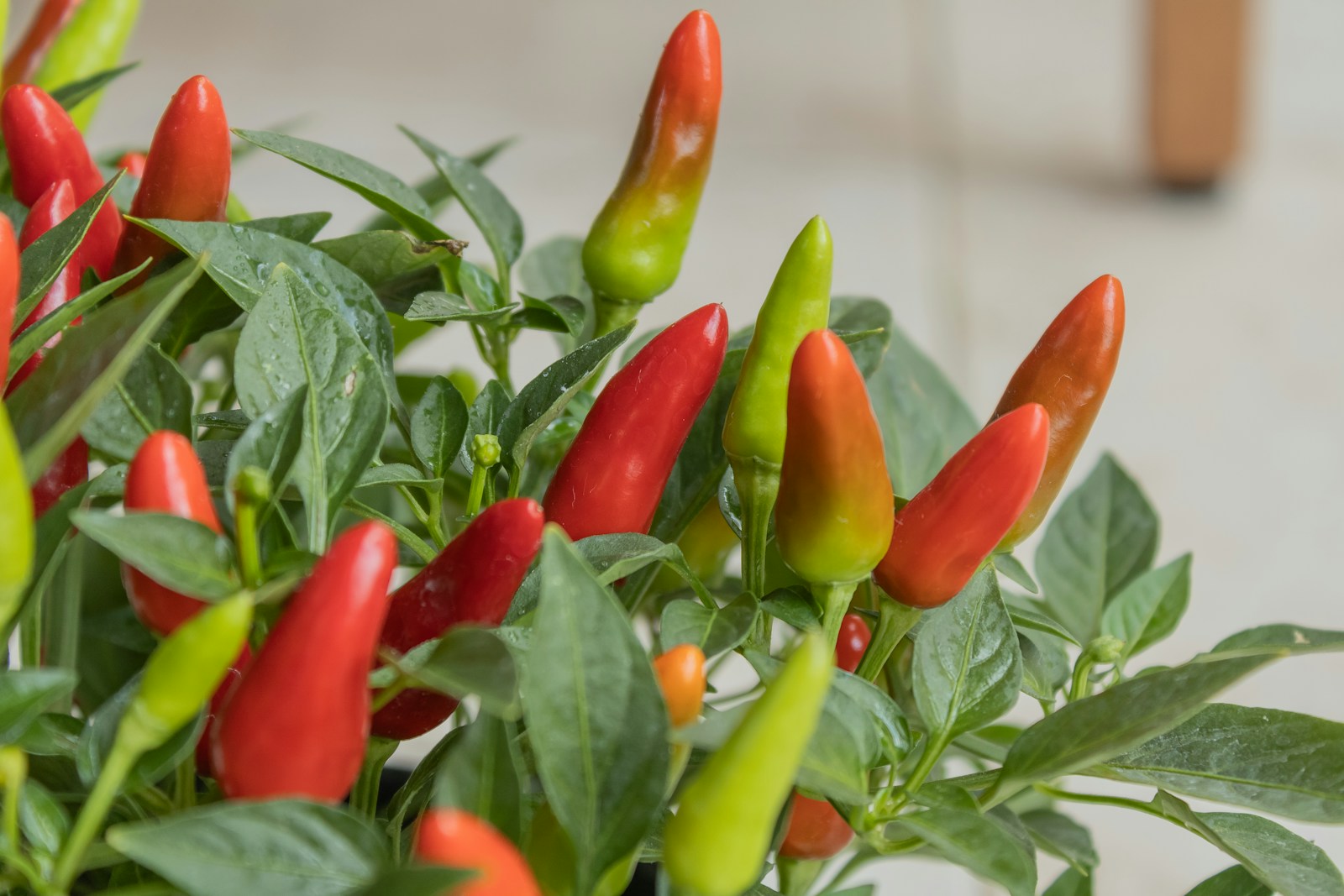
Pods are edible at any size, but the heat and flavor are fullest when they turn completely red. A ripe pod is usually 4 to 6 inches (10 to 15 cm) long, glossy and firm. Picking regularly encourages the plant to keep flowering.
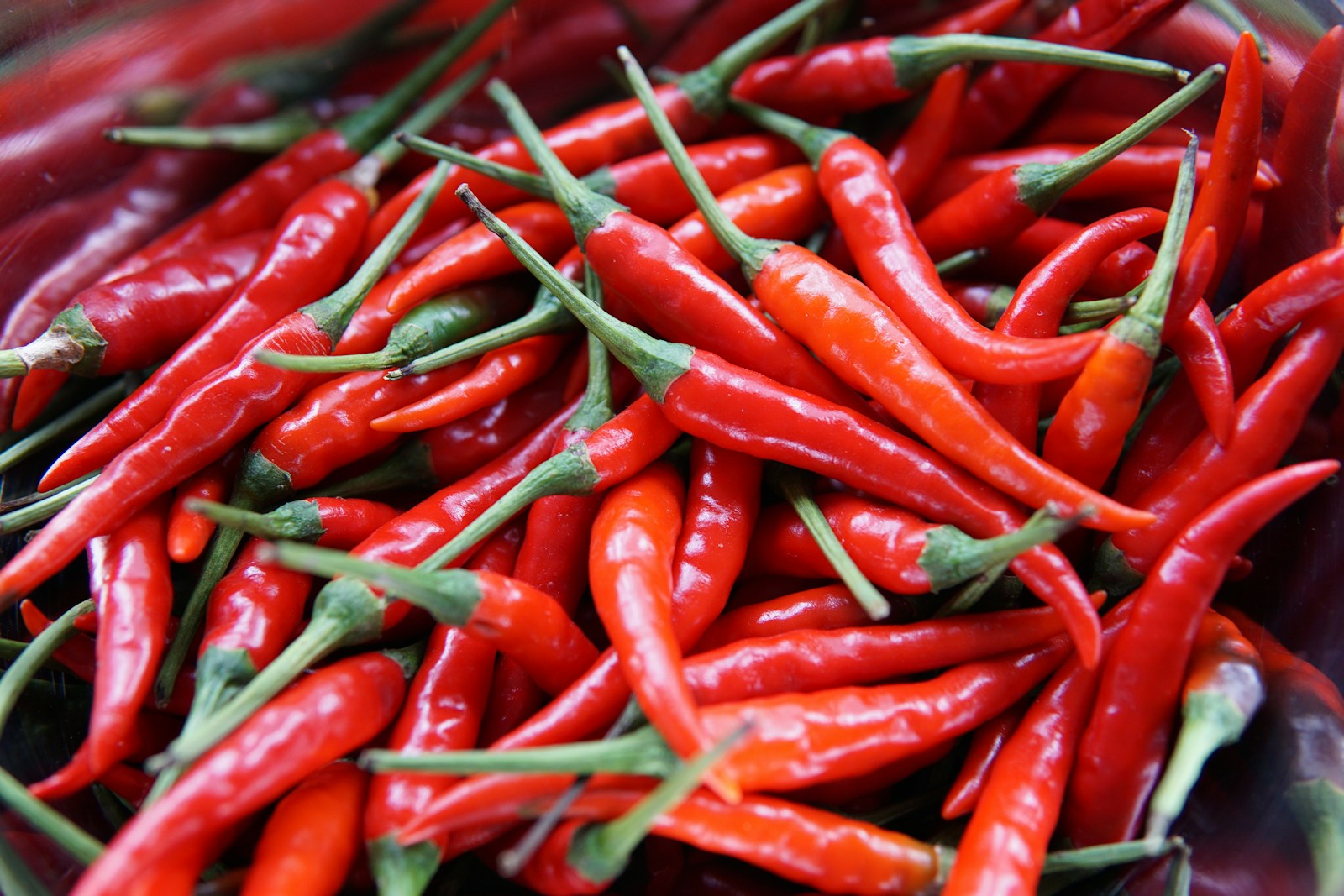
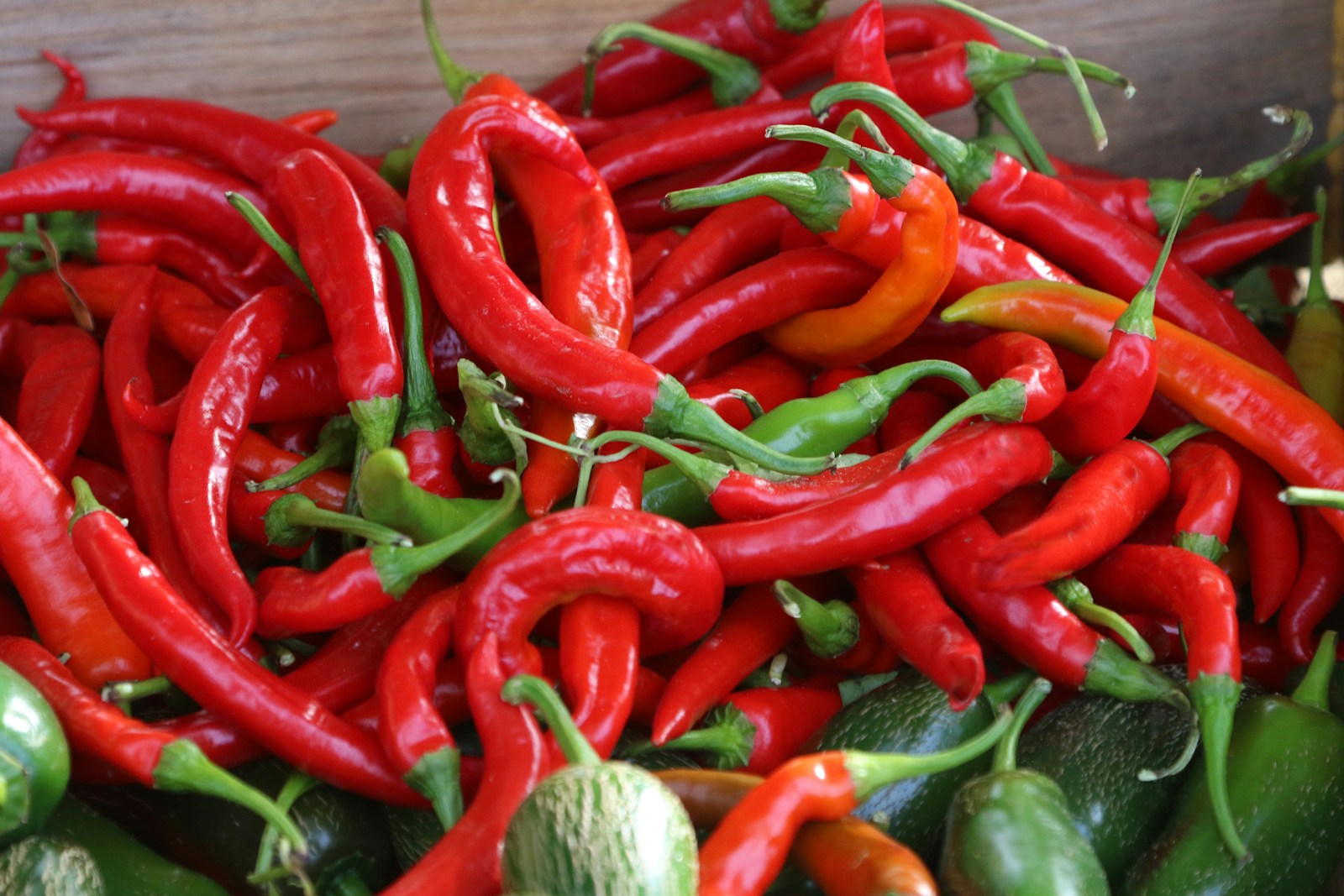
Cut the pods with scissors or pruners and leave a short stub of stem on each. Pulling by hand often tears off a whole branch.
Wear gloves when you pick, cut or string hot peppers, and keep your hands away from your eyes and face. The oil that makes them hot clings to skin and burns for hours. Wash hands, knives and boards with soapy water afterwards.
Before the first fall frost, pick everything left on the plant. Full-size green pods often redden indoors at room temperature.
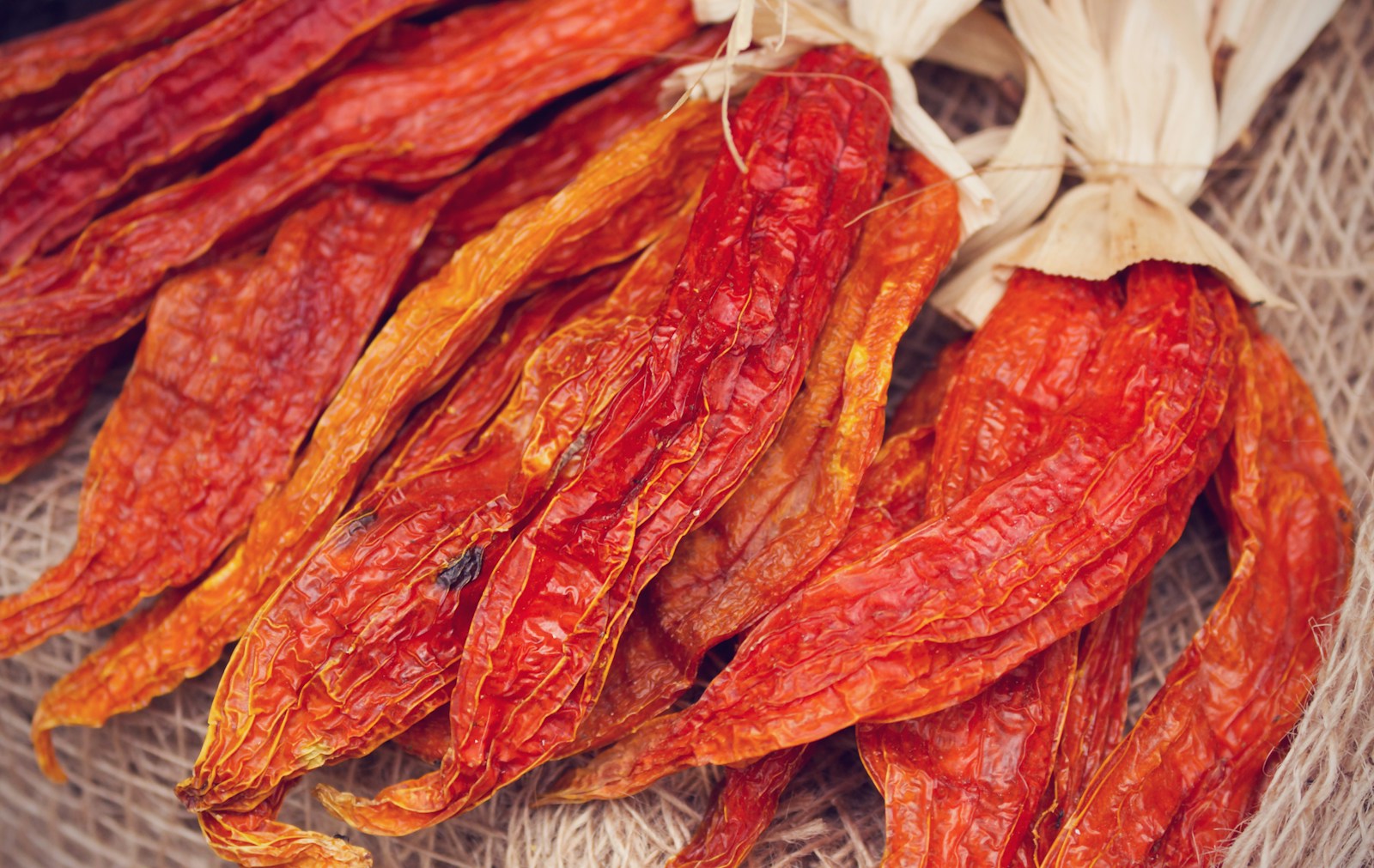
To dry cayenne the old mountain way, thread a needle with strong thread and run it through the stems. Hang the string in a warm, dry, airy place out of direct sun. The pods are ready when they are brittle and rattle, usually after a few weeks. In humid weather a dehydrator or a very low oven is more reliable. Discard any pod that shows mold. Store dried pods whole in a sealed jar and crush them as you need them.
Problems and pests
Dark, sunken patch at the tip of the pod
This is blossom end rot. The fruit cannot take up enough calcium, nearly always because watering is uneven. Water on a steady schedule and mulch the bed. Remove damaged pods. Later fruit is usually fine.
Pale, papery patches on the side of the pod
This is sunscald, a sunburn on fruit exposed to hot afternoon sun. Keep plants healthy and leafy so foliage shades the pods. Do not strip leaves. Affected pods are safe to use if you cut the patch away before it rots.
Curled new leaves and sticky stems
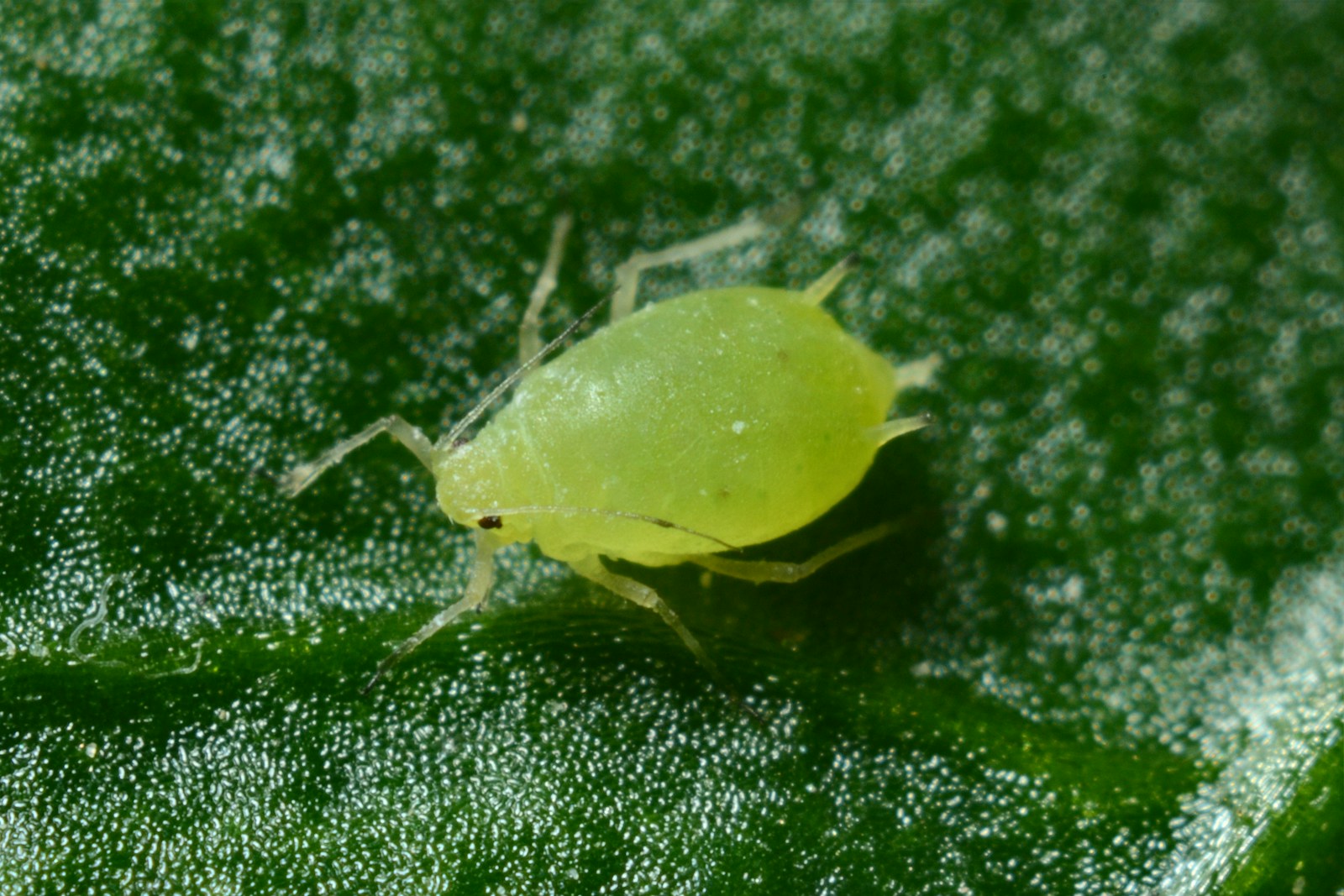
Aphids, small soft insects, cluster on shoot tips and under leaves. Knock them off with a firm spray of water every few days. Insecticidal soap works on heavy infestations. Follow the label and keep it off your skin and eyes.
Small dark spots on leaves, then yellowing and leaf drop
Bacterial leaf spot spreads in warm, wet weather. There is no cure for an infected plant. Water at the base, not over the leaves, and do not work among wet plants. Give plants their full spacing for air flow and rotate the bed each year. Start with healthy seed or transplants.
Plants stay small and yellowish after planting
The cause is usually cold soil or cold nights. Wait for real warmth before planting. In a cool spring, cover young plants with a row cover (a light fabric that traps heat) until the weather settles.
Varieties worth growing
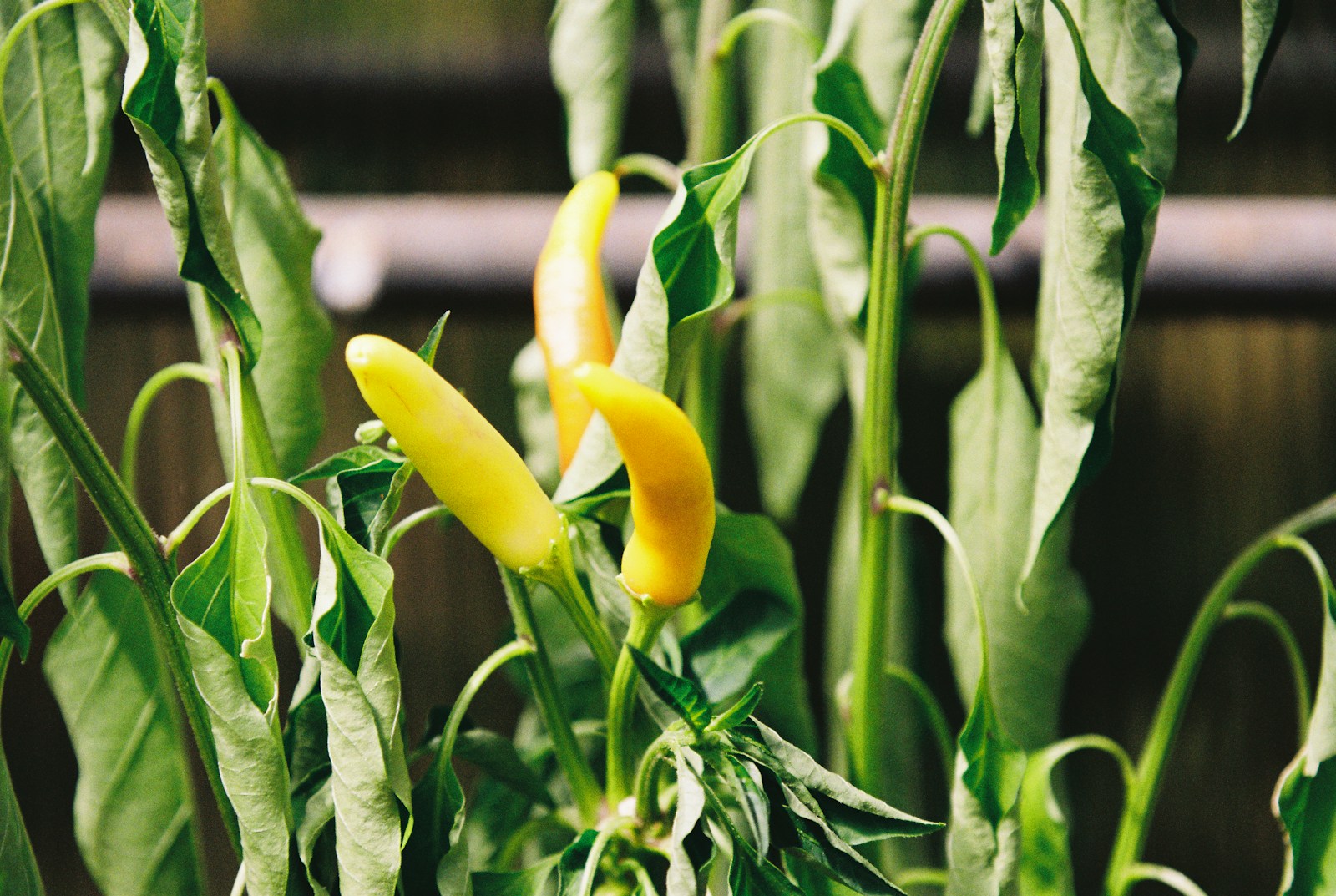
- 'Long Red Slim' (also sold as 'Long Slim'): the classic thin, wrinkled red cayenne, heavy cropping and ideal for drying.
- 'Large Red Thick': broader, fleshier pods that suit fresh use and sauces. Thicker walls dry more slowly.
- 'Joe's Long': an heirloom with very long, slender pods, often 8 inches (20 cm) or more. It looks handsome on a drying string.
- 'Golden Cayenne': ripens to clear yellow, with similar heat and the same growing needs.
- 'Ring of Fire': a compact, early cayenne type that suits short seasons and containers.