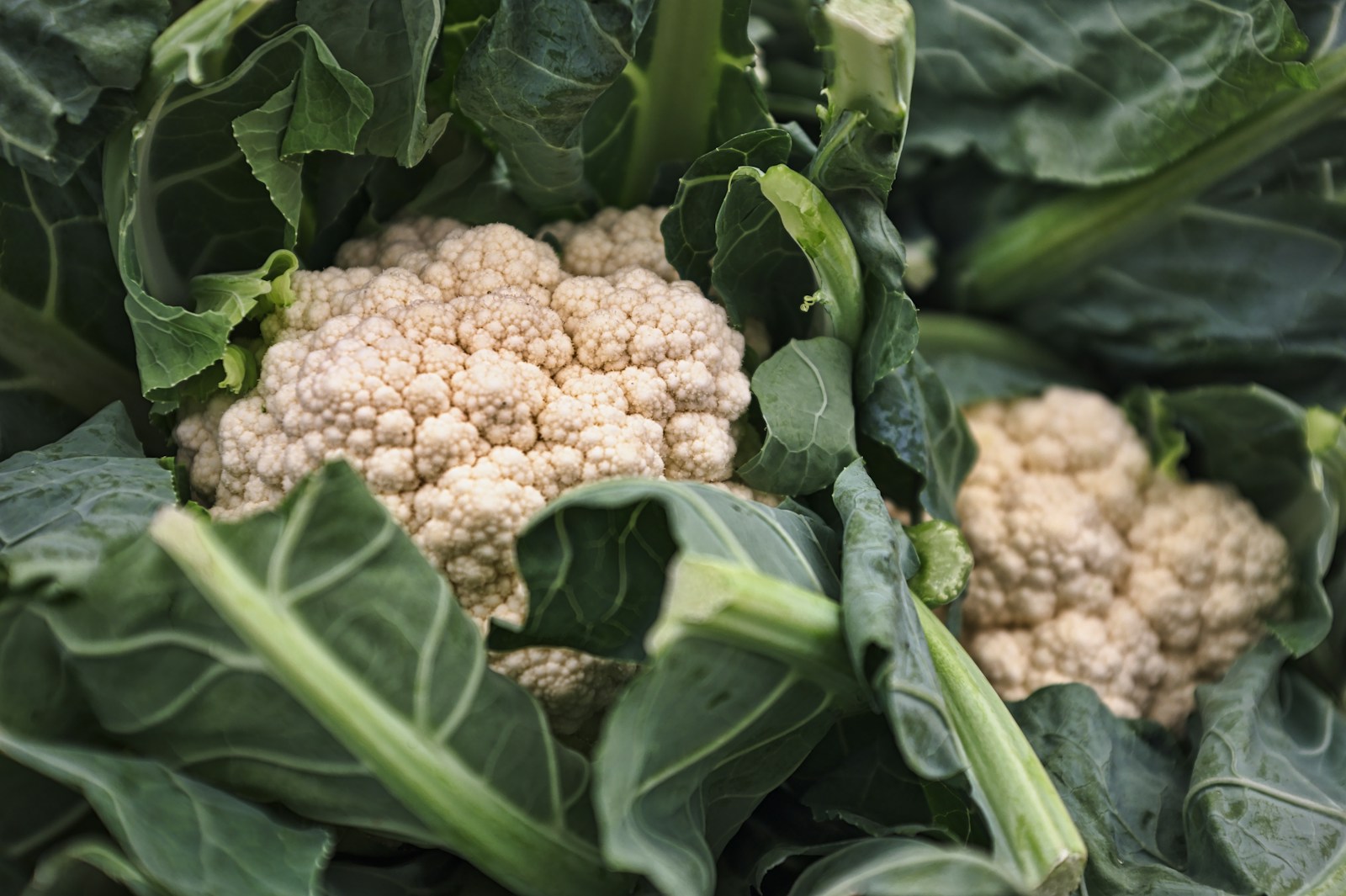
Cauliflower is a cool-season brassica grown for its dense head of flower buds, called the curd. A home-grown head cut at its peak is sweet and nutty. It is the fussiest of the cabbage family, because any stress can spoil the head. Difficulty: moderate to challenging.
Sowing and planting
Cauliflower needs to mature in cool weather, ideally with days around 60–70°F (16–21°C). Heat during heading gives loose, bitter or ricey curds. Plan your sowing so the heads form in the cool of late spring or autumn.
For a spring crop, sow indoors four to six weeks before your last spring frost. Sow seed ¼–½ inch (6–12 mm) deep in cell trays or small pots. Seedlings usually appear in 5–10 days in soil near 70°F (21°C). Once up, grow them cooler, around 60°F (16°C), in bright light.
For an autumn crop, which is often more reliable, sow 10–14 weeks before your first autumn frost. You can sow in a shaded nursery bed outdoors or in trays. In USDA zones 8–10, you can grow cauliflower through the mild winter months.
Harden off (get seedlings used to outdoor conditions) over 7–10 days before planting out. Transplant spring seedlings about two weeks before your last frost, when they have four to six true leaves. Do not let transplants sit in their pots too long. Pot-bound seedlings often form tiny, early heads.
Choose a sunny spot with rich soil. Dig in plenty of well-rotted compost or manure before planting. Firm the soil well, because brassicas prefer firm ground to loose ground. Plant each seedling slightly deeper than it sat in its pot and water it in thoroughly.
Rotate cauliflower each year. Avoid ground where any cabbage-family crop grew in the last three years. This helps prevent clubroot and other soil-borne problems.
Succession planting works better with varieties than with dates. Grow an early, a mid and a late variety to spread the harvest.
Growing on
The key to cauliflower is steady, unbroken growth. Any check (a pause in growth caused by stress) can trigger buttoning.
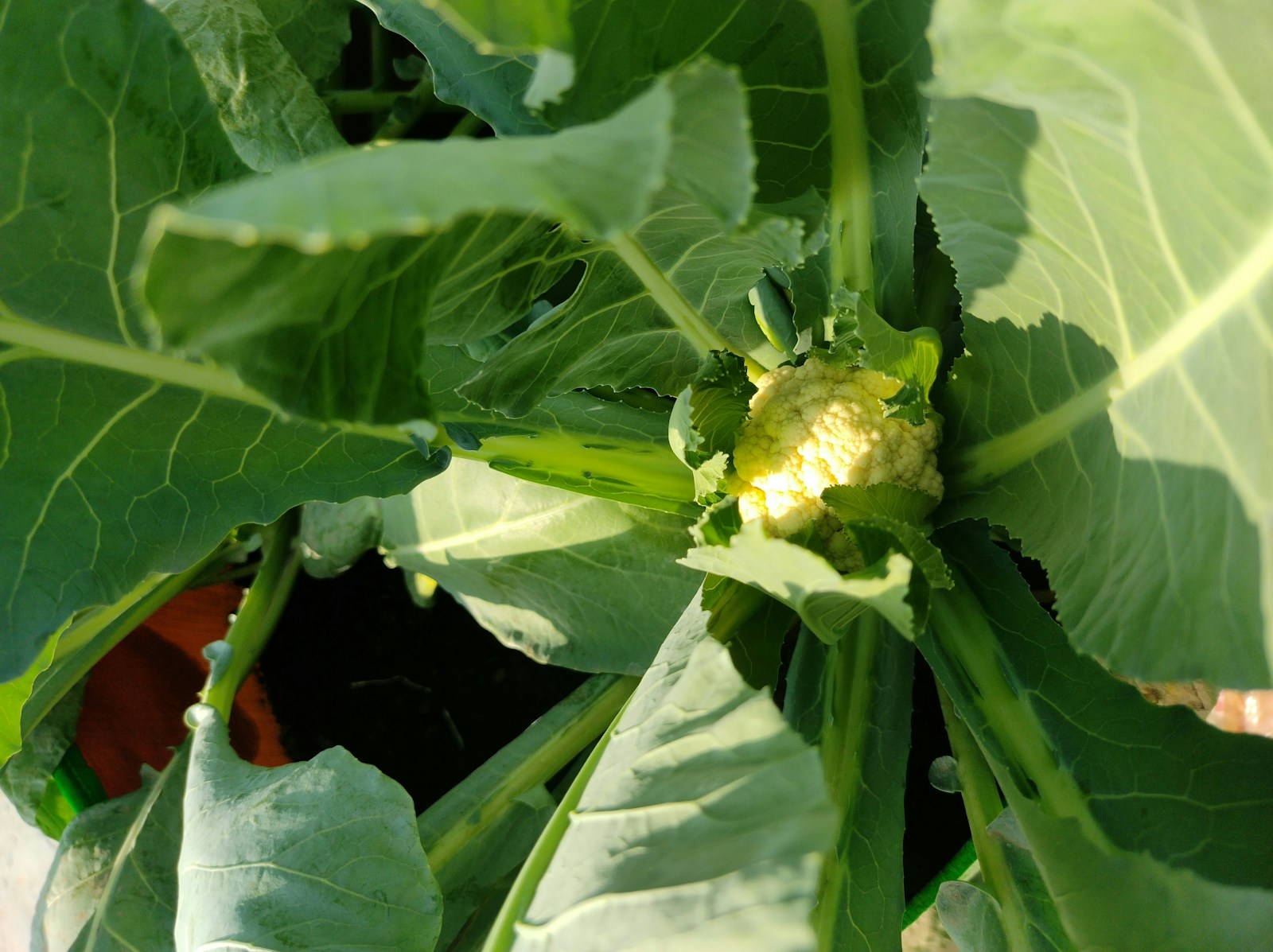
The most common way cauliflower fails is buttoning: plants form a tiny, early head the size of a button instead of a full curd. It is caused by stress such as drought, cold snaps, root damage, pot-bound transplants or poor soil. Keep plants watered, fed and growing without a pause from sowing to harvest.
Water deeply and regularly, aiming for 1–1.5 inches (2.5–4 cm) a week. Never let the soil dry out, especially as heads form. A thick mulch of straw or compost holds moisture and keeps roots cool.
Cauliflower is a hungry crop that needs plenty of nitrogen. Side-dress (sprinkle fertiliser beside the plants) with a balanced organic fertiliser or compost three to four weeks after transplanting. Feed again when heads start to form. Wear gloves when handling manure or fertiliser, and wash your hands afterwards.
Boron deficiency causes hollow stems and brown curds. On poor or very alkaline soil, a seaweed feed can help supply trace elements.
Weed carefully by hand or shallow hoeing. The roots are shallow and easily damaged.
Blanching the heads
White varieties need blanching (shading the curd from sun) to stay white and tender. When a head is about 2–3 inches (5–8 cm) across, gather the outer leaves over it. Tie them loosely with soft twine or a rubber band. Some varieties are self-blanching and wrap their own leaves, but check them anyway. Coloured varieties such as orange, green and purple types do not need blanching.
In windy spots, firm soil around the stems to stop tall plants rocking. No other staking or pruning is needed. Aromatic herbs such as dill and thyme make good neighbours, and they draw in beneficial insects.
Harvesting
Most varieties are ready 50–100 days after transplanting. Blanched heads usually mature within one to three weeks of tying. Check under the leaves every few days.
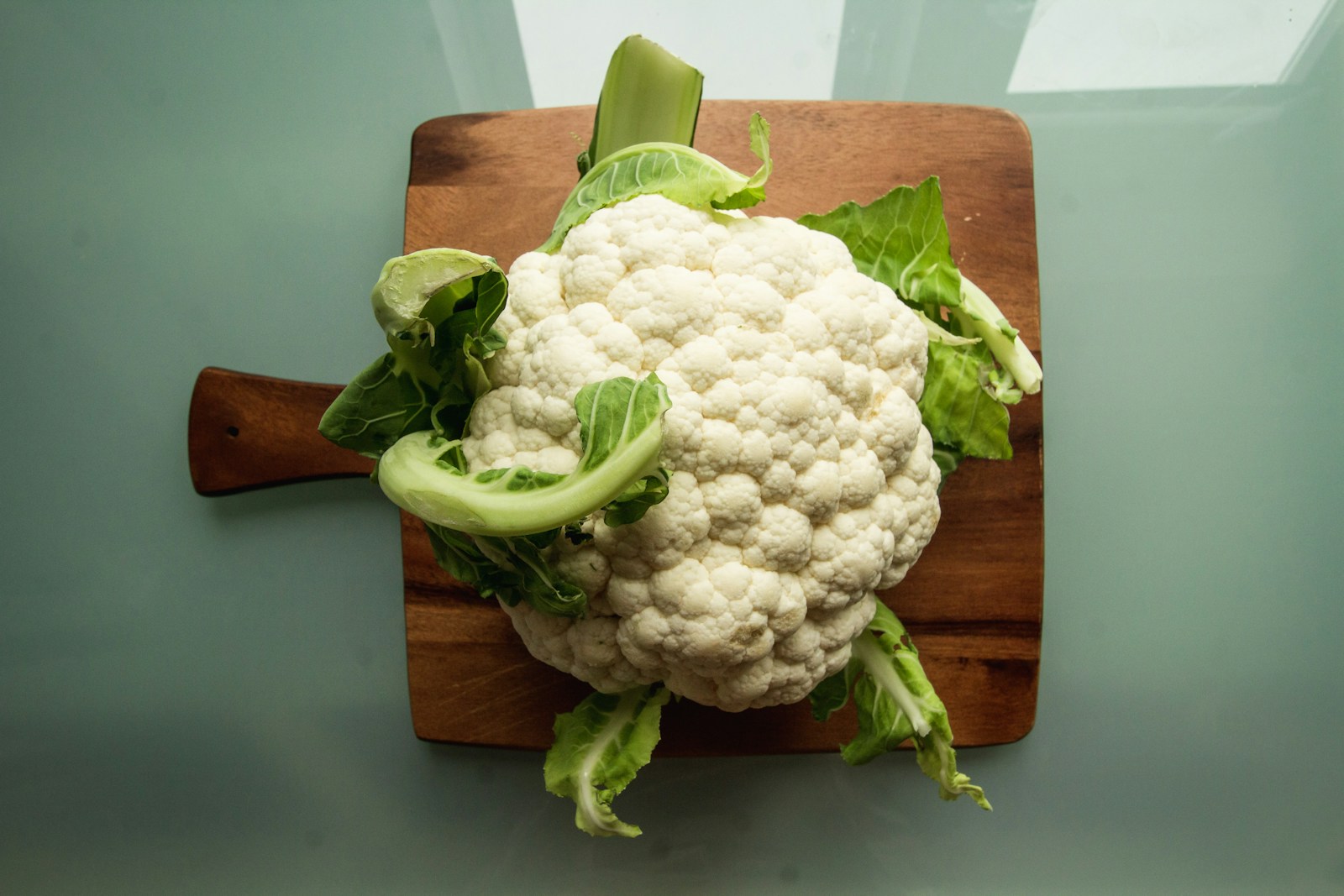
Cut when the curd is firm, tight and smooth, usually 6–8 inches (15–20 cm) across. Do not wait for more size. Once the curd starts to loosen or the florets separate, quality drops quickly.
Use a sharp knife to cut through the main stem below the head. Leave a few wrapper leaves attached to protect the curd. Harvest in the cool of the morning for the best texture.
Cauliflower usually gives one head per plant. Unlike broccoli, it rarely produces useful side shoots. Pull the plant and compost it once you have cut the head.
Store heads unwashed in a perforated bag in the fridge. They usually keep for one to two weeks. For longer storage, blanch florets in boiling water for about three minutes, cool them in iced water, then freeze.
Saving seed is not practical for most gardeners. Cauliflower flowers only after a long season and crosses readily with other cabbage-family crops.
Problems and pests
A tiny head forms far too early
This is buttoning, caused by stress or a check to growth. Plant young transplants before they become pot-bound. Water consistently and feed well. Protect young plants from cold snaps with row cover.
Holes in the leaves and green caterpillars
Imported cabbageworm, cabbage loopers and diamondback moth larvae chew leaves and can burrow into the curd. Cover plants with fine insect mesh from planting out. Hand-pick caterpillars and eggs. For heavy outbreaks, spray Bacillus thuringiensis (Bt), a bacterial caterpillar control approved for organic use. Follow the label, and avoid spraying drift onto nearby plants.
Wilting plants with swollen, knotted roots
This is clubroot, a soil-borne disease that thrives in acid, wet soil. It persists in the ground for many years. Raise soil pH towards 7.0 or slightly above with garden lime. Wear gloves and a dust mask when spreading lime. Rotate crops strictly and never move infected soil around the garden.
Wilting seedlings with tunnels in the roots
Cabbage root fly larvae (root maggots) feed on the roots of young plants. Fit a collar of card or felt around each stem at planting time. Row cover also keeps the adult flies off.
Heads are loose, fuzzy or leafy
Heat during heading causes this, along with uneven watering. Time sowings so heads form in cool weather. Mulch well and keep moisture steady.
Varieties worth growing
White cauliflower
- Snowball Y Improved – a reliable, compact open-pollinated variety with self-wrapping leaves.
- Snow Crown – a vigorous, fast-maturing hybrid that tolerates variable weather.
- Amazing – a dependable variety with dense white heads and good wrapper leaves.
Coloured cauliflower
- Cheddar – bright orange curds that keep their colour when cooked; no blanching needed.
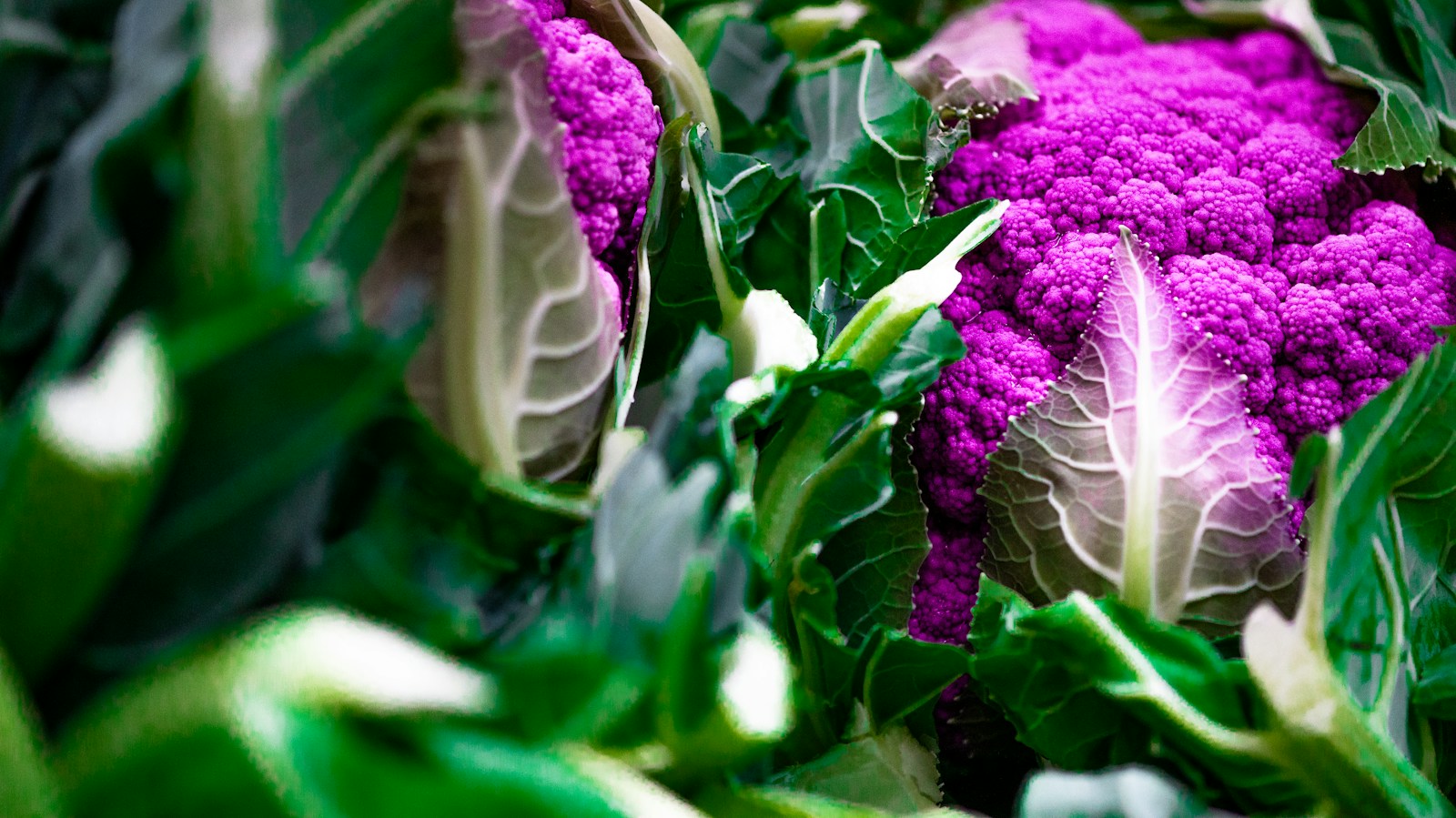
- Graffiti – deep purple heads that turn paler with cooking.
Romanesco types
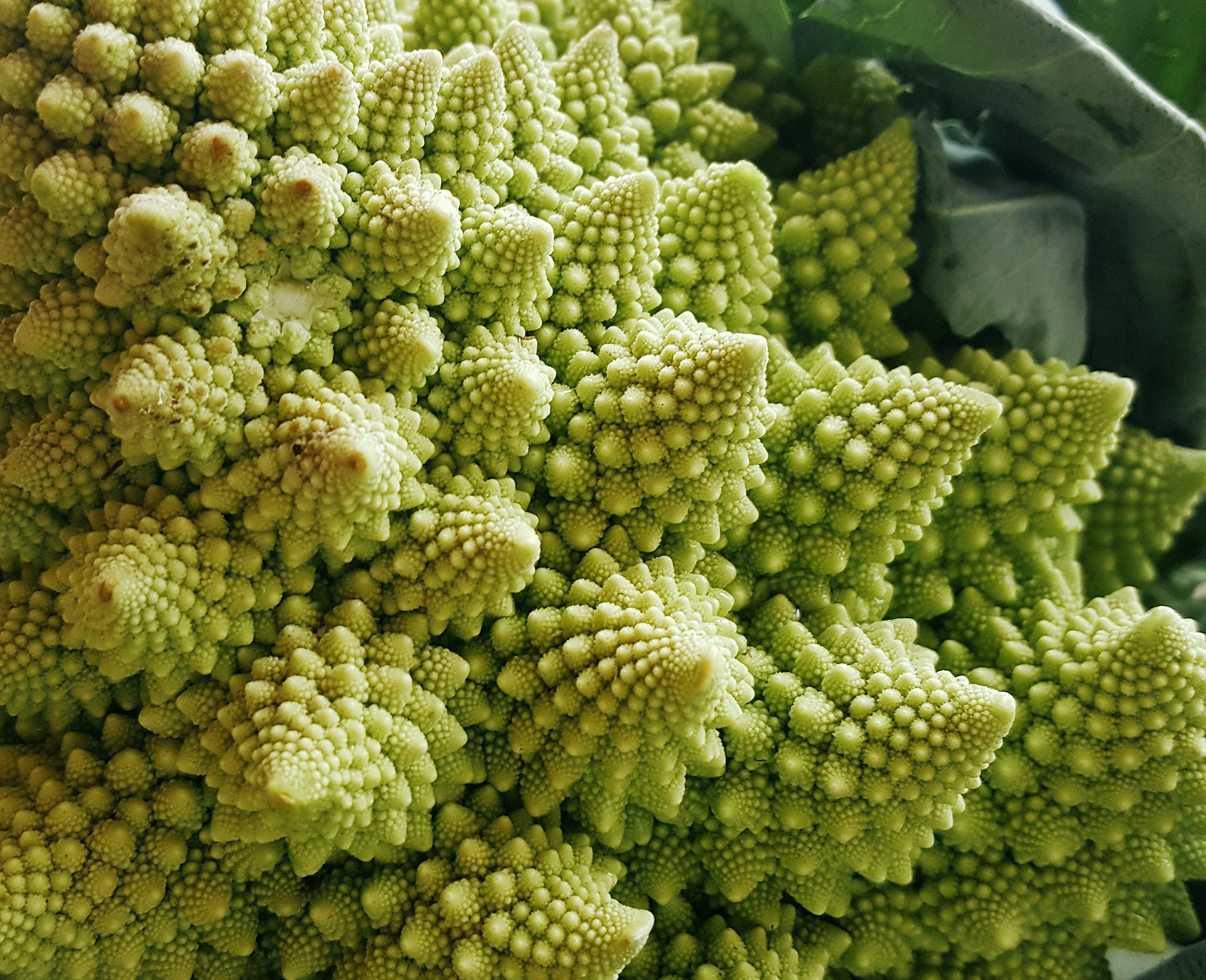
- Veronica – a lime-green Romanesco with pointed, spiralling florets and a mild, nutty flavour.