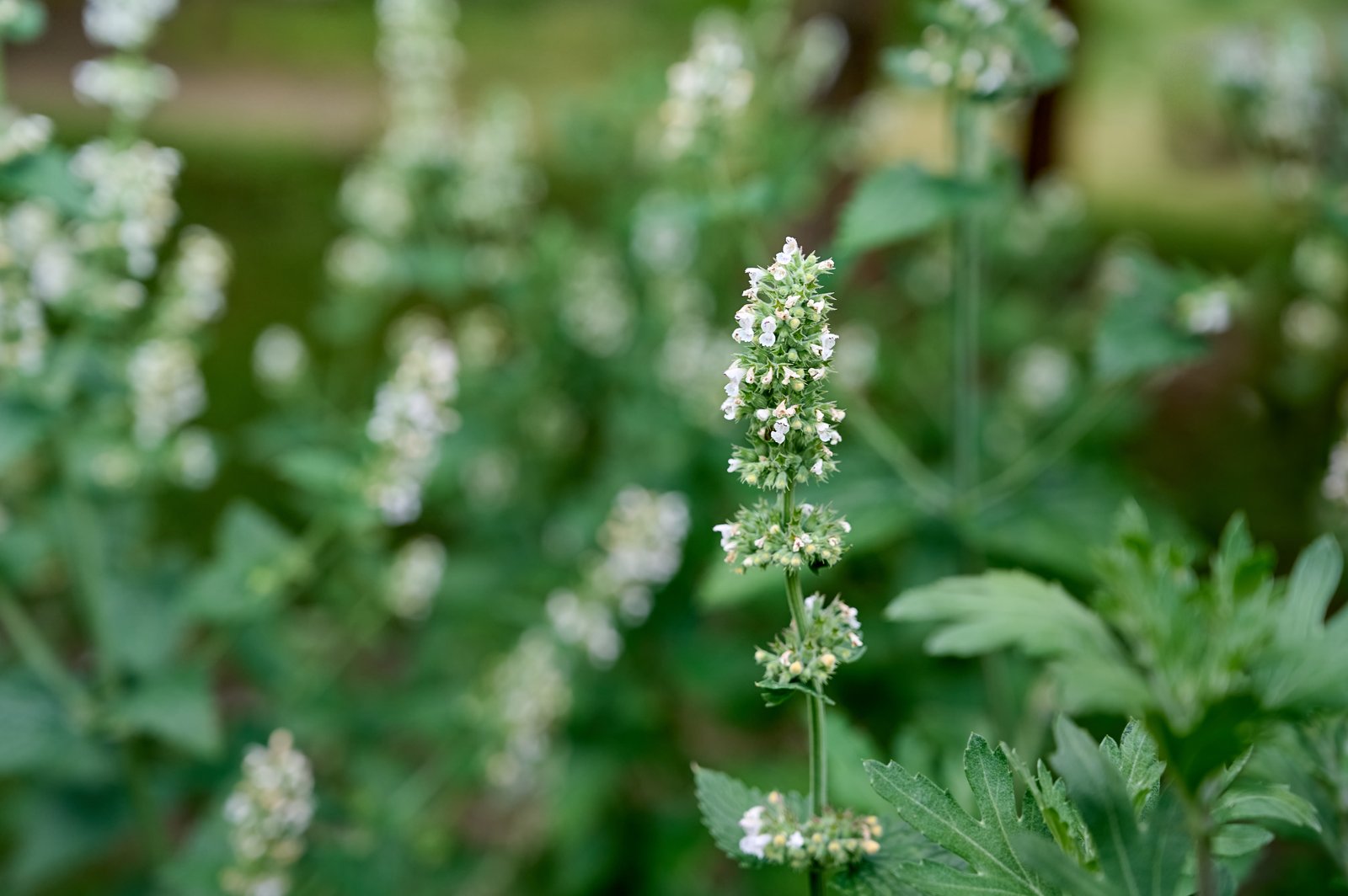
Catnip (Nepeta cataria) is a grey-green perennial herb in the mint family, with soft toothed leaves and spikes of small white flowers spotted with purple. It came to North America with European settlers and now grows wild along fences and barnyards across the eastern states. Gardeners grow it for cats, for bees, and for its long history as a household tea herb. Difficulty: very easy. The harder job is keeping it where you put it.
Sowing and planting
Catnip grows readily from seed, from division, or from stem cuttings.
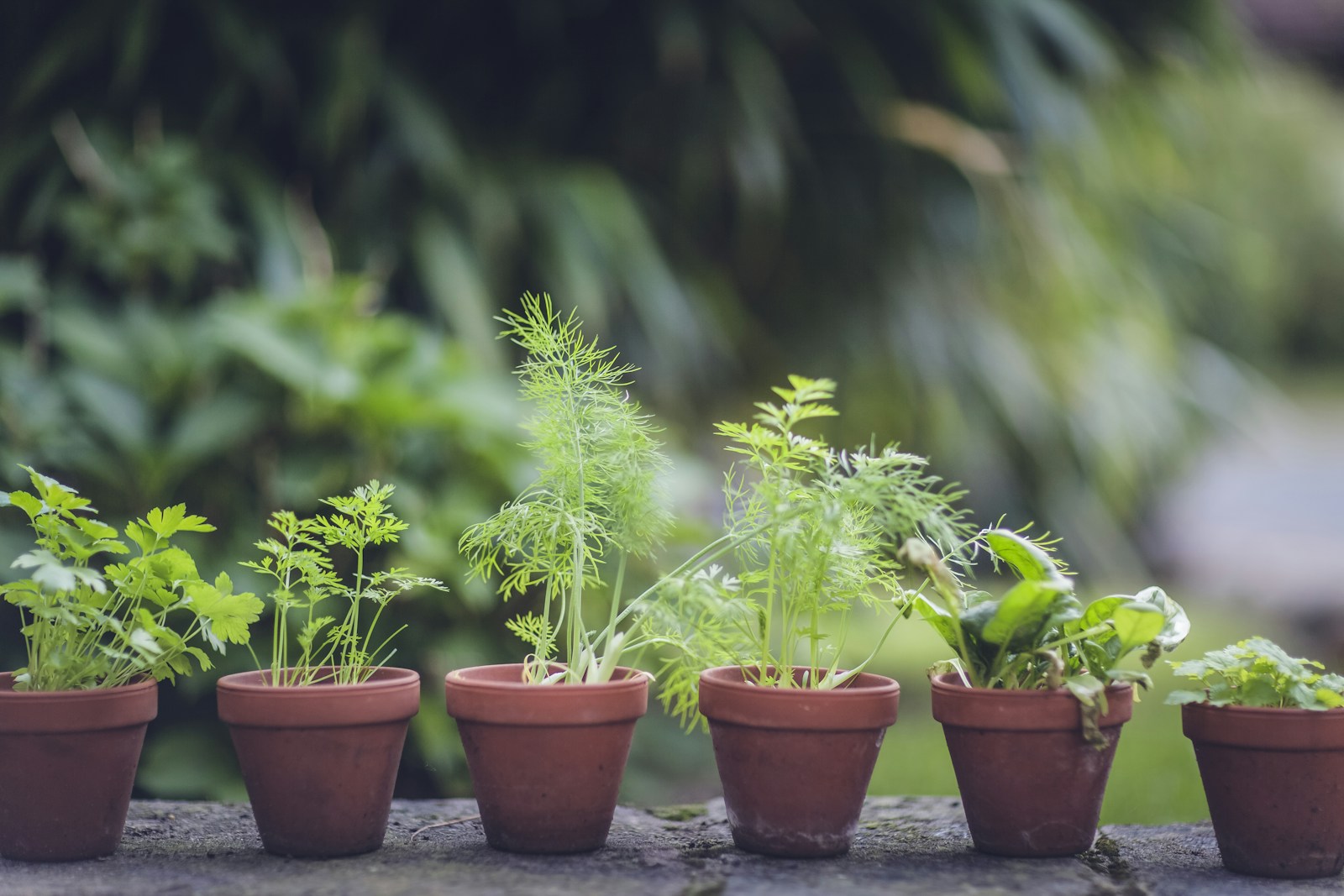
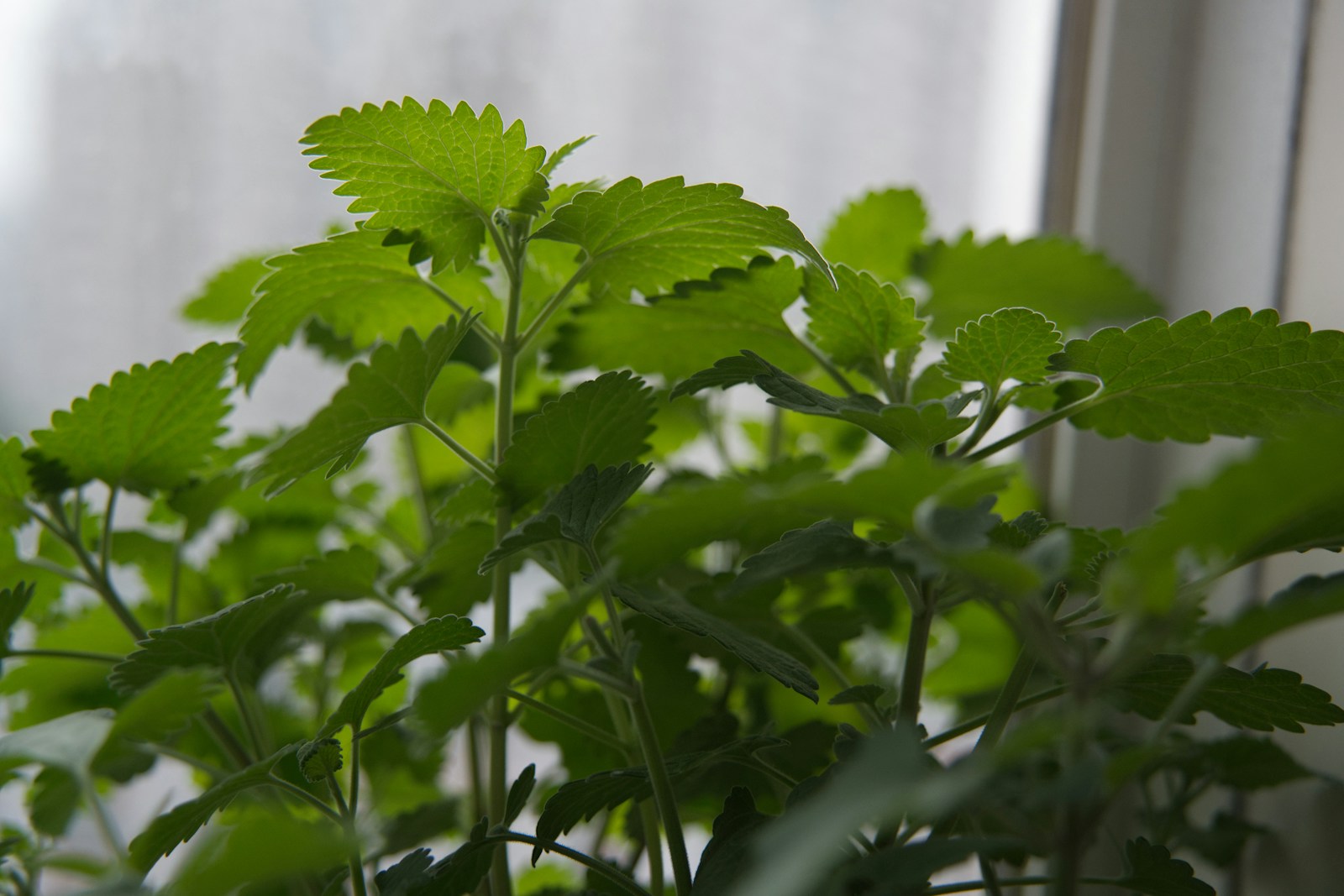
From seed indoors. Sow six to eight weeks before your last expected frost. Press the seed onto damp seed compost and cover it very thinly, about 1/8 inch (3 mm). Keep the tray at around 65 to 70°F (18 to 21°C). Seedlings usually appear in one to three weeks, and germination is often uneven. Pot seedlings on once they have two pairs of true leaves (the leaves that follow the first seed leaves).
From seed outdoors. Sow directly after your last frost, or in fall so the seed chills over winter and sprouts in spring. Thin seedlings to the final spacing.
Planting out. Harden off indoor seedlings first (get them used to outdoor conditions over a week or so). Plant after the last frost, 18 to 24 inches (45 to 60 cm) apart. Choose a sunny spot with soil that drains freely. Catnip tolerates poor, stony and dry ground far better than wet ground. Rich soil gives bigger, floppier plants with a weaker scent.
By division. Lift an established clump in early spring or early fall. Split it into pieces with roots and shoots, then replant and water well.
By cuttings. Take 4 inch (10 cm) tip cuttings from non-flowering shoots in late spring. Strip the lower leaves and root them in damp potting mix or a glass of water.
In pots. Catnip does well in a container at least 12 inches (30 cm) wide with drainage holes. A pot also makes it easy to lift the plant out of a cat's reach.
Young transplants are the most vulnerable stage. Bruised leaves release the scent that attracts cats, and a cat can flatten a new plant in one visit. Cover fresh plantings with a wire cloche, an upturned hanging basket, or a cage of chicken wire until they are well rooted.
Growing on
Watering. Water new plants regularly for the first few weeks. After that, water only in long dry spells. Let pots dry slightly between waterings. Soggy soil is the most common way to kill catnip.
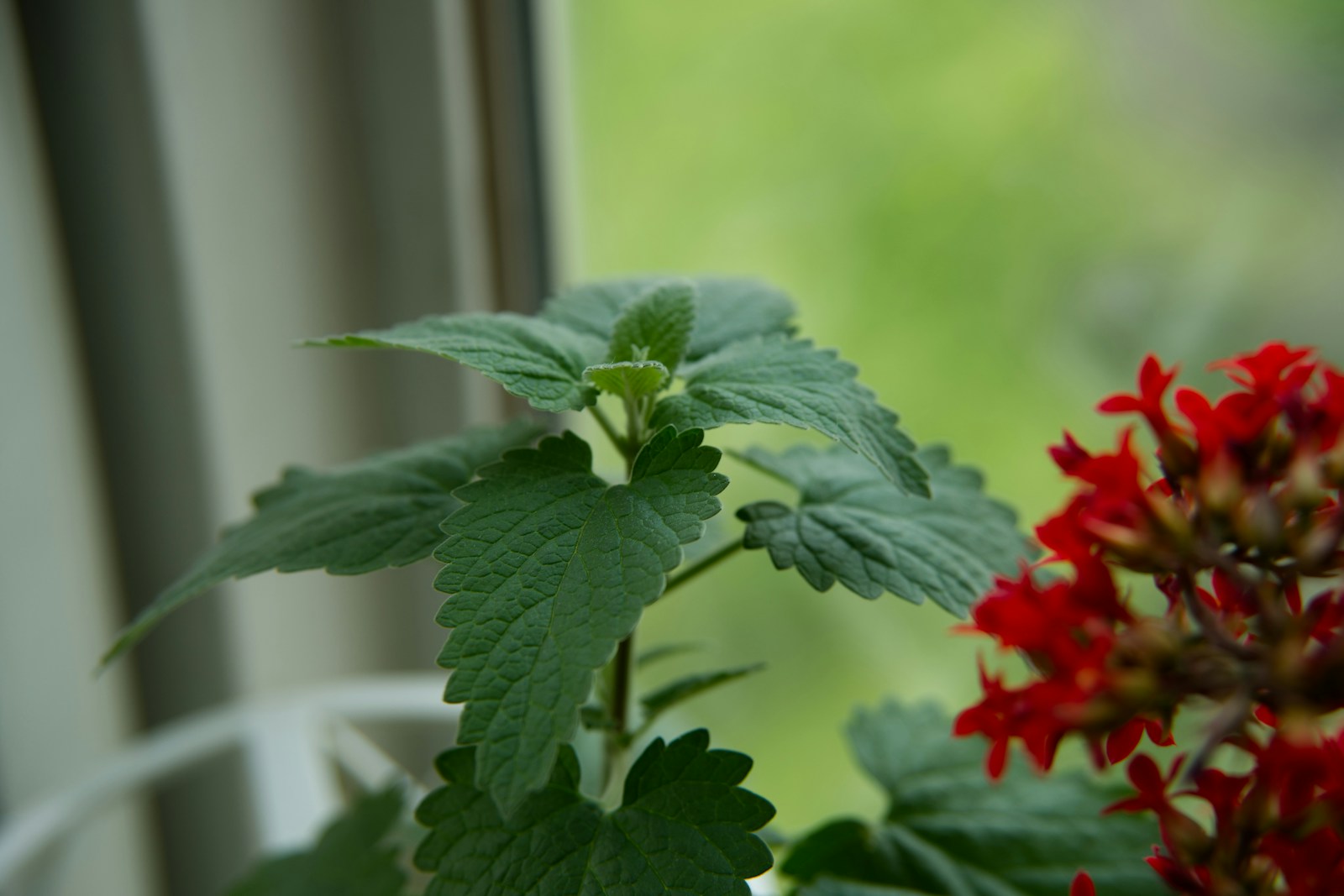
Feeding. In the ground, catnip needs no fertilizer in average soil. A thin layer of compost in spring is plenty. Feed potted plants lightly once or twice in the growing season.
Pinching. Pinch out the growing tips when plants reach about 6 inches (15 cm). This makes them branch and stay bushy.
Cutting back. After the first flush of flowers, cut the whole plant back by about half. It regrows quickly and often flowers again. This cut also removes seed heads before they ripen.
Containing it. Catnip does not run underground the way peppermint does. It spreads by seed, and it sets a lot of it. Remove faded flower spikes before they turn brown, and pull unwanted seedlings while they are small.
Winter. Top growth dies back after hard frost. Cut the dead stems down to a few inches in late fall or early spring. Individual plants often fade after three or four years, so divide clumps or let a few seedlings replace them.
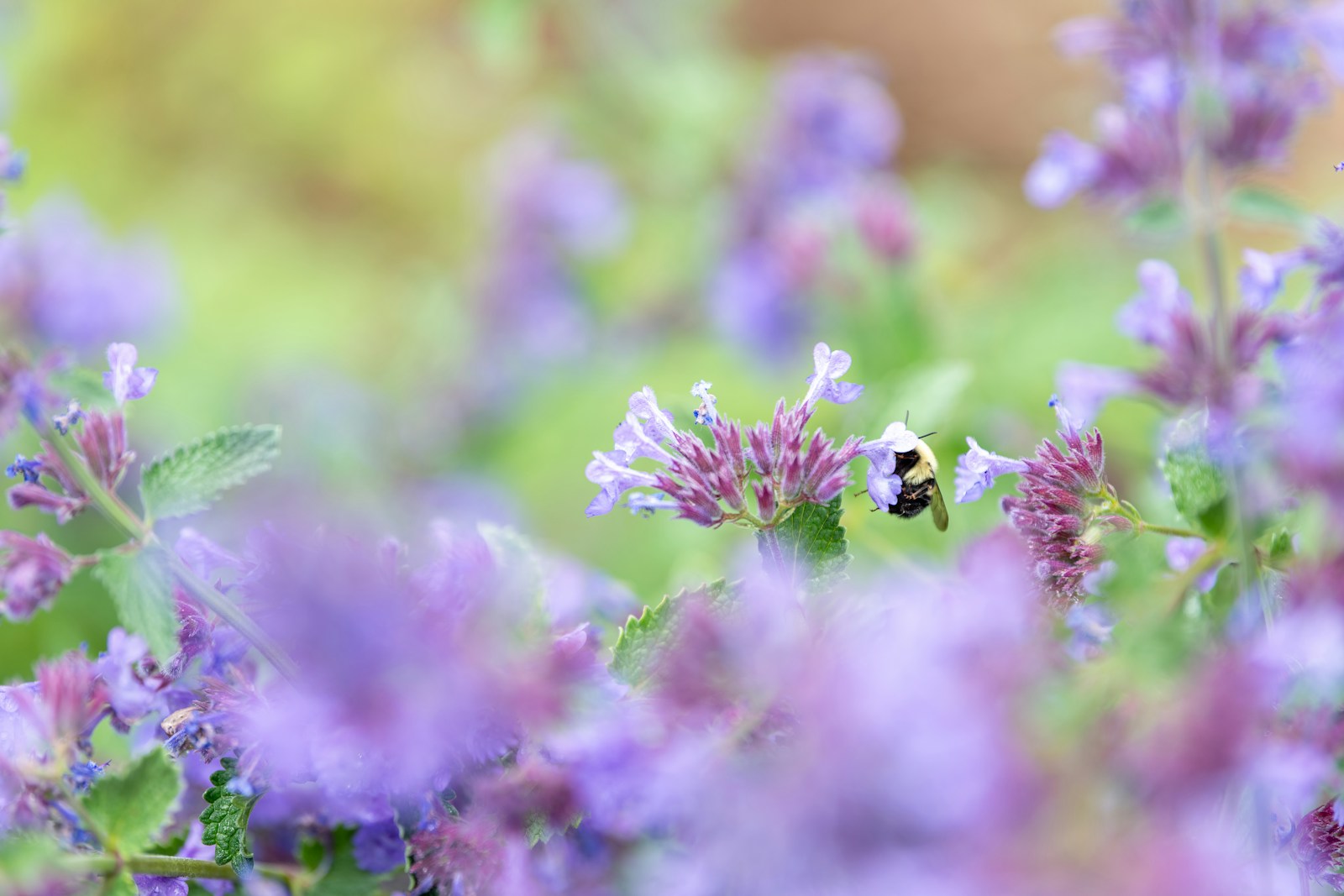
Bees and other pollinators work the flowers heavily, so it is worth letting at least one plant bloom.
Harvesting
You harvest the leaves and flowering tops. Take light pickings of leaves any time once the plant is about 8 inches (20 cm) tall.

For drying, the best moment is when flower buds are just starting to open. The scent is strongest then. Cut on a dry morning after the dew has gone. Cut stems back by up to half, just above a pair of leaves, and leave the rest to regrow. Most gardens get two cuts a season, sometimes three.
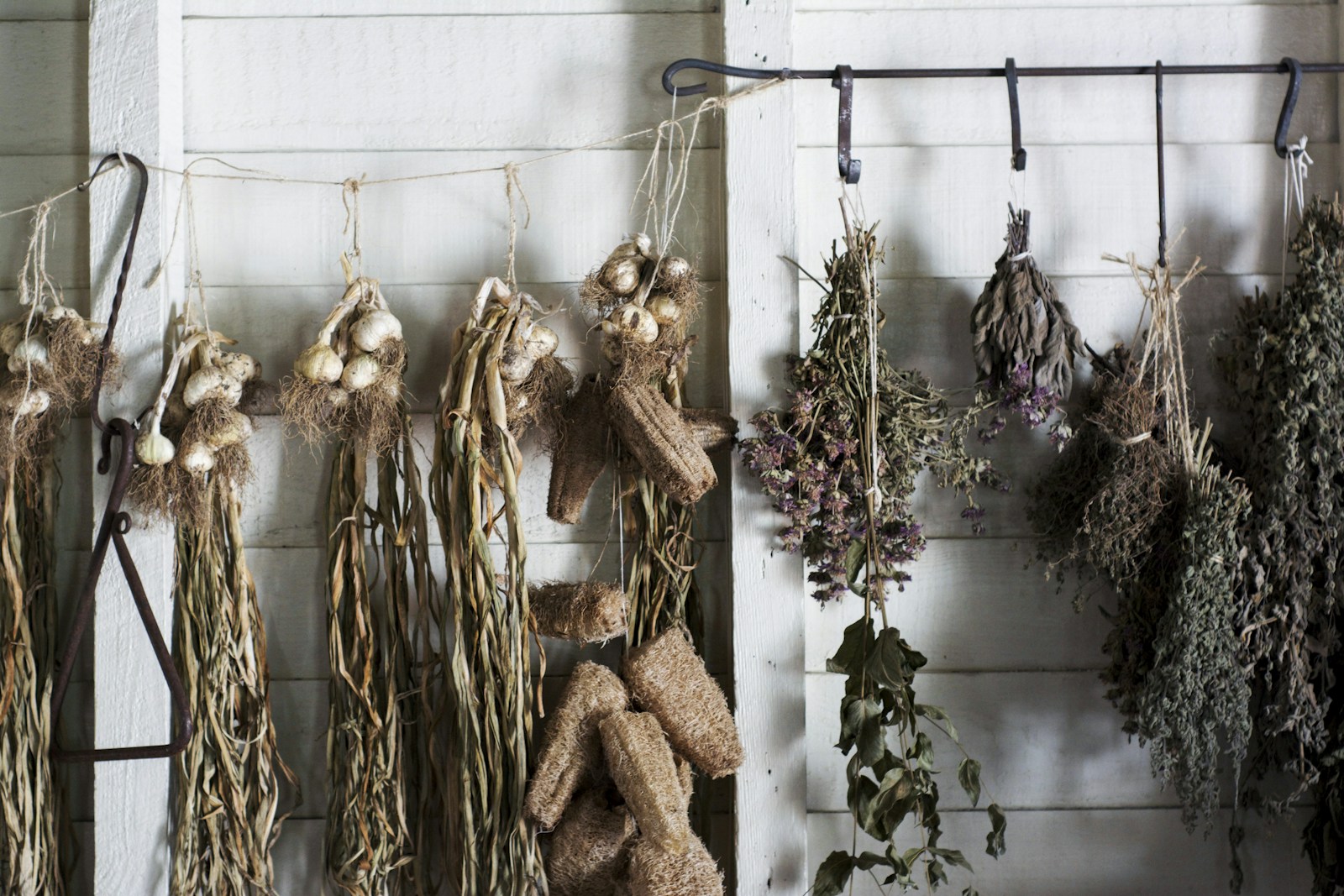
Tie stems in small bunches and hang them upside down somewhere warm, dark and airy. You can also spread them on a screen. They are ready in one to two weeks, when the leaves crumble and the stems snap. Strip the leaves and flowers, and store them in an airtight jar away from light. Dry the bunches behind a closed door if you own a cat.
Mountain families in southern Appalachia valued catnip as a tea herb. Anthony Cavender's Folk Medicine in Southern Appalachia records catnip tea among the most commonly remembered home remedies in the region. It was drunk at bedtime for sleeplessness and "nerves", taken hot during colds and measles, and spoon-fed to colicky or newborn babies. The Cherokee and other Native peoples also adopted the plant after settlers brought it. These uses are reported here as history only.
Historical uses are not medical advice. Do not give catnip or any herbal tea to infants, and avoid catnip tea during pregnancy. Ask a doctor or pharmacist before using any herb as a remedy.
Problems and pests
Plants flattened, chewed or rolled on
Cats are the main pest. Protect young plants with wire until they are sturdy. Established clumps usually recover from a rolling. Grow a spare plant in a hanging basket if local cats are persistent.
Seedlings coming up everywhere
The plant has self-seeded. Cut back after flowering and deadhead (remove spent flowers) through the season. Hoe off seedlings while they are small.
White powdery coating on leaves
This is powdery mildew, a fungal disease that is worst in crowded, humid plantings. Thin the clump and give plants their full spacing. Water at the base rather than over the leaves. Cut affected stems back hard; the new growth is usually clean.
Yellowing leaves and collapsing stems
The cause is usually root rot from wet, heavy soil or an overwatered pot. Improve drainage, or replant in a raised bed or a container with free-draining mix. Water less.
Fine speckling or sticky leaves
Spider mites, whiteflies and aphids sometimes attack, mainly on plants under cover or in hot, dry weather. Knock them off with a firm spray of water, repeated every few days. Cut back badly affected growth.
Varieties worth growing
Catnip has very few named varieties. Most seed is sold simply as the plain species. The list below includes one true catnip selection and clearly labelled relatives.
- Common catnip (Nepeta cataria) - the plain species, and the one cats respond to most strongly.
- Lemon catnip (Nepeta cataria 'Citriodora') - a lemon-scented form of the same species. It makes a pleasant tea herb, and cats are usually less interested in it.
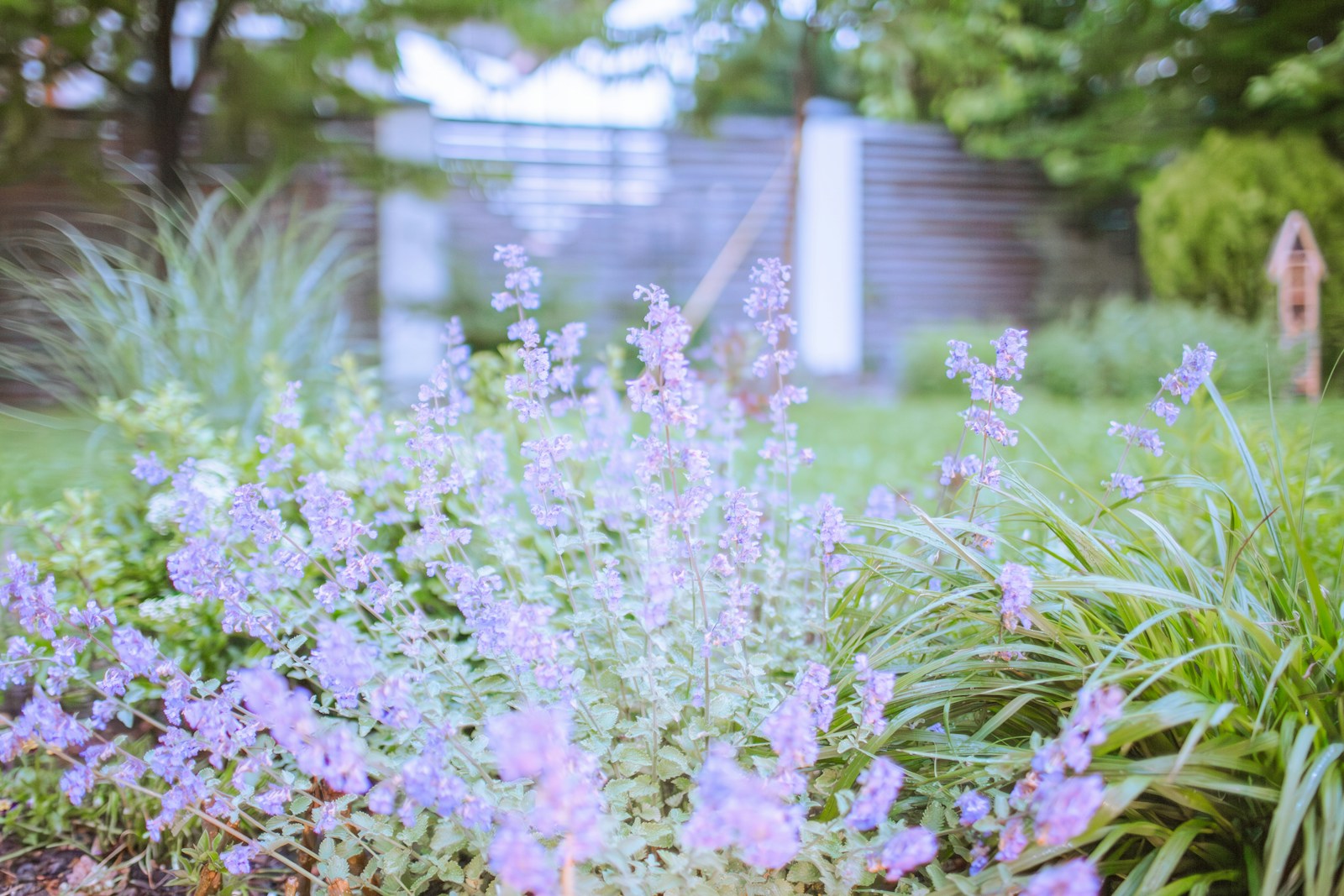
- Catmint 'Walker's Low' (Nepeta × faassenii) - a related species, not true catnip. A low, long-flowering lavender-blue ornamental for borders.
- Catmint 'Six Hills Giant' (Nepeta) - another related ornamental catmint, taller and wider, with blue-violet flowers.
- Persian catmint (Nepeta racemosa) - a related compact species with blue flowers, grown as an edging plant.
The ornamental catmints are grown for flowers rather than for cats or tea. Many of them set little or no seed, so they do not spread the way true catnip does.