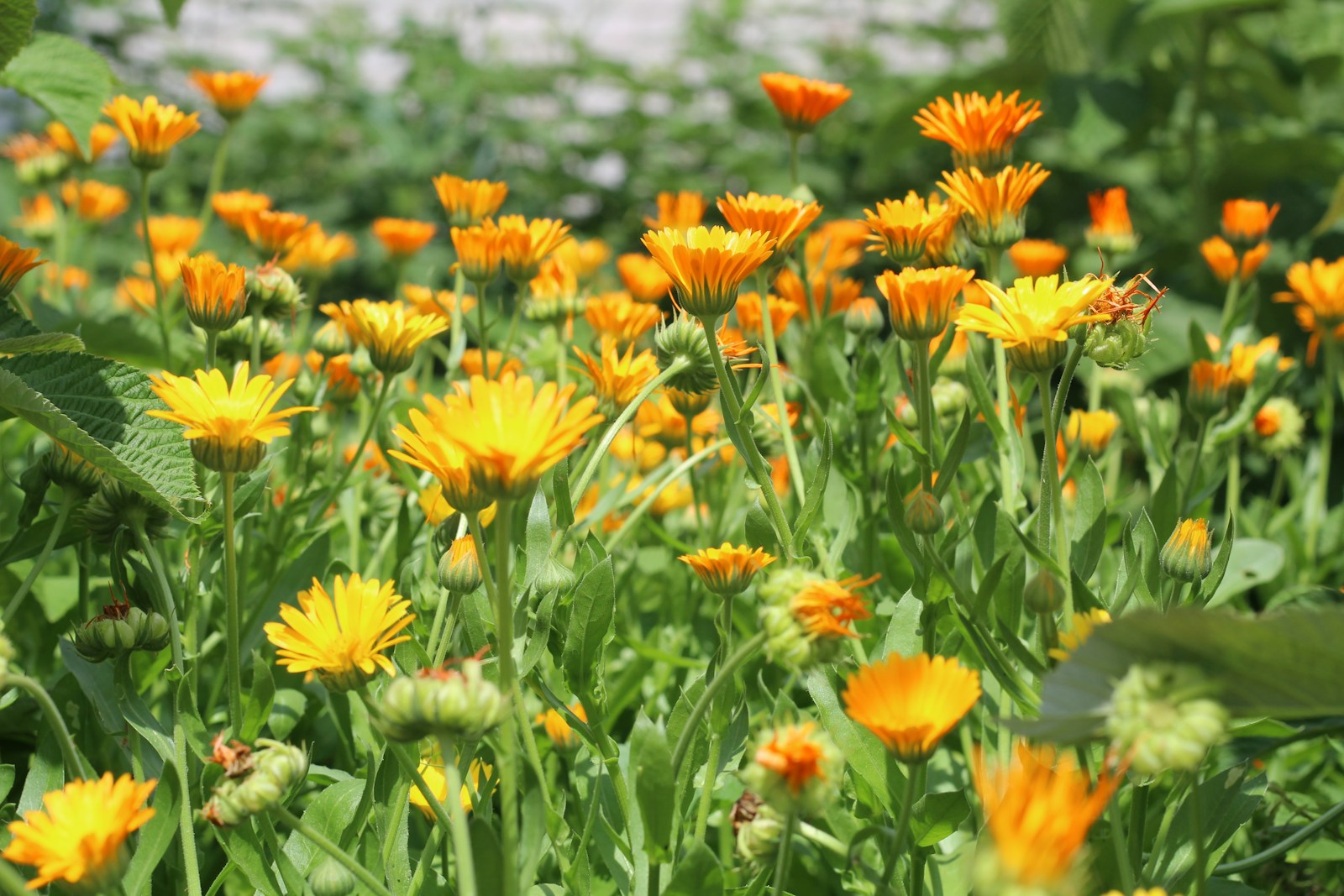
Calendula (Calendula officinalis), often called pot marigold, is a fast-growing annual with bright orange, yellow and apricot daisy flowers. Despite the name, it is not a true marigold. French and African marigolds belong to a different genus, Tagetes, and look and smell quite different. Calendula thrives in cool weather and flowers within about two months of sowing. Its petals are edible and add colour to salads, butter and rice. The flowers also draw bees, hoverflies and other helpful insects to the vegetable garden. It is one of the easiest flowers you can grow from seed.
Sowing and planting
Calendula handles light frost, so you can sow it earlier than most flowers. In USDA zones 9 to 11 it is usually grown through the cool season, from autumn into spring.
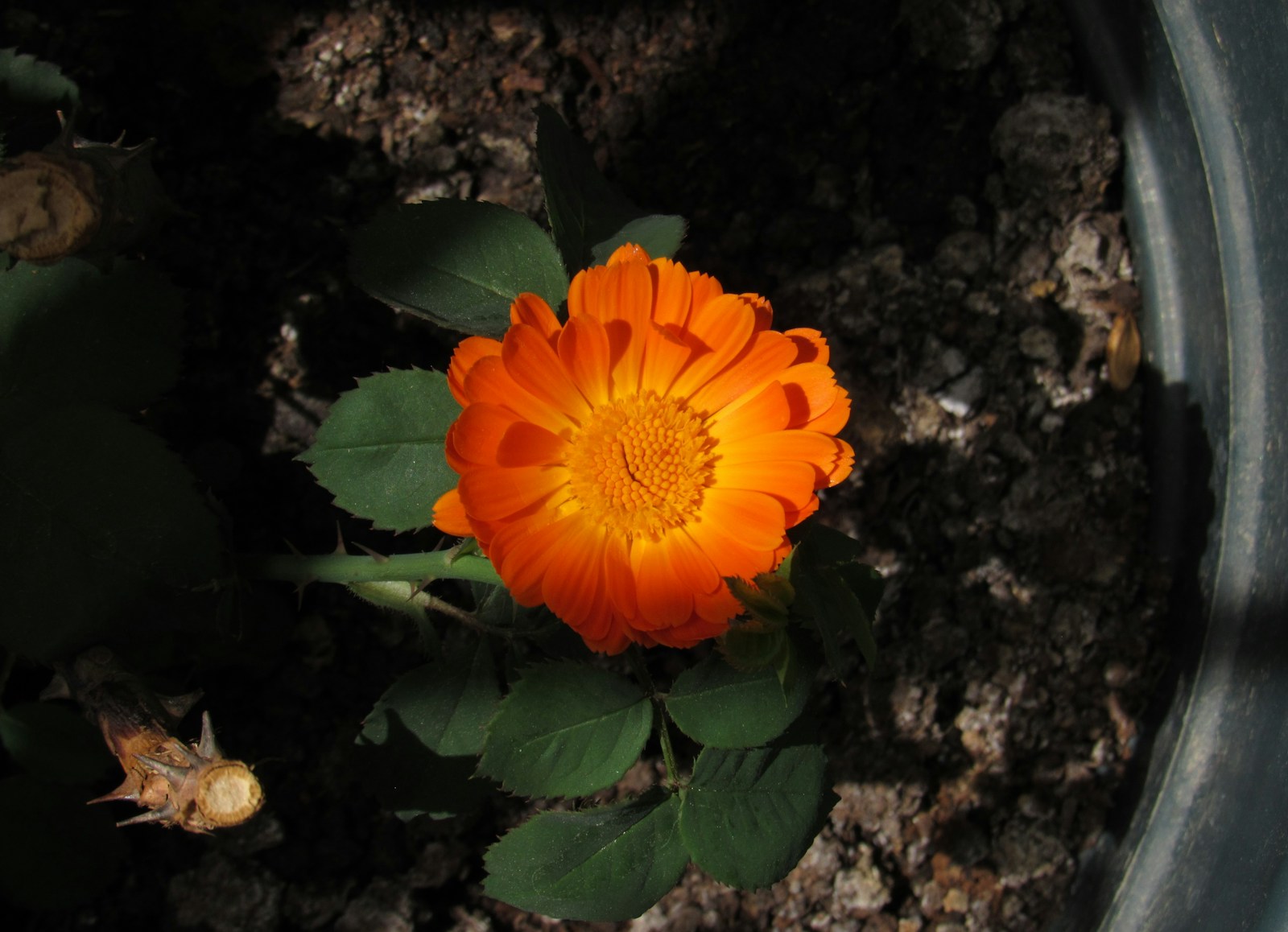
Sowing outdoors. Direct sowing is easiest. Sow 2 to 4 weeks before your last frost, once the soil can be worked. Soil at 60°F (16°C) or above gives the quickest germination. Push the large, curled seeds ¼ to ½ inch (6 to 12 mm) deep, about 4 inches (10 cm) apart. Thin seedlings to 8 to 12 inches (20 to 30 cm) apart once they have true leaves (the first leaves after the seed leaves).
Sowing indoors. For earlier flowers, sow 6 to 8 weeks before your last frost. Cover the seed fully, since darkness helps it germinate. Keep the pots at 60 to 70°F (16 to 21°C). Seedlings grow quickly, so do not start them too early.
Planting out. Harden off indoor seedlings (getting them used to outdoor sun and wind over 7 to 10 days). Plant them out around your last frost date.
Succession sowing. Calendula slows down or stops flowering in hot summers. Sow a second batch in mid to late summer, about 8 to 10 weeks before your first autumn frost. These plants flower through the cool autumn weather. In mild-winter areas, an autumn sowing blooms through winter and spring.
Siting. Choose full sun in cool climates and a spot with some afternoon shade in hot ones. Calendula grows well in beds, containers, herb gardens and between vegetables.
Growing on
Watering. Water regularly while plants establish. After that, water when the top inch (2.5 cm) of soil is dry. Water at the base to keep the leaves dry and discourage mildew. Container plants need more frequent watering.
Feeding. Calendula flowers best in average soil. Rich soil or heavy feeding gives lots of leaves and fewer blooms. A little compost at sowing time is enough. Feed containers with a diluted balanced fertiliser every 3 to 4 weeks.
Mulching. A thin mulch keeps roots cool and moist, which helps the plants hold on through warm spells.
Pinching. Pinch out the growing tip when young plants are about 6 inches (15 cm) tall. This gives bushier plants with more flowers. Staking is rarely needed, though tall varieties can flop in rich soil.
Deadheading. This is the key task. Pick off faded flowers every few days, before they form seed. Plants left to set seed slow down quickly.
Cutting back. If plants look tired and leggy in midsummer heat, cut them back by about a third and water well. They often flush again when cooler weather returns.
Companions. Calendula is a classic companion in the vegetable garden. The flowers bring in hoverflies and other beneficial insects, and aphids often gather on calendula rather than nearby crops. It looks good with herbs, lettuce, brassicas and tomatoes.
Pollinators. Choose single or semi-double varieties if pollinators are your aim. Bees reach the centre of open flowers more easily than tightly double ones.
Harvesting
When to pick. Pick flowers when they are fully open, in the morning after the dew has dried. Harvest every 2 to 3 days in peak season. Frequent picking keeps new flowers coming.
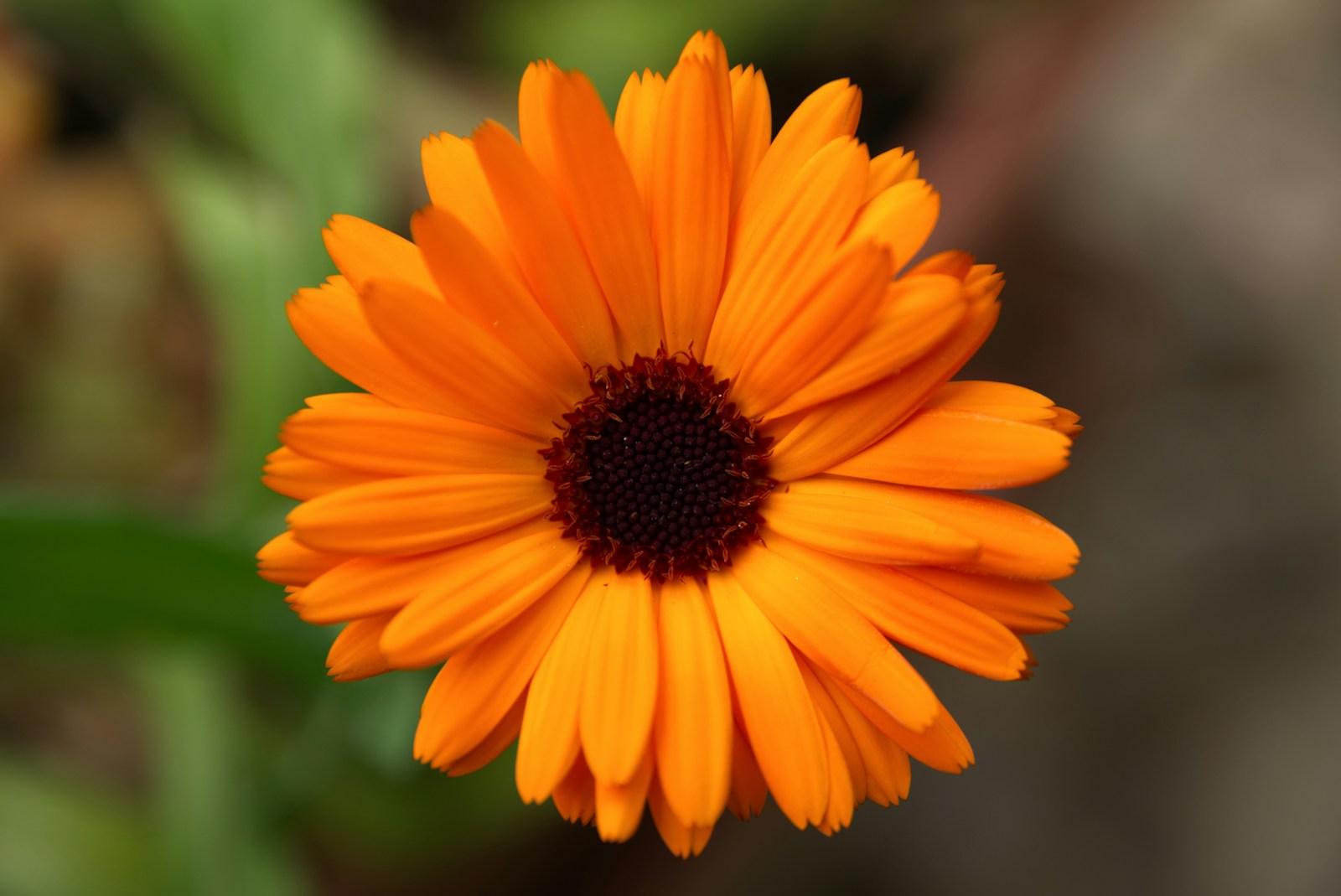
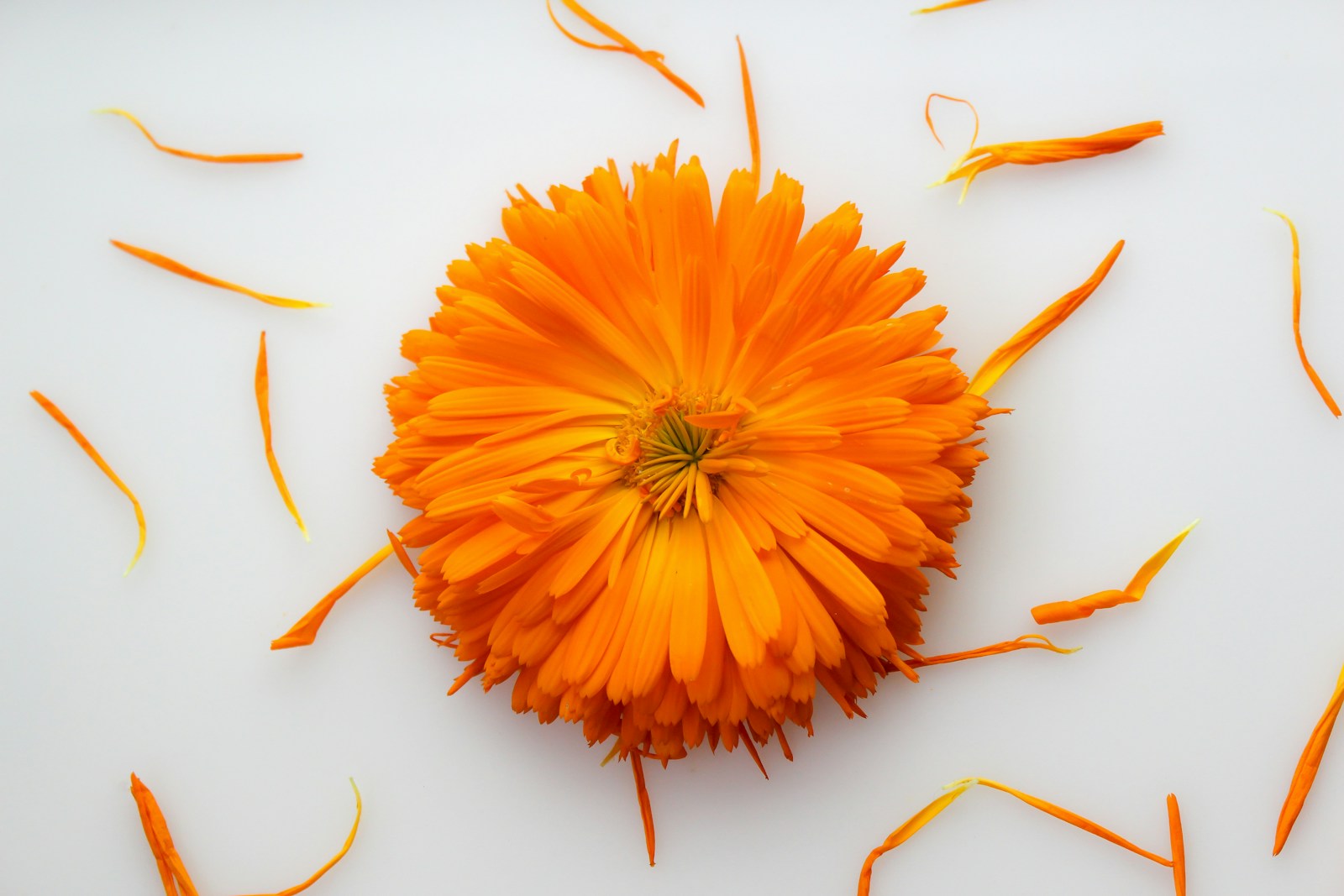
Kitchen use. Pull the petals from the flower head and discard the green centre, which tastes bitter. Scatter fresh petals over salads and soups, or fold them into soft cheese and butter. The petals tint rice and baked goods yellow, which earned calendula the nickname "poor man's saffron". Only eat flowers grown without sprays.
Drying. Spread whole flower heads or loose petals on a screen or paper in a warm, dark, airy place. They are dry when crisp, usually after 1 to 2 weeks. Store them in an airtight jar away from light and use them within a year.
Cut flowers. Cut stems when the flowers are just opening. They last about a week in a vase with fresh water.
Saving seed. Let a few flowers fade and dry on the plant until the seed heads turn brown. The curved, C-shaped seeds fall away easily. Collect them into a paper bag and store them cool and dry. Calendula self-seeds freely, so expect volunteers next year.
Problems and pests
Allergy warning: calendula is in the daisy family. People allergic to ragweed, chrysanthemums, daisies or marigolds may react to it. Anyone with a known daisy-family allergy should not eat the petals, and should wear gloves when handling the plants.
White powder on the leaves
This is powdery mildew, a fungal disease common in late summer. Space plants for good air flow and water the soil, not the leaves. Pull out badly affected plants and sow fresh ones.
Clusters of small insects on stems and buds
Aphids, small sap-sucking insects, often crowd onto calendula. Knock them off with a strong jet of water. Ladybirds and hoverfly larvae usually follow. Treat light attacks as a sign the plant is doing its job as a trap crop.
Ragged holes in leaves and seedlings
Slugs and snails feed at night, especially on young plants. Hand-pick them after dark with a torch. Protect seedlings until they are well grown.
Tiny white insects fly up when disturbed
These are whiteflies. Hose the undersides of the leaves and remove the worst-affected leaves. Yellow sticky traps help monitor numbers.
Plants stop flowering in hot weather
Calendula dislikes heat and slows down when days are hot. Cut plants back by a third, keep them watered, and sow a fresh batch for cooler weather.
Varieties worth growing
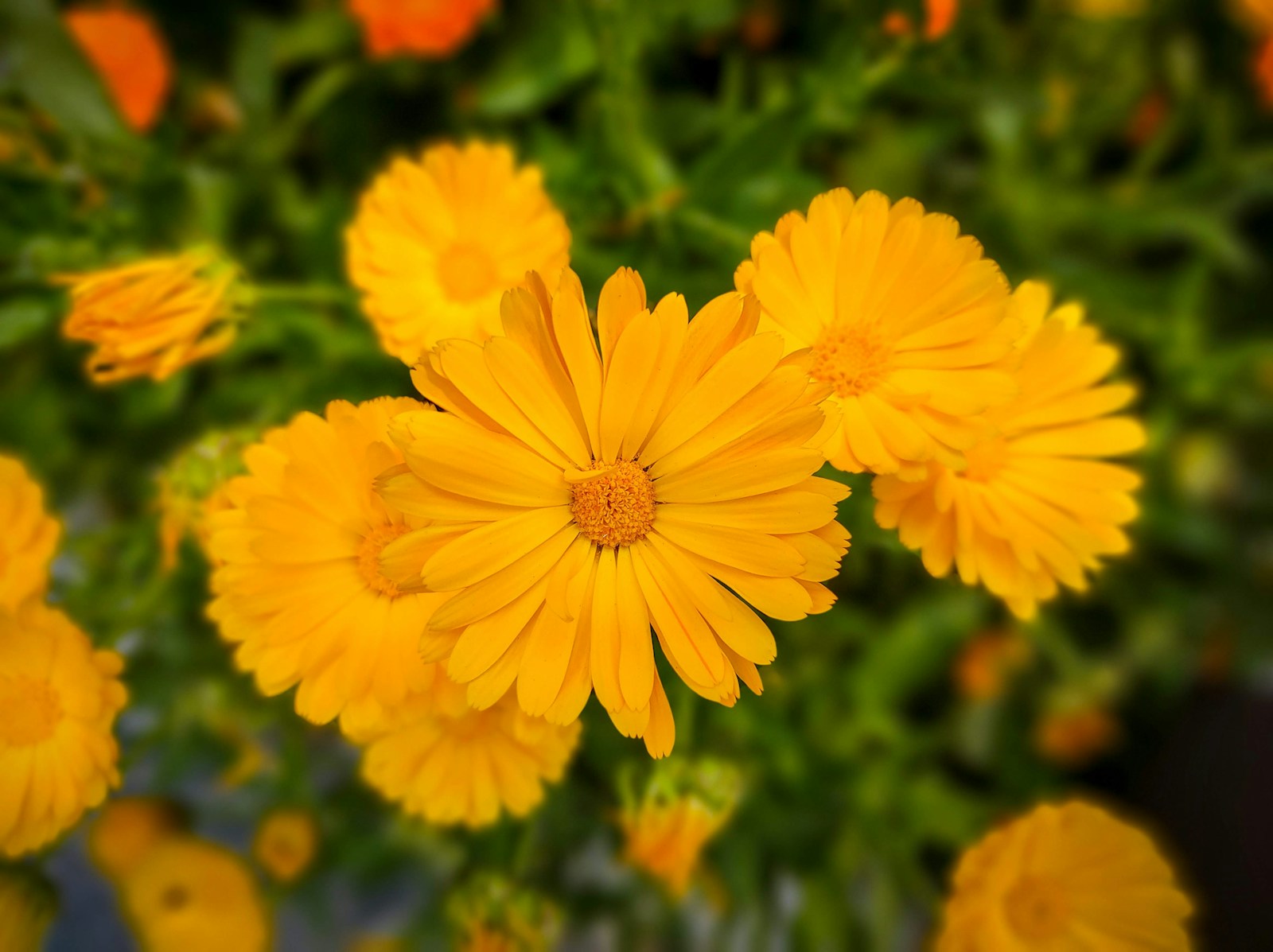
- 'Pacific Beauty': tall, long-stemmed mix of orange, yellow and apricot flowers; good for cutting.
- 'Resina': orange and yellow flowers with sticky, resin-rich heads; a traditional choice for drying.
- 'Indian Prince': deep orange petals with a mahogany-red reverse and dark centre.
- 'Bon Bon': a compact dwarf mix for containers and edging.
- 'Flashback': a mix of bicoloured flowers in peach, apricot and cream with dark backs.
- 'Zeolights': soft apricot petals around a dark centre.