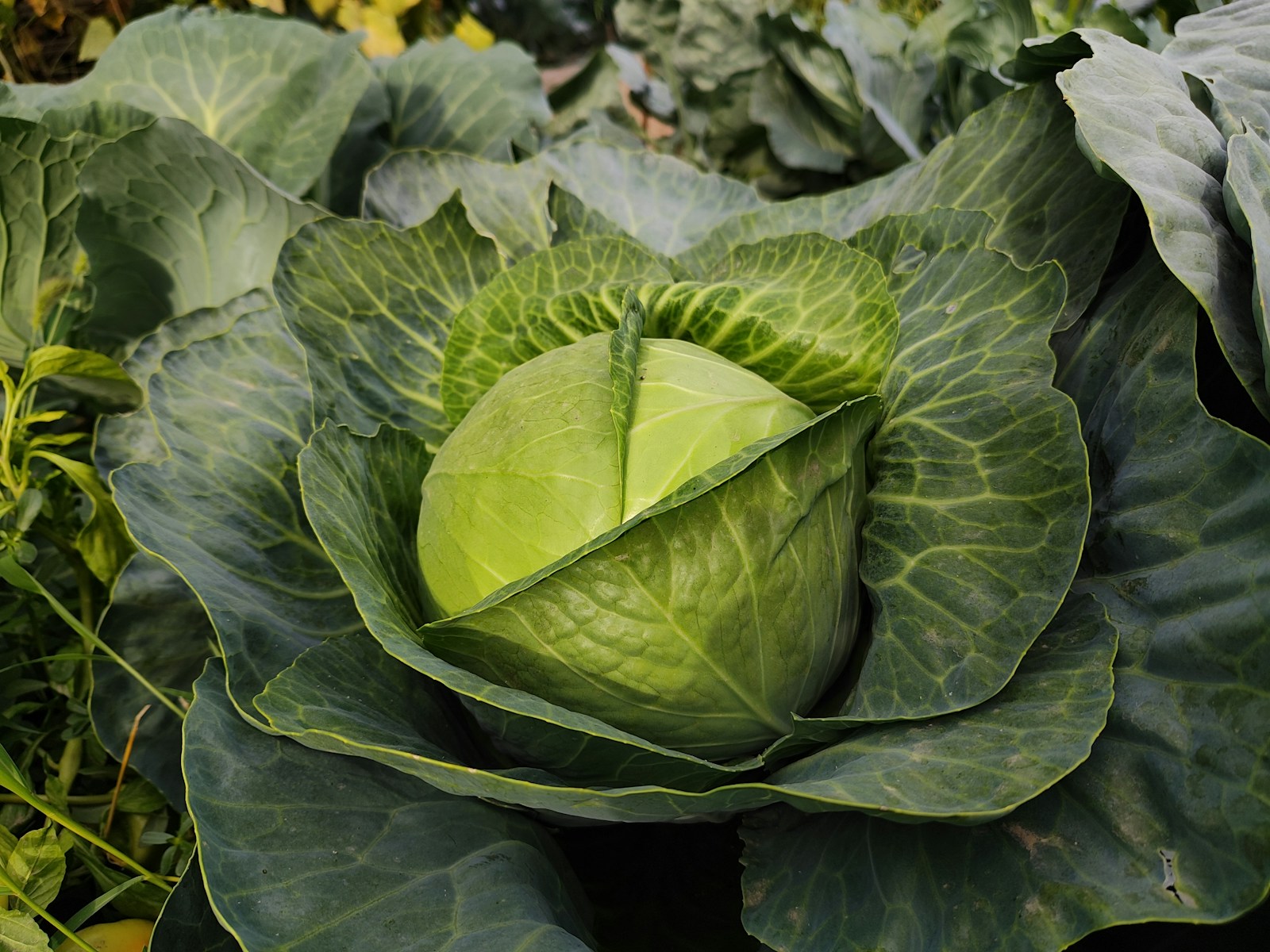
Cabbage (Brassica oleracea var. capitata) is a leafy biennial grown as an annual for its tight head of overlapping leaves. It belongs to the same species as kale, broccoli and collards. It earns its bed space because it shrugs off light frost, stores for weeks, and turns into slaw, soup and sauerkraut. Difficulty: easy to moderate. The plant is tough, but caterpillars and summer heat need managing.
Cabbage was a fixture of the mountain vegetable patch in southern Appalachia, alongside beets, turnips and potatoes. Anthony Cavender's Folk Medicine in Southern Appalachia records that families also put it to household use. Wilted or cooked leaves were laid on the skin as poultices, and sauerkraut had a reputation as a cleansing food. That is history only. Nothing in this article is medical advice.
Sowing and planting
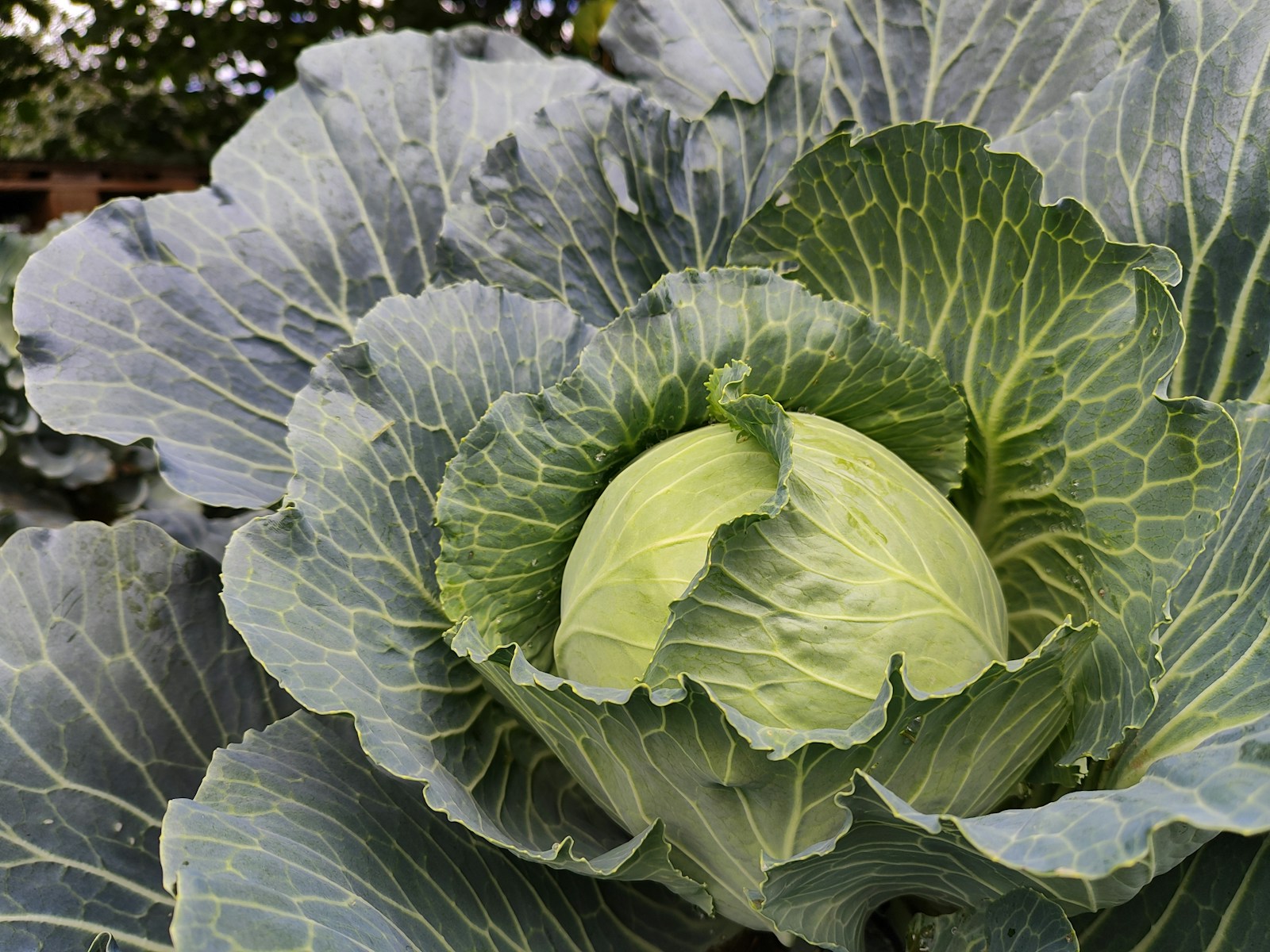
Cabbage grows best in cool weather, around 60 to 70°F (15 to 21°C). Plan for it to head up in spring or fall, not in high summer.
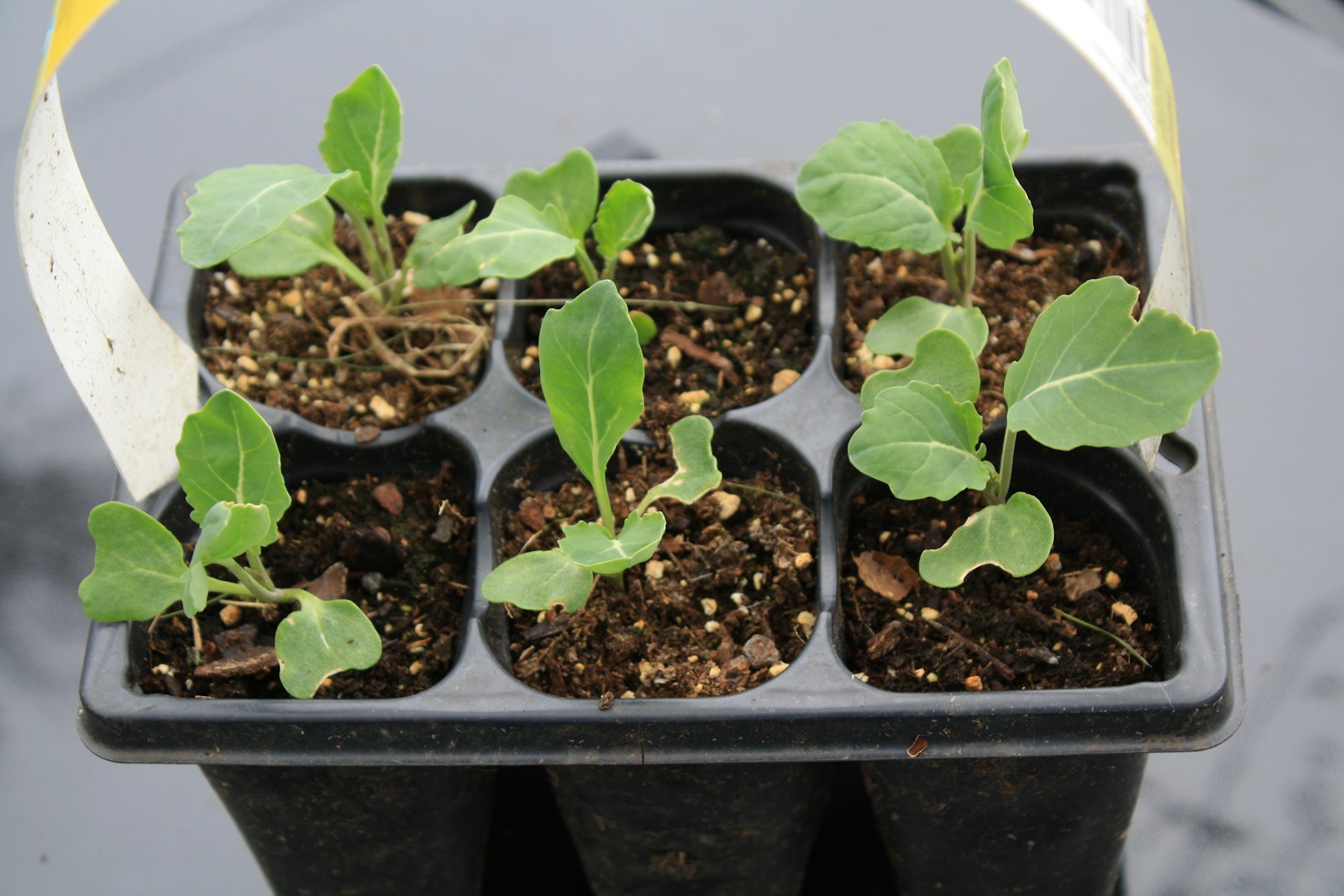
For a spring crop, sow indoors 6 to 8 weeks before your last expected frost. Sow seed 1/4 to 1/2 inch (0.5 to 1 cm) deep in cell trays. Seed germinates in about a week at room temperature. Grow the seedlings somewhere bright and cool so they stay stocky.
Harden off the seedlings (get them used to outdoor conditions over a week or so). Plant them out 2 to 4 weeks before your last frost, when they have four to six true leaves. Young plants tolerate light frost. A long cold spell on large seedlings can cause bolting (running to flower instead of forming a head), so do not set out oversized transplants very early.
For a fall crop, sow in early to mid summer, about 12 to 14 weeks before your first expected fall frost. Set the transplants out 6 to 8 weeks before that frost. Fall cabbage often tastes sweeter because the heads mature in cooling weather. In mild-winter areas, roughly USDA zones 8 and warmer, cabbage is usually grown through fall and winter.
Prepare the bed with plenty of compost or well-rotted manure. If your soil is acidic, lime it ahead of planting to bring the pH close to neutral. Set each transplant a little deeper than it sat in the tray, up to the first true leaves. Firm the soil well around the roots, since loose planting leads to loose heads. Water in thoroughly.
Spacing controls head size. Plant compact varieties 12 inches (30 cm) apart for small heads. Give large late types 18 to 24 inches (45 to 60 cm).
Do not plant cabbage where any brassica grew in the last three or four years. Rotation is your main defense against soil-borne disease.
Growing on
Water steadily. Cabbage has shallow roots, and heads form best when the soil never fully dries. Aim for 1 to 1.5 inches (2.5 to 4 cm) of water a week from rain and watering together. Water at the base to keep leaves dry.
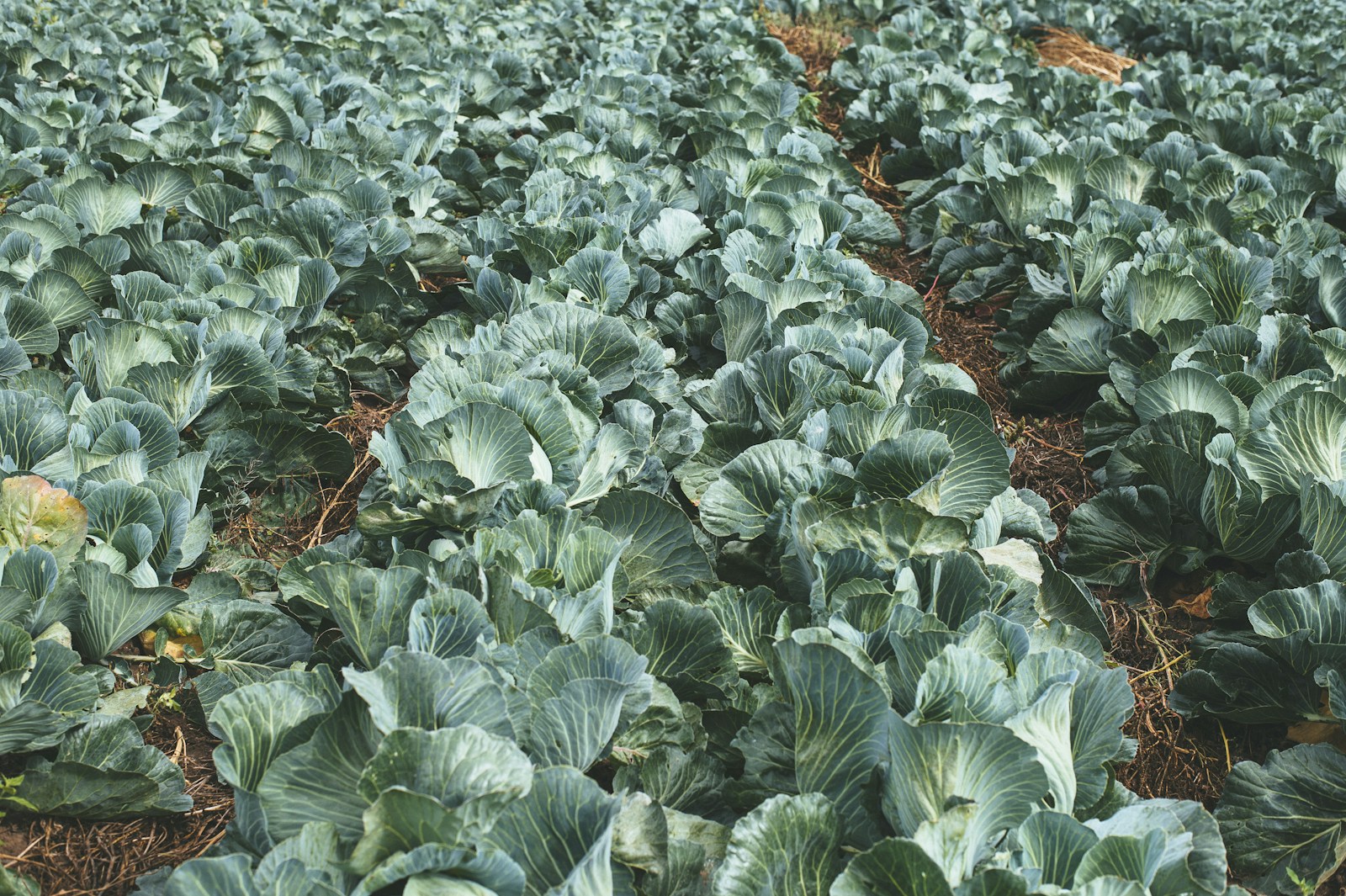
Mulch with straw, leaves or grass clippings once plants are growing strongly. Mulch keeps roots cool, holds moisture and suppresses weeds. Weed by hand or hoe very shallowly, because the feeder roots sit near the surface.
Cabbage is a heavy feeder, especially of nitrogen. Side-dress (scatter fertilizer along the row beside the plants) with compost or a balanced or nitrogen-rich fertilizer about three to four weeks after transplanting. Feed again as heads begin to form. Follow the label rate, keep granules off the leaves, and wash your hands afterward. Stop feeding once heads are firming, since a late surge of growth can split them.
Cover the bed with insect netting or lightweight row cover straight after planting. This keeps butterflies and moths from laying eggs. Cabbage does not need pollinating, so the cover can stay on until harvest.
No staking or pruning is needed. Pull off yellowing bottom leaves to improve airflow. If tall plants rock in wind, mound a little soil around the stems.
Harvesting
A head is ready when it feels hard and solid when you squeeze it. Size is a poor guide, because it varies widely by variety. A head that still gives under your hand needs more time.
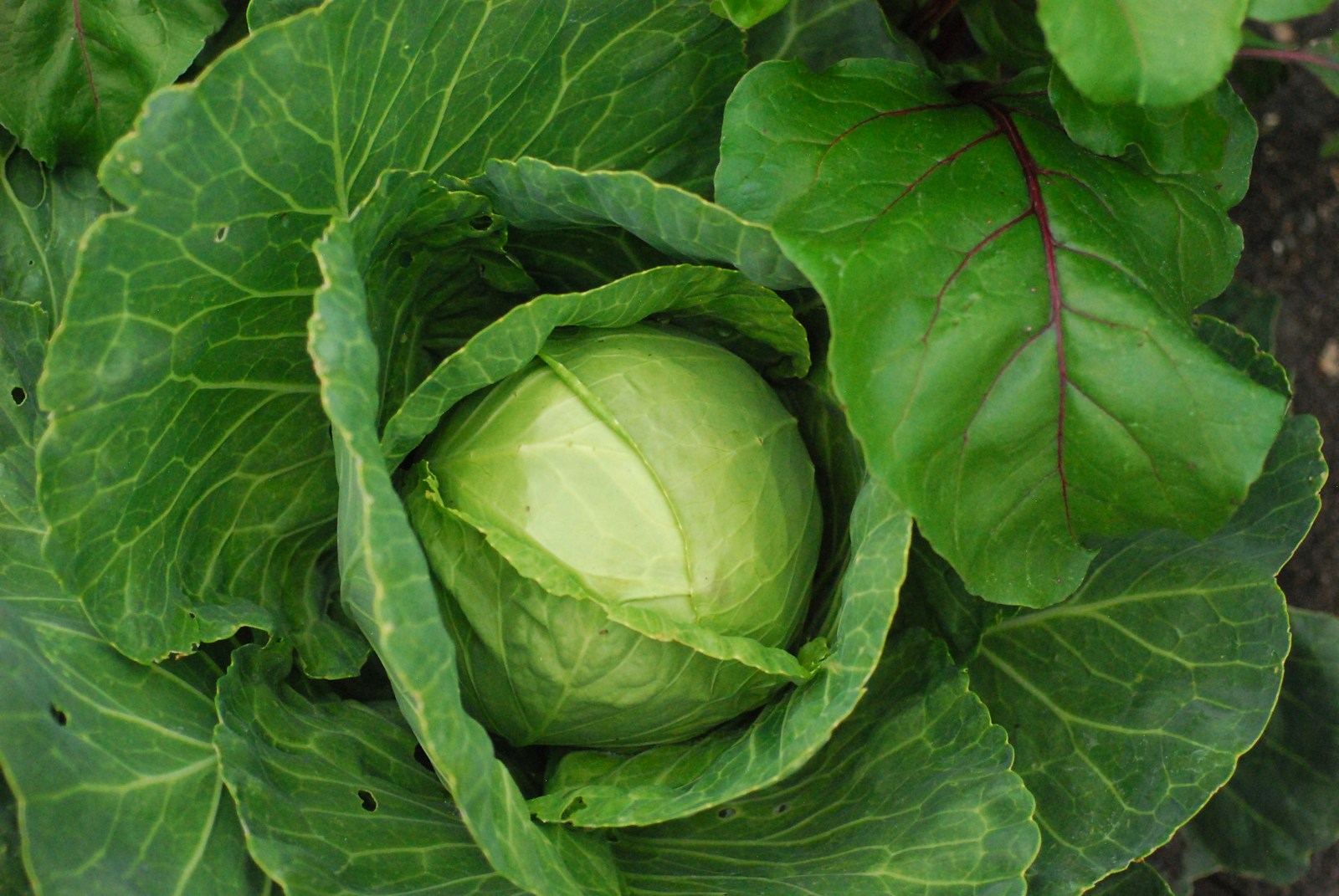
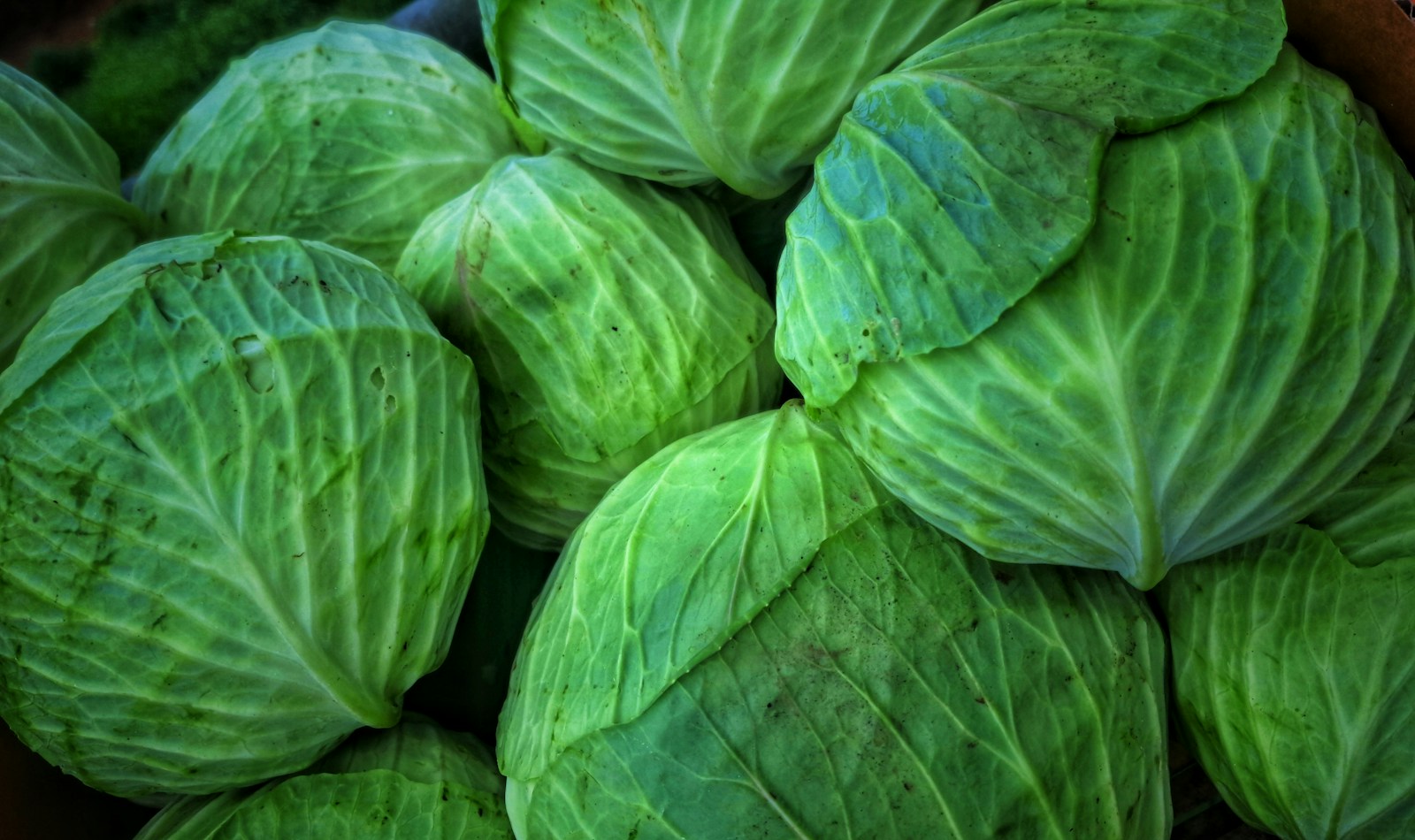
Cut through the stem just below the head with a sharp knife, cutting away from your body. Leave a few wrapper leaves on to protect the head in storage.
With early varieties, you can leave the stump and lower leaves in the ground. Several small sprouts often form around the cut. Thin these to three or four, and they grow into loose mini heads.
Mature heads split if they take up water too fast, usually after heavy rain following a dry spell. Harvest promptly once heads are firm. If you need to hold a head in the garden, give it a quarter twist to break some roots and slow water uptake.
Fall cabbage stands light frosts and often sweetens after them. Harvest before a hard freeze, which damages the outer leaves. Store unwashed heads in the refrigerator or a cold, humid cellar just above freezing. Dense late varieties keep for several months. Early, loose types keep only a few weeks.
Cabbage takes up too much water after a dry spell and the head splits open. Keep soil evenly moist and cut firm heads promptly.
Problems and pests
Ragged holes in leaves, green droppings in the head
Cabbage worms are the cause. These include the velvety green imported cabbageworm, the looping cabbage looper, and the small diamondback moth caterpillar. Netting from planting day prevents most damage. Otherwise, check leaf undersides and hand-pick every few days. A spray of Bacillus thuringiensis var. kurstaki (Bt, a bacterial insecticide that affects only caterpillars) works well on young larvae. Follow the label and wear gloves when mixing.
Tiny shot holes in seedling leaves
Flea beetles are small, black, jumping beetles that pepper young leaves. Established plants outgrow the damage, but seedlings can be stunted. Row cover put on at planting is the most reliable fix.
Plants wilt on sunny days, roots swollen and distorted
This is clubroot, a soil-borne disease that persists for many years. There is no cure for an infected plant. Remove affected plants, roots included, and do not compost them. Lime the soil to a pH of about 7.0 to 7.2, improve drainage, and keep all brassicas off that ground for as long as you can. Clean soil from tools and boots before moving to other beds.
Yellow V-shaped patches at leaf edges with black veins
Black rot is a bacterial disease that spreads by splashing water and infected seed. Remove affected plants. Buy seed from reputable sources, water at the base, and rotate crops.
Clusters of gray-green insects, puckered leaves
Cabbage aphids gather in dense, waxy colonies, often deep in the head. Knock them off with a firm jet of water or use insecticidal soap according to the label. Remove old brassica stumps after harvest so colonies cannot carry over.
Varieties worth growing
- 'Early Jersey Wakefield': an heirloom with small, pointed heads. It matures early and suits close spacing.
- 'Golden Acre': a compact early variety with round, solid heads of about 3 to 4 pounds (1.5 to 2 kg).
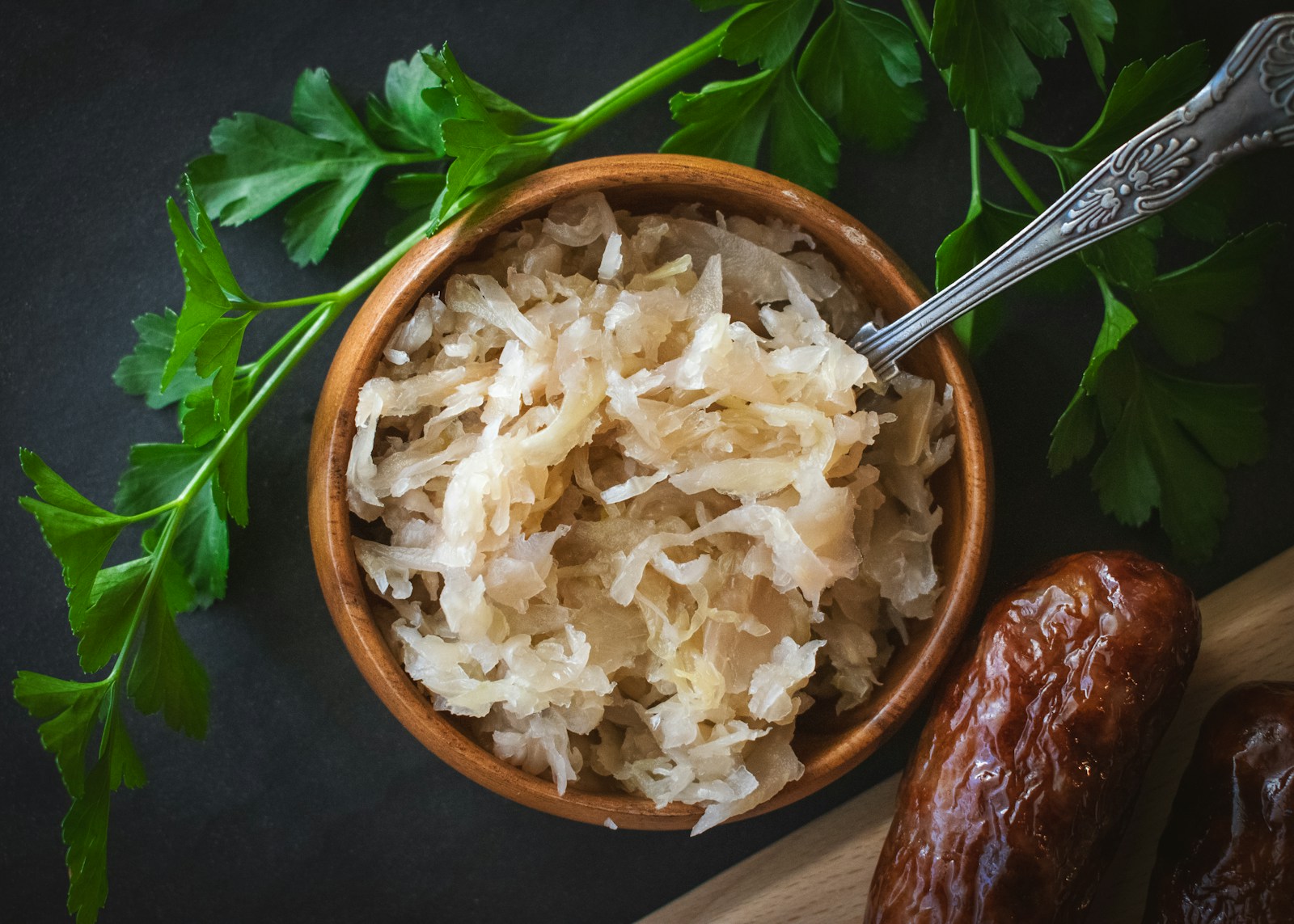
- 'Copenhagen Market': a dependable early to midseason round cabbage, good fresh and for kraut.
- 'Late Flat Dutch': a large, flattened late heirloom. It is a traditional choice for sauerkraut and keeps well.
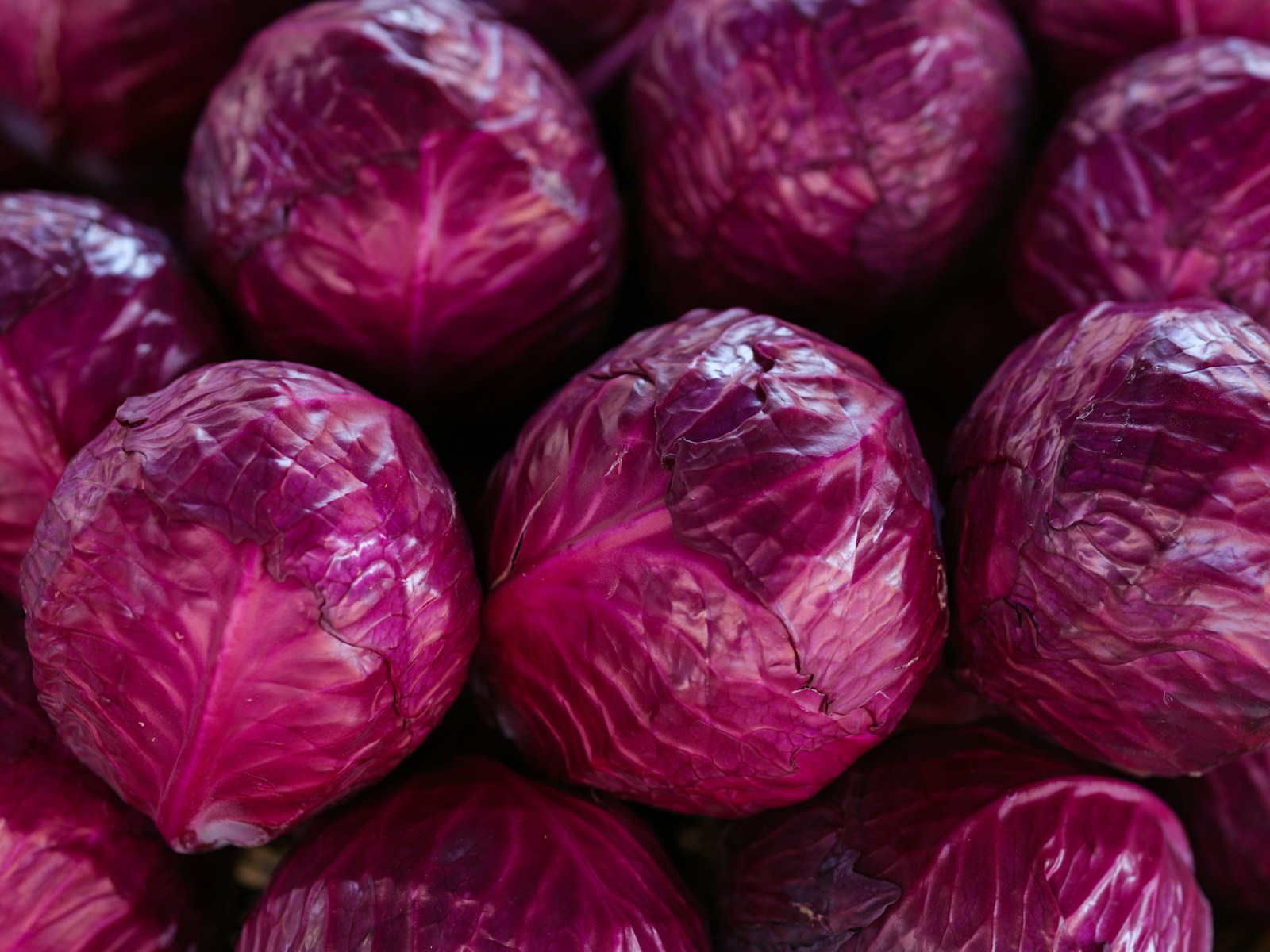
- 'Ruby Perfection': a red hybrid with dense, medium heads that store well.
- 'Savoy Perfection': a savoy type with crinkled, tender leaves and a mild flavor.