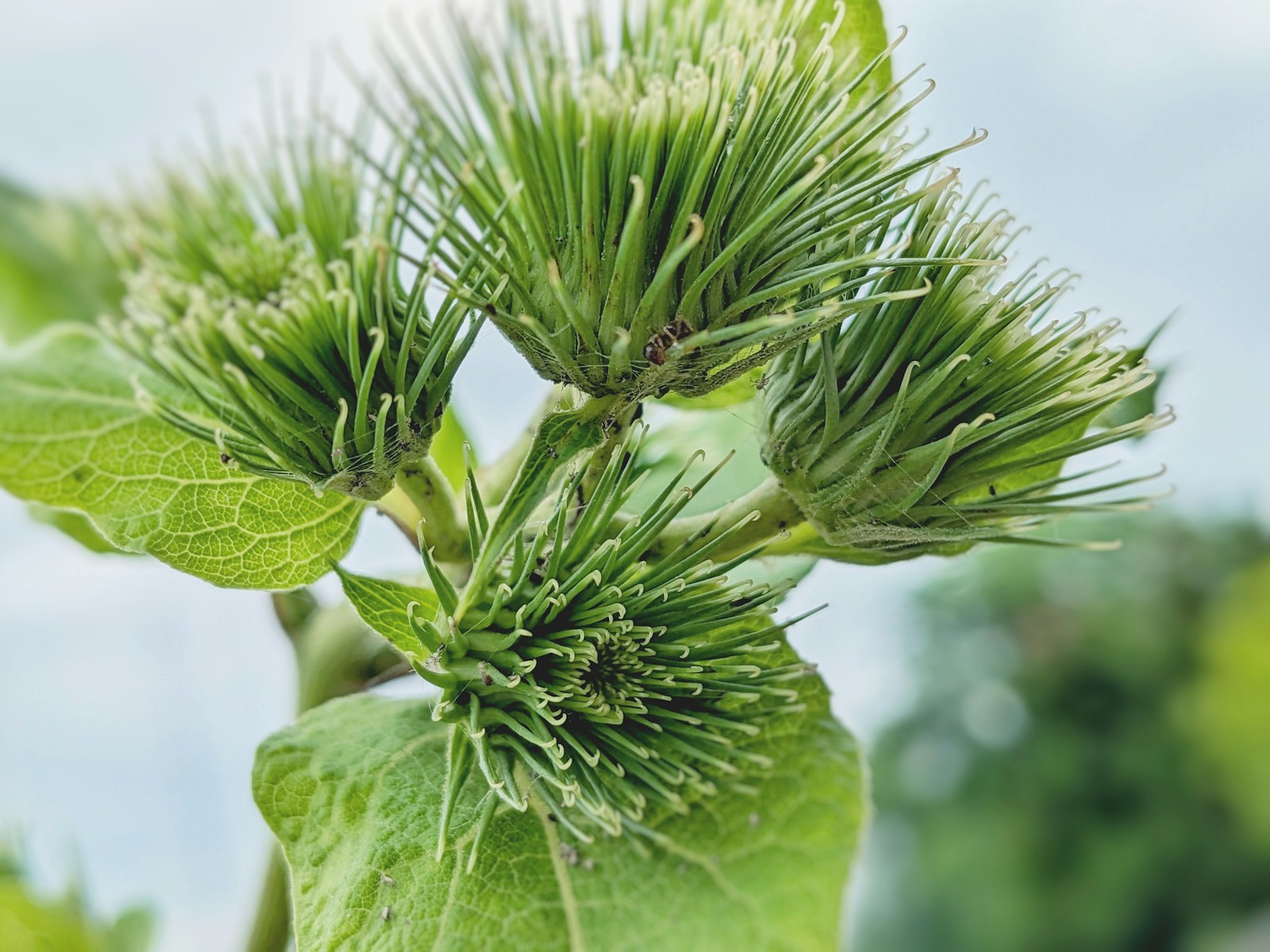
Burdock (Arctium lappa) is the roadside weed with the clinging burrs, and it is also a fine root vegetable. In Japan the long, slender root is called gobo. The plant is tough and easy to raise. The hard part is digging a root that can run 2 to 3 feet (60 to 90 cm) straight down. Difficulty: easy to grow, hard work to harvest unless you plan the bed first.
Sowing and planting
Burdock has a taproot (a single main root that grows straight down) and hates being moved. Sow it directly where it will grow. Transplants usually give forked, stunted roots.
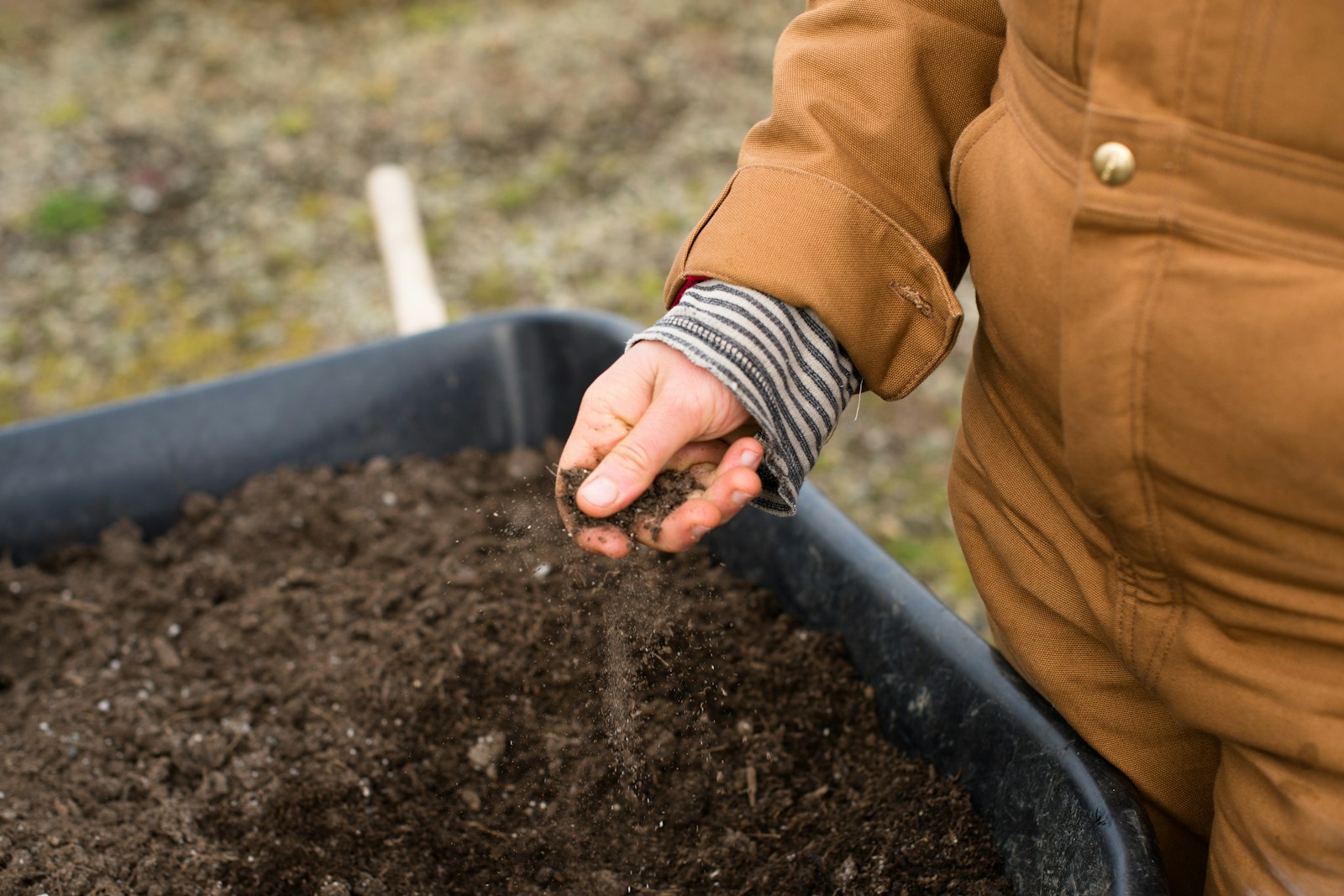
Prepare the ground before anything else. The root is only as long and straight as the loose soil beneath it. You have three good options:
- Deep-dug bed. Loosen the soil to at least 2 feet (60 cm). Remove stones and break up clods. Heavy clay gives short, forked roots that snap when you dig.
- Tall raised bed or box. Build a bottomless wooden box 2 to 3 feet (60 to 90 cm) tall on top of the soil. Fill it with a loose mix of sandy soil and finished compost. At harvest you unscrew one side and the roots come out whole. This is the easiest method in clay or rocky ground.
- Ridge or mound. Pile loose soil into a ridge about 18 inches (45 cm) high and sow along the top. Pull the ridge apart at harvest.
Skip fresh manure and heavy nitrogen. Both push leaf growth and cause hairy, forked roots.
Sow in spring, from about two to four weeks before your last expected frost onward. Seed sprouts best once the soil reaches about 50°F (10°C) or warmer. Soaking seed in water overnight speeds things up. Sow 1/2 inch (1 cm) deep and about 2 inches (5 cm) apart. Keep the row damp. Seedlings usually show in one to two weeks.
Thin to 4 to 6 inches (10 to 15 cm) once the plants have two or three true leaves. Close spacing is useful here. It keeps the roots slim and tender.
In zones with mild winters you can also sow in late summer or early fall. Those plants overwinter small and you dig them the next spring, before they send up a flower stalk.
Growing on
Burdock needs little attention once it is up. The big heart-shaped leaves shade out most weeds by midsummer. Weed carefully by hand until then.
Water deeply rather than often. A long soak once a week in dry weather draws the root down. Shallow daily sprinkling encourages side roots near the surface.
Mulch with straw or shredded leaves once the soil is warm. This holds moisture and keeps the top of the root from turning tough.
The leaves grow large, often 18 inches (45 cm) or more across. Give neighbors room, or place burdock on the north side of the bed where it will not shade smaller crops. No staking or pruning is needed in year one.
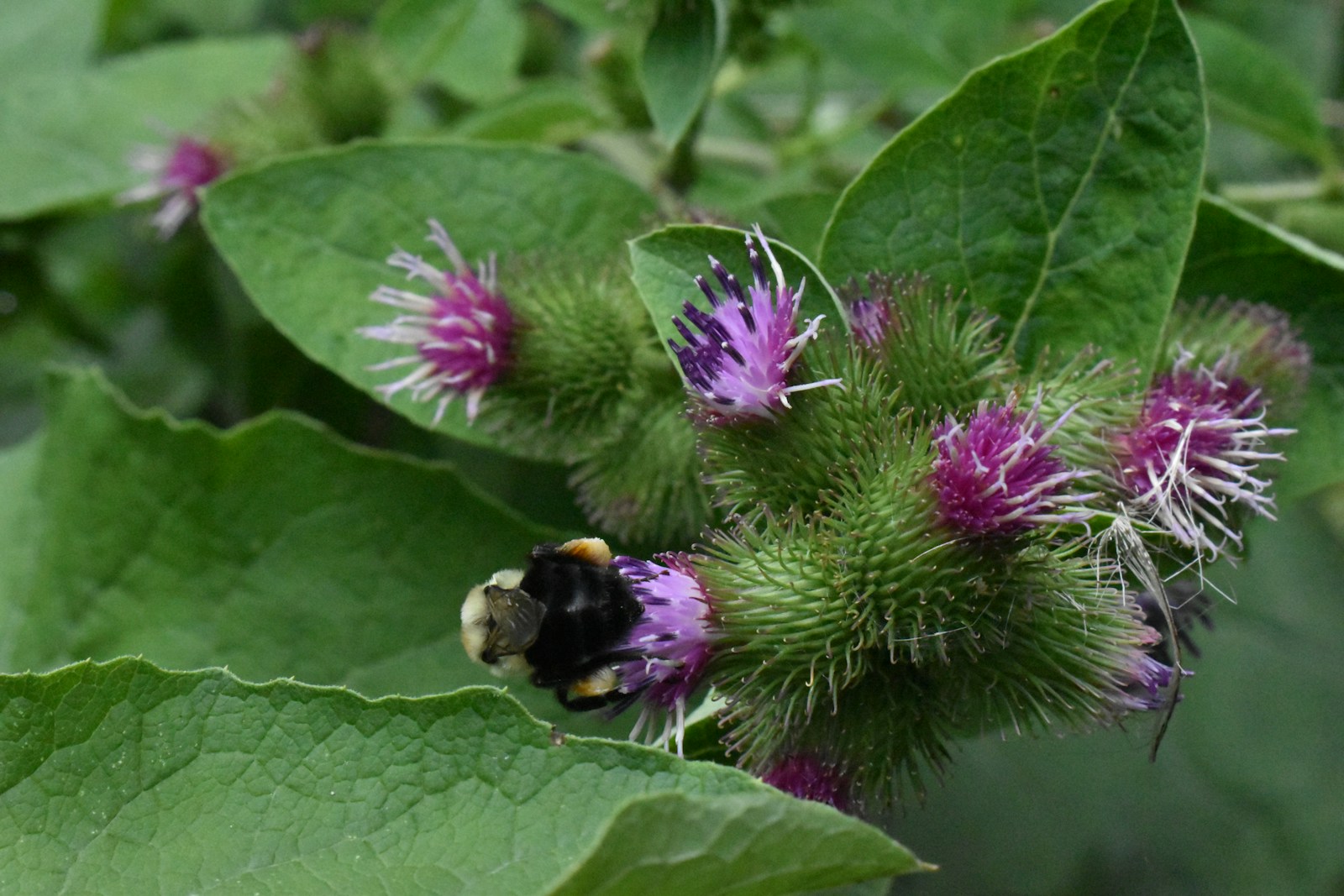
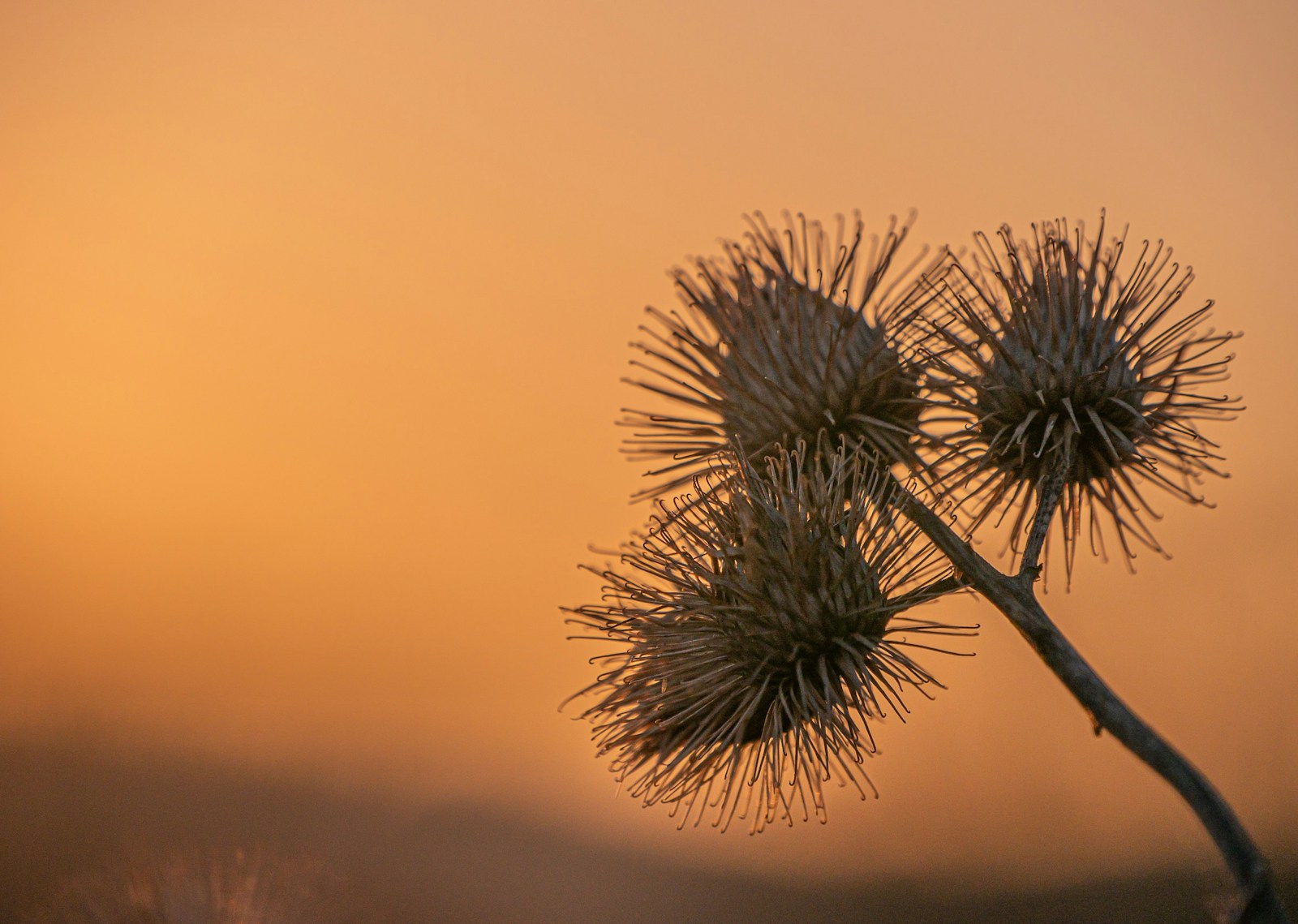
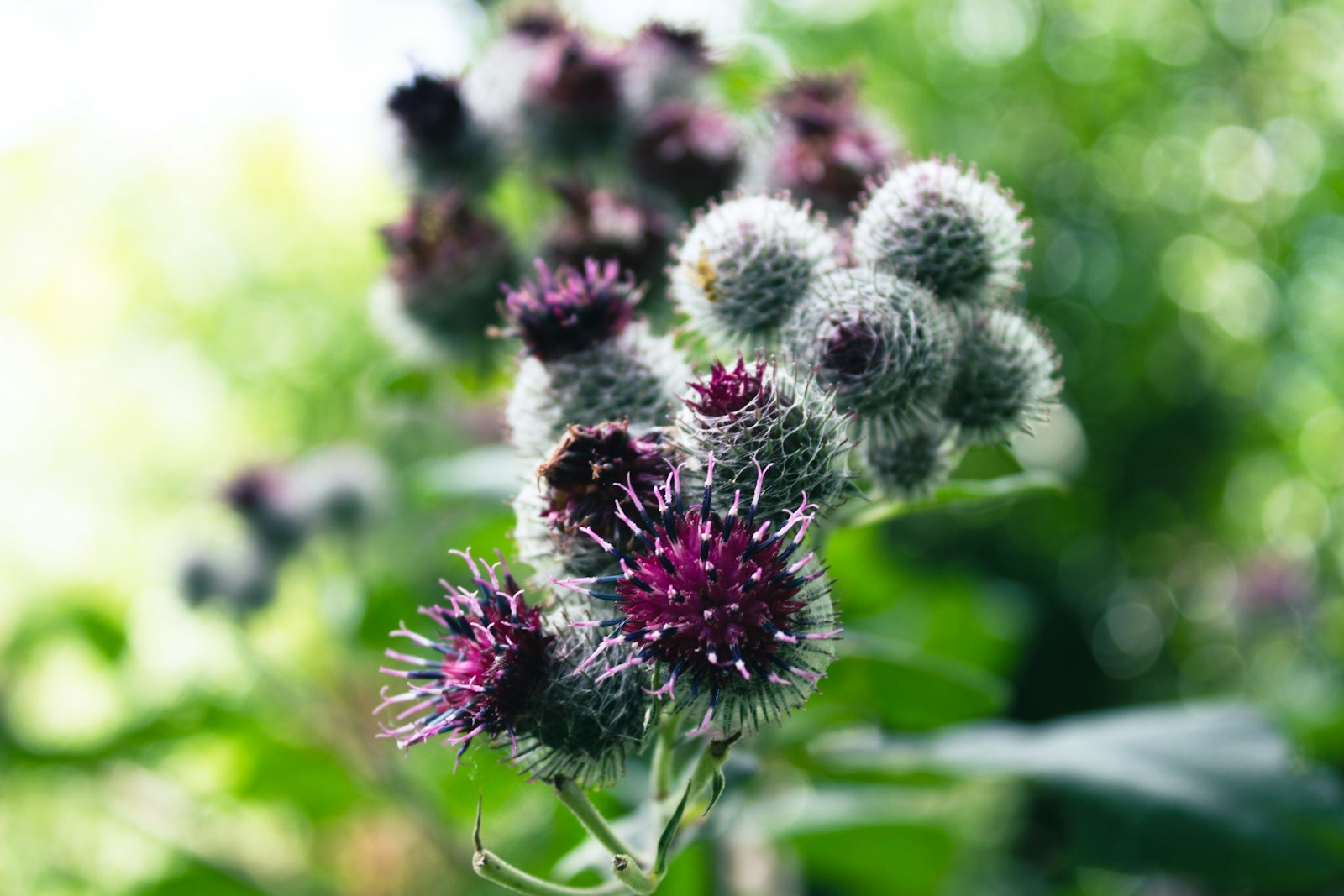
Never let burdock set seed. In its second year it sends up tall stalks of purple, thistle-like flowers that ripen into hooked burrs. The burrs mat into pet fur, sheep fleece, and horse manes and tails, and they can irritate skin and eyes. They also carry seed wherever they travel, and burdock is a listed weed in some areas. Dig every root in the first year, or cut flower stalks down before the blooms fade.
Harvesting
Dig roots in the first year. Most are ready 100 to 150 days after sowing, when the top of the root is about 1 inch (2.5 cm) across. Younger roots are more tender. Roots left into the second year turn woody and hollow as the plant puts its energy into flowering.
Light fall frosts do no harm. Finish digging before the ground freezes hard.
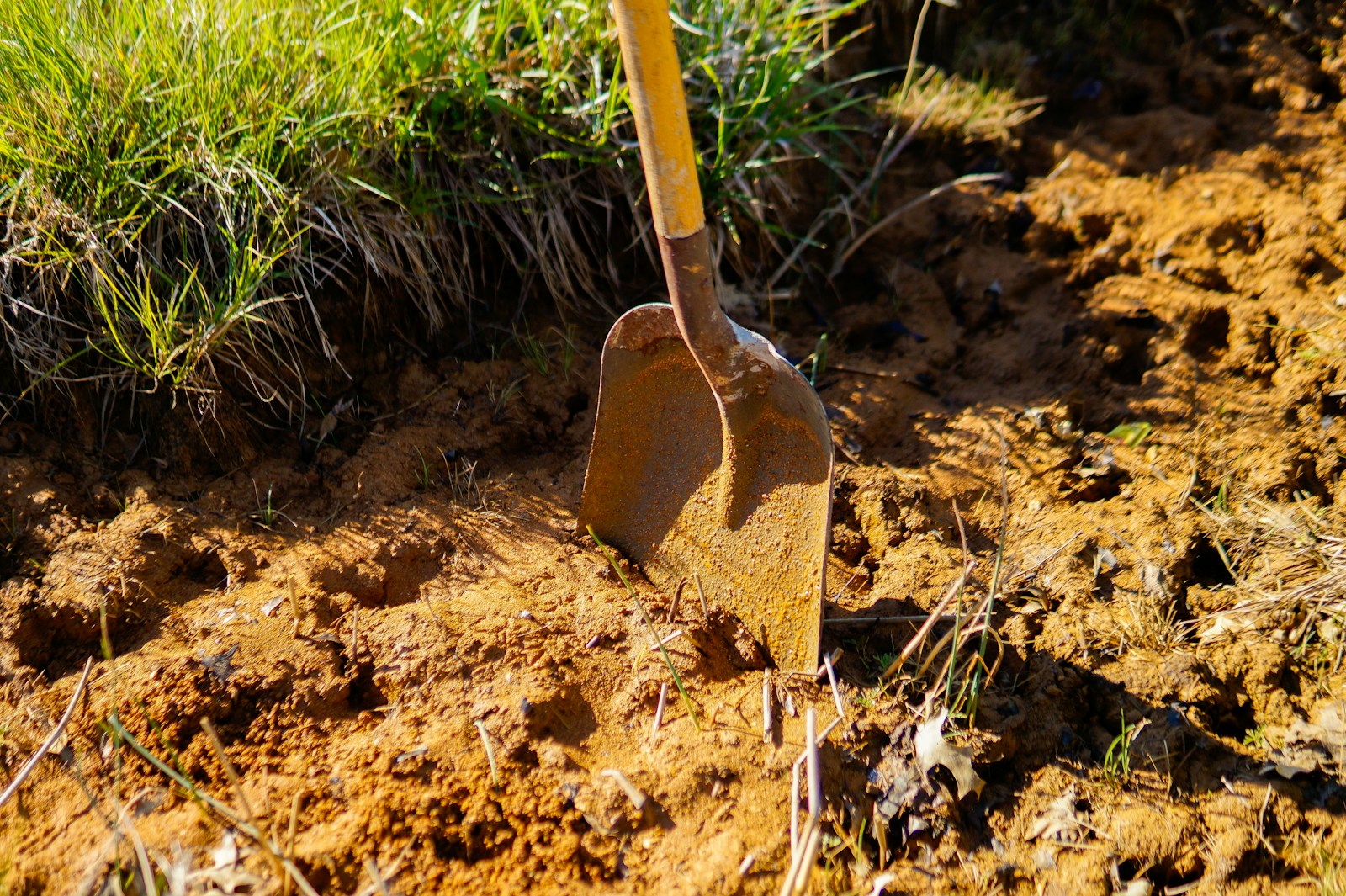
In open ground, do not pull. The root snaps. Instead:
- Cut the leaves back to a few inches so you can see what you are doing.
- Dig a trench beside the row as deep as the root, keeping the spade a few inches away from it.
- Push the root sideways into the trench and lift it out.
In a box, remove one side panel and rake the soil away. On a ridge, fork the mound apart from the side.
Brush off soil and store unwashed roots in the refrigerator, wrapped in damp paper or packed in damp sand. They keep for several weeks. Scrub rather than peel before cooking, since much of the flavor sits near the skin.
Burdock also has a long history outside the kitchen. Anthony Cavender's Folk Medicine in Southern Appalachia records that mountain families counted burdock among their spring greens and tonics. They brewed the root as a so-called blood purifier, and some made a leaf tea for kidney complaints. The plant came over with European settlers and was later taken up by Native American healers as well. This is folk history only. Nothing in this article is medical advice.
Problems and pests
Short, forked or hairy roots
The cause is nearly always the soil. Stones, hard clay, fresh manure or transplanting all split the taproot. Loosen the bed deeper next time, or switch to a tall box with a sandy mix.
Roots snap at harvest
You pulled instead of digging, or the trench was too shallow. Dig alongside to the full depth before lifting. Broken pieces left in the ground can resprout, so fork them out.
Holes in the leaves
Slugs, snails and leaf-chewing insects feed on the big leaves. Established plants outgrow the damage, and the root is not affected. Protect seedlings by hand-picking slugs at dusk and keeping mulch back from the row until plants are sturdy.
White powdery coating on leaves
Powdery mildew, a fungal disease, shows up late in the season in crowded or dry plantings. It seldom hurts the root crop this late. Water at the base, keep spacing open, and remove the worst leaves.
Seedlings all over the garden
A plant was missed and ripened burrs. Hoe seedlings while small, before the taproot anchors. Wear gloves when handling old burr stalks, and bag them rather than composting.
Varieties worth growing
Few named burdock varieties are sold outside Japan, and seed catalogs often list the crop simply as "gobo" or "edible burdock". These are the names you are most likely to find:
- 'Takinogawa Long' - The standard Japanese gobo. Long, slender, smooth roots with good flavor. A late-maturing type and the one most catalogs carry.
- 'Watanabe Early' - Matures sooner than 'Takinogawa Long' with a somewhat shorter root. A sensible choice where the season is short.
- 'Salada Musume' - A short-rooted, quick type sometimes offered for young, tender roots. Easier in shallow soil and containers.
- Common burdock (Arctium minus) - A related wild species, not a garden variety. It is the smaller burdock seen along fences and field edges. Its root is thinner and coarser, and it spreads just as freely. Grow seed-grown Arctium lappa instead.