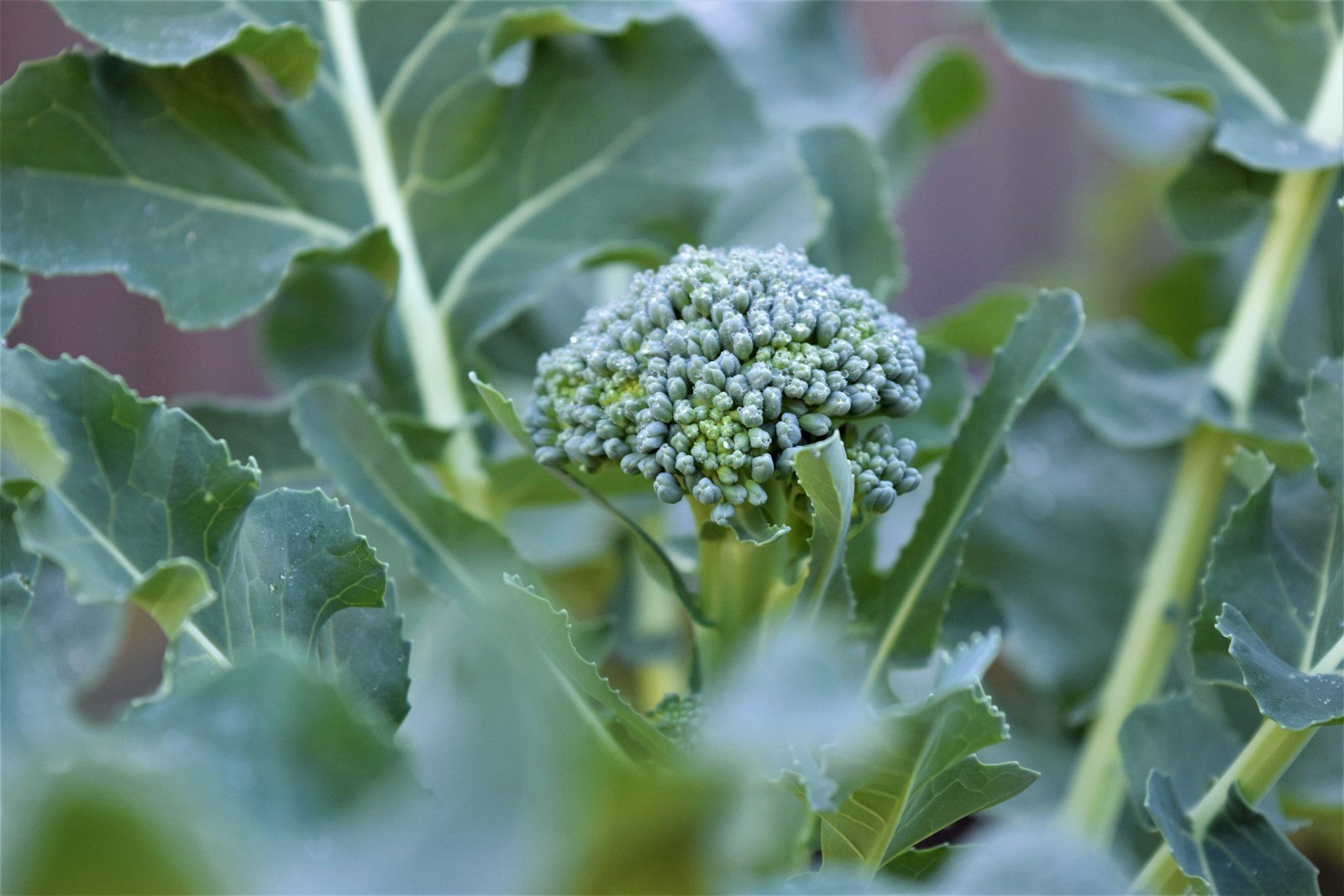
Broccoli is a cabbage-family crop grown for its tight green flower buds. Home-grown heads are sweet and tender, and many plants keep giving side shoots after the main cut. It is moderately easy if you time it for cool weather.
Sowing and planting
Broccoli grows best when days sit between 60°F and 70°F (15°C and 21°C). It needs to form heads before real heat arrives, or after it has passed.
Types
Heading broccoli makes one large central head, then smaller side shoots. It is the usual choice for spring and fall.
Sprouting broccoli makes many small spears instead of one head. Some kinds grow quickly. Others overwinter in mild areas, roughly USDA zones 7 and warmer, and crop in early spring.
Spring crop
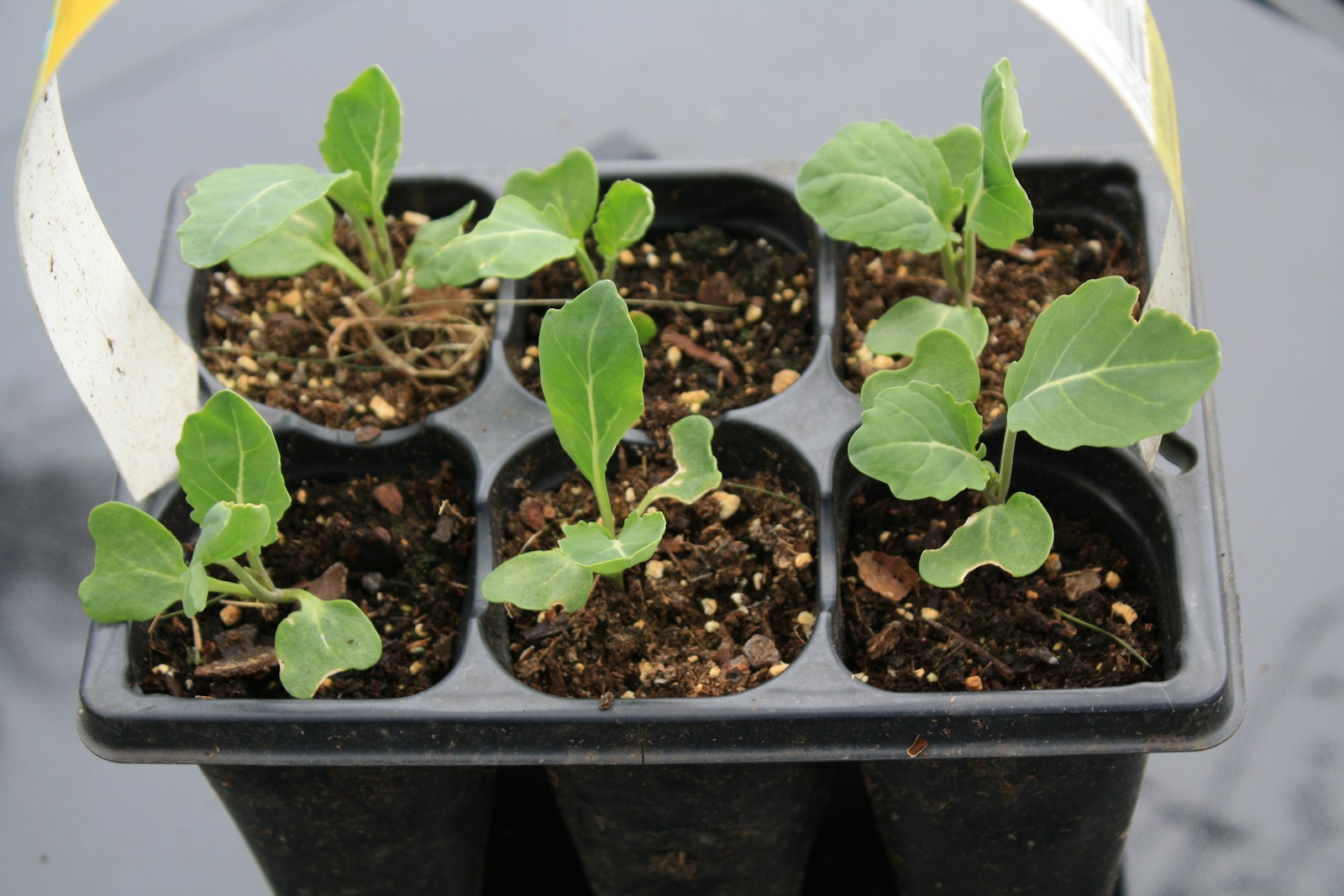
Start seed indoors six to eight weeks before your last frost. Sow two seeds per cell and thin to one. Grow seedlings cool, around 60°F to 65°F (15°C to 18°C), in bright light. Warm, dim conditions make them leggy.
Harden off seedlings for about a week. Hardening off means getting them used to outdoor sun, wind and cold a little more each day. Plant out two to three weeks before your last frost, when seedlings have four to six true leaves. True leaves are the ones that look like the adult plant.
Set transplants slightly deeper than they grew, up to the first leaves. Firm the soil and water well.
Fall crop
Fall broccoli is often the best of the year, because heads form as nights cool. Count back from your first fall frost. Sow indoors about 12 to 14 weeks before it, then transplant four to six weeks later. You can also sow direct, a little deeper than in spring, and keep the seedbed moist.
In hot climates, give late-summer transplants some afternoon shade for the first week or two.
Succession
For a longer harvest, set out a few plants every two to three weeks within each window. Or grow two varieties with different days to maturity.
Growing on
Watering. Keep the soil evenly moist from planting to harvest. Dry spells stress plants and often lead to small or early heads. Water at the base, ideally in the morning.
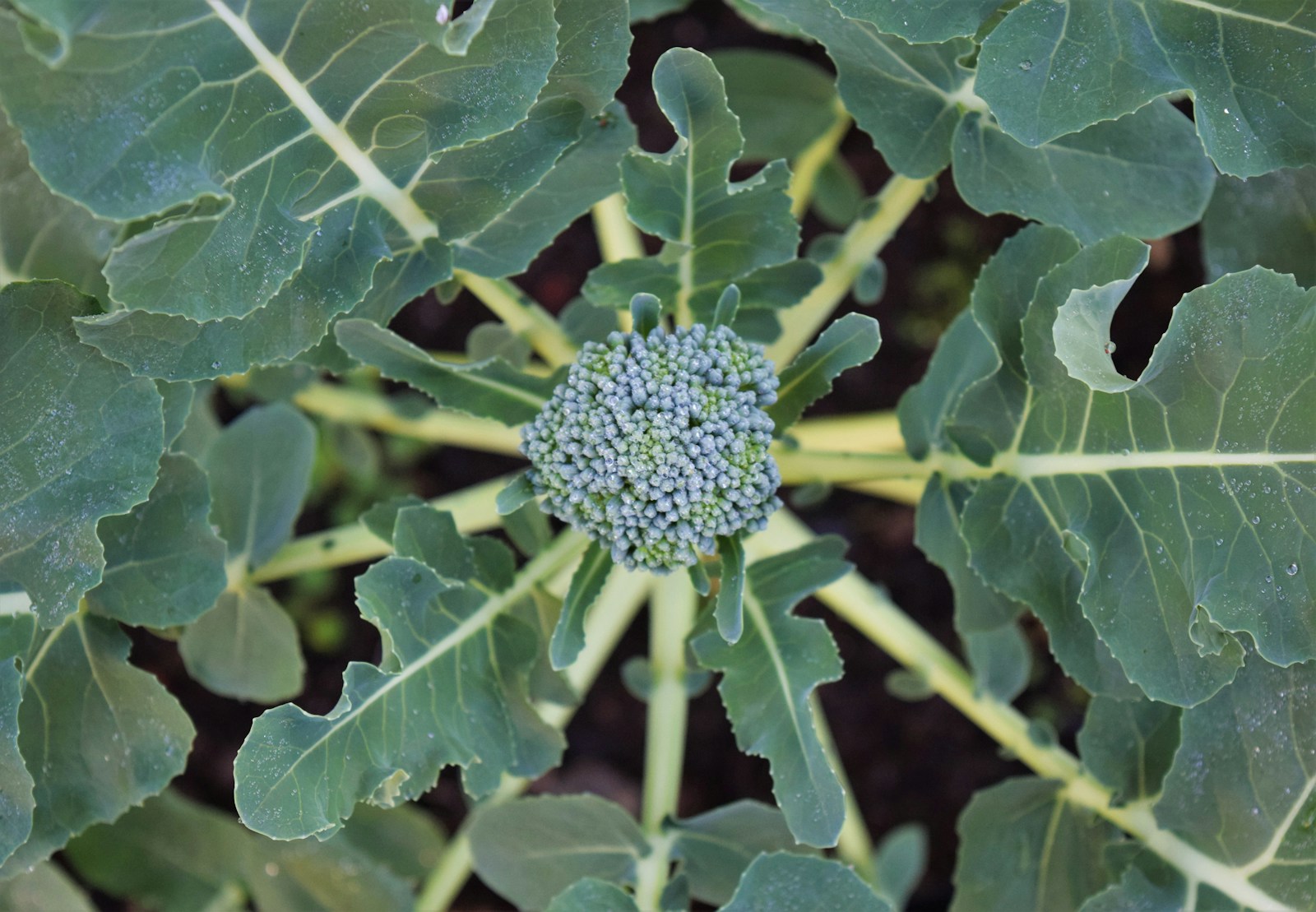
Feeding. Broccoli is a hungry crop. Dig in plenty of compost or well-rotted manure before planting. Side-dress (feed along the row) with compost or a balanced organic fertilizer three weeks after transplanting. Feed again when you first see a small head forming. Wear gloves when handling manure or fertilizer and wash your hands afterwards.
Mulching. Once the soil has warmed, spread 2 to 3 inches (5 to 8 cm) of straw or shredded leaves. Mulch holds moisture, keeps roots cool and cuts down on weeds.
Support. Tall plants on windy sites may lean. Earth up soil around the stems, or tie each plant loosely to a short stake. Overwintering sprouting types usually need a stake.
Pruning. No pruning is needed. Remove yellow lower leaves to improve airflow.
Row covers. Fabric row cover over hoops keeps cabbage moths and flea beetles off young plants. Put it on at planting and seal the edges.
Rotation and companions. Do not grow broccoli where any cabbage-family crop grew in the last three years. Onions, herbs, lettuce and beets make good neighbors.
Heat is the most common reason broccoli fails. Hot weather at heading time makes heads loose, bitter and quick to flower. Cold, drought or root-bound transplants can also cause tiny "button" heads. Time planting so heads form in cool weather.
Harvesting
Signs it is ready. Harvest when the head is firm, tight and deep green or blue-green. The individual buds should still be small and closed. Pick at once if buds start to swell or you see a hint of yellow. That yellow is the flowers opening.
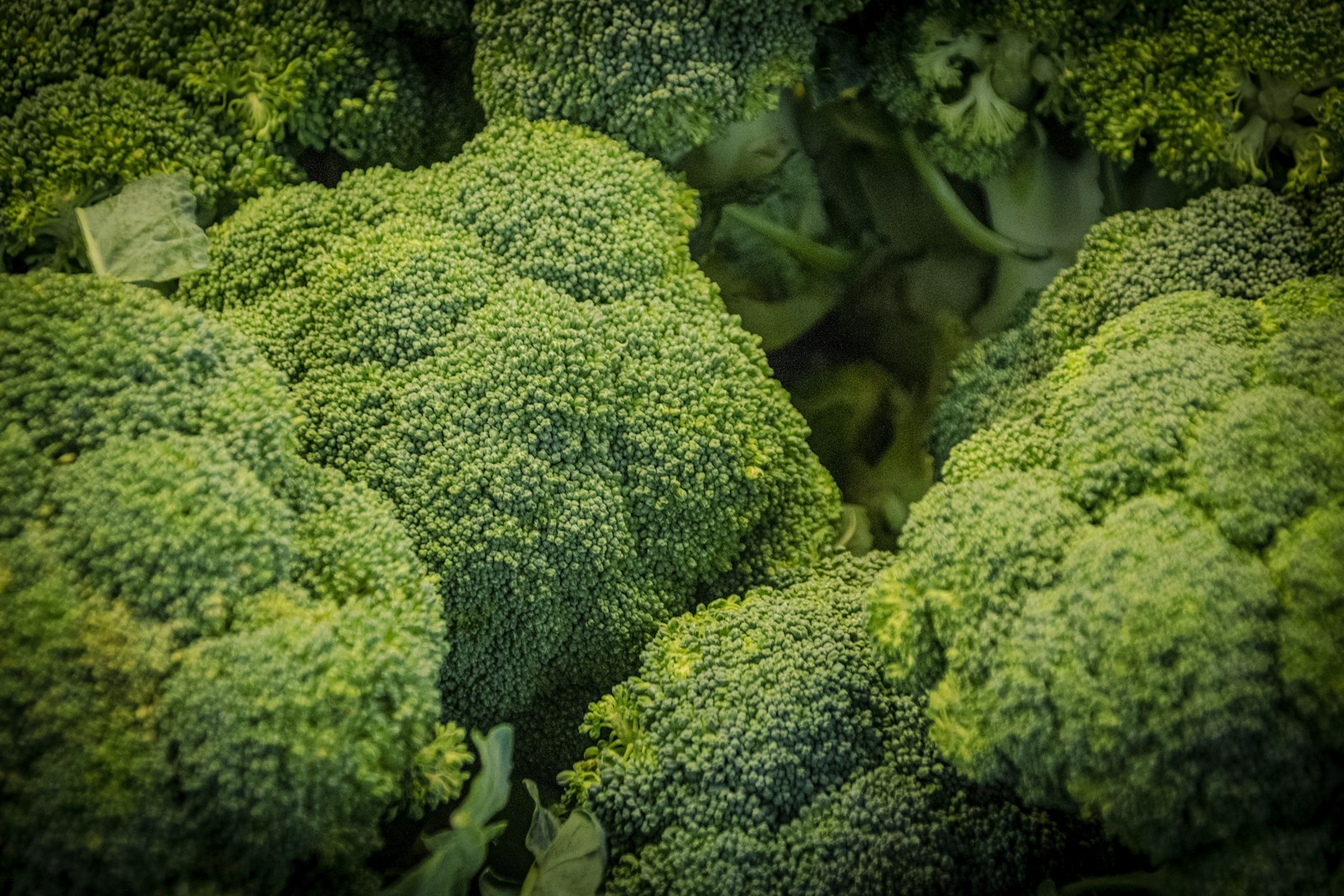
Do not wait for a head to match shop size. Home-grown heads are often smaller, and waiting too long costs you quality.
How to cut. Use a sharp knife. Cut the main stem at a slant, 5 to 6 inches (12 to 15 cm) below the head. The slanted cut sheds water, which helps prevent rot.
Side shoots. Leave the plant in place after the main cut. Most heading varieties then produce smaller side shoots from the leaf joints. Pick these every few days while they are tight. They can crop for several weeks, especially in fall.
Sprouting types. Snap off spears when about 4 to 6 inches (10 to 15 cm) long, before the flowers open. Regular picking keeps new spears coming.
Storage. Harvest in the cool of the morning. Keep unwashed heads in a bag in the fridge for up to a week. For longer storage, blanch florets in boiling water for about three minutes. Cool them in ice water, drain and freeze.
Saving seed. Broccoli crosses readily with cabbage, kale, cauliflower and other Brassica oleracea crops. It also needs several plants flowering together to set good seed. Saving seed is practical only if you grow one open-pollinated variety in isolation.
Problems and pests
Ragged holes and green caterpillars
Cause: Imported cabbageworms, cabbage loopers and diamondback moth larvae.
Fix: Cover plants with row cover from planting. Hand-pick caterpillars and check under leaves and inside heads. For heavy attacks, spray Bacillus thuringiensis (Bt), a bacterial control that only affects caterpillars. Follow the label and wear gloves when mixing and spraying.
Grey, waxy clusters on leaves and heads
Cause: Cabbage aphids, small sap-sucking insects coated in grey powder.
Fix: Blast them off with a strong spray of water. Encourage ladybugs and hoverflies with nearby flowers. Insecticidal soap works on heavy colonies. Apply it in the evening, follow the label and avoid skin contact.
Tiny heads on small plants
Cause: Buttoning, where a stressed young plant heads early. Triggers include cold snaps, drought, low nitrogen and root-bound transplants.
Fix: Transplant seedlings while young, before roots circle the cell. Protect new plants from hard cold. Keep soil moist and well fed.
Wilting plants with swollen, knobbly roots
Cause: Clubroot, a soil-borne disease of cabbage-family plants. It persists in the soil for many years.
Fix: Rotate crops strictly and raise soil pH toward 7.0 with garden lime. Wear gloves and a dust mask when spreading lime. Pull and bin infected plants with their roots. Do not compost them.
Hollow or brown centre in the stem
Cause: Very fast growth, often with too much nitrogen. A lack of boron can also play a part.
Fix: Feed steadily rather than heavily. Add compost, which supplies trace minerals. Heads with a hollow stem are still safe to eat.
Varieties worth growing
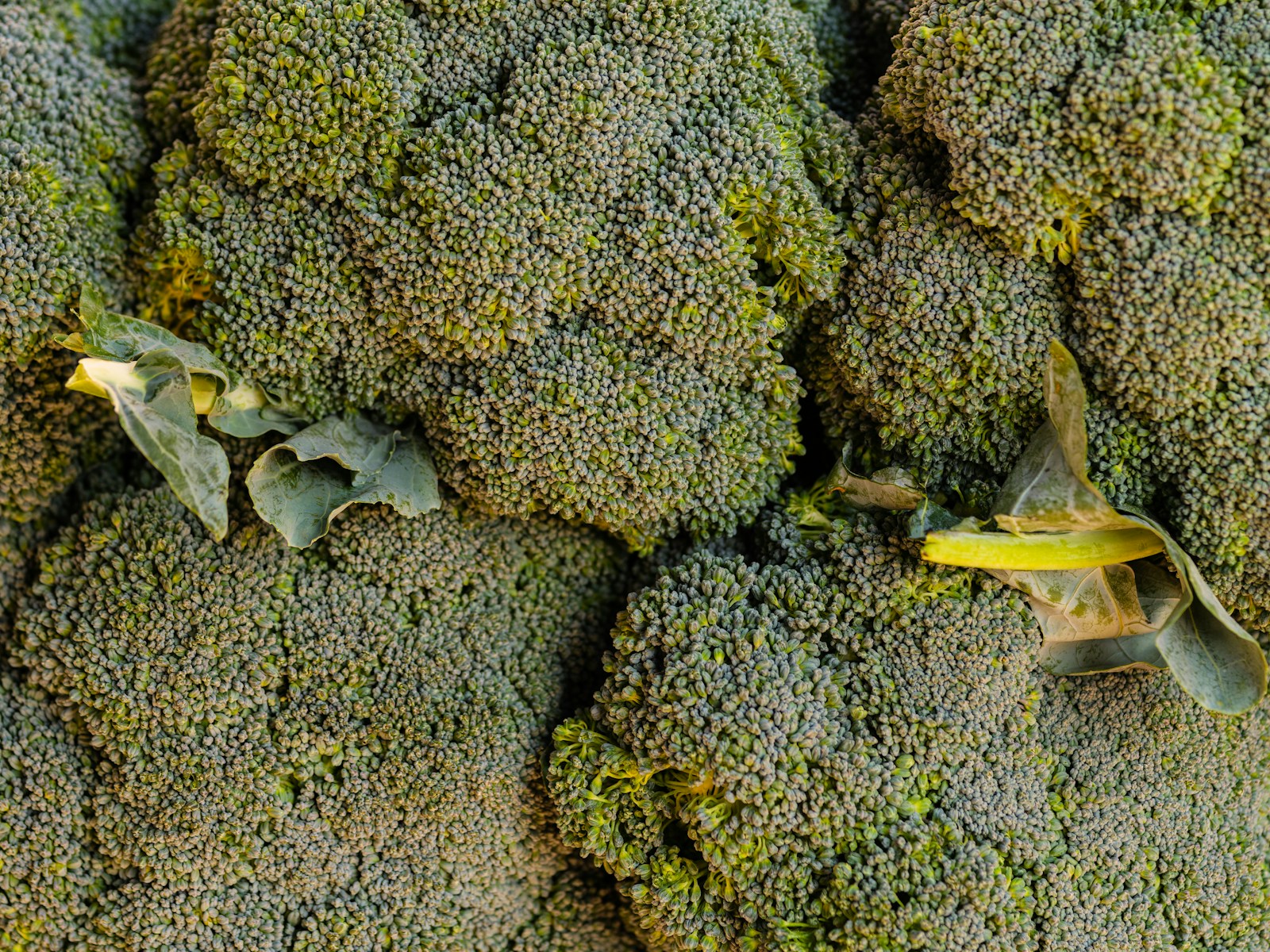
Heading broccoli
- 'Calabrese': A classic open-pollinated heirloom with a medium head and good side shoots.
- 'Waltham 29': An open-pollinated variety bred for cool weather; best for fall crops.
- 'De Cicco': An Italian heirloom that crops early and gives many side shoots.
- 'Packman': A reliable early hybrid with large, even heads.
- 'Marathon': A hybrid with good cold tolerance, well suited to fall.
Sprouting broccoli
- 'Purple Sprouting': An overwintering type with purple spears in early spring; best in mild winters.