Broadleaf plantain (Plantago major) is the flat, ribbed rosette that grows in lawns and path edges. It has nothing to do with the starchy cooking plantain, which is a tropical banana relative. This one is a small, tough perennial herb with a long record in mountain folk medicine and a mild use as a cooked green. It is about as easy as a plant gets. The real job is keeping it where you want it.
Sowing and planting
Most gardeners already have broadleaf plantain somewhere. If a clean rosette grows in an unsprayed corner, the simplest start is to move it. Lift it with a trowel in spring or fall, keep the fibrous root ball whole, and replant at the same depth. Water it in well.
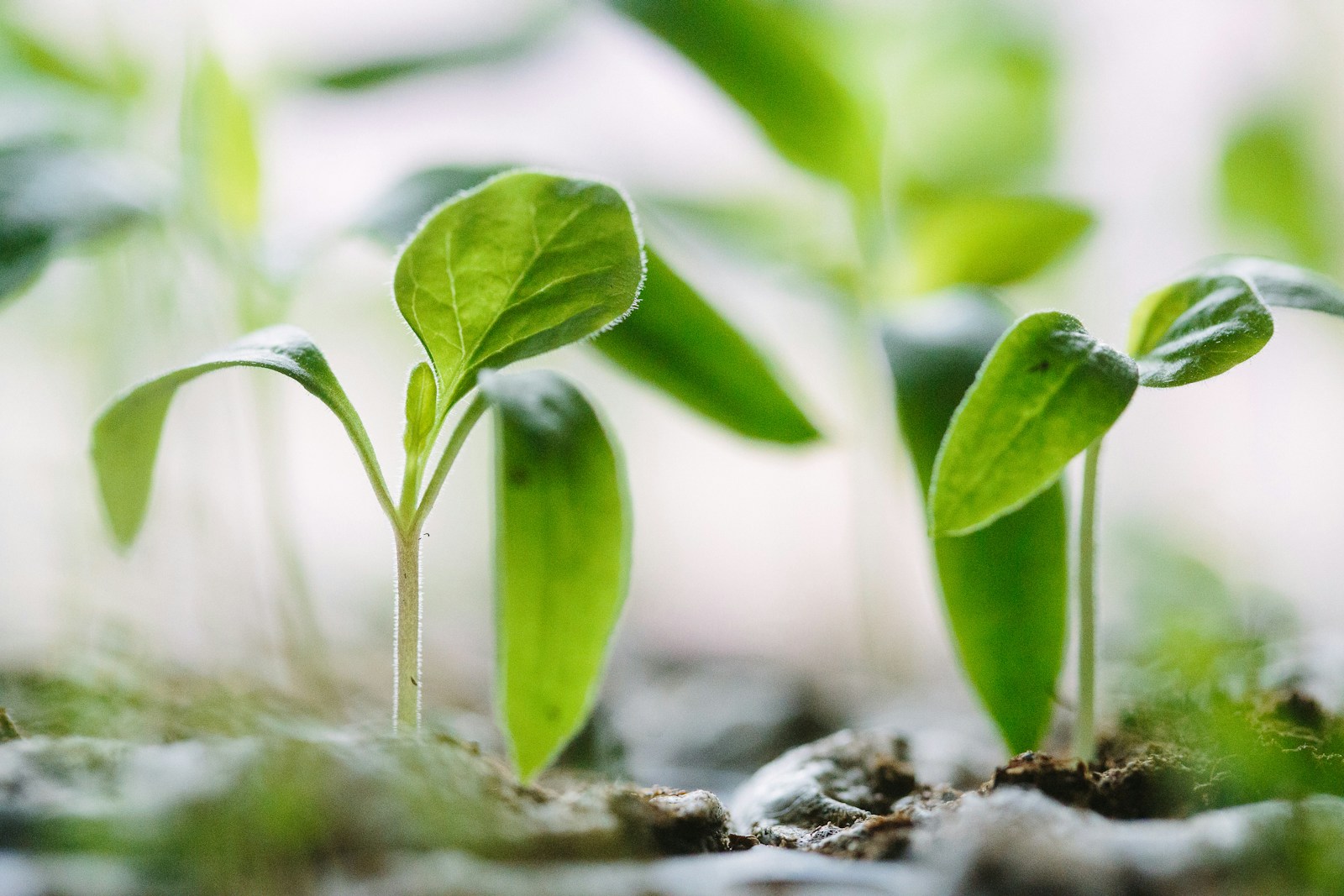
To grow from seed, you have two good windows. Sow outdoors in fall and let winter cold do the work. Or sow in early spring, a few weeks before your last frost, while the soil is still cool. Seed often sprouts better after a cold, damp spell. This is called cold stratification (chilling moist seed so it breaks dormancy). For spring sowing indoors, mix the seed with damp sand and refrigerate it for two to four weeks first.
The seed is tiny and needs light to germinate. Scatter it on the surface of fine, firmed soil and press it in. Do not bury it. Keep the surface moist. Seedlings usually show in one to three weeks once the soil warms to around 60 to 70°F (15 to 21°C).
Thin or transplant seedlings to 8 to 12 inches (20 to 30 cm) apart. Closer spacing gives smaller, more upright leaves, which some growers prefer for the kitchen.
Choose the site with care. A dedicated bed corner, a wide pot, or a trough keeps the plant tidy and easy to find. A container at least 8 inches (20 cm) deep suits one or two rosettes. Keep the patch away from fine lawn you want weed-free.
Only harvest plantain you have identified with certainty, and never from lawns, roadsides or paths that may have been treated with weedkiller, fouled by pets or exposed to traffic. Growing your own clean patch removes that risk.
Growing on
Broadleaf plantain asks for very little. In decent garden soil it grows larger and more tender than it ever does in a trodden path.
Watering. Water during dry spells in the first season. Steady moisture keeps the leaves soft. Drought makes them small, tough and bitter. Pots need checking every day or two in hot weather.
Feeding. Skip fertilizer in ordinary soil. A thin layer of compost each spring is plenty. Rich feeding produces big, floppy leaves that attract slugs.
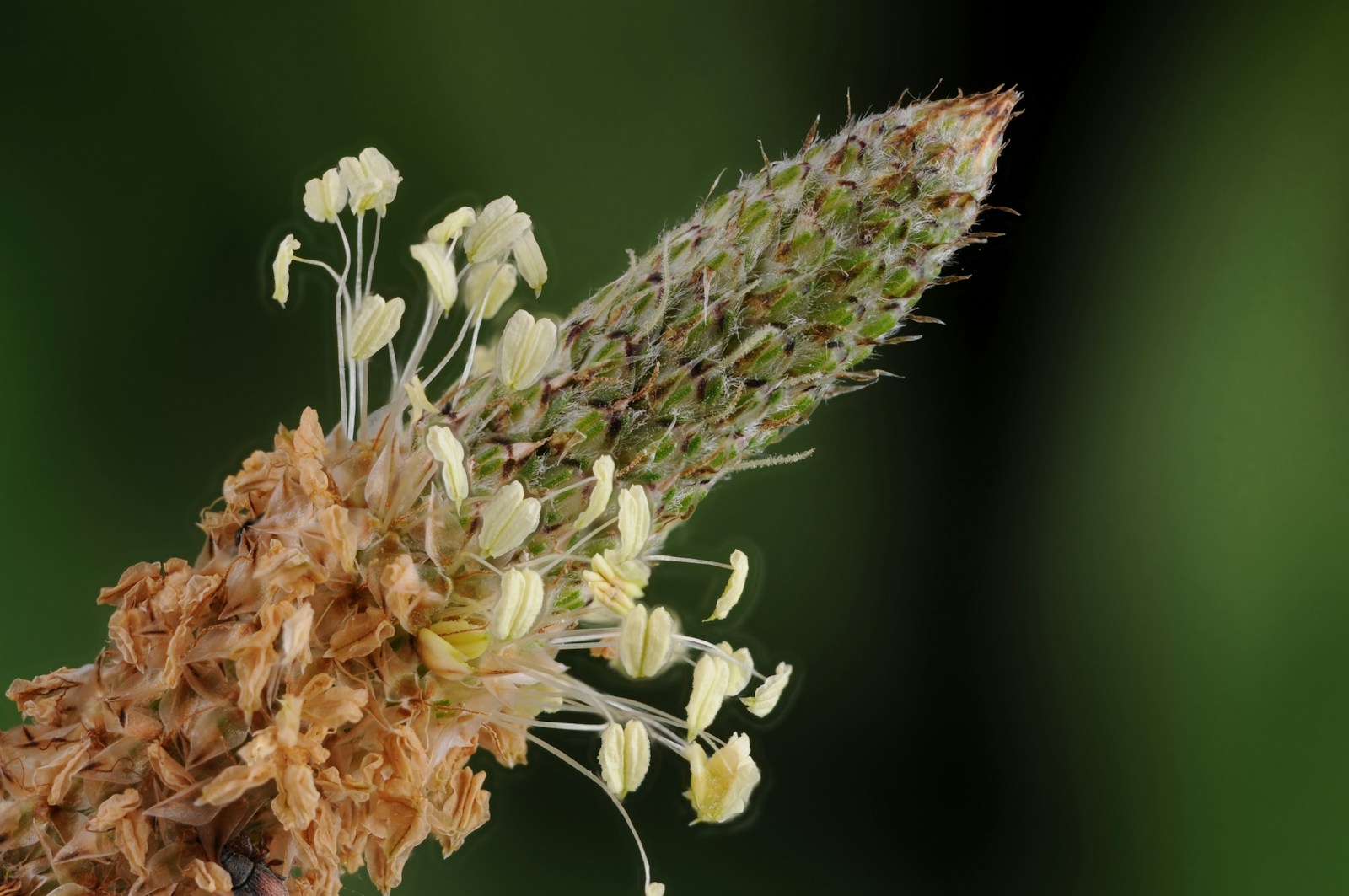
Deadheading. This is the task that matters most. Each rosette sends up narrow green flower spikes from early summer onward. The flowers are wind-pollinated and not showy. A single plant can ripen thousands of seeds, and they stay alive in soil for years. Cut the spikes at the base while they are still green unless you want seed. Removing them also pushes the plant to make fresh leaves.
Light and shade. Full sun gives flat, compact rosettes. Part shade gives longer stalks and larger, thinner leaves, which are better for eating.
Winter. No protection is needed within its hardiness range. The rosette dies back or stays low and half-green, then regrows from the crown in spring. Plants tend to weaken after two or three years. Let one spike seed into a pot of soil now and then to renew your stock.
Harvesting
Pick leaves any time the plant is growing. For eating, take the youngest leaves from the center of the rosette, before flower spikes rise. They are mild at this stage and can be cooked like spinach. Older leaves develop strong, stringy veins. If you use them, pull the strings out as you would from celery.
Pinch or snip each leaf at its base. Leave at least half the rosette so the plant recovers quickly. A healthy plant gives several pickings a season.
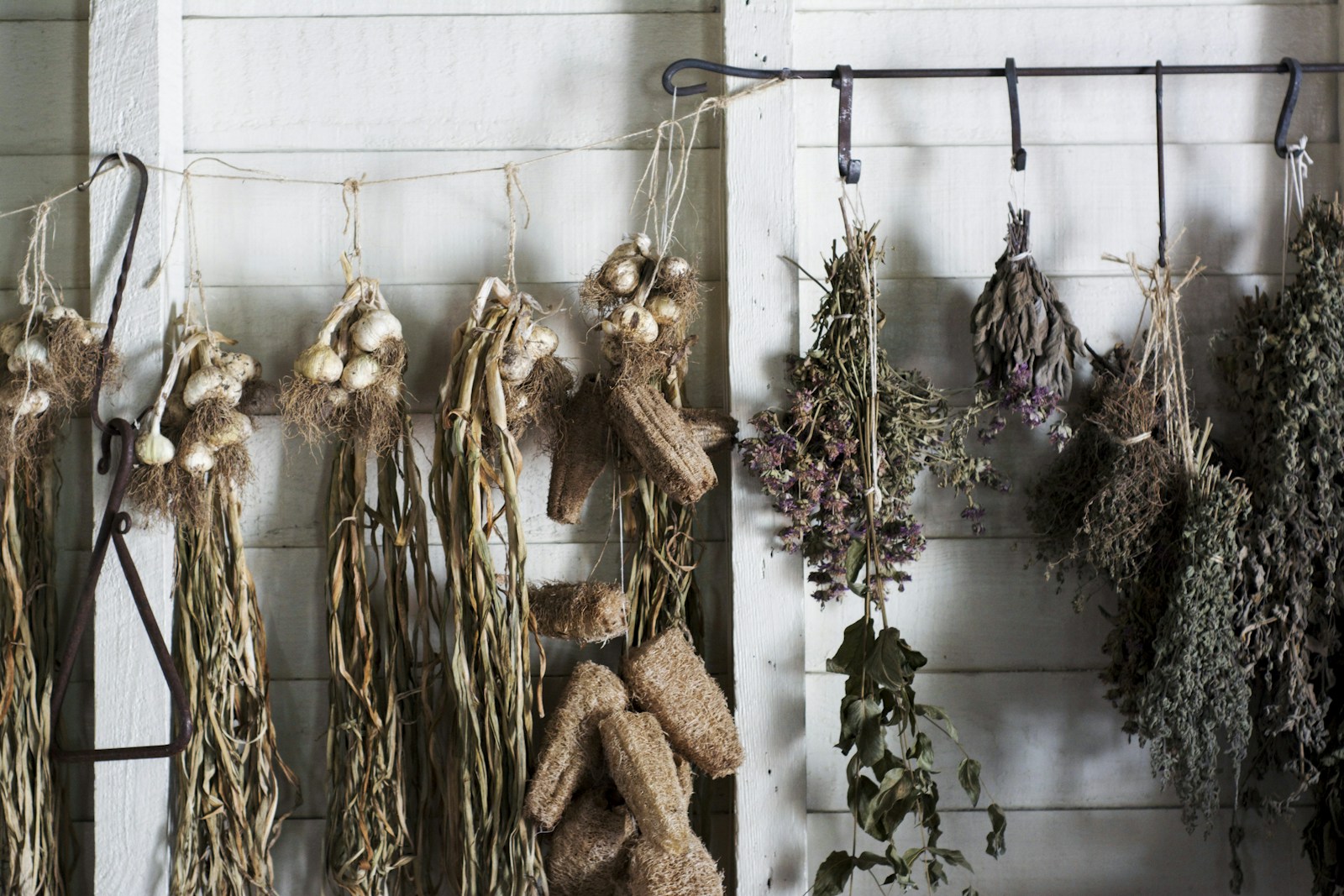
To dry leaves, harvest on a dry morning after the dew has gone. Spread them in a single layer on a screen, out of direct sun, with good air movement. Thick leaves dry slowly and blacken if piled up. They are ready when they crumble. Store them in a sealed jar away from light.
Green seed spikes are also edible when young. Ripe spikes turn brown, and the seeds rub out easily between your fingers. Save seed in a paper envelope somewhere cool and dry.
Plantain holds a firm place in southern Appalachian folk history. It came to North America with European settlers and spread so fast along paths that it earned the folk name "white man's footprint". Anthony Cavender's Folk Medicine in Southern Appalachia records that mountain families bound the leaves on as poultices for boils, bruises and the stone bruises children got from going barefoot. Bruised or chewed leaves were pressed onto insect stings. The Cherokee also adopted the plant from settlers. This is history, not medical advice. Do not use plantain in place of proper care. People with pollen allergies should note that plantain pollen is a known hay fever trigger.
Problems and pests
White, powdery coating on the leaves
This is powdery mildew, a fungal disease. It is common in late summer, especially on crowded or dry plants in shade. Thin the patch for air flow, water the soil rather than the foliage, and cut off the worst leaves. New growth usually comes back clean. Do not eat or dry mildewed leaves.
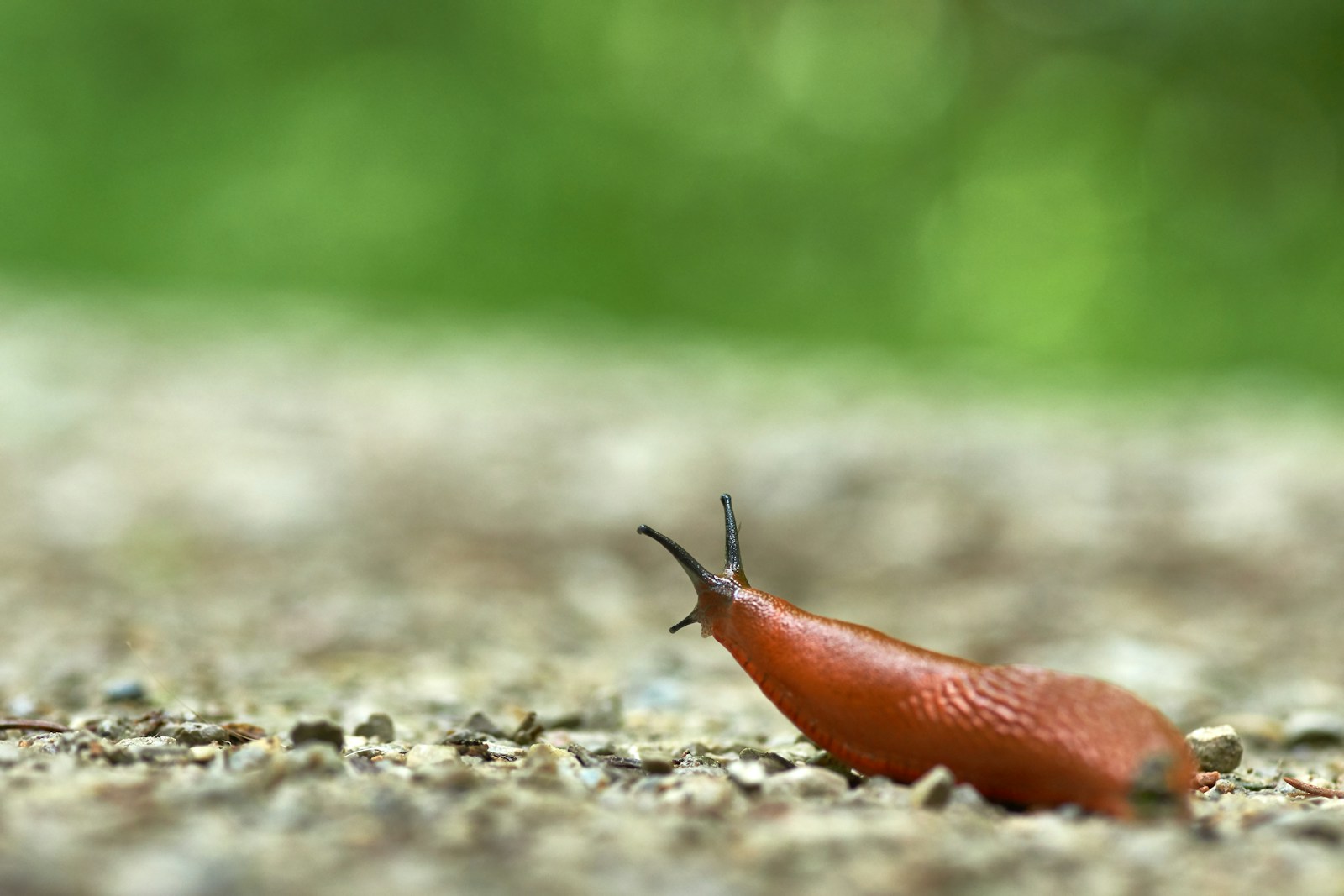
Ragged holes and slime trails
Slugs and snails feed on the soft leaves of well-watered plants. Pick them off at dusk. Clear boards, pots and debris where they hide by day. Water in the morning so the surface dries by night.
Seedlings appearing all over the garden
Flower spikes were left to ripen. Hoe out seedlings while they are small, because older plants grip the soil hard. Cut spikes green from now on, and keep them out of the compost heap if they carry seed.
Small, tough, bitter leaves
The plant is stressed by drought, compaction or age. Loosen the soil, water regularly, and move to part shade. Replace rosettes older than three years with young seedlings.
Brown or rusty spots on older leaves
Several leaf spot and rust fungi affect plantain in wet weather. They rarely kill the plant. Remove spotted leaves, give more space, and harvest only clean young growth.
Varieties worth growing
Broadleaf plantain has few named forms, and they are grown for looks rather than flavor. Most seed is sold simply as the plain species.
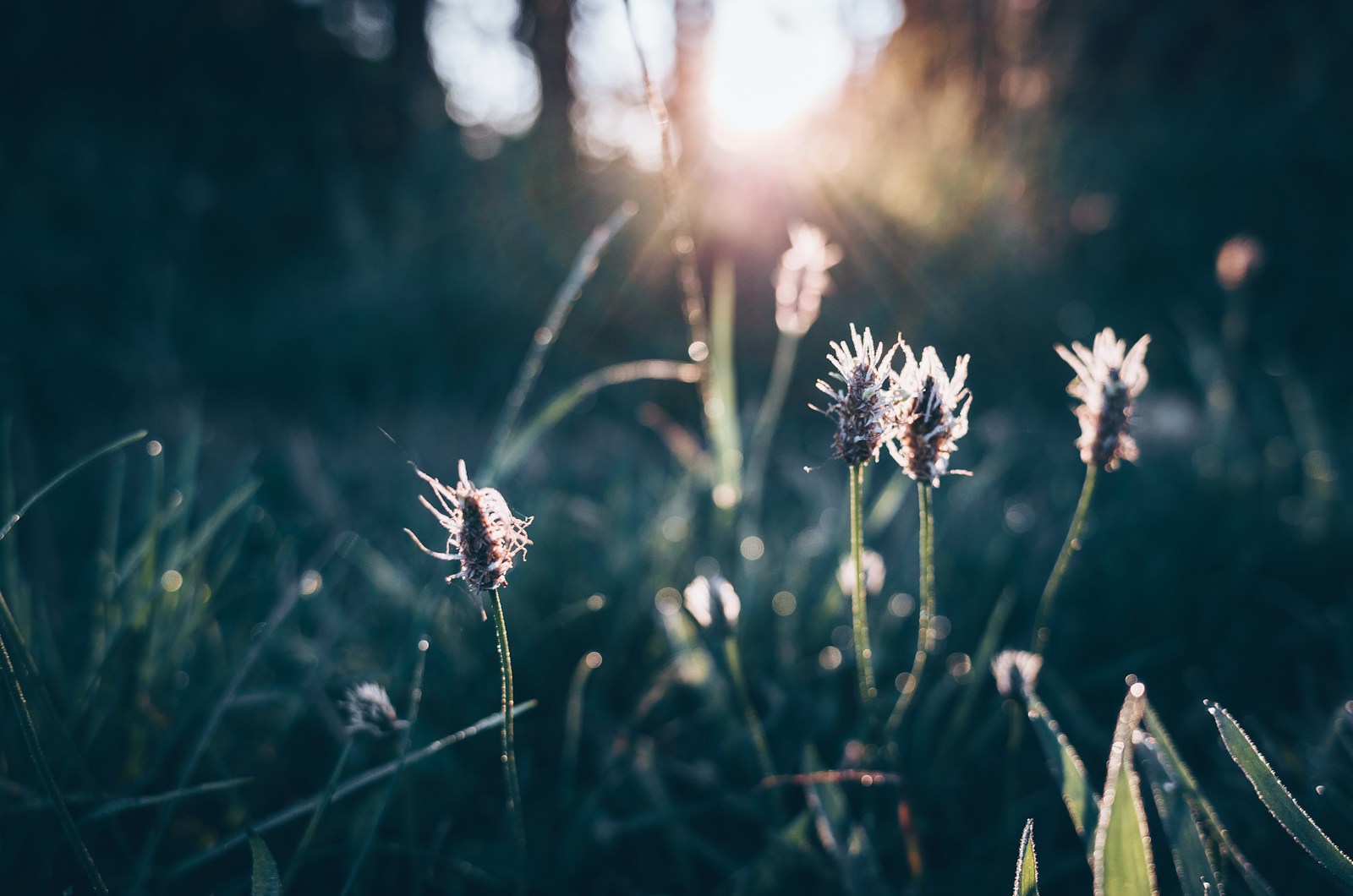
- The species, Plantago major. Plain green and the most vigorous. This is the usual choice for a herb patch.
- 'Rubrifolia'. A purple-leaved form, also sold under names such as 'Atropurpurea' or 'Purpurea'. It has deep maroon leaves and comes largely true from seed.
- 'Rosularis', the rose plantain. An old curiosity in which the flower spike is replaced by a green rosette of leafy bracts that looks like a rose.
- Narrowleaf or ribwort plantain (Plantago lanceolata). A related species, not a variety. It has long, lance-shaped leaves and short flower heads on tall, wiry stalks. It shares the same folk history.
- Blackseed plantain (Plantago rugelii). A native North American relative that looks very similar. Its leaf stalks are usually reddish at the base. It often grows alongside broadleaf plantain in eastern lawns.