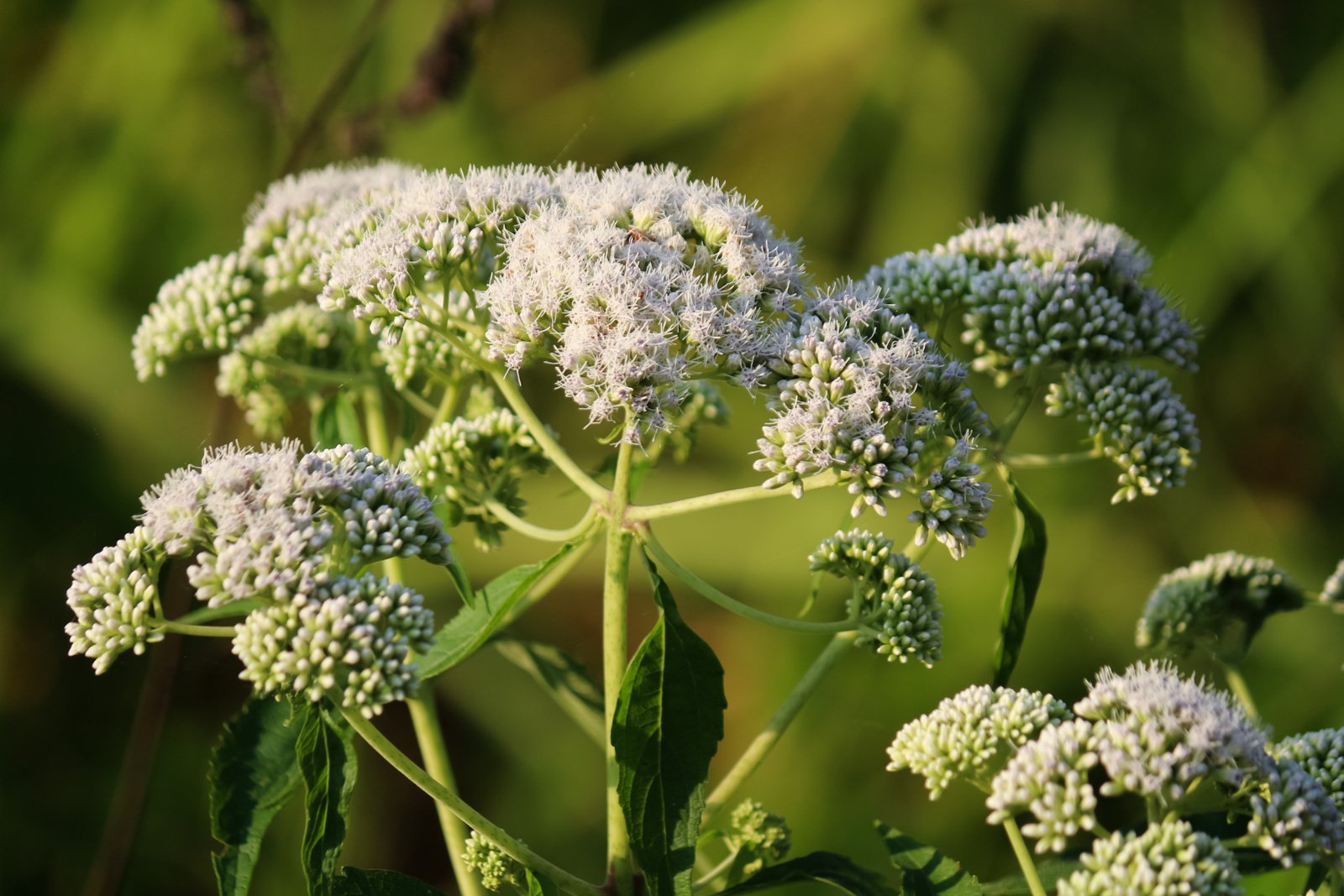
Boneset (Eupatorium perfoliatum) is a native perennial wildflower of eastern North America. It grows 3 to 5 feet (90 to 150 cm) tall and carries flat, fuzzy white flower heads from late summer into fall. Those flowers feed a huge range of small bees, butterflies, beetles and beneficial wasps. The leaves are its signature: each pair is joined at the base, so the stem appears to pierce them. Grow it if you have a damp spot that defeats other plants. Given moisture, it is easy.
Sowing and planting
Boneset seed needs a cold, damp rest before it sprouts. Gardeners call this cold stratification (a period of moist chilling that mimics winter). You can let winter do the work or use your refrigerator.
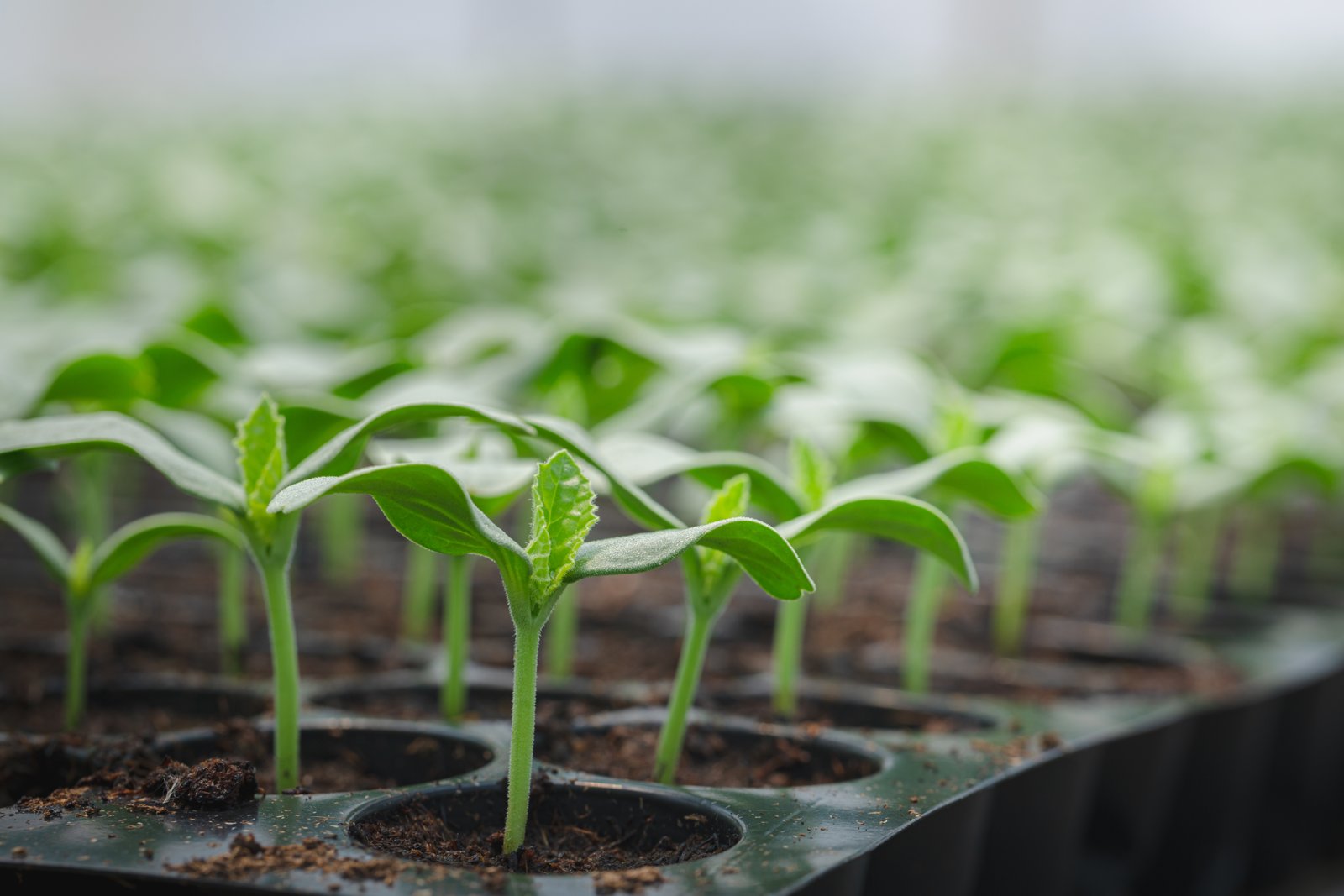
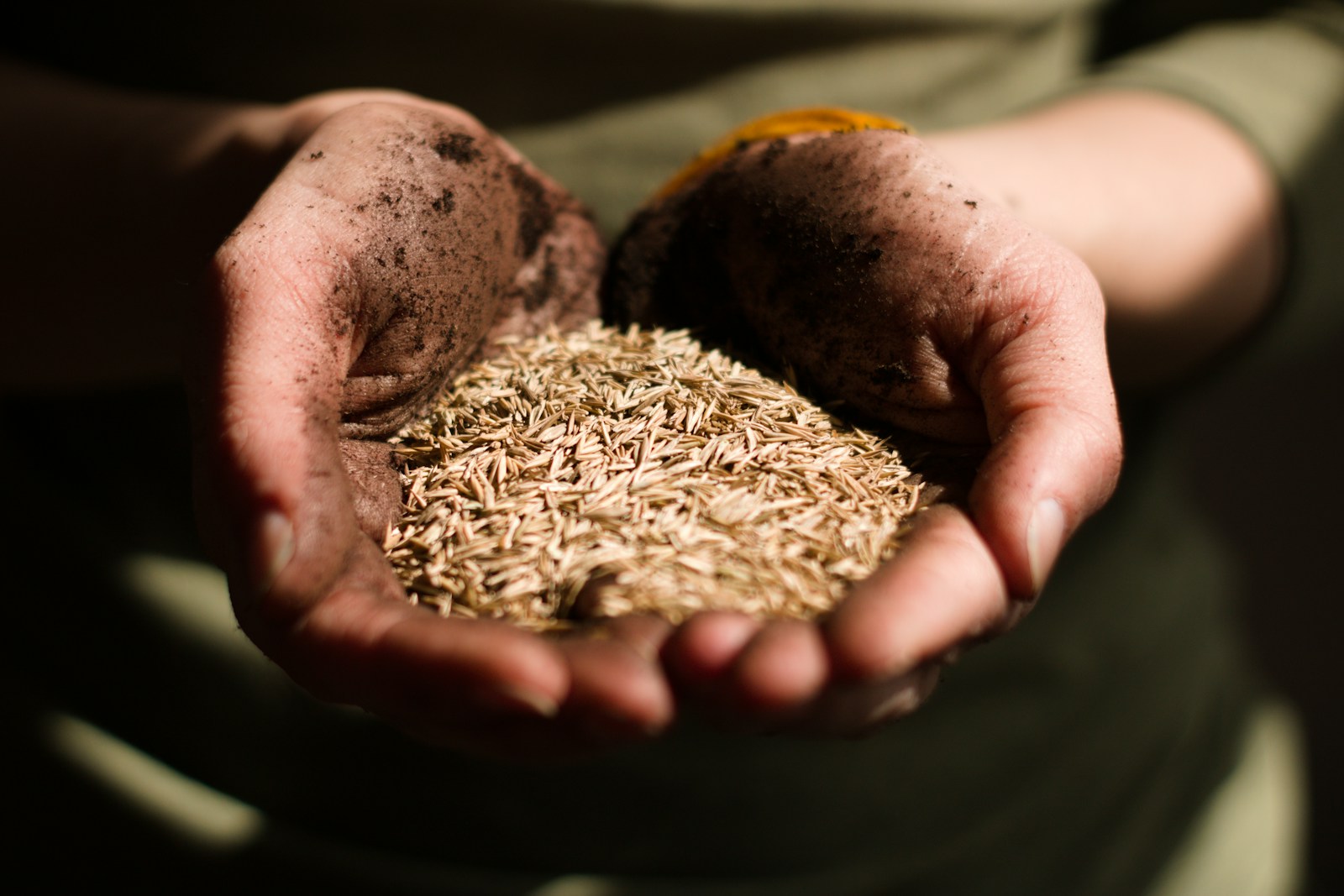
Sowing outdoors. Sow in fall or early winter, after the first hard frosts. Scatter seed on the surface of a prepared bed or a pot of damp seed compost. Press it down but do not bury it, because the seed needs light to germinate. Leave pots outside in a sheltered place. Seedlings appear in spring as the soil warms.
Sowing indoors. Mix seed with a little damp sand in a sealed bag. Chill it in the refrigerator for four to eight weeks. Then surface-sow in trays about eight weeks before your last frost. Keep the compost evenly moist at around 70°F (21°C). Germination usually takes two to three weeks.
Pot seedlings on once they have two pairs of true leaves. Harden them off (get them used to outdoor conditions over a week or so). Plant out after your last frost, 2 to 3 feet (60 to 90 cm) apart.
Planting nursery stock. Container-grown plants from a native plant nursery go in during spring or early fall. Choose the wettest sunny spot you have: a low corner, a rain garden, a pond edge or beside a downspout. Boneset copes with short periods of standing water. Water new plants deeply and keep the soil damp through the first season.
Growing on
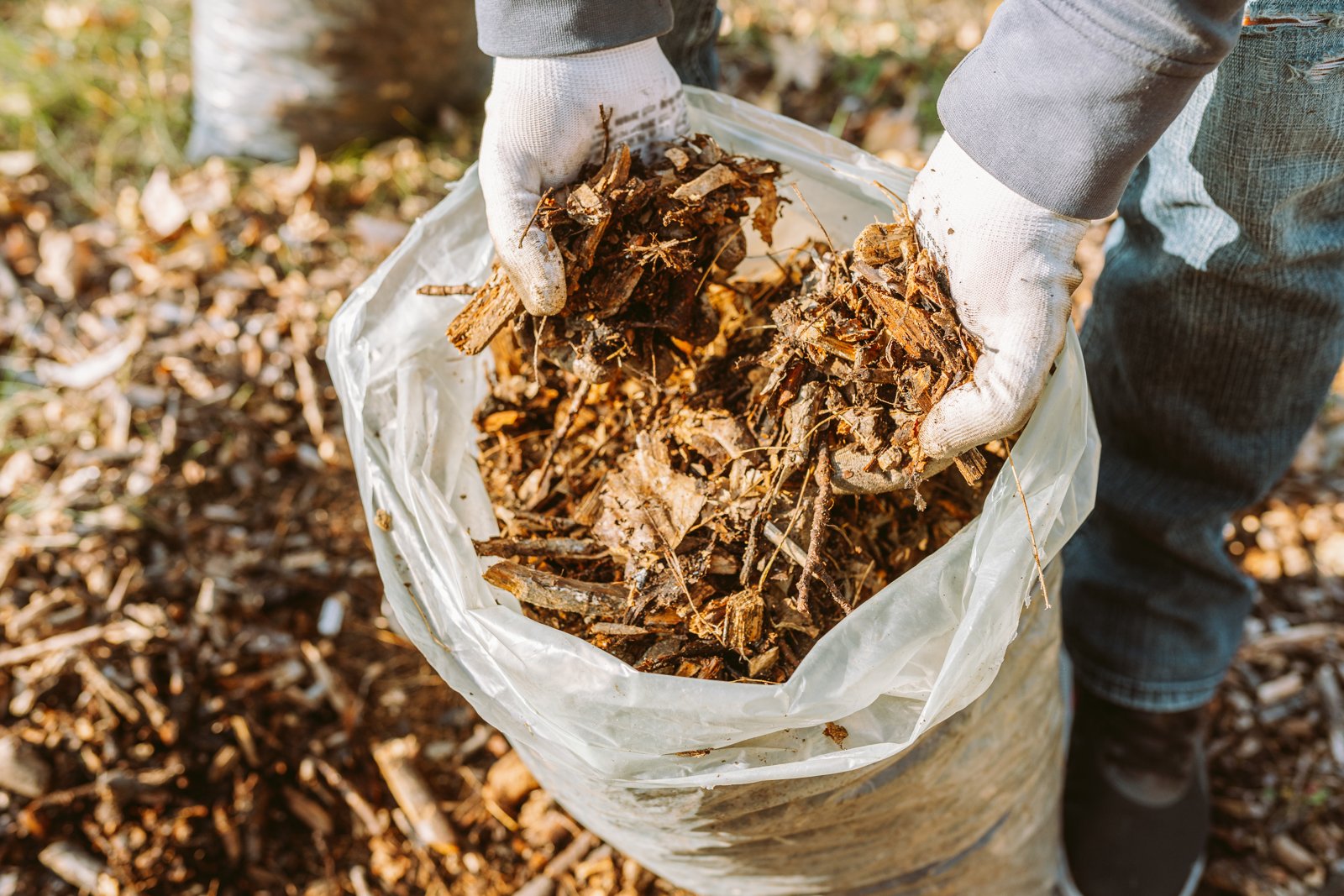
Watering. Moisture decides everything with boneset. In naturally damp ground you may never need to water an established clump. In ordinary garden soil, water deeply whenever the top inch (2.5 cm) dries out. A 2 to 3 inch (5 to 8 cm) layer of leaf mold or shredded bark helps hold moisture. Afternoon shade also helps in hot regions.
Feeding. Do not fertilize. Rich feeding makes soft, tall stems that fall over. A yearly mulch of compost or leaf mold is enough.
Support and pruning. Plants in full sun and steady moisture usually stand on their own. If yours flop, cut the stems back by one third in late spring, when they reach about 18 inches (45 cm). This gives a shorter, bushier plant that flowers a little later. Planting boneset among other tall natives also props it up.
Dividing. Clumps widen slowly from short rhizomes (underground stems). Divide them every three to four years, in early spring as shoots emerge. Lift the clump, split it into pieces with several shoots each, and replant at once. Water well.
Self-seeding. The fluffy seed blows about and sprouts readily in damp soil. Cut off the spent flower heads if you do not want seedlings. Otherwise leave the stems standing through winter. Birds pick at the seed and hollow stems shelter overwintering insects. Cut old stems down in early spring.
Harvesting
Most gardeners grow boneset for its flowers and the insects they bring, so the harvest is small.
Cut flowers. Cut stems when about half the tiny florets in a head have opened. Cut in the cool of the morning and put the stems straight into water. The white heads work as a filler, much like yarrow, and they also dry well hung upside down.
Seed. Seed is ready in fall, when the heads turn fluffy and tan and come away at a touch. Snip whole heads into a paper bag on a dry day. Let them dry indoors for a week or two. Store the seed cool and dry, or sow it right away outdoors.
Folk history. Boneset was once among the best-known household herbs in the southern mountains. Anthony Cavender's Folk Medicine in Southern Appalachia records that mountain families cut the leaves and flowering tops and dried them. They brewed a hot, intensely bitter tea for fevers and heavy chest colds, aiming to sweat the illness out. The tea was also known to cause vomiting, and some families gave it for exactly that purpose. This is history, not a recommendation, and nothing here is medical advice.
Do not make tea or home remedies from boneset. It causes vomiting and diarrhea in quantity, and plants in this group can contain pyrrolizidine alkaloids, which damage the liver. Boneset is also easily confused with white snakeroot (Ageratina altissima), a poisonous relative. Grow it for the pollinators.
Problems and pests
Leaves wilt and scorch brown at the edges
The soil is too dry. Water deeply, mulch thickly, and consider moving the plant to a wetter or partly shaded spot in early spring or fall.
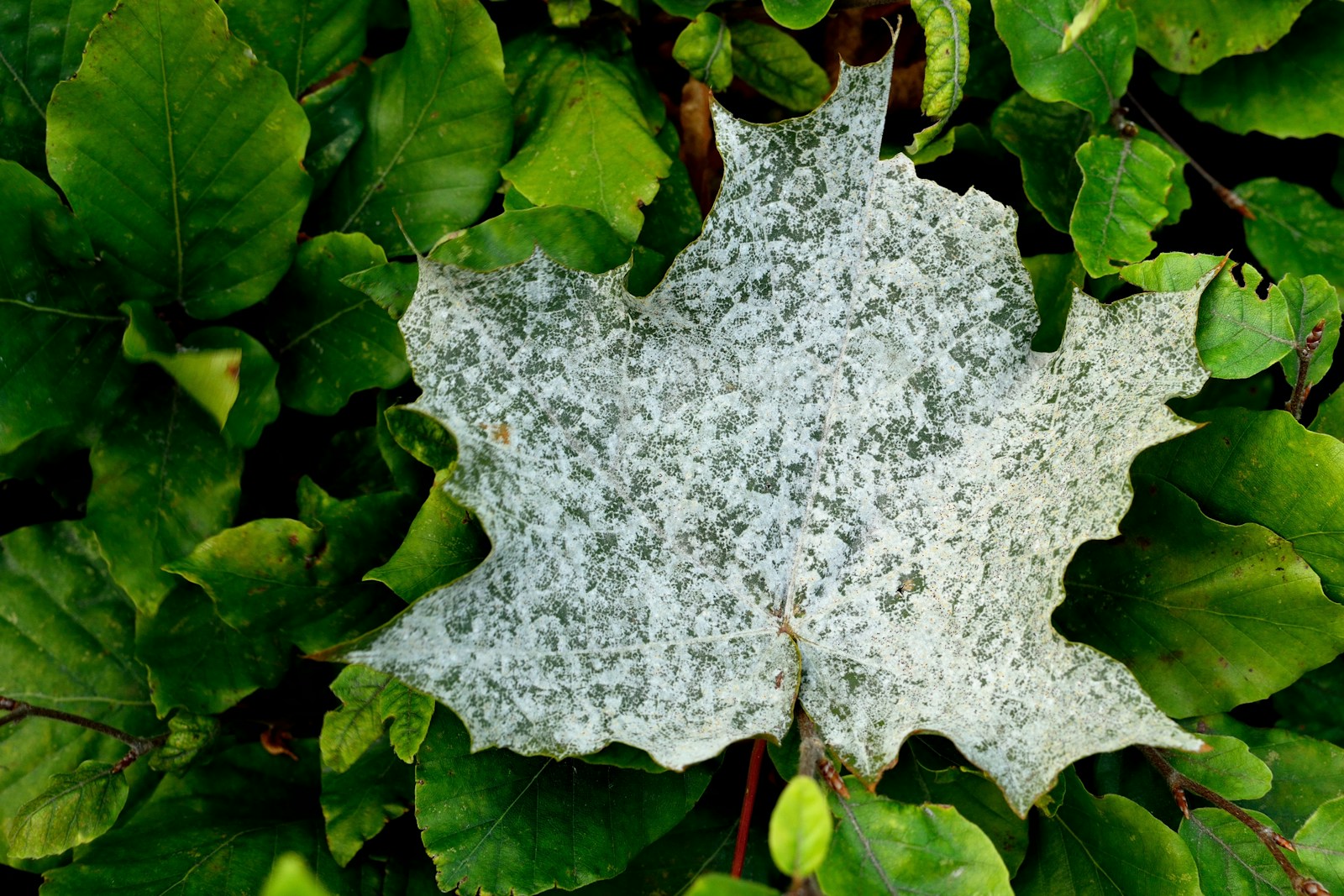
White powdery coating on leaves
This is powdery mildew, a fungal disease common in late summer. It looks untidy but rarely harms the plant. Dry roots and crowded, still air make it worse. Keep the soil moist, thin congested clumps, and clear away affected foliage at the end of the season.
Stems sprawl or fall over
Too much shade, rich soil or fertilizer causes weak growth. Move plants into more sun, stop feeding, and cut stems back by one third in late spring next year.
Chewed or tunneled leaves
Several native moth caterpillars and leaf-mining insects feed on boneset. Pale winding trails or a few ragged holes are cosmetic. Leave them alone, since feeding native insects is part of the plant's job. Never spray insecticide on a plant in flower.
Seedlings everywhere
Boneset self-sows freely in damp, bare soil. Deadhead after flowering, mulch bare ground, and pull unwanted seedlings while they are small.
Varieties worth growing
Boneset has very few named cultivars. Most nurseries sell the plain species, and that is the best choice for pollinators. Look for seed-grown stock from a native plant nursery near you.
- Straight species (Eupatorium perfoliatum): green leaves, white flowers, the greatest wildlife value.
- 'Milk and Cookies': a selection with dark bronze-purple young foliage that turns greener through summer.
These close relatives suit similar plantings:
- Late boneset (Eupatorium serotinum): a related species with stalked leaves that blooms a little later and tolerates average soil.
- Hyssop-leaved thoroughwort (Eupatorium hyssopifolium): a related species with fine, narrow leaves for drier, sandier ground.
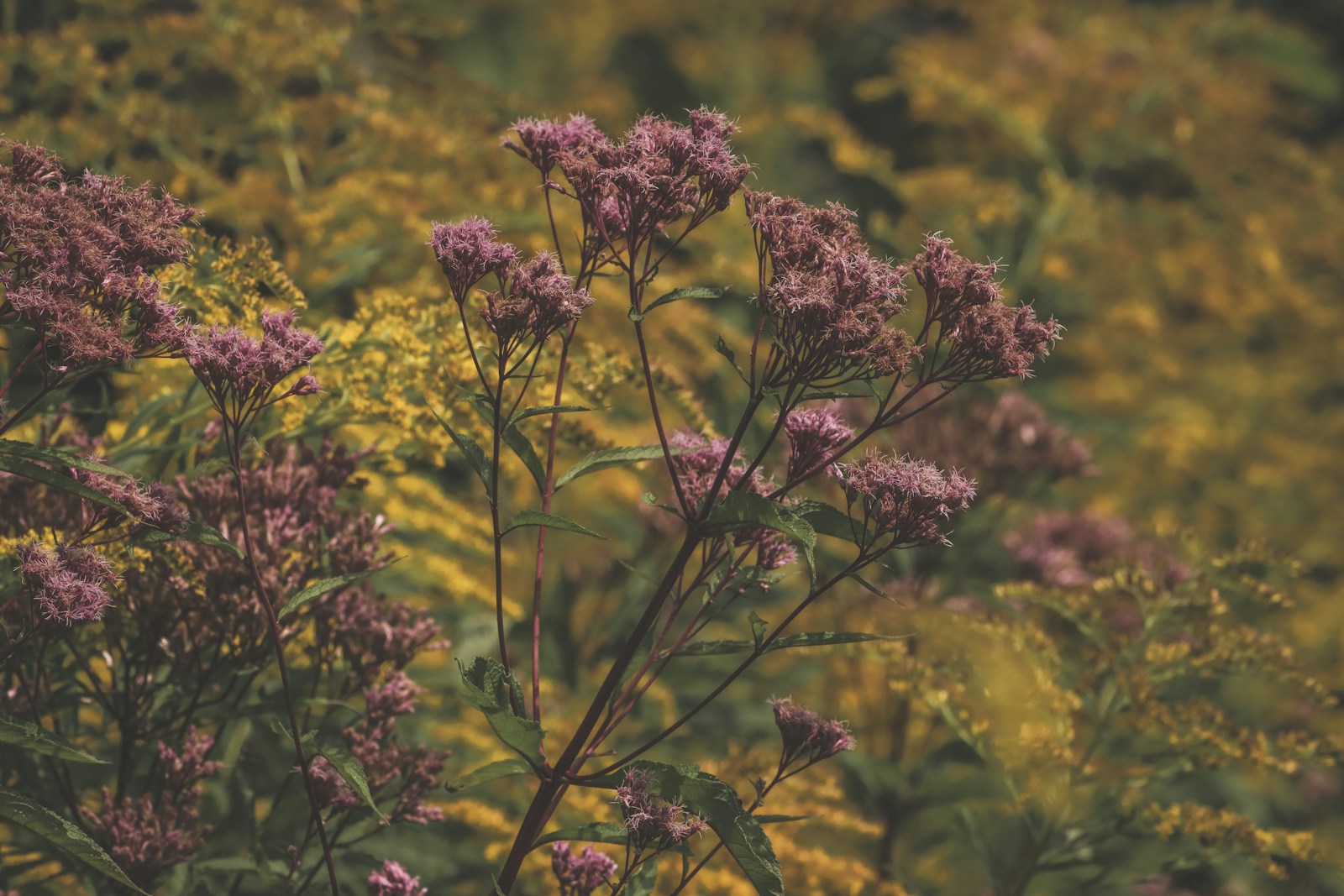
- Sweet Joe-Pye weed (Eutrochium purpureum): a taller pink-flowered cousin for the same moist border.
- Blue mistflower (Conoclinium coelestinum): a shorter, spreading relative with blue-violet fall flowers.