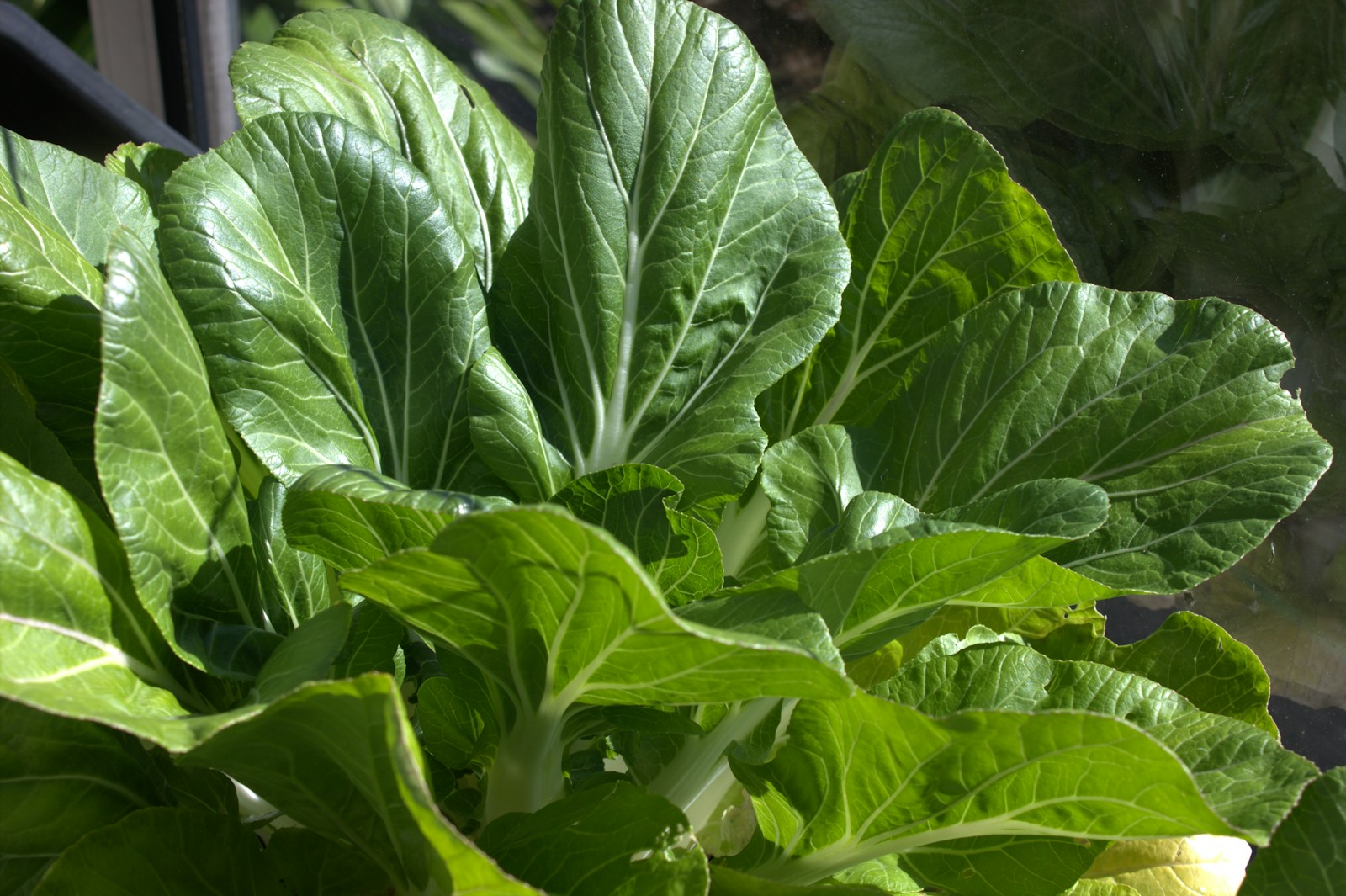
Bok choy is a leafy Asian cabbage with thick, juicy stems and dark, spoon-shaped leaves. It grows fast, fits into small beds and pots, and gives you a harvest in as little as a month. It is easy to grow in cool weather, but tricky in heat.
Sowing and planting
Bok choy is a cool-season crop. It grows best when days are 60°F to 70°F (15°C to 21°C). You get two main windows: spring and late summer into fall.
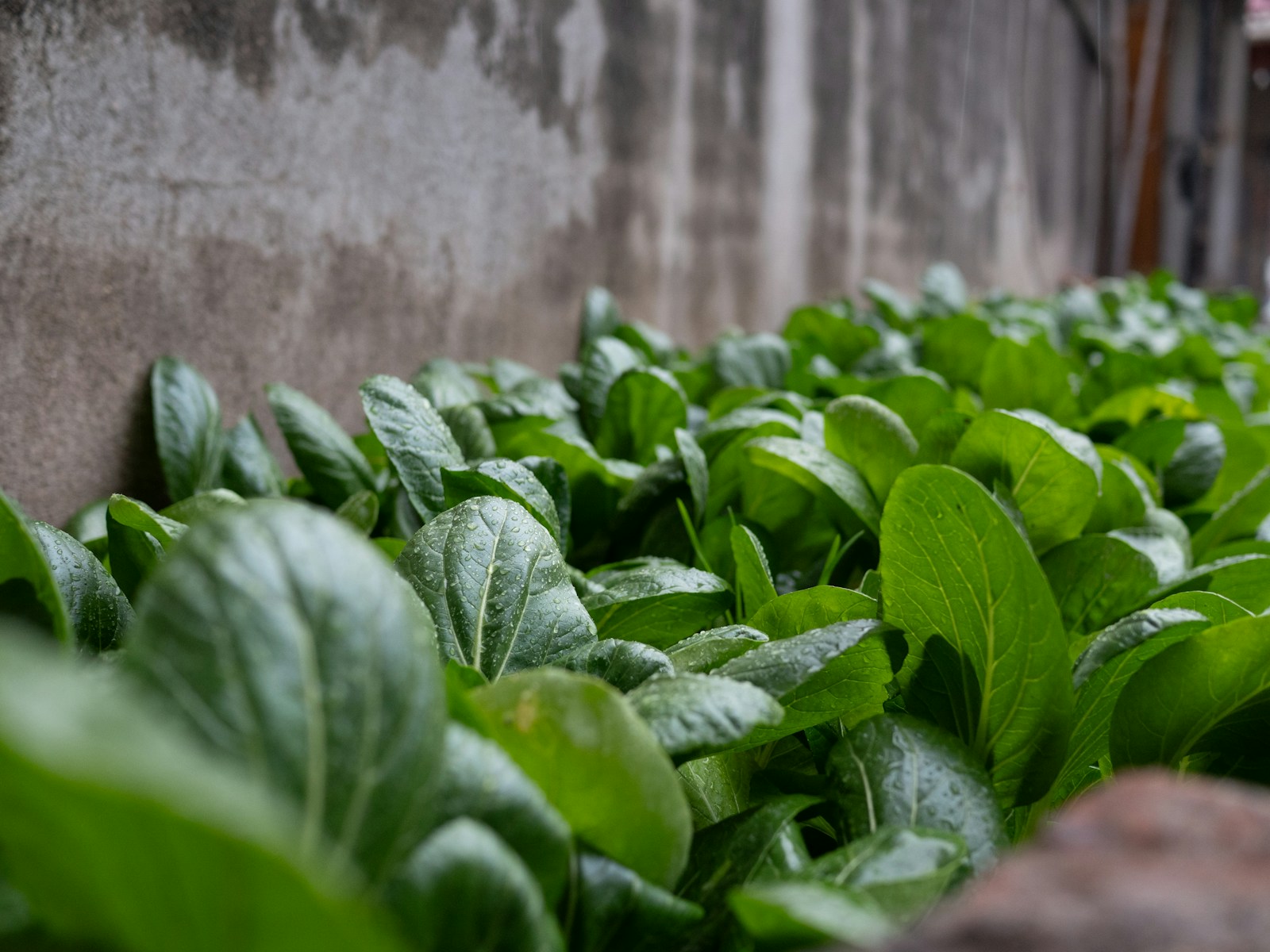
Spring outdoors. Sow direct two to four weeks before your last frost, once the soil can be worked. Seed germinates in soil as cool as 45°F (7°C), though it is slow there.
Spring indoors. Start seed four to six weeks before your last frost. Sow two or three seeds per cell and thin to the strongest one. Avoid long spells below 50°F (10°C) after sowing. Young plants exposed to steady cold often bolt later.
Harden off transplants before planting out. Hardening off means getting seedlings used to outdoor conditions over a week or so. Plant them at the same depth they grew in the cell and water them in well.
Fall crop. Sow direct eight to ten weeks before your first fall frost. Late summer soil is warm, so seed comes up quickly. Give seedlings light shade and steady water until the weather cools. Fall crops often taste sweeter and bolt less, because days are getting shorter.
Sow seed thinly in rows 12 to 18 inches (30 to 45 cm) apart. Thin seedlings to their final spacing once they have two true leaves. True leaves are the first leaves that look like the adult plant. Eat the thinnings as microgreens.
For a steady supply, sow a short row every two to three weeks through spring and again in late summer.
Bok choy grows well in containers. Use a pot at least 8 inches (20 cm) deep and wide per plant. Baby types fit three to a 12 inch (30 cm) pot.
Growing on
Watering. Bok choy is mostly water, so dry spells show quickly. Keep the soil evenly moist but not soggy. Water at the base in the morning so leaves dry before evening. Stress from drought is a common trigger for bolting.
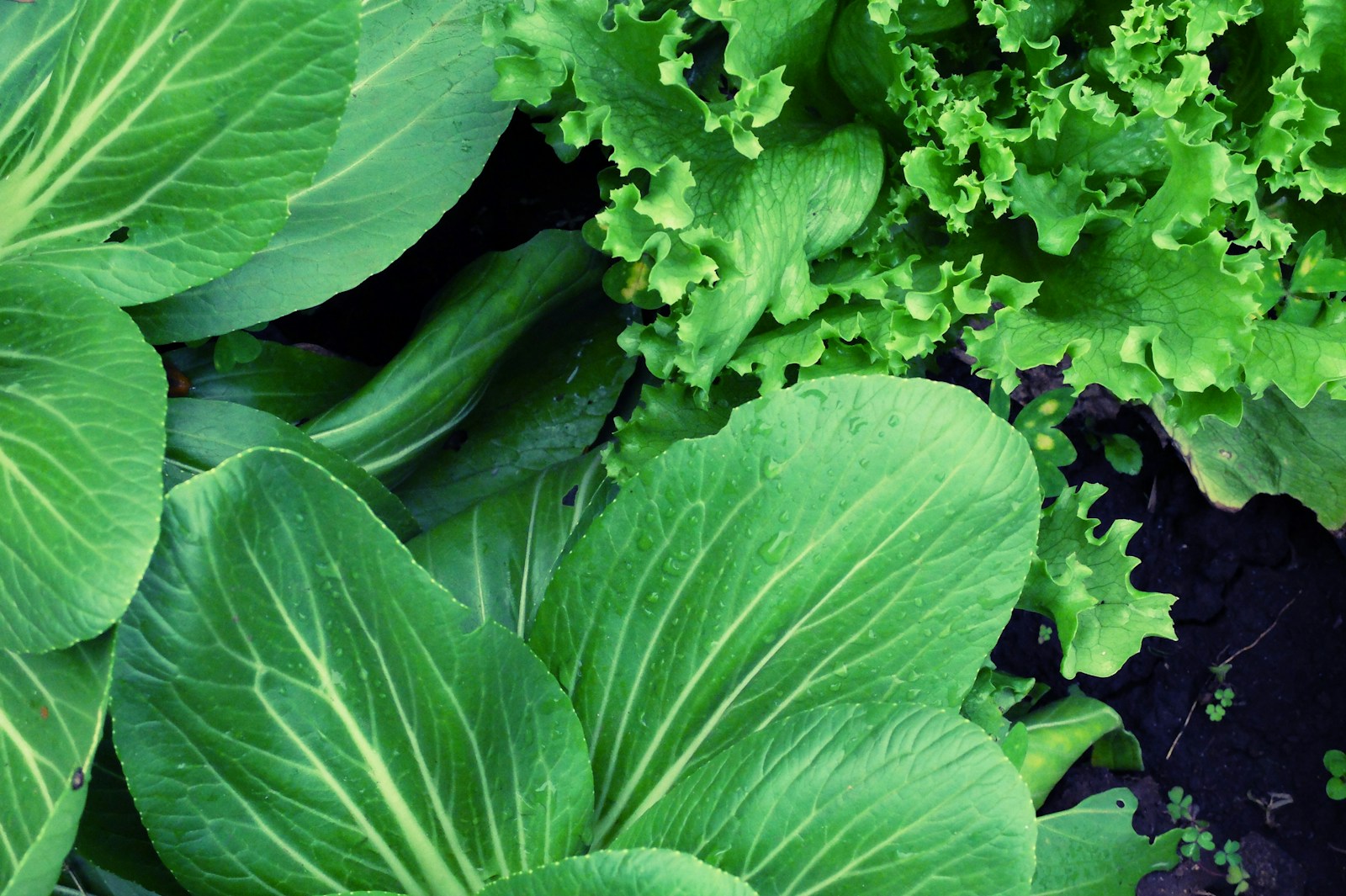
Feeding. Bok choy is a leafy crop and likes nitrogen. Work compost or well-rotted manure into the bed before planting. Side-dress (feed alongside the row) with compost or a balanced organic fertilizer about three weeks after planting. A liquid fish or seaweed feed every two weeks also works well. Wear gloves when handling manure and wash your hands afterwards.
Mulching. Spread 1 to 2 inches (2.5 to 5 cm) of straw or shredded leaves once seedlings are a few inches tall. Mulch keeps the soil cool and moist and cuts down on weeds.
Weeding. Weed by hand or with a shallow hoe. The roots are shallow, so avoid deep cultivation near the plants.
Support and pruning. Bok choy needs no staking or pruning.
Row covers. Lightweight fabric row cover laid over hoops keeps flea beetles and cabbage moths off. Put it on at sowing or planting and seal the edges with soil.
Companions. Onions, garlic, herbs and lettuce make good neighbors. Avoid planting where other cabbage-family crops grew in the last two to three years. This rotation helps limit soil-borne disease.
Bok choy bolts quickly. Bolting means the plant sends up a flower stalk and the leaves turn bitter. Heat, long days, drought and cold snaps on young plants all trigger it. Grow it in spring and fall, keep it watered, and harvest promptly.
Harvesting
You can harvest bok choy at any size. Baby leaves are ready in about a month. Full heads take six to eight weeks.
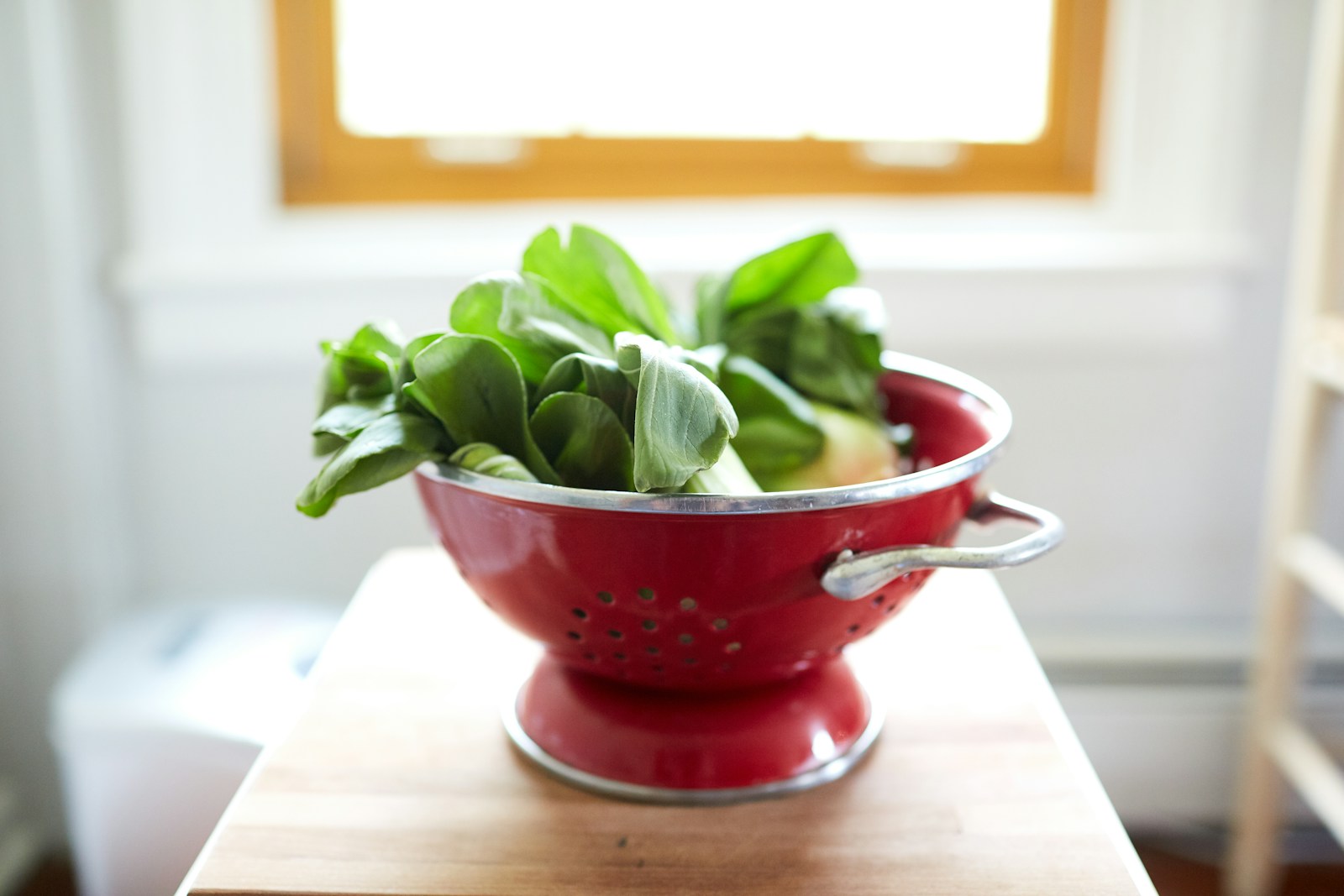
Signs it is ready. Heads feel firm and upright, with thick stems and glossy leaves. Harvest before you see a central stalk rising from the middle. Once buds appear, pick the whole plant right away.
Whole heads. Cut the plant at soil level with a sharp knife. Or cut 1 inch (2.5 cm) above the soil and leave the stump. In cool weather the stump often regrows a smaller second crop.
Leaf by leaf. Pick outer leaves as needed and let the center keep growing. This stretches the harvest over several weeks.
Flower shoots. If a plant does bolt, the young flower stalks and yellow buds are tender and mild. Eat them like a small broccoli.
Storage. Harvest in the cool of the morning. Store heads unwashed in a bag in the fridge for up to a week. Rinse well just before cooking, as grit collects at the base of the stems.
Saving seed. Bok choy cross-pollinates with turnips, Chinese cabbage, mizuna and other Brassica rapa crops. To save true seed, let only one variety flower at a time. Leave several plants to bolt, then cut the stalks once the pods turn tan and dry. Hybrid varieties do not come true from seed.
Problems and pests
Leaves covered in tiny round holes
Cause: Flea beetles, small black beetles that jump when disturbed. They do most harm to young seedlings in warm, dry weather.
Fix: Cover crops with row cover from sowing. Keep the soil moist, as flea beetles prefer dry ground.
Ragged holes and green caterpillars
Cause: Imported cabbageworms and cabbage loopers. Look for green caterpillars and dark droppings near the base of the leaves.
Fix: Use row cover to keep the moths off. Hand-pick caterpillars and check the undersides of leaves. For heavy attacks, spray Bacillus thuringiensis (Bt), a bacterial control that affects caterpillars. Follow the label and wear gloves when mixing and spraying.
Curled leaves with clusters of small insects
Cause: Aphids, soft-bodied insects that suck sap. They hide in the heart of the plant and under leaves.
Fix: Knock them off with a firm spray of water. Encourage ladybugs and lacewings by growing flowers nearby. Insecticidal soap works on heavy colonies. Spray in the cool of the evening, follow the label and keep it off your skin.
Plants shoot up and flower early
Cause: Bolting, triggered by heat, long days, dry soil or cold stress on young plants.
Fix: Sow earlier in spring or switch to a late-summer sowing. Choose bolt-resistant varieties. Keep the soil moist and mulched. Harvest at baby size if hot weather is on the way.
Irregular holes and silvery trails
Cause: Slugs and snails, feeding at night and in damp weather.
Fix: Go out after dark with a flashlight and hand-pick them. Beer traps and iron phosphate bait work in most gardens. Keep bait away from pets and follow the label.
Varieties worth growing
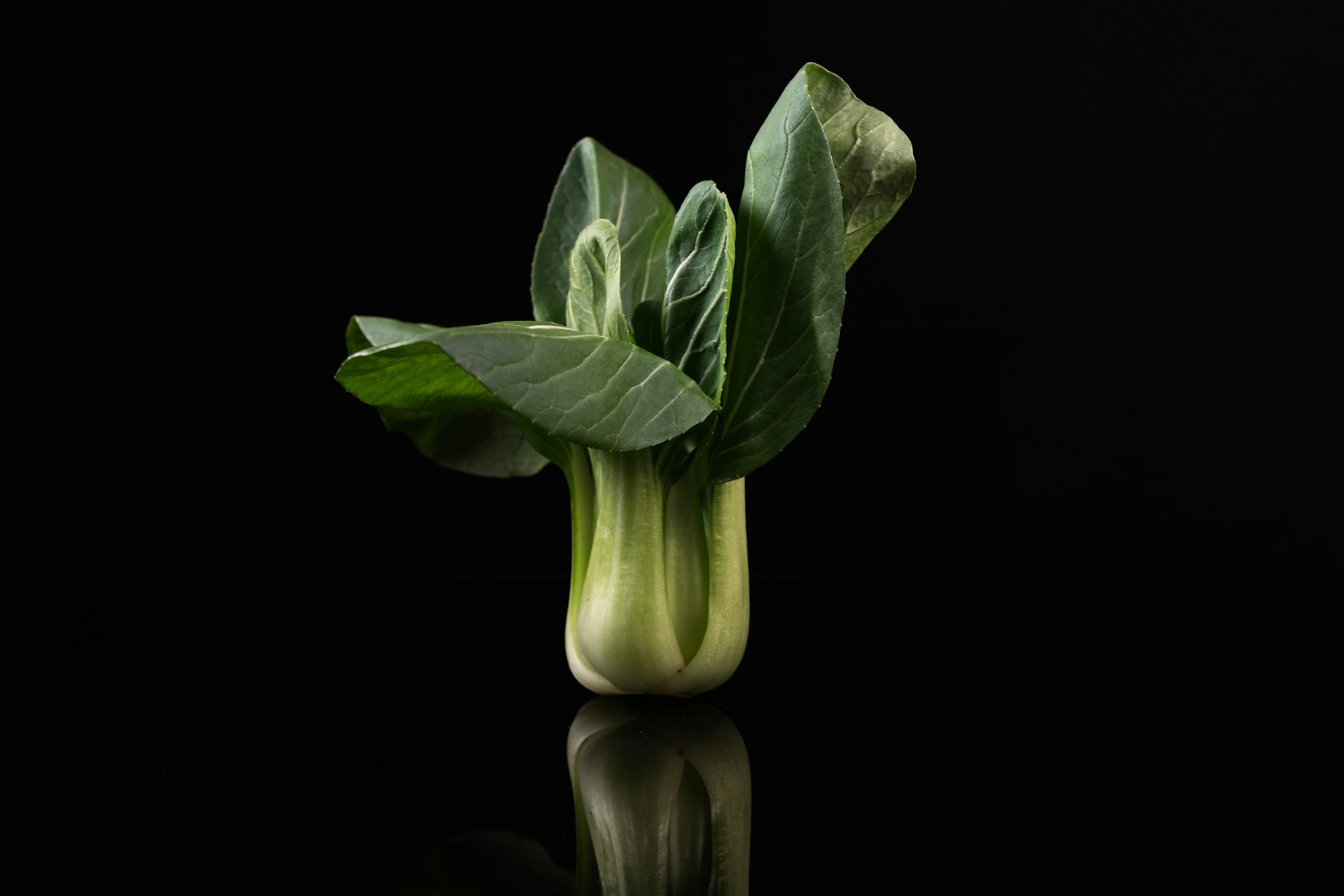
- 'Joi Choi': A vigorous hybrid with white stems and dark leaves; good bolt resistance for spring sowing.
- 'Toy Choy': A compact mini type, ideal for containers and small beds.
- 'Mei Qing Choi': A tidy green-stemmed baby type that holds well before bolting.
- 'Black Summer': Very dark green leaves with pale stems; tolerates warmer weather than most.
- 'Red Choi': Purple-red leaves on green stems; attractive in beds and salads.