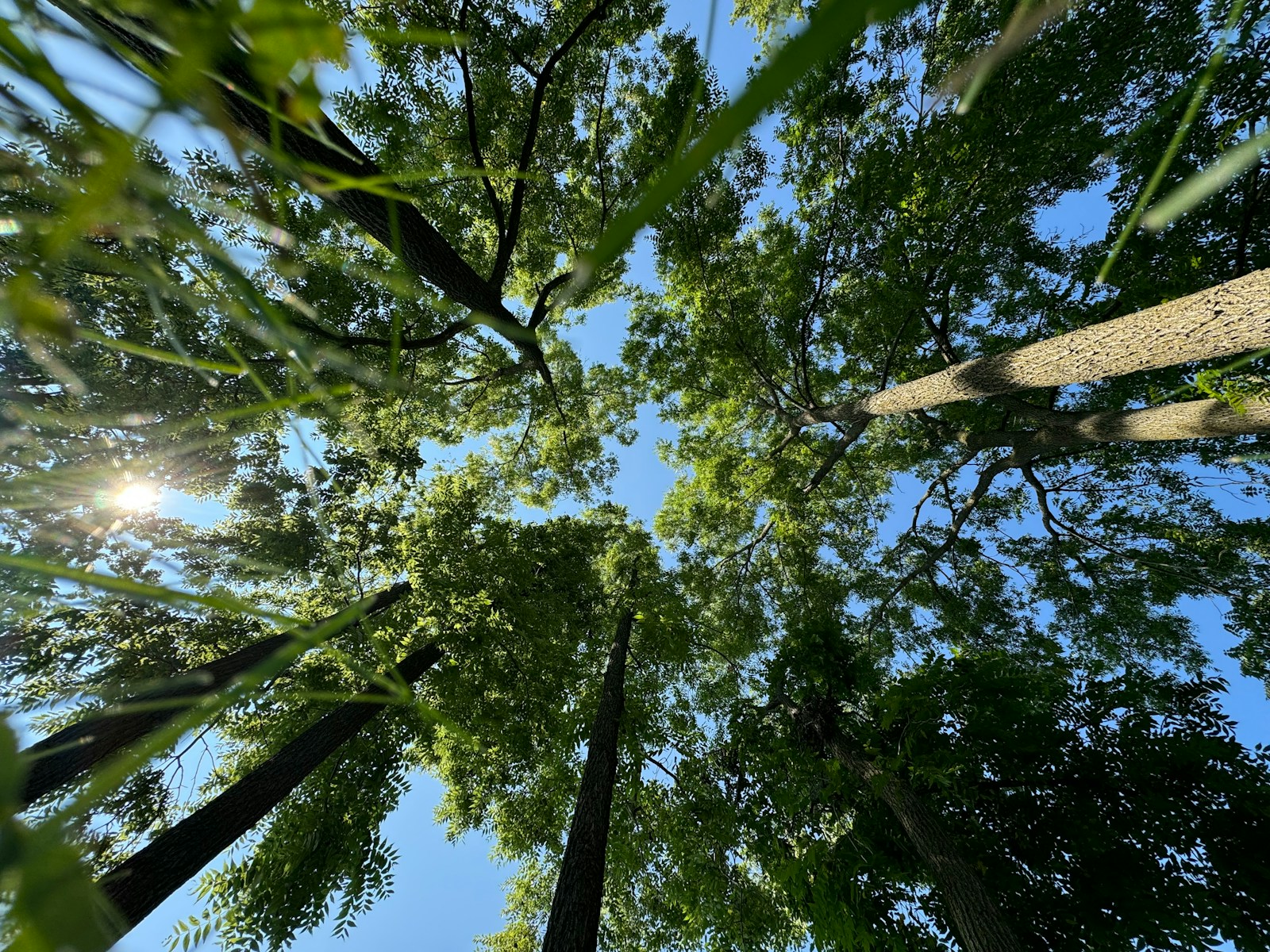
Black walnut (Juglans nigra) is a tall native hardwood of eastern North America, grown for strong-flavored nuts, shade and valued timber. It is easy to grow but hard to live beside. The tree gets very large, takes years to bear, and releases a chemical that harms many garden plants. Difficulty: easy to grow, demanding to site.
Sowing and planting
Choose the site before anything else. A black walnut needs full sun and deep soil, the kind found on bottomland and lower slopes. Keep the tree well away from buildings, septic lines, driveways and any bed where you grow food.
Black walnut roots, hulls and leaves release juglone, a natural chemical that stunts, wilts or kills tomatoes, potatoes, peppers, eggplants, apples, blueberries, azaleas and other sensitive plants. Keep those plants at least 50 to 80 feet (15 to 24 m) from the trunk. The effect lasts for years after a tree is cut down, because the roots keep releasing juglone as they decay. Fresh hulls also stain skin, clothes and concrete dark brown, so wear waterproof gloves and old clothes when you handle them.
You have two ways to start a tree.
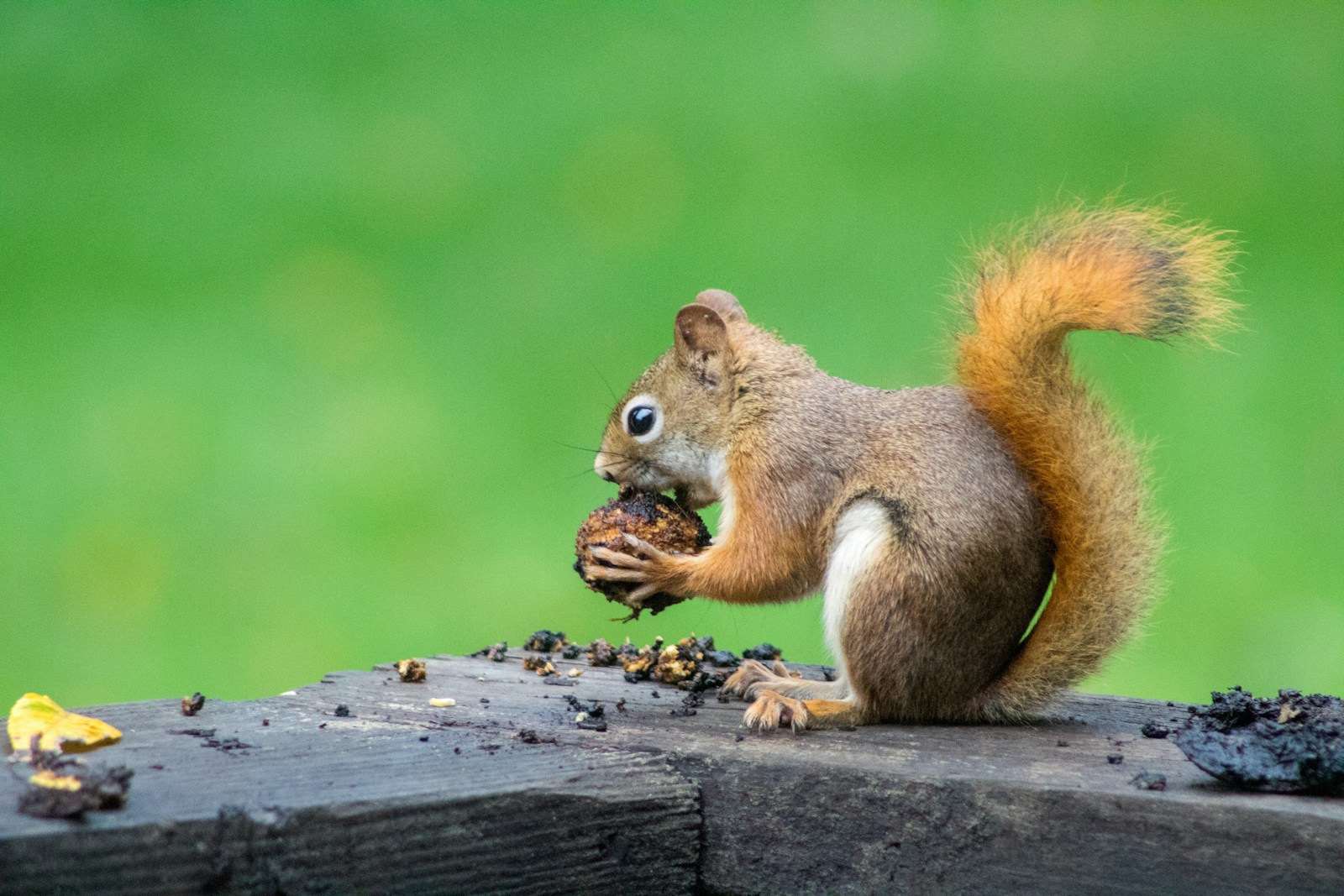
From nuts. Gather fresh nuts in autumn and remove the hulls. Drop the cleaned nuts in a bucket of water and discard any that float, since these are usually empty. Walnut seed needs stratification (a long cold, moist spell that breaks dormancy). The simple way is to plant in autumn and let winter do the work. Set each nut 1 to 2 inches (2.5 to 5 cm) deep where the tree is to grow. Squirrels dig up almost every unprotected nut, so pin a piece of hardware cloth (stiff wire mesh) over the spot.
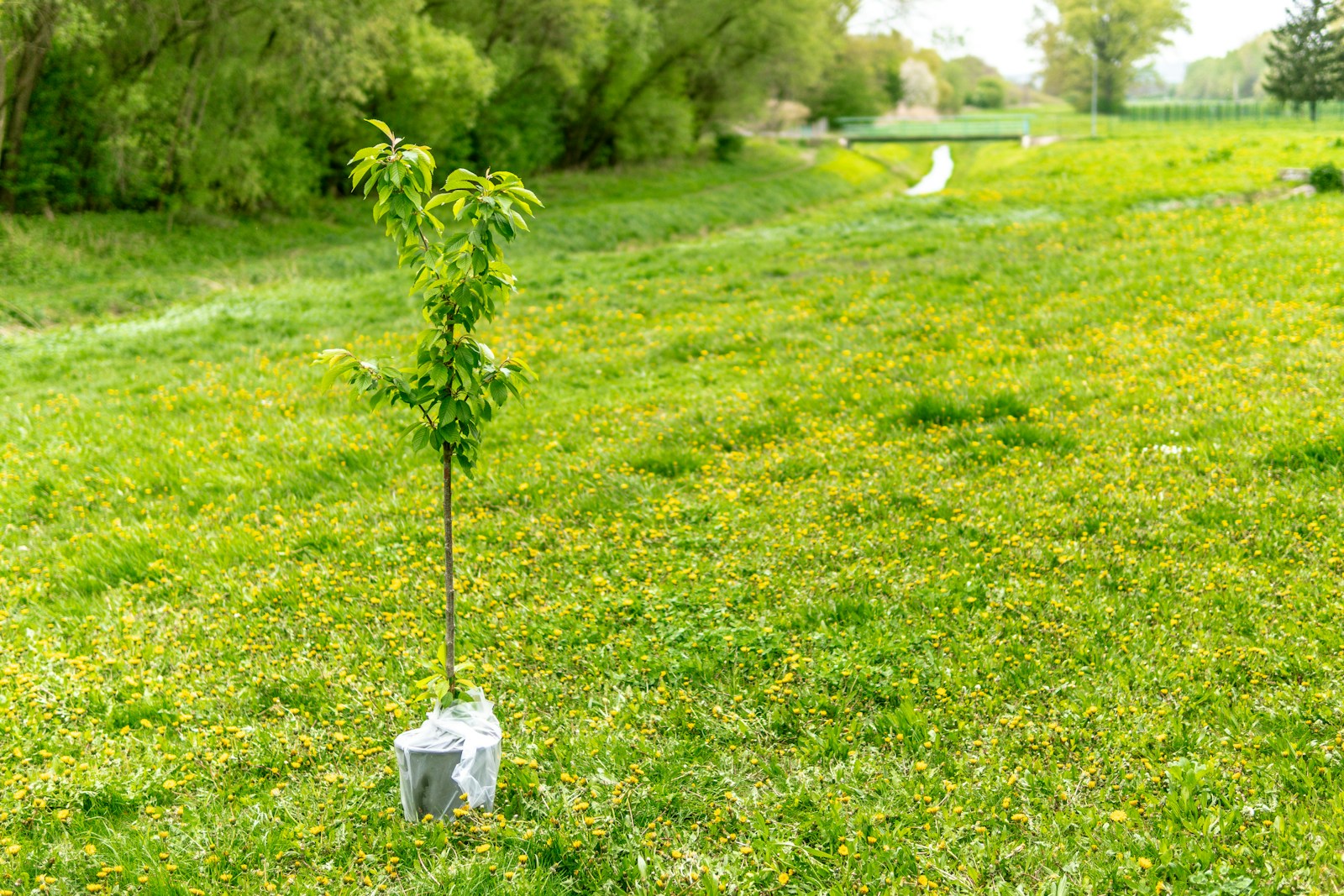
From nursery trees. Buy young trees, either bare-root (sold dormant without soil) or in deep pots. Plant them while dormant, in early spring or in autumn after leaf fall. The taproot makes older trees hard to move, so small trees establish best. Dig a hole deep enough to take the taproot without bending it. Set the tree at the depth it grew in the nursery, backfill with the soil you removed, and water well. Grafted trees of named varieties bear sooner and crack out better than seedlings.
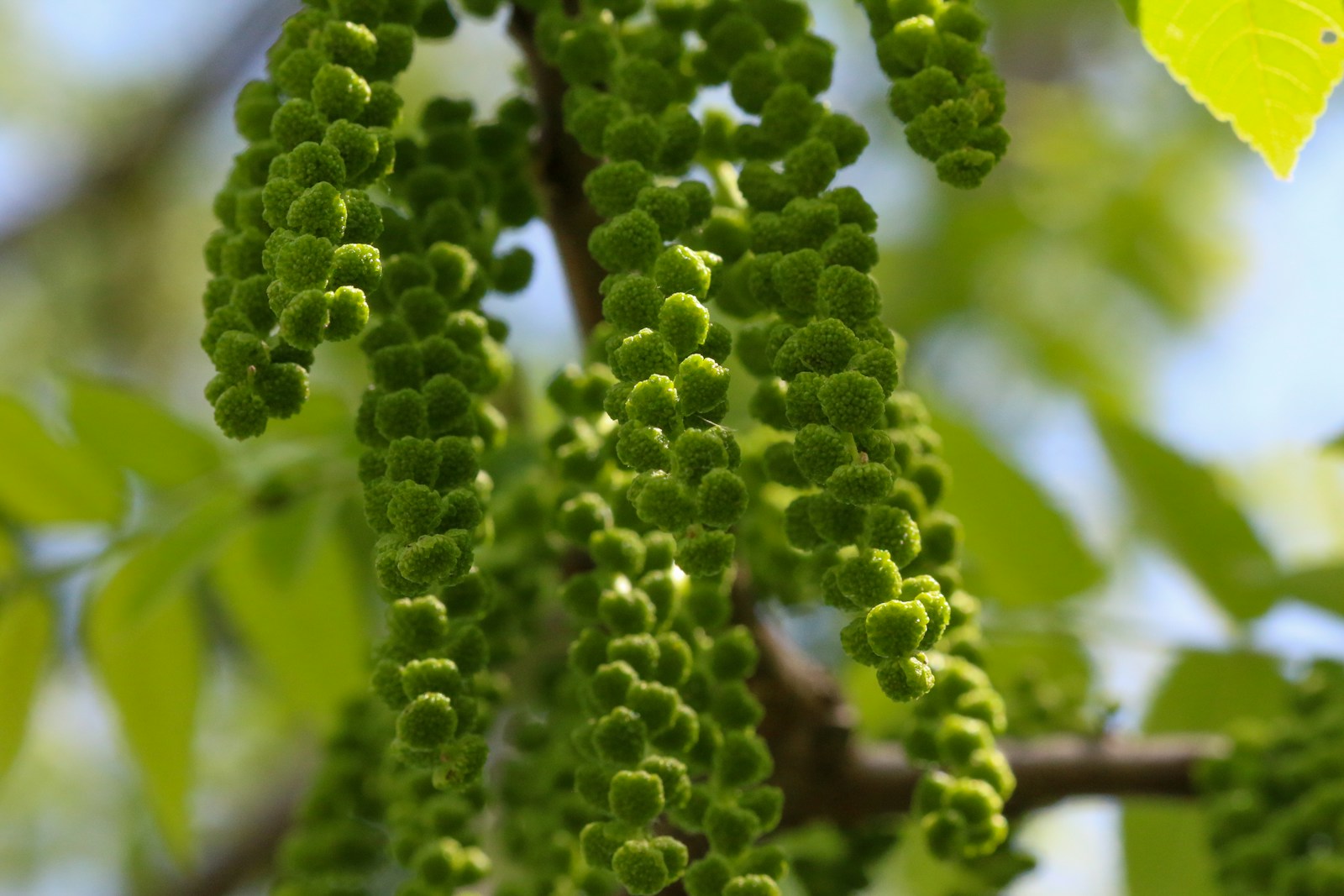
For nuts, plant at least two trees. Black walnut is wind pollinated, and a single tree often sheds pollen before or after its own female flowers are ready.
Growing on
Water young trees deeply in dry spells for the first two or three summers. After that, the taproot finds its own water in most soils.
Grass and weeds slow a young walnut more than anything else. Keep a weed-free circle 3 to 4 feet (about 1 m) across around the trunk. Cover it with wood chips 2 to 3 inches (5 to 8 cm) deep, kept clear of the bark.
Prune for a single straight trunk and widely spaced main branches. Remove crossing, broken and low limbs while they are small. Walnuts bleed sap heavily when cut in late winter and early spring. Many growers avoid it by pruning in summer once the leaves are fully out. Use sharp, clean tools, and leave any work that needs a ladder or a chainsaw to a trained arborist.
Guard young trunks against deer and rodents with a wire or plastic tree guard.
Plan the ground underneath, too. Many plants tolerate juglone, including most lawn grasses, corn, beans, onions, beets, carrots and squash. Do not use fresh walnut leaves, hulls or wood chips as mulch on sensitive crops. Never use black walnut shavings as horse bedding, because they can cause laminitis, a serious hoof disease.
Harvesting
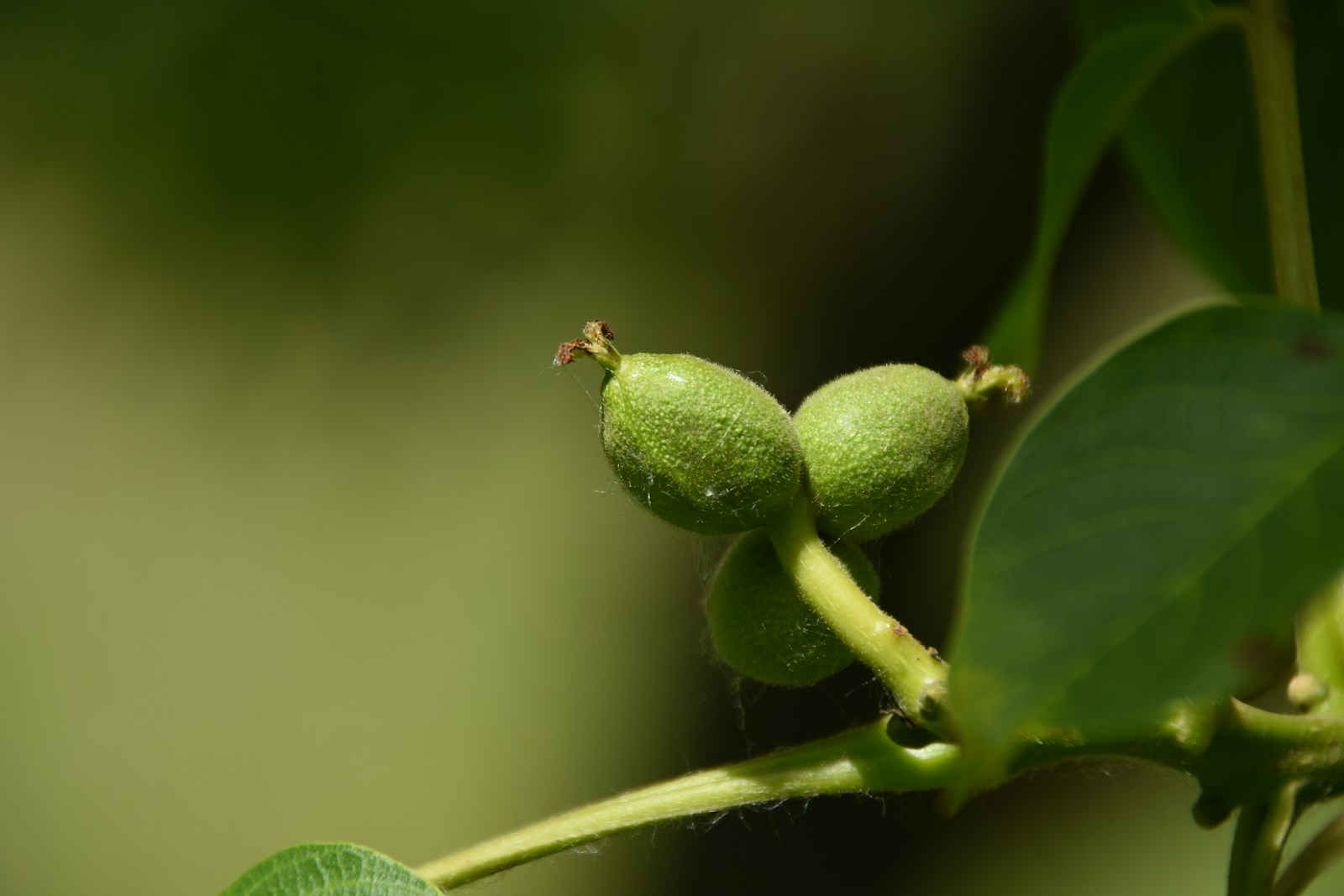
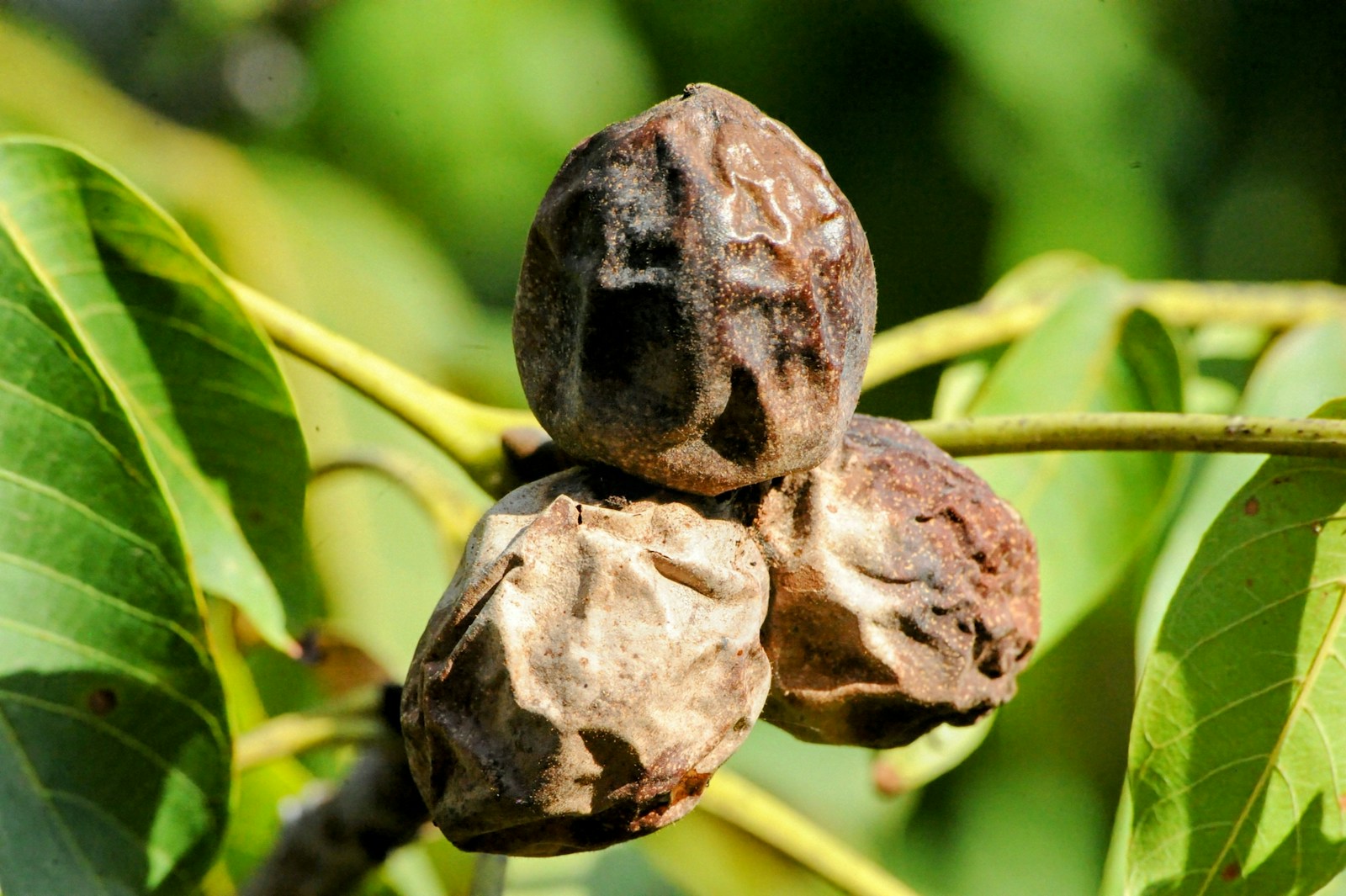
Nuts ripen in autumn and drop on their own, usually as the leaves turn yellow and fall. A ripe hull is yellow-green and dents when you press it with a thumb. Gather nuts every few days, before squirrels take them and before the hulls turn black and mushy.
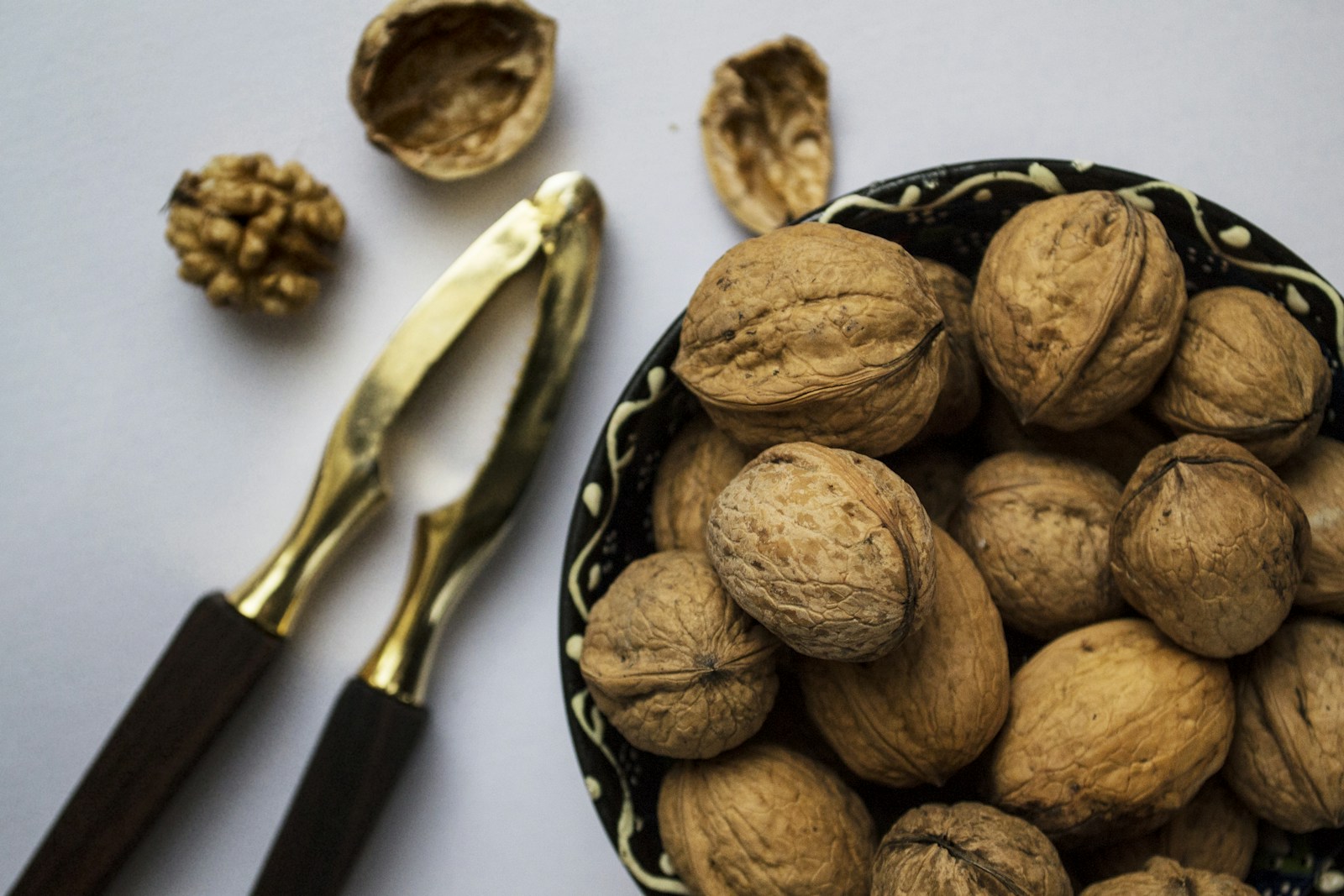
Hull them promptly, because a rotting hull darkens and spoils the flavor of the kernel. Put on waterproof gloves and old clothes first. Roll the nuts under a boot on a hard surface, or tap them with a mallet, and peel the hull away. Keep hulls out of the compost you use on vegetables, and out of reach of dogs, since moldy hulls can poison them.
Wash the hulled nuts in a bucket, stirring hard, and change the water until it runs fairly clear. Discard floaters. Spread the rest in a single layer in a cool, dry, airy place, away from rodents. Cure them for two to four weeks. A nut is ready when the kernel snaps cleanly.
The shell is far harder than an English walnut shell. Use a heavy lever-type nutcracker, a vise or a hammer, and wear eye protection against flying shell.
Black walnut also has a place in mountain history. Anthony Cavender's Folk Medicine in Southern Appalachia records that mountain families dabbed juice from green hulls on ringworm, and sometimes on shingles. These uses are history, not advice. This article is not medical advice, and hull juice can irritate skin.
Problems and pests
Plants near the tree yellow, wilt and die
This is juglone damage, not a disease of the walnut. Move sensitive plants outside the root zone, or grow them in raised beds with a root barrier and fresh soil. Rake fallen leaves and hulls off the beds.
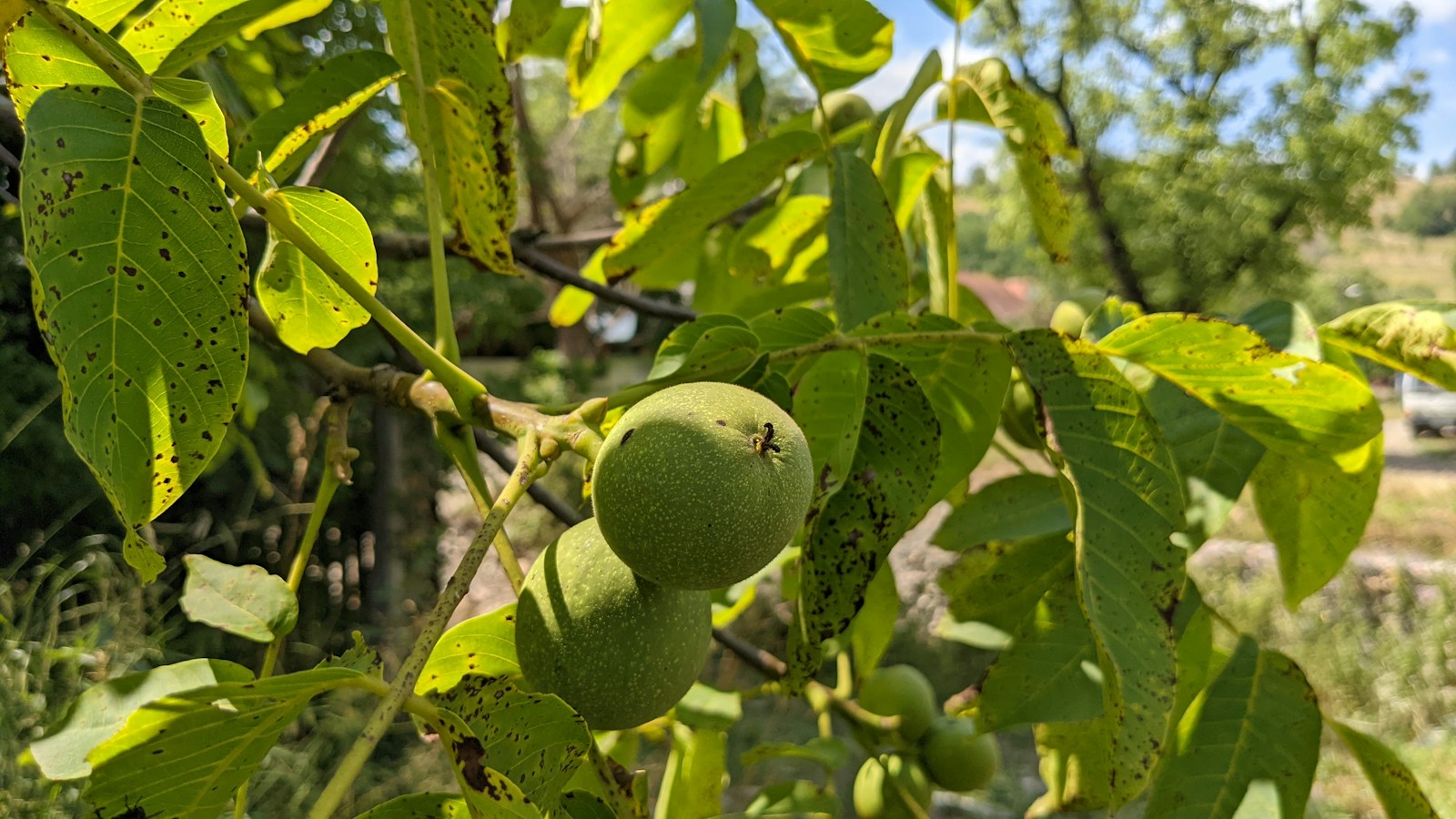
Leaves spot and drop in late summer
Dark spots followed by early leaf fall point to walnut anthracnose, a fungal leaf disease that is worst in wet years. Rake up and remove fallen leaves in autumn to reduce next year's infection.
Webbing or bare branches
Fall webworms spin tents over branch tips. Walnut caterpillars feed in clusters and can strip a limb. On small trees, prune out or knock down the clusters.
Black, slimy hulls with maggots
Walnut husk fly larvae tunnel in the hull. The kernel is usually still good, but the shell stains and the hull is harder to remove. Collect and hull nuts quickly, and clear fallen nuts from under the tree.
Branches die back from the top
Yellowing, thinning upper branches can signal thousand cankers disease. It is spread by the tiny walnut twig beetle, which carries a canker fungus. There is no home cure. Contact your state extension service or forestry agency if you suspect it. Do not move walnut firewood or logs, because that is how the beetle travels.
Varieties worth growing
Most black walnuts are sold as unnamed seedlings, which suit timber, shade and wildlife. For nuts, look for grafted trees of named varieties from specialist nut nurseries.
- 'Thomas': an old, widely grown variety with large nuts that crack well.
- 'Emma K': a thin-shelled nut with a high share of kernel.
- 'Sparrow': a dependable cropper with good leaf health.
- 'Kwik Krop': known for bearing at a younger age than most.
- Butternut or white walnut (Juglans cinerea): a related native species, not a variety. It has long, oval nuts and a mild, buttery kernel, and it also makes juglone. Wild butternut is in steep decline from butternut canker, a fungal disease with no cure. Plant only nursery-grown trees, and leave healthy wild butternuts standing.