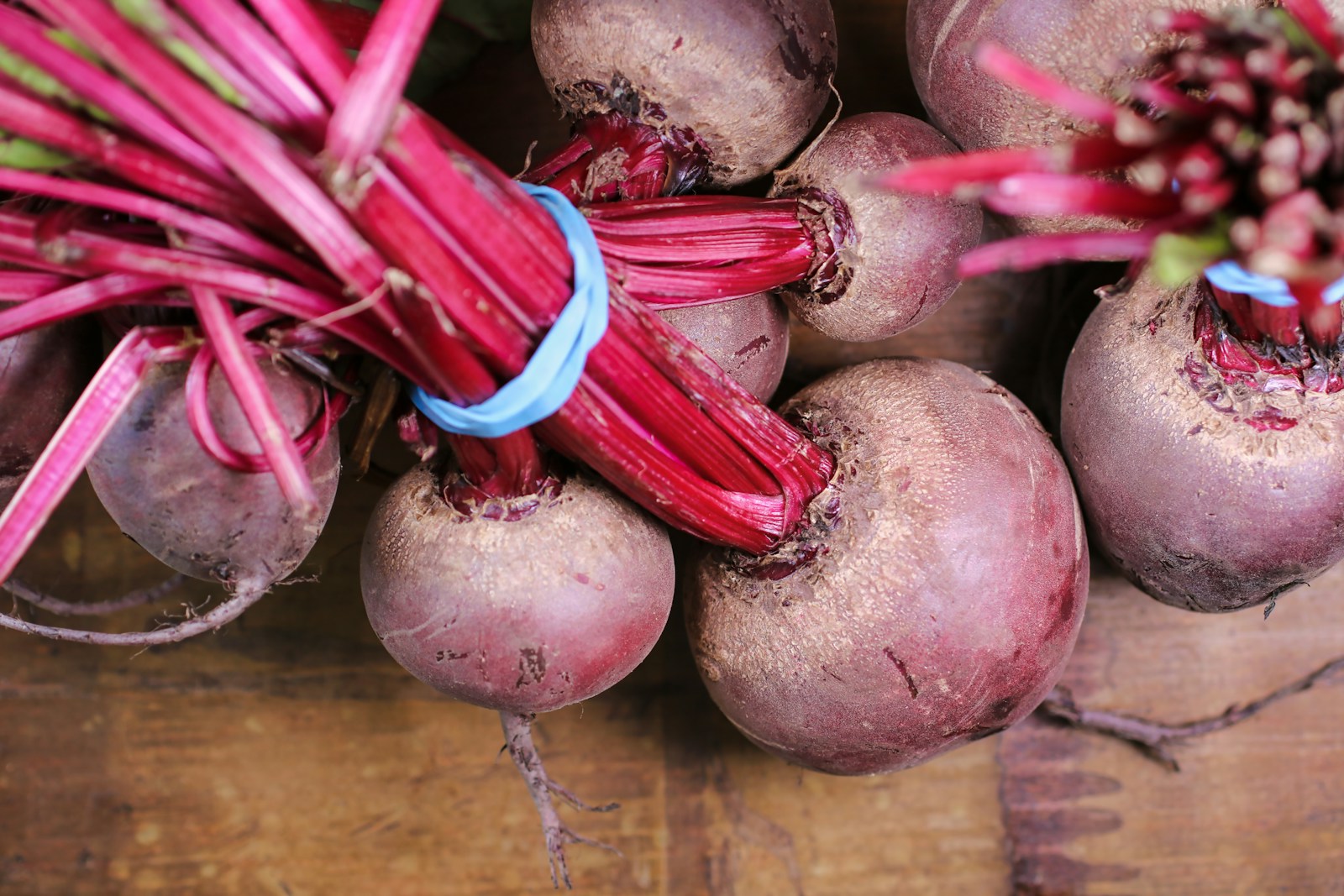
Beets are a fast, forgiving root crop that gives you two harvests from one plant: sweet roots and tender leafy greens. They grow well in beds, rows and deep containers. Beets are easy for beginners, provided you thin the seedlings early.
Sowing and planting
Beets are a cool-season crop. Sow them outdoors two to four weeks before your last frost, once the soil can be worked. Seed sprouts slowly in cold soil, so wait until it reaches at least 50°F (10°C). In warmer soil, seedlings appear in five to ten days.
Sow directly where the beets will grow. Roots form best when they are not disturbed. You can start them indoors in modules (small cell trays) four to five weeks before your last frost. Plant them out whole, without splitting the cell, once they have two true leaves.
Each beet "seed" is actually a dry cluster of two to four seeds. This means several seedlings often sprout from one spot. Soak seed for a few hours before sowing to soften the tough coat and speed germination.
Sow clusters 1 to 2 inches (2.5 to 5 cm) apart and 0.5 to 1 inch (1 to 2.5 cm) deep. Firm the soil lightly and keep it moist until shoots appear. A crust on the soil surface can stop seedlings breaking through, so water gently.
For a steady supply, make succession sowings (small batches sown in turn) every two to three weeks. Pause during the hottest part of summer, when roots turn woody and seed germinates poorly. Resume sowing in late summer for an autumn crop. Your last sowing should be about eight to ten weeks before your first frost.
In USDA zones 8 and warmer, you can sow through autumn and harvest into winter.
Growing on
Thin beets when the seedlings are about 2 inches (5 cm) tall. Snip the extras at soil level with scissors rather than pulling, which disturbs neighbouring roots. Leave one strong seedling every 3 to 4 inches (8 to 10 cm). The thinnings make good salad greens. A second thinning a few weeks later gives you baby beets and extra room for the rest.
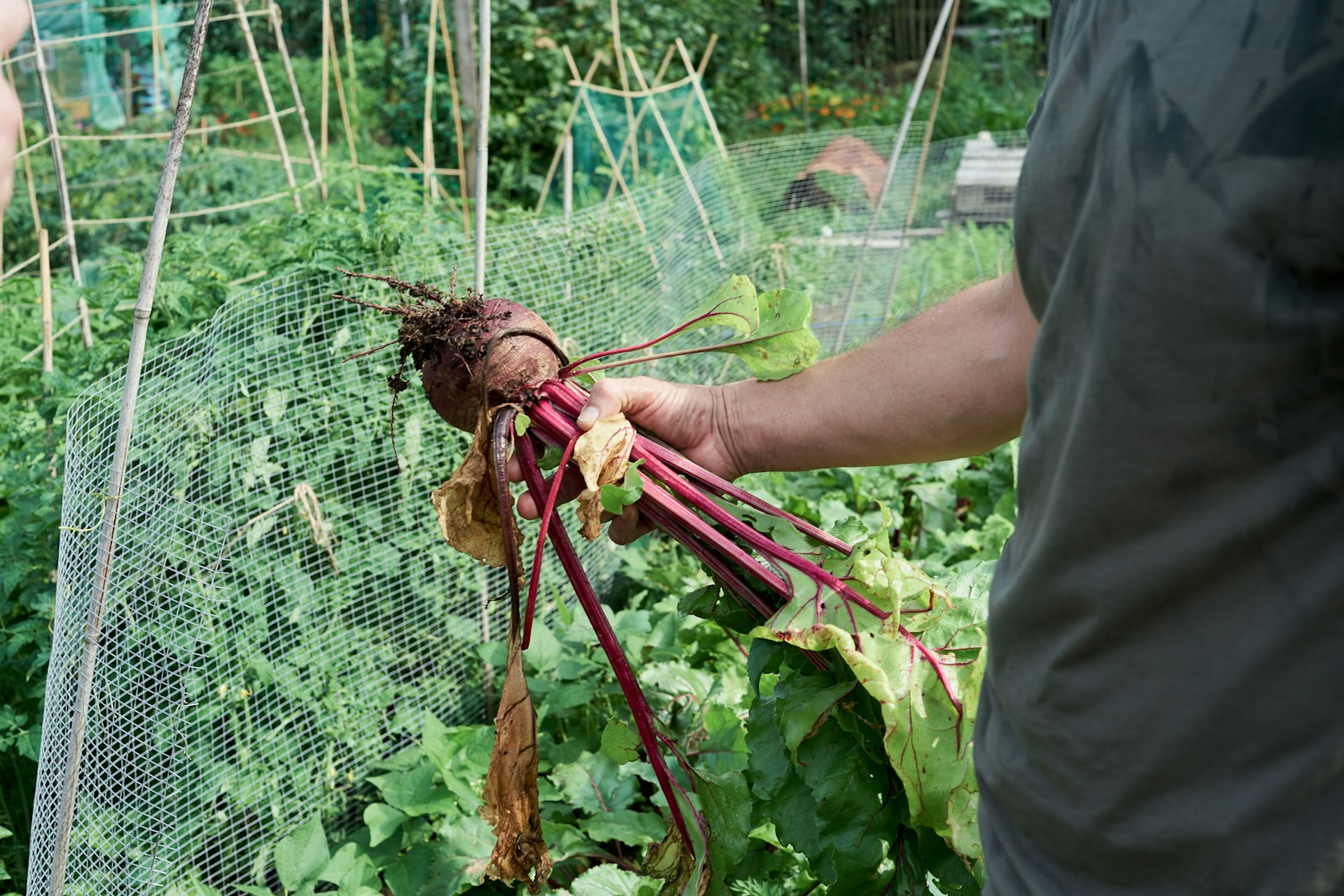
Keep the soil evenly moist. Uneven watering causes cracked, woody or stringy roots. Water deeply once or twice a week rather than a little each day.
Beets need moderate feeding. Work compost into the bed before sowing. Avoid high-nitrogen fertilizer, which gives lush leaves and small roots. A balanced organic fertilizer at sowing is usually enough for the whole crop.
Mulch lightly with straw or grass clippings once the seedlings are thinned. Mulch keeps the soil cool and moist and holds back weeds. Weed by hand near the plants, as a hoe can nick the shallow roots.
Pull a little soil over any shoulders that push above ground. Exposed tops can turn tough and green. Beets need no staking or pruning.
Beets grow well near lettuce, onions and brassicas such as cabbage. Keep them away from pole beans, which can shade and crowd them.
Harvesting
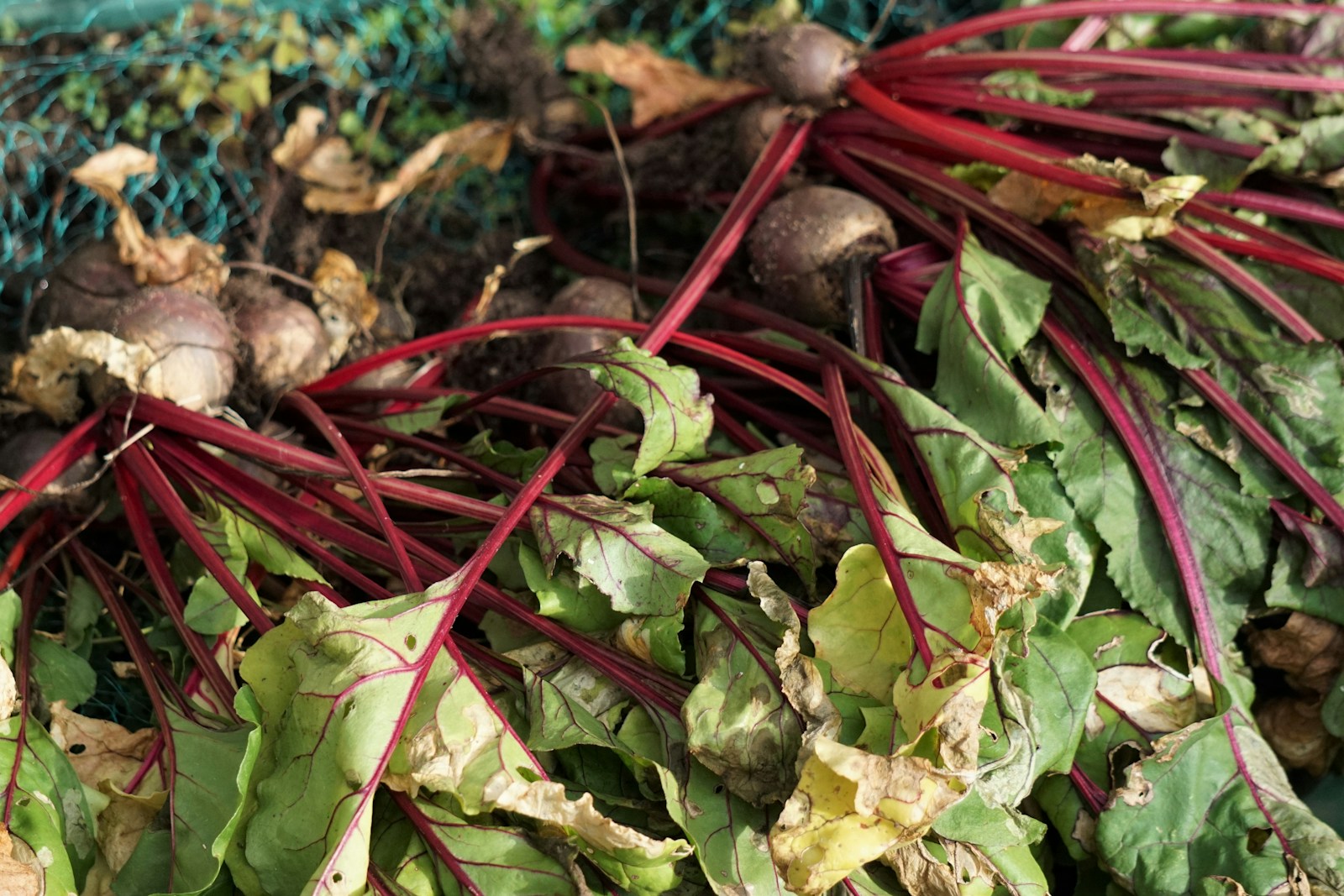
Pick beet greens at any stage. Take a few outer leaves from each plant, no more than a third at a time. Young leaves are the most tender.
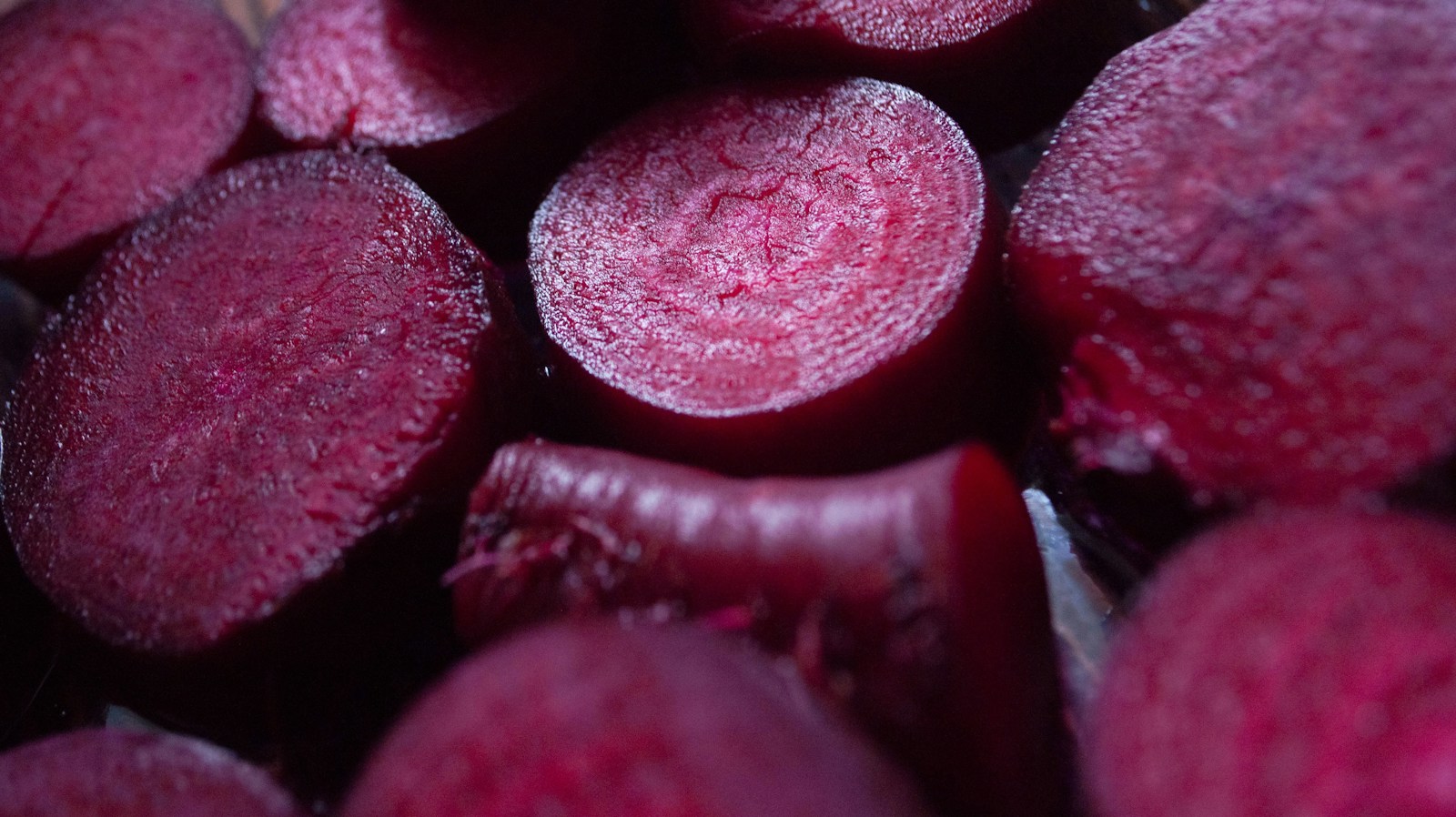
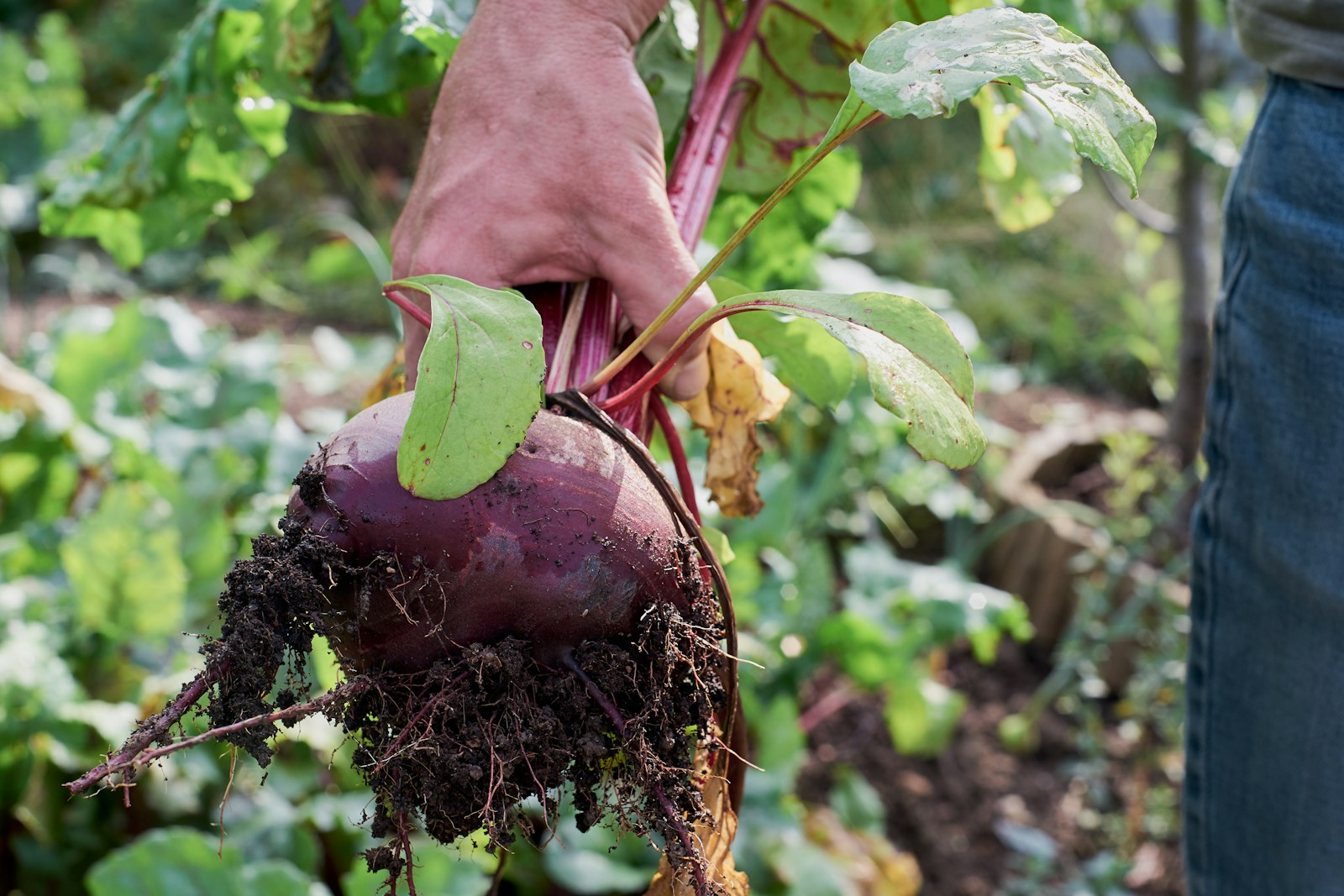
Pull roots when they are 1.5 to 3 inches (4 to 8 cm) across. Smaller roots are sweeter and more tender. Large roots over 4 inches (10 cm) often turn woody. Loosen the soil with a fork if it is firm, then grip the leaves near the crown and pull.
Twist or cut off the leaves, leaving about 1 inch (2.5 cm) of stem. Cutting too close makes the roots bleed colour when cooked. Do not trim the long tap root until you are ready to cook.
Store unwashed roots in a plastic bag in the fridge for several weeks. For longer storage, pack them in damp sand in a cool, frost-free place. Greens keep only a few days, so use them quickly.
Beets tolerate light frost. In mild areas, you can leave autumn roots in the ground under a thick mulch and dig them as needed.
Thin early or the crop fails. Every beet seed is a cluster that sends up several seedlings. Left crowded, they compete and form small, misshapen roots or none at all. Thin to one plant every 3 to 4 inches (8 to 10 cm) while seedlings are still small.
Saving seed is less practical for home gardens. Beets flower only in their second year, after a cold spell. They also cross freely by wind with chard and other beets, so seed rarely comes true.
Problems and pests
Poor or patchy germination
Cold soil, dry seed beds or a crusted surface cause poor sprouting. Soak seed before sowing, wait for warmer soil and keep the surface moist. Cover the row with a thin layer of fine compost to stop crusting.
Pale tunnels or blotches inside the leaves
Leaf miners are fly larvae that feed between leaf surfaces. Pick off and destroy affected leaves. Cover young plants with floating row cover from sowing to keep the adult flies off.
Small grey spots with purple edges
Cercospora leaf spot is a fungal disease that spreads in warm, humid weather. Remove spotted leaves, water the soil rather than the foliage and give plants room. Rotate crops so beets and chard do not grow in the same spot each year.
Black patches or rings inside the root
This is often caused by a shortage of boron, a trace nutrient. It is more common in dry, alkaline or sandy soil. Add compost regularly and keep the soil evenly moist. Only add a boron supplement after a soil test, as too much is harmful to plants. Wear gloves and follow the label if you use one.
Plants flower instead of forming roots
This is called bolting. It follows a long spell of cold weather after sowing, or stress from heat and drought. Sow when the soil is warm enough and choose a bolt-resistant variety for early sowings.
Varieties worth growing
- Detroit Dark Red: reliable round, deep red roots with good flavour.
- Early Wonder: quick-growing round beet with plenty of useful greens.
- Boltardy: bolt-resistant red beet suited to early sowings.
- Chioggia: Italian heirloom with red and white rings inside.
- Burpee's Golden: sweet golden roots that do not bleed colour.
- Cylindra: long, cylinder-shaped roots that slice evenly.
- Bull's Blood: dark red leaves grown mainly for colourful greens.