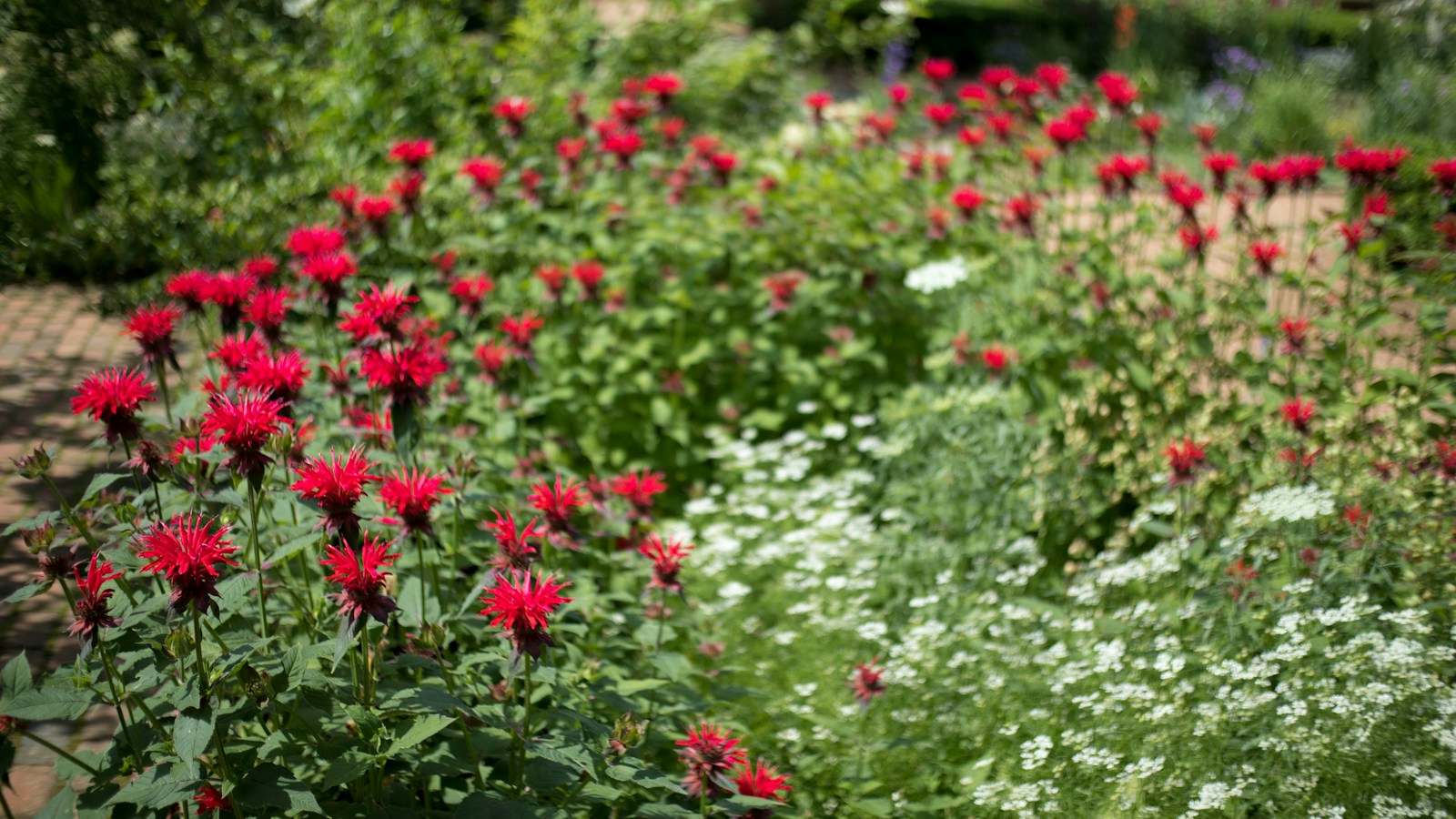
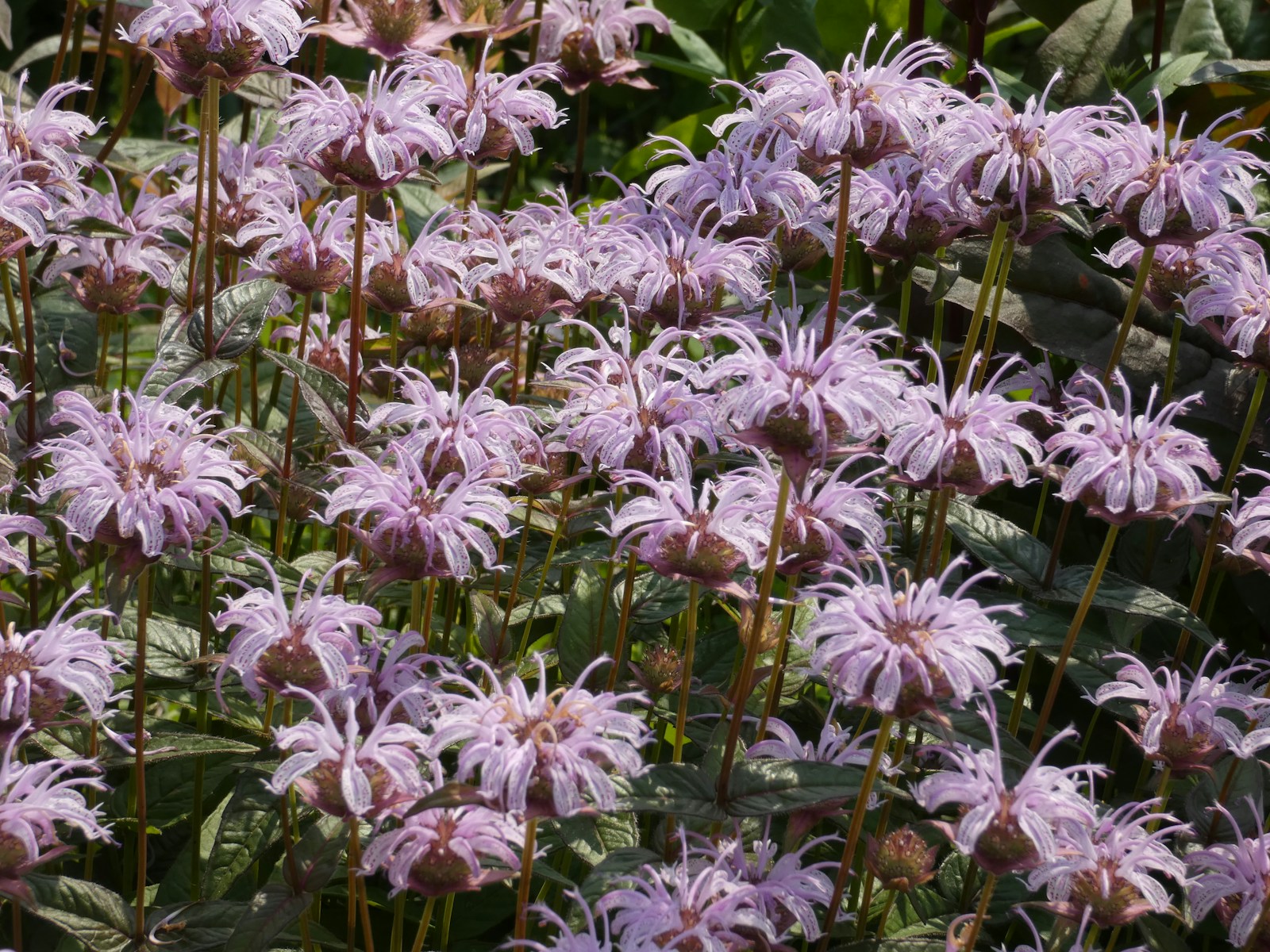
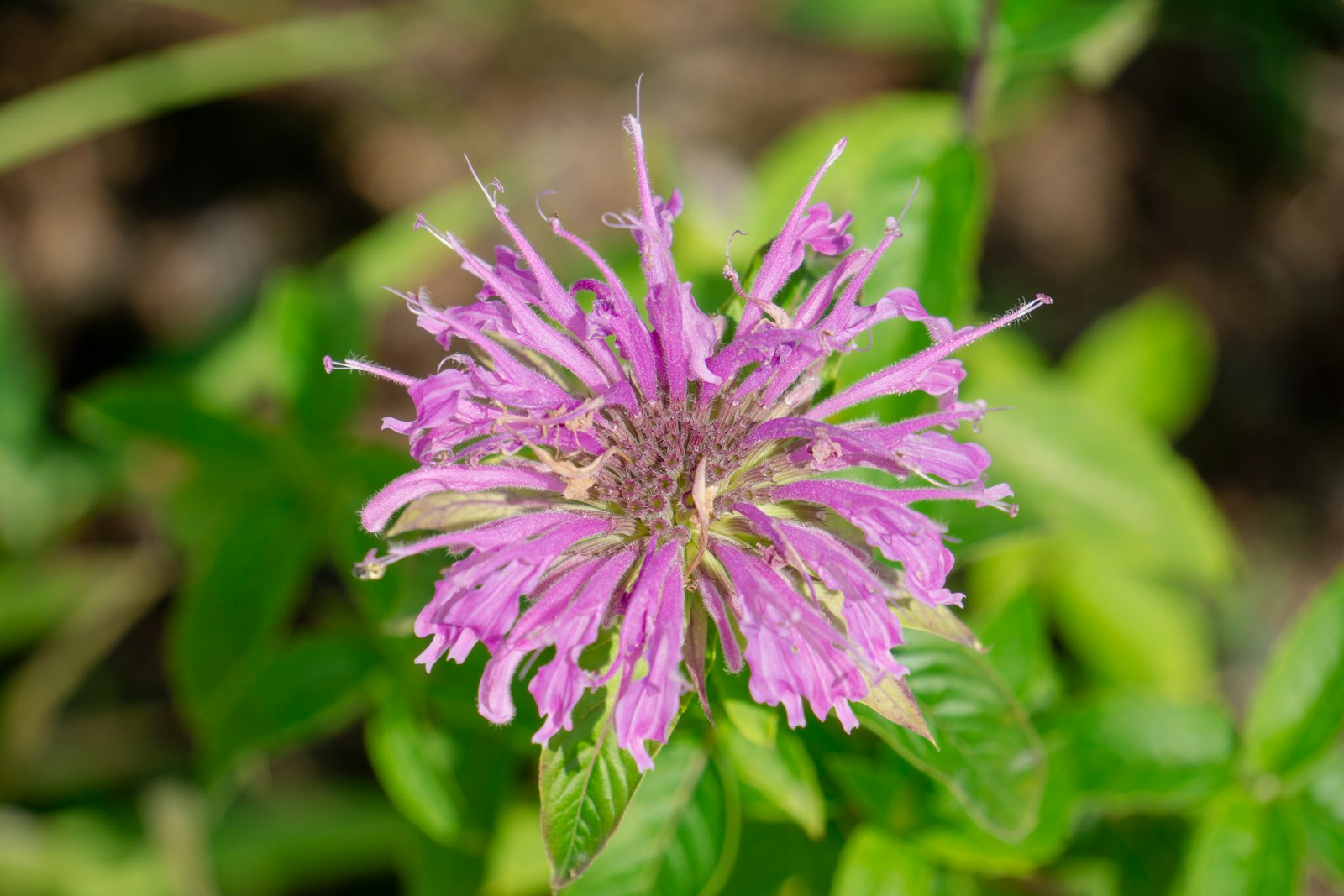
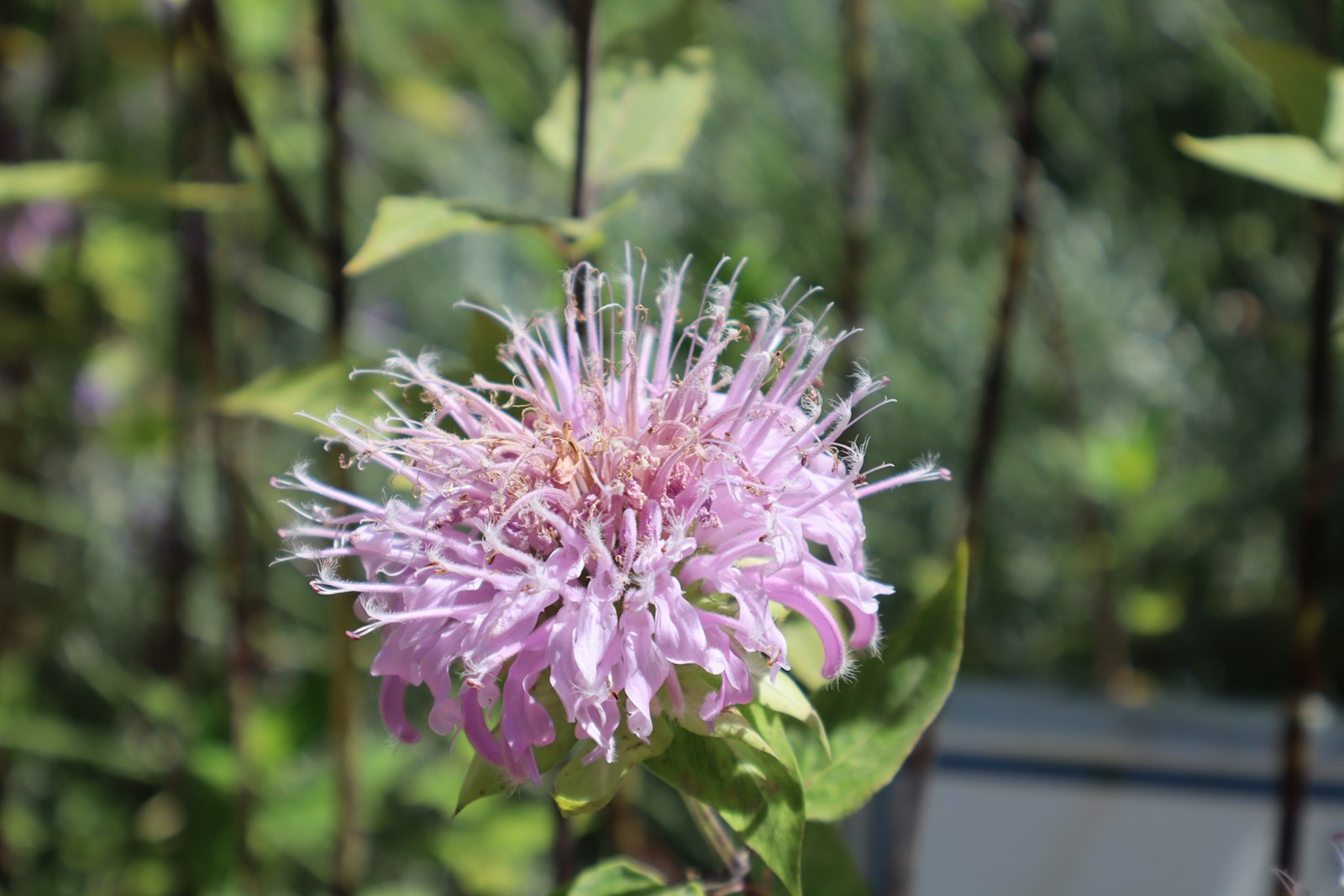
Bee balm is a clump-forming perennial in the mint family, native to eastern and central North America. Its shaggy, crown-like flower heads draw hummingbirds, bumblebees and butterflies through the warmest part of summer. The leaves smell of citrus and mint and make a pleasant herbal tea. Two species fill most gardens. Scarlet bee balm (Monarda didyma) has red to pink flowers and likes moist soil. Wild bergamot (Monarda fistulosa) has soft lavender flowers and copes with drier ground. Spotted horsemint (Monarda punctata) is a different plant with its own profile. Bee balm is easy to grow; the only real skill is keeping powdery mildew in check.
Sowing and planting
Most gardeners start with a nursery plant or a division from a friend. Named cultivars do not come true from seed, so buy those as plants. Seed is a cheap way to grow the straight species.
Sowing indoors. Sow 8 to 10 weeks before your last frost. Scatter the tiny seed on the surface of damp seed compost and press it in lightly. Do not cover it, because it needs light to sprout. Keep the tray at 65 to 70°F (18 to 21°C) under a clear lid. When seedlings have two true leaves (the first leaves after the round seed leaves), move them into their own small pots.
Sowing outdoors. You can also sow directly in autumn or in early spring while nights are still cool. Press the seed onto raked soil and keep it moist until it sprouts. Seed-grown plants usually flower lightly or not at all in their first year.
Planting out. Harden off seedlings (getting them used to outdoor sun and wind over 7 to 10 days) before planting out after your last frost. Set nursery plants out in spring or early autumn, at the same depth they grew in the pot. Space them 18 to 24 inches (45 to 60 cm) apart. Good air flow matters more than a full-looking border on day one.
Siting. Choose full sun and a spot with moving air. Avoid tight corners and walls, where mildew thrives. Bee balm spreads by shallow underground stems called rhizomes. It is less aggressive than true mint, but give it room or edge the bed.
Growing on
Watering. Water deeply once a week in dry spells, aiming at the soil rather than the leaves. M. didyma sulks in dry soil and becomes more prone to mildew under drought stress. M. fistulosa needs water only in long dry spells once it is established.
Feeding. Rich soil gives soft, floppy growth. Spread 1 to 2 inches (2.5 to 5 cm) of compost around the clump each spring and skip other feeding.
Mulching. Mulch lightly to hold moisture, keeping it an inch (2.5 cm) clear of the stems.
Pinching and staking. Tall plants can lean after heavy rain. In late spring, when stems reach about 12 inches (30 cm), cut a third of the stems back by half. This gives shorter, sturdier plants and a longer flowering season. Staking is rarely needed after this.
Thinning. In spring, remove about a third of the new shoots at ground level. The thinner clump dries faster after rain and stays healthier.
Deadheading. Snip spent flower heads back to the next pair of side buds. Smaller side flowers often follow. Leave some late heads standing if you want seed for birds.
Dividing. Every 2 to 3 years the centre of the clump dies out. Lift it in early spring, discard the woody middle, and replant the vigorous outer pieces.
Companions. Bee balm sits well with coneflowers, phlox, grasses and other sun-loving perennials. Near a vegetable plot it brings in pollinators for squash and beans.
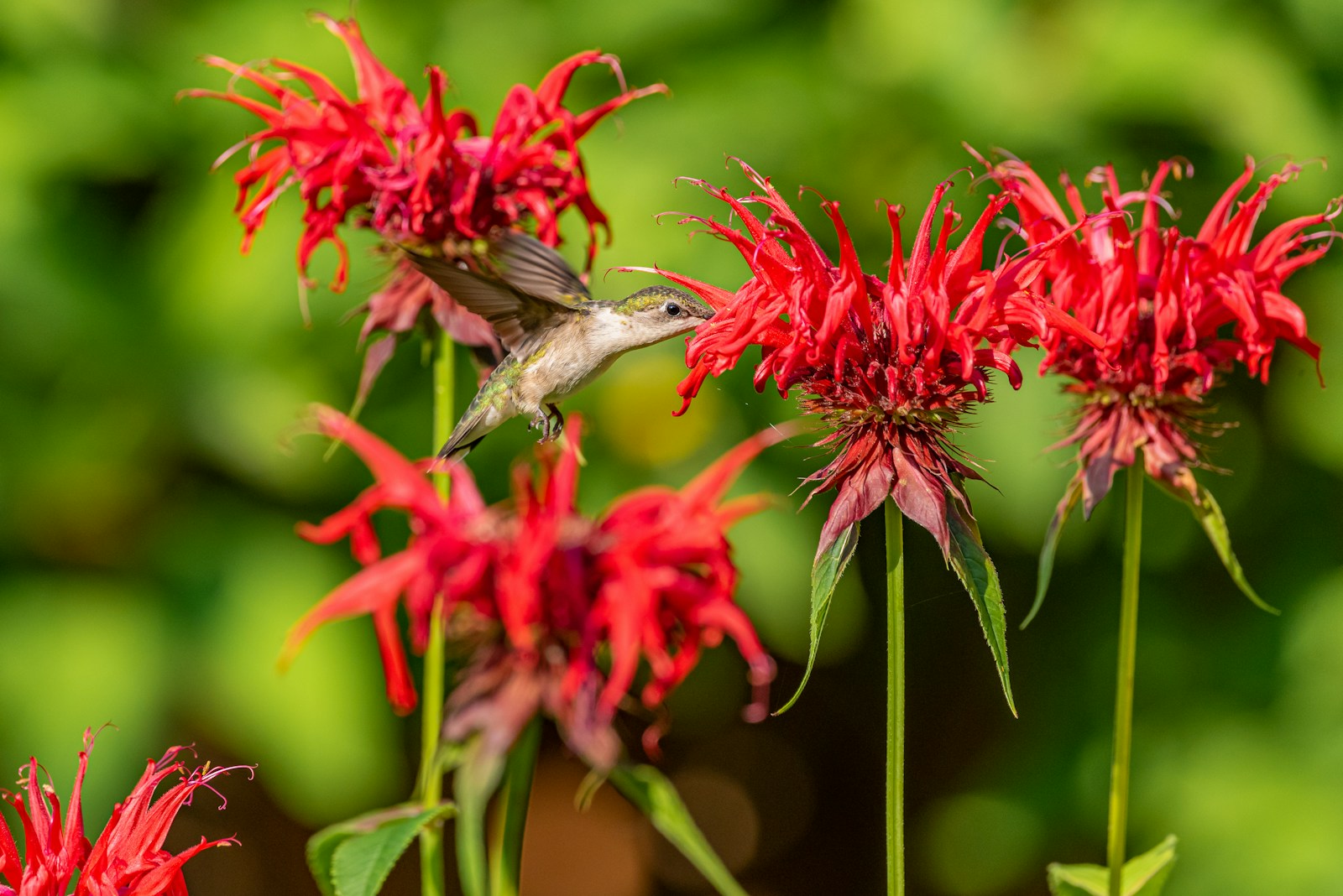
Pollinators. Tubular red flowers are a favourite of hummingbirds. Lavender and pink types draw bumblebees and butterflies. Avoid insecticides near the plants while they are in bloom.
Harvesting
Cut flowers. Cut stems in the cool of the morning when about half the florets on a head have opened. Strip the lower leaves and stand the stems in cool water straight away. They last about a week in a vase. Flower heads also dry well hung upside down in a dark, airy place.
Leaves for tea. Pick young leaves any time from spring onward. Flavour is strongest just before the plant blooms. Use them fresh, or dry them on a screen out of direct sun until they crumble. Store dried leaves in an airtight jar away from light.
Edible flowers. The petals are edible and taste spicy and minty. Scatter them over salads or use them to garnish drinks. Only eat flowers grown without sprays.
Saving seed. Let a few heads dry brown on the plant in late summer. Cut them and shake the tiny seed into a paper bag. Store it cool and dry. Seed from named cultivars gives variable results.
Problems and pests
Powdery mildew is the most common reason bee balm looks bad. Grey-white powder covers the leaves from midsummer, and badly hit leaves turn brown and fall. Crowded clumps, still air and dry roots all make it worse. Choose a mildew-resistant cultivar, space plants widely, thin the stems each spring, and water the soil in dry spells.
Grey-white powder on the leaves
This is powdery mildew, a fungal disease. It rarely kills the plant but spoils its looks. Cut badly affected stems to the ground after flowering, and fresh leaves usually follow. Remove the debris rather than composting it. Grow resistant cultivars in future.
Orange or brown spots under the leaves
This is rust, another fungal disease, common in humid weather. Pick off spotted leaves and improve air flow. Water early in the day at soil level so leaves dry quickly.
Bare, dead centre in the clump
The clump has grown old and congested. Divide it in early spring and replant only the young outer shoots in refreshed soil.
Fine speckling and webbing on the leaves
Spider mites, tiny sap-sucking pests, strike in hot, dry weather. Spray the undersides of the leaves with a strong jet of water every few days. Keeping the soil moist also discourages them.
Tall, floppy stems
Too much shade or overly rich soil gives soft growth. Move the clump to full sun, stop feeding, and pinch the stems back in late spring.
Varieties worth growing
- 'Jacob Cline' (M. didyma): tall, bright red flowers with good mildew resistance; a hummingbird favourite.
- 'Marshall's Delight': clear pink flowers on a mildew-resistant plant.
- 'Raspberry Wine': deep wine-red flowers on tall stems.
- 'Gardenview Scarlet': vivid scarlet flowers and good mildew resistance.
- 'Claire Grace' (M. fistulosa): soft lavender flowers and strong resistance to mildew.
- 'Petite Delight': a compact plant with rosy pink flowers for small beds and pots.