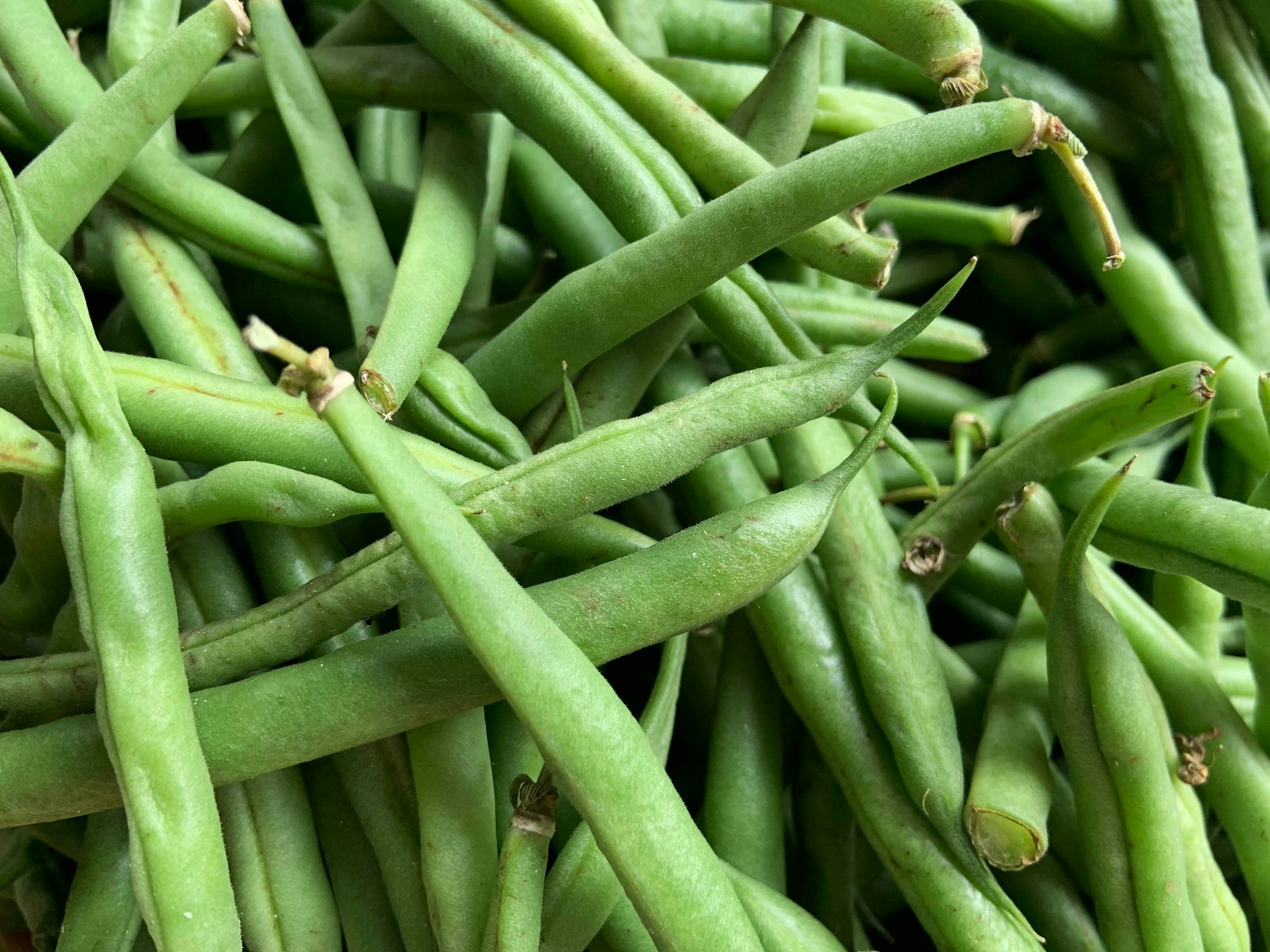
Beans are one of the easiest and most rewarding crops you can grow. They sprout fast, crop heavily and feed the soil as they go. Most are simple for beginners, though lima beans need a long, warm summer.
Sowing and planting
Warm-season beans
Bush, pole, runner and lima beans are tender. Sow them outdoors one to two weeks after your last frost, once the soil is at least 60°F (16°C). Lima beans prefer 65°F (18°C) or warmer. Cold, wet soil makes the seeds rot before they sprout.
Sow directly where they will grow. Beans dislike root disturbance, so indoor sowing is rarely worth it. If you must, sow in deep pots two to three weeks before your last frost and plant out without breaking the root ball.
Push seeds 1 to 1.5 inches (2.5 to 4 cm) deep. Water well once, then hold back until shoots appear. Soaking seed overnight can speed things up, but do not soak it longer.
For bush beans, sow a short row every two to three weeks until about ten weeks before your first frost. This succession sowing (planting small batches in turn) keeps pods coming all summer. Pole and runner beans crop for weeks, so one sowing is usually enough.
Put up supports before you sow climbers. Use poles, a teepee of canes or a trellis at least 6 feet (1.8 m) tall. Sow two seeds at the base of each pole and thin to the stronger one.
Fava beans
Fava beans are a cool-season crop and follow a different calendar. Sow them outdoors as soon as the soil can be worked in early spring, often four to six weeks before your last frost. In mild winters, roughly USDA zones 8 and warmer, you can sow them in autumn to overwinter. Fava plants stall and drop flowers in hot weather, so aim to harvest before summer heat arrives.
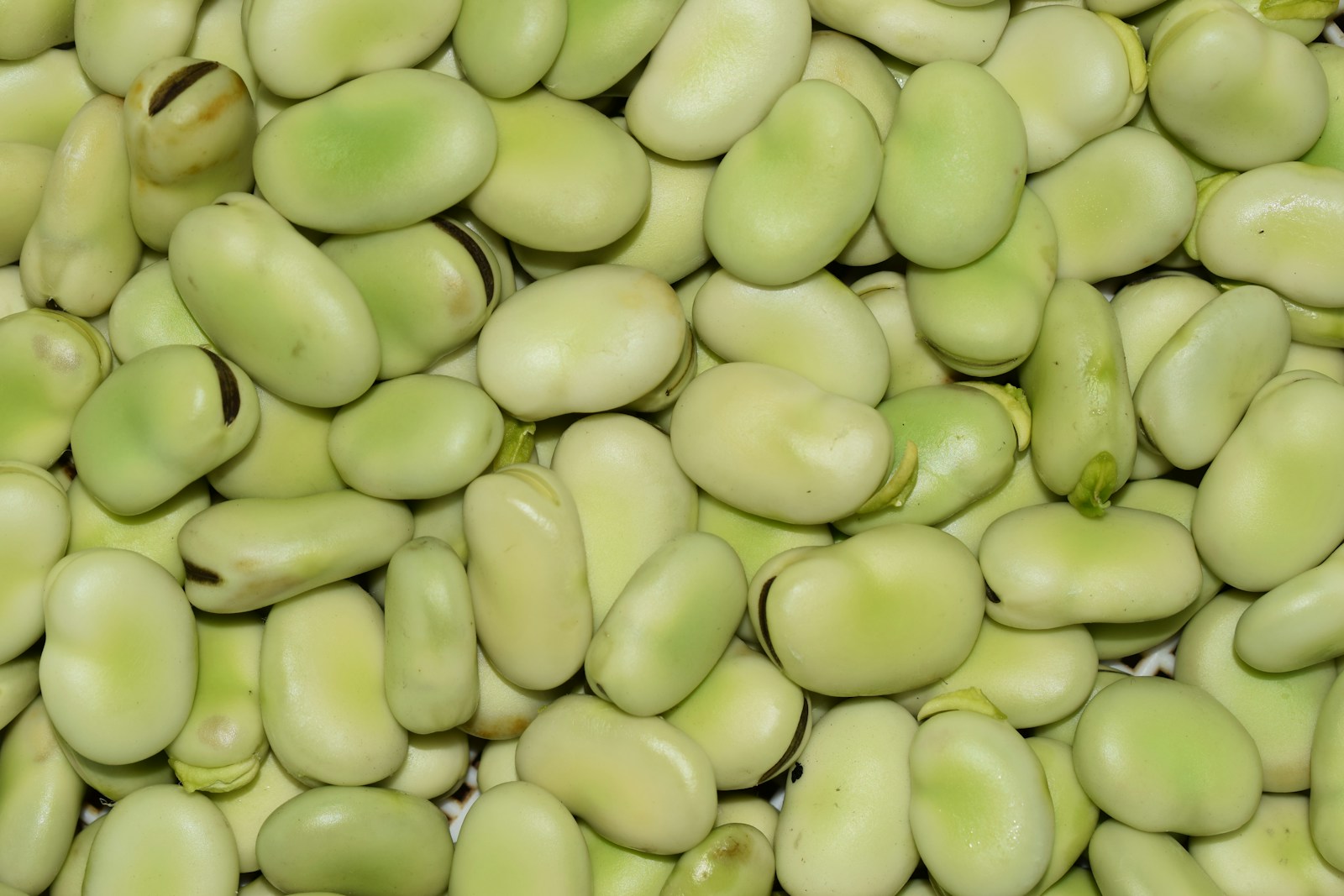
Sow them 2 inches (5 cm) deep in double rows about 9 inches (23 cm) apart.
Growing on
Keep the soil evenly moist, especially once flowers open. Dry spells at flowering cause blossoms to drop and pods to stay small. Water at the base in the morning so the leaves dry quickly.
Beans need little feeding. They host bacteria in root nodules that capture nitrogen from the air. Rich feeding produces leaves rather than pods. Work in compost before sowing and skip high-nitrogen fertilizer.
Mulch with straw or shredded leaves once the soil is warm. Mulch keeps roots cool, holds moisture and keeps mud off low pods.
Pole and runner beans twine up their supports on their own. Guide young shoots onto the pole in the first week. Pinch out the tips when they reach the top so the plant bushes out lower down. Bush beans stand alone, though a row can flop under a heavy crop. A string run along each side helps.
Fava beans can lean in wind. Run twine around a row on stakes. When the first pods set, pinch out the top 3 inches (8 cm) of growth. This removes the soft tips that black aphids favour.
Beans grow well beside corn, squash, carrots and cucumbers. Keep them away from onions and garlic, which can check their growth.
Harvesting
Pick snap beans when pods are firm and about as thick as a pencil, before the seeds bulge. Pick every two to three days. Regular picking keeps the plants flowering.
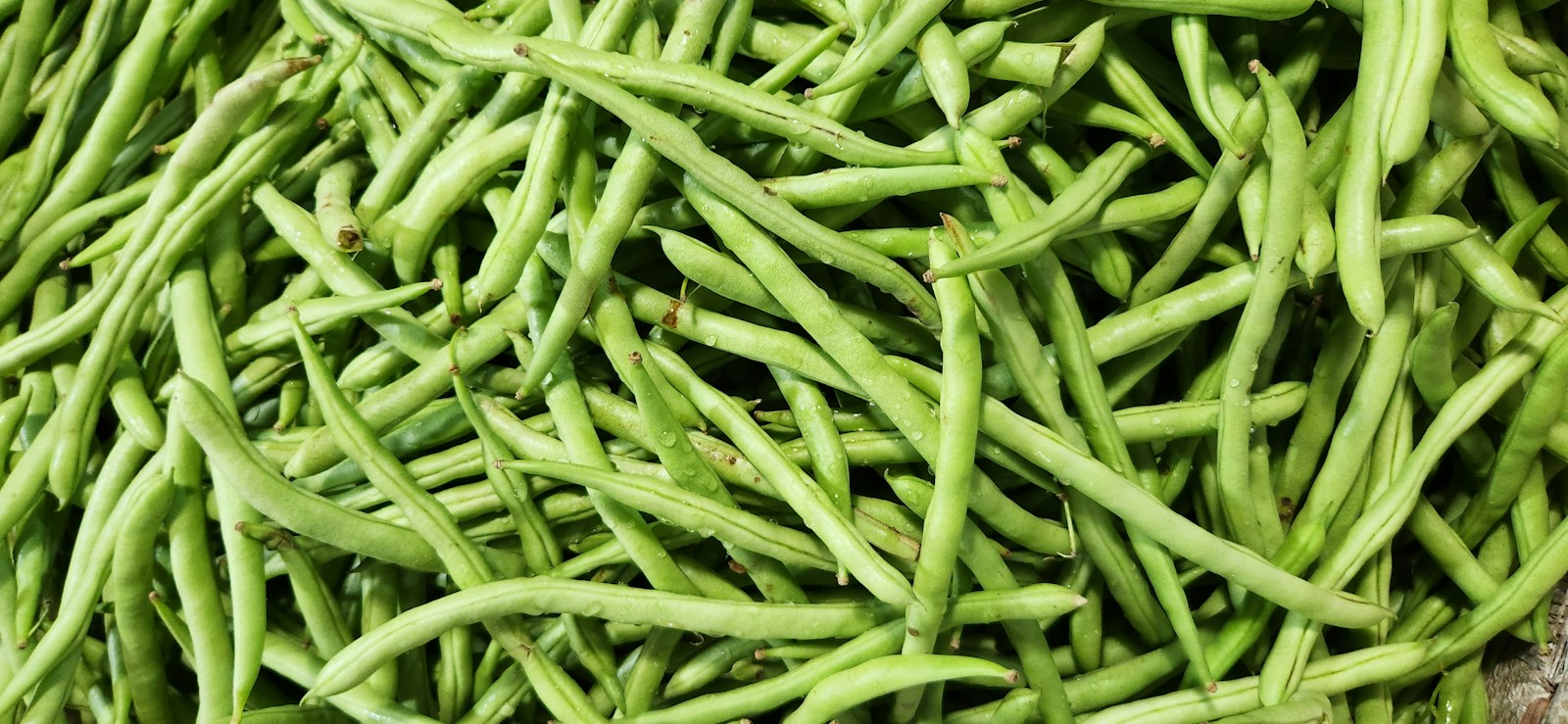
Hold the stem with one hand and snap the pod off with the other. This avoids tearing the plant.
Pick runner beans young, at 6 to 10 inches (15 to 25 cm), before they turn stringy. Harvest lima beans when the pods are plump and bright green and the beans inside have filled out. Pick fava beans when the pods are full and the beans are the size of a thumbnail. Older fava beans taste better with their pale outer skins slipped off after cooking.
For dry beans, leave pods on the plant until they are papery and rattle. Finish drying indoors, then shell and store in airtight jars.
Fresh pods keep about a week in the fridge. Snap beans freeze well after a brief blanch, which is a short dip in boiling water.
Cook dry beans thoroughly. Raw or undercooked dry beans, especially red kidney types, contain a natural toxin that causes severe stomach upset. Soak them, then boil hard for at least 10 minutes before simmering. Slow cookers alone may not get hot enough. Fava beans can trigger a dangerous reaction called favism in people with G6PD deficiency, an inherited enzyme condition, so check before serving them to others.
To save seed, grow an open-pollinated variety and leave a few pods to dry fully on the plant. Bush and pole beans rarely cross, so seed usually comes true. Runner and fava beans are visited by bees and can cross within their own kind, so grow only one variety of each if you save seed.
Problems and pests
Seeds do not come up
Cold, wet soil rots the seed. Wait until the soil is warm enough and avoid watering heavily before shoots appear. Seedcorn maggots can also eat sprouting seed in cool spring soil. Sowing later into warm soil is the best fix.
Leaves chewed into lace
Mexican bean beetles, which are coppery ladybird-like beetles with spiky yellow larvae, eat leaves from below. Hand-pick adults, larvae and yellow egg clusters daily. Cover young plants with floating row cover until flowering.
Black or green insects clustered on tips
Aphids gather on soft shoots, especially on fava beans. Pinch out infested tips, or knock the insects off with a strong spray of water. Insecticidal soap works on the rest. Spray it in the cool of the evening and follow the label, as it can scorch leaves in strong sun.
Rust-coloured spots or white powder on leaves
Rust and powdery mildew are fungal diseases. They spread in damp, crowded conditions. Give plants room, water the soil rather than the leaves, and remove badly affected foliage. Avoid handling plants when they are wet.
Flowers drop without setting pods
Heat above about 85°F (29°C), dry soil or, for runner beans, a lack of bees cause flower drop. Keep the soil moist and mulched. Grow flowers nearby to attract pollinators.
Varieties worth growing
Bush beans
- Provider: reliable green bean that copes with cool soil.
- Contender: early, stringless green pods on sturdy plants.
- Royal Burgundy: purple pods that turn green when cooked.
Pole beans
- Blue Lake: classic stringless green bean with a long picking season.
- Kentucky Wonder: heavy-cropping heirloom with flat, flavourful pods.
Runner beans
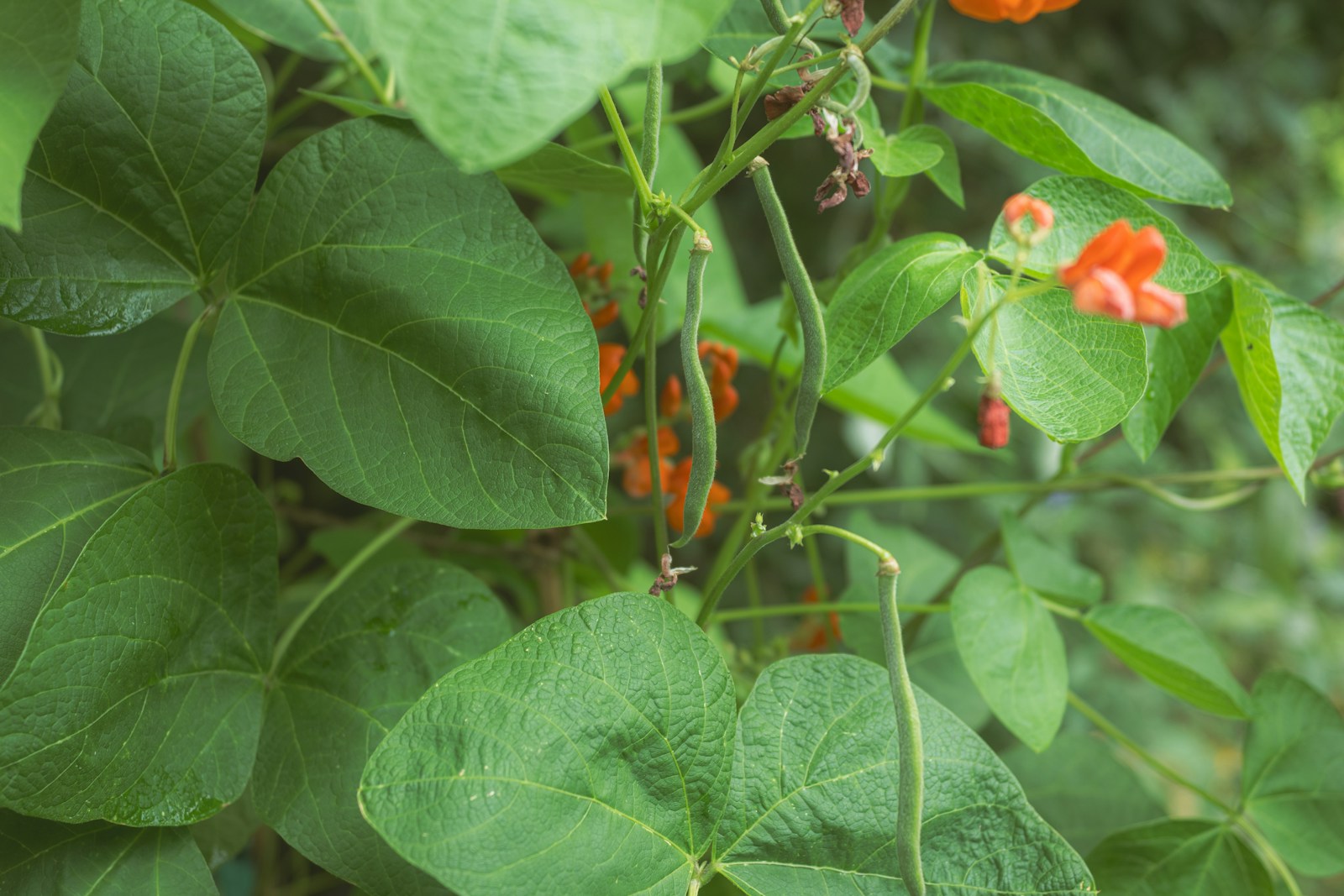
- Scarlet Emperor: bright red flowers and long, well-flavoured pods.
Lima beans
- Fordhook 242: bush lima with large, plump beans.
Fava beans
- Aquadulce Claudia: hardy variety suited to autumn sowing in mild areas.