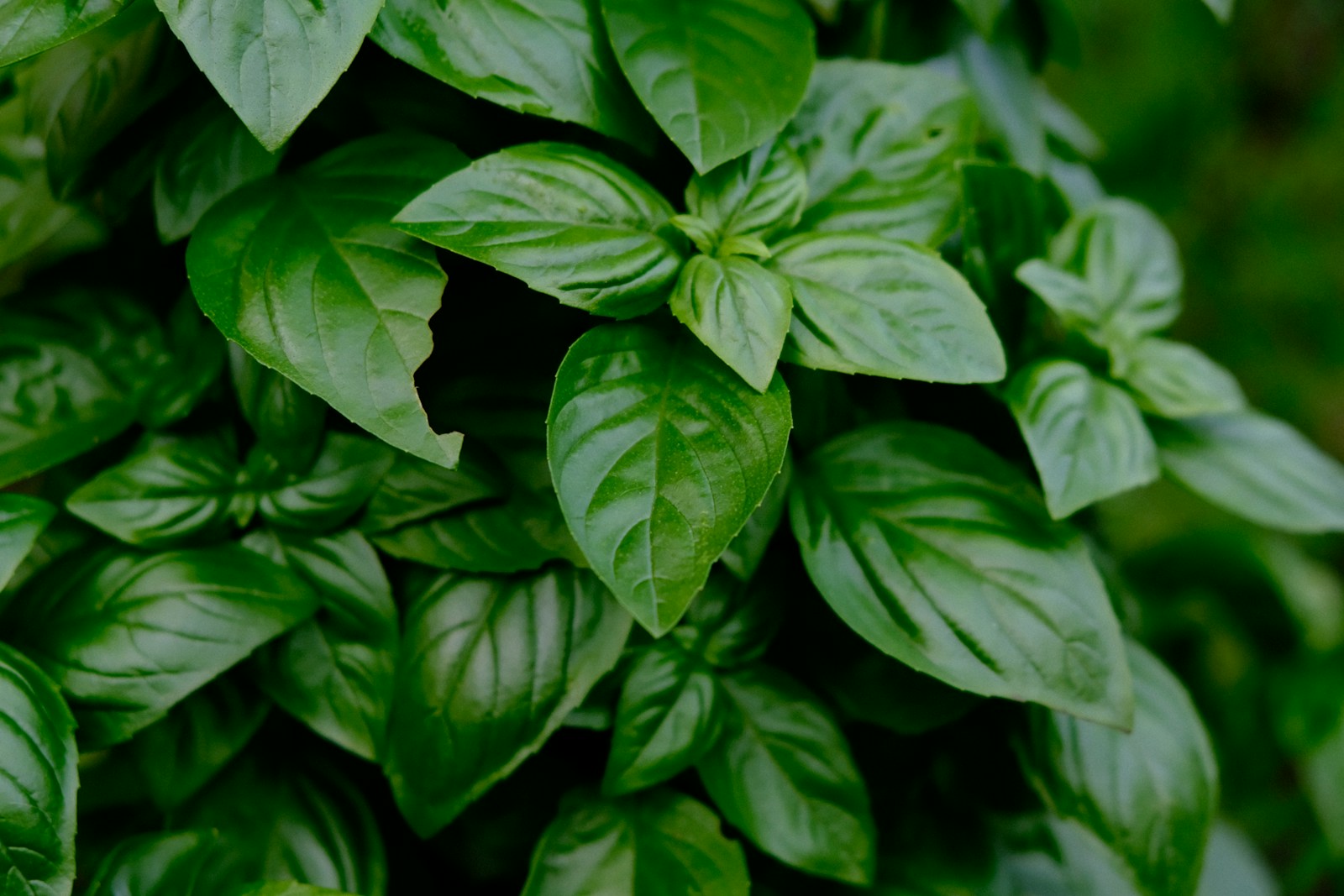
Basil is a tender herb grown for its fragrant leaves, the heart of pesto, tomato salads and many Thai dishes. It grows fast in warm weather and does well in pots, beds and window boxes. It is easy to grow once you give it heat, sun and regular picking.
Sowing and planting
Basil hates cold, so timing is everything. Sow indoors 4 to 6 weeks before your last frost. Fill small pots or cell trays with moist seed compost. Sow two or three seeds per cell, 1/8 to 1/4 inch (3 to 6 mm) deep. Keep them at 70 to 80°F (21 to 27°C); a heat mat helps. Once seedlings appear, give them bright light and thin to the strongest one per cell.
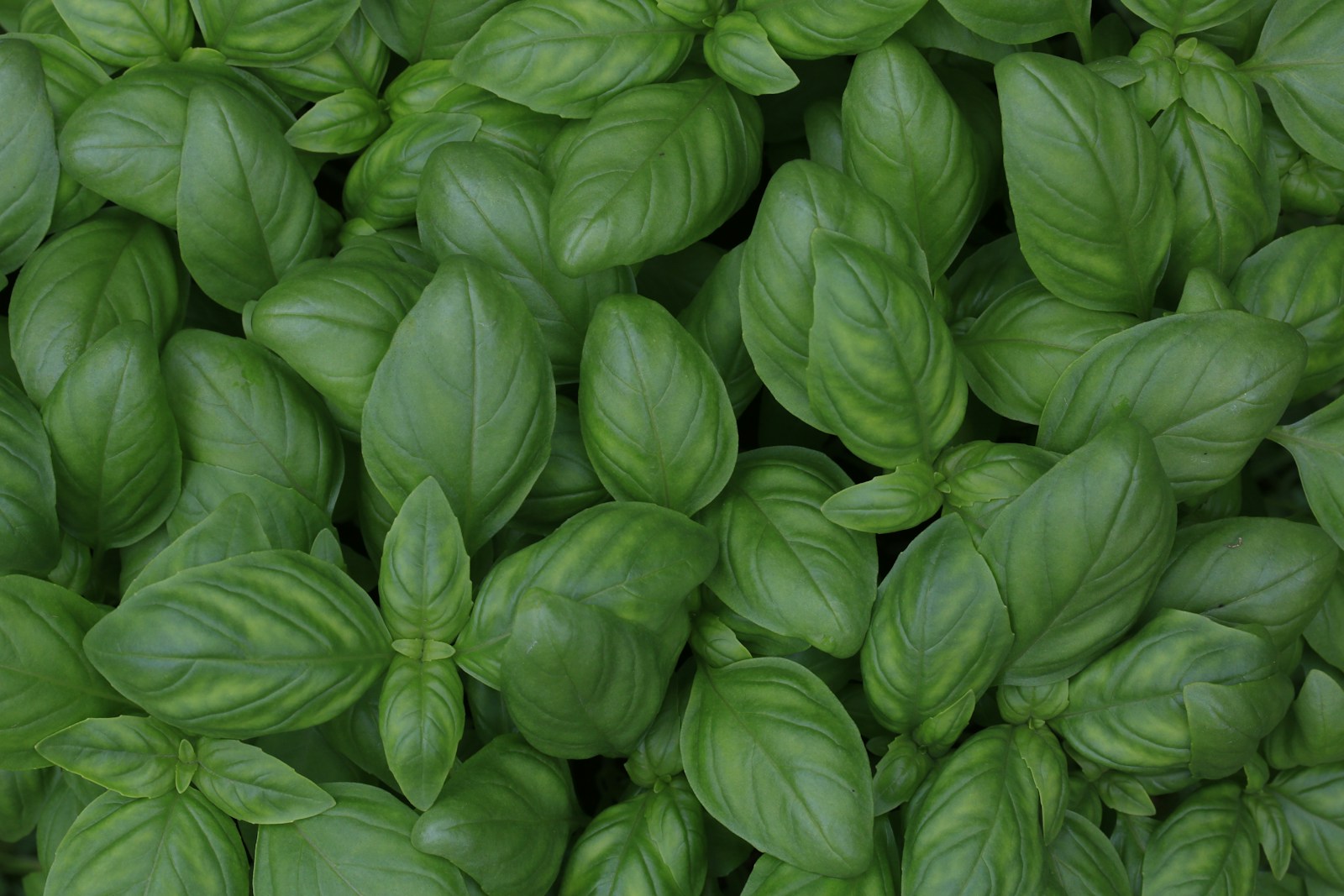
Harden off the young plants (get them used to outdoor sun and wind over a week or so) once your last frost has passed. Plant out when nights stay above 50°F (10°C). This is usually one to two weeks after your last frost. Set plants 10 to 12 inches (25 to 30 cm) apart, at the same depth they grew in their pots.
You can also sow directly outdoors once the soil reaches about 65°F (18°C), usually two weeks or more after your last frost. Sow thinly in a row and thin to the final spacing. Eat the thinnings.
For a steady supply, sow a small batch every three to four weeks until midsummer. Young plants give the best leaves, and older plants tend to flower and slow down.
Pots and window boxes
Basil grows well in containers at least 8 inches (20 cm) across. Use a good potting mix and a pot with drainage holes. Pots dry out fast in hot weather, so check them daily.
Growing on
Water at the base in the morning, keeping the leaves dry. Aim for evenly moist soil. Basil wilts quickly when dry, but soggy soil rots its roots. Beds usually need about 1 inch (25 mm) of water a week.
Feed lightly. Compost worked in before planting is enough in beds. In pots, give a balanced liquid fertilizer every two to three weeks. Too much feeding gives big leaves with weaker flavour.
Once the soil is warm, mulch beds with 1 to 2 inches (2.5 to 5 cm) of fine compost or shredded leaves. This holds moisture and keeps soil off the leaves.
Pinching
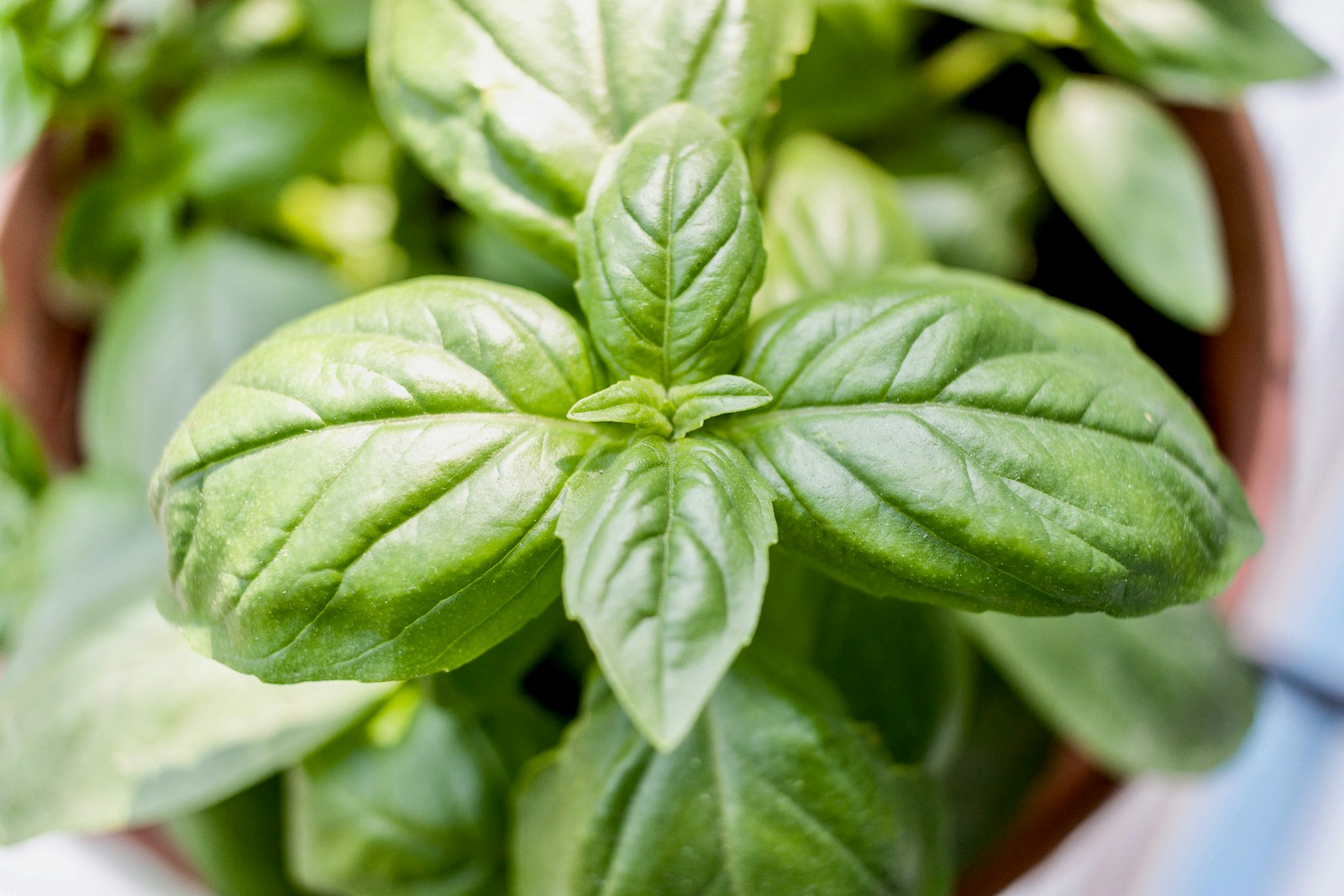
Pinching (nipping off the growing tip) makes basil bushy. When a plant is about 6 inches (15 cm) tall, cut the top just above a pair of leaves. Two new shoots grow from that point. Repeat on each new shoot as it lengthens. Plants rarely need staking if you pinch regularly.
Stopping flowers
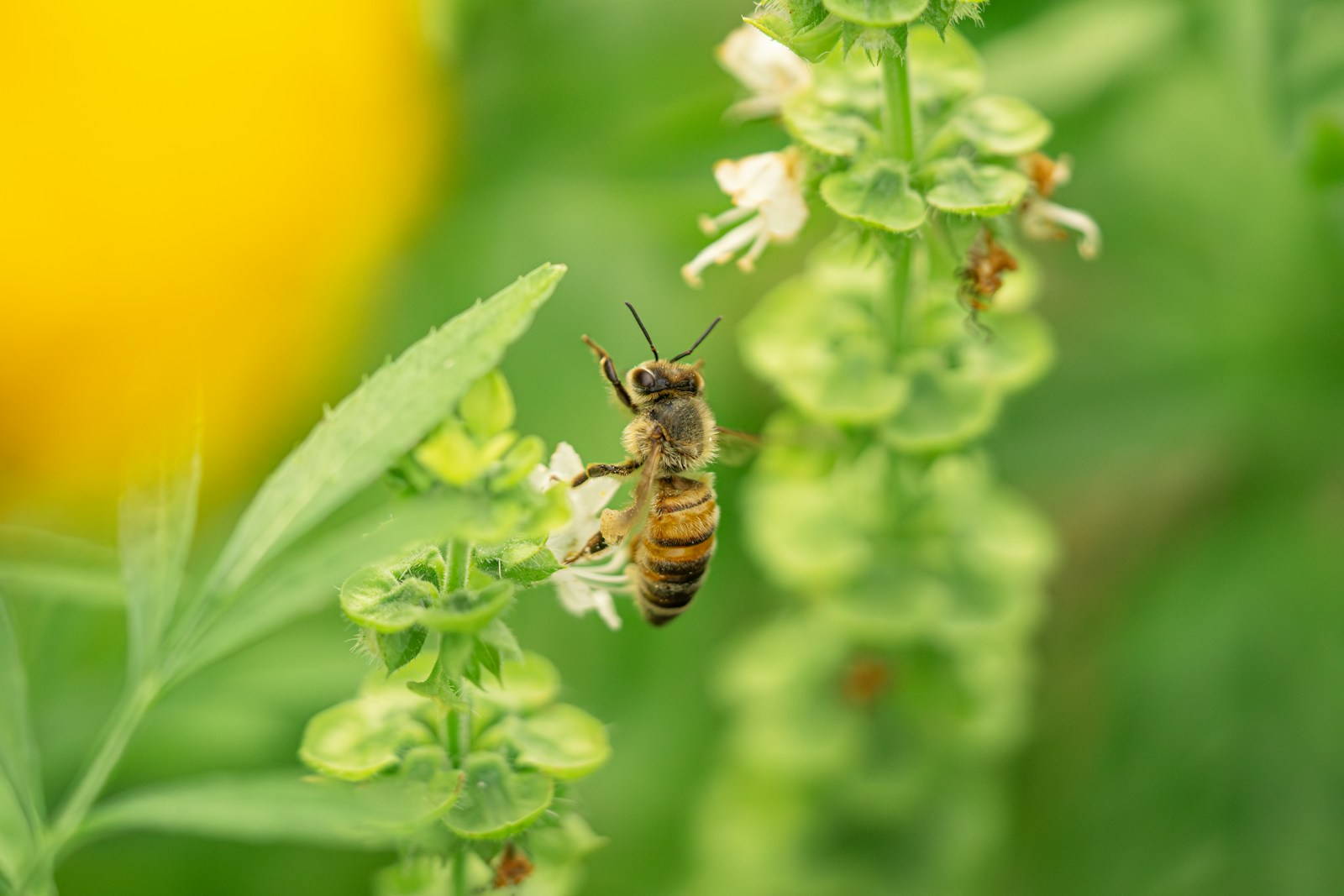
Basil flowers in hot weather and long days. Once it flowers, leaf production slows and the leaves can turn bitter. Pinch off flower spikes as soon as you see them. Leave a few to bloom late in the season if you want to feed bees, which love the flowers.
Companions
Basil is a classic partner for tomatoes and peppers, which like the same warm, sunny conditions. Keep it away from sage and rue, which prefer drier soil.
Harvesting
Start picking once plants have six to eight pairs of leaves. Pick in the morning, when the leaves are crisp and full of aroma. Cut whole stems just above a pair of leaves, rather than stripping single leaves. This doubles as pinching and keeps the plant bushy. Never take more than a third of a plant at once.
Before the first autumn frost, cut the whole plant and process the crop.
Storing fresh basil
Basil blackens in the refrigerator, since it is damaged below about 50°F (10°C). Stand stems in a glass of water on the kitchen counter, like cut flowers, and use them within a few days.
Freezing and drying
Freezing keeps the flavour best. Blend leaves with a little olive oil, spoon the purée into ice cube trays and freeze. Then store the cubes in a bag. Blanch whole leaves for a few seconds first if you want to keep their green colour.
Drying loses some flavour, but it is easy. Hang small bunches upside down in a warm, dry, airy spot out of sun. Or spread leaves on screens or in a dehydrator on low heat. Store fully dry, crisp leaves in an airtight jar.
Saving seed
Let a few spikes flower and dry to brown on the plant. Rub the dry heads over a bowl to release the small black seeds. Different basils cross easily, so save seed only from one variety, or grow varieties well apart.
Keep basil away from cold. Nights below 50°F (10°C) stunt basil, and near-freezing air turns its leaves black. Do not plant out too early, and bring pots indoors or cover beds with fleece if a cold snap is forecast.
Problems and pests
Yellow leaves with grey-purple fuzz underneath
Basil downy mildew, a disease that spreads fast in humid, wet weather. Pull and bin infected plants; do not compost them. Space plants well, water at the base, and grow resistant varieties if it has struck before.
Plants wilt and stems turn brown
Fusarium wilt, a soilborne fungus. Pull out affected plants and bin them. Grow basil in fresh soil or new potting mix the next year and buy seed from a reliable supplier.
Ragged holes in leaves, slime trails
Slugs and snails feed at night. Handpick after dark and set shallow beer traps. Iron phosphate slug bait is an organic option; follow the label and keep it away from pets.
Sticky, curled leaves
Aphids (small sap-sucking insects) on shoot tips. Wash them off with a jet of water or rub them off by hand. Insecticidal soap works on contact; test on a few leaves first, spray in the evening and follow the label.
Leaves turn black after a cool night
Cold damage. Pick off the worst leaves, move pots somewhere warmer, and cover beds on cold nights.
Varieties worth growing
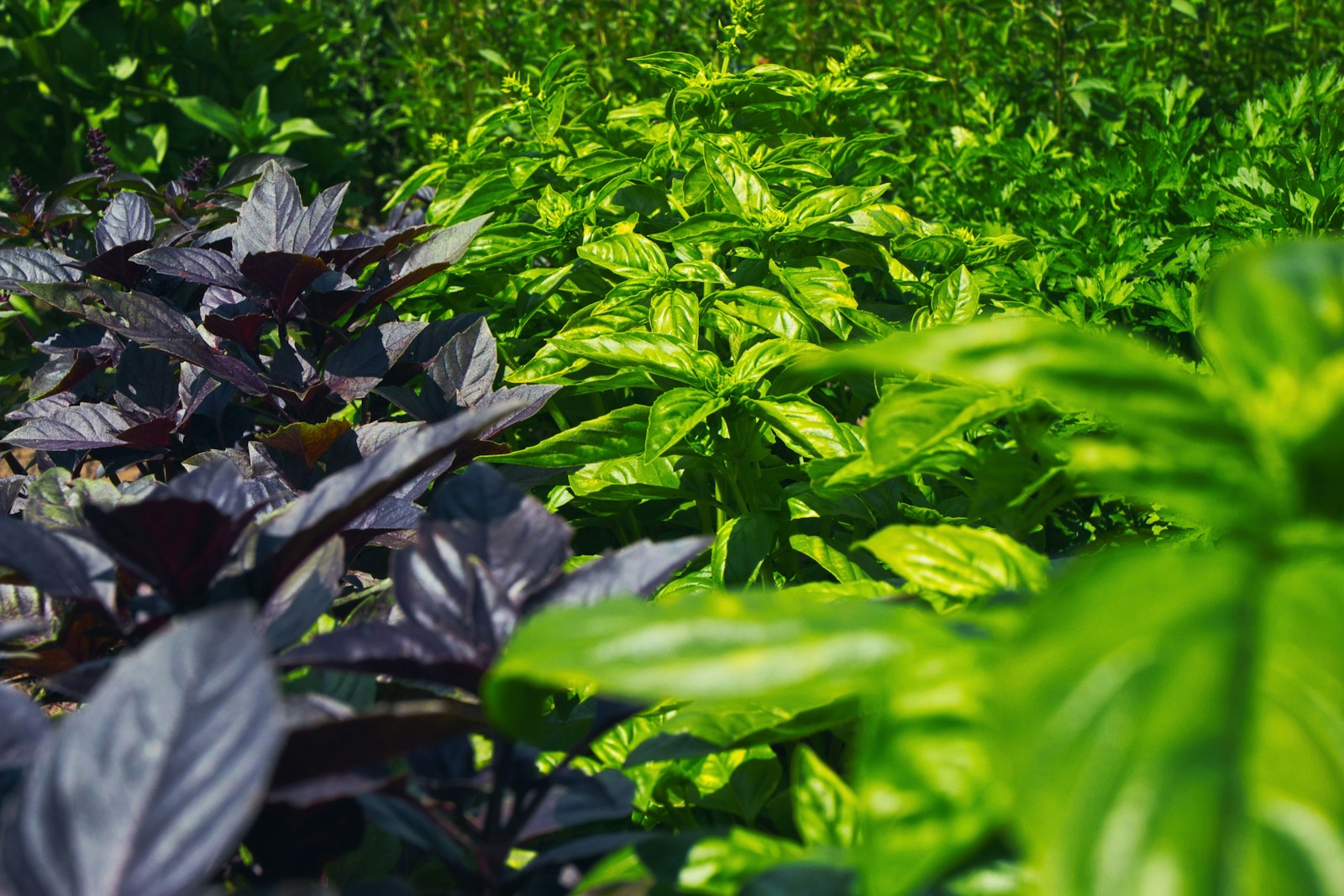
- 'Genovese': the classic large-leaved sweet basil for pesto.
- 'Dark Opal': deep purple leaves with a mild flavour; pretty in salads and borders.
- 'Siam Queen': a Thai basil with an anise flavour and purple flower heads.
- 'Mrs. Burns' Lemon': a lemon-scented basil, good with fish and in drinks.
- 'Spicy Globe': a dwarf, rounded bush with tiny leaves, ideal for pots.
- 'Prospera': a Genovese-type basil bred for resistance to downy mildew.